 Your new post is loading...

|
Scooped by
Dr. Stefan Gruenwald
September 11, 2020 12:05 AM
|
Artificial skin reacts to pain just like real skin, opening the way to better prosthetics, smarter robotics and less invasive options for skin grafts. Researchers have developed electronic artificial skin that reacts to pain just like real skin, opening the way to better prosthetics, smarter robotics and non-invasive alternatives to skin grafts. The prototype device developed by a team at RMIT University in Melbourne, Australia, can electronically replicate the way human skin senses pain. The device mimics the body's near-instant feedback response and can react to painful sensations with the same lighting speed that nerve signals travel to the brain. Lead researcher Professor Madhu Bhaskaran said the pain-sensing prototype was a significant advance towards next-generation biomedical technologies and intelligent robotics. "Skin is our body's largest sensory organ, with complex features designed to send rapid-fire warning signals when anything hurts," Bhaskaran said. "We're sensing things all the time through the skin but our pain response only kicks in at a certain point, like when we touch something too hot or too sharp. No electronic technologies have been able to realistically mimic that very human feeling of pain -- until now. Our artificial skin reacts instantly when pressure, heat or cold reach a painful threshold. It's a critical step forward in the future development of the sophisticated feedback systems that we need to deliver truly smart prosthetics and intelligent robotics." Functional sensing prototypes As well as the pain-sensing prototype, the research team has also developed devices using stretchable electronics that can sense and respond to changes in temperature and pressure. Bhaskaran, co-leader of the Functional Materials and Microsystems group at RMIT, said the three functional prototypes were designed to deliver key features of the skin's sensing capability in electronic form. With further development, the stretchable artificial skin could also be a future option for non-invasive skin grafts, where the traditional approach is not viable or not working. "We need further development to integrate this technology into biomedical applications but the fundamentals -- biocompatibility, skin-like stretchability -- are already there," Bhaskaran said.
|
|
Scooped by
Dr. Stefan Gruenwald
September 11, 2020 12:00 AM
|
Physicists use classical concepts to decipher strange quantum behaviors in an ultracold gas. There they were, in all their weird quantum glory: ultracold lithium atoms in the optical trap operated by UC Santa Barbara undergraduate student Alec Cao and his colleagues in David Weld's atomic physics group. Held by lasers in a regular, lattice formation and "driven" by pulses of energy, these atoms were doing crazy things. "It was a bit bizarre," Weld said. "Atoms would get pumped in one direction. Sometimes they would get pumped in another direction. Sometimes they would tear apart and make these structures that looked like DNA." These new and unexpected behaviors were the results of an experiment conducted by Cao, Weld and colleagues to push the boundaries of our knowledge of the quantum world. The outcomes? New directions in the field of dynamical quantum engineering, and a tantalizing path toward a link between classical and quantum physics. Their research is published in the journal Physical Review Research. "A lot of funny things happen when you shake a quantum system," said Weld, whose lab creates "artificial solids" -- low-dimensional lattices of light and ultracold atoms -- to simulate the behavior of quantum mechanical particles in more densely packed true solids when subjected to driving forces. The recent experiments were the latest in a line of reasoning that stretches back to 1929, when physicist and Nobel Laureate Felix Bloch first predicted that within the confines of a periodic quantum structure, a quantum particle under a constant force will oscillate. "They actually slosh back and forth, which is a consequence of the wave nature of matter," Weld said. While these position-space Bloch oscillations were predicted almost a century ago, they were directly observed only relatively recently; in fact Weld's group was the first to see them in 2018, with a method that made these often rapid, infinitesimal sloshings large and slow, and easy to see. A decade ago, other experiments added a time dependency to the Bloch oscillating system by subjecting it to an additional, periodic force, and found even more intense activity. Oscillations on top of oscillations -- super Bloch oscillations -- were discovered. For this study, the researchers took the system another step further, by modifying the space in which these atoms interact. "We're actually changing the lattice," said Weld, by way of varying laser intensities and external magnetic forces that not only added a time dependency but also curved the lattice, creating an inhomogenous force field. Their method of creating large, slow oscillations, he added, "gave us the opportunity to look at what happens when you have a Bloch oscillating system in an inhomogenous environment." This is when things got weird. The atoms shot back and forth, sometimes spreading apart, other times creating patterns in response to the pulses of energy pushing on the lattice in various ways. "We could follow their progress with numerics if we worked hard at it," Weld said. "But it was a little bit hard to understand why they do one thing and not the other." It was insight from Cao, the paper's lead author, that led to a way of deciphering the strange behavior. "When we investigated the dynamics for all times at once, we just saw a mess because there was no underlying symmetry, making the physics challenging to interpret," said Cao, who is beginning his fourth year at UCSB's College of Creative Studies. To draw out the symmetry, the researchers simplified this seemingly chaotic behavior by eliminating a dimension (in this case, time) by utilizing a mathematical technique initially developed to observe classical nonlinear dynamics called a Poincaré section. "In our experiment, a time interval is set by how we periodically modify the lattice in time," Cao said. "When we chucked out all the 'in-between' times and looked at the behavior once every period, structure and beauty emerged in the shapes of the trajectories because we were properly respecting the symmetry of the physical system." Observing the system only at periods based on this time interval yielded something like a stop-motion representation of these atoms' complicated yet cyclical movements. "What Alec figured is that these paths -- these Poincaré orbits -- tell us exactly why in some regimes of driving the atoms get pumped, while in other regimes of driving the atoms spread out and break up the wave function," Weld added. One direction the researchers could take from here, he said, is to use this knowledge to engineer quantum systems to have new behaviors through driving, with applications in burgeoning fields such as topological quantum computing. "But another direction we can take is looking at whether we can study the emergence of quantum chaos as we start to do things like add interactions to a driven system like this," Weld said. It's no small feat. Physicists for decades have been trying to find links between classical and quantum physics -- a common math that might explain concepts in one field that seem to have no analog in the other, such as classical chaos, the language for which does not exist in quantum mechanics.
|
|
Scooped by
Dr. Stefan Gruenwald
September 10, 2020 11:55 PM
|
A new study combines evolutionary genomics from coronavirus samples with computer-simulated epidemics and detailed travel records to reconstruct the spread of coronavirus across the world in unprecedented detail. Published in Science, the results suggest an extended period of missed opportunity when intensive testing and contact tracing might have prevented SARS-CoV-2 from becoming established in North America and Europe. The paper also challenges suggestions that linked the earliest known cases of COVID-19 on each continent in January to outbreaks detected weeks later, and provides valuable insights that could inform public health response and help with anticipating and preventing future outbreaks of COVID-19 and other zoonotic diseases. "Our aspiration was to develop and apply powerful new technology to conduct a definitive analysis of how the pandemic unfolded in space and time, across the globe," said University of Arizona researcher Michael Worobey, who led an interdisciplinary team of scientists from 13 research institutions in the U.S., Belgium, Canada and the U.K. "Before, there were lots of possibilities floating around in a mishmash of science, social media and an unprecedented number of preprint publications still awaiting peer review." The team based their analysis on results from viral genome sequencing efforts, which began immediately after the virus was identified and quickly grew into a worldwide effort, unprecedented in scale and pace, that has yielded tens of thousands of genome sequences, publicly available in databases. Contrary to widespread narratives, the first documented arrivals of infected individuals traveling from China to the U.S. and Europe did not snowball into continental outbreaks, the researchers found. Instead, swift and decisive measures aimed at tracing and containing those initial incursions of the virus were successful and should serve as model responses directing future actions and policies by governments and public health agencies, the study's authors conclude. How the Virus Arrived in the U.S. and Europe A Chinese national flying into Seattle from Wuhan, China on Jan. 15 became the first patient in the U.S. shown to be infected with the novel coronavirus and the first to have a SARS-CoV-2 genome sequenced. This patient was designated "WA1." It was not until six weeks later that several additional cases were detected in Washington state. "And while all that time goes past, everyone is in the dark and wondering, 'What's happening?'" said Worobey, head of the University of Arizona Department of Ecology and Evolutionary Biology and a member of university's BIO5 Institute. "We hope we're OK, we hope there are no other cases, and then it becomes clear, from a remarkable community viral sampling program in Seattle, that there are more cases in Washington and they are genetically very similar to WA1's virus."
|
|
Scooped by
Dr. Stefan Gruenwald
September 10, 2020 4:41 PM
|
A team of researchers affiliated with multiple institutions in the U.S. has successfully tested the idea of transplanting pancreatic islet cells under the skin to treat diabetes in test mice and monkeys. In their paper published in the journal Nature Metabolism, the group describes a new technique they developed for transplanting pancreatic islet cells under the skin and how well it worked. Diabetes type I occurs in people when their immune system, for unknown reasons, attacks and destroys cells in the pancreas that create insulin. People with diabetes type 1 manage their condition with insulin injections, controlling sugar levels in their blood. But because daily injections are not an optimal way to live, and because injections do not achieve the same degree of sugar level control in the body as the pancreas, scientists seek better ways to treat the condition. In recent years, some research teams have tried transplanting pancreatic islet cells into the livers of test animals. Unfortunately, that approach has not worked as well as hoped; the islet cells did not survive very long and sometimes caused inflammation. Other researchers have tried transplanting islet cells under the skin where they are more accessible if something goes wrong. But such efforts have failed, as well. The cells could not survive for very long, but for a different reason. They didn't get enough oxygen. In this new effort, the researchers have found a way around this problem. To help the islet cells live longer after being transplanted under the skin, the researchers first encased them in a collagen-based matrix. This not only served as protection for the cells, but initiated a process that allowed them to receive more oxygen. The researchers acknowledge that they do not yet know what that process is, but found it worked well in mice. They tried the technique by transplanting islet cells from mice, pigs and humans into 100 test mice with removed pancreases. The procedure allowed the mice to survive without insulation injections for up to 100 days. The researchers note more work is required to test the technique. They still do not know if the matrix will protect the cells against an immune response, or if humans would respond in the same way as the mice did.
|
|
Scooped by
Dr. Stefan Gruenwald
September 10, 2020 4:26 PM
|
Using an innovative computer-based approach, researchers have developed protein inhibitors that block the interaction between the SARS-CoV-2 virus and its human attachment cell receptor ACE2. In cell culture at least, the most potent of these inhibitors neutralizes virus infection, paving the way for their use in therapies that could be delivered more easily than antibodies. SARS-CoV-2 infection generally begins in the nasal cavity. The monoclonal antibodies in development as treatments for COVID-19 are not ideal for intranasal delivery, however, as antibodies are large and often not extremely stable. Small proteins that bind tightly to the SARS-CoV-2 spike and block the interaction with the human cellular receptor ACE2 may allow direct delivery through intranasal administration. Previous work in rodents has shown that intranasal delivery of small proteins designed to bind tightly to an influenza protein could provide protection against infection. Here, using novel approaches to identify new, higher-affinity binding modes with the SARS-CoV-2 spike's receptor binding domain (RBD), Longxing Cao, David Baker and colleagues have developed a series of inhibitors - optimized in their amino acid sequences for targeted binding, folding and stability - that bound to distinct regions of the RBD surface surrounding the ACE2 binding site. When they evaluated their inhibitors in cell culture, several bound with particularly high affinities to SARS-CoV-2 and two neutralized the virus, preventing infection. The small proteins were stable after 14 days at room temperature, addressing concerns associated with cold storage needs required for some antibodies and vaccine candidates. These "mini-binders" provide starting points for SARS-CoV-2 therapeutics, the authors say. After further development, they could be used in a gel for nasal application, or for direct delivery into the respiratory system by nebulization. "We will be exploring alternative routes of delivery in the months ahead as we seek to translate the high potency neutralizing proteins into SARS-CoV-2 therapeutics and prophylactics," they write. They also address the utility of their computational design-based approach for preparing against future pandemics.
|
|
Scooped by
Dr. Stefan Gruenwald
September 8, 2020 2:44 PM
|
By detecting subtle differences in the way that Alzheimer’s sufferers use language, researchers at Stevens Institute of Technology have developed an A.I. algorithm that promises to accurately diagnose Alzheimer’s without the need for expensive scans or in-person testing. The software not only can diagnose Alzheimer’s, at negligible cost, with more than 95 percent accuracy, but is also capable of explaining its conclusions, allowing physicians to double check the accuracy of its diagnosis.
“This is a real breakthrough,” said the tool’s creator, K.P. Subbalakshmi, founding director of Stevens Institute of Artificial Intelligence and professor of electrical and computer engineering at the Charles V. Schaefer School of Engineering & Science. “We’re opening an exciting new field of research, and making it far easier to explain to patients why the A.I. came to the conclusion that it did, while diagnosing patients. This addresses the important question of trustability of A.I .systems in the medical field.”
It has long been known that Alzheimer’s can affect a person’s use of language. People with Alzheimer’s typically replace nouns with pronouns, such as by saying ‘He sat on it’ rather than ‘The boy sat on the chair.’ Patients might also use awkward circumlocutions, saying “My stomach feels bad because I haven’t eaten” instead of simply “I’m hungry.” By designing an explainable A.I. engine which uses attention mechanisms and convolutional neural network— a form of A.I. that learns over time — Subbalakshmi and her students were able to develop software that could not only accurately identify well-known telltale signs of Alzheimer’s, but also detect subtle linguistic patterns previously overlooked.
Subbalakshmi and her team trained her algorithm using texts produced by both healthy subjects and known Alzheimer’s sufferers as they described a drawing of children stealing cookies from a jar. Using tools developed by Google, Subbalakshmi and her team converted each individual sentence into a unique numerical sequence, or vector, representing a specific point in a 512-dimensional space.
Such an approach allows even complex sentences to be assigned a concrete numerical value, making it easier to analyze structural and thematic relationships between sentences. By using those vectors along with handcrafted features – those that subject matter experts have identified – the A.I. system gradually learned to spot similarities and differences between sentences spoken by healthy or unhealthy subjects, and thus to determine with remarkable accuracy how likely any given text was to have been produced by an Alzheimer’s sufferer.
|
|
Scooped by
Dr. Stefan Gruenwald
September 8, 2020 2:50 AM
|
For all its vast emptiness, the universe is humming with activity in the form of gravitational waves. Produced by extreme astrophysical phenomena, these reverberations ripple forth and shake the fabric of space-time, like the clang of a cosmic bell. Now researchers have detected a signal from what may be the most massive black hole merger yet observed in gravitational waves. The product of the merger is the first clear detection of an "intermediate-mass" black hole, with a mass between 100 and 1,000 times that of the sun. They detected the signal, which they have labeled GW190521, on May 21, 2019, with the National Science Foundation's Laser Interferometer Gravitational-wave Observatory (LIGO), a pair of identical, 4-kilometer-long interferometers in the United States; and Virgo, a 3-kilometer-long detector in Italy. The signal, resembling about four short wiggles, is extremely brief in duration, lasting less than one-tenth of a second. From what the researchers can tell, GW190521 was generated by a source that is roughly 5 gigaparsecs away, when the universe was about half its age, making it one of the most distant gravitational-wave sources detected so far. As for what produced this signal, based on a powerful suite of state-of-the-art computational and modeling tools, scientists think that GW190521 was most likely generated by a binary black hole merger with unusual properties. Almost every confirmed gravitational-wave signal to date has been from a binary merger, either between two black holes or two neutron stars. This newest merger appears to be the most massive yet, involving two inwards spiraling black holes with masses about 85 and 66 times the mass of the sun. The LIGO-Virgo team has also measured each black hole's spin and discovered that as the black holes were circling ever closer together, they could have been spinning about their own axes, at angles that were out of alignment with the axis of their orbit. The black holes' misaligned spins likely caused their orbits to wobble, or "precess," as the two Goliaths spiraled toward each other. The new signal likely represents the instant that the two black holes merged. The merger created an even more massive black hole, of about 142 solar masses, and released an enormous amount of energy, equivalent to around 8 solar masses, spread across the universe in the form of gravitational waves. "This doesn't look much like a chirp, which is what we typically detect," says Virgo member Nelson Christensen, a researcher at the French National Centre for Scientific Research (CNRS), comparing the signal to LIGO's first detection of gravitational waves in 2015. "This is more like something that goes 'bang,' and it's the most massive signal LIGO and Virgo have seen." The international team of scientists, who make up the LIGO Scientific Collaboration (LSC) and the Virgo Collaboration, have reported their findings in two papers published today. One, appearing in Physical Review Letters, details the discovery, and the other, in The Astrophysical Journal Letters, discusses the signal's physical properties and astrophysical implications. "LIGO once again surprises us not just with the detection of black holes in sizes that are difficult to explain, but doing it using techniques that were not designed specifically for stellar mergers," says Pedro Marronetti, program director for gravitational physics at the National Science Foundation. "This is of tremendous importance since it showcases the instrument's ability to detect signals from completely unforeseen astrophysical events. LIGO shows that it can also observe the unexpected." In the mass gap The uniquely large masses of the two inward spiraling black holes, as well as the final black hole, raise a slew of questions regarding their formation. All of the black holes observed to date fit within either of two categories: stellar-mass black holes, which measure from a few solar masses up to tens of solar masses and are thought to form when massive stars die; or supermassive black holes, such as the one at the center of the Milky Way galaxy, that are from hundreds of thousands, to billions of times that of our sun. However, the final 142-solar-mass black hole produced by the GW190521 merger lies within an intermediate mass range between stellar-mass and supermassive black holes -- the first of its kind ever detected. The two progenitor black holes that produced the final black hole also seem to be unique in their size. They're so massive that scientists suspect one or both of them may not have formed from a collapsing star, as most stellar-mass black holes do. According to the physics of stellar evolution, outward pressure from the photons and gas in a star's core support it against the force of gravity pushing inward, so that the star is stable, like the sun. After the core of a massive star fuses nuclei as heavy as iron, it can no longer produce enough pressure to support the outer layers. When this outward pressure is less than gravity, the star collapses under its own weight, in an explosion called a core-collapse supernova, that can leave behind a black hole. This process can explain how stars as massive as 130 solar masses can produce black holes that are up to 65 solar masses. But for heavier stars, a phenomenon known as "pair instability" is thought to kick in. When the core's photons become extremely energetic, they can morph into an electron and antielectron pair. These pairs generate less pressure than photons, causing the star to become unstable against gravitational collapse, and the resulting explosion is strong enough to leave nothing behind. Even more massive stars, above 200 solar masses, would eventually collapse directly into a black hole of at least 120 solar masses. A collapsing star, then, should not be able to produce a black hole between approximately 65 and 120 solar masses -- a range that is known as the "pair instability mass gap." But now, the heavier of the two black holes that produced the GW190521 signal, at 85 solar masses, is the first so far detected within the pair instability mass gap. "The fact that we're seeing a black hole in this mass gap will make a lot of astrophysicists scratch their heads and try to figure out how these black holes were made," says Christensen, who is the director of the Artemis Laboratory at the Nice Observatory in France. One possibility, which the researchers consider in their second paper, is of a hierarchical merger, in which the two progenitor black holes themselves may have formed from the merging of two smaller black holes, before migrating together and eventually merging. "This event opens more questions than it provides answers," says LIGO member Alan Weinstein, professor of physics at Caltech. "From the perspective of discovery and physics, it's a very exciting thing."
|
|
Scooped by
Dr. Stefan Gruenwald
September 8, 2020 2:44 AM
|
The world is one step closer to having a totally secure internet and an answer to the growing threat of cyber-attacks, thanks to a team of international scientists who have created a unique prototype which could transform how we communicate online The invention led by the University of Bristol, revealed today in the journal Science Advances, has the potential to serve millions of users, is understood to be the largest-ever quantum network of its kind, and could be used to secure people's online communication, particularly in these internet-led times accelerated by the COVID-19 pandemic. By deploying a new technique, harnessing the simple laws of physics, it can make messages completely safe from interception while also overcoming major challenges which have previously limited advances in this little used but much-hyped technology. Lead author Dr Siddarth Joshi, who headed the project at the university's Quantum Engineering Technology (QET) Labs, said: "This represents a massive breakthrough and makes the quantum internet a much more realistic proposition. Until now, building a quantum network has entailed huge cost, time, and resource, as well as often compromising on its security which defeats the whole purpose. Our solution is scalable, relatively cheap and, most important of all, impregnable. That means it's an exciting game changer and paves the way for much more rapid development and widespread rollout of this technology." The current internet relies on complex codes to protect information, but hackers are increasingly adept at outsmarting such systems leading to cyber-attacks across the world which cause major privacy breaches and fraud running into trillions of pounds annually. With such costs projected to rise dramatically, the case for finding an alternative is even more compelling and quantum has for decades been hailed as the revolutionary replacement to standard encryption techniques. So far physicists have developed a form of secure encryption, known as quantum key distribution, in which particles of light, called photons, are transmitted. The process allows two parties to share, without risk of interception, a secret key used to encrypt and decrypt information. But to date this technique has only been effective between two users. "Until now efforts to expand the network have involved vast infrastructure and a system which requires the creation of another transmitter and receiver for every additional user. Sharing messages in this way, known as trusted nodes, is just not good enough because it uses so much extra hardware which could leak and would no longer be totally secure," Dr Joshi said. The team's quantum technique applies a seemingly magical principle, called entanglement, which Albert Einstein described as 'spooky action at a distance.' It exploits the power of two different particles placed in separate locations, potentially thousands of miles apart, to simultaneously mimic each other. This process presents far greater opportunities for quantum computers, sensors, and information processing. "Instead of having to replicate the whole communication system, this latest methodology, called multiplexing, splits the light particles, emitted by a single system, so they can be received by multiple users efficiently," Dr Joshi explains. The team created a network for eight users using just eight receiver boxes, whereas the former method would need the number of users multiplied many times -- in this case, amounting to 56 boxes. As the user numbers grow, the logistics become increasingly unviable -- for instance 100 users would take 9,900 receiver boxes. To demonstrate its functionality across distance, the receiver boxes were connected to optical fibres via different locations across Bristol and the ability to transmit messages via quantum communication was tested using the city's existing optical fibre network. "Besides being completely secure, the beauty of this new technique is its streamline agility, which requires minimal hardware because it integrates with existing technology," Dr Joshi notes. The team's unique system also features traffic management, delivering better network control which allows, for instance, certain users to be prioritised with a faster connection. Whereas previous quantum systems have taken years to build, at a cost of millions or even billions of pounds, this network was created within months for less than £300,000. The financial advantages grow as the network expands, so while 100 users on previous quantum systems might cost in the region of £5 billion, Dr Joshi believes multiplexing technology could slash that to around £4.5 million, less than 1 per cent. In recent years quantum cryptography has been successfully used to protect transactions between banking centres in China and secure votes at a Swiss election. Yet its wider application has been held back by the sheer scale of resources and costs involved. "With these economies of scale, the prospect of a quantum internet for universal usage is much less far-fetched. We have proved the concept and by further refining our multiplexing methods to optimise and share resources in the network, we could be looking at serving not just hundreds or thousands, but potentially millions of users in the not too distant future," Dr Joshi said.
|
|
Scooped by
Dr. Stefan Gruenwald
September 8, 2020 2:37 AM
|
A new blood test demonstrated remarkable promise in discriminating between persons with and without Alzheimer's disease and in persons at known genetic risk may be able to detect the disease as early as 20 years before the onset of cognitive impairment, according to a large international study published today in the Journal of the American Medical Association (JAMA) and simultaneously presented at the Alzheimer's Association International Conference. For many years, the diagnosis of Alzheimer's has been based on the characterization of amyloid plaques and tau tangles in the brain, typically after a person dies. An inexpensive and widely available blood test for the presence of plaques and tangles would have a profound impact on Alzheimer's research and care. According to the new study, measurements of phospho-tau217 (p-tau217), one of the tau proteins found in tangles, could provide a relatively sensitive and accurate indicator of both plaques and tangles -- corresponding to the diagnosis of Alzheimer's -- in living people. "The p-tau217 blood test has great promise in the diagnosis, early detection, and study of Alzheimer's," said Oskar Hansson, MD, PhD, Professor of Clinical Memory Research at Lund University, Sweden, who leads the Swedish BioFINDER Study and senior author on the study who spearheaded the international collaborative effort. "While more work is needed to optimize the assay and test it in other people before it becomes available in the clinic, the blood test might become especially useful to improve the recognition, diagnosis, and care of people in the primary care setting." Researchers evaluated a new p-tau217 blood test in 1,402 cognitively impaired and unimpaired research participants from well-known studies in Arizona, Sweden, and Colombia. The study, which was coordinated from Lund University in Sweden, included 81 Arizona participants in Banner Sun Health Research Institute's Brain Donation program who had clinical assessments and provided blood samples in their last years of life and then had neuropathological assessments after they died; 699 participants in the Swedish BioFINDER Study who had clinical, brain imaging, cerebrospinal fluid (CSF), and blood-based biomarker assessments; and 522 Colombian autosomal dominant Alzheimer's disease (ADAD)-causing mutation carriers and non-carriers from the world's largest ADAD cohort.
|
|
Scooped by
Dr. Stefan Gruenwald
September 8, 2020 2:33 AM
|
New research out of Australia suggests the venom from honeybees can kill some of the most aggressive breast cancer cells. Using the venom from 312 honeybees and bumblebees in Perth Western Australia, Ireland and England, Dr Ciara Duffy from the Harry Perkins Institute of Medical Research and The University of Western Australia, tested the effect of the venom on the clinical subtypes of breast cancer, including triple-negative breast cancer, which has limited treatment options. Results published in the journal npj Precision Oncology revealed that honeybee venom rapidly destroyed triple-negative breast cancer and HER2-enriched breast cancer cells. Dr Duffy said the aim of the research was to investigate the anti-cancer properties of honeybee venom, and a component compound, melittin, on different types of breast cancer cells. "No-one had previously compared the effects of honeybee venom or melittin across all of the different subtypes of breast cancer and normal cells. We tested honeybee venom on normal breast cells, and cells from the clinical subtypes of breast cancer: hormone receptor positive, HER2-enriched, and triple-negative breast cancer. We tested a very small, positively charged peptide in honeybee venom called melittin, which we could reproduce synthetically, and found that the synthetic product mirrored the majority of the anti-cancer effects of honeybee venom," Dr Duffy said. "We found both honeybee venom and melittin significantly, selectively and rapidly reduced the viability of triple-negative breast cancer and HER2-enriched breast cancer cells. The venom was extremely potent," Dr Duffy said. A specific concentration of honeybee venom can induce 100% cancer cell death, while having minimal effects on normal cells. "We found that melittin can completely destroy cancer cell membranes within 60 minutes." Melittin in honeybee venom also had another remarkable effect; within 20 minutes, melittin was able to substantially reduce the chemical messages of cancer cells that are essential to cancer cell growth and cell division. "We looked at how honeybee venom and melittin affect the cancer signalling pathways, the chemical messages that are fundamental for cancer cell growth and reproduction, and we found that very quickly these signalling pathways were shut down. "Melittin modulated the signalling in breast cancer cells by suppressing the activation of the receptor that is commonly overexpressed in triple-negative breast cancer, the epidermal growth factor receptor, and it suppressed the activation of HER2 which is over-expressed in HER2-enriched breast cancer," she said. Western Australia's Chief Scientist Professor Peter Klinken said "This is an incredibly exciting observation that melittin, a major component of honeybee venom, can suppress the growth of deadly breast cancer cells, particularly triple-negative breast cancer. "Significantly, this study demonstrates how melittin interferes with signalling pathways within breast cancer cells to reduce cell replication. It provides another wonderful example of where compounds in nature can be used to treat human diseases," he said.
|
|
Scooped by
Dr. Stefan Gruenwald
August 31, 2020 11:21 AM
|
In ten years artificially intelligent robots will be living and working with us, according to Dr. Mark Sagar, CEO of Soul Machines, an Auckland, New Zealand-based company that develops intelligent, emotionally responsive avatars. Sagar, an AI engineer, is the inventor of a virtual nervous system that powers autonomous animated avatars like Baby X — a virtual infant that learns through experience and can “feel” emotions. “We are creating realistic adult avatars serving as virtual assistants. You can use them to plug into existing systems like IBM Watson or Cortana — putting a face on a chatbot,” said Sagar. Within a decade humans will be interacting with lifelike emotionally-responsive AI robots, very similar to the premise of the the HBO hit series Westworld, said Sagar. But before that scenario becomes a reality robotics will have to catch up to AI technology. “Robotics technology is not really at the level of control that’s required,” he said.
|
|
Scooped by
Dr. Stefan Gruenwald
August 29, 2020 8:26 PM
|
Elon Musk demonstrated a working Neuralink brain-machine interface device implanted on a pig during a live broadcast. He said the purpose of the presentation was to recruit employees that would like to help develop the system. – “We’re not trying to raise money or do anything else, but the main purpose is to convince great people to come work at Neuralink, and help us bring the product to fruition; make it affordable and reliable and such that anyone who wants one can have one,” he said. Neuralink aims to solve brain-related issues with the brain chip called ‘Link’. Musk said the device could help solve memory loss, strokes, addiction, depression, anxiety, even monitor a users’ health to warn if they are about to have a heart attack. The interface could also help return mobility to paralyzed individuals through artificial limbs. The user would be able to move prosthetics with their thoughts via the Link brain-machine interface. Ultimately, Musk's vision for Neuralink is for humans to merge with Artificial Intelligence (AI) – “Such that the future of the world is controlled by the combined will of the people of Earth … I think that that’s obviously gonna’ be the future that we want,” he stated. The Neuralink device is currently in its initial phase of development. The design has changed since it was unveiled in 2019. Before, the device would sit behind a user’s ear and it was visible, now the design looks like a small coin, that will be placed above the skull. It’s “like a Fitbit in your skull with tiny wires,” Musk said a couple of times during the presentation, adding that Neuralink aims to connect humans to the device using Bluetooth to pair with an app on a cell phone. The Link chip features 1,024 tiny electrode threads that are threaded by a surgical robot inside the brain to stimulate neurons. “For the initial device, it’s read/write in every channel with about 1024 channels, all-day battery life that recharges overnight and has quite a long-range, so you can have the range being to your phone,” Musk said. “I should say that’s kind of an important thing, because this would connect to your phone, and so the application would be on your phone, and the Link communicating, by essentially Bluetooth low energy to the device in your head.” The Link device will be capable of inductive charging (wirelessly).
|
|
Scooped by
Dr. Stefan Gruenwald
August 21, 2020 2:47 PM
|
Scientists, drugmakers and governments are moving with unprecedented haste to deliver a vaccine to protect against the new coronavirus. The fastest of them have already delivered early data from human studies, and further results from others should come quickly as the year progresses.
The goal, at least in the U.S., is to have a vaccine ready for use in some fashion by the end of the year, or early next. Doing so would be a scientific feat with few parallels. No vaccine has ever been developed so quickly, never mind manufactured for the world.
Current projections assume clinical development succeeds and progresses on time, neither of which are certain to happen. Researchers' success or failure could determine whether the virus becomes endemic, recurring in countries around the world year after year, or is ultimately checked.
With the health of their citizens at stake, governments are investing enormous sums of money into vaccine research and development, and to prepare for manufacturing and distributing what will likely need to be hundreds of millions of doses necessary to keep infection at bay.
With modern-day Manhattan Projects underway, vaccines have become an issue of national security, too, raising questions of global equity and medicine access.
In the U.S., the Trump administration has unveiled "Operation Warp Speed," so far pledging more than $11 billion in funding and support for seven candidates.
There's no guarantee the first successful vaccine will come from the U.S., however. Some of the leading candidates are being developed overseas, with projects by the University of Oxford in the U.K. and China's CanSino Biologics the furthest along.
|
|
|
Scooped by
Dr. Stefan Gruenwald
September 11, 2020 12:03 AM
|
Dense metallic hydrogen -- a phase of hydrogen which behaves like an electrical conductor -- makes up the interior of giant planets, but it is difficult to study and poorly understood. By combining artificial intelligence and quantum mechanics, researchers have found how hydrogen becomes a metal under the extreme pressure conditions of these planets. The researchers, from the University of Cambridge, IBM Research and EPFL, used machine learning to mimic the interactions between hydrogen atoms in order to overcome the size and timescale limitations of even the most powerful supercomputers. They found that instead of happening as a sudden, or first-order, transition, the hydrogen changes in a smooth and gradual way. The results are reported in the journal Nature. Hydrogen, consisting of one proton and one electron, is both the simplest and the most abundant element in the Universe. It is the dominant component of the interior of the giant planets in our solar system -- Jupiter, Saturn, Uranus, and Neptune -- as well as exoplanets orbiting other stars. At the surfaces of giant planets, hydrogen remains a molecular gas. Moving deeper into the interiors of giant planets however, the pressure exceeds millions of standard atmospheres. Under this extreme compression, hydrogen undergoes a phase transition: the covalent bonds inside hydrogen molecules break, and the gas becomes a metal that conducts electricity. "The existence of metallic hydrogen was theorised a century ago, but what we haven't known is how this process occurs, due to the difficulties in recreating the extreme pressure conditions of the interior of a giant planet in a laboratory setting, and the enormous complexities of predicting the behaviour of large hydrogen systems," said lead author Dr Bingqing Cheng from Cambridge's Cavendish Laboratory. Experimentalists have attempted to investigate dense hydrogen using a diamond anvil cell, in which two diamonds apply high pressure to a confined sample. Although diamond is the hardest substance on Earth, the device will fail under extreme pressure and high temperatures, especially when in contact with hydrogen, contrary to the claim that a diamond is forever. This makes the experiments both difficult and expensive. Theoretical studies are also challenging: although the motion of hydrogen atoms can be solved using equations based on quantum mechanics, the computational power needed to calculate the behaviour of systems with more than a few thousand atoms for longer than a few nanoseconds exceeds the capability of the world's largest and fastest supercomputers. It is commonly assumed that the transition of dense hydrogen is first-order, which is accompanied by abrupt changes in all physical properties. A common example of a first-order phase transition is boiling liquid water: once the liquid becomes a vapour, its appearance and behaviour completely change despite the fact that the temperature and the pressure remain the same. In the current theoretical study, Cheng and her colleagues used machine learning to mimic the interactions between hydrogen atoms, in order to overcome limitations of direct quantum mechanical calculations. "We reached a surprising conclusion and found evidence for a continuous molecular to atomic transition in the dense hydrogen fluid, instead of a first-order one," said Cheng, who is also a Junior Research Fellow at Trinity College. The transition is smooth because the associated 'critical point' is hidden. Critical points are ubiquitous in all phase transitions between fluids: all substances that can exist in two phases have critical points. A system with an exposed critical point, such as the one for vapour and liquid water, has clearly distinct phases. However, the dense hydrogen fluid, with the hidden critical point, can transform gradually and continuously between the molecular and the atomic phases. Furthermore, this hidden critical point also induces other unusual phenomena, including density and heat capacity maxima. The finding about the continuous transition provides a new way of interpreting the contradicting body of experiments on dense hydrogen. It also implies a smooth transition between insulating and metallic layers in giant gas planets. The study would not be possible without combining machine learning, quantum mechanics, and statistical mechanics. Without any doubt, this approach will uncover more physical insights about hydrogen systems in the future. As the next step, the researchers aim to answer the many open questions concerning the solid phase diagram of dense hydrogen.
|
|
Scooped by
Dr. Stefan Gruenwald
September 10, 2020 11:58 PM
|
The gravitational push and pull by Jupiter's moons could account for more warming than the gas giant Jupiter alone. Well, hotter than they should be, for being so far from the sun. In a process called tidal heating, gravitational tugs from Jupiter's moons and the planet itself stretch and squish the moons enough to warm them. As a result, some of the icy moons contain interiors warm enough to host oceans of liquid water, and in the case of the rocky moon Io, tidal heating melts rock into magma. Researchers previously believed that the gas giant Jupiter was responsible for most of the tidal heating associated with the liquid interiors of the moons, but a new study published in Geophysical Research Letters found that moon-moon interactions may be more responsible for the heating than Jupiter alone. "It's surprising because the moons are so much smaller than Jupiter. You wouldn't expect them to be able to create such a large tidal response," said the paper's lead author Hamish Hay, a postdoctoral fellow at the Jet Propulsion Laboratory in Pasadena, California, who did the research when he was a graduate student in the University of Arizona Lunar and Planetary Laboratory. Understanding how the moons influence each other is important because it can shed light on the evolution of the moon system as a whole. Jupiter has nearly 80 moons, the four largest of which are Io, Europa, Ganymede and Callisto. "Maintaining subsurface oceans against freezing over geological times requires a fine balance between internal heating and heat loss, and yet we have several pieces of evidence that Europa, Ganymede, Callisto and other moons should be ocean worlds," said co-author Antony Trinh, a postdoctoral research fellow in the Lunar and Planetary Lab. "Io, the moon closest to Jupiter, shows widespread volcanic activity, another consequence of tidal heating, but at a higher intensity likely experienced by other terrestrial planets, like Earth, in their early history. Ultimately, we want to understand the source of all this heat, both for its influence on the evolution and habitability of the many worlds across the solar system and beyond." Tidal Resonance The trick to tidal heating is a phenomenon called tidal resonance. "Resonance creates loads more heating," Hay said. "Basically, if you push any object or system and let go, it will wobble at its own natural frequency. If you keep on pushing the system at the right frequency, those oscillations get bigger and bigger, just like when you're pushing a swing. If you push the swing at the right time, it goes higher, but get the timing wrong and the swing's motion is dampened." Each moon's natural frequency depends on the depth of its ocean. "These tidal resonances were known before this work, but only known for tides due to Jupiter, which can only create this resonance effect if the ocean is really thin (less than 300 meters or under 1,000 feet), which is unlikely," Hay said. "When tidal forces act on a global ocean, it creates a tidal wave on the surface that ends up propagating around the equator with a certain frequency, or period." According to the researchers' model, Jupiter's influence alone can't create tides with the right frequency to resonate with the moons because the moons' oceans are thought to be too thick. It's only when the researchers added in the gravitational influence of the other moons that they started to see tidal forces approaching the natural frequencies of the moons. When the tides generated by other objects in Jupiter's moon system match each moon's own resonant frequency, the moon begins to experience more heating than that due to tides raised by Jupiter alone, and in the most extreme cases, this could result in the melting of ice or rock internally. For moons to experience tidal resonance, their oceans must be tens to hundreds of kilometers -- at most a few hundred miles -- thick, which is in range of scientists' current estimates. However, there are some caveats to the researchers' findings. Their model assumes that tidal resonances never get too extreme, Hay said. He and his team want to return to this variable in the model and see what happens when they lift that constraint. Hay also is hoping that future studies will be able to infer the true depth of the oceans within these moons.
|
|
Scooped by
Dr. Stefan Gruenwald
September 10, 2020 4:44 PM
|
Gut microbes affect human health, but there is still much to learn, in part because they're not easy to collect. But researchers now report in ACS Nano that they have developed an ingestible capsule that in rat studies captured bacteria and other biological samples while passing through the gastrointestinal (GI) tract. Currently, researchers obtain gut microbes by collecting stool samples or using techniques such as colonoscopy or endoscopy. However, stool samples can't capture all the microorganisms in the upper GI tract, and they can't keep microbes from different parts of the tract separate. Colonoscopy and endoscopy are invasive procedures, which deters some patients. Sarvesh Kumar Srivastava and colleagues wanted to avoid these drawbacks by designing a device that could be swallowed and then eliminated. The researchers developed a self-polymerizing reaction system of poly(ethylene glycol) diacrylate monomer, iron chloride and ascorbic acid -- all loaded into tiny hollow cylinders. The cylindrical microdevices were packaged in miniature gelatin capsules, which were coated with a protective layer to prevent digestion in the stomach's acidic environment. After they were fed to rats, the capsules remained protected in the stomach but disintegrated in the small intestine's more-neutral pH, releasing the microdevices. Exposure to intestinal fluid caused the cylinders' chemical cargo to polymerize, forming a hydrogel that trapped microbes and protein biomarkers in its surroundings, much like an instant snapshot of the intestine. The devices, which didn't cause inflammation or toxicity, were then surgically removed -- a step that the researchers say will be replaced by natural elimination in future. High-throughput sequencing studies showed that the bacterial population the devices captured closely resembled that of the gut. The researchers also demonstrated that these tiny cylinders could be triggered over a range of pH to deliver biologics, like insulin, to cells in a petri dish in the presence of intestinal mucus. This technology could advance understanding of host-microbiome interactions, providing insight into associated GI disease progression and paving the way for personalized gut therapies, the team says.
|
|
Scooped by
Dr. Stefan Gruenwald
September 10, 2020 4:36 PM
|
Time has a fundamentally different character in quantum mechanics and in general relativity. In quantum theory events unfold in a fixed order while in general relativity temporal order is influenced by the distribution of matter. When matter requires a quantum description, temporal order is expected to become non-classical—a scenario beyond the scope of current theories. Now, physicists provide a direct description of such a scenario. They consider a thought experiment with a massive body in a spatial superposition and show how it leads to entanglement of temporal orders between time-like events. This entanglement enables accomplishing a task, violation of a Bell inequality, that is impossible under local classical temporal order. It means that temporal order cannot be described by any pre-defined local variables. A classical notion of a causal structure is therefore untenable in any framework compatible with the basic principles of quantum mechanics and classical general relativity. Quantum mechanics forces us to question the view that physical quantities (such as spin, positions or energy) have predefined values: Bell’s theorem shows that if observable quantities were determined by some locally defined classical variables, it would be impossible to accomplish certain tasks—such as the violation of Bell’s inequalities—whereas such tasks are possible according to quantum mechanics1,2 and have been realized in experiments3,4,5,6. However, the causal relations between events remain fixed in quantum theory: whether an event A is in the past, in the future, or space-like separated from another event B is predefined by the location of such events in space-time7,8. In contrast, in general relativity, space-time itself is dynamical: the presence of massive objects affects local clocks and thus causal relations between events defined with respect to them. Nonetheless, the dynamical causal structure of general relativity is still classically predefined: the causal relation between any pair of events is uniquely determined by the distribution of matter-energy degrees of freedom (DOFs) in their past light cone. In other words, causal relations are always determined by local classical variables. This picture is expected to change if we consider quantum states of gravitating DOFs: if a massive system is prepared in a superposition of two distinct states, each yielding an observably different causal structure for future events, would it be possible to observe causal relations that display genuine quantum features? A main obstacle in the analysis of macroscopic superpositions of gravitating bodies is that, in the absence of a classical space-time manifold, it becomes unclear how to identify space-like surfaces on which quantum states are defined, or global fields of time-like vectors to define time evolution. Indeed, some models even postulate that such superpositions are simply not valid physical states and must decohere (or collapse) fast enough to preserve a classical description of space-time and dynamical laws9,-13. A very different mindset underlies various quantum gravity frameworks14—where quantum features of the metric and therefore of the causal relations are indeed expected. However, to date, none of the quantum gravity frameworks has been applied to analyze such an epitomic example as superpositions of space-times with macroscopically distinct causal structures. Therefore, it is unclear whether there exists any phenomenology unequivocally associated with quantum causal structures, nor whether quantum gravity frameworks can circumvent or directly address the objections against superpositions of manifolds. Independently, quantum formalisms have been recently developed to study quantum causal structures at an abstract level in the context of quantum-information processing8,15,16. However, although quantum features of space-time are among the motivations for these studies, no direct link with quantum gravity has yet been established.
|
|
Scooped by
Dr. Stefan Gruenwald
September 8, 2020 2:53 PM
|
Using NASA’s Chandra X-ray Observatory, astronomers have seen that the famous giant black hole in Messier 87 is propelling particles at speeds greater than 99% of the speed of light. The Event Horizon Telescope Collaboration released the first image of a black hole with observations of the massive, dark object at the center of galaxy Messier 87, or M87, last April. This black hole has a mass of about 6.5 billion times that of the sun and is located about 55 million light years from Earth. The black hole has been called M87* by astronomers and has recently been given the Hawaiian name of “Powehi.” For years, astronomers have observed radiation from a jet of high energy particles – powered by the black hole – blasting out of the center of M87. They have studied the jet in radio, optical, and X-ray light, including with Chandra. And now by using Chandra observations, researchers have seen that sections of the jet are moving at nearly the speed of light. “This is the first time such extreme speeds by a black hole’s jet have been recorded using X-ray data,” said Ralph Kraft of the Center of Astrophysics | Harvard & Smithsonian (CfA) in Cambridge, Mass., who presented the study at the American Astronomical Society meeting in Honolulu, Hawaii. “We needed the sharp X-ray vision of Chandra to make these measurements.” When matter gets close enough to a black hole, it enters into a swirling pattern called an accretion disk. Some material from the inner part of the accretion disk falls onto the black hole and some of it is redirected away from the black hole in the form of narrow beams, or jets, of material along magnetic field lines. Because this infall process is irregular, the jets are made of clumps or knots that can sometimes be identified with Chandra and other telescopes. The researchers used Chandra observations from 2012 and 2017 to track the motion of two X-ray knots located within the jet about 900 and 2,500 light years away from the black hole. The X-ray data show motion with apparent speeds of 6.3 times the speed of light for the X-ray knot closer to the black hole and 2.4 times the speed of light for the other. “One of the unbreakable laws of physics is that nothing can move faster than the speed of light,” said co-author Brad Snios, also of the CfA. “We haven’t broken physics, but we have found an example of an amazing phenomenon called superluminal motion.”
|
|
Scooped by
Dr. Stefan Gruenwald
September 8, 2020 2:53 AM
|
Using a new machine-learning algorithm, MIT researchers have identified a powerful antibiotic that can kill a wide range of species of pathogenic bacteria, including some that are resistant to all known antibiotics. The computer model, which can screen more than a hundred million chemical compounds in a matter of days, is designed to pick out potential antibiotics that kill bacteria using different mechanisms than those of existing drugs. "We wanted to develop a platform that would allow us to harness the power of artificial intelligence to usher in a new age of antibiotic drug discovery," says James Collins, the Termeer Professor of Medical Engineering and Science in MIT's Institute for Medical Engineering and Science (IMES) and Department of Biological Engineering. "Our approach revealed this amazing molecule which is arguably one of the more powerful antibiotics that has been discovered." In their new study, the researchers also identified several other promising antibiotic candidates, which they plan to test further. They believe the model could also be used to design new drugs, based on what it has learned about chemical structures that enable drugs to kill bacteria. "The machine learning model can explore, in silico, large chemical spaces that can be prohibitively expensive for traditional experimental approaches," says Regina Barzilay, the Delta Electronics Professor of Electrical Engineering and Computer Science in MIT's Computer Science and Artificial Intelligence Laboratory (CSAIL). In this case, the researchers designed their model to look for chemical features that make molecules effective at killing E. coli. To do so, they trained the model on about 2,500 molecules, including about 1,700 FDA-approved drugs and a set of 800 natural products with diverse structures and a wide range of bioactivities. Once the model was trained, the researchers tested it on the Broad Institute’s Drug Repurposing Hub, a library of about 6,000 compounds. The model picked out one molecule that was predicted to have strong antibacterial activity and had a chemical structure different from any existing antibiotics. Using a different machine-learning model, the researchers also showed that this molecule would likely have low toxicity to human cells. This recently identified molecule, which the researchers decided to call halicin, after the fictional artificial intelligence system from “2001: A Space Odyssey,” has been previously investigated as possible diabetes drug. The researchers tested it against dozens of bacterial strains isolated from patients and grown in lab dishes, and found that it was able to kill many that are resistant to treatment, including Clostridium difficile, Acinetobacter baumannii, and Mycobacterium tuberculosis. The drug worked against every species that they tested, with the exception of Pseudomonas aeruginosa, a difficult-to-treat lung pathogen. To test halicin’s effectiveness in living animals, the researchers used it to treat mice infected with A. baumannii, a bacterium that has infected many U.S. soldiers stationed in Iraq and Afghanistan. The strain of A. baumannii that they used is resistant to all known antibiotics, but application of a halicin-containing ointment completely cleared the infections within 24 hours. Preliminary studies suggest that halicin kills bacteria by disrupting their ability to maintain an electrochemical gradient across their cell membranes. This gradient is necessary, among other functions, to produce ATP (molecules that cells use to store energy), so if the gradient breaks down, the cells die. This type of killing mechanism could be difficult for bacteria to develop resistance to, the researchers say. “When you’re dealing with a molecule that likely associates with membrane components, a cell can’t necessarily acquire a single mutation or a couple of mutations to change the chemistry of the outer membrane. Mutations like that tend to be far more complex to acquire evolutionarily,” Stokes says. The researchers also found that E. coli did not develop any resistance to halicin during a 30-day treatment period. In contrast, the bacteria started to develop resistance to the antibiotic ciprofloxacin within one to three days, and after 30 days, the bacteria were about 200 times more resistant to ciprofloxacin than they were at the beginning of the experiment.
|
|
Scooped by
Dr. Stefan Gruenwald
September 8, 2020 2:46 AM
|
An MIT study reports that incoming cosmic rays may limit qubit performance, stymieing progress in quantum computing. The practicality of quantum computing hangs on the integrity of the quantum bit, or qubit. Qubits, the logic elements of quantum computers, are coherent two-level systems that represent quantum information. Each qubit has the strange ability to be in a quantum superposition, carrying aspects of both states simultaneously, enabling a quantum version of parallel computation. Quantum computers, if they can be scaled to accommodate many qubits on one processor, could be dizzyingly faster, and able to handle far more complex problems, than today's conventional computers. But all of that depends on a qubit's integrity, or how long it can operate before its superposition and the quantum information are lost -- a process called decoherence, which ultimately limits the computer run-time. Superconducting qubits -- a leading qubit modality today -- have achieved exponential improvement in this key metric, from less than one nanosecond in 1999 to around 200 microseconds today for the best-performing devices. Researchers at MIT, MIT Lincoln Laboratory, and Pacific Northwest National Laboratory (PNNL) have found that a qubit's performance will soon hit a wall. In a paper published in Nature, the team reports that the low-level, otherwise harmless background radiation that is emitted by trace elements in concrete walls and incoming cosmic rays are enough to cause decoherence in qubits. They found that this effect, if left unmitigated, will limit the performance of qubits to just a few milliseconds. Given the rate at which scientists have been improving qubits, they may hit this radiation-induced wall in just a few years. To overcome this barrier, scientists will have to find ways to shield qubits -- and any practical quantum computers -- from low-level radiation, perhaps by building the computers underground or designing qubits that are tolerant to radiation's effects. "These decoherence mechanisms are like an onion, and we've been peeling back the layers for past 20 years, but there's another layer that left unabated is going to limit us in a couple years, which is environmental radiation," says William Oliver, associate professor of electrical engineering and computer science and Lincoln Laboratory Fellow at MIT. "This is an exciting result, because it motivates us to think of other ways to design qubits to get around this problem." The paper's lead author is Antti Vepsäläinen, a postdoc in MIT's Research Laboratory of Electronics. "It is fascinating how sensitive superconducting qubits are to the weak radiation. Understanding these effects in our devices can also be helpful in other applications such as superconducting sensors used in astronomy," Vepsäläinen says.
|
|
Scooped by
Dr. Stefan Gruenwald
September 8, 2020 2:40 AM
|
A team of scientists from ASU and Shanghai Jiao Tong University (SJTU) led by Hao Yan, ASU's Milton Glick Professor in the School of Molecular Sciences, and director of the ASU Biodesign Institute's Center for Molecular Design and Biomimetics, has just announced the creation of a new type of meta-DNA structures that will open up the fields of optoelectronics (including information storage and encryption) as well as synthetic biology. This research was published today in Nature Chemistry -- indeed the meta-DNA self-assembly concept may totally transform the microscopic world of structural DNA nanotechnology. It is common knowledge that the predictable nature of Watson-Crick base-pairing and the structural features of DNA have allowed DNA to be used as a versatile building block to engineer sophisticated nanoscale structures and devices. "A milestone in DNA technology was certainly the invention of DNA origami, where a long single-stranded DNA (ssDNA) is folded into designated shapes with the help of hundreds of short DNA staple strands," explained Yan. "However it has been challenging to assemble larger (micron to millimeter) sized DNA architectures which up until recently has limited the use of DNA origami." The new micron sized structures are on the order of the width of a human hair which is 1000 times larger than the original DNA nanostructures. Ever since gracing the cover of Science Magazine in 2011 with their elegant DNA origami nanostructures, Yan and collaborators have been working tirelessly, capitalizing on inspiration from nature, seeking to solve complex human problems. "In this current research we developed a versatile "meta-DNA" (M-DNA) strategy that allowed various sub-micrometer to micrometer sized DNA structures to self-assemble in a manner similar to how simple short DNA strands self-assemble at the nanoscale level," said Yan. The group demonstrated that a 6-helix bundle DNA origami nanostructure in the sub-micrometer scale (meta-DNA) could be used as a magnified analogue of single-stranded DNA (ssDNA), and that two meta-DNAs containing complementary "meta-base pairs" could form double helices with programmed handedness and helical pitches. Using meta-DNA building blocks they have constructed a series of sub-micrometer to micrometer scale DNA architectures, including meta-multi-arm junctions, 3D polyhedrons, and various 2D/3D lattices. They also demonstrated a hierarchical strand-displacement reaction on meta-DNA to transfer the dynamic features of DNA to the meta-DNA. With the help of assistant professor Petr Sulc (SMS) they used a coarse-grained computational model of the DNA to simulate the double-stranded M-DNA structure and to understand the different yields of left-handed and right-handed structures that were obtained. Further, by just changing the local flexibility of the individual M-DNA and their interactions, they were able to build a series of sub-micrometer or micron-scale DNA structures from 1D to 3D with a wide variety of geometric shapes, including meta-junctions, meta-double crossover tiles (M-DX), tetrahedrons, octahedrons, prisms, and six types of closely packed lattices. In future, more complicated circuits, molecular motors, and nanodevices could be rationally designed using M-DNA and used in applications related to biosensing and molecular computation. This research will make the creation of dynamic micron-scale DNA structures, that are reconfigurable upon stimulation, significantly more feasible. The authors expect that the introduction of this M-DNA strategy will transform DNA nanotechnology from the nanometer to the microscopic scale. This will create a range of complex static and dynamic structures in the sub-micrometer and micron-scale that will enable many new applications. For example, these structures may be used as a scaffold for patterning complex functional components that are larger and more complex than previously thought possible. This discovery may also lead to more sophisticated and complex behaviors that mimic cell or cellular components with a combination of different M-DNA based hierarchical strand displacement reactions.
|
|
Scooped by
Dr. Stefan Gruenwald
September 8, 2020 2:35 AM
|
Humans are not the only species facing a potential threat from SARS-CoV-2, the novel coronavirus that causes COVID-19, according to a new study from the University of California, Davis. An international team of scientists used genomic analysis to compare the main cellular receptor for the virus in humans -- angiotensin converting enzyme-2, or ACE2 -- in 410 different species of vertebrates, including birds, fish, amphibians, reptiles and mammals. ACE2 is normally found on many different types of cells and tissues, including epithelial cells in the nose, mouth and lungs. In humans, 25 amino acids of the ACE2 protein are important for the virus to bind and gain entry into cells. The researchers used these 25 amino acid sequences of the ACE2 protein, and modeling of its predicted protein structure together with the SARS-CoV-2 spike protein, to evaluate how many of these amino acids are found in the ACE2 protein of the different species. "Animals with all 25 amino acid residues matching the human protein are predicted to be at the highest risk for contracting SARS-CoV-2 via ACE2," said Joana Damas, first author for the paper and a postdoctoral research associate at UC Davis. "The risk is predicted to decrease the more the species' ACE2 binding residues differ from humans." About 40 percent of the species potentially susceptible to SARS-CoV-2 are classified as "threatened" by the International Union for Conservation of Nature and may be especially vulnerable to human-to-animal transmission. The study was published Aug. 21, 2020 in the Proceedings of the National Academy of Sciences. "The data provide an important starting point for identifying vulnerable and threatened animal populations at risk of SARS-CoV-2 infection," said Harris Lewin, lead author for the study and a distinguished professor of evolution and ecology at UC Davis. "We hope it inspires practices that protect both animal and human health during the pandemic."
|
|
Scooped by
Dr. Stefan Gruenwald
September 8, 2020 2:29 AM
|
Researchers developed a new class of medical instruments equipped with an advanced soft electronics system that could dramatically improve the diagnoses and treatments of a number of cardiac diseases and conditions. Detailed in a new paper published in the journal Nature Biomedical Engineering, the researchers, led by engineers at the George Washington University and Northwestern University, applied stretchable and flexible matrices of electrode sensors and actuators, along with temperature and pressure sensors, to a balloon catheter system, often used in minimally invasive surgeries or ablations to treat conditions such as heart arrhythmias. The new system, which conforms better to the body's soft tissue than current devices, can perform a variety of functions, including: simultaneous in vivo measurements of temperature, force of contact and electrophysiological parameters; the ability to customize diagnostic and therapeutic functions; and real-time feedback. The new system can also dramatically reduce the length of invasive ablation procedures and exposure of patients and doctors to X-ray radiation. Many minimally invasive surgeries rely on catheters inserted into the body through small incisions to conduct diagnostic measurements and therapeutic interventions. Physicians, for example, use this catheter-based approach to map and treat irregular heartbeats, or arrhythmias, often by locating and killing or ablating cardiac tissue area which is causing the arrhythmias. Though widely used in surgery, the current catheter-based approach has a number of drawbacks. The rigidity of today's catheter devices means they do not conform well to soft, biological tissues, impacting high fidelity mapping of an organ's electrophysiological signals. Current devices make contact with only a small part of an organ at a time, making it necessary to constantly move a probe around, lengthening medical procedures. Current catheter systems are also limited in the number of functions they can perform, requiring physicians to use multiple catheters in a single ablation procedure. Additionally, long procedures—for example, to locate and ablate tissues causing arrhythmias—risk exposing both patient and physician to potentially damaging X-rays, as physicians rely on X-ray images during the course of the surgery to guide their catheters. The benefit The new class of instruments the researchers developed will allow physicians to acquire a rich set of electrophysiological information and to complete surgeries in shorter times with a single instrumented catheter system.
|
|
Scooped by
Dr. Stefan Gruenwald
August 29, 2020 8:28 PM
|
What is it like for a person to live partly inside of the objective function of an AI program? Intel scientist Lama Nachman shares insights from her team’s work with Peter Scott-Morgan, a person willing to transform his body and his life to interact intimately with a machine. Lama Nachman spent years helping the late Stephen Hawking through various upgrades of the computer technology that helped him to work and communicate. Hawking passed away in 2018. Her team at Intel Labs is now working with Peter Scott-Morgan, a roboticist who has undergone several operations to head off the incapacity that comes from ALS, the same affliction as Hawking suffered. Working with a variety of technologies, including GPT-2, OpenAI's generative deep learning model for text, Nachman and team are pushing at the boundaries of how a person can exist in a give and take relationship with AI. Part ethnographer, Nachman shows great sensitivity to the nuances of how humans encounter technology. She explained to ZDNet the differences in temperament between her two very different collaborators, first Hawking, now Scott-Morgan. Hawking was "the best validation engineer ever," says Nachman. He endured tons and tons of trial and error with new technology, and seemed to derive great satisfaction in finding bugs in the software. It was almost like man versus machine, to hear Nachman tell it, John Henry versus the pneumatic drill. Scott-Morgan, in contrast, sees himself as becoming one with the machine, both helping to train it, and at the same time learning a new mode of being from it in a symbiotic fashion. "I think of myself as partly human and partly AI," is how Scott-Morgan views it, in Nachman's telling. "I am willing to be nudged by the AI system," Scott-Morgan has told her. British television is airing a program about Scott-Morgan's transformation, and you can see the trailer here.
|
|
Scooped by
Dr. Stefan Gruenwald
August 21, 2020 2:55 PM
|
A rare peek into the bone marrow after vaccination shows key antibody-making cells have a short life span. The annual influenza vaccine saves lives and spares many people from severe disease, which is why governments and employers promote and subsidize its use. But it’s hardly an ideal vaccine, offering so-so protection that wears off rapidly. A new, one-of-its-kind study, published today in Science, helps explain those shortcomings: A key cell type hidden in bone marrow that quickly kicks into activity after vaccination fades within a few months, researchers found. The discovery could lead to new strategies to increase the vaccine’s durability. The best vaccines—such as the ones for measles, rubella, and diphtheria—provide almost 100% protection for life. Flu vaccines, however, often don’t exactly match the rapidly evolving influenza virus, so their effectiveness changes each year: In the United States between 2009 and 2019, it ranged from a low of 19% to a high of 60%. And protection wanes quickly: If you live in a temperate region of the world and receive the shot in the early fall, immunity can disappear before the end of that winter. To better understand the durability problem, Rafi Ahmed, an immunologist at Emory University School of Medicine, homed in on a type of B cell that resides in the bone marrow and whose role Ahmed helped uncover in 1996. B cells make antibodies that can attach to and disable viruses. Ahmed focused on a type of B cell called bone marrow plasma cells (BMPCs), which continuously produce antibodies after an infection or vaccination. So-called memory B cells also produce antibodies and are created the same way, but in contrast to BMPCs, they do not steadily pump out the protective proteins. Instead, as their name implies, memory B cells that are trained to recognize a specific virus kick into gear only when they’re re-exposed to it. It takes them several days after an infection to produce high levels of antibodies—a disadvantage in influenza, which can cause disease rapidly. To the surprise and disbelief of many, Ahmed’s group showed in 1996 that some BMPCs can live for many years, meaning they could, in theory, confer long-lasting immunity. Whether influenza vaccines trigger high levels of BMPCs and if so, whether the cells are the long-lived variety was a mystery, however. Ahmed and colleagues repeatedly examined the bone marrow and blood of 53 volunteers aged between 20 and 45 years old in the weeks and months before and after they received influenza vaccines. (Some people participated over more than one flu season.) The study was no fun for the participants: Removing fluid from within a bone is a challenging and painful procedure that involves piercing the pelvic bone with a special needle. “The logistics … were very difficult, and I think nobody will ever try to do the same thing again,” Ahmed says. Rino Rappuoli, chief scientist at GlaxoSmithKline Vaccines, says he knows of no other study that sampled bone marrow for vaccine research. “Rafi’s work is great and pioneering,” Rappuoli says. The researchers found spikes of BMPCs specific for influenza 4 weeks after immunization. But after 1 year, the new cells were virtually gone. Rappuoli and others aren’t particularly surprised by this but welcome the evidence. “This finding tracks nicely with the observed rapidly waning [blood] antibody titers and decreasing protection in humans after getting the flu vaccine,” says Adam Wheatley, an immunologist at the University of Melbourne. “It’s a really nice piece of work.” The study “helps define the landscape” of the flu vaccine’s lousy durability, says Mark Slifka, an immunologist at Oregon National Primate Research Center who earned his Ph.D. with Ahmed more than 20 years ago but was not involved with this work. “They chipped away at the stone in terms of understanding why the immune response is short-lived,” Slifka says. But Slifka thinks the BMPC population stimulated by vaccines likely has a small proportion of long-lived cells, undetected in this study, that could offer more enduring protection. The way to boost their presence is to goose the system so that it makes more BMPCs overall, he says. One possible way to do this is with adjuvants, additives to vaccines that act as irritants, ramping up the immune response. It also may help to increase the amount of viral proteins in the vaccines, he says. The first influenza vaccines, developed in the 1940s, used adjuvants. They contained killed flu viruses mixed it with a water-in-oil emulsion called “incomplete Freund’s.” But the adjuvant caused ulcers at the injection site, so it was dropped from later vaccines. To further reduce unwanted reactions, researchers also stopped injecting the entire killed virus, replacing it with only the surface proteins from the virus. The resultant vaccines had fewer viral proteins and no immune-boosting agents. These vaccines, used widely today, cause far fewer side effects—but they came at a steep cost, says Slifka, who last year published a review article that hammered in these points. “We’ve damaged the immunogenicity and the durability of the response.”
|






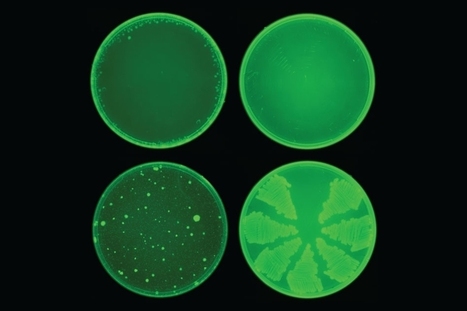



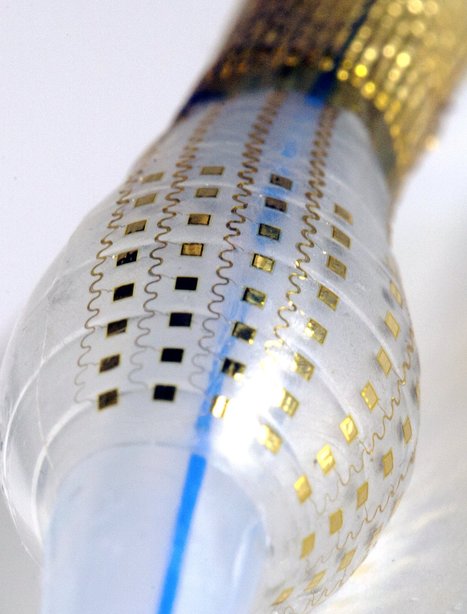







Artificial skin reacts to pain just like real skin, opening the way to better prosthetics, smarter robotics, and less invasive options for skin grafts. Researchers have developed electronic artificial skin that reacts to pain just like real skin, opening the way to better prosthetics, smarter robotics, and non-invasive alternatives to skin grafts. The prototype device developed by a team at RMIT University in Melbourne, Australia, can electronically replicate the way human skin senses pain. The device mimics the body's near-instant feedback response and can react to painful sensations with the same lighting speed that nerve signals travel to the brain. The pain-sensing prototype was a significant advance towards next-generation biomedical technologies and intelligent robotics. "Skin is our body's largest sensory organ, with complex features designed to send rapid-fire warning signals when anything hurts," Bhaskaran said. "We're sensing things all the time through the skin but our pain response only kicks in at a certain point, like when we touch something too hot or too sharp. No electronic technologies have been able to realistically mimic that very human feeling of pain -- until now. Our artificial skin reacts instantly when pressure, heat, or cold reach a painful threshold. It's a critical step forward in the future development of the sophisticated feedback systems that we need to deliver truly smart prosthetics and intelligent robotics."
Artificial skin reacts to pain just like real skin, opening the way to better prosthetics, smarter robotics, and less invasive options for skin grafts. The pain-sensing prototype was a significant advance towards next-generation biomedical technologies and intelligent robotics. "Skin is our body's largest sensory organ, with complex features designed to send rapid-fire warning signals when anything hurts," Bhaskaran said. "We're sensing things all the time through the skin but our pain response only kicks in at a certain point, like when we touch something too hot or too sharp. No electronic technologies have been able to realistically mimic that very human feeling of pain -- until now. Our artificial skin reacts instantly when pressure, heat, or cold reach a painful threshold. It's a critical step forward in the future development of the sophisticated feedback systems that we need to deliver truly smart prosthetics and intelligent robotics."