Your new post is loading...

|
Scooped by
Dr. Stefan Gruenwald
August 30, 2021 1:11 PM
|
One of the most important discoveries from the last two decades of planetary exploration has been the astrobiological potential of icy moons. Many of these moons harbor liquid-water reservoirs beneath their crusts, comprising a new class of solar system body: ocean worlds. If biology requires carbon, water, and energy, then ocean worlds may offer the Solar System’s best chance for life beyond Earth. Saturn’s hazy moon Titan is unique among ocean worlds in that carbon, water, and energy interact on the surface: - complex, potentially tholin-like organic compounds cover most of the surface;
- crustal ice can be melted by impacts, and liquid water from the subsurface ocean may erupt in cryovolcanic flows;
- solar and chemical energy could power biochemistry.
Titan’s profusion of organic riches, especially when exposed to transient liquid water, has created potentially habitable environments, the remnants of which are available on the moon’s surface today. “Titan represents an explorer’s utopia,” said Dragonfly co-investigator Dr. Alex Hayes, a researcher in the Department of Astronomy at Cornell University. “The science questions we have for Titan are very broad because we don’t know much about what is actually going on at the surface yet. For every question we answered during NASA’s Cassini mission’s exploration of Titan from Saturn orbit, we gained 10 new ones.” Though Cassini has been orbiting Saturn for 13 years, the thick methane atmosphere on Titan made it impossible to reliably identify the materials on its surface. While Cassini’s radar enabled scientists to penetrate the atmosphere and identify Earth-like morphologic structures, including dunes, lakes and mountains, the data could not reveal their composition. “In fact, at the time Cassini was launched we didn’t even know if the surface of Titan was a global liquid ocean of methane and ethane, or a solid surface of water ice and solid organics,” Dr. Hayes said.
|
|
Rescooped by
Dr. Stefan Gruenwald
from Virus World
August 27, 2021 5:34 PM
|
Participants in the trial must be between the ages of 18 and 50 and not diagnosed with HIV. Moderna is set to start human trials for its experimental mRNA HIV vaccine as early as Thursday, the first time such a trial has ever been conducted. The big picture: "There's a pressing need for new ways to prevent infection from viruses like HIV and influenza that conventional vaccines have struggled to address and to treat rare genetic diseases and cancers that kill millions each year," Axios' Alison Snyder writes. "Vaccines and therapies based on messenger RNA (mRNA) hold promise as a solution." Details: To participate in the trial, participants have to be between the ages of 18 and 50 and not diagnosed with HIV. Moderna says it is looking for 56 participants. What they're saying: "Even as we have shown that our mRNA-based vaccine can prevent Covid-19, this has encouraged us to pursue more-ambitious development programs within our prophylactic vaccines modality," said Moderna CEO Stéphane Bancel in January, when the company announced the vaccine, per Clinical Trials Arena.
Via Juan Lama
|
|
Scooped by
Dr. Stefan Gruenwald
August 27, 2021 5:05 PM
|
Want to swim with the fishes? New research unravels what makes fish fins so strong yet flexible at the same time. Fish fins do not contain muscles, yet fish can change their shape with high precision and speed to produce large and complex hydrodynamic forces—a combination of high morphing efficiency and high flexural stiffness that is rare in modern morphing and robotic materials. These “flexo-morphing” capabilities are rare in modern morphing and robotic materials of human design. The thin rays that stiffen the fins and transmit actuation include mineral segments, a prominent feature whose mechanics and function are not fully understood. Now, a group of scientists and engineers use mechanical modeling and mechanical testing on 3D-printed ray models to show that the function of the segmentation is to provide combinations of high flexural stiffness and high morphing amplitude that are critical to the performance of the fins and would not be possible with rays made of a continuous material. Fish fin–inspired designs that combine very soft materials and very stiff segments can provide robotic materials with large morphing amplitudes and strong grasping forces.
|
|
Scooped by
Dr. Stefan Gruenwald
August 27, 2021 4:58 PM
|
The study, published recently in the journal Nature Neuroscience, is one of the largest genome-wide association studies of its kind ever conducted. An analysis of data from 1.5 million people has identified 579 locations in the genome associated with a predisposition to different behaviors and disorders related to self-regulation, including addiction and child behavioral problems. With these findings in hand, researchers have constructed a genetic risk score -- a number reflecting a person's overall genetic propensity based on how many risk variants they carry -- that predicts a range of behavioral, medical and social outcomes, including education levels, obesity, opioid use disorder, suicide, HIV infections, criminal convictions and unemployment. "This study illustrates that genes don't code for a particular disorder or outcome; there are no genes 'for' substance use disorder, or 'for' behavior problems," said joint senior author Danielle Dick, Ph.D., Commonwealth Professor of Psychology and Human and Molecular Genetics at Virginia Commonwealth University. "Instead, genes influence the way our brains are wired, which can make us more at risk for certain outcomes. In this case, we find that there are genes that broadly influence self-control or impulsivity, and that this predisposition then confers risk for a variety of life outcomes." The study, "Multivariate analysis of 1.5 million people identifies genetic associations with traits related to self-regulation and addiction," was published today in the journal Nature Neuroscience and was conducted by a consortium of 26 researchers at 17 institutions in the United States and the Netherlands. The study is one of the largest genome-wide association studies ever conducted, pooling data from an effective sample size of 1.5 million people of European descent. The researchers' genetic risk score has one of the largest effect sizes -- a measurement of the prediction power -- of any genetic risk score for a behavioral outcome to date. "It demonstrates the far-reaching effects of carrying a genetic liability toward lower self-control, impacting many important life outcomes," said Dick, a professor in the Department of Psychology in the College of Humanities and Sciences and the Department Human and Molecular Genetics in the School of Medicine at VCU. "We hope that a greater understanding of how individual genetic differences contribute to vulnerability can reduce stigma and blame surrounding many of these behaviors, such as behavior problems in children and substance use disorders." The identification of the more than 500 genetic loci is important, the researchers said, because it provides new insight into our understanding of behaviors and disorders related to self-regulation, collectively referred to as "externalizing" and that have a shared genetic liability.
|
|
Scooped by
Dr. Stefan Gruenwald
August 27, 2021 4:50 PM
|
The breast milk of lactating mothers vaccinated against COVID-19 contains a significant supply of antibodies that may help protect nursing infants. The breast milk of lactating mothers vaccinated against COVID-19 contains a significant supply of antibodies that may help protect nursing infants from the illness, according to new research from the University of Florida. "Our findings show that vaccination results in a significant increase in antibodies against SARS-CoV-2 -- the virus that causes COVID-19 -- in breast milk, suggesting that vaccinated mothers can pass on this immunity to their babies, something we are working to confirm in our ongoing research," said Joseph Larkin III, Ph.D., senior author of the study and an associate professor in the UF/IFAS department of microbiology and cell science. When babies are born, their immune systems are underdeveloped, making it hard for them to fight infections on their own. They are also often too young to respond adequately to certain types of vaccines, said Josef Neu, M.D., one of the study's co-authors and a professor in the UF College of Medicine's department of pediatrics, division of neonatology. During this vulnerable period, breast milk allows nursing mothers to provide infants with "passive immunity," Neu explained. "Think of breast milk as a toolbox full of all the different tools that help prepare the infant for life. Vaccination adds another tool to the toolbox, one that has the potential to be especially good at preventing COVID-19 illness," Neu said. "The results of our study strongly suggest that vaccines can help protect both mom and baby, another compelling reason for pregnant or lactating women to get vaccinated." The study was conducted between December 2020 and March 2021, when the Pfizer and Moderna vaccines first became available to health care workers. For the study, researchers recruited 21 lactating health care workers who had never contracted COVID-19. The research team sampled the mothers' breast milk and blood three times: before vaccination, after the first dose and after the second dose. "We saw a robust antibody response in blood and breast milk after the second dose -- about a hundred-fold increase compared with levels before vaccination," said Lauren Stafford, a doctoral student in Larkin's lab. "These levels are also higher than those observed after natural infection with the virus," said Vivian Valcarce, M.D., a resident in the UF College of Medicine's department of pediatrics, division of neonatology. Valcarce and Stafford share primary authorship of the study's findings.
|
|
Scooped by
Dr. Stefan Gruenwald
August 27, 2021 4:42 PM
|
The work sheds light on the web of hydrogen bonds that gives water its strange properties, which play a vital role in many chemical and biological processes. Water is the most abundant yet least understood liquid in nature. It exhibits many strange behaviors that scientists still struggle to explain. While most liquids get denser as they get colder, water is most dense at 39 degrees Fahrenheit, just above its freezing point. This is why ice floats to the top of a drinking glass and lakes freeze from the surface down, allowing marine life to survive cold winters. Water also has an unusually high surface tension, allowing insects to walk on its surface, and a large capacity to store heat, keeping ocean temperatures stable. Now, a team that includes researchers from the Department of Energy’s SLAC National Accelerator Laboratory, Stanford University and Stockholm University in Sweden have made the first direct observation of how hydrogen atoms in water molecules tug and push neighboring water molecules when they are excited with laser light. Their results, published in Nature today, reveal effects that could underpin key aspects of the microscopic origin of water’s strange properties and could lead to a better understanding of how water helps proteins function in living organisms. “Although this so-called nuclear quantum effect has been hypothesized to be at the heart of many of water’s strange properties, this experiment marks the first time it was ever observed directly,” said study collaborator Anders Nilsson, a professor of chemical physics at Stockholm University. “The question is if this quantum effect could be the missing link in theoretical models describing the anomalous properties of water.” Each water molecule contains one oxygen atom and two hydrogen atoms, and a web of hydrogen bonds between positively charged hydrogen atoms in one molecule and negatively charged oxygen atoms in neighboring molecules holds them all together. This intricate network is the driving force behind many of water’s inexplicable properties, but until recently, researchers were unable to directly observe how a water molecule interacts with its neighbors. “The low mass of the hydrogen atoms accentuates their quantum wave-like behavior,” said collaborator Kelly Gaffney, a scientist at the Stanford PULSE Institute at SLAC. “This study is the first to directly demonstrate that the response of the hydrogen bond network to an impulse of energy depends critically on the quantum mechanical nature of how the hydrogen atoms are spaced out, which has long been suggested to be responsible for the unique attributes of water and its hydrogen bond network.”
|
|
Scooped by
Dr. Stefan Gruenwald
August 27, 2021 12:53 PM
|
New research led by astronomers from the Harvard & Smithsonian’s Center for Astrophysics shows that the current census of supermassive black holes is incomplete and that a substantial population of off-center wanderers likely exists. Supermassive black holes are thought to exist at the center of most large galaxies, including the center of our own Milky Way Galaxy. Their masses correlate with properties of the inner regions of their host galaxies, probably because the black holes grow and evolve as galaxy themselves grow, through mergers with other galaxies and the infall of material from the intergalactic medium. When material makes its way to the galactic center and accretes onto the supermassive black hole, it produces an active galactic nucleus. Outflows or other feedback from the active galactic nucleus then act disruptively to quench star formation in the galaxy. Modern cosmological simulations now self-consistently trace star formation and supermassive black hole growth in galaxies from the early Universe to the present day, confirming these ideas. The merger process naturally results in some supermassive black holes that are slightly offset from the center of the enlarged galaxy. The path to a single, combined supermassive black hole is complex. Sometimes a binary supermassive black hole is first formed which then gradually merges into one. Detectable gravitational wave emission can be produced in this process. However, the merger can sometimes stall or be disrupted — understanding why is one of the key puzzles in the evolution of supermassive black holes. According to the new research, even after a billions of years of evolution some supermassive black holes do not join the nucleus but end up instead wandering through the galaxy. “We characterize the population of wandering black holes, defined as those physically offset from their halo centers, in the ROMULUS cosmological simulations,” said Dr. Angelo Ricarte from the Harvard & Smithsonian’s Center for Astrophysics and the Black Hole Initiative at Harvard University and colleagues. “Unlike most other currently available cosmological simulations, black holes are seeded based on local gas properties and are permitted to evolve dynamically without being fixed at halo centers. Tracking these black holes allows us to make robust predictions about the offset population.”
|
|
Scooped by
Dr. Stefan Gruenwald
August 17, 2021 2:44 PM
|
The company believes its Codex machine learning algorithm is the next step in programming—a sidekick for coders to speed up the work and ease the drudgery. In the beginning, computer programmers translated their desires into the language of machines. Now, those machines are becoming conversant in the language of their programmers. OpenAI’s newly released Codex, a machine learning algorithm that can parse everyday language and computer code, sits between these worlds. Recently, in a blog post and demo, OpenAI showed off Codex’s skills. The algorithm can turn written prompts into computer code with, at times, impressive results. OpenAI believes Codex will prove a worthy sidekick for coders, accelerating their work. What Is Codex? Codex is a descendent of OpenAI’s GPT-3, a sprawling natural-language machine learning algorithm released last year. After digesting and analyzing billions of words, GPT-3 could write (sometimes eerily) passable text with nary but a simple prompt. But when OpenAI released GPT-3 to developers, they quickly learned it could do more. One fascinating discovery was that GPT-3 could write simple code from prompts. But it wasn’t very good at it, so the team decided to fine-tune the algorithm with coding in mind from the start. They took a version of GPT-3 and trained it on billions of lines of publicly available code, and Codex was born. According OpenAI, Codex is proficient in over a dozen computer languages, but it’s particularly good at Python and, of course, everyday language. These skills in hand, Codex can digest a prompt like, “Add this image of a rocket ship,” and spit out the code necessary to embed an image (provided by the programmer) on the screen. In a demo, the OpenAI team showed how to code a simple video game—from blank screen to playable—using naught but a series of chatty prompts. The demos are very impressive, but Codex is not about to replace programmers. OpenAI researchers say Codex currently completes around 37 percent of requests. That’s an improvement on an earlier iteration called Copilot, a kind of autocomplete for coders released as a product on Github, which had a success rate of 27 percent. But it took some manual labor in the form of supervised learning with labeled data sets to get it there. (GPT-3, by contrast, was trained on unlabeled data.) So, there’s room for improvement. And like any demo, it’s difficult to predict how useful Codex will be in the real world. OpenAI acknowledges this is just a start, calling it a “taste of the future.” They expect it will get better over time, but part of their motivation for this week’s release was to get Codex into the hands of developers, a strategy that paid off richly for GPT-3. Even with improvements, OpenAI doesn’t see tools like this as a replacement for coders. Rather, they hope to speed up programming and remove some of the drudgery. In the live demo, for example, OpenAI CEO Sam Altman casually noted Codex completed a step in seconds that would have taken him a half hour back when he was programming. Further, writing good software isn’t only about the actual coding bit, they suggest. “Programming is really about having a dream,” OpenAI CTO Greg Brockman told Wired, “It’s about having this picture of what you want to build, understanding your user, asking yourself, ‘How ambitious should we make this thing, or should we get it done by the deadline?’i” Codex doesn’t come up with what to design or how to design it. It will need significant direction, oversight, and quality control for the foreseeable future. Which is true of its sibling GPT-3 as well. For now, these kinds of programs will be more like sidekicks as opposed to the story’s hero. They may also be a next step in the long-running evolution of computer languages. In a companion op-ed in TechCrunch, Brockman and Hadi Partovi, founder and CEO of Code.org, emphasize how far we’ve come from the days when a select few scientists laboriously programmed computers with punch cards and machine code. In a long progression, computer language has evolved from what suited machines to what suits us. “With Al-generated code, one can imagine an evolution in every programming tool, in every programming class, and a Cambrian explosion of new software,” they wrote. “Does this mean coding is dead? No! It doesn’t replace the need for a programmer to understand code. It means coding just got much easier, higher impact and thus more important, just as when punch cards were replaced by keyboards, or when Grace Hopper invented the compiler.” Given its potential, it’s likely OpenAI will eventually make Codex a paid product developers can access and build apps on (like GPT-3). And it’s possible this proves controversial. After Copilot’s release, some in the developer community cried foul, noting the makers of the algorithm would profit on the work of others without compensating them. OpenAI argues the data is protected under “fair use” laws. Brockman told The Verge OpenAI welcomes the debate and is open to adjusting course. Still, he argues the community will benefit overall.
|
|
Scooped by
Dr. Stefan Gruenwald
August 12, 2021 4:22 PM
|
The feeding patterns of black holes offer insight into their size, researchers report. A new study revealed that the flickering in the brightness observed in actively feeding supermassive black holes is related to their mass. Supermassive black holes are millions to billions of times more massive than the sun and usually reside at the center of massive galaxies. When dormant and not feeding on the gas and stars surrounding them, SMBHs emit very little light; the only way astronomers can detect them is through their gravitational influences on stars and gas in their vicinity. However, in the early universe, when SMBHs were rapidly growing, they were actively feeding—or accreting—materials at intensive rates and emitting an enormous amount of radiation—sometimes outshining the entire galaxy in which they reside, the researchers said. The new study, led by the University of Illinois Urbana-Champaign astronomy graduate student Colin Burke and professor Yue Shen, uncovered a definitive relationship between the mass of actively feeding SMBHs and the characteristic timescale in the light-flickering pattern. The findings are published in the journal Science. The observed light from an accreting SMBH is not constant. Due to physical processes that are not yet understood, it displays a ubiquitous flickering over timescales ranging from hours to decades. "There have been many studies that explored possible relations of the observed flickering and the mass of the SMBH, but the results have been inconclusive and sometimes controversial," Burke said. The team compiled a large data set of actively feeding SMBHs to study the variability pattern of flickering. They identified a characteristic timescale, over which the pattern changes, that tightly correlates with the mass of the SMBH. The researchers then compared the results with accreting white dwarfs, the remnants of stars like our sun, and found that the same timescale-mass relation holds, even though white dwarfs are millions to billions times less massive than SMBHs. The light flickers are random fluctuations in a black hole's feeding process, the researchers said. Astronomers can quantify this flickering pattern by measuring the power of the variability as a function of timescales. For accreting SMBHs, the variability pattern changes from short timescales to long timescales. This transition of variability pattern happens at a characteristic timescale that is longer for more massive black holes. The team compared black hole feeding to our eating or drinking activity by equating this transition to a human belch. Babies frequently burp while drinking milk, while adults can hold in the burp for a more extended amount of time. Black holes kind of do the same thing while feeding, they said. "These results suggest that the processes driving the flickering during accretion are universal, whether the central object is a supermassive black hole or a much more lightweight white dwarf," Shen said.
|
|
Scooped by
Dr. Stefan Gruenwald
August 4, 2021 1:13 PM
|
More than 199.98 million people have been reported to be infected by the novel coronavirus globally and 4,414,781 have died, according to a Reuters tally. Infections have been reported in more than 210 countries and territories since the first cases were identified in China in December 2019. Interactive graphic tracking global spread of coronavirus: open https://tmsnrt.rs/2FThSv7 in an external browser. The global surge in cases is highlighting the widening gap in inoculation rates between wealthy and poor nations. Cases are rising in about one-third of the world's countries, many of which have not even given half their population a first dose. The World Health Organization (WHO) on Wednesday called for a moratorium on COVID-19 vaccine boosters until at least 10% of the population in every country was vaccinated. "We need an urgent reversal, from the majority of vaccines going to high-income countries, to the majority going to low-income countries," WHO Director-General Tedros Adhanom Ghebreyesus said. The Delta variant is upending all assumptions about the virus and roiling economies, with disease experts scrambling to find whether the latest version of coronavirus is making people, especially unvaccinated individuals, sicker than before. At least 2.6% of the world's population has been infected since the pandemic started, with the true figure likely higher due to limited testing in many places. If the number of infected people were a country, it would be eighth most populous in the world, behind Nigeria, according to a Reuters analysis. It took over a year for COVID-19 cases to hit 100 million mark, while the next 100 million were reported in just over six months, according to the analysis. The pandemic has left close to 4.4 million people dead. The countries reporting the most cases on a seven-day average - the United States, Brazil, Indonesia, India and Iran - represent about 38% of all global cases reported each day.
|
|
Scooped by
Dr. Stefan Gruenwald
August 3, 2021 4:03 PM
|
Billionaires Jeff Bezos and Richard Branson traveled to the edge of space and hope more people will do the same. It could mean huge carbon emissions. When Jeff Bezos announced his flight to space last month, he said, "If you see the Earth from space, it changes you. It changes your relationship with this planet, with humanity." For a long time, only astronauts could have this experience. But the Amazon billionaire has dreamed of it since he was a kid. On Tuesday, Bezos briefly entered suborbital space in a curiously shaped vehicle. His fellow billionaire Richard Branson, the founder of the Virgin Group of companies, also journeyed to the edge of space earlier this month on a Virgin Galactic flight. Next year, the billionaire Elon Musk plans to make the trip on one of Branson's spaceflights. The cost to participate: mega-millions. The carbon-pollution bill: to be determined. Instead of NASA's long list of qualifications and required experience, Blue Origin passengers train for 14 hours over two days. Virgin Galactic gives passengers three days of training and preparation. For these billionaires, success would mean many more civilians taking similar pricey journeys for this rare view of Earth. But, with the limited passenger capacity for each flight and the environmental impacts from launch emissions (which could worsen extreme climate-related weather events), this burgeoning "space tourism" industry isn't sustainable. The effects on humans of increased exposure to carbon dioxide can include a variety of health problems, including headaches, dizziness, difficulty breathing, fatigue, suffocation, and convulsions. Higher levels of nitrogen dioxide can impair a person's ability to breathe and increase their vulnerability to respiratory infections and asthma. Long-term exposure to nitrogen oxide can also cause chronic lung disease and reduce a person's sense of smell, according to the Australian government. Uncertainty about the climate effects There's been little disclosed about the total carbon footprint of these new spaceflights. This makes it difficult to determine the overall effect of rocket launches on the atmosphere, especially when companies like Virgin Galactic anticipate offering 400 spaceflights annually. But experts say emissions per passenger from a voyage with Branson's company are roughly equivalent to driving a typical car around the circumference of the Earth. A potentially very large problem While the propellants used to launch Blue Origin's New Shepard, Virgin's VSS Unity, and SpaceX's Falcon rockets vary, the ignition and burning process often generate greenhouse gases, water vapor, and heat, according to the University College London associate professor Eloise Marais. While the number of space flights is small compared to long-haul commercial aviation, the difference in carbon dioxide is magnitudes higher. Instead of one to three tons of carbon dioxide emitted per passenger, a rocket carrying four or more passengers will produce 200 to 300 tons of carbon dioxide. "So it doesn't need to grow that much more to compete with other sources," Marais told The Guardian. More environmental waste from the superrich These spaceflights will join helicopters, private jets, and superyachts as modes of transportation with enormous carbon footprints. But operational rockets like the SpaceX Falcon Heavy already show that carbon dioxide emissions from commercial space launches are significantly higher. These are difficult to cancel out through carbon offsets or other individual choices, like going vegan.
|
|
Scooped by
Dr. Stefan Gruenwald
August 2, 2021 3:37 PM
|
In 2019, Ripple et al. (2020) warned of untold suffering and declared a climate emergency together with more than 11,000 scientist signatories from 153 countries. They presented graphs of planetary vital signs indicating very troubling trends, along with little progress by humanity to address climate change. On the basis of these data and scientists’ moral obligation to “clearly warn humanity of any catastrophic threat,” they called for transformative change. Since the article's publication, more than 2,800 additional scientists have signed that declaration of a climate emergency (see supplemental file S1 for the current signatory list); in addition, 1,990 jurisdictions in 34 countries have now formally declared or recognized a climate emergency. But, at the same time, there has been an unprecedented surge in climate-related disasters since 2019, including devastating flooding in South America and Southeast Asia, record shattering heat waves and wildfires in Australia and the Western United States, an extraordinary Atlantic hurricane season, and devastating cyclones in Africa, South Asia, and the West Pacific. There is also mounting evidence that we are nearing or have already crossed tipping points associated with critical parts of the Earth system, including the West Antarctic and Greenland ice sheets, warm-water coral reefs, and the Amazon rainforest (supplemental file). Given these alarming developments, we need short, frequent, and easily accessible updates on the climate emergency.
|
|
Scooped by
Dr. Stefan Gruenwald
August 2, 2021 5:58 AM
|
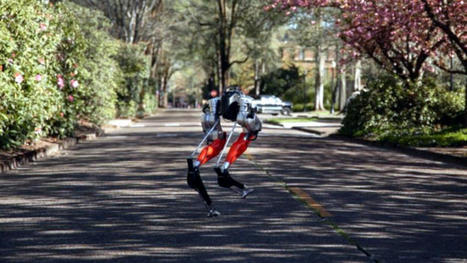
Ever since humanity has grasped the idea of a robot, we’ve wanted to imagine them into walking humanoid form. But making a robot walk like a human is not an easy task, and even the best of them end up with the somewhat shuffling gait of a Honda Asimo rather than the graceful poise of a balerina. Only in recent years have walking robots appeared to come of age, and then not by mimicking the human gait but something more akin to a bird. We’ve seen it in the Boston Dynamics models, and also now in a self-balancing two-legged robot developed at Oregon State University that has demonstrated its abilities by completing an unaided 5 km run having used its machine learning skills to teach itself to run from scratch. It’s believed to be the first time a robot has achieved such a feat without first being programmed for the specific task. The university’s PR piece envisages a time in which walking robots of this type have become commonplace, and when humans interact with them on a daily basis. We can certainly see that they could perform a huge number of autonomous outdoor tasks that perhaps a wheeled robot might find to be difficult, so maybe they have a bright future. Decide for yourself, after watching the video.
|
|
|
Scooped by
Dr. Stefan Gruenwald
August 30, 2021 1:05 PM
|
Using data from NASA’s Transiting Exoplanet Survey Satellite (TESS) and ground-based telescopes, astronomers have discovered five transiting companions near the hydrogen-burning mass limit in close orbits around main-sequence stars TOI-148, TOI-587, TOI-681, TOI-746, and TOI-1213. Brown dwarfs are cool, dim objects that have masses in between gas giant planets, such as Jupiter or Saturn, and low-mass stars. Sometimes called failed stars, these objects are too small to sustain hydrogen fusion reactions at their cores, yet they have star-like attributes. They are often defined with a lower limit of 13 Jupiter masses, the approximate mass at which an object can begin to ignite deuterium fusion in its core, and with an upper limit of 80 Jupiter masses, the approximate mass at which an object becomes sufficiently massive to fuse hydrogen nuclei into helium nuclei within its core (principal characteristic of a main-sequence star). However, these boundaries are not clear-cut as the exact masses where deuterium and hydrogen fusion occur depend on the chemical composition of the object. A defining characteristic of brown dwarfs is their relative low occurrence rate (less than 1%) in close orbits (less than 5 AU) around main-sequence stars compared to giant planets and other stars, or the ‘brown dwarf desert.’ “We still do not know exactly where the mass limits of brown dwarfs lie, limits that allow them to be distinguished from low-mass stars that can burn hydrogen for many billions of years, whereas a brown dwarf will have a short burning stage and then a colder life,” said Dr. Nolan Grieves, an astronomer with the Observatoire de Genève at the Université de Genève. “These limits vary depending on the chemical composition of the brown dwarf, for example, or the way it formed, as well as its initial radius.” In the new research, Dr. Grieves and colleagues discovered and characterized five transiting brown dwarf-like companions around five stars: TOI-148 (also known as UCAC4 260-199322), TOI-587 (HD 74162), TOI-681 (TYC 8911-00495-1), TOI-746 (TYC 9177-00082-1), and TOI-1213 (TYC 8970-00020-1). These objects — TOI-148b, TOI-587b, TOI-681b, TOI-746b, and TOI-1213b — have orbital periods between 4.8 and 27.2 days, masses between 77 and 98 Jupiter masses, and radii between 0.81 and 1.66 Jupiter radii. Their masses are near the uncertain lower limit of hydrogen core fusion (73-96 Jupiter masses), which separates brown dwarfs and low-mass stars. “Each new discovery reveals additional clues about the nature of brown dwarfs and gives us a better understanding of how they form and why they are so rare,” said Dr. Monika Lendl, also from the Observatoire de Genève at the Université de Genève.
|
|
Scooped by
Dr. Stefan Gruenwald
August 27, 2021 5:09 PM
|
Could the very timing of a mission help shield astronauts from dangerous radiation? Sending human travelers to Mars would require scientists and engineers to overcome a range of technological and safety obstacles. One of them is the grave risk posed by particle radiation from the sun, distant stars and galaxies. Answering two key questions would go a long way toward overcoming that hurdle: Would particle radiation pose too grave a threat to human life throughout a round trip to the red planet? And, could the very timing of a mission to Mars help shield astronauts and the spacecraft from the radiation? In a recently article published in the peer-reviewed journal Space Weather, an international team of space scientists, including researchers from UCLA, answers those two questions with a “no” and a “yes.” That is, humans should be able to safely travel to and from Mars, provided that the spacecraft has sufficient shielding and the round trip is shorter than approximately four years. And the timing of a human mission to Mars would indeed make a difference: The scientists determined that the best time for a flight to leave Earth would be when solar activity is at its peak, known as the solar maximum. The scientists' calculations demonstrate that it would be possible to shield a Mars-bound spacecraft from energetic particles from the sun because, during solar maximum, the most dangerous and energetic particles from distant galaxies are deflected by the enhanced solar activity. A trip of that length would be conceivable. The average flight to Mars takes about nine months, so depending on the timing of launch and available fuel, it is plausible that a human mission could reach the planet and return to Earth in less than two years, according to Yuri Shprits, a UCLA research geophysicist and co-author of the paper. "This study shows that while space radiation imposes strict limitations on how heavy the spacecraft can be and the time of launch, and it presents technological difficulties for human missions to Mars, such a mission is viable," said Shprits, who also is head of space physics and space weather at GFZ Research Center for Geosciences in Potsdam, Germany. The researchers recommend a mission not longer than four years because a longer journey would expose astronauts to a dangerously high amount of radiation during the round trip -- even assuming they went when it was relatively safer than at other times. They also report that the main danger to such a flight would be particles from outside of our solar system. Shprits and colleagues from UCLA, MIT, Moscow's Skolkovo Institute of Science and Technology and GFZ Potsdam combined geophysical models of particle radiation for a solar cycle with models for how radiation would affect both human passengers -- including its varying effects on different bodily organs -- and a spacecraft. The modeling determined that having a spacecraft's shell built out of a relatively thick material could help protect astronauts from radiation, but that if the shielding is too thick, it could actually increase the amount of secondary radiation to which they are exposed. The two main types of hazardous radiation in space are solar energetic particles and galactic cosmic rays; the intensity of each depends on solar activity. Galactic cosmic ray activity is lowest within the six to 12 months after the peak of solar activity, while solar energetic particles' intensity is greatest during solar maximum, Shprits said.
|
|
Scooped by
Dr. Stefan Gruenwald
August 27, 2021 5:02 PM
|
Genetically encoded reporter proteins have been a mainstay of biotechnology research, allowing scientists to track gene expression, understand intracellular processes and debug engineered genetic circuits. But conventional reporting schemes that rely on fluorescence and other optical approaches come with practical limitations that could cast a shadow over the field's future progress. Now, researchers at the University of Washington and Microsoft have created a "nanopore-tal" into what is happening inside these complex biological systems, allowing scientists to see reporter proteins in a whole new light. The team introduced a new class of reporter proteins that can be directly read by a commercially available nanopore sensing device. The new system ? dubbed "Nanopore-addressable protein Tags Engineered as Reporters" or "NanoporeTERs" can detect multiple protein expression levels from bacterial and human cell cultures far beyond the capacity of existing techniques. The study was published Aug. 12, 2021 in Nature Biotechnology. "NanoporeTERs offer a new and richer lexicon for engineered cells to express themselves and shed new light on the factors they are designed to track. They can tell us a lot more about what is happening in their environment all at once," said co-lead author Nicolas Cardozo, a doctoral student with the UW Molecular Engineering and Sciences Institute. "We're essentially making it possible for these cells to 'talk' to computers about what's happening in their surroundings at a new level of detail, scale and efficiency that will enable deeper analysis than what we could do before." For conventional labeling methods, researchers can track only a few optical reporter proteins, such as green fluorescent protein, simultaneously because of their overlapping spectral properties. For example, it's difficult to distinguish between more than three different colors of fluorescent proteins at once. In contrast, NanoporeTERs were designed to carry distinct protein "barcodes" composed of strings of amino acids that, when used in combination, allow at least ten times more multiplexing possibilities. These synthetic proteins are secreted outside of a cell into the surrounding environment, where researchers can collect and analyze them using a commercially available nanopore array. Here, the team used the Oxford Nanopore Technologies MinION device. The researchers engineered the NanoporeTER proteins with charged "tails" so that they can be pulled into the nanopore sensors by an electric field. Then the team uses machine learning to classify the electrical signals for each NanoporeTER barcode in order to determine each protein's output levels. "This is a fundamentally new interface between cells and computers," said senior author Jeff Nivala, a UW research assistant professor in the Paul G. Allen School of Computer Science & Engineering. "One analogy I like to make is that fluorescent protein reporters are like lighthouses, and NanoporeTERs are like messages in a bottle. "Lighthouses are really useful for communicating a physical location, as you can literally see where the signal is coming from, but it's hard to pack more information into that kind of signal. A message in a bottle, on the other hand, can pack a lot of information into a very small vessel, and you can send many of them off to another location to be read. You might lose sight of the precise physical location where the messages were sent, but for many applications that's not going to be an issue."
|
|
Scooped by
Dr. Stefan Gruenwald
August 27, 2021 4:54 PM
|
Scientists at Cambridge and Leeds have successfully reversed age-related memory loss in mice and say their discovery could lead to the development of treatments to prevent memory loss in people as they age. In a study recently published in Molecular Psychiatry, the scientists show that changes in the extracellular matrix of the brain -- 'scaffolding' around nerve cells -- lead to loss of memory with aging, but that it is possible to reverse these using genetic treatments. Recent evidence has emerged of the role of perineuronal nets (PNNs) in neuroplasticity -- the ability of the brain to learn and adapt -- and to make memories. PNNs are cartilage-like structures that mostly surround inhibitory neurons in the brain. Their main function is to control the level of plasticity in the brain. They appear at around five years old in humans, and turn off the period of enhanced plasticity during which the connections in the brain are optimized. Then, plasticity is partially turned off, making the brain more efficient but less plastic. PNNs contain compounds known as chondroitin sulphates. Some of these, such as chondroitin 4-sulphate, inhibit the action of the networks, inhibiting neuroplasticity; others, such as chondroitin 6-sulphate, promote neuroplasticity. As we age, the balance of these compounds changes, and as levels of chondroitin 6-sulphate decrease, so our ability to learn and form new memories changes, leading to age-related memory decline. Researchers at the University of Cambridge and University of Leeds investigated whether manipulating the chondroitin sulphate composition of the PNNs might restore neuroplasticity and alleviate age-related memory deficits. To do this, the team looked at 20-month old mice -- considered very old -- and using a suite of tests showed that the mice exhibited deficits in their memory compared to six-month old mice. For example, one test involved seeing whether mice recognized an object. The mouse was placed at the start of a Y-shaped maze and left to explore two identical objects at the end of the two arms. After a short while, the mouse was once again placed in the maze, but this time one arm contained a new object, while the other contained a copy of the repeated object. The researchers measured the amount of the time the mouse spent exploring each object to see whether it had remembered the object from the previous task. The older mice were much less likely to remember the object. The team treated the aging mice using a 'viral vector', a virus capable of reconstituting the amount of 6-sulphate chondroitin sulphates to the PNNs and found that this completely restored memory in the older mice, to a level similar to that seen in the younger mice. Dr Jessica Kwok from the School of Biomedical Sciences at the University of Leeds said: "We saw remarkable results when we treated the aging mice with this treatment. The memory and ability to learn were restored to levels they would not have seen since they were much younger." To explore the role of chondroitin 6-sulphate in memory loss, the researchers bred mice that had been genetically-manipulated such that they were only able to produce low levels of the compound to mimic the changes of aging. Even at 11 weeks, these mice showed signs of premature memory loss. However, increasing levels of chondroitin 6-sulphate using the viral vector restored their memory and plasticity to levels similar to healthy mice. Prof James Fawcett from the John van Geest Centre for Brain Repair at the University of Cambridge said: "What is exciting about this is that although our study was only in mice, the same mechanism should operate in humans -- the molecules and structures in the human brain are the same as those in rodents. This suggests that it may be possible to prevent humans from developing memory loss in old age." The team might have already identified a potential drug, licensed for human use, that can be taken by mouth and inhibits the formation of PNNs. When this compound is given to mice and rats it can restore memory in aging and also improves recovery in spinal cord injury. The researchers are investigating whether it might help alleviate memory loss in animal models of Alzheimer's disease. The approach taken by Professor Fawcett's team -- using viral vectors to deliver the treatment -- is increasingly being used to treat human neurological conditions. A second team at the Centre recently published research showing their use for repairing damage caused by glaucoma and dementia.
|
|
Scooped by
Dr. Stefan Gruenwald
August 27, 2021 4:47 PM
|
A new kind of neural interface system that coordinates the activity of hundreds of tiny brain sensors could one day deepen understanding of the brain and lead to new medical therapies. Brain-computer interfaces (BCIs) are emerging assistive devices that may one day help people with brain or spinal injuries to move or communicate. BCI systems depend on implantable sensors that record electrical signals in the brain and use those signals to drive external devices like computers or robotic prosthetics. Most current BCI systems use one or two sensors to sample up to a few hundred neurons, but neuroscientists are interested in systems that are able to gather data from much larger groups of brain cells. Now, a team of researchers has taken a key step toward a new concept for a future BCI system -- one that employs a coordinated network of independent, wireless microscale neural sensors, each about the size of a grain of salt, to record and stimulate brain activity. The sensors, dubbed "neurograins," independently record the electrical pulses made by firing neurons and send the signals wirelessly to a central hub, which coordinates and processes the signals. In a study published on August 12, 2021 in Nature Electronics, the research team demonstrated the use of nearly 50 such autonomous neurograins to record neural activity in a rodent. The results, the researchers say, are a step toward a system that could one day enable the recording of brain signals in unprecedented detail, leading to new insights into how the brain works and new therapies for people with brain or spinal injuries. "One of the big challenges in the field of brain-computer interfaces is engineering ways of probing as many points in the brain as possible," said Arto Nurmikko, a professor in Brown's School of Engineering and the study's senior author. "Up to now, most BCIs have been monolithic devices -- a bit like little beds of needles. Our team's idea was to break up that monolith into tiny sensors that could be distributed across the cerebral cortex. That's what we've been able to demonstrate here." The team, which includes experts from Brown, Baylor University, University of California at San Diego and Qualcomm, began the work of developing the system about four years ago. The challenge was two-fold, said Nurmikko, who is affiliated with Brown's Carney Institute for Brain Science. The first part required shrinking the complex electronics involved in detecting, amplifying and transmitting neural signals into the tiny silicon neurograin chips. The team first designed and simulated the electronics on a computer, and went through several fabrication iterations to develop operational chips. The second challenge was developing the body-external communications hub that receives signals from those tiny chips. The device is a thin patch, about the size of a thumb print, that attaches to the scalp outside the skull. It works like a miniature cellular phone tower, employing a network protocol to coordinate the signals from the neurograins, each of which has its own network address. The patch also supplies power wirelessly to the neurograins, which are designed to operate using a minimal amount of electricity. "This work was a true multidisciplinary challenge," said Jihun Lee, a postdoctoral researcher at Brown and the study's lead author. "We had to bring together expertise in electromagnetics, radio frequency communication, circuit design, fabrication and neuroscience to design and operate the neurograin system."
|
|
Scooped by
Dr. Stefan Gruenwald
August 27, 2021 1:02 PM
|
The asteroid 2021 PH27 has a semi-major axis of 70 million km (43 million miles, 0.46 AU), giving it a 113-day orbital period on an unstable elongated orbit that crosses the orbits of both Mercury and Venus. This means that within a few million years it will likely be destroyed in a collision with one of these planets or the Sun, or it will be ejected from its current position.
2021 PH27 was discovered by Carnegie Institution for Science’s Dr. Scott Sheppard in images taken by Brown University astronomers Ian Dell’Antonio and Shenming Fu on August 13, 2021. “Most likely 2021 PH27 was dislodged from the main asteroid belt between Jupiter and Mars and the gravity of the inner planets shaped its orbit into its current configuration,” Dr. Sheppard said. “Although, based on its large angle of inclination of 32 degrees, it is possible that 2021 PH27 is an extinct comet from the outer Solar System that ventured too close to one of the planets as the path of its voyage brought it into proximity with the inner Solar System.” Because 2021 PH27 is so close to the Sun’s massive gravitational field, it experiences the largest general relativistic effects of any known solar system object. This is seen in a slight angular deviation in its elliptical orbit over time, a movement called precession, which occurs at about one arcminute per century. Observation of Mercury’s precession puzzled scientists until Albert Einstein’s theory of general relativity explained its orbital adjustments over time. The precession of 2021 PH27 is even faster than Mercury’s. “2021 PH27 gets so close to the Sun that its surface temperature gets to 482 degrees Celsius (900 degrees Fahrenheit) at closest approach, hot enough to melt lead,” Dr. Sheppard said.
|
|
Scooped by
Dr. Stefan Gruenwald
August 20, 2021 5:10 PM
|
People infected with the Delta variant of SARS-CoV-2 are more likely to spread the virus before developing symptoms than are people infected with earlier versions, suggests a detailed analysis of an outbreak in Guangdong, China1. “It is just tougher to stop,” says Benjamin Cowling, an epidemiologist at the University of Hong Kong and a co-author of the study. Cowling and his colleagues analyzed exhaustive test data from 101 people in Guangdong who were infected with Delta between May and June 2021, and data from those individuals’ close contacts. They found that, on average, people began having symptoms 5.8 days after infection with Delta — 1.8 days after they first tested positive for viral RNA. That left almost two days for individuals to shed viral RNA before they showed any sign of COVID-19. An earlier study2 and an unpublished analysis by Cowling and others estimate that before Delta emerged, individuals infected with SARS-CoV-2 took an average of 6.3 days to develop symptoms and 5.5 days to test positive for viral RNA, leaving a narrower window of 0.8 days for oblivious viral shedding. In the latest work, the researchers also found that those infected with Delta had higher concentrations of viral particles, or viral load, in their bodies than did people infected with the original version of SARS-CoV-2. “Somehow the virus is appearing quicker and in higher amounts,” says Cowling. As a result, 74% of infections with Delta took place during the pre-symptomatic phase — a higher proportion than for previous variants. This high rate “helps explain how this variant has been able to outpace both the wild-type virus and other variants to become the dominant strain worldwide”, says Barnaby Young, an infectious-disease clinician at the National Centre for Infectious Diseases in Singapore. COVID vaccines slash viral spread – but Delta is an unknown. The researchers also calculated Delta’s ‘basic reproduction number’, or R0, which is the average number of people to whom every infected person will spread the virus in a susceptible population. They estimated that Delta has an R0 of 6.4, which is much higher than the R0 of 2–4 estimated for the original version of SARS-CoV-2, says Marm Kilpatrick, an infectious-disease researcher at the University of California, Santa Cruz. “Delta moves a bit faster, but is much more transmissible.”
|
|
Scooped by
Dr. Stefan Gruenwald
August 17, 2021 1:08 PM
|
DeepMind has released a new paper that shows impressive advances in reinforcement learning. How far does it bring us toward general AI? One of the key challenges of deep reinforcement learning models—the kind of AI systems that have mastered Go, StarCraft 2, and other games—is their inability to generalize their capabilities beyond their training domain. This limit makes it very hard to apply these systems to real-world settings, where situations are much more complicated and unpredictable than the environments where AI models are trained. But scientists at AI research lab DeepMind claim to have taken the “first steps to train an agent capable of playing many different games without needing human interaction data,” according to a blog post about their new “open-ended learning” initiative. Their new project includes a 3D environment with realistic dynamics and deep reinforcement learning agents that can learn to solve a wide range of challenges. The new system, according to DeepMind’s AI researchers, is an “important step toward creating more general agents with the flexibility to adapt rapidly within constantly changing environments.” The paper’s findings show some impressive advances in applying reinforcement learning to complicated problems. But they are also a reminder of how far current systems are from achieving the kind of general intelligence capabilities that the AI community has been coveting for decades. The key advantage of reinforcement learning is its ability to develop behavior by taking actions and getting feedback, similar to the way humans and animals learn by interacting with their environment. Some scientists describe reinforcement learning as “the first computational theory of intelligence.” The combination of reinforcement learning and deep neural networks, known as deep reinforcement learning, has been at the heart of many advances in AI, including DeepMind’s famous AlphaGo and AlphaStar models. In both cases, the AI systems were able to outmatch human world champions at their respective games. But reinforcement learning systems are also notoriously renowned for their lack of flexibility. For example, a reinforcement learning model that can play StarCraft 2 at an expert level won’t be able to play a game with similar mechanics (e.g., Warcraft 3) at any level of competency. Even slight changes to the original game will considerably degrade the AI model’s performance. “These agents are often constrained to play only the games they were trained for – whilst the exact instantiation of the game may vary (e.g. the layout, initial conditions, opponents) the goals the agents must satisfy remain the same between training and testing. Deviation from this can lead to catastrophic failure of the agent,” DeepMind’s researchers write in a paper that provides the full details on their open-ended learning.
|
|
Scooped by
Dr. Stefan Gruenwald
August 5, 2021 3:22 PM
|
A shutdown would have devastating global impacts and must not be allowed to happen, researchers say Climate scientists have detected warning signs of the collapse of the Gulf Stream, one of the planet’s main potential tipping points. The research found “an almost complete loss of stability over the last century” of the currents that researchers call the Atlantic meridional overturning circulation (AMOC). The currents are already at their slowest point in at least 1,600 years, but the new analysis shows they may be nearing a shutdown. Such an event would have catastrophic consequences around the world, severely disrupting the rains that billions of people depend on for food in India, South America and West Africa; increasing storms and lowering temperatures in Europe; and pushing up the sea level in the eastern North America. It would also further endanger the Amazon rainforest and Antarctic ice sheets. The complexity of the AMOC system and uncertainty over levels of future global heating make it impossible to forecast the date of any collapse for now. It could be within a decade or two, or several centuries away. But the colossal impact it would have means it must never be allowed to happen, the scientists said. “The signs of destabilization being visible already is something that I wouldn’t have expected and that I find scary,” said Niklas Boers, from the Potsdam Institute for Climate Impact Research in Germany, who did the research. “It’s something you just can’t allow to happen.” It is not known what level of CO2 would trigger an AMOC collapse, he said. “So the only thing to do is keep emissions as low as possible. The likelihood of this extremely high-impact event happening increases with every gram of CO2 that we put into the atmosphere”.
|
|
Scooped by
Dr. Stefan Gruenwald
August 3, 2021 4:11 PM
|
The special ESA/Hubble Space Telescope Word Bank provides insightful explanations of various astronomical concepts and objects in simple language. This resource was developed to be an informative and educative resource for students, parents, educators, communicators, and the general public alike. Each of the words featured in this unique glossary is accompanied by a simple definition and an explanation of various astronomical concepts and objects in simple and accessible language. These descriptions also provide context and connections to Hubble’s relevance and contributions to the respective areas or objects of research. The Word Bank will continue to be regularly developed and expanded. Please contact us if you have a suggestion for a word or concept you’d like to see included in the Word Bank. You can view the whole visual collection of Word Bank words and their definitions in this gallery.
|
|
Rescooped by
Dr. Stefan Gruenwald
from Virus World
August 2, 2021 4:04 PM
|
Israel's Prime Minister has announced a program to roll out a third dose of the coronavirus vaccine to people over the age of 60, becoming one of the first countries in the world to make such a move. People over 60 will need to show they received their second dose of the vaccine at least five months ago. Thursday's announcement follows a strong recommendation from the government-appointed team of experts on the pandemic to offer older adults a third dose. The experts' advice, which came overnight on Wednesday, was based on data suggesting significant waning immunity from infection over time. Some of the data considered by the health ministry comes from research on the "justification, safety and efficacy" of a third dose of the Pfizer-BioNTech vaccine for hemodialysis patients that was posted as a pre-print paper earlier this month. The research found that about two-thirds of hemodialysis patients (people who require the procedure to remove waste products and excess fluid from the blood when the kidneys stop working properly) who had a suboptimal immune response after a second dose of the vaccine developed "optimal" antibodies and T cells after a third dose. From Tuesday to Thursday, the number of new cases in Israel has topped two thousand each day -- levels that have not been seen in the country for four and half months. Back in May and June, the number of new daily cases was down to single figures on some days. The number of severe cases currently stands at 151, with the R rate -- the average number of people infected by someone with the virus -- fairly steady for weeks, at 1.3 and 1.4. Israel's highly successful vaccination program first began in December, with then-Prime Minister Benjamin Netanyahu the first to receive a dose on live television. The country's vaccination program has won plaudits for its fast rate of making the vaccine available to the entire adult population, and more recently children aged 12 and over. Data from Israel might help inform other countries' decisions to offer a booster shot, including the United States. On Thursday, US Surgeon General Dr. Vivek Murthy told CNN that it's "very possible" that a decision on boosters will be made by the end of summer or early fall. "It could take a bit longer. It could come sooner," Murthy added, saying that "it depends how quickly we see a signal in the data in these cohorts of individuals we're following." Murthy said data from other countries, including Israel and the US will factor into the decision.
Via Juan Lama
|
|
Scooped by
Dr. Stefan Gruenwald
August 2, 2021 2:35 PM
|
Like a perpetual motion machine, a time crystal forever cycles between states without consuming any energy. Physicists claim to have built this new phase of matter inside a quantum computer. Quantum many-body systems display rich phase structure in their low-temperature equilibrium states. However, much of nature is not in thermal equilibrium at all. Remarkably, it was recently predicted that out-of-equilibrium systems can exhibit novel dynamical phases that may otherwise be forbidden by equilibrium thermodynamics, a paradigmatic example being the discrete time crystal (DTC). Concretely, dynamical phases can be defined in periodically driven many-body localized systems via the concept of eigenstate order. In eigenstate-ordered phases, the entire many-body spectrum exhibits quantum correlations and long-range order, with characteristic signatures in late-time dynamics from all initial states. It is, however, challenging to experimentally distinguish such stable phases from transient phenomena, wherein few select states can mask typical behavior. Now, a team at Google and collaborators implemented a continuous family of tunable CPHASE gates on an array of superconducting qubits to experimentally observe an eigenstate-ordered DTC. They were able to demonstrate the characteristic spatiotemporal response of a DTC for generic initial states. This work employs a time-reversal protocol that discriminates external decoherence from intrinsic thermalization, and leverages quantum typicality to circumvent the exponential cost of densely sampling the eigenspectrum. In addition, they were able to locate the phase transition out of the DTC with an experimental finite-size analysis. Taken together, these results establish a scalable approach to study non-equilibrium phases of matter on current quantum processors. For more detailed information, read the original Google paper here.
|