How often do stars live alone? For brown dwarfs — objects that straddle the boundary between the most massive planets and the smallest stars — astronomers need to uncover more examples of their companions to find out. Ace citizen scientist Frank Kiwy has done just that by using the Astro Data Lab science platform at NSF’s NOIRLab to discover 34 new ultracool dwarf binary systems in the Sun's neighborhood, nearly doubling the number of such systems known.
A citizen scientist has searched NSF's NOIRLab’s catalog of 4 billion celestial objects, known as NOIRLab Source Catalog DR2, to reveal brown dwarfs with companions. His intensive investigation led to the discovery of 34 ultracool dwarf binary systems, nearly doubling previously known samples [1].
Brown dwarfs lie somewhere between the most massive planets and the smallest stars. Lacking the mass needed to sustain nuclear reactions in their core, brown dwarfs loosely resemble cooling embers on a huge scale. Their faintness and relatively small sizes make them difficult to identify. Data from sensitive telescopes have enabled the discovery of several thousand objects but just a small subset have been identified as binaries. The difficulty in observing these faint embers also means that astronomers are still unsure how often brown dwarfs have companions.
To help find brown dwarfs, the astronomers of the Backyard Worlds: Planet 9 citizen science project have previously turned to a worldwide network of more than 100,000 volunteer citizen scientists who scrutinized telescope images to identify the subtle motion of brown dwarfs against background stars. Despite the abilities of machine learning and supercomputers, the human eye is still a unique resource when it comes to scouring telescope images for moving objects.
“The Backyard Worlds project has fostered a diverse community of talented volunteers,” commented Aaron Meisner, an astronomer at NSF’s NOIRLab and co-founder of Backyard Worlds. “150,000 volunteers across the globe have participated in Backyard Worlds, among which a few hundred ‘super users’ perform ambitious self-directed research projects.”
One such ‘super sleuth — citizen scientist Frank Kiwy — embarked on a research project involving the NOIRLab Source Catalog DR2, a catalog of nearly 4 billion unique celestial objects that contains all of the public imaging data in NOIRLab's Astro Data Archive. By searching the data for objects with the color of brown dwarfs, Kiwy was able to find more than 2500 potential ultracool dwarfs lurking in the archive. These were then scrutinized for hints of comoving companions, yielding a total of 34 systems comprising a white dwarf or low-mass star with an ultracool dwarf companion [2]. Kiwy then led a team of professional astrophysicists in publishing these discoveries in a scientific paper.
“I love the Backyard Worlds: Planet 9 project! Once you master the regular workflow you can dive much deeper into the subject,” commented Kiwy. “If you're a person who is curious and not afraid to learn something new, this might be the right thing for you.”
A massive Quebec geothermal spa and adjacent village is slated to begin construction in Petite-Rivière-Saint-François in the winter of 2023.
The small Quebec town of Petite-Rivière-Saint-François is about to get a very comfortable $300 million makeover. Plans for geoLAGON were announced on Tuesday by local developer Louis Massicotte, who will turn the small town into a 120,000 sqft tourism destination, drawing heavy inspiration from Iceland’s Blue Lagoon, one of the 25 wonders of the world.
GeoLAGON has plans to become the largest geothermal lagoon in the world and will become an “essential destination” for Quebecers and tourists alike, says Massicotte. The northeast destination will function as three separate projects, all forming one massive relaxing getaway:
“Soleils Village”: a solar-powered condominium village of 150 Airbnb-type residences for both long-term and short-term rentals.
“GeoLAGON”: a massive open-air geothermal lagoon that will be heated year-round to 38ºC. The lagoon will use a renewable energy ecosystem including geothermal, solar-air, and biomass. Massicotte says the Quebec creation will “rely on an ingenious model of self-sufficient energy” aimed at net-zero cost for heating both the lagoon and the chalets.
“LagonVillage”: the third stage of the project is the construction of more than 100 solar-power chalets on the edge of the lagoon.
In total, Massicotte says the site will host a total of 600 rentable and purchasable chalets (functioning year-round), the giant spa, and a restaurant. “We are very pleased to see the reaction of Quebecers to our patented geoLAGON concept,” says Massicotte — the former president of Village Vacances Valcartier, Ice Hotel, and Calypso Park. “The choice of Petite-Rivière is a home run for us because it is the place of choice for investors in the vacation market in eastern Quebec.”
Construction on the entire site, which will be located four hours outside of Montreal, is slated to begin in the winter of 2023.
For the first time, astronomers have used NASA’s James Webb Space Telescope to take a direct image of a planet outside our solar system. The exoplanet is a gas giant, meaning it has no rocky surface and could not be habitable. The image shows the exoplanet HIP 65426 b in different bands of infrared light, as seen from the James Webb Space Telescope: purple shows the NIRCam instrument’s view at 3.00 micrometers, blue shows the NIRCam instrument’s view at 4.44 micrometers, yellow shows the MIRI instrument’s view at 11.4 micrometers, and red shows the MIRI instrument’s view at 15.5 micrometers. These images look different because of the ways the different Webb instruments capture light. A set of masks within each instrument, called a coronagraph, blocks out the host star’s light so that the planet can be seen. The small white star in each image marks the location of the host star HIP 65426, which has been subtracted using the coronagraphs and image processing. The bar shapes in the NIRCam images are artifacts of the telescope’s optics, not objects in the scene.
“This is a transformative moment, not only for Webb but also for astronomy generally,” said Sasha Hinkley, associate professor of physics and astronomy at the University of Exeter in the United Kingdom, who led these observations with a large international collaboration. Webb is an international mission led by NASA in collaboration with its partners, ESA (European Space Agency) and CSA (Canadian Space Agency).
The exoplanet HIP 65426 b is about six to 12 times the mass of Jupiter and these observations could help narrow that down even further. It is young as planets go — about 15 to 20 million years old, compared to our 4.5-billion-year-old Earth. Astronomers discovered the planet in 2017 using the SPHERE instrument on the European Southern Observatory’s Very Large Telescope in Chile and took images of it using short infrared wavelengths of light.
Webb’s view, at longer infrared wavelengths, reveals new details that ground-based telescopes would not be able to detect because of the intrinsic infrared glow of Earth’s atmosphere. Researchers have been analyzing the data from these observations and are preparing a paper they will submit to journals for peer review. But Webb’s first capture of an exoplanet already hints at future possibilities for studying distant worlds. Since HIP 65426 b is about 100 times farther from its host star than Earth is from the Sun, it is sufficiently distant from the star that Webb can easily separate the planet from the star in the image.
Webb’s Near-Infrared Camera (NIRCam) and Mid-Infrared Instrument (MIRI) are both equipped with coronagraphs, which are sets of tiny masks that block out starlight, enabling Webb to take direct images of certain exoplanets like this one. NASA’s Nancy Grace Roman Space Telescope, slated to launch later this decade, will demonstrate an even more advanced coronagraph. “It was really impressive how well the Webb coronagraphs worked to suppress the light of the host star,” Hinkley said.
Taking direct images of exoplanets is challenging because stars are so much brighter than planets. The HIP 65426 b planet is more than 10,000 times fainter than its host star in the near-infrared, and a few thousand times fainter in the mid-infrared. In each filter image, the planet appears as a slightly differently shaped blob of light. That is because of the particulars of Webb’s optical system and how it translates light through the different optics.
“Obtaining this image felt like digging for space treasure,” said Aarynn Carter, a postdoctoral researcher at the University of California, Santa Cruz, who led the analysis of the images. “At first all I could see was light from the star, but with careful image processing I was able to remove that light and uncover the planet.” While this is not the first direct image of an exoplanet taken from space – the Hubble Space Telescope has captured direct exoplanet images previously – HIP 65426 b points the way forward for Webb’s exoplanet exploration. “I think what’s most exciting is that we’ve only just begun,” Carter said. “There are many more images of exoplanets to come that will shape our overall understanding of their physics, chemistry, and formation. We may even discover previously unknown planets, too.”
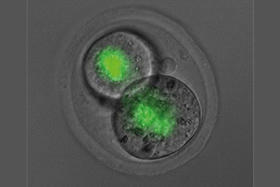
A fundamental discovery about a driver of healthy development in embryos could rewrite our understanding of what can be inherited from our parents and how their life experiences may shape us.
The new research suggests that epigenetic information, which sits on top of DNA and is normally reset between generations, is more frequently carried from mother to offspring than previously thought. The new study significantly broadens our understanding of which genes have epigenetic information passed from mother to child and which proteins are important for controlling this unusual process.
At a glance
First study to find a protein in the mother’s egg that regulates the epigenetic inheritance of a set of genes critical for the development of normal body structure in mammals.
While the epigenome can be influenced by the environment, including someone’s diet and exposure to pollutants, these epigenetic changes are very rarely inherited.
Discovery transforms our understanding of what can be passed down, indicating epigenetic inheritance may occur more frequently than previously thought.
Epigenetics is a rapidly growing field of science that investigates how our genes are switched on and off to allow one set of genetic instructions to create hundreds of different cell types in our body.
Epigenetic changes can be influenced by environmental variations such as our diet, but these changes do not alter DNA and are normally not passed from parent to offspring. While a tiny group of ‘imprinted’ genes can carry epigenetic information across generations, until now, very few other genes have been shown to be influenced by the mother’s epigenetic state.
The new research reveals that the supply of a specific protein in the mother’s egg can affect the genes that drive skeletal patterning of offspring. Chief investigator Professor Marnie Blewitt said the findings initially left the team surprised. “It took us a while to process because our discovery was unexpected,” Professor Blewitt, Joint Head of the Epigenetics and Development Division at WEHI, said.
Researchers have detected thousands of planets orbiting stars other than the Sun. The data show that these planets are even more varied than the planets and moons in our solar system. They range from small rocky planets a fraction of the size of Earth to large gas giants several times the size of Jupiter. Some orbit cool dwarf stars while others circle stars much hotter and more massive than the Sun. And like the objects in our solar system, they have a wide variety of compositions and structures.
Although no exoplanet is close enough to visit with a space probe, we can—under the right conditions—study an exoplanet’s atmosphere. When a planet passes in front of its star, some of the starlight is filtered through the planet’s atmosphere. We can analyze the pattern of the filtered light (a transmission spectrum) to figure out what the atmosphere is made of.
The transmission spectra shown here are models based on assumptions about the composition, temperature, and structure of the exoplanet’s atmosphere. In the future, scientists will compare actual data from observatories like the James Webb Space Telescope to the models to figure out which assumptions are correct and which are not.
Los exoplanetas, lugares a través del cosmos con gran potencial de vida orgánica.
¿A quién va dirigido?
Es un post, sobre todo el canal y la pagina las cuales van destinadas a quienes están envueltos en el tema, sobre todo investigadores.
¿Qué aspectos del tema son los más destacados de ese sitio?
Lo aspectos que hacen potencialmente habitables a los exoplanetas y como es que se determina esto.
¿Por qué considera que es de interés para la formación profesional en su carrera?
La topografía es la ciencia o técnica que estudia y representa la superficie de la tierra en un plano físico o virtual.
De esta manera, mediante la topografía ya través del tiempo, los seres humanos han representado el medio donde habitan, pero otros más allá de nuestro pequeño planeta, existen sitios como Marte donde el estudio y la representación del suelo es parte vital para las futuras exploraciones .
¿Qué acercamiento ha tenido con los temas manejados en el sitio seleccionado?
Yo he participado en algunos proyectos por lo que conozco la relevancia de la topografía, en cualquier obra de infraestructura ya sean puentes, carreteras o represas, representar de manera adecuada la superficie es el primer y posiblemente el paso más importante para su llevado a cabo.
With giant storms, powerful winds, auroras, and extreme temperature and pressure conditions, Jupiter has a lot going on. Now, NASA’s James Webb Space Telescope has captured new images of the planet. Webb’s Jupiter observations will give scientists even more clues to Jupiter’s inner life. “We hadn’t really expected it to be this good, to be honest,” said planetary astronomer Imke de Pater, professor emerita of the University of California, Berkeley. De Pater led the observations of Jupiter with Thierry Fouchet, a professor at the Paris Observatory, as part of an international collaboration for Webb’s Early Release Science program. Webb itself is an international mission led by NASA with its partners ESA (European Space Agency) and CSA (Canadian Space Agency). “It’s really remarkable that we can see details on Jupiter together with its rings, tiny satellites, and even galaxies in one image,” she said.
The two images come from the observatory’s Near-Infrared Camera (NIRCam), which has three specialized infrared filters that showcase details of the planet. Since infrared light is invisible to the human eye, the light has been mapped onto the visible spectrum. Generally, the longest wavelengths appear redder and the shortest wavelengths are shown as more blue. Scientists collaborated with citizen scientist Judy Schmidt to translate the Webb data into images.
In the standalone view of Jupiter, created from a composite of several images from Webb, auroras extend to high altitudes above both the northern and southern poles of Jupiter. The auroras shine in a filter that is mapped to redder colors, which also highlights light reflected from lower clouds and upper hazes. A different filter, mapped to yellows and greens, shows hazes swirling around the northern and southern poles. A third filter, mapped to blues, showcases light that is reflected from a deeper main cloud.
The Great Red Spot, a famous storm so big it could swallow Earth, appears white in these views, as do other clouds, because they are reflecting a lot of sunlight.“The brightness here indicates high altitude – so the Great Red Spot has high-altitude hazes, as does the equatorial region,” said Heidi Hammel, Webb interdisciplinary scientist for solar system observations and vice president for science at AURA. “The numerous bright white ‘spots’ and ‘streaks’ are likely very high-altitude cloud tops of condensed convective storms.” By contrast, dark ribbons north of the equatorial region have little cloud cover.
In a wide-field view, Webb sees Jupiter with its faint rings, which are a million times fainter than the planet, and two tiny moons called Amalthea and Adrastea. The fuzzy spots in the lower background are likely galaxies “photobombing” this Jovian view. “This one image sums up the science of our Jupiter system program, which studies the dynamics and chemistry of Jupiter itself, its rings, and its satellite system,” Fouchet said. Researchers have already begun analyzing Webb data to get new science results about our solar system’s largest planet.
Data from telescopes like Webb doesn’t arrive on Earth neatly packaged. Instead, it contains information about the brightness of the light on Webb’s detectors. This information arrives at the Space Telescope Science Institute (STScI), Webb’s mission and science operations center, as raw data. STScI processes the data into calibrated files for scientific analysis and delivers it to the Mikulski Archive for Space Telescopes for dissemination.
Scientists then translate that information into images like these during the course of their research (here’s a podcast about that). While a team at STScI formally processes Webb images for official release, non-professional astronomers known as citizen scientists often dive into the public data archive to retrieve and process images, too.
Judy Schmidt of Modesto California, a longtime image processor in the citizen science community, processed these new views of Jupiter. For the image that includes the tiny satellites, she collaborated with Ricardo Hueso, a co-investigator on these observations, who studies planetary atmospheres at the University of the Basque Country in Spain.
A newly discovered impact crater below the seafloor hints at the possibility that more than one asteroid hit Earth during the time when dinosaurs went extinct.
Scientists have found evidence of an asteroid impact crater beneath the North Atlantic Ocean that could force researchers to rethink how the dinosaurs reached the end of their reign.
The team believes the crater was caused by an asteroid colliding with Earth around 66 million years ago – around the same time that the Chicxulub asteroid hit Earth off the coast of today's Yucatan, Mexico, and wiped out the dinosaurs.
Spanning more than 5 miles in diameter, the crater was discovered using seismic measurements, which allow scientists to probe what lies deep below Earth's surface.
Veronica Bray, a research scientist in the University of Arizona Lunar and Planetary Laboratory, who specializes in craters found throughout the solar system, is a co-author of a study in Science Advances detailing the discovery.
Named after a nearby seamount, the Nadir crater is buried up to 1,300 feet below the seabed about 250 miles off the coast of Guinea, West Africa. The team believes the asteroid that created the newly discovered Nadir crater could have formed by breakup of a parent asteroid or by a swarm of asteroids in that time period. If confirmed, the crater will be one of less than 20 confirmed marine impact craters found on Earth.
Bray used computer simulations to determine what kind of collision took place and what the effects might have been. The simulations suggest the crater was caused by the collision of a 1,300 foot-wide asteroid in 1,600 to 2,600 feet of water. "This would have generated a tsunami over 3,000 feet high, as well as an earthquake of more than magnitude 6.5," Bray said. "Although it is a lot smaller than the global cataclysm of the Chicxulub impact, Nadir will have contributed significantly to the local devastation. And if we have found one 'sibling' to Chicxulub, it opens the question: Are there others?”
The estimated size of the asteroid would put it roughly on par with asteroid Bennu, the target of the UArizona-led NASA asteroid sample return mission OSIRIS-REx. According to Bray's calculations, the energy released from the impact that caused the Nadir crater would have been around 1,000 times greater than the tsunami caused by the underwater eruption of the Hunga Tonga-Hunga Ha'apai volcano in the Polynesian country of Tonga on Jan. 15.
"These are preliminary simulations and need to be refined when we get more data," Bray said, "but they provide important new insights into the possible ocean depths in this area at the time of impact."
Although complex numbers are essential in mathematics, they are not needed to describe physical experiments, as those are expressed in terms of probabilities, hence real numbers. Physics, however, aims to explain, rather than describe, experiments through theories. Although most theories of physics are based on real numbers, quantum theory was the first to be formulated in terms of operators acting on complex Hilbert spaces1,2. This has puzzled countless physicists, including the fathers of the theory, for whom a real version of quantum theory, in terms of real operators, seemed much more natural3. In fact, previous studies have shown that such a ‘real quantum theory’ can reproduce the outcomes of any multipartite experiment, as long as the parts share arbitrary real quantum states4.
A team of theoretical physicists now investigate whether complex numbers are actually needed in the quantum formalism. They were able to show this to be case by proving that real and complex Hilbert-space formulations of quantum theory make different predictions in network scenarios comprising independent states and measurements. This allows to devise a Bell-like experiment, the successful realization of which would disprove real quantum theory, in the same way as standard Bell experiments disproved local physics.
In astronomy, stellar classification is the classification of stars based on their spectral characteristics. Electromagnetic radiation from the star is analyzed by splitting it with a prism or diffraction grating into a spectrum exhibiting the rainbow of colors interspersed with spectral lines. Each line indicates a particular chemical element or molecule, with the line strength indicating the abundance of that element. The strengths of the different spectral lines vary mainly due to the temperature of the photosphere, although in some cases there are true abundance differences. The spectral class of a star is a short code primarily summarizing the ionization state, giving an objective measure of the photosphere's temperature.
Most stars are currently classified under the Morgan–Keenan (MK) system using the letters O, B, A, F, G, K, and M, a sequence from the hottest (O type) to the coolest (M type). Each letter class is then subdivided using a numeric digit with 0 being hottest and 9 being coolest (e.g., A8, A9, F0, and F1 form a sequence from hotter to cooler). The sequence has been expanded with classes for other stars and star-like objects that do not fit in the classical system, such as class D for white dwarfs and classes S and C for carbon stars. Main sequence stars are those that fuse hydrogen into helium in their cores. The Morgan–Keenan system shown here classifies stars based on their spectral characteristics. Our Sun is a G-type star.
In the MK system, a luminosity class is added to the spectral class using Roman numerals. This is based on the width of certain absorption lines in the star's spectrum, which vary with the density of the atmosphere and so distinguish giant stars from dwarfs. Luminosity class 0 or Ia+ is used for hypergiants, class I for supergiants, class II for bright giants, class III for regular giants, class IV for subgiants, class V for main-sequence stars, class sd (or VI) for subdwarfs, and class D (or VII) for white dwarfs. The full spectral class for the Sun is then G2V, indicating a main-sequence star with a surface temperature around 5,800 K.
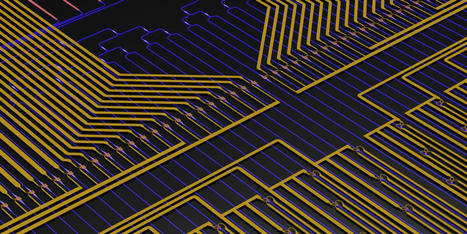
Computing with light could slash the energy needs of neural networks.
Computers routinely identify objects in images, transcribe speech, translate between languages, diagnose medical conditions, play complex games, and drive cars. The technique that has empowered these stunning developments is called deep learning, a term that refers to mathematical models known as artificial neural networks. Deep learning is a subfield of machine learning, a branch of computer science based on fitting complex models to data. While machine learning has been around a long time, deep learning has taken on a life of its own lately. The reason for that has mostly to do with the increasing amounts of computing power that have become widely available—along with the burgeoning quantities of data that can be easily harvested and used to train neural networks.
The amount of computing power at people's fingertips started growing in leaps and bounds at the turn of the millennium, when graphical processing units (GPUs) began to be harnessed for nongraphical calculations, a trend that has become increasingly pervasive over the past decade. But the computing demands of deep learning have been rising even faster. This dynamic has spurred engineers to develop electronic hardware accelerators specifically targeted to deep learning, Google's Tensor Processing Unit (TPU) being a prime example.
A very different approach to this problem, however, is using optical processors to carry out neural-network calculations with photons instead of electrons. To understand how optics can replace electronics, you need to know a little bit about how computers currently carry out neural-network calculations.
Almost invariably, artificial neurons are constructed using special software running on digital electronic computers of some sort. That software provides a given neuron with multiple inputs and one output. The state of each neuron depends on the weighted sum of its inputs, to which a nonlinear function, called an activation function, is applied. The result, the output of this neuron, then becomes an input for various other neurons. For computational efficiency, these neurons are grouped into layers, with neurons connected only to neurons in adjacent layers. The benefit of arranging things that way, as opposed to allowing connections between any two neurons, is that it allows certain mathematical tricks of linear algebra to be used to speed the calculations.
While they are not the whole story, these linear-algebra calculations are the most computationally demanding part of deep learning, particularly as the size of the network grows. This is true for both training (the process of determining what weights to apply to the inputs for each neuron) and for inference (when the neural network is providing the desired results). What are these mysterious linear-algebra calculations? They aren't so complicated really. They involve operations on matrices, which are just rectangular arrays of numbers—spreadsheets if you will, minus the descriptive column headers you might find in a typical Excel file. This is great news because modern computer hardware has been very well optimized for matrix operations, which were the bread and butter of high-performance computing long before deep learning became popular. The relevant matrix calculations for deep learning boil down to a large number of multiply-and-accumulate operations, whereby pairs of numbers are multiplied together and their products are added up.
Multiplying With Light
Over the years, deep learning has required an ever-growing number of these multiply-and-accumulate operations. Consider LeNet, a pioneering deep neural network, designed to do image classification. In 1998 it was shown to outperform other machine techniques for recognizing handwritten letters and numerals. But by 2012 AlexNet, a neural network that crunched through about 1,600 times as many multiply-and-accumulate operations as LeNet, was able to recognize thousands of different types of objects in images. Advancing from LeNet's initial success to AlexNet required almost 11 doublings of computing performance. During the 14 years that took, Moore's law provided much of that increase. The challenge has been to keep this trend going now that Moore's law is running out of steam. The usual solution is simply to throw more computing resources—along with time, money, and energy—at the problem.
Based on the technology that's currently available for the various components (optical modulators, detectors, amplifiers, analog-to-digital converters), it's reasonable to think that the energy efficiency of neural-network calculations could be made 1,000 times better than today's electronic processors. Making more aggressive assumptions about emerging optical technology, that factor might be as large as a million. And because electronic processors are power-limited, these improvements in energy efficiency will likely translate into corresponding improvements in speed.
Many of the concepts in analog optical computing are decades old. Some even predate silicon computers. Schemes for optical matrix multiplication, and even for optical neural networks, were first demonstrated in the 1970s. But this approach didn't catch on.
Will this time be different? Possibly, for three reasons. First, deep learning is genuinely useful now, not just an academic curiosity. Second, we can't rely on Moore's Law alone to continue improving electronics. And finally, we have a new technology that was not available to earlier generations: integrated photonics. These factors suggest that optical neural networks will arrive for real this time—and the future of such computations may indeed be photonic.
Droughts are intensifying around the world due to climate change. The UN says solutions such as land restoration must be stepped up to combat the crisis.
Without immediate and deep emissions reductions across all sectors, limiting global warming to 1.5°C (2.7°F) is beyond reach. In the scenarios assessed, limiting warming to around 1.5°C requires global greenhouse gas emissions to peak before 2025 at the latest, and be reduced by 43% by 2030; at the same time, methane would also need to be reduced by about a third.
There is increasing evidence that immediate climate action is needed. In 2010-2019, average annual global greenhouse gas emissions were at their highest levels in human history, but the rate of growth has slowed. An increasing range of policies and laws have enhanced energy efficiency, reduced rates of deforestation and accelerated the deployment of renewable energy.
Cosmologists are getting closer to understanding what the future and ultimate fate of the universe will be.
Late last century, one of the most pressing issues in modern cosmology was to measure the deceleration rate of the universe. Given the amount of mass observed in the cosmos it was thought that it might be enough to cause an eventual contraction of the expansion. Remarkably, two independent teams of scientists found the exact opposite. The universe was not slowing down in its expansion, it was accelerating. This profound discovery lead to the Nobel prize in physics in 2011. However, understanding the implications of it remains challenging.
One way to think about the accelerating universe is that there must be some kind of material (or field) that permeates the universe that exerts a negative pressure (or a repulsive gravity). We call this dark energy. This may sound a bit far-fetched, but independent experiments have been conducted to corroborate the acceleration of the universe and the existence of dark energy. From 2006, I was involved in the WiggleZ Dark Energy Survey – a scientific experiment to independently confirm the acceleration. Not only did we find that the acceleration is happening, but we provided compelling evidence that the cause of this was dark energy. We observed that dark energy was retarding the growth of massive superclusters of galaxies. The growth rate of superclusters like Virgo is providing strong evidence for the existence of dark energy. We therefore think that dark energy is real. If the concept of dark energy and its repulsive gravitation force is too weird, then an alternative to consider is that perhaps our theory of gravitation needs to be modified. This might be achieved in in a similar way that relativity advanced Newtonian gravitation. Either way, we need new physics to explain it.
The future
Before turning to the very distant future, I will mention another relevant survey: GAMA. Using that survey, we found that the universe is slowing "dying". Put another way: the peak era of star formation is well behind us, and the universe is already fading.
The more "immediate" future can be predicted with some certainty. Five billion years from now, the sun will enter its red giant phase. Depressingly, no more than two more billion years after that, it will consume Earth.
After that, the relative strength of dark energy and how it might vary over time becomes important. The stronger and faster the repulsive force of dark energy is, the more likely it is that the universe will experience a Big Rip. Put bluntly: the Big Rip is what happens when the repulsive force of dark energy is able to overcome gravitation (and everything else). Bodies that are gravitationally bound (such as our local supercluster, our own Milky Way galaxy, our solar system, and eventually ourselves) become ripped apart and all that is left is (probably) lonesome patches of vacuum. The data from the WiggleZ survey and other experiments do not rule out the Big Rip, but push it in to the exceptionally far future (if at all).
Somewhat more pressing is the heat death of the universe. As the universe carries on expanding, we will no longer be able to observe galaxies outside our local group (100 million years from now). Star formation will then cease in about 1-100 trillion years as the supply of gas needed will be exhausted. While there will be some stars around, these will run out of fuel in some 120 trillion years. All that is left at that point is stellar remnants: black holes, neutron stars, & white dwarfs being the prime examples. One hundred quintillion (10<sup>20) years from now, most of these objects will be swallowed up by the supermassive black holes at the heart of galaxies.
Two startups, each yet to fly their first missions, said July 19 they are collaborating on a Mars lander mission they claim could launch as soon as 2024.
Launch vehicle startup Relativity Space and in-space transportation company Impulse Space jointly announced July 19, 2022 they are working on a robotic Mars lander they anticipate launching as soon as the late 2024 window for missions from Earth to Mars. Impulse would be responsible for building the lander itself as well as the cruise stage and entry capsule. Relativity would launch the spacecraft on the Terran R reusable rocket it is developing.
“This is a monumental challenge, but one that successfully achieved will expand the possibilities for human experience in our lifetime across two planets,” Tim Ellis, chief executive of Relativity, said in a statement. “With the delivery capabilities of Terran R coupled with Impulse’s in-space transportation, we are bringing humanity one step closer to making Mars a reality.”
The companies offered few technical details about the design of the lander, such as its size and mass. The design of the lander, illustrated on Impulse’s website, is similar to past NASA missions, with a lander encapsulated in an entry capsule with a cruise stage attached to handle operations while traveling for more than six months from Earth to Mars. Upon arrival at Mars, the cruise stage would detach and a heat shield would slow down the capsule as it enters the Martian atmosphere. The heat shield would then detach and parachutes deploy to further slow the lander, which then uses thrusters for a soft landing. The lander, the companies said, will carry payloads “supporting the research and development needed to build toward humanity’s multi-planetary future.” The companies did not disclose the payloads or the payload capacity of the lander.
In a written response to questions, the companies said they envision the lander carrying payloads for government and commercial customers, providing services similar to those by companies developing lunar landers that have won business through NASA’s Commercial Lunar Payload Services program. The companies, in that response, declined to provide an estimated cost of the mission. “We can say that the overall estimated cost of the mission is significantly less than previous Mars missions. By building on the work NASA JPL has done, we’re able to take those learnings and commercialize missions at a lower cost.”
The most recent static Mars lander mission run by NASA’s Jet Propulsion Laboratory, the Insight mission, cost the agency $814 million, including launch but not including major instruments contributed by international partners. That lander used a design that was based on previous missions, like the Phoenix lander, to reduce development costs.
Only NASA and China’s space program have successfully landed and operated spacecraft on Mars. NASA has flown a series of landers from the two Viking landers in 1976 to the Perseverance rover that landed last year. China was successful in its first Mars landing attempt on the Tianwen-1 mission last year. The former Soviet Union’s Mars 3 spacecraft appeared to land successfully on Mars in 1971, but contact was lost less than two minutes after landing and never restored. Beagle 2, a small British lander that flew to Mars in 2003 as a rideshare payload on the European Space Agency’s Mars Express orbiter, never made contact after landing. Images later showed the lander made it to the surface intact but failed to deploy two of its four solar panels and communications antenna.
Short animations giving viewers a taste of the tactics behind misinformation can help to “inoculate” people against harmful content on social media when deployed in YouTube’s advert slot, according to a major online experiment led by the University of Cambridge.
Working with Jigsaw (https://jigsaw.google.com/), a unit within Google dedicated to tackling threats to open societies, a team of psychologists from the universities of Cambridge and Bristol created 90-second clips designed to familiarize users with manipulation techniques such as scapegoating and deliberate incoherence.
This "pre-bunking" strategy pre-emptively exposes people to tropes at the root of malicious propaganda, so they can better identify online falsehoods regardless of subject matter. Researchers behind the Inoculation Science project (https://inoculation.science/) compare it to a vaccine: by giving people a "micro-dose" of misinformation in advance, it helps prevent them falling for it in future -- an idea based on what social psychologist's call "inoculation theory."
The findings, published in Science Advances, come from seven experiments involving a total of almost 30,000 participants -- including the first "real world field study" of inoculation theory on a social media platform -- and show a single viewing of a film clip increases awareness of misinformation. The videos introduce concepts from the "misinformation playbook," illustrated with relatable examples from film and TV such as Family Guy or, in the case of false dichotomies, Star Wars ("Only a Sith deals in absolutes").
"YouTube has well over 2 billion active users worldwide. Our videos could easily be embedded within the ad space on YouTube to prebunk misinformation," said study co-author Prof Sander van der Linden, Head of the Social Decision-Making Lab (SDML) at Cambridge, which led the work. "Our research provides the necessary proof of concept that the principle of psychological inoculation can readily be scaled across hundreds of millions of users worldwide."
This year, the Colorado State Fair’s annual art competition gave out prizes in all the usual categories: painting, quilting and sculpture. But one entrant, Jason M. Allen of Pueblo West, Colorado, didn’t make his entry with a brush or a lump of clay. He created it with Midjourney, an artificial intelligence program that turns lines of text into hyper-realistic graphics. Mr. Allen’s work, “Théâtre D’opéra Spatial,” took home the blue ribbon in the fair’s contest for emerging digital artists — making it one of the first A.I.-generated pieces to win such a prize, and setting off a fierce backlash from artists who accused him of, essentially, cheating.
Reached by phone on Wednesday, Mr. Allen defended his work. He said that he had made clear that his work — which was submitted under the name “Jason M. Allen via Midjourney” — was created using A.I., and that he hadn’t deceived anyone about its origins.
“I’m not going to apologize for it,” he said. “I won, and I didn’t break any rules.” A.I.-generated art has been around for years and is here to stay. But tools released this year — with names like DALL-E 2, Midjourney and Stable Diffusion — have made it ultimately possible for rank amateurs to create complex, abstract or photorealistic works simply by typing a few words into a text box.
Low cortisol levels and herpes-virus reactivation are associated with prolonged COVID-19 symptoms, preliminary research suggests. Researchers looking for biological drivers and markers of long COVID have linked the syndrome to herpes viruses, as well as to reduced levels of a stress hormone1. The exploratory study drew both praise and criticism from scientists contacted by Nature. “A major weakness of this paper is the very small sample size,” says infectious-disease specialist Michael Sneller at the US National Institute of Allergy and Infectious Diseases (NIAID) in Bethesda, Maryland. “I would take with a huge grain of salt all these findings unless they are confirmed in larger studies.” But Danny Altmann, an immunologist at Imperial College London who was not involved in the study, says such reports are exactly what the long-COVID research community needs. “We’re really desperate to work out which drugs to test” for long COVID, he says. “The more studies we have like this, the more it enables us to race off and plan appropriate randomized, controlled trials.” The study, posted on the preprint server medRxiv, has not yet been peer reviewed.
The disease that lingers
Long COVID consists of a constellation of sometimes debilitating symptoms that last for months or years after a SARS-CoV-2 infection. It is common — affecting anywhere from 5% to 50% of people who contract COVID-19 — but researchers have few clues to its causes. The latest study, led by immunobiologist Akiko Iwasaki at Yale School of Medicine in New Haven, Connecticut, involved performing tests that generated thousands of data points for each of 215 participants in an attempt to reveal key immunological features that distinguish people with long COVID from healthy individuals. The study included 99 people with long COVID — those who reported persistent symptoms after SARS-CoV-2 infection — and 116 healthy participants who had either never had COVID-19 or had recovered after SARS-CoV-2 infection. Most strikingly, the study found that in the long-COVID group, levels of cortisol, a stress hormone that has a role in regulating inflammation, blood sugar levels and sleep cycles, were about 50% lower than in healthy participants. The authors also found hints that in people with long COVID, Epstein–Barr virus, which can cause mononucleosis, and varicella-zoster virus, which causes chickenpox and shingles, might recently have been ‘reactivated’. Both of these viruses are in the herpes family, persist indefinitely in the body after infection and can start to multiply again after a period of quiescence. People in the long-COVID group also had unusual levels of certain types of blood and immune cell, as well as dysfunctional immune cells, suggesting that their immune systems are working overtime. Iwasaki cautions that the results do not suggest that low cortisol levels or herpes viruses cause long COVID, but that their association with the syndrome warrants further study. The findings build on previous reports associating low cortisol levels and Epstein–Barr virus with long COVID, including a Cell paper2 published in March.
With only 215 participants, the Iwasaki’s study is relatively small, and only a subset of the participants were included in some parts of the work. For example, in the analysis of cortisol levels, the researchers included all 99 people with long COVID, but only 40 of the 116 healthy people. “The small number of controls compared to the long-COVID group is problematic” because it makes the study less statistically robust, says Sneller, who is leading a separate study on the drivers of long COVID. Iwasaki says that samples were collected from the remaining healthy volunteers later and are being sent for analysis this week. Another limitation of the study is that Iwasaki’s team did not analyse participants’ samples for the presence of the Epstein–Barr and varicella-zoster viruses, instead measuring levels of antibodies against the viruses. Members of the long-COVID group had higher levels of these antibodies than did the healthy people, which suggests a more recent reactivation of the virus, Iwasaki says. However, the only way to determine definitively whether there is current reactivation is to test for viral DNA in the blood. Iwasaki’s team is now running such tests. Her group also plans to test participants’ cortisol levels throughout the day, because the stress hormone’s levels tend to fluctuate, and to examine how immune features vary at different time points after infection. “This is an exploratory, hypothesis-generating study, and clearly not the conclusion to what long COVID is, but it does begin to open doors,” says Iwasaki.
Cerebras says its technology can run a neural network with 120 trillion connections—a hundred times what's achievable today.
When it comes to the neural networks that power today’s artificial intelligence, sometimes the bigger they are, the smarter they are too. Recent leaps in machine understanding of language, for example, have hinged on building some of the most enormous AI models ever and stuffing them with huge gobs of text. A new cluster of computer chips could now help these networks grow to almost unimaginable size—and show whether going ever larger may unlock further AI advances, not only in language understanding, but perhaps also in areas like robotics and computer vision.
Cerebras Systems, a startup that has already built the world’s largest computer chip, has now developed technology that lets a cluster of those chips run AI models that are more than a hundred times bigger than the most gargantuan ones around today. Cerebras says it can now run a neural network with 120 trillion connections, mathematical simulations of the interplay between biological neurons and synapses.
The largest AI models in existence today have about a trillion connections, and they cost many millions of dollars to build and train. But Cerebras says its hardware will run calculations in about a 50th of the time of existing hardware. Its chip cluster, along with power and cooling requirements, presumably still won’t come cheap, but Cerberas at least claims its tech will be substantially more efficient.
The name “millipede” translates to a thousand feet (from mille “thousand” and pes “foot”). However, no millipede has ever been described with more than 750 legs. Now biologists discovered a new record-setting species of millipede with 1,306 legs, Eumillipes persephone, from Western Australia. This diminutive animal (0.95 mm wide, 95.7 mm long) has 330 segments, a cone-shaped head with enormous antennae, and a beak for feeding. A distant relative of the previous record holder, Illacme plenipes from California, it belongs to a different order, the Polyzoniida.
Discovered 60 m underground in a deep drill hole created for mineral exploration, E. persephone possesses troglomorphic features; it lacks eyes and pigmentation, and it has a greatly elongated body—features that stand in stark contrast to its closest surface-dwelling relatives in Australia and all other members of its order. Using phylogenomics, the scientists found that super-elongation (> 180 segments) evolved repeatedly in the millipede class Diplopoda. The striking morphological similarity between E. persephone and I. plenipes is a result of convergent evolution, probably for locomotion in similar soil habitats. Discovered in the resource-rich Goldfields-Esperance region and threatened by encroaching surface mining, documentation of this species and conservation of its habitat are of critical importance.
Thanks to new findings, 6G wireless networks could be designed with built-in defenses against "metasurface in the middle" attacks.
Hackers could make a tool to eavesdrop on some 6G wireless signals with just office paper, an inkjet printer, a metallic foil transfer, and a laminator. The researchers who discovered the wireless security hack will present their findings and demonstrate the attack this week in San Antonio at ACM WiSec 2022, the Association for Computing Machinery’s annual conference on security and privacy in wireless and mobile networks.
“Awareness of a future threat is the first step to counter that threat,” says study coauthor Edward Knightly, professor of electrical and computer engineering at Rice University. “The frequencies that are vulnerable to this attack aren’t in use yet, but they are coming and we need to be prepared.”
‘METASURFACE IN THE MIDDLE’
In the new study, Knightly, Brown University engineering professor Daniel Mittleman, and colleagues showed an attacker could easily make a sheet of office paper covered with 2D foil symbols—a metasurface—and use it to redirect part of a 150 gigahertz” pencil beam” transmission between two users. They dubbed the attack “Metasurface-in-the-Middle” as a nod to both the hacker’s tool and the way it is wielded. Metasurfaces are thin sheets of material with patterned designs that manipulate light or electromagnetic waves.” Man-in-the-middle” is a computer security industry classification for attacks in which an adversary secretly inserts themself between two parties.
The 150 gigahertz frequency is higher than is used in today’s 5G cellular or Wi-Fi networks. But Knightly says wireless carriers are looking to roll out 150 gigahertz and similar frequencies known as terahertz waves or millimeter waves over the next decade. “Next-generation wireless will use high frequencies and pencil beams to support wide-band applications like virtual reality and autonomous vehicles,” says Knightly, who will present the research with coauthor Zhambyl Shaikhanov, a graduate student in his lab.
HOW THE ATTACK WOULD WORK
In the study, the researchers use the names Alice and Bob to refer to the two people whose communications are hacked. The eavesdropper is called Eve. To mount the attack, Eve first designs a metasurface that will diffract a portion of the tight-beam signal to her location. For the demonstration, the researchers designed a pattern with hundreds of rows of split rings. Each looks like the letter C, but they are not identical. The open part of each ring varies in size and orientation.
“Those openings and orientations are very specifically done to get the signal to diffract in the exact direction Eve wants,” Shaikhanov says. “After she designs the metasurface, she prints it on a regular laser printer, and then she uses a hot stamping technique that’s used in crafting. She places a metal foil on the printed paper, feeds it through a laminator and the heat and pressure create a bond between the metal and the toner.”
Mittleman and study coauthor Hichem Guerboukha, a postdoctoral research fellow at Brown, show in a 2021 study that the hot-stamping method could be used to make split-ring metasurfaces with resonances up to 550 GHz. “We developed this approach in order to lower the barrier for fabrication of metasurfaces, so that researchers could test many different designs quickly and inexpensively,” Mittleman says. “Of course, this lowers the barrier for eavesdroppers too.”
Marina Smith, a 87-year-old woman who passed away in June, was able to address the mourners at her own funeral in the UK — sort of, at least, thanks to the power of artificial intelligence. The woman was able to surprise the guests at the funeral in the form of a “holographic conversational video experience,” created by a startup called StoryFile.
Can attacks at the Zaporizhzhia nuclear plant cause another Chernobyl explosion? The tragedy would be 10 times larger than Chernobyl and Hiroshima!!! While the actions of Russian occupiers are predictable, the radioactive cloud they could cause is not. And that cloud could go anywhere, hitting any part of Europe and even far beyond it.
The spin state of molecular qubits can be made more stable by changing the chemical environment in which the qubits sit.
Qubits made from molecules are versatile quantum-technology systems that can be chemically engineered for a wide variety of applications. Now David Awschalom from the University of Chicago and colleagues have identified a way of manipulating the spin states of the molecular qubits by placing them in an asymmetric chemical environment [1]. The resulting spin states are more stable against noise from fluctuating magnetic fields than those in symmetric environments.
The molecular qubit used by the team consists of a chromium atom—where the spin is localized—surrounded by chemical groups (or “ligands”) that generate a light-responsive electronic structure in the atom’s spin state. As such, the qubit’s spin can be controlled and read out with light, a desirable capability that has been widely investigated in other qubit systems (see Synopsis: Vetting Neutral Nitrogen Vacancies). But molecular qubits are unique in that researchers can insert them into different chemical settings. “A key advantage of these molecular systems is that the qubit is self-contained within a molecule and so can be deployed in different host environments,” Awschalom explains.
In previous experiments, the molecular qubits were housed within a crystal array of host molecules that had the same structure as the qubits. Awschalom and colleagues instead used host molecules with a slightly different structure, resulting in an asymmetric environment around each qubit. The asymmetry made the qubits less sensitive to the magnetic fields coming from nearby nuclear spins. The coherence time—how long the qubits stay in a spin state—was measured to be 10 µs, compared to 2 µs for molecular qubits in a symmetric host environment. Awschalom says these qubits might find use in detecting electric fields in biological samples and in other noisy settings.
–Michael Schirber
Michael Schirber is a Corresponding Editor for Physics Magazine based in Lyon, France.
References
S. L. Bayliss et al., “Enhancing spin coherence in optically addressable molecular qubits through host-matrix control,” Phys. Rev. X 12, 031028 (2022).
One ‘superspreader’ with Omicron shed three times as much viral RNA as those with Alpha or Delta. People infected with the highly transmissible Alpha, Delta and Omicron variants of SARS-CoV-2 spew out higher amounts of virus than do those infected with other variants, according to a study1. Furthermore, individuals who contract COVID-19 after vaccination, and even after a booster dose, still shed virus into the air. The work was posted on the medRxiv preprint server on 29 July. It has not yet been peer reviewed. “This research showed that all three of those variants that have won the infection race … come out of the body more efficiently when people talk or shout than the earliest strains of the coronavirus,” says John Volckens, a public-health engineer at Colorado State University in Fort Collins. Study co-author Kristen Coleman, who researches emerging infectious diseases at the University of Maryland in College Park, says this means that people should be “pushing governments to invest in improving indoor air quality by improving ventilation and filtration systems”.
Breathe out
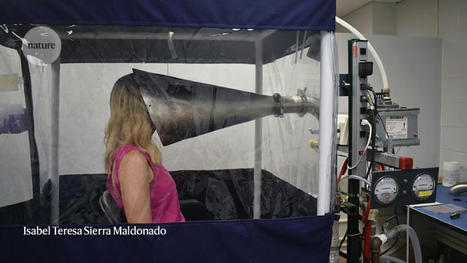
For the study, Coleman and her colleagues recruited 93 people between mid-2020 and early 2022 who were infected with SARS-CoV-2. Participants’ infections were caused by strains including the Alpha variant, which emerged in late 2020, and the later Delta and Omicron variants. All participants with the latter two strains had been fully vaccinated before catching the virus. The infected people faced into a cone-shaped apparatus and sang and shouted — with inevitable coughs and sneezes in between — for 30 minutes, while an attached machine collected the particles they exhaled. The device, called a Gesundheit-II, separated out the fine ‘aerosol’ droplets measuring 5 micrometres or less in diameter, which can linger in the air and leak through cloth and surgical masks. The team found that participants infected with the Alpha, Delta and Omicron variants emitted significantly more viral RNA when exhaling than did people infected with other variants. These include ancestral variants, such as the one first detected in Wuhan, China, and those not associated with increased transmissibility — such as Gamma, which arose in late 2020. For participants with Delta and Omicron, their fine aerosol contained on average five times the amount of virus that was detected in their larger, coarse aerosol. The team also seeded cells in the laboratory with aerosol samples and found that four samples, each from a participant with either Delta or Omicron, infected the cells. Shed virus is not always infectious, says study co-author Jianyu Lai, an epidemiologist at the University of Maryland, and the samples’ ability to infect laboratory cells means that viral RNA in exhaled aerosols can spread the disease. Malin Alsved, an aerosol technology scientist at Lund University in Sweden, says: “I’m bit concerned that they mix all the respiratory [aerosols] — they have breathing, talking, speaking, screaming, coughing, even sneezing in the sample.” Coleman responds that the team combined respiratory samples to mimic a real-life scenario such as being in a restaurant.
Going viral
The study also highlights variation between individuals in the amounts of exhaled virus, which ranged from non-detectable levels to those associated with ‘superspreaders’. One Omicron-infected participant, for example, shed 1,000 times as much viral RNA through fine aerosol as the maximum level observed in those with Alpha or Delta. The researchers say that the root of these discrepancies remains a mystery but could be related to biological factors such as a person’s age. Behaviour might play a part, too: the study’s superspreader coughed more frequently than others. If new variants are more prone to superspreading, that might drive them to dominate COVID-19 cases. The team notes that people infected with SARS-CoV-2 exhale much lower amounts of viral RNA than do people infected with influenza, a comparable airborne disease. This suggests that SARS-CoV-2 could spin off variants that transmit even more virus. “That is something to be concerned about,” says Alsved.
The New England Journal of Medicine trial showed fluvoxamine and metformin also had no impact stopping severe disease.
A new study found three generic drugs — fluvoxamine, which is often prescribed to treat depression, the controversial antimalarial ivermectin, and the diabetes pill metformin — failed to prevent the kind of severe COVID-19 that leads to an emergency-room visit or hospitalization.
The research, published recently in The New England Journal of Medicine, examined whether any of the three medications benefited 1,323 patients when prescribed in the early days of a COVID-19 infection. Some of the study’s participants received a combination of metformin and fluvoxamine or metformin and ivermectin, most were vaccinated, and all were overweight. The randomized, placebo-controlled, Phase 3 study was conducted from December 2020 January of this year by researchers at the University of Minnesota.
“None of the medications showed any impact on the primary outcome, which included experiencing low oxygen as measured on an home oxygen monitor,” said Dr. Carolyn Bramonte, principal investigator of the study and an assistant professor of internal medicine and pediatrics at the University of Minnesota Medical School.
Having low blood oxygen levels, or hypoxemia, is a common reason why COVID-19 patients end up seeking care in an ER, being hospitalized, or dying. Until the Food and Drug Administration authorized Pfizer’s antiviral Paxlovid and Merck’s Lagevrio in late 2021, there were no authorized treatments for people who had tested positive for the virus but were not yet sick enough to go to the hospital. Repurposed drugs — which are cheap, readily available, and have decades of safety data, including among children and pregnant women — have held a particular appeal for regulators and clinicians alike since the pandemic’s earliest days.
Each of the three generic medications has been held up as a possible COVID-19 drug, particularly ivermectin, which gained a cult following over the course of the pandemic despite well-documented issues with the flawed science that in some cases fraudulently touted the drug’s benefits. Yet none so far have demonstrated in robust clinical trials that they actually help treat people with COVID-19.
A long-awaited double-blind, randomized, placebo-controlled study conducted by Duke University School of Medicine and funded by the U.S. concluded that ivermectin did not improve symptom duration among COVID-19 patients with mild-to-moderate forms of the disease. The same research found that the drug did not reduce hospitalizations or death. Some of the same University of Minnesota researchers last year asked the FDA to authorize fluvoxamine as a COVID-19 treatment, based on an earlier set of clinical data. The regulator declined to grant the emergency authorization this spring, saying that the data did not demonstrate the drug’s ability to treat COVID-19.
Human monkeypox virus is spreading in Europe and the USA among individuals who have not travelled to endemic areas. On July 23, 2022, monkeypox was declared a Public Health Emergency of International Concern by WHO Director-General Tedros Adhanom Ghebreyesus.
Human-to-human transmission of monkeypox virus usually occurs through close contact with the lesions, body fluids, and respiratory droplets of infected people or animals. The possibility of sexual transmission is being investigated, as the current outbreak appears to be concentrated in men who have sex with men and has been associated with unexpected anal and genital lesions. Whether domesticated cats and dogs could be a vector for monkeypox virus is unknown. Here we describe the first case of a dog with confirmed monkeypox virus infection that might have been acquired through human transmission.
Two men who have sex with men attended Pitié-Salpêtrière Hospital, Paris, France, on June 10, 2022 (appendix). One man (referred to as patient 1 going forward) is Latino, aged 44 years, and lives with HIV with undetectable viral loads on antiretrovirals; the second man (patient 2) is White, aged 27 years, and HIV-negative. The men are non-exclusive partners living in the same household. They each signed a consent form for the use of their clinical and biological data, and for the publication of anonymised photographs. The men had presented with anal ulceration 6 days after sex with other partners. In patient 1, anal ulceration was followed by a vesiculopustular rash on the face, ears, and legs; in patient 2, on the legs and back. In both cases, rash was associated with asthenia, headaches, and fever 4 days later.
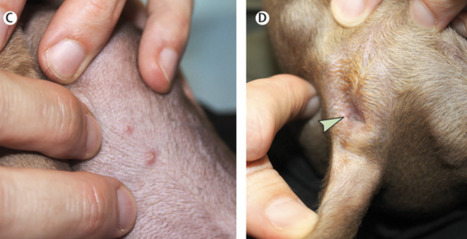
12 days after symptom onset, their male Italian greyhound, aged 4 years and with no previous medical disorders, presented with mucocutaneous lesions, including abdomen pustules and a thin anal ulceration (figure C, D; appendix). The dog tested positive for monkeypox virus by use of a PCR protocol adapted from Li and colleagues that involved scraping skin lesions and swabbing the anus and oral cavity. Monkeypox virus DNA sequences from the dog and patient 1 were compared by next-generation sequencing (MinION; Oxford Nanopore Technologies, Oxford, UK). Both samples contained virus of the hMPXV-1 clade, lineage B.1, which has been spreading in non-endemic countries since April, 2022, and, as of Aug 4, 2022, has infected more than 1700 people in France, mostly concentrated in Paris, where the dog first developed symptoms. Moreover, the virus that infected patient 1 and the virus that infected the dog showed 100% sequence homology on the 19·5 kilobase pairs sequenced.
The men reported co-sleeping with their dog. They had been careful to prevent their dog from contact with other pets or humans from the onset of their own symptoms (ie, 13 days before the dog started to present cutaneous manifestations). In endemic countries, only wild animals (rodents and primates) have been found to carry monkeypox virus. However, transmission of monkeypox virus in prairie dogs has been described in the USA and in captive primates in Europe that were in contact with imported infected animals. Infection among domesticated animals, such as dogs and cats, has never been reported.
To get content containing either thought or leadership enter:
To get content containing both thought and leadership enter:
To get content containing the expression thought leadership enter:
You can enter several keywords and you can refine them whenever you want. Our suggestion engine uses more signals but entering a few keywords here will rapidly give you great content to curate.


 Your new post is loading...