Your new post is loading...

|
Scooped by
Dr. Stefan Gruenwald
June 11, 2016 12:24 PM
|
A faint signal of hydrogen has been detected from a galaxy more than five billion light years away in a discovery that will push the boundaries of astronomy forward, a Perth-based radio astronomer says. The detection of a faint signal of hydrogen from a galaxy more than five billion light years away will push the boundaries of astronomy forward, a Perth-based radio astronomer says. Dr Attila Popping, from the University of Western Australia, is part of the International Centre for Radio Astronomy Research (ICRAR) team, which made the discovery. The team analysed data collected by the Karl G Jansky Very Large Array (VLA) telescope in the US state of New Mexico, and observed emissions from a distant galaxy that would have contained billions of large stars surrounded by clouds of hydrogen gas. The five-billion-light-year distance is almost double that of the previous record for the detection of neutral hydrogen (HI). Dr Popping said the find would assist scientists in understanding the evolution of galaxies. "Hydrogen is the basic element in the universe. That's where everything had to start," he said. "It's the first building block of gas and stars and galaxies. So with the survey we tried to understand the evolution of HI. How it evolves over time. "By being able to look back over time, and look far away, we can get an image of the universe as it was - five billion years ago in this case - and try to understand how HI evolves and how this affects galaxy formation in general. "What triggers star formation and those sort of things." He said the discovery was like looking into the past, with the hydrogen long since expired. "The hydrogen has probably been turned into stars," he said. "It's been eaten by the galaxy and become a supernova explosion and expelled again. The gas itself is probably in a different state now, than as we can see it."
|
|
Scooped by
Dr. Stefan Gruenwald
June 11, 2016 12:15 PM
|
The theory is that our sun, in its youth some 4.5 billion years ago, stole Planet Nine from its original star. According to astronomers in Lund, there is a lot to indicate that Planet 9 was captured by the young sun and has been a part of our solar system completely undetected ever since. Stars are born in clusters and often pass by one another. It is during these encounters that a star can 'steal' one or more planets in orbit around another star. This is probably what happened when our own sun captured Planet 9. The unknown world, dubbed 'Planet Nine' by some and 'Planet X' by others, is thought to be 10 times more massive than Earth and the furthest planet from the sun - but its exact location is unknown. The planet is predicted to circle the sun at a distance of about 40 billion to 140 billion miles (24 billion to 87 billion km), placing it far beyond all the other planets in our solar system. Now physicists at the Harvard Smithsonian Centre for Astrophysics looked at the most likely scenarios for how a planet could get to such a distant part of the solar system. They found it is probably a gas giant that formed close to the sun and was kicked out by a series of gravitational pushes by nearby planets.
|
|
Scooped by
Dr. Stefan Gruenwald
June 11, 2016 12:09 PM
|
The standard image of Jupiter is of a mysterious planet shrouded in colorful strips, spots and swirls. But what exactly is going on beneath the atmosphere's chaotic exterior is a question that has mystified astronomers for some time. Researchers have now peeled back the curtain by producing the most detailed radio map of Jupiter's atmosphere yet, revealing swathes of ammonia gas that drive its stormy weather and possibly, other giant planets just like it. Confusion has previously plagued our understanding of Jupiter's atmosphere. In 1995, NASA's Galileo probe made the first detection of ammonia gas in another planet's atmosphere as it plummeted toward Jupiter, but doubt was cast on these observations when measurements taken by the Very Large Array (VLA) later revealed much lower concentrations. But upgrades to the VLA, along with a new method of interpreting its data, have now provided a way to account for previous inaccuracies. "Jupiter's rotation once every 10 hours usually blurs radio maps, because these maps take many hours to observe," says study co-author Robert Sault, from the University of Melbourne. "But we have developed a technique to prevent this and so avoid confusing together the upwelling and downwelling ammonia flows, which had led to the earlier underestimate." With the new and improved VLA, which has boosted its sensitivity by a factor of 10, an international team of scientists measured radio waves emitted from Jupiter that they know to be absorbed by ammonia. These were observed in wavelength bands where clouds are transparent, over the frequency range of four to eight GHz. This allowed them to calculate the concentrations of ammonia at various locations around the planet's atmosphere, diving as deep as 100 km (62 mi) below the cloud tops to areas that had previously gone unexplored.
|
|
Scooped by
Dr. Stefan Gruenwald
June 11, 2016 12:01 PM
|
More than 80% of the world's population lives under light-polluted skies, a study suggests. Scientists explain in Science Advances how ground measurements and satellite data were used to create an atlas of a world brightened by artificial lights. It reveals that the population of Singapore, Kuwait and Qatar experience the brightest night skies. Conversely, people living in Chad, Central African Republic and Madagascar are least affected by light pollution. Dr Christopher Kyba, from the German Research Centre for Geosciences in Potsdam, said: "The artificial light in our environment is coming from a lot of different things. "Street lights are a really important component, but we also have lights from our windows in our homes and businesses, from the headlights of our cars and illuminated billboards."
|
|
Scooped by
Dr. Stefan Gruenwald
June 10, 2016 10:24 PM
|
A species of tropical fish has been shown to be able to distinguish between human faces. It is the first time fish have demonstrated this ability. The research, carried out by a team of scientists from the University of Oxford (UK) and the University of Queensland (Australia), found that archerfish were able to learn and recognize faces with a high degree of accuracy—an impressive feat, given this task requires sophisticated visual recognition capabilities. The study is published in the journal Scientific Reports. First author Dr Cait Newport, Marie Curie Research Fellow in the Department of Zoology at Oxford University, said: 'Being able to distinguish between a large number of human faces is a surprisingly difficult task, mainly due to the fact that all human faces share the same basic features. All faces have two eyes above a nose and mouth, therefore to tell people apart we must be able to identify subtle differences in their features. If you consider the similarities in appearance between some family members, this task can be very difficult indeed. 'It has been hypothesized that this task is so difficult that it can only be accomplished by primates, which have a large and complex brain. The fact that the human brain has a specialized region used for recognizing human faces suggests that there may be something special about faces themselves. To test this idea, we wanted to determine if another animal with a smaller and simpler brain, and with no evolutionary need to recognize human faces, was still able to do so.' The researchers found that fish, which lack the sophisticated visual cortex of primates, are nevertheless capable of discriminating one face from up to 44 new faces. The research provides evidence that fish (vertebrates lacking a major part of the brain called the neocortex) have impressive visual discrimination abilities.
|
|
Scooped by
Dr. Stefan Gruenwald
June 10, 2016 10:08 PM
|
When plankton on the high seas catch a cold, the whole ocean may sneeze. Viruses hijacking these microbes could be an important overlooked factor in tracing how living things trap — or in this case, fail to trap — the climate-warming gas carbon dioxide.
Plants and other organisms that photosynthesize use energy from the sun to capture CO2 for food. The most abundant of these photosynthesizers on the planet are marine cyanobacteria with hardly any name recognition: Synechococcus and Prochlorococcus.
Now, for the first time, a study looks in detail at what happens when some of the abundant viruses found in the sea infect these microbes. Two viruses tested in the lab hijacked cell metabolism, allowing photosynthesis to continue but shunting the captured energy to virus reproduction. The normal use of that energy, capturing CO2, largely shuts down, David Scanlan of the University of Warwick in England and colleagues report online June 9 in Current Biology. As a result, people could be overestimating by 10 percent the amount of CO2 that photosynthesis in the oceans captures.
On any given day, 1 to 60 percent of these plankton may have picked up a viral infection, researchers have estimated. That means that between 0.02 and 5.39 petagrams of carbon — up to 5.39 billion metric tons — may not be captured by marine organisms a year. The high end of that scenario is equivalent to 2.8 times the CO2 routinely captured annually by all the planet’s salt marshes, coral reefs, estuaries, sea grass meadows and seaweeds put together.
Synechococcus and Prochlorococcus plankton “are organisms that you’ve never heard of but you really should have,” says Adam Martiny of the University of California, Irvine. He studies the same kinds of plankton but wasn’t involved in the new virus research, and what he appreciates about it is the intriguing biology of viral manipulation the new work has uncovered.
Until now, Scanlan says, the prevailing view was that while infected plankton were still alive, they were probably carrying on normal photosynthesis. As early as 2003, researchers had clues that the viruses attacking these tiny marine organisms might manipulate photosynthesis in some way, perhaps keeping the process running in an infected cell. These viruses have genes for proteins used in photosynthesis, even though a virus doesn’t even have its own cell much less a way to photosynthesize.
What the viruses are doing, Scanlan and his colleagues have now shown, is subverting their victim’s photosynthesis. Energy capture, the part of photosynthesis directly involved with light, goes on as usual; the cells carry out the routine electron transport for catching energy. But instead of using those sizzling electrons to capture CO2 and turn it into carbohydrates for basic cell metabolism, the viruses shut down this process (called carbon fixation). The light reactions are the ones that researchers normally measure to estimate how much carbon photosynthesis captures in the oceans, but the covert viral shunting means that estimate could be too high.
|
|
Scooped by
Dr. Stefan Gruenwald
June 10, 2016 8:47 PM
|
Gene drives may wipe out malaria and take down invasive species. But they may be difficult to control. enies are said to have the power to grant three wishes. But genies recently released from laboratory flasks promise to fulfill nearly any wish a biologist can dream up. End the scourge of insect-borne diseases? Check. Inoculate endangered amphibians against killer fungi? Yes. Pluck invasive species from environments where they don’t belong? As you wish. These genies aren’t magical; they are research tools known as gene drives — clever bits of engineered DNA designed to propel themselves into the DNA of a pesky or troubled organism. A gene drive is a targeted contagion intended to spread within species, forever altering the offspring. Gene drive enthusiasts say these genies could wipe out malaria, saving more than half a million lives each year. Invasive species, herbicide-resistant weeds and pesticide-resistant bugs could be driven out of existence. Animals that carry harmful viruses could be immunized with ease. Scientists have sought the power of gene drives for decades. But only with the emergence of a genetic tool called CRISPR/Cas9 — the bottle opener that unleashed the genie — has gene drive technology offered the prospect of providing a speedy means to end some of the world’s greatest health and ecological scourges. “Everything is possible with CRISPR,” says geneticist Hugo Bellen. “I’m not kidding.” But genes designed to spread through populations and alter ecosystems could have unforeseen consequences. Researchers have designed ways to keep gene drives confined in the lab, but no such safety nets exist for gene drives released into the wild. A technology to eradicate entire species, even when those species are pests, raises ethical and regulatory issues that scientific and government agencies are just beginning to consider.
|
|
Scooped by
Dr. Stefan Gruenwald
June 10, 2016 8:28 PM
|
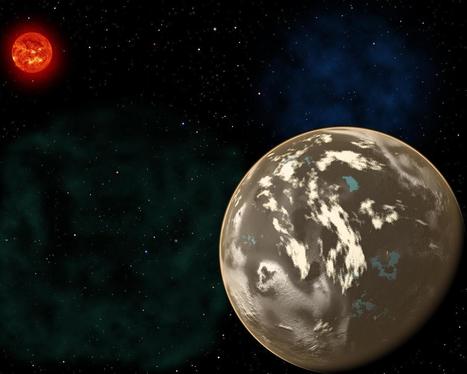
New findings by scientists at the Harvard-Smithsonian Center for Astrophysics (CfA) suggest that planet formation in the early universe might have created carbon planets consisting of graphite, carbides, and diamond and that astronomers might find these diamond worlds by searching a rare class of stars.
“This work shows that even stars with a tiny fraction of the carbon in our solar system can host planets,” says lead author and Harvard University graduate student Natalie Mashian. “We have good reason to believe that alien life will be carbon-based, like life on Earth, so this also bodes well for the possibility of life in the early universe.”
The primordial universe consisted mostly of hydrogen and helium, and lacked chemical elements like carbon and oxygen necessary for life as we know it. Only after the first stars exploded as supernovae and seeded the second generation did planet formation and life become possible.
Clues to how life got started in the universe
Mashian and her PhD thesis advisor Avi Loeb examined a particular class of old stars known as carbon-enhanced metal-poor (CEMP) stars. These “anemic” stars contain only one hundred-thousandth as much iron as our Sun, meaning they formed before interstellar space had been widely seeded with heavy elements.
“These stars are fossils from the young universe,” explains Loeb. “By studying them, we can look at how planets, and possibly life in the universe, got started.”
CEMP stars have more carbon than would be expected, given their age. This relative abundance would influence planet formation as fluffy carbon dust grains (from supernovae) clump together to form tar-black worlds.
From a distance, these carbon planets would be difficult to tell apart from more Earth-like worlds. Their masses and physical sizes would be similar. Astronomers would have to examine their atmospheres for signs of their true nature. Gases like carbon monoxide and methane would envelop these unusual worlds.
|
|
Scooped by
Dr. Stefan Gruenwald
June 8, 2016 3:02 PM
|
Computer simulations show that blasting plastic with strong laser pulses could produce gamma rays with unprecedented intensity, good for fundamental physics experiments and possibly cancer treatments. Intense beams of gamma rays would find a host of uses in fundamental physics research, nuclear fusion, and medicine, but they are hard to produce. A team has now used computer simulations to show that a powerful laser hitting a plastic surface can generate intense gamma-ray emission. In the simulations, the laser light creates a plasma in the plastic and accelerates electrons enough to produce large numbers of gamma-ray photons. The researchers say that the system might work with current technology. In extreme astrophysical environments, such as near a supermassive black hole, matter and antimatter (electrons and positrons) regularly annihilate, producing gamma rays. Researchers would like to study the reverse process by colliding beams of gamma rays, which should create electrons and positrons, a transformation of light into matter [1]. Gamma-ray beams could also enable a wide range of other fundamental experiments and might have a role in radiation therapy and radiosurgery [2]. Previous attempts to make these beams involved the interaction of a laser beam with an electron beam [3]. But to produce copious gamma-ray photons with energies in the MeV range, the laser beam would need to be more intense than any current device. Alexey Arefiev at the University of Texas at Austin and his co-workers now propose a different method that requires somewhat less laser power. It involves shining pulses of a petawatt (10**15W) infrared laser onto a carbon-rich, plastic target. The power density of such a pulsed laser can reach around 5×10**22W/cm2, which is about 500 times greater than would be produced by focusing all of the sunlight reaching the Earth onto a pencil tip. In the team’s scenario, the laser pulse heats the target, creating a plasma of electrons and ions. The electrons in the plasma are high-energy, and according to special relativity, they acquire a large effective mass, making them too sluggish to follow the oscillations of the laser’s electromagnetic field. This effect renders the plasma transparent to the light, so the laser beam can penetrate tens of micrometers into the target, filling it with a dense plasma. In the team’s simulations, the laser pulse pushes the electrons in this plasma forward, like a leaf blower propelling leaves, and this motion of charge sets up a strong magnetic field that curls around the axis of the laser beam. This field accelerates the electrons forward even more but along zigzag trajectories as they move through the plastic. This electron motion generates so-called synchrotron radiation of very high energy (gamma-ray photons) that is emitted from the rear of the plastic target in the direction of the laser beam. The simulations that Arefiev and colleagues conducted using the Stampede supercomputer at the University of Texas showed that the method works in principle—but also that propagation of the laser pulse into the target may quickly become unstable and deviate from its original direction. Then the electrons are pushed in random directions, and the multi-MeV photons they emit exit in an uncoordinated spray. “It’s similar to what happens to a garden hose that, when left unattended, can spray water uncontrollably everywhere,” says Arefiev.
|
|
Scooped by
Dr. Stefan Gruenwald
June 8, 2016 2:46 PM
|
Spider silk has lost its record for being the strongest natural material – these limpet teeth are six times as strong. No wonder it takes a crowbar to detach a limpet from a rock while it’s feeding. The mollusc’s teeth, seen in the above microscope image, are made from the strongest material yet discovered in the natural world. When Asa Barber from the University of Portsmouth and his team measured the stretching force needed to break the teeth, they found that the material they are made out of is about six times as strong as spider silk – the previous record holder. The material also matches ultra-resistant carbon nanofibers, which are the strongest artificial material. The teeth are both stretchy and strong thanks to their unique composition. They contain millions of aligned nanofibers, made from a natural mineral called goethite, which are embedded in a softer shell of chitin. Amazingly, samples were stretched to four times their original length without losing their elasticity. Mimicking the structure of limpets’ teeth could help engineers build sturdier cars, boats and aircraft, says Barber. Journal reference: Journal of the Royal Society Interface, DOI: 10.1098/rsif.2014.1326
|
|
Rescooped by
Dr. Stefan Gruenwald
from DNA and RNA research
June 8, 2016 2:32 PM
|
A new tool allows researchers to identify thousands of genome errors in dozens of people at once. A new tool allows researchers to identify thousands of genome errors in dozens of people at once, a huge boost in efficiency from previous methods1. The technique is a variation on so-called ChIP-Seq, which detects segments of DNA that serve as landing strips for proteins that control gene expression. It allows researchers to home in on three times as many of these landing strips as they previously could, and in a fraction of the time. It also pinpoints variants that deter regulatory proteins from touching down on the DNA, and that may be associated with conditions such as autism. Large genomic studies have identified many of these variants, but offer few clues to their function. The new work uncovers interactions between genetic sequences and regulatory proteins, hinting at the variants’ roles in gene expression. The work appeared in April in Cell. Scientists perform ChIP-Seq by growing cells in a tube, breaking them open to release DNA and then using antibodies as ‘molecular magnets’ to pull out stretches of the genome bound to proteins. They then sequence those regions to see how they differ between individuals with and without a condition such as autism. But scientists had to perform these analyses on one genome at a time, and normal variations between individuals can mask genetic variants associated with a condition. The assays are also expensive and time-consuming, limiting the number of samples that researchers can analyze. The new method sidesteps these limitations by pooling genetic samples from a group of people and performing ChIP-Seq on the pooled DNA. If an individual in the group carries a mutation that disrupts a landing zone — preventing or impeding the protein’s binding — the mutated strip should be underrepresented in the extracted pool of molecules. The researchers tested their technique on cell lines from 60 unrelated people, using antibodies to pull out five regulatory proteins that control immune cell development. They then counted the number of copies of each piece of DNA bound to each of those proteins. Up to 3 percent of the extracted DNA-protein pieces was underrepresented in the pool of molecules. The researchers identified errors in the DNA segments that may prevent one or more regulatory proteins from binding. Comparing the binding sites with those identified in a previous ChIP-Seq study, the researchers found a near-perfect overlap, confirming the new method’s accuracy2.
Via Integrated DNA Technologies
|
|
Scooped by
Dr. Stefan Gruenwald
June 8, 2016 12:00 PM
|
One of the most ambitious endeavors in quantum physics right now is to build a large-scale quantum network that could one day span the entire globe. In a new study, physicists have shown that describing quantum networks in a new way—as mathematical graphs—can help increase the distance that quantum information can be transmitted. Compared to classical networks, quantum networks have potential advantages such as better security and being faster under certain circumstances.
|
|
Scooped by
Dr. Stefan Gruenwald
June 8, 2016 11:50 AM
|
Hip humans aren't the only ones growing outrageous facial hair. Some chickens do, too. And now, geneticists in China have discovered the cause. Muffs and beard (Mb) is a phenotype in chickens where groups of elongated feathers gather from both sides of the face (muffs) and below the beak (beard). It is an autosomal, incomplete dominant phenotype encoded by the Muffs and beard (Mb) locus. A group of scientists have now used genome-wide association (GWA) analysis, linkage analysis, Identity-by-Descent (IBD) mapping, array-CGH, genome re-sequencing and expression analysis to show that the Mb allele is causing the Mb phenotype which is a derived allele where a complex structural variation (SV) on GGA27 leads to an altered expression of the gene HOXB8. This Mb allele was shown to be completely associated with the Mb phenotype in nine other independent Mb chicken breeds. The Mb allele differs from the wild-type mb allele by three duplications, one in tandem and two that are translocated to the tandem repeat around 1.70 Mb away on GGA27. The duplications contain a total of seven annotated genes and their expression was tested during distinct stages of Mb morphogenesis. A continuous high ectopic expression of HOXB8 was found in the facial skin of Mb chickens only, strongly suggesting that HOXB8 directs this regional feather-development. In conclusion, the results provide an interesting example of how genomic structural rearrangements of homeobox genes alter the regulation of genes leading to novel phenotypes. Further, it again illustrates the value of utilizing derived phenotypes in domestic animals to dissect the genetic basis of developmental traits, herein providing novel insights into the likely role of HOXB8 in feather development and differentiation.
|
|
|
Scooped by
Dr. Stefan Gruenwald
June 11, 2016 12:17 PM
|
Galaxies "waste" large amounts of heavy elements generated by star formation by ejecting them up to a million light years away into their surrounding halos and deep space, according to a new study led by the University of Colorado Boulder. The research, which was recently published online in the Monthly Notices of the Royal Astronomical Society, shows that more oxygen, carbon and iron atoms exist in the sprawling, gaseous halos outside of galaxies than exist within the galaxies themselves, leaving the galaxies deprived of raw materials needed to build stars and planets. "Previously, we thought that these heavier elements would be recycled in to future generations of stars and contribute to building planetary systems," said Benjamin Oppenheimer, a research associate in the Center for Astrophysics & Space Astronomy (CASA) at CU-Boulder and lead author of the study. "As it turns out, galaxies aren't very good at recycling." The near-invisible reservoir of gas that surrounds a galaxy, known as the circumgalactic medium (CGM), is thought to play a central role in cycling elements in and out of the galaxy, but the exact mechanisms of this relationship remain elusive. A typical galaxy ranges in size from 30,000 to 100,000 light years while the CGM can span up to a million light years. The researchers used data from the Cosmic Origin Spectrograph (COS), a $70 million instrument designed at CU-Boulder and built by Boulder, Colorado-based Ball Aerospace Technology Corp., to study the composition of the CGM. COS is installed on NASA's Hubble Space Telescope and uses ultraviolet spectroscopy to study the evolution of the universe. Spiral galaxies like the Milky Way actively form stars and have a blueish color while elliptical galaxies have little star formation and appear red. Both types of galaxies contain tens to hundreds of billions of stars that create heavy elements.
|
|
Scooped by
Dr. Stefan Gruenwald
June 11, 2016 12:12 PM
|
The company's "Sky Canvas" project would launch a microsatellite into space (the first is scheduled for next year) that's loaded up with 500 to 1,000 proprietary pellets containing various elements. In the company's earthbound testing, they've place these pellets into a vacuum chamber and blasted them with hot gases traveling at supersonic speeds, simulating atmospheric re-entry, and found that as the pellets burn, they produce different colors depending on which elements they contain.
The plan is that once the satellite is locked into geostationary orbit over the desired site, an onboard device will start spitting the pellets out like a baseball pitching machine.
Based on their testing, researchers have "no doubt" that the pellets will burn brightly enough to be seen on the ground, even over light-polluted Tokyo, within a 200-kilometer (125-mile) radius. In the event of inclement weather, the meteor shower can be remotely canceled and postponed prior to starting.
|
|
Scooped by
Dr. Stefan Gruenwald
June 11, 2016 12:08 PM
|
Around 200,000 hopefuls from 140 countries initially signed up for the Mars One project, which is to be partly funded by a television reality show about the endeavour. This has been whittled down to 100 people. After the five-day third phase of tests, it will be trimmed further to 40, of whom 24 will eventually be chosen for the one-way trips to the red planet, scheduled to start in 2026. Mars One said the latest tests, 90 percent of which are those used by Nasa, will be done in teams. 'Over the course of five days, candidates will face various challenges,' the Dutch-based non-profit organisation said in a statement. 'It will be the first time all candidates will meet in person and demonstrate their capabilities as a team. 'In this round the candidates will play an active role in decision making/group formation. 'Mars One has asked the candidates to group themselves into teams with the people they believe they can work well with.' As they will not be returning to Earth, those selected must be capable of living in small groups, finding water, producing oxygen and growing their own food. Unlike Nasa's plans to go to Mars, these astronauts will only be offered a one-way ticket, and they'll need to survive by any means possible.
|
|
Scooped by
Dr. Stefan Gruenwald
June 10, 2016 10:35 PM
|
A small team of researchers at Harvard University has taken another look at CRISPR and has found that it can be used as a recording device of sorts, keeping track of when and where a given bacterium has been exposed to different viruses. In their paper published in the journal Science, the team describes their study, their findings and the ways such natural recordings might be useful. CRISPR has been in the news a lot of late, primarily due to its use in gene editing—but lost in all the news is the actual basis of the technology. Like humans, bacteria have a unique immune system, which is known as CRISPR/Cas, and it works by cutting out pieces of DNA (called oligomers) when attacking viruses and integrating those pieces into its own genome, which is later used to give the bacterium historical knowledge when fighting the virus should it appear again. The researchers with this new effort noted that the oligomers that are placed in the genome are done so sequentially, which means they form a record of viral attacks. To see its history, the team reasoned, the genome need only be sequenced. To test this idea, the researchers used a simplified version of E. coli, which still contained Cas1 and Cas2, the enzymes needed for snipping and adding oligomers, but no other immune system functionality. They then directly exposed it to various DNA sequences over a period of time, allowed it to snip and add to its genome, then sequenced the bacterium to see if the theory held up. The team reports that it did indeed. Taking the idea further they found that by introducing modified versions of Cas 1 and Cas2 that they could actually create different recording modes. The team suggests this new bit of knowledge regarding CRISPR might be used to aid in creating bacteria that could be used as sensors of a sort, offering recording evidence of a host of different microorganisms in a given environment. Such sensors could prove useful in applications ranging from soil testing, to human gut biome analysis to atmospheric probes.
|
|
Scooped by
Dr. Stefan Gruenwald
June 10, 2016 10:17 PM
|
A new class of lasers developed by a team that included physics researchers at Kansas State University could help scientists measure distances to faraway targets, identify the presence of certain gases in the atmosphere and send images of the earth from space. These energy-efficient lasers also are portable, produce light at difficult-to-reach wavelengths and have the potential to scale to high-powered versions. The new lasers were invented by Brian Washburn and Kristan Corwin, both associate professors of physics at Kansas State University's College of Arts & Sciences, along with Andrew Jones, a May 2012 doctoral graduate in physics, and Rajesh Kadel, a May 2014 doctoral graduate in physics. Other contributors include three University of New Mexico physics and astronomy researchers: Wolfgang Rudolf, a Regents professor and department chair, Vasudevan Nampoothiri, a research assistant professor, and Amarin Ratanavis, a doctoral student; and John Zavada, a Virginia-based optic and photonic physicist who brought them all together. The new lasers are fiber-based and use various molecular gases to produce light. They differ from traditional glass-tube lasers, which are large and bulky, and have mirrors to reflect the light. But the novel lasers use a hollow fiber with a honeycomb structure to hold gas and to guide light. This optical fiber is filled with a molecular gas, such as hydrogen cyanide or acetylene. Another laser excites the gas and causes a molecule of the excited gas to spontaneously emit light. Other molecules in the gas quickly follow suit, which results in laser light. "By putting the gas in a hollow core, we can have really high intensities of light without having to put such high amounts of power into the laser," Corwin said. "If you had a glass tube of that size and put light in it, the light would escape through the sides. It's actually the structure that makes it work." The structure also allows for portability. In contrast to traditional lasers, which are fragile and cumbersome to move, the researchers' more durable fiber laser is about the thickness of a single strand of hair and can wrap around itself for compact storage and transportation. "The smallness is nice," Washburn said. "You can wrap up the coil like a string." The invention process began when Zavada brought Washburn and Corwin, who already had expertise putting gas into hollow fibers, together with Rudolph and Nampoothiri, who were skilled in making optically pumped gas lasers. "We thought hard about how this would all work together, and after about a year and a half, we came up with this," Corwin said.
|
|
Scooped by
Dr. Stefan Gruenwald
June 10, 2016 8:48 PM
|
Human cells contain 23 pairs of chromosomes that form a loosely organized cluster in the cell nucleus. When cells divide, they must first condense these chromosomes — each of which when fully extended is a thousand times longer than the cell’s nucleus and physically indistinguishable from the others — into compact structures that can be easily separated and packaged into their offspring. An MIT-led team has now developed a model that explains how cells handle this difficult task. In computer simulations, the researchers demonstrate that certain molecular “machines” can transform chromosomes from a loosely tangled rope into a series of tiny loops that condense each chromosome and allow it to extricate itself from the others. Moreover, the researchers demonstrate that a similar model explains how chromosomes are organized when cells are not dividing, and they hypothesize that loop extrusion by molecular motors splits chromosomes into separate domains, helping to control which genes are expressed in a given cell. This mechanism, outlined in three recent papers published in Cell Reports, eLife, and Biophysical Journal, suggests that chromosome organization relies on proteins that act as molecular motors that pull strands of DNA into progressively larger loops. The MIT team suggests that two proteins thought to function primarily as “staples” that hold DNA together, cohesin and condensin, can also actively manipulate DNA. “Nobody has ever directly observed this mechanism of loop extrusion. If it exists, it will solve lots of problems,” says Leonid Mirny, a professor of physics in MIT’s Institute for Medical Engineering and Sciences, who led the research. “We will know how chromosomes condense, how they segregate, how genes talk to enhancers. Lots of things can be solved by this mechanism.”
Gas bubbles in a glass of champagne, thin films rupturing into tiny liquid droplets, blood flowing through a pumping heart and crashing ocean waves—although seemingly unrelated, these phenomena have something in common: they can all be mathematically modeled as interface dynamics coupled to the Navier-Stokes equations, a set of equations that predict how fluids flow. Today, these equations are used everywhere from special effects in movies to industrial research and the frontiers of engineering. However, many computational methods for solving these complex equations cannot accurately resolve the often-intricate fluid dynamics taking place next to moving boundaries and surfaces, or how these tiny structures influence the motion of the surfaces and the surrounding environment. This is where a new mathematical framework developed by Robert Saye, Lawrence Berkeley National Laboratory's (Berkeley Lab's) 2014 Luis Alvarez Fellow in Computing Sciences, comes in. By reformulating the incompressible Navier-Stokes equations to make them more amenable to numerical computation, the new algorithms are able to capture the small-scale features near evolving interfaces with unprecedented detail, as well as the impact that these tiny structures have on dynamics far away from the interface. A paper describing his work was published in the June 10, 2016 issue of Science Advances. "These algorithms can accurately resolve the intricate structures near the surfaces attached to the fluid motion. As a result, you can learn all sorts of interesting things about how the motion of the interface affects the global dynamics, which ultimately allows you to design better materials or optimize geometry for better efficiency," says Saye, who is also a member of the Mathematics Group at Berkeley Lab. "For example, in a glass of champagne, the motion of the little gas bubbles depends crucially on boundary layers surrounding the bubbles. These boundary layers need to be accurately resolved, otherwise you won't see the slight zig-zag pattern that real bubbles take as they float to the top of the glass," he adds. "This particular phenomena is important in bubble aeration, a process used widely in industry to oxygenate liquids and transport materials in liquid chambers."
Via Mariaschnee
|
|
Scooped by
Dr. Stefan Gruenwald
June 9, 2016 10:45 AM
|
Teleoperated endolumenal bot can navigate inside the body, image and treat conditions without making incisions. The U.S. Food and Drug Administration (FDA) has just approved the first medical robot from Auris Surgical, a stealthy startup led by the co-founder of industry leader Intuitive Surgical, makers of the widely-used da Vinci robot. The teleoperated ARES robot (the acronym stands for Auris Robotic Endoscopy System), was cleared by the FDA at the end of May, and could now be used for diagnosing and treating patients. Auris, which describes itself only as a “technology company based in Silicon Valley,” was previously thought to be working on a robotic microsurgical system designed to remove cataracts, and the company has in fact filed several patent applications along those lines. However, an investigation by IEEE Spectrum suggests that the company has greater ambitions, including, according to current and former employees, “building the next generation of surgical robots… capable of expanding the applicability of robotics to a broad spectrum of medical procedures.” A close reading of recent patent applications filed by Auris scientists shows that the company is focusing on so-called endolumenal (or endoluminal) surgery. This involves surgeons introducing flexible robots via the body’s natural openings (the mouth in particular), to address conditions of the throat, lungs and gastrointestinal system. IEEE Spectrum can reveal that Auris has already carried out at least one successful human trial of such a robot, outside the United States. Because endolumenal surgery does not involve large incisions or (usually) general anesthesia, it benefits fragile patients who cannot withstand the trauma of normal surgery. The Society for American Gastrointestinal and Endoscopic Surgeons estimates that effective endolumenal therapies for obesity and reflux diseases alone could help more than 1 million patients a year in the United States.
|
|
Scooped by
Dr. Stefan Gruenwald
June 8, 2016 2:51 PM
|
A new study finds that the abandoned nuclear test sites aren't much more radioactive than Central Park. If you wanted to test a nuclear bomb in the 1940s and 1950s, you could head to one of two hotspots: Los Alamos, New Mexico or the Marshall Islands. The latter was the site of 67 nuclear tests over the years—dangerous experiments that forced islanders to abandon their homes.The Castle Bravo test alone which was performed at the Bikini Atoll was more than 1,000 times more powerful than the bomb the United States dropped on Hiroshima. But change could be coming for the island exiles. Now, reports Patrick Monahan for Science, a new study shows that the Marshall Islands are becoming less nuclear. A new study published in the journal Proceedings of the National Academy of Sciences found that previous estimates of contamination levels across the Marshall Islands are skewed. Researchers measured gamma radiation—electromagnetic radiation from nuclear fallout that is associated with cancer and developmental delays—on six of the over 1,000 islands in the republic where nuclear tests occurred. On five of the six islands studied, gamma radiation levels were below 100 millirem per year. That’s beneath the safe threshold for human habitation and a fraction of the approximately 310 millirem of radiation the average American is exposed to each year from natural sources. Those measurements fly in the face of prevailing wisdom about radiation on the islands—wisdom that the study’s authors say is based on outdated, decades-old data. The findings could prompt Marshallese who had to flee their home islands to move back. If so, it will be a welcome relief to the evacuated residents forced to cram themselves onto crowded islands with scant resources. In 2015, the situation on Kili and Ejit Islands became so bad that Marshallese officials petitioned the U.S. government to provide funds to move people away from the islands altogether. Climate change, which caused widespread flooding and inclement weather, was also at play. The U.S. Department of the Interior has since supported pleas to consider fleeing islanders as refugees. Those efforts are only fair given the effects the U.S. nuclear program had on islanders. Between 1946 and 1958, 23 nuclear devices were detonated at Bikini Atoll. The most memorable of which was a 15-megaton bomb tested in 1954. More than a thousand times more powerful than the bomb dropped on Hiroshima, it was the largest nuclear device the U.S. ever exploded. At the time, unexpected weather patterns caused radioactive fallout to rain over several other islands. Bikini Island radiation levels were the only ones in the six islands studied to be above safe levels for human habitation. But at 184 millirem per year, the measurement’s weren’t much higher than those taken at a control island or in New York’s Central Park, which receives about 100 millirem of gamma ray radiation per year. Those levels are probably due to granite within the park, writes Monahan. Now that it’s been established that the islands have become less radioactive, is it finally time for displaced residents to go home? Not so fast—the study’s authors say that they’re not yet sure if the islands are safe for habitation. They write that other exposure pathways, like the fish-heavy diet the Marshallese enjoy, should be studied before a determination is made. But for the island's former residents, eager to ease crowding and go back to their home islands, the study is a hint of hope for achieving a more normal post-nuclear life.
|
|
Scooped by
Dr. Stefan Gruenwald
June 8, 2016 2:35 PM
|
AI expert Neil Jacobstein talks fintech, machine learning, Big Data, and building artificial brains. Artificial Intelligence (AI) has flown beneath the radar for the first six decades of its development, and just recently it's exploded into public consciousness, according to Neil Jacobstein. The AI & Robotics co-chair at Singularity University and former CEO of Teknowledge Corporation believes the combination of humans, AI, and good business processes is disrupting the very ground we stand on in financial technology (Fintech) and beyond as we already use machine learning tools to augment the power of the human brain. At Singularity University's Exponential Finance conference today, Jacobstein pointed to examples like Google's AlphaGo wiping the floor with world champion Lee Sedol, and how quickly the world shifted from a state of shock to seizing the scientific opportunity. Soon after seeing its human champion so thoroughly beaten by a machine, South Korea announced a plan to spend $840 million by 2020 to boost AI research and development (R&D), and to create a research institute where six of the country's highest profile tech companies—Samsung, LG, SK Telecom SKT, KT, Naver, and Hyundai—will each invest up to $3 billion in AI R&D. He also mentioned Facebook's DeepText AI language comprehension and categorization, as well as Viv, saying that calling it another personal assistant misses the point. Viv, Jacobstein explained, is a tool that allows you to delegate work to a computer or an agent. You teach Viv how to do something, and from there it becomes a problem-solving utility akin to Bluetooth or Wi-Fi. It's with us all the time. "The key point [about Viv] from an outside-in perspective, from a user perspective, is that they are no longer interacting with a system that's just a tool. You don't need to tell it everything you want it to do," Jacobstein told PCMag. "You show it what you want it to do, and then actually delegate work to this intelligent system." From 2011-2015, over $3 billion was invested specifically in AI-related companies, according to Jacobstein. Beyond the Facebooks and Googles of the world, there are a host of start-ups and open-source initiatives applying next-gen machine learning, AI, and Big Data technologies to real-world business use cases. Jacobstein talked about a few: Brighterion
An AI-as-a-Service start-up bringing cloud-based data analysis and predictive analytics to the financial community, cyber-security companies, and industrial Internet of Things (IoT) applications. Kabbage
A start-up using unconventional data and machine learning to give small to midsize businesses (SMBs) a line of credit up to $100,000 in a matter of minutes. Feedzai
A machine-learning platform analyzing fraud in each step of financial transactions to identify anomalies with on-demand Big Data processing and AI for banking, e-commerce, payments, and lending. Experfy
A curated marketplace for AI professionals where companies can post a business problem they're experiencing and bid on an AI-based solution proposed by marketplace professionals. Jacobstein disclosed he's an investor in Experfy, which came out of HarvardX. Nutonian
A start-up that created Eureqa, a virtual data scientist designed to extract answers from complex data 90 percent faster than traditional predictive models. Jacobstein described Eureqa as an example of how barriers of access to machine learning algorithms and data science tools hurt SMBs. TensorFlow
Google's open-source software library for machine-learning intelligence; an AI application development toolbox. OpenAI
The nonprofit research company started by Elon Musk and Y-Combinator founder Sam Altman to put AI algorithms out into the public domain. Thisdemocratization of AI technology has already started with OpenAI Gym, an open-source system for evaluating reinforcement learning algorithms.
|
|
Scooped by
Dr. Stefan Gruenwald
June 8, 2016 12:03 PM
|
The International Union of Pure and Applied Chemistry (IUPAC) opened a public comment period Wednesday for the recommended names of elements 115, 117 and 118. Lawrence Livermore National Laboratory and the Joint Institute for Nuclear Research in Dubna, Russia (JINR) were credited late last year for discovering elements 115 and 118. LLNL, JINR, Oak Ridge National Laboratory (ORNL), Vanderbilt University and the University of Nevada, Las Vegas were credited with the discovery of element 117. Moscovium (Mc) is provisionally recommended for element 115 in recognition of the Moscow region and honoring the ancient Russian land that is home to JINR. Moscow is the capital of the region. Tennessine (Ts) is proposed for element 117, recognizing the contribution of Tennessee research centers ORNL, Vanderbilt and the University of Tennessee to superheavy element research. The provisional name for element 118 is Oganesson (Og) in recognition of the pioneering contributions of Yuri Oganessian to superheavy element research. Oganessian's vision and determination created this opportunity for the significant expansion of the periodic table and knowledge of superheavy nuclei. The provisional names will undergo a statutory period for public review before the names and symbols can be finally approved by the IUPAC Council—likely later this year. "I'm proud of all of the hard work that this group has done over the years performing these experiments," said Dawn Shaughnessy," LLNL's principal investigator for the Heavy Element Group. "It's a huge accomplishment for the entire group that we are recognized for our efforts in accomplishing these highly difficult experiments and for the years of work it takes to successfully create a new chemical element." LLNL teamed with JINR in 2004 to discover elements 113 and 115 (Japan was credited with the discovery of element 113). LLNL worked again with JINR in 2006 to discover element 118. The LLNL/JINR team then jointly worked with researchers from the Research Institute for Advanced Reactors (Dimitrovgrad), ORNL, Vanderbilt University and the University of Nevada, Las Vegas, to discover element 117 in 2010.
|
|
Scooped by
Dr. Stefan Gruenwald
June 8, 2016 11:52 AM
|
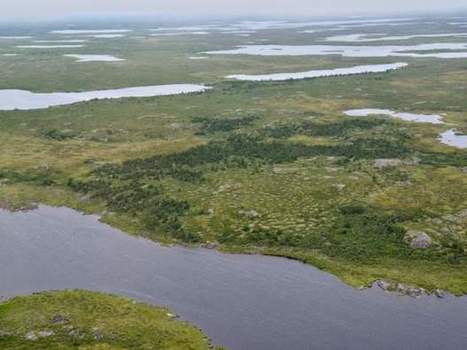
Using NASA's Landsat satellites, researchers conducted the most precise study yet on vegetation growth trends across North America. In the most precise study yet on vegetation growth trends across North America, researchers from America’s space agency have found that nearly a third of the land cover in Canada and Alaska has greened in recent decades as a result of climate change. The researchers also found that, while vegetation productivity is on the rise in the tundra regions of the continent, warming temperatures might be having the opposite effect on the Boreal forest, which showed some signs of browning. Overall, three per cent of the land experienced vegetation decline. The researchers used data from NASA’s Landsat satellites between 1984 and 2012 in order to trace wide-scale changes over the 10.6 million sq-km landscape. Areas characterized by growth – where grasslands became shrublands, or where existing shrublands became bigger and denser – were classified as greening, while those where vegetation declined were classified as browning. Scott Goetz, deputy director and senior scientist at the Woods Hole Research Center in Massachusetts, said the study shows “a clear distinction” between what’s happening in the tundra and Boreal regions of Canada and Alaska.
|