Your new post is loading...

|
Rescooped by
Dr. Stefan Gruenwald
from Virus World
February 23, 2023 11:23 AM
|
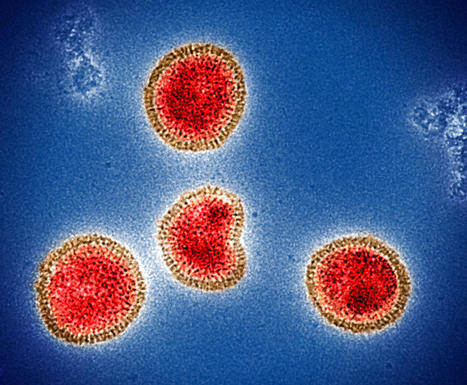
Researchers found associations between certain viral illnesses and the risk of Alzheimer’s and other neurodegenerative diseases. Neurodegenerative diseases can damage different parts of the nervous system, including the brain. This may lead to problems with thinking, memory, and/or movement. Examples include Alzheimer’s disease (AD), multiple sclerosis (MS), and Parkinson’s disease (PD). These diseases tend to happen late in life. There are few effective treatments. Previous findings have suggested that viruses may play a role in certain neurodegenerative diseases. A recent study found a link between Epstein-Barr virus infection and the risk of MS. There are also concerns about cognitive impacts from SARS-CoV-2, the virus that causes COVID-19. A research team led by Drs. Mike Nalls, Kristin Levine, and Hampton Leonard of NIH's Center for Alzheimer’s and Related Dementias examined links between viruses and neurodegenerative disease more generally. To do so, they analyzed data from the FinnGen project. This is a repository of biomedical data, or biobank, from more than 300,000 people in Finland. The team searched the biobank for people who had been diagnosed with one of six different conditions: AD, amyotrophic lateral sclerosis (ALS), generalized dementia, vascular dementia, PD, and MS. They then checked how many had been hospitalized for a viral illness before. To confirm their findings, they looked for the same associations in the UK Biobank, which contains data from almost 500,000 people in the United Kingdom. Results appeared in Neuron on January 19, 2023. The researchers found 45 associations between viruses and neurodegenerative diseases in FinnGen. Of these, 22 also appeared in the UK Biobank. The strongest association was between viral encephalitis—brain inflammation caused by a virus—and AD. A person with viral encephalitis in the FinnGen database was 30 times as likely to be diagnosed with AD as someone without encephalitis. Results were similar in the UK Biobank; people with viral encephalitis were 22 times as likely to develop AD as those without. The team also found, in FinnGen, the association between Epstein-Barr virus and MS that was described before. The association wasn’t seen in the UK Biobank, but this may reflect how the different biobanks use hospital diagnostic codes; Epstein-Barr viruses are common and so often not noted. Influenza with pneumonia was associated with all the neurodegenerative diseases except MS. The researchers only included cases of influenza severe enough to need hospitalization in the study. Thus, these associations only apply to the most severe cases of influenza. FinnGen contains data on the same people over time. The team used this to examine how the associations depended on the time since infection. They found that some viral infections were associated with increased risk of neurodegenerative disease as much as 15 years later. The researchers note that vaccines exist for some of the viruses they identified. These include influenza, varicella-zoster (which causes chickenpox and shingles), and certain pneumonia-causing viruses. Vaccination might thus reduce some of the risk of the conditions they examined. “The results of this study provide researchers with several new critical pieces of the neurodegenerative disorder puzzle,” Nalls says. “In the future, we plan to use the latest data science tools to not only find more pieces but also help researchers understand how those pieces, including genes and other risk factors, fit together.”
Via Juan Lama
|
|
Scooped by
Dr. Stefan Gruenwald
February 22, 2023 12:13 PM
|
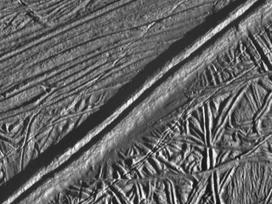
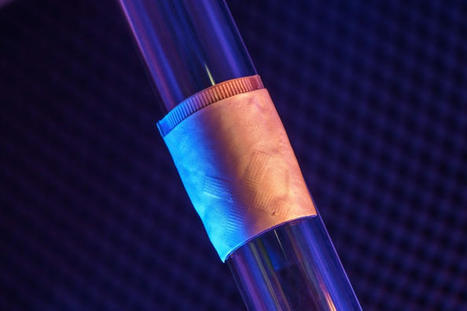
How will Europa Clipper see through Europa's thick ice shell to study the moon's ocean? Engineers test one of two high-frequency radar antennas for Europa Clipper’s REASON instrument on a hilltop at NASA’s Jet Propulsion Laboratory in southern California. The antenna is the narrow copper rod, extending from either side of the tower at right and held straight by several cables and a crossbar. In Earth's gravity, the antenna requires support to keep it straight for testing. Credit: NASA/JPL-Caltech Earth and Jupiter’s moon Europa have something in common: a liquid water ocean. Despite being one-fourth of Earth’s diameter, Europa likely has a subsurface ocean containing more than twice as much water as we have on Earth. But Europa’s ocean is hidden beneath a shell of ice thicker than any ice on Earth. How will Europa Clipper see through it to study Europa’s ocean? Europa Clipper’s REASON instrument will peer through Europa’s ice with radar, seek the ocean below, and study the ice’s structure and thickness. Only a handful of spacecraft have visited the solar system’s outer planets, and none carried ice-penetrating radar to view oceans below the surface. In addition to Europa Clipper, the European Space Agency’s JUpiter ICy moons Explorer (or JUICE) spacecraft will carry an ice-penetrating radar called the Radar for Icy Moons Exploration (or RIME) instrument. JUICE will launch in 2023 and arrive in 2031, and Europa Clipper will launch in 2024 and arrive in 2030. While Europa Clipper and JUICE will be the first to carry this type of radar, it’s not a new technology. Ice-penetrating radar have been used by researchers to probe Earth’s ice sheets for over half a century. Researchers use ice-penetrating radar to study ice thickness, subglacial lakes, ice temperatures, the orientation of ice crystals within glaciers, and the topography and geology below ice. “Ice and radar are an awesome combination,” says Gregor Steinbrügge, a planetary scientist at NASA’s Jet Propulsion Laboratory (JPL) and an investigation scientist for the REASON instrument. “Ice is very transparent to radar unless the radar hits something different. That is useful on Earth for measuring glacier and ice shelf thickness, and how they change over time. Ice-penetrating radar is more important than ever for monitoring Earth. “It shows us how glaciers and ice sheets are responding to climate change,” said Dustin Schroeder, a radioglaciologist at Stanford University and a member of the REASON science team. A radioglaciologist is someone who studies glaciers, ice sheets, ice caps, and icy moons using radar. Researchers routinely fly planes with ice-penetrating radar over Greenland and Antarctica, whose combined ice sheets contain more than 99 percent of Earth’s freshwater ice. Ice-penetrating radars allow scientists to calculate the ice’s volume and how much oceans will rise as the ice melts. The radar observations provide essential inputs for computer models, allowing scientists to estimate future sea level rise and produce assessments for the Intergovernmental Panel on Climate Change (IPCC).
|
|
Scooped by
Dr. Stefan Gruenwald
February 21, 2023 4:30 PM
|
Laser-sheet compressed ultrafast photography (LS-CUP) is the world’s fastest (> 10^10 fps) real-time planar imaging camera for nanosecond laser-particle dynamics and temperature studies in flames. Unburnt hydrocarbon flames produce soot, which is the second biggest contributor to global warming and harmful to human health. The state-of-the-art high-speed imaging techniques, developed to study non-repeatable turbulent flames, are limited to million-frames-per-second imaging rates, falling short in capturing the dynamics of critical species. Unfortunately, these techniques do not provide a complete picture of flame-laser interactions, important for understanding soot formation. Furthermore, thermal effects induced by multiple consecutive pulses modify the optical properties of soot nanoparticles, thus making single-pulse imaging essential. Now, scientists report single-shot laser-sheet compressed ultrafast photography (LS-CUP) for billion-frames-per-second planar imaging of flame-laser dynamics. They observed laser-induced incandescence, elastic light scattering, and fluorescence of soot precursors - polycyclic aromatic hydrocarbons (PAHs) in real-time using a single nanosecond laser pulse. The spatiotemporal maps of the PAHs emission, soot temperature, primary nanoparticle size, soot aggregate size, and the number of monomers, present strong experimental evidence in support of the theory and modeling of soot inception and growth mechanism in flames. LS-CUP represents a generic and indispensable tool that combines a portfolio of ultrafast combustion diagnostic techniques, covering the entire lifecycle of soot nanoparticles, for probing extremely short-lived (picoseconds to nanoseconds) species in the spatiotemporal domain in non-repeatable turbulent environments. Finally, LS-CUP’s unparalleled capability of ultrafast wide-field temperature imaging in real-time is envisioned to unravel mysteries in modern physics such as hot plasma, sonoluminescence, and nuclear fusion.
|
|
Scooped by
Dr. Stefan Gruenwald
February 21, 2023 3:37 PM
|
Scientists have created an AI system capable of generating artificial enzymes from scratch. In laboratory tests, some of these enzymes worked as well as those found in nature, even when their artificially generated amino acid sequences diverged significantly from any known natural protein. The experiment demonstrates that natural language processing, although it was developed to read and write language text, can learn at least some of the underlying principles of biology. Salesforce Research developed the AI program, called ProGen, which uses next-token prediction to assemble amino acid sequences into artificial proteins. Scientists said the new technology could become more powerful than directed evolution, the Nobel-prize winning protein design technology, and it will energize the 50-year-old field of protein engineering by speeding the development of new proteins that can be used for almost anything from therapeutics to degrading plastic. "The artificial designs perform much better than designs that were inspired by the evolutionary process," said James Fraser, PhD, professor of bioengineering and therapeutic sciences at the UCSF School of Pharmacy, and an author of the work, which was published Jan. 26, 2023, in Nature Biotechnology. "The language model is learning aspects of evolution, but it's different than the normal evolutionary process," Fraser said. "We now have the ability to tune the generation of these properties for specific effects. For example, an enzyme that's incredibly thermostable or likes acidic environments or won't interact with other proteins." To create the model, scientists simply fed the amino acid sequences of 280 million different proteins of all kinds into the machine learning model and let it digest the information for a couple of weeks. Then, they fine-tuned the model by priming it with 56,000 sequences from five lysozyme families, along with some contextual information about these proteins. The model quickly generated a million sequences, and the research team selected 100 to test, based on how closely they resembled the sequences of natural proteins, as well how naturalistic the AI proteins' underlying amino acid "grammar" and "semantics" were. Out of this first batch of a 100 proteins, which were screened in vitro by Tierra Biosciences, the team made five artificial proteins to test in cells and compared their activity to an enzyme found in the whites of chicken eggs, known as hen egg white lysozyme (HEWL). Similar lysozymes are found in human tears, saliva and milk, where they defend against bacteria and fungi. Two of the artificial enzymes were able to break down the cell walls of bacteria with activity comparable to HEWL, yet their sequences were only about 18% identical to one another. The two sequences were about 90% and 70% identical to any known protein.
|
|
Rescooped by
Dr. Stefan Gruenwald
from Virus World
February 21, 2023 3:18 PM
|
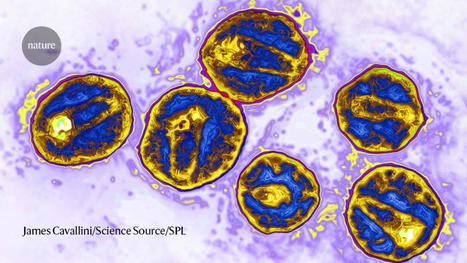
A 53-year-old man in Germany has become the third person with HIV to be declared cleared of the virus after a procedure that replaced his bone marrow cells with HIV-resistant stem cells from a donor. For years, antiretroviral therapy (ART) has been given to people with HIV with the aim of lowering the virus to almost undetectable levels and preventing it from being transmitted to other people. But the immune system keeps the virus locked up in reservoirs in the body, and if an individual stops taking ART the virus can begin replicating and spreading. A true cure would eliminate this reservoir, and this is what seems to have happened for the latest patient, whose name has not been released. The man, who is being referred to as the ‘Düsseldorf patient’, stopped taking ART in 2018 and has remained HIV-free since. But the risks associated with the procedure mean it is unlikely to be widely used in its current form. The stem-cell technique involved was first used to treat Timothy Ray Brown, often referred to as the Berlin patient. In 2007, he had a bone marrow transplant, in which those cells were destroyed and replaced with stem cells from a healthy donor, to treat acute myeloid leukemia. The team treating Brown selected a donor with a genetic mutation called CCR5Δ32/Δ32, which prevents the CCR5 cell-surface protein from being expressed on the cell surface. HIV uses that protein to enter immune cells, so the mutation makes the cells effectively resistant to the virus. After the procedure, Brown was able to stop taking ART and remained HIV-free until his death in 2020. In 2019, researchers revealed that the same procedure seemed to have cured the London patient, Adam Castillejo. And, in 2022, scientists announced that they thought a New York patient who had remained HIV-free for 14 months might also be cured, although researchers cautioned that it was too early to be certain. Ravindra Gupta, a microbiologist at the University of Cambridge, UK, who led the team that treated Castillejo, says the latest study “cements the fact that CCR5 is the most tractable target for achieving a cure right now”. Low virus levels The Düsseldorf patient had extremely low levels of HIV, thanks to ART, when he was diagnosed with acute myeloid leukaemia. In 2013, a team led by virologist Björn-Erik Jensen at Düsseldorf University Hospital in Germany destroyed the patient’s cancerous bone marrow cells and replaced them with stem cells from a donor with the CCR5Δ32/Δ32 mutation1. Over the next five years, Jensen’s team took tissue and blood samples from the patient. In the years after the transplant, the scientists continued to find immune cells that specifically reacted to HIV, which suggested that a reservoir remained somewhere in the man’s body. It’s not clear, Jensen says, whether these immune cells had targeted active virus particles or a “graveyard” of viral remnants. They also found HIV DNA and RNA in the patient’s body, but these never seemed to replicate. In an effort to understand more about how the transplant worked, the team ran further tests, which included transplanting the patient’s immune cells into mice engineered to have human-like immune systems. The virus failed to replicate in the mice, suggesting that it was nonfunctional. The final test was for the patient to stop taking ART. “It shows it’s not impossible — it’s just very difficult — to remove HIV from the body,” Jensen says. The patient who received the treatment said in a statement that the bone marrow transplant had been a “very rocky road”, adding that he planned to devote some of his life to supporting research fundraising. Timothy Henrich, an infectious-disease researcher at the University of California, San Francisco, says the study is very thorough. That several patients have been successfully treated with a combination of ART and HIV-resistant donor cells makes the chances of achieving an HIV cure in these individuals very high. Gupta agrees, although he adds that in some cases the virus mutates inside a person and finds other ways to enter their cells. It’s also unclear, he says, whether the chemotherapy that the people received for their cancer before their bone marrow transplants might have helped to eliminate HIV by preventing infected cells from dividing. But it’s unlikely that bone-marrow replacement will be rolled out to people who don’t have leukemia because of the high risk associated with the procedure, particularly the chance that an individual will reject a donor’s marrow. Several teams are testing the potential to use stem cells taken from a person’s own body and then genetically modified to have the CCR5Δ32/Δ32 mutation2,3, which would eliminate the need for donor cells. Jensen says that his team has performed transplants for several other people affected by both HIV and cancer using stem cells from donors with a CCR5Δ32/Δ32 mutation, but that it is too early to say whether those individuals are virus-free. His team plans to study whether, if a person has a larger reservoir of HIV at the time of receiving a transplant, this affects how well the immune system recovers and eliminates any remaining viruses from the body. Case report published in Nature Medicine (Feb. 20, 2023): https://doi.org/10.1038/s41591-023-02213-x
Via Juan Lama
|
|
Scooped by
Dr. Stefan Gruenwald
February 20, 2023 10:31 AM
|
The Very Large Telescope in Chile took images of its lightest exoplanet yet after data from two European sky-mapping missions indicated something was tugging at the orbit of a distant young star. The star in question is called AF Leporis and is some 87.5 light-years away from Earth in the constellation Lepus just south of the celestial equator. Two teams of astronomers have recently focused on this star after scouring through data gathered by the European Space Agency's Hipparcos and Gaia space telescopes. These two spacecraft focus on charting the positions and trajectories of stars in the sky. When the astronomers examined the telescopes' observations of AF Leporis, they found odd changes in the star's orbit, which suggested that a large planet might be present in its orbit. "Planets exert a gravitational tug on their host stars, perturbing their trajectory on the sky," the European Southern Observatory (ESO), which operates the Very Large Telescope (VLT) and which released the images on Feb. 20, wrote in a statement(opens in new tab). "The two teams found that the star AF Leporis exhibited such a disturbed trajectory, a telltale sign that a planet could be hiding there." Related: The 10 most Earth-like exoplanets
|
|
Scooped by
Dr. Stefan Gruenwald
February 19, 2023 7:22 PM
|
Until now, the ability to make electronic devices faster has come down to a simple principle: scaling down transistors and other components. But this approach is reaching its limit, as the benefits of shrinking are counterbalanced by detrimental effects like resistance and decreased output power. Because terahertz frequencies are too fast for current electronics to manage, and too slow for optics applications, this range is often referred to as the ‘terahertz gap’. Using sub-wavelength metastructures to modulate terahertz waves is a technique that comes from the world of optics. But the POWERlab’s method allows for an unprecedented degree of electronic control, unlike the optics approach of shining an external beam of light onto an existing pattern. Elison Matioli of the Power and Wide-band-gap Electronics Research Lab (POWERlab) in EPFL’s School of Engineering explains that further miniaturization is therefore not a viable solution to better electronics performance. “New papers come out describing smaller and smaller devices, but in the case of materials made from gallium nitride, the best devices in terms of frequency were already published a few years back,” he says. “After that, there is really nothing better, because as device size is reduced, we face fundamental limitations. This is true regardless of the material used.” In response to this challenge, Matioli and PhD student Mohammad Samizadeh Nikoo came up with a new approach to electronics that could overcome these limitations and enable a new class of terahertz devices. Instead of shrinking their device, they rearranged it, notably by etching patterned contacts called metastructures at sub-wavelength distances onto a semiconductor made of gallium nitride and indium gallium nitride. These metastructures allow the electrical fields inside the device to be controlled, yielding extraordinary properties that do not occur in nature. Crucially, the device can operate at electromagnetic frequencies in the terahertz range (between 0.3-30 THz) – significantly faster than the gigahertz waves used in today’s electronics. They can therefore carry much greater quantities of information for a given signal or period, giving them great potential for applications in 6G communications and beyond. “We found that manipulating radiofrequency fields at microscopic scales can significantly boost the performance of electronic devices, without relying on aggressive downscaling,” explains Samizadeh Nikoo, who is the first author of an article on the breakthrough recently published in the journal Nature. As Samizadeh Nikoo explains, modulating terahertz waves is crucial for the future of telecommunications, as the increasing data requirements of technologies like autonomous vehicles and 6G mobile communications are fast reaching the limits of today's devices. The electronic metadevices developed in the POWERlab could form the basis for integrated terahertz electronics by producing compact, high-frequency chips that can already be used with smartphones, for example. "This new technology could change the future of ultra-high-speed communications, as it is compatible with existing processes in semiconductor manufacturing. We have demonstrated data transmission of up to 100 gigabits per second at terahertz frequencies, which is already 10 times higher than what we have today with 5G," Samizadeh Nikoo says.
|
|
Scooped by
Dr. Stefan Gruenwald
February 15, 2023 8:46 PM
|
OpenAI's artificial intelligence chatbot ChatGPT is the fastest-growing app in history. This is according to a UBS study (via CBS News(Opens in a new tab)), which claims that ChatGPT had 13 million unique visitors per day in January 2023, which is more than double the visitors it had in December 2022, just a month earlier. ChatGPT has only been around two months (can you believe it?), and it already has 100 million monthly users, the study concluded. The study, which cites data from analytics company Similarweb (Opens in a new tab), positions ChatGPT well over other fast-growing apps such as TikTok and Instagram. In comparison, it took nine months for TikTok to reach 100 million monthly active users; for Instagram, it took two and a half years. "In 20 years following the internet space, we cannot recall a faster ramp in a consumer internet app," USB's analysts wrote in the study. The report comes just a day after OpenAI launched ChatGPT Plus, which is a paid version of the chatbot. It costs $20 per month, offering users access to ChatGPT during peak usage times, faster response times, and priority access to new features.
|
|
Scooped by
Dr. Stefan Gruenwald
February 13, 2023 3:53 PM
|
A new ultrasound-based sensor has been unveiled, offering real-time, on-the-go cardiac imaging. Designed by engineers from the University of California San Diego, the wearable device is roughly the size of a postage stamp and can be worn for up to 24 hours. Plus, it even functions during a workout. The engineers say the goal is to make ultrasound capabilities more accessible. Currently, echocardiograms – ultrasound examinations for the heart – can only be done by trained professionals and requires bulky equipment. “The technology enables anybody to use ultrasound imaging on the go,” said Sheng Xu, study lead. The new device uses AI algorithms to measure the activity and structure of the wearer’s heart, monitoring blood flow and flagging any abnormal functions. Using ultrasound waves, the device generates a constant stream of images of the four chambers of the heart, enabling continuous, real-time data capture. “The increasing risk of heart diseases calls for more advanced and inclusive monitoring procedures,” said Xu. “By providing patients and doctors with more thorough details, continuous and real-time cardiac image monitoring is poised to fundamentally optimize and reshape the paradigm of cardiac diagnoses.” In its current iteration, the patch can be connected through cables to a computer, which can download the data automatically while the patch is still on, though plans for a wireless design are underway. The patch is set for commercialization through Softsonics, a UC San Diego spinoff.
|
|
Rescooped by
Dr. Stefan Gruenwald
from Virus World
February 10, 2023 2:03 PM
|
Scientists have recently discovered a protein expressed in the lung that blocks SARS-CoV-2 infection and serves as a natural protective barrier in the human body. This protein, the leucine-rich repeat-containing protein 15 (LRRC15), is an inbuilt receptor that binds the SARS-CoV-2 virus without passing on the infection. This finding offers a promising pathway to develop new drugs to prevent viral infection from coronaviruses like COVID-19 or deal with fibrosis in the lungs. The study has been published in the journal PLOS Biology. It was led by Professor Greg Neely with his team members Dr Lipin Loo, a postdoctoral researcher, and PhD student Matthew Waller at the Charles Perkins Centre and the School of Life and Environmental Sciences. The study is one of three independent papers that reveal this specific protein’s interaction with COVID-19. “Alongside two other groups, one at Oxford, the other at Brown and Yale in the USA, we found a new receptor in the LRRC15 protein that can stop SARS-CoV-2. We found that this new receptor acts by binding to the virus and sequestering it which reduces infection,” Professor Neely explains. “For me, as an immunologist, the fact that there's this natural immune receptor that we didn't know about, that's lining our lungs and blocks and controls virus, that's crazy interesting. We can now use this new receptor to design broad acting drugs that can block viral infection or even suppress lung fibrosis.” What is LRRC15? The COVID-19 virus infects humans by using a spike protein to attach to a specific receptor in our cells. It primarily uses a protein called the angiotensin-converting enzyme 2 (ACE2) receptor to enter human cells. Lung cells have high levels of ACE2 receptors, which is why the COVID-19 virus often causes severe problems in this organ of infected people. Like ACE2, LRRC15 is a receptor for coronavirus, meaning the virus can bind to it. But unlike ACE2, LRRC15 does not support an active infection. It can, however, stick to the virus and immobilize it. In the process, it prevents other vulnerable cells from becoming infected. “We think it acts a bit like Velcro, molecular Velcro, in that it sticks to the spike of the virus and then pulls it away from the target cell types,” Dr Loosaid. LRRC15 is present in many locations such as lungs, skin, tongue, fibroblasts, placenta and lymph nodes. But the researchers found human lungs light up with LRRC15 after infection. “When we stain the lungs of healthy tissue, we don't see much of LRRC15, but then in COVID-19 lungs, we see much more of the protein,” Dr Loosaid. “We think this newly identified protein could be part of our body’s natural response to combating the infection creating a barrier that physically separates the virus from our lung cells most sensitive to COVID-19.” Implications of the research “When we studied how this new receptor works, we found that this receptor also controls antiviral responses, as well as fibrosis, and could link COVID-19 infection with lung fibrosis that occurs during long COVID,” Mr Waller said. “Since this receptor can block COVID-19 infection, and at the same time activate our body’s anti-virus response, and suppress our body’s fibrosis response, this is a really important new gene,” Professor Neely said. “This finding can help us develop new antiviral and anti-fibrotic medicines to help treat pathogenic coronaviruses, and possibly other viruses or other situations where lung fibrosis occurs. For fibrosis, there are no good drugs: for example, idiopathic pulmonary fibrosis is currently untreatable.” Fibrosis is a condition in which lung tissue becomes scarred and thickened, causing breathing difficulties. COVID-19 can cause inflammation and damage to the lungs, leading to fibrosis. The authors said they are developing two strategies against COVID-19 using LRRC15 that could work across multiple variants – one which targets the nose as a preventative treatment, and another aimed at the lungs for serious cases. The researchers also said that the presence or lack of LRRC15, which is involved in lung repair, is an important indication of how severe a COVID-19 infection might become. “A group at Imperial College London independently found that absence of LRRC15 in the blood is associated with more severe COVID, which supports what we think is happening.” Dr Loo said. “If you have less of this protein, you likely have serious COVID. If you have more of it, your COVID is less severe. “We are now trying to understand exactly why this is the case.” The research involved screening human cell cultures for genes and investigating the lungs of human COVID-19 patients.
Via Juan Lama
|
|
Scooped by
Dr. Stefan Gruenwald
February 8, 2023 4:36 PM
|
So bright that it pushes the energy limits of physics. Billions of light years away, there is a giant ball of hot gas that is brighter than hundreds of billions of suns. It is hard to imagine something so bright. So what is it? Astronomers are not really sure, but they have a couple theories. They think it may be a very rare type of supernova — called a magnetar — but one so powerful that it pushes the energy limits of physics, or in other words, the most powerful supernova ever seen as of today. This object is so luminous that astronomers are having a really difficult time finding a way to describe it. “If it really is a magnetar, it's as if nature took everything we know about magnetars and turned it up to 11,” said Krzysztof Stanek, professor of astronomy at Ohio State University and the team's co-principal investigator, comedically implying it is off the charts on a scale of 1 to 10.The object was first spotted by the All Sky Automated Survey of Supernovae (ASAS-SN or “assassin”), which is a small network of telescopes used to detect bright objects in the universe. Although this object is ridiculously bright, it still can’t be seen by the naked eye because it is 3.8 billion light years away. ASAS-SN, since it began in 2014, has discovered nearly 250 supernovae, however this discovery, ASASSN-15lh, stands out because of its sheer magnitude. It is 200 times more powerful than the average supernova, 570 billion times brighter than the sun, and 20 times brighter than all the stars in the Milky Way Galaxy combined. “We have to ask, how is that even possible?” said Stanek. “It takes a lot of energy to shine that bright, and that energy has to come from somewhere.” Todd Thompson, professor of astronomy at Ohio State, has one possible explanation. The supernova could have generated an extremely rare type of star called a millisecond magnetar — a rapidly spinning and very dense star with a crazy strong magnetic field. This is how crazy magnetars are: to shine as bright as it does, this magnetar would have to spin at least 1,000 times a second, and convert all of that rotational energy to light with pretty much 100 percent efficiency — making it the most extreme example of a magnetar that is physically possible. Given those constraints,” Thompson said, “will we ever see anything more luminous than this? If it truly is a magnetar, then the answer is basically no.” Over the coming months, the Hubble Space Telescope will try to solve this mystery by giving astronomers time to see the host galaxy surrounding this object. The team may find that this bright object lies in the very center of a large galaxy — meaning the object is not a magnetar at all — and the gas around it is actually evidence of a supermassive black hole. If that is the case, then the bright light could be explained by a new kind of event, said study co-author Christopher Kochanek, professor of astronomy at Ohio State. It would be something that has never, ever been seen before at the center of a galaxy. Whether it is a magnetar, a supermassive black hole, or something else entirely (like a white hole), the results are probably going to lead to new thinking about how objects form in the universe.
|
|
Scooped by
Dr. Stefan Gruenwald
February 3, 2023 6:49 PM
|
Follow Stephen Wolfram's evolution of research on the 2nd Law from early interest as a 12-year-old to his current findings in the Wolfram Physics Project. View a large collection of images of early and published works.
|
|
Scooped by
Dr. Stefan Gruenwald
January 26, 2023 4:16 PM
|
When researchers gave a genetic molecule the ability to replicate, it evolved over time into a complex network of “hosts” and “parasites” that both competed and cooperated to survive. After a lengthy experiment with tantalizing implications for origin-of-life studies, a research group in Japan has reported creating a test tube world of molecules that spontaneously evolved both complexity and, surprisingly, cooperation. Over hundreds of hours of replication, a single type of RNA evolved into five different molecular “species” or lineages of hosts and parasites that coexisted in harmony and cooperated to survive, like the beginning of a “molecular version of an ecosystem,” said Ryo Mizuuchi, the lead author of the study and a project assistant professor at the University of Tokyo. Their experiment, which confirmed previous theoretical findings, showed that molecules with the means to replicate could spontaneously develop complexity through Darwinian evolution, “a critical step for the emergence of life,” the researchers wrote. “We can provide the direct evidence; we can see what can actually happen” when a replicating molecule complexifies in a test tube, Mizuuchi said. This was the first and probably most important step toward evolving a complex network of replicators in the lab, said Sijbren Otto, a professor of systems chemistry at the University of Groningen in the Netherlands who was not involved in the study. “With what is shown here, the path ahead becomes a lot clearer, and one becomes a lot more optimistic that this can actually work out.”
|
|
|
Scooped by
Dr. Stefan Gruenwald
February 22, 2023 2:26 PM
|
In a new paper published in the journal Nature Astronomy, astronomers with Breakthrough Listen Initiative — the largest ever scientific research program aimed at finding evidence of alien civilizations — present a new machine learning-based method that they apply to more than 480 hours of data from the Robert C. Byrd Green Bank Telescope, observing 820 nearby stars. The method analyzed 115 million snippets of data, from which it identified around 3 million signals of interest. The authors then inspected the 20,515 signals and they identified 8 previously undetected signals of interest, although follow-up observations of these targets have not re-detected them. “The key issue with any techno-signature search is looking through this huge haystack of signals to find the needle that might be a transmission from an alien world,” said Dr. Steve Croft, an astrophysicist at the University of California, Berkeley and a member of the Breakthrough Listen team. “The vast majority of the signals detected by our telescopes originate from our own technology — GPS satellites, mobile phones, and the like. Our algorithm gives us a more effective way to filter the haystack and find signals that have the characteristics we expect from techno-signatures.” Classical techno-signature algorithms compare scans where the telescope is pointed at a target point on the sky with scans where the telescope moves to a nearby position, in order to identify signals that may be coming from only that specific point. These techniques are highly effective. For example, they can successfully identify the Voyager 1 space probe, at a distance of 20 billion km, in observations with the Green Bank Telescope. But all of these algorithms struggle in crowded regions of the radio spectrum, where the challenge is akin to listening for a whisper in a crowded room. The process developed by the team inserts simulated signals into real data, and trains an artificial intelligence algorithm known as an auto-encoder to learn their fundamental properties. The output from this process is fed into a second algorithm known as a random forest classifier, which learns to distinguish the candidate signals from the noisy background. “In 2021, our classical algorithms uncovered a signal of interest, denoted BLC1, in data from the Parkes telescope,” said Breakthrough Listen’s principal investigator Dr. Andrew Siemion, an astronomer at the University of California, Berkeley.
|
|
Scooped by
Dr. Stefan Gruenwald
February 21, 2023 4:39 PM
|
Black holes may be the origin of dark energy, according to a study by a team of researchers led by the University of Hawaii. When astronomers discovered that the universe is expanding at an accelerating rate, they theorized that some force must be pushing things farther apart and overcoming gravity, which should be slowing things down. That force was suggested to be dark energy, but no one has ever figured out from where it comes. But a team of 17 international researchers led by the University of Hawaii has discovered the first evidence for the origin point of dark energy: Black holes. Black holes acquire mass in two ways: accretion of gas and mergers with other black holes. But in studying nine billion years of black hole evolution in dormant giant elliptical galaxies, the researchers discovered that the older black holes are much larger than they should be based on those two methods of growth. That means there must be another way these black holes are acquiring mass. Researchers suggest the answer is dark energy in the form of vacuum energy, "a kind of energy included in spacetime itself ... [that] pushes the universe further apart, accelerating the expansion," according to a statement. "If the theory holds, then this is going to revolutionize the whole of cosmology, because at last we've got a solution for the origin of dark energy that's been perplexing cosmologists and theoretical physicists for more than 20 years," Dr. Chris Pearson of STFC RAL Space, a co-author of a study on the discovery, said in a statement. The idea that black holes are a source of dark energy isn't new. In fact, it's part of Einstein's theory of general relativity. But this is the first time astronomers have obtained observational evidence to support the theory. "We're really saying two things at once: That there's evidence the typical black hole solutions don't work for you on a long, long timescale, and we have the first proposed astrophysical source for dark energy," said study author Duncan Farrah, University of Hawaii astronomer, in the statement. A paper on the team's research was published in The Astrophysical Journal Letters on February 15th, 2023.
|
|
Scooped by
Dr. Stefan Gruenwald
February 21, 2023 4:26 PM
|
Punctuating the darkness at the end of the universe could be silent fireworks—explosions of the remnants of stars that were never supposed to explode. The end of the universe as we know it will not come with a bang. Most stars will very, very slowly fizzle as their temperatures fade to zero. Dr. Matt Caplan “It will be a bit of a sad, lonely, cold place,” said theoretical physicist Matt Caplan, who added no one will be around to witness this long farewell happening in the far far future. Most believe all will be dark as the universe comes to an end. “It’s known as ‘heat death,’ where the universe will be mostly black holes and burned-out stars,” said Caplan, who imagined a slightly different picture when he calculated how some of these dead stars might change over the eons. New theoretical work by Caplan, an assistant professor of physics at Illinois State University, finds that many white dwarfs may explode in supernova in the distant far future, long after everything else in the universe has died and gone quiet. In the universe now, the dramatic death of massive stars in supernova explosions comes when internal nuclear reactions produce iron in the core. Iron cannot be burned by stars—it accumulates like a poison, triggering the star’s collapse creating a supernova. But smaller stars tend to die with a bit more dignity, shrinking and becoming white dwarfs at the end of their lives. This is the way the universe ends: not with a whimper, but a bang Science magazine explores Dr. Matt Caplan's work on black dwarf supernovas. “Stars less than about 10 times the mass of the sun do not have the gravity or density to produce iron in their cores the way massive stars do, so they can’t explode in a supernova right now,” said Caplan. “As white dwarfs cool down over the next few trillion years, they’ll grow dimmer, eventually freeze solid, and become ‘black dwarf’ stars that no longer shine.” Like white dwarfs today, they’ll be made mostly of light elements like carbon and oxygen and will be the size of the earth but contain about as much mass as the sun, their insides squeezed to densities millions of times greater than anything on earth. But just because they’re cold doesn’t mean nuclear reactions stop. “Stars shine because of thermonuclear fusion—they’re hot enough to smash small nuclei together to make larger nuclei, which releases energy. White dwarfs are ash, they’re burnt out, but fusion reactions can still happen because of quantum tunneling, only much slower, Caplan said. “Fusion happens, even at zero temperature, it just takes a really long time.” He noted this is the key for turning black dwarfs into iron and triggering a supernova. "It’s hard to imagine anything coming after that, black dwarf supernova might be the last interesting thing to happen in the universe", says Matt Caplan. Caplan’s new work, accepted for publication by Monthly Notices of the Royal Astronomical Society, calculates how long these nuclear reactions take to produce iron, and how much iron black dwarfs of different sizes need to explode. He calls his theoretical explosions “black dwarf supernova” and calculates that the first one will occur in about 10 to the 1100th years. “In years, it’s like saying the word ‘trillion’ almost a hundred times. If you wrote it out, it would take up most of a page. It’s mindbogglingly far in the future.” Of course, not all black dwarfs will explode. “Only the most massive black dwarfs, about 1.2 to 1.4 times the mass of the sun, will blow.” Still, that means as many as 1 percent of all stars that exist today, about a billion trillion stars, can expect to die this way. As for the rest, they’ll remain black dwarfs. “Even with very slow nuclear reactions, our sun still doesn’t have enough mass to ever explode in a supernova, even in the far far future. You could turn the whole sun to iron and it still wouldn’t pop.” Caplan calculates that the most massive black dwarfs will explode first, followed by progressively less massive stars, until there are no more left to go off after about 10^32000 years. At that point, the universe may truly be dead and silent. “It’s hard to imagine anything coming after that, black dwarf supernova might be the last interesting thing to happen in the universe. They may be the last supernova ever.” By the time the first black dwarfs explode, the universe will already be unrecognizable. “Galaxies will have dispersed, black holes will have evaporated, and the expansion of the universe will have pulled all remaining objects so far apart that none will ever see any of the others explode. It won’t even be physically possible for light to travel that far.”
|
|
Scooped by
Dr. Stefan Gruenwald
February 21, 2023 3:34 PM
|
Scientists have identified 27 global warming accelerators known as amplifying feedback loops, including some that the researchers say may not be fully accounted for in climate models. They note that the findings, published today in the journal One Earth, add urgency to the need to respond to the climate crisis and provide a roadmap for policymakers aiming to avert the most severe consequences of a warming planet. In climate science, amplifying feedback loops are situations where a climate-caused alteration can trigger a process that causes even more warming, which in turn intensifies the alteration. An example would be warming in the Arctic, leading to melting sea ice, which results in further warming because sea water absorbs rather than reflects solar radiation. Postdoctoral scholar Christopher Wolf and distinguished professor William Ripple led the study, which in all looked at 41 climate change feedbacks. "Many of the feedback loops we examined significantly increase warming because of their connection to greenhouse gas emissions," Wolf said. "To the best of our knowledge, this is the most extensive list available of climate feedback loops, and not all of them are fully considered in climate models. What's urgently needed is more research and modeling and an accelerated cutback of emissions." The paper makes two calls to action for "immediate and massive" emissions reductions: - Minimize short-term warming given that "climate disasters" in the form of wildfires, coastal flooding, permafrost thaw, intense storms and other extreme weather are already occurring.
- Mitigate the possible major threats looming from climate tipping points that are drawing ever-closer due to the prevalence of the many amplifying feedback loops. A tipping point is a threshold after which a change in a component of the climate system becomes self-perpetuating.
"Transformative, socially just changes in global energy and transportation, short-lived air pollution, food production, nature preservation and the international economy, together with population policies based on education and equality, are needed to meet these challenges in both the short and long term," Ripple said. "It's too late to fully prevent the pain of climate change, but if we take meaningful steps soon while prioritizing human basic needs and social justice, it could still be possible to limit the harm." Ripple, Wolf and co-authors from the University of Exeter, the Potsdam Institute for Climate Impact Research, the Woodwell Climate Research Center and Terrestrial Ecosystems Research Associates considered both biological and physical feedbacks. Biological feedbacks include forest dieback, soil carbon loss and wildfire; physical feedbacks involve changes such as reduced snow cover, increased Antarctic rainfall and shrinking arctic sea ice.
|
|
Rescooped by
Dr. Stefan Gruenwald
from Virus World
February 20, 2023 5:25 PM
|
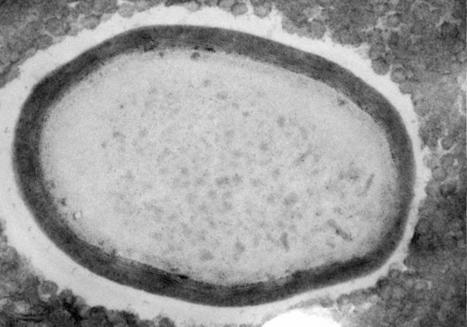
A study employing CRISPR/Cas9 to explore the evolutionary beginnings of some giant viruses finds evidence that their large genomes arose from gene duplications. Most viruses are small and carry minimal genomes. Even one of the largest small viruses, Vaccinia, measures merely one-fiftieth the size of a pollen grain and contains only 270 genes. Giant viruses flout these rules. With sizes that rival small bacteria and genomes that contain thousands of genes, their complexity emulates that of cellular life. How these viruses came to be so large has been the subject of much debate. Now, scientists are finally poised to unravel the mystery of their evolutionary origins, thanks to a suite of CRISPR/Cas9-based tools described in a Nature Communications paper from January. “It was by chance that we encountered the first giant virus,” says Chantal Abergel, a virologist at Aix-Marseille University in France. “It was Mimivirus, and it was actually mistaken for a bacterium.” In the 20 years since that discovery, virologists have prioritized exploring the diversity of giant viruses. Now that they’ve found a fair few, the focus has shifted towards studying their evolution in more detail with molecular biology techniques. Evolutionary biologists have grappled over two possible origins of giant viruses. One possibility is that they were once cellular organisms that shrunk physically and genetically over time. But most virologists now suspect giant viruses grew out of much smaller ones—though the evidence supporting either hypothesis is scant. To begin addressing this origin question, Abergel decided to examine how the essential genes in the Pandoravirus genome are distributed. In cellular organisms, essential genes are scattered throughout the genome—so if giant viruses are essentially reduced cells, one would expect a similar pattern. Alternatively, if the genes are clumped, that could indicate the viruses’ large genomes started out in a more compact form. One way to locate a virus’s essential genes is to knock out genes one at a time to find the ones that are needed for virus production. But to do that with a giant virus, Abergel needed a gene-editing system that worked in members of the group. With the help of Hugo Bisio, a postdoctoral researcher in Abergel’s lab, and colleagues at Aix–Marseille University, Abergel used a CRISPR/Cas9-based gene-editing system to modify the genome of the amoeba Acanthamoeba castellanii and the giant virus Pandoravirus neocaledonia, which infects it. The CRISPR/Cas9 system was designed to delete specific genes and consists of two guide RNAs and a Cas9 scission enzyme. Similar to other CRISPR/Cas9 systems, each guide RNA contains 17 to 20 bases designed to bind to one specific location on the genome of the giant virus or the amoeba, allowing the Cas9 scission enzyme to cut the genome at that site. The amoeba A. castellanii contains 25 copies of each chromosome, making it difficult to design an efficient CRISPR/Cas9 system that could delete each gene copy. To overcome this issue, the researchers modified their CRISPR/Cas9 system to generate a chain reaction. Each time DNA was cut to remove a gene, a DNA segment encoding the Cas9 enzyme and the guide RNAs responsible for the cut would take the place of the missing gene in the genome. This allowed gene deletions to repeat and propagate until all copies were removed. Once they optimized their CRISPR/Cas9 system, the team deleted each gene separately from the Pandoravirus genome and measured the resulting change in virus production, in order to determine how important each gene is to the virus’s lifecycle. They found that essential genes clustered together at one end of the genome and were segregated from nonessential genes at the other end. This level of gene orderliness has not been seen in viruses, according to Bisio. Even bacterial genomes aren’t quite so tidy: While they do group genes with linked functions together into gene clusters known as operons, these tend to be dispersed throughout the genome rather than grouped all together in one spot. Bisio says the cluster of essential genes may echo a smaller “core genome” of an ancient virus. This genome could have become elongated through multiple rounds of gene duplication that were biased in one direction to produce an additional set of spare nonessential genes. This could explain how modern-day giant viruses came to possess thousands of genes. “Our data indicate that complex viruses arose from smaller and simpler ones,” Bisio tells The Scientist in an email—noting that it will take further research to determine whether that’s true of all giant viruses or just Pandoravirus. Other studies found that some genes in giant viruses were usurped from their amoeba hosts, suggesting gene exchange is another way giant viruses increased in size. The team then set their sights on one of the many evolutionary mysteries of Pandoravirus: its lack of a capsid. Small viruses package their genomes into capsids made of viral proteins. While some giant viruses, such as Mimivirus, continue this tradition, others, including Pandoravirus, do not. If giant viruses did indeed evolve from smaller ones, there could be traces of capsid proteins hiding in their genomes. So, the researchers set out to study the function of potential capsid protein remnants in a close cousin of Pandoravirus, the smaller Mollivirus, which can also infect A. castellanii. Researchers have suspected that a Mollivirus protein called ml_347 evolved from a capsid gene based on its gene’s sequence and predicted 3D shape. So, the team investigated its function by deleting the gene using their CRISPR/Cas9 system. They found that the gene is important for Mollivirus assembly, which the authors say is intriguing given its possible capsid ancestry. It’s possible that, as capsids were lost in giant virus evolution, obsolete capsid genes were adapted for new assembly functions. Frederik Schulz, an evolutionary biologist with the DOE Joint Genome Institute in California who wasn’t involved with the study but who has worked with Chantal Abergel in the past, tells The Scientist that the findings align with recent discoveries. “There was a debate for a long time [about] how giant virus[es] evolved,” he says. “The working hypothesis in the previous years was that they evolved from smaller viruses, and that’s exactly what Chantal and her team could show and confirm using their CRISPR/Cas9 gene-editing approach.” Schulz notes that it will be exciting to see the CRISPR/Cas9 technology introduced into other host species, such as algae, which would allow researchers to expand research into a greater variety of giant viruses. He also points out that the system only works for viruses that replicate in a host cell’s nucleus, while most giant viruses replicate in cytoplasmic structures called viral factories, which the Cas9 enzyme and guide RNAs can’t penetrate. Still, Bisio says there’s much left to discover in Pandoravirus. “[This CRISPR/Cas9 technology is] a goldmine to find new functions,” he says—one that he and his colleagues are eager to employ to tease apart what all the virus’s genes do. Cited research published in Nat. Comm. (Jan. 26, 2023): https://doi.org/10.1038/s41467-023-36145-4
Via Juan Lama
|
|
Scooped by
Dr. Stefan Gruenwald
February 20, 2023 10:25 AM
|
Amazon’s self-driving tech company Zoox is testing its purpose-built robotaxi on public roads in California, with employees as passengers. On a post on its website, Zoox confirmed it received approval from the state’s Department of Motor Vehicles (DMV) to operate the vehicle autonomously, both empty and with staffers on board. And it hailed the tests as a landmark in the development of self-driving tech by declaring them: “The first time in history a purpose-built robotaxi – without any manual controls – drove autonomously with passengers.” Permission from the DMV followed Zoox’s self-certification of the vehicle with the Federal Motor Vehicle Safety Standards (FMVSS) last July (2022). As with the Origin, from General Motors’ rival robotaxi company Cruise, the Zoox vehicle has been built from the ground up as a dedicated autonomous vehicle (AV). This sets it apart from the robotaxis currently in operation in the likes of San Francisco and Phoenix, Cruise’s modified Chevrolet Bolts and Waymo’s Jaguar i-Pace models. But a key difference with the Origin concerns its status. The Cruise AV does not have FMVSS self-certification, with GM preferring instead to apply for an exemption from the National Highway Transport Safety Administration (NHTSA). This limits the number that can be manufactured. The Zoox AV is known as the VH6 and has no steering wheel or pedals. It can change direction without having to reverse thanks to bidirectional driving and four-wheel steering, and automated functionality is delivered by cameras, radar and Lidar sensors. These provide 360-degree coverage, visibility up to 492 feet and the ability to see around corners in specific pre-mapped areas. Redundant back-ups are built in to enhance safety.
|
|
Scooped by
Dr. Stefan Gruenwald
February 16, 2023 2:38 PM
|
Mind uploading is a hypothetical process of digitally emulating a brain, allowing for the transfer of an individual's consciousness into a computer system. This technology could potentially allow humans to live forever in digital form, as their memories and personalities would be stored on computers. While this concept has been explored in science fiction for decades, recent advances in artificial intelligence and neuroscience have made it more plausible than ever before. However, there are still many ethical and technical issues that need to be addressed before mind uploading can become reality. Top Facts about Mind Uploading: - Mind uploading is a hypothetical process of transferring a conscious mind from a biological brain to an artificial substrate.
- It could potentially allow humans to achieve immortality by preserving their consciousness in digital form.
- The concept has been explored in science fiction and philosophy since the 1970s, but no technology currently exists that can successfully upload a human mind into a computer system.
- Scientists have made progress in understanding how the brain works and developing technologies that could enable mind uploading, such as neural networks and quantum computing, but these are still far from being able to replicate the complexity of the human brain. 5. Some experts believe that it may be possible to achieve mind uploading within the next few decades, while others think it is impossible or at least many centuries away from becoming reality.
Variety of singularity videos: http://tinyurl.com/7y6mb83
|
|
Scooped by
Dr. Stefan Gruenwald
February 15, 2023 8:28 PM
|
Astronomers have revealed the latest deep field image from NASA’s James Webb Space Telescope, featuring never-before-seen details in a region of space known as Pandora’s Cluster (Abell 2744). Webb’s view displays three clusters of galaxies – already massive – coming together to form a megacluster. The combined mass of the galaxy clusters creates a powerful gravitational lens, a natural magnification effect of gravity, allowing much more distant galaxies in the early universe to be observed by using the cluster like a magnifying glass. Only Pandora’s central core has previously been studied in detail by NASA’s Hubble Space Telescope. By combining Webb’s powerful infrared instruments with a broad mosaic view of the region’s multiple areas of lensing, astronomers aimed to achieve a balance of breadth and depth that will open up a new frontier in the study of cosmology and galaxy evolution. “The ancient myth of Pandora is about human curiosity and discoveries that delineate the past from the future, which I think is a fitting connection to the new realms of the universe Webb is opening up, including this deep-field image of Pandora’s Cluster,” said astronomer Rachel Bezanson of the University of Pittsburgh in Pennsylvania, co-principal investigator on the “Ultradeep NIRSpec and NIRCam ObserVations before the Epoch of Reionization” (UNCOVER) program to study the region. “When the images of Pandora’s Cluster first came in from Webb, we were honestly a little star struck,” said Bezanson. “There was so much detail in the foreground cluster and so many distant lensed galaxies, I found myself getting lost in the image. Webb exceeded our expectations.” The new view of Pandora’s Cluster stitches four Webb snapshots together into one panoramic image, displaying roughly 50,000 sources of near-infrared light.
|
|
Scooped by
Dr. Stefan Gruenwald
February 10, 2023 2:31 PM
|
Pre-trained large language models (LLMs) have attracted increasing attention in the biomedical domain, inspired by their great success in the general natural language domain. Among the two main branches of pre-trained language models in the general language domain, i.e. BERT (and its variants) and GPT (and its variants), the first one has been extensively studied in the biomedical domain, such as BioBERT and PubMedBERT. While they have achieved great success on a variety of discriminative downstream biomedical tasks, the lack of generation ability constrains their application scope. Computer scientists now propose BioGPT, a domain-specific generative Transformer language model pre-trained on large-scale biomedical literature. They evaluate BioGPT on six biomedical natural language processing tasks and demonstrate that this model outperforms previous models on most tasks. Especially, they get 44.98%, 38.42% and 40.76% F1 score on BC5CDR, KD-DTI and DDI end-to-end relation extraction tasks, respectively, and 78.2% accuracy on PubMedQA, creating thus a new record. This case study on text generation further demonstrates the advantage of BioGPT on biomedical literature to generate fluent descriptions for biomedical terms. Text mining and knowledge discovery from biomedical literature play important roles in drug discovery, clinical therapy, pathology research, etc. Typical tasks include recognizing named entities in the articles, mining the interaction between drugs and proteins / diseases / drugs, answering questions given reference text, generating abstracts for given phrases / words, etc. People have accumulated large amounts of literature in many previous studies. For example, PubMed (https://pubmed.ncbi.nlm.nih.gov), one of the most popular biomedical search engines, covers more than 30 Million articles and the number still rapidly increases every day as new discoveries are continuously coming out. Therefore, automatically mining the knowledge from literature becomes an urgent demand. Pre-training models have demonstrated their powerful capability in natural language processing (NLP). On the GLUE benchmark, a widely used benchmark for natural language understanding, pre-training-based methods outperform non-pre-training methods by a large margin (https://gluebenchmark.com/leaderboard). There are two main kinds of pre-training models: (1) the BERT-like models [2–4], mainly for language understanding tasks; (2) the GPT-like models [5–7], mainly for language generation tasks. These models are first pre-trained on large-scale corpora collected from the Web via self-supervised learning task (e.g. masked language modeling for BERT, auto-regressive language modeling for GPT), and then fine-tuned on specific donwstream tasks. The BERT-like models are widely used in sequence classification and sequence labeling, where we need to encode the complete document. In comparison, the GPT-like models are often used in generation tasks (e.g. abstract generation, knowledge triplet generation).
|
|
Scooped by
Dr. Stefan Gruenwald
February 8, 2023 4:51 PM
|
If you ever needed artificial intelligence's help to plan a friend's baby shower, your time has come, as Google officially unveiled an AI program it's calling Bard. It’s a really exciting time to be working on these technologies as they translate deep research and breakthroughs into products that truly help many people. That’s the journey Google , OpenAI and many others have been on with large language models. Two years ago Google unveiled next-generation language and conversation capabilities powered by our Language Model for Dialogue Applications (or LaMDA for short). They have been working on an experimental conversational AI service, powered by LaMDA, that they are now calling Bard. And just now, they are taking another step forward by opening it up to trusted testers ahead of making it more widely available to the public in the coming weeks. Bard seeks to combine the breadth of the world’s knowledge with the power, intelligence and creativity of our large language models. It draws on information from the web to provide fresh, high-quality responses. Bard can be an outlet for creativity, and a launchpad for curiosity, helping you to explain new discoveries from NASA’s James Webb Space Telescope to a 9-year-old, or learn more about the best strikers in football right now, and then get drills to build your skills. Use Bard to simplify complex topics, like explaining new discoveries from NASA’s James Webb Space Telescope to a 9-year-old. Google is releasing it initially with a lightweight model version of LaMDA. This much smaller model requires significantly less computing power, enabling us to scale to more users, allowing for more feedback. Google will combine external feedback with their own internal testing to make sure Bard’s responses meet a high bar for quality, safety and groundedness in real-world information. Google is excited for this phase of testing to help us continue to learn and improve Bard’s quality and speed. Bringing the benefits of AI into our everyday products Google has a long history of using AI to improve Search for billions of people. BERT, one of the first Transformer models, was revolutionary in understanding the intricacies of human language. Two years ago, Google introduced MUM, which was 1,000 times more powerful than BERT and has introduced the next-level and multi-lingual understanding of information which can pick out key moments in videos and provide critical information, including crisis support, in more languages. Now, Google's newest AI technologies — like LaMDA, PaLM, Imagen and MusicLM — are building on this, creating entirely new ways to engage with information, from language and images to video and audio. Google is working to bring these latest AI advancements into all of their products, starting with Search. One of the most exciting opportunities is how AI can deepen our understanding of information and turn it into useful knowledge more efficiently — making it easier for people to get to the heart of what they’re looking for and get things done. When people think of Google, they often think of finding quick factual answers, like “how many keys does a piano have?” But increasingly, people are now turning to Google for deeper insights and understanding — like, “is the piano or guitar easier to learn, and how much practice does each need?” Learning about a topic like this can take a lot of effort to figure out what you really need to know, and people often want to explore a diverse range of opinions or perspectives. AI can be helpful in these moments, synthesizing insights for questions where there’s no one right answer. Soon, you’ll see AI-powered features in Search that distill complex information and multiple perspectives into easy-to-digest formats, so you can quickly understand the big picture and learn more from the web: whether that’s seeking out additional perspectives, like blogs from people who play both piano and guitar, or going deeper on a related topic, like steps to get started as a beginner. These new AI features will begin rolling out on Google Search soon.
|
|
Scooped by
Dr. Stefan Gruenwald
February 8, 2023 12:48 PM
|
On February 6, 2018, SpaceX launched a Tesla roadster and a spacesuit-clad mannequin into space onboard its Falcon Heavy rocket. Presuming that the harshness of space hasn't decimated the duo, the question is, where is the payload five years since its launch? The answer will blow your mind. Back in 2018, SpaceX had just begun to demonstrate its reliability as a launch provider shoring up newly awarded contracts. However, its Falcon Heavy rocket was still in the works, and SpaceX needed a dummy payload to test it. This became the genesis of Starman, a mannequin in a space suit, who occupied the driver's seat on the red Tesla roadster. But where is the vehicle now? The current location is 203,029,386 miles (326,744,225 km, 2.184 AU, 18.17 light minutes) from Earth, moving toward Earth at a speed of 7,105 mi/h (11,435 km/h, 3.18 km/s).
The car is 280,838,746 miles (451,966,291 km, 3.021 AU, 25.13 light minutes) from Mars, moving away from the planet at a speed of 16,314 mi/h (26,254 km/h, 7.29 km/s).
The car is 137,142,121 miles (220,708,917 km, 1.475 AU, 12.27 light minutes) from the Sun, moving away from the star at a speed of 12,014 mi/h (19,335 km/h, 5.37 km/s).
The car has exceeded its 36,000 mile warranty 70,125.8 times while driving around the Sun, (2,524,528,836 miles, 4,062,836,592 km, 27.16 AU) moving at a speed of 51,712 mi/h (83,222 km/h, 23.12 km/s). The orbital period is about 557 days.
It has achieved a fuel economy of 20,035.9 miles per gallon (8,518.2 km/liter, 0.01174 liters/100 km), assuming 126,000 gallons of fuel.
If the battery was still working, Starman has listened to Space Oddity 496,721 times since he launched in one ear, and to Is there Life On Mars? 669,310 times in his other ear.
Starman has completed about 3.2823 orbits around the Sun since launch. A telescope about 47,954 ft (14,616 m) in diameter would be required to resolve the Upper stage from Earth. A smaller one could see him as an unresolved dot, about 92.2 ft (28.1 m) in diameter, in ideal conditions.
The vehicle has traveled far enough to drive all of the world’s roads 63.2 times. It has been 5 years, 1 day and 21 hours since launch.
|
|
Scooped by
Dr. Stefan Gruenwald
January 29, 2023 2:12 PM
|
NASA is asking for the public's help in learning more about exoplanets in a citizen science program called Exoplanet Watch. With new tools like the James Webb Space Telescope (JWST), we are discovering more exoplanets than ever before and even peering into their atmospheres. Now, NASA is asking for the public’s help in learning more about some of the exoplanets that have already been detected in a citizen science program called Exoplanet Watch. “With Exoplanet Watch you can learn how to observe exoplanets and do data analysis using software that actual NASA scientists use,” said Rob Zellem, the creator of Exoplanet Watch and an astrophysicist at NASA’s Jet Propulsion Laboratory, in a statement. “We are very excited to show more people how exoplanet science is really done.” The Exoplanet Watch project has two parts, one involving observing for those who have access to a telescope, and one involving identifying exoplanets in existing data. Even if you don’t have access to equipment other than a computer or a smartphone, you can still help in learning about exoplanets by requesting access to data collected by robotic telescopes and assisting with data analysis. That’s needed because observing exoplanets passing in front of their host stars — in events called 'transits' — is only half of the challenge of finding a new planet. These transits result in dips in the star’s brightness, but these dips are very small at typically less than 1% of the star’s brightness. Additionally, these transits need to be observed multiple times to work out a planet’s orbit, so that is the primary task of the project — getting members of the public to help refine data on already known exoplanets. By having humans do tasks that computers are still quite poor at, like recognizing patterns, more data can be analyzed and the pace of exoplanet discovery and characterization can be improved. You can follow the instructions on the Exoplanet Watch website for how to perform the data analysis, which walks you through the steps researchers would use to do this work. It’s a little more involved than other citizen science projects like Galaxy Zoo, but that makes it a great introduction to this type of research if you fancy going deep. The Exoplanet Watch program has been running since 2018 but was only available to a limited number of people. Recently, it has been opened up to be completely accessible to the public, aiming to engage new people in astronomy as well as to collect more data. “I hope this program lowers barriers to science for a lot of people and inspires the next generation of astronomers to join our field,” said Zellem.
|