The first modules of the station will be completed as soon as 2024, head of Russia's space agency Roscosmos Igor Komarov said today in a speech at International Astronautical Congress in Adelaide.
The Deep Space Gateway will orbit around the Earth and the moon and will open up opportunities for future exploration of deep space, as well as a return to the moon and missions to Mars. The first modules of the station will be completed as soon as 2024 with construction starting in 2022.
Similar to the International Space Station, this new space station will be open to to astronauts and cosmonauts globally. It could provide a staging point for the proposed Deep Space Transport vessel, which is designed to send astronauts and cosmonauts around the solar system.
China and India as well as other members of the BRICS Nations (Brazil, Russia, India, China and South Africa) may join.
Scientists have discovered a new species of giant rat. It's more than four times the size of the black rats that live in the US, it lives in trees, and it's rumored to crack open coconuts with its teeth. It's actually pretty cute.
"The new species, Uromys vika, is pretty spectacular -- it's a big, giant rat," said Lavery, a post-doctoral researcher at The Field Museum in Chicago and the lead author of the Journal of Mammalogy paper announcing the rat's discovery. "It's the first rat discovered in 80 years from Solomons, and it's not like people haven't been trying -- it was just so hard to find."
The Solomon Islands, a country made up of a series of islands a thousand miles northwest of Australia, are biologically isolated. Over half of the mammals on the Solomon Islands are found nowhere else on Earth, making it an attractive location for scientists like Lavery.
"When I first met with the people from Vangunu Island in the Solomons, they told me about a rat native to the island that they called vika, which lived in the trees," says Lavery. "I was excited because I had just started my Ph.D., and I'd read a lot of books about people who go on adventures and discover new species."
But years of searching didn't turn up any of the giant rats. "I started to question if it really was a separate species, or if people were just calling regular black rats 'vika,'"said Lavery. Part of what made the search so difficult was the rat's tree-dwelling lifestyle. "If you're looking for something that lives on the ground, you're only looking in two dimensions, left to right and forward and backward. If you're looking for something that can live in 30-foot-tall trees, then there's a whole new dimension that you need to search," explains Lavery.
Finally, one of the rats was discovered scurrying out of a felled tree. "As soon as I examined the specimen, I knew it was something different," says Lavery. "There are only eight known species of native rat from the Solomon Islands, and looking at the features on its skull, I could rule out a bunch of species right away." After comparing the specimen to similar species in museum collections and checking the new rat's DNA against the DNA of its relatives, Lavery confirmed that the giant rat was a new species, which he named Uromys vika in honor of the local name for the rat. "This project really shows the importance of collaborations with local people," says Lavery, who learned about the rat through talking with Vangunu locals and confirmed with them that the new rat matched the "vika" they knew.
Vika are a lot bigger than the black rats that spread throughout the world with European colonists -- the rats you'll see in American alleys weigh around 200 grams (0.44 pounds), Solomon Islands rats can be more than four times that size, weighing up to a kilogram (2.2 pounds). And from the tip of its nose to the tip of its tail, U. vika is about a foot and a half long. And while they haven't yet been observed cracking open coconuts, they do have a penchant for chewing circular holes into nuts to get at the meat.
The discovery of the Higgs in 2012 gave physicists two things at once: the triumph of finding the last missing piece of the Standard Model, but also compelling evidence that that same model is missing something essential.
The problem in the Standard Model lies in the fact that the measured mass of the Higgs is about 100 million billion times smaller than what quantum mechanics suggests it should be. From the standpoint of the Standard Model, this can be true only as a result of an extremely unlikely coincidence involving the values of some of the universe’s fundamental building blocks. The coincidence is also exceptionally fortunate, because without it, atoms and everything they’re made of couldn’t exist. Physicists call this situation the “hierarchy problem” and see it as evidence that the Standard Model is only an approximation of a more comprehensive theory that would explain the Higgs mass “naturally” — as the result of some mechanism other than an apparent miracle.
Supersymmetry has long been the leading candidate for the more comprehensive theory. It solves the hierarchy problem by means of new particles — one partner particle for each particle in the Standard Model. But with no sign of superpartners emerging from the LHC, some physicists are seriously considering the possibility that particles addressing the hierarchy problem belong to what’s called a hidden sector.
In order to get rid of unpleasant competitors, some bacteria use a sophisticated weapon – a nano-sized speargun. Researchers at the University of Basel’s Biozentrum have now gained new insights into the construction, mode of action and recycling of this weapon. As they report in the journal “Nature Microbiology”, the speargun drills a hole into the neighboring cells in only a few thousandths of a second and injects a cocktail of toxins.
Millions of tiny microbes on leaves, stones or our skin jostle for space. And almost everywhere they have to compete for resources and nutrients. In the course of evolution, some bacteria have therefore developed a weapon to inject a toxic cocktail into competitors and rivals in their neighborhood, thus eliminating them. Among experts, this weapon resembling a speargun is also known as the type VI secretion system (T6SS).
Meiotic recombination shapes the genetic diversity transmitted upon sexual reproduction. However, its non-random distribution along the chromosomes constrains the landscape of potential genetic combinations. For a variety of purposes, it is desirable to expand the natural repertoire by changing the distribution of crossovers in a wide range of eukaryotes.
A group of scientists now changed the local stimulation of meiotic recombination at a number of chromosomal sites by tethering the natural Spo11 protein to various DNA-binding modules: full-length DNA binding proteins, zinc fingers (ZFs), transcription activator-like effector (TALE) modules, and the CRISPR-Cas9 system. In the yeast (Saccharomyces cerevisiae), each strategy is able to stimulate crossover frequencies in naturally recombination-cold regions. The binding and cleavage efficiency of the targeting Spo11 fusions (TSF) are variable, being dependent on the chromosomal regions and potential competition with endogenous factors. TSF-mediated genome interrogation distinguishes naturally recombination-cold regions that are flexible and can be warmed-up (gene promoters and coding sequences), from those that remain refractory (gene terminators and centromeres).
These results describe new generic experimental strategies to increase the genetic diversity of gametes, which should prove useful in plant breeding and other applications.
A new study of the human microbiome—the trillions of microbial organisms that live on and within our bodies—has analyzed thousands of new measurements of microbial communities from the gut, skin, mouth, and vaginal microbiome, yielding new insights into the role these microbes play in human health.
The study, from researchers at Harvard T.H. Chan School of Public Health, Broad Institute of MIT and Harvard, and University of Maryland School of Medicine, presents a three-fold expansion of data from the National Institutes of Health Human Microbiome Project, providing unprecedented depth and detail about human microbial diversity. The new information allows researchers to identify differences that are unique to an individual's microbes—just like some human genome variants are unique to each individual—and track them across the body and over time.
The study will be published online September 20, 2017 in Nature.
"This study has given us the most detailed information to date about exactly which microbes and molecular processes help to maintain health in the human microbiome," said Curtis Huttenhower, associate professor of computational biology and bioinformatics at Harvard Chan School, associate member of the Broad Institute, and senior author of the study.
The researchers analyzed 1,631 new samples from 265 individuals, from diverse body sites and at multiple points in time. The scientists used DNA sequencing tools that allowed them to precisely identify which organisms are present in various body sites, as well as what they might be able to do. Examining microbes at multiple time points further allowed them to determine which parts of the community might change slowly, rapidly, or stay relatively stable over time.
The findings:
Provide one of the largest profiles of non-bacterial members—viruses and fungi—of the microbiome across the body
Identified microbes with specific strains within each body site
Profile the biochemical activity that allows microbes to help maintain human health
Identify how the microbes and their biochemistry change over time
Huttenhower said the new study also emphasizes how much scientists still don't know about the makeup and function of the human microbiome. Learning more about it will take time, he said.
"Just as sequencing one human genome, without information about variability or context, didn't immediately lead to extensive new drugs or therapies, so too will we need to look at the microbiome with an extremely fine lens, in many different contexts, so that we can understand and act on its specific, personalized changes in any individual disease or condition," said Jason Lloyd-Price, postdoctoral associate at the Broad Institute, postdoctoral fellow at Harvard Chan School, and lead author of the study. He added that the study also provides a large data resource to the scientific community that will help drive future research, discoveries, and the development of new methods in studying the human microbiome.
By 2100, oceans may hold enough carbon to launch mass extermination of species in future millennia.
In the past 540 million years, the Earth has endured five mass extinction events, each involving processes that upended the normal cycling of carbon through the atmosphere and oceans. These globally fatal perturbations in carbon each unfolded over thousands to millions of years, and are coincident with the widespread extermination of marine species around the world.
The question for many scientists is whether the carbon cycle is now experiencing a significant jolt that could tip the planet toward a sixth mass extinction. In the modern era, carbon dioxide emissions have risen steadily since the 19th century, but deciphering whether this recent spike in carbon could lead to mass extinction has been challenging. That's mainly because it's difficult to relate ancient carbon anomalies, occurring over thousands to millions of years, to today's disruptions, which have taken place over just a little more than a century.
Now Daniel Rothman, professor of geophysics in the MIT Department of Earth, Atmospheric and Planetary Sciences and co-director of MIT's Lorenz Center, has analyzed significant changes in the carbon cycle over the last 540 million years, including the five mass extinction events. He has identified "thresholds of catastrophe" in the carbon cycle that, if exceeded, would lead to an unstable environment, and ultimately, mass extinction.
In a paper published in Science Advances, he proposes that mass extinction occurs if one of two thresholds are crossed: For changes in the carbon cycle that occur over long timescales, extinctions will follow if those changes occur at rates faster than global ecosystems can adapt. For carbon perturbations that take place over shorter timescales, the pace of carbon-cycle changes will not matter; instead, the size or magnitude of the change will determine the likelihood of an extinction event.
Taking this reasoning forward in time, Rothman predicts that, given the recent rise in carbon dioxide emissions over a relatively short timescale, a sixth extinction will depend on whether a critical amount of carbon is added to the oceans. That amount, he calculates, is about 310 gigatons, which he estimates to be roughly equivalent to the amount of carbon that human activities will have added to the world's oceans by the year 2100.
Does this mean that mass extinction will soon follow at the turn of the century? Rothman says it would take some time -- about 10,000 years -- for such ecological disasters to play out. However, he says that by 2100 the world may have tipped into "unknown territory."
Falling oxygen levels caused by global warming could be a greater threat to the survival of life on planet Earth than flooding, according to researchers from the University of Leicester.
A study led by Sergei Petrovskii, Professor in Applied Mathematics from the University of Leicester's Department of Mathematics, has shown that an increase in the water temperature of the world's oceans of around six degrees Celsius -- which some scientists predict could occur as soon as 2100 -- could stop oxygen production by phytoplankton by disrupting the process of photosynthesis.
Professor Petrovskii explained: "Global warming has been a focus of attention of science and politics for about two decades now. A lot has been said about its expected disastrous consequences; perhaps the most notorious is the global flooding that may result from melting of Antarctic ice if the warming exceeds a few degrees compared to the pre-industrial level. However, it now appears that this is probably not the biggest danger that the warming can cause to the humanity.
About two-thirds of the planet's total atmospheric oxygen is produced by ocean phytoplankton -- and therefore cessation would result in the depletion of atmospheric oxygen on a global scale. This would likely result in the mass mortality of animals and humans."
The team developed a new model of oxygen production in the ocean that takes into account basic interactions in the plankton community, such as oxygen production in photosynthesis, oxygen consumption because of plankton breathing and zooplankton feeding on phytoplankton. While mainstream research often focuses on the CO2 cycle, as carbon dioxide is the agent mainly responsible for global warming, few researchers have explored the effects of global warming on oxygen production.
This article talks about how global warming is causing oxygen levels to drop, which could pose a threat to the survival of all creatures on Earth. A professor named Sergei Petrovskii led a group of scientists studying the increase in the temperatures of the oceans. They came to find out that if the temperatures of the planet's oceans increase roughly six degrees celcius, phytoplankton can not produce oxygen. This happens because the change in temperature interrupts the process of photosynthesis. Two-thirds of the air we breathe is produced by phytoplankton in the ocean. If photosynthesis becomes interrupted and phytoplankton can not produce oxygen, that poses a serious threat for anything on this Earth that needs oxygen to survive. Petrovskii comments on this saying, "This would likely result in the mass mortality of animals and humans." This could also lead to the melting of more ice caps in the Arctic areas.
The devastating neurodegenerative disease of multiple sclerosis (MS) could substantially benefit from an adeno-associated virus (AAV) immunotherapy designed to restore a robust and durable antigen-specific tolerance. However, developing a sufficiently potent and long-lasting immune-regulatory therapy that can intervene in an ongoing disease is a major challenge and has thus been elusive so far.
Researchers now addressed this problem by developing a highly effective and robust tolerance-inducing in vivo gene therapy. Using an animal model, they designed a liver-targeting gene transfer vector that expresses full-length myelin oligodendrocyte glycoprotein (MOG) in hepatocytes.
They were able to show that by harnessing the tolerant nature of the liver, this powerful gene immunotherapy restores immune tolerance by inducing functional MOG-specific regulatory T cells (Tregs) in vivo, independent of major histocompatibility complex (MHC) restrictions. Additionally, they could demonstrate that mice treated prophylactically are protected from developing disease and neurological deficits. More importantly even, they demonstrated that when given to mice with preexisting disease, ranging from mild neurological deficits to severe paralysis, the gene immunotherapy abrogated CNS inflammation and significantly reversed clinical symptoms of disease. This specialized approach for inducing antigen-specific immune tolerance has significant therapeutic potential for treating MS and other autoimmune disorders.
This trial provides hope for a potential multiple sclerosis treatment in humans. To this day, the disease doesn't have a cure in human cases, only medications to delay the progression of the disease.
Multiple sclerosis is an auto-immune disease. Therefore, the use of regulatory T cells (Tregs) which reduce the activation of the immune system is a promising perspective for treatment.
France was the fourth nation to join the “Nuclear Club” when it successfully detonated a large nuclear device in Algeria in 1960. Over the next five years, France conducted 17 nuclear weapons tests at two locations in Algeria. Four were atmospheric tests and 13 were detonated underground.
A 2005 report published by the International Atomic Energy Agency describes the failure of an attempt to contain the Béryl test on 1 May 1962 on the north-east side of the test site at Taourirt Tan Afella. A spiral shaped tunnel which opened into the firing chamber had been designed to be closed off by the shock wave before the lava could reach the entrance of the tunnel. However, blocking of the main tunnel did not take place as planned. Between 5 and 10 percent of the test product’s activity escaped as lava, aerosols and gaseous products.
Arrangement of a tunnel used for weapon testing at Taourirt Tan Afella. (Photo courtesy of the IAEA. Radiological Conditions at the Former French Nuclear Test Sites in Algeria: Preliminary Assessment and Recommendations).
With Algeria’s independence in 1962, the French Defense Department started to look for alternative test sites. The uninhabited islands of Moruroa and Fangataufa in the South Pacific were chosen, with the main argument for the selection being that only 5,000 inhabitants lived within a 1,000 km radius of the proposed testing areas. However, the atoll of Tureia, with around 60 inhabitants, was only 100 km away from Moruroa and thus remained within the zone designated as dangerous.
France was not a signatory to the Partial Test Ban Treaty (PTBT) and established the Centre d'experimentation du Pacifique (CEP) at Moruroa in 1966. A total of 193 atmospheric and underground tests were conducted in the region over the next 30 years.
There have been several reported cases of rain-out i.e. fallout by rain formed by the particles of a nuclear explosion during the testing period. These cases are detailed in a report distributed by the International Physicians for the Prevention of Nuclear War (IPPNW) and the Institute for Energy and Environmental Research entitled Environmental Effects of French Nuclear Testing.
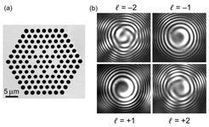
Photonic crystal fibers (PCF) are strands of glass, not much thicker than a human hair, with a lattice of hollow channels running along the fiber. If they are continuously twisted in their production, they resemble a multi-helix. Twisted PCFs show some amazing features, from circular birefringence to conservation of the angular momentum. The biggest surprise, however, is the robust light guidance itself, with no visible fiber core. The basis for this are forces which, like gravitation, are based on the curvature of space.
The discovery of the largest timing irregularity yet observed in a pulsar is the first confirmation that pulsars in binary systems exhibit the strange phenomenon known as a ‘glitch’. The study is published in the journal Monthly Notices of the Royal Astronomical Society.
Pulsars are one possible result of the final stages of evolution of massive stars. Such stars end their lives in hugesupernova explosions, ejecting their stellar materials outwards into space and leaving behind an extremely dense and compact object; this could either be a white dwarf, a neutron star or a black hole.
If a neutron star is left, it may have a very strong magnetic field and rotate extremely quickly, emitting a beam of light that can be observed when the beam points towards Earth, in much the same way as a lighthouse beam sweeping past an observer. To the observer on Earth, it looks as though the star is emitting pulses of light, hence the name ‘pulsar’.
Now a group of scientists from the Middle East Technical University and Başkent University in Turkey have discovered a sudden change in the rotation speed of the peculiar pulsar SXP 1062. These jumps in frequency, known as ‘glitches’, are commonly seen in isolated pulsars, but have so far never been observed in binary pulsars (pulsars orbiting with a companion white dwarf or neutron star) such as SXP 1062.
SXP 1062 is located in the Small Magellanic Cloud, a satellite galaxy of our own Milky Way galaxy, and one of our nearest intergalactic neighbours at 200,000 light years away. Lead author of the study, Mr M. Miraç Serim, a senior PhD student working under the supervision of Prof Altan Baykal, said, “This pulsar is particularly interesting, since as well as orbiting its partner star as part of a binary pair, it is also still surrounded by the remnants of the supernova explosion which created it.”
The pulsar is thought to pull in the leftover material from the supernova explosion, feeding on it in a process known as accretion. The team believe that the size of the glitch is due to the gravitational influence of its companion star and this accretion of the surrounding remnant material, which together exert large forces on the crust of the neutron star. When these forces are no longer sustainable, a rapid change in internal structure transfers momentum to the crust, changing the rotation of the pulsar very suddenly and producing a glitch.
“The fractional frequency jump observed during this glitch is the largest, and is unique to this particular pulsar”, commented Dr Şeyda Şahiner, a co-author of the study. “The size of the glitch indicates that the interiors of neutron stars in binary systems may be quite different to the interiors of isolated neutron stars.”
This work was initially presented in 2017 at the European Week of Astronomy and Space Science, which will be held next year in Liverpool jointly with the UK National Astronomy Meeting. The work will be followed up with NASA’s Neutron Star Interior Composition Explorer (NICER) mission, launched in June this year – the team hope that the finding may lead to a better understanding of the interior of the neutron stars, putting new constraints on the neutron star equation of state.
As more people live into their 80s and 90s, researchers have delved into the issues of health and quality of life during aging. A recent mouse study at the UC Davis School of Veterinary Medicine sheds light on those questions by demonstrating that a high-fat, or ketogenic, diet not only increases longevity, but improves physical strength.
“The results surprised me a little,” said nutritionist Jon Ramsey, senior author of the paper that appears in the September issue of Cell Metabolism. “We expected some differences, but I was impressed by the magnitude we observed — a 13 percent increase in median life span for the mice on a high-fat versus high-carb diet. In humans, that would be seven to 10 years. But equally important, those mice retained quality of health in later life.”
Ramsey has spent the past 20 years looking at the mechanics that lead to aging, a contributing factor to most major diseases that impact rodents and humans alike. While calorie restriction has been shown in several studies to slow aging in many animals, Ramsey was interested in how a high-fat diet may impact the aging process.
Ketogenic diets have gained popularity for a variety of health benefit claims, but scientists are still teasing out what happens during ketosis, when carbohydrate intake is so low that the body shifts from using glucose as the main fuel source to fat burning and producing ketones for energy.
Rochester Institute of Technology researchers helped pinpoint the precise location of a gravitational wave signal -- and the black hole merger that produced it -- detected by gravitational wave observatories in the United States and in Europe.
For the first time, LIGO and the French-Italian Virgo were used to triangulate the position in the universe where the binary black hole merger occurred 1.8 billion years ago. The black holes are 25 and 31 times the mass of the sun before the collision and 53 times the sun mass after, when a merged black hole formed.
The signal was detected on Aug. 14 by the LIGO detectors in Louisiana and Washington and the Virgo detector near Pisa, Italy. The findings were announced today in a news conference in Turin, Italy, and will appear inPhysics Review Letters.
The addition of the third observatory has widened the window on the universe, said RIT professor Carlos Lousto. "We now can pinpoint where those black holes collided in the universe with 10 times higher precision than we had with only two detectors," Lousto said. "Astronomers can look more accurately toward this direction in sky with conventional telescopes to see if there is an electromagnetic counterpart to such cosmic collisions."
John Whelan, RIT associate professor and the principal investigator of RIT's LIGO group, said, "Our Virgo colleagues, who have been collaborating on the analysis since our first joint initial detector runs 10 years ago, have now joined the advanced detector network. We now have, for the first time, three advanced gravitational wave detectors observing together."
Richard O'Shaughnessy, RIT assistant professor, adds that, "with Virgo, we can now reliably point to where a gravitational wave signal came from. We can tell astronomers when and where to point their telescopes."
Scientists will gain a deeper understanding of astrophysical phenomena by combining gravitational wave astronomy with traditional methods using the electromagnetic spectrum.
Virgo has joined in on the fun. Astronomers say they have detected another set of gravitational waves — ripples in the fabric of space and time traveling throughout the Universe. It’s the fourth time this phenomenon has been measured by the scientists at LIGO, or the Laser Interferometer Gravitational-Wave Observatory. The same group made history by detecting the first wave signals early last year. While such detections seem to be routine now, this latest discovery is unique since it was also picked up by a separate non-LIGO observatory.
LIGO, which is funded by the National Science Foundation, has two observatories in Washington and Louisiana dedicated to measuring gravitational waves. But in Italy, there’s another European-run observatory called Virgo, which is virtually the same as the LIGO facilities. On August 14th, Virgo detected its first gravitational wave signal — along with the LIGO observatories — from a pair of black holes violently merging over a billion light-years away.
All of LIGO’s previous detections have stemmed from merging black holes, too, but this is the first time a merger was seen by all three observatories at once. A paper about the latest discovery has been accepted for publication in the journal Physical Review Letters.
The answer provide clues for developing better drugs to fight pain and addiction.
Don’t let their appearance fool you: Thimble-sized, dappled in cheerful colors and squishy, poison frogs in fact harbor some of the most potent neurotoxins we know. With a new paper published in the journal Science, scientists are a step closer to resolving a related head-scratcher — how do these frogs keep from poisoning themselves? And the answer has potential consequences for the fight against pain and addiction.
The new research, led by scientists at The University of Texas at Austin, answers this question for a subgroup of poison frogs that use the toxin epibatidine. To keep predators from eating them, the frogs use the toxin, which binds to receptors in an animal’s nervous system and can cause hypertension, seizures, and even death. The researchers discovered that a small genetic mutation in the frogs — a change in just three of the 2,500 amino acids that make up the receptor — prevents the toxin from acting on the frogs’ own receptors, making them resistant to its lethal effects. Not only that, but precisely the same change appeared independently three times in the evolution of these frogs.
Mayflies are an indicator species for clean streams and rivers. Most mayflies lay their eggs immediately after mating and the eggs then take anywhere from 10 days to many months to hatch. Cloeon cognatum is an exception because it is ovoviviparous, which means that a mated female holds her eggs internally until embryonic development is complete (about 18 days), after which she lays them in water and they hatch immediately. This female was dropped onto the water surface moments before the video started
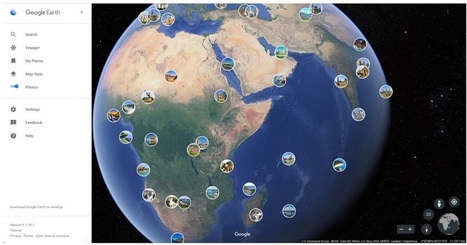
While Google Street View and Google Earth already give us a good view of whichever place we want to take a look at almost anywhere in the world, there is also nothing like seeing those places through the lens of another person who is actually there or who have been there. Google Earth now includes a global map of crowdsourced photos which you can consult when making travel plans, doing research for school, or just dreaming about another place far away from your home.
Nanotechnology that continuously creates DNA-based records of nearby features in molecular complexes, allowing for their computational reconstruction.
Researchers are constantly expanding their arsenal of methods to decipher the spatial organization of biological structures. Using microscopes, they can now visualize individual macromolecular components within DNA, protein, or other complexes. However, this resolution typically requires sophisticated equipment applied to specially-processed samples, and it is difficult to simultaneously watch many types of molecules, especially at high density and throughput, or dynamic interactions.
Circumventing the need for expensive microscopes, some recent biochemical approaches attach barcoded DNA probes to molecular targets and then fuse those in nearby pairs together, often by DNA ligation. These DNA “records” are later read out for analysis. Because these methods destroy the DNA probes in the process of pairing, however, the information acquired from each molecular target cannot include more than one interaction, neither multiple at once nor one changing over time. Such methods can severely limit the quality of any subsequent computational reconstruction, and make reconstruction of individual complexes impossible.
To overcome these limitations, a team at Harvard’s Wyss Institute of Biologically Inspired Engineering led by Core Faculty member Peng Yin, Ph.D., has now developed a DNA nanotechnology-based method that allows for repeated, non-destructive recording of uniquely barcoded molecular pairings, rendering a detailed view of their components and geometries. In the future, the approach could help researchers understand how changes in molecular complexes control biological processes in living cells. The study is published in Nature Communications.
A low level of atmospheric oxygen in Earth's middle ages held back evolution for 2 billion years, raising fresh questions about the origins of life on this planet. New research by the University of Exeter explains how oxygen was trapped at such low levels.
Professor Tim Lenton and Dr Stuart Daines of the University of Exeter Geography department, created a computer model to explain how oxygen stabilised at low levels and failed to rise any further, despite oxygen already being produced by early photosynthesis. Their research helps explain why the 'great oxidation event', which introduced oxygen into the atmosphere around 2.4 billion years ago, did not generate modern levels of oxygen.
In their paper, published in Nature Communications, Atmospheric oxygen regulation at low Proterozoic levels by incomplete oxidative weathering of sedimentary organic carbon, the University of Exeter scientists explain how organic material -- the dead bodies of simple lifeforms -- accumulated in the earth's sedimentary rocks. After the Great Oxidation, and once plate tectonics pushed these sediments to the surface, they reacted with oxygen in the atmosphere for the first time.
The more oxygen in the atmosphere, the faster it reacted with this organic material, creating a regulatory mechanism whereby the oxygen was consumed by the sediments at the same rate at which it was produced. This mechanism broke down with the rise of land plants and a resultant doubling of global photosynthesis. The increasing concentration of oxygen in the atmosphere eventually overwhelmed the control on oxygen and meant it could finally rise to the levels we are used to today. This helped animals colonize the land, leading eventually to the evolution of humankind.
The model suggests atmospheric oxygen was likely at around 10% of present day levels during the two billion years following the Great Oxidation Event, and no lower than 1% of the oxygen levels we know today.
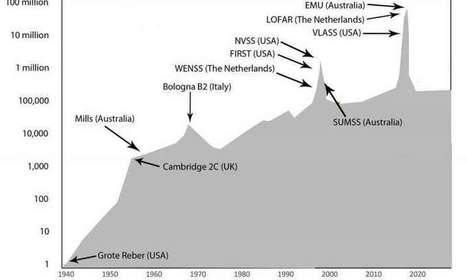
Radio astronomy is undergoing a major boost, with new technology gathering data on objects in our universe faster than astronomers can analyze.
A good review of the state of radio astronomy is published in Nature Astronomy. Over the next few years, we will see the universe in a very different light, and we are likely to make completely unexpected discoveries. Radio telescopes view the sky using radio waves and mainly see jets of electrons traveling at the speed of light, propelled by super-massive black holes. That gives a very different view to the one we see when observing a clear night sky using visible light, which mainly sees light from stars.
Scientists at The University of Manchester have created the world’s first ‘molecular robot’ that is capable of performing basic tasks including building other molecules. The tiny robots, which are a millionth of a millimeter in size, can be programmed to move and build molecular cargo, using a tiny robotic arm.
Each individual robot is capable of manipulating a single molecule and is made up of just 150 carbon, hydrogen, oxygen and nitrogen atoms. To put that size into context, a billion billion of these robots piled on top of each other would still only be the same size as a single grain of salt.
The robots operate by carrying out chemical reactions in special solutions which can then be controlled and programmed by scientists to perform the basic tasks.
In the future such robots could be used for medical purposes, advanced manufacturing processes and even building molecular factories and assembly lines. The research will be published in Nature today (21st September 2017).
Professor David Leigh, who led the research at University’s School of Chemistry, explains: ‘All matter is made up of atoms and these are the basic building blocks that form molecules. Our robot is literally a molecular robot constructed of atoms just like you can build a very simple robot out of Lego bricks. The robot then responds to a series of simple commands that are programmed with chemical inputs by a scientist.
Professor Leigh explains: "Molecular robotics represents the ultimate in the miniaturisation of machinery. Our aim is to design and make the smallest machines possible. This is just the start but we anticipate that within 10 to 20 years molecular robots will begin to be used to build molecules and materials on assembly lines in molecular."
Over the past half-century, scientists have shaved silicon films down to just a wisp of atoms in pursuit of smaller, faster electronics.
A study led by UChicago researchers, published Sept. 20, 2017 in Nature, describes an innovative method to make stacks of semiconductors just a few atoms thick. The technique offers scientists and engineers a simple, cost-effective method to make thin, uniform layers of these materials, which could expand capabilities for devices from solar cells to cell phones.
Stacking thin layers of materials offers a range of possibilities for making electronic devices with unique properties. But manufacturing such films is a delicate process, with little room for error.
Two new computational tools, MSMuTect and MSMutSig, could help reveal how often mutations in common DNA features called microsatellites appear in, and contribute to, cancer.
Microsatellites — long stretches of short DNA repeats, such as TCGTCGTCG or ACACAC over and over — are common throughout the genome, both within and outside of genes. Researchers have linked inherited insertion and deletion mutations (also called “indels”) in microsatellites to more than 40 inherited diseases, and clinical labs routinely test for spontaneous or acquired (a.k.a. somatic) indels in certain kinds of cancer. However, technical challenges have stymied efforts to use genome sequencing to systematically catalog cancer-relevant somatic microsatellite indel mutations.
In Nature Biotechnology, a team of researchers led by Yosef Maruvka and Gad Getz of the Broad Institute’s Cancer Genome Computational Analysis group and Massachusetts General Hospital’s Center for Cancer Research and Department of Pathology reveal two computational tools for detecting microsatellite indels in sequencing data from tumor cells. Dubbed MSMuTect and MSMutSig, the tools use statistical approaches to respectively a) identify microsatellite indels, and b) highlight genes harboring more of them than would be expected by chance.
Maruvka, Getz, and their collaborators tested the tools using whole exome sequence data from 6,747 tumors — representing 20 kinds of cancer — and matched normal tissues analyzed by The Cancer Genome Atlas. The two tools revealed more than 1,000 previously undescribed somatic microsatellite indels, as well as potential cancer-promoting indel “hotspots” within seven genes, including three not previously thought of as cancer drivers.
In addition, the team found that with MSMuTect they could correctly classify tumors based on their level of microsatellite instability (that is, a tumor’s predisposition to developing microsatellite indels) — a feature of potential clinical importance.
MSMutTect and MSMutSig add to a large and still-growing sequence analysis toolkitdeveloped by Getz and his colleagues for detecting and describing somatic mutations and other variations in cancer sequence data, including the original MutSig and MuTect(for characterizing point mutations), MutSigCV (which incorporates gene expression and other data to increase MutSig’s accuracy), ABSOLUTE (for measuring a tumor sample’s purity and looking for evidence of abnormal numbers of chromosomes), and GISTIC (for hunting down genomic regions with significant copy number alterations).
The new hypothesis doesn’t rely on the “unlikely coincidences” that underpin other theories explaining primordial black holes.
UCLA physicists have proposed new theories for how the universe's first black holes might have formed and the role they might play in the production of heavy elements such as gold, platinum and uranium. Two papers on their work were published in the journal Physical Review Letters.
A long-standing question in astrophysics is whether the universe's very first black holes came into existence less than a second after the Big Bang or whether they formed only millions of years later during the deaths of the earliest stars.
Alexander Kusenko, a UCLA professor of physics, and Eric Cotner, a UCLA graduate student, developed a compellingly simple new theory suggesting that black holes could have formed very shortly after the Big Bang, long before stars began to shine. Astronomers have previously suggested that these so-called primordial black holes could account for all or some of the universe's mysterious dark matter and that they might have seeded the formation of supermassive black holes that exist at the centers of galaxies. The new theory proposes that primordial black holes might help create many of the heavier elements found in nature.
The researchers began by considering that a uniform field of energy pervaded the universe shortly after the Big Bang. Scientists expect that such fields existed in the distant past. After the universe rapidly expanded, this energy field would have separated into clumps. Gravity would cause these clumps to attract one another and merge together. The UCLA researchers proposed that some small fraction of these growing clumps became dense enough to become black holes.
Their hypothesis is fairly generic, Kusenko said, and it doesn't rely on what he called the "unlikely coincidences" that underpin other theories explaining primordial black holes. The paper suggests that it's possible to search for these primordial black holes using astronomical observations. One method involves measuring the very tiny changes in a star's brightness that result from the gravitational effects of a primordial black hole passing between Earth and that star. Earlier this year, U.S. and Japanese astronomers published a paper on their discovery of one star in a nearby galaxy that brightened and dimmed precisely as if a primordial black hole was passing in front of it.
To get content containing either thought or leadership enter:
To get content containing both thought and leadership enter:
To get content containing the expression thought leadership enter:
You can enter several keywords and you can refine them whenever you want. Our suggestion engine uses more signals but entering a few keywords here will rapidly give you great content to curate.


 Your new post is loading...