Your new post is loading...
A murmuration of starlings. The phrase reads like something from literature or the title of an arthouse film. In fact, it is meant to describe the phenomenon that results when hundreds, sometimes thousands, of these birds fly in swooping, intricately coordinated patterns through the sky.
Or in more technical terms, flocking. But birds are not the only creatures that flock. Such behavior also takes place on a microscopic scale, such as when bacteria roam the folds of the gut. Yet bird or bacteria, all flocking has one prerequisite: The form of the entity must be elongated with a "head" and "tail" to align and move with neighbors in an ordered state. Physicists study flocking to better understand dynamic organization at various scales, often as a way to expand their knowledge of the rapidly developing field of active matter. Case in point is a new analysis by a group of theoretical physicists, including Mark Bowick, deputy director of UC Santa Barbara's Kavli Institute for Theoretical Physics (KITP). Generalizing the standard model of flocking motion to the curved surface of a sphere rather than the usual linear plane or flat three-dimensional space, Bowick's team found that instead of spreading out uniformly over the whole sphere, arrowlike agents spontaneously order into circular bands centered on the equator. The team's findings appear in the journal Physical Review X.
Via Mariaschnee
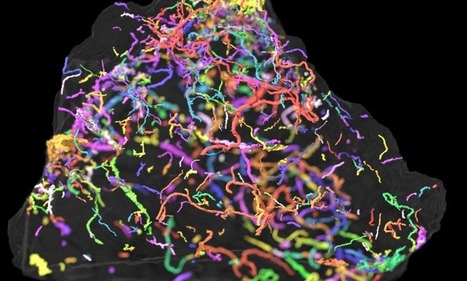
Scientists have discovered traces of life more than half-a-billion years old that could change the way we think about how all animals evolved on Earth. The international team, including palaeontologist from The University of Manchester, found a new set of trace fossils left by some of the first ever organisms capable of active movement. Trace fossils are the tracks and burrows left by living organisms, not physical remains such as bones or body parts. The fossils were discovered in sediment in the Corumbá region of western Brazil, near the border with Bolivia. The burrows measure from under 50 to 600 micrometers or microns (μm) in diameter, meaning the creatures that made them were similar in size to a human hair which can range from 40 to 300 microns in width. One micrometer is just one thousandth of a millimeter. Dr Russell Garwood, from Manchester's School of Earth and Environmental Sciences, said: 'This is an especially exciting find due to the age of the rocks - these fossils are found in rock layers which actually pre-date the oldest fossils of complex animals - at least that is what all current fossil records would suggest.' The fossils found date back to a geological and evolutionary period known as the Ediacaran-Cambrian transition. This was when the Ediacaran Period, which spanned 94 million years from the end of the Cryogenian Period, 635 million years ago, moved into the Cambrian Period around 541 million years ago. To put that into context, dinosaurs lived between 230 and 65 million years ago in the Mesozoic Era.
Via Mariaschnee

|
Scooped by
Dr. Stefan Gruenwald
September 11, 2017 2:23 PM
|
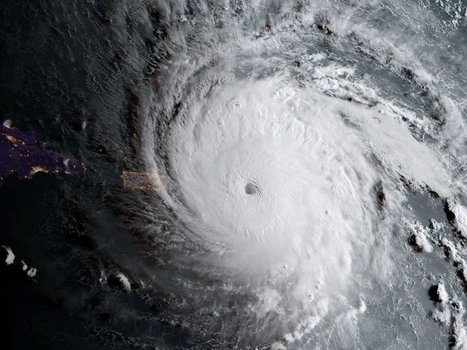
This year we saw three, but what's the limit? The satellite pictures were a startling sight. As Hurricane Irma barreled toward Florida last week and Hurricane Katia hammered the Mexican coast, Hurricane Jose was waiting in the wings. All at once, three storms gathered strength and grew fiercer. Seeing a trio of powerful hurricanes simultaneously made a lot of people wonder: Just how many hurricanes can the Atlantic harbor at once? To try to find an answer, we asked Dr. Anand Gnanadesikan, a climate modeler and professor of Earth and planetary sciences at the Krieger School of Arts and Sciences. According to Gnanadesikan, the number of storms in the Atlantic depends on two main factors. The first is whether or not conditions are favorable to the development of tropical cyclones. The second thing you need is a spark—"seed" storms that, under the right circumstances, are supercharged into hurricanes. These low-pressure systems sometimes self-organize; other times hurricanes-to-be trace their roots eastward to Africa. Gnanadesikan explains that there's a limit to how many of these seeds can exist, because if they get too close to one another they can become unstable. They generally form a few thousand kilometers apart, which means there's limited space. Gnanadesikan says: "So a question one could ask is, 'How many seeds might one find in the Atlantic and how likely is it that they will all grow?'" Using NOAA's HURDAT2 database, which contains data from as far back as 1851, Gnanadesikan found that any time one tropical cyclone is present in the Atlantic, there's historically about a 20 percent chance that a second seed will level up into a cyclone. The odds of a third seed ascending are roughly the same—20 percent of the those two-storms situations. This diminishing trend probably leads to a three-cyclone situation in about four percent of records, a number Gnanadesikan says was higher than expected, but also includes many cyclones which never made landfall. By the time you get to four or more cyclones at one, that level is found in only about 340 records—less than one percent. At about four simultaneous storms, Gnanadesikan says, "you might start running out of seeds."
|
|
Scooped by
Dr. Stefan Gruenwald
September 10, 2017 4:09 PM
|
One of the biggest challenges with swarms of robots is manufacturing and deploying the swarm itself. Even if the robots are relatively small and relatively simple, you’re still dealing with a whole bunch of them, and every step in building the robots or letting them loose is multiplied over the entire number of bots in the swarm. If you’ve got more than a few robots to handle, it starts to get all kinds of tedious. The dream for swarm robotics is to be able to do away with all of that, and just push a button and have your swarm somehow magically appear. We’re not there yet, but we’re getting close: At IROS this month, researchers from the Wyss Institute for Biologically Inspired Engineering at Harvard presented a paper demonstrating an autonomous collective robotic swarm that can be manufactured in a single flat composite sheet. On command, they’ll rip themselves apart from each other, fold themselves up into origami structures, and head off on a mission en masse. The process works like this: There are four robots in this sheet, and they’re pretty darn near two dimensional. Want more robots? No problem, just make the sheet bigger. The sheet itself consists of six layers, which are all automatically laser machined: A pre-stretched polystyrene, or PSPS, layer (a kind of shape-memory polymer) in the center, sandwiched between layers of copper circuits etched into polyimide sheets, with paper substrates for support. The PSPS is the magical stuff: When heated above 100° C (which can be done by running a 2.5-ampere current through the copper circuitry), it shrinks, which is what powers the robots’ self-folding behaviors. Otherwise, each robot consists of some discrete electrical components that have to be placed by hand, but according to co-author Michael Tolley, “we foresee straightforward ways to automate these steps.” Self-folding robots that use shape-memory polymers have been done before, but the challenge with them is to accurately control the folding. To address that issue, the Harvard researchers came up with a clever feedback-controlled assembly technique by using phototransistors and infrared LEDs to precisely measure the fold angles, “greatly improving the repeatability of self-folding,” says Tolley, who now leads UC San Diego’s Bioinspired Robotics and Design Lab. The final thing that sets these self-folding bots apart is their ability to go from a single continuous sheet to a swarm of discrete robots. Self-folding joints that are designed to prevent folding causes the PSPS to instead rip itself apart, allowing each robot to split off by itself, where its vibration motors can help it buzz along flat surfaces seeking sources of light.
|
|
Scooped by
Dr. Stefan Gruenwald
September 10, 2017 3:46 PM
|
Columbia Engineering researchers have taken a key step toward atomically precise, reproducible transistors made from single molecules and operating at room temperature — a major goal in the field of molecular electronics. The team created a two-terminal transistor with a diameter of about 0.5 nanometers and core consisting of just 14 atoms. The device can reliably switch from insulator to conductor when charge is added or removed, one electron at a time (known as “current blockade”). The research was published in the journal Nature Nanotechnology. “With these molecular clusters, we have complete control over their structure with atomic precision and can change the elemental composition and structure in a controllable manner to elicit certain electrical response,” says Latha Venkataraman, leader of the Columbia research team. The researchers plan to design improved molecular cluster systems with better electrical performance (such as higher on/off current ratio and different accessible states) and increase the number of atoms in the cluster core, while maintaining the atomic precision and uniformity of the compound. Other studies have created quantum dots to produce similar effects, but the dots are much larger and not uniform in size, and the results have not been reproducible. The ultimate size reduction would be single-atom transistors, but they require ultra-cold temperatures (minus 196 degrees Celsius in this case, for example).
|
|
Scooped by
Dr. Stefan Gruenwald
September 9, 2017 12:53 PM
|
A group of scientists from Queen's University Belfast and the Max Planck Institute for solar system Research in Germany have turned exoplanet-hunting on its head, in a study that instead looks at how an alien observer might be able to detect Earth using our own methods. They find that at least nine exoplanets are ideally placed to observe transits of Earth, in a new work published in the journal Monthly Notices of the Royal Astronomical Society. Thanks to facilities and missions such as SuperWASP and Kepler, we have now discovered thousands of planets orbiting stars other than our sun, worlds known as 'exoplanets'. The vast majority of these are found when the planets cross in front of their host stars in what are known as 'transits', which allow astronomers to see light from the host star dim slightly at regular intervals every time the planet passes between us and the distant star. In the new study, the authors reverse this concept and ask, "How would an alien observer see the solar system?" They identified parts of the distant sky from where various planets in our solar system could be seen to pass in front of the sun – so-called 'transit zones'—concluding that the terrestrial planets (Mercury, Venus, Earth, and Mars) are actually much more likely to be spotted than the more distant 'Jovian' planets (Jupiter, Saturn, Uranus, and Neptune), despite their much larger size. "Larger planets would naturally block out more light as they pass in front of their star", commented lead author Robert Wells, a PhD student at Queen's University Belfast. "However the more important factor is actually how close the planet is to its parent star – since the terrestrial planets are much closer to the sun than the gas giants, they'll be more likely to be seen in transit."
|
|
Scooped by
Dr. Stefan Gruenwald
September 9, 2017 12:43 PM
|
Physicists have developed a memory that can store photons. These quantum particles travel at the speed of light and are thus suitable for high-speed data transfer. The researchers were able to store them in an atomic vapor and read them out again later without altering their quantum mechanical properties too much. This memory technology is simple and fast and it could find application in a future quantum Internet.The journal Physical Review Letters has published the results ("Simple Atomic Quantum Memory Suitable for Semiconductor Quantum Dot Single Photons").
|
|
Scooped by
Dr. Stefan Gruenwald
September 8, 2017 3:54 PM
|
A new technique that uses the artificial intelligence methods of machine learning and deep learning is able to create 3-D shapes from 2-D images, such as photographs, and is even able to create new, never-before-seen shapes. Karthik Ramani, Purdue's Donald W. Feddersen Professor of Mechanical Engineering, says that the "magical" capability of AI deep learning is that it is able to learn abstractly. "If you show it hundreds of thousands of shapes of something such as a car, if you then show it a 2-D image of a car, it can reconstruct that model in 3-D," he says. "It can even take two 2-D images and create a 3-D shape between the two, which we call 'hallucination.'" When fully developed, this method, called SurfNet, could have significant applications in the fields of 3-D searches on the Internet, as well as helping robotics and autonomous vehicles better understand their surroundings. Perhaps most exciting, however, is that the technique could be used to create 3-D content for virtual reality and augmented reality by simply using standard 2-D photos. "You can imagine a movie camera that is taking pictures in 2-D, but in the virtual reality world everything is appearing magically in 3-D," Ramani says. "Inch-by-inch we are going there, and in the next five years something like this is going to happen.
|
|
Scooped by
Dr. Stefan Gruenwald
September 8, 2017 3:48 PM
|
TRAPPIST-1 is an ultracool dwarf star in the constellation Aquarius, 38.8 light-years away. It is barely larger than Jupiter and has just 8% of our Sun’s mass. It is rapidly spinning and generates energetic flares of ultraviolet (UV) radiation. This dwarf star is host to seven transiting planets, named TRAPPIST-1b, c, d, e, f, g and h. All these planets are similar in size to Earth and Venus, or slightly smaller, and have very short orbital periods. They are likely all tidally locked, meaning the same face of the planet is always pointed at the star, as the same side of the Moon is always pointed at Earth. This creates a perpetual night side and perpetual day side on each TRAPPIST-1 planet. TRAPPIST-1e, f and g lay in the star’s habitable zone, meaning they may harbor suitable conditions for life. Following up on the discovery, Dr. Vincent Bourrier of the Geneva Observatory and colleagues used Hubble’s Space Telescope Imaging Spectrograph to study the amount of UV radiation received by TRAPPIST-1 planets. “UV radiation is an important factor in the atmospheric evolution of planets. As in Earth’s atmosphere, where UV sunlight breaks molecules apart, UV starlight can break water vapor in the atmospheres of exoplanets into hydrogen and oxygen,” Dr. Bourrier said. “While lower-energy UV radiation breaks up water molecules — a process called photodissociation — UV rays with more energy (XUV radiation) and X-rays heat the upper atmosphere of a planet, which allows the products of photodissociation, hydrogen and oxygen, to escape.” “As it is very light, hydrogen gas can escape the exoplanets’ atmospheres and be detected around the exoplanets with Hubble, acting as a possible indicator of atmospheric water vapor,” Dr. Bourrier explains. The observed amount of UV radiation emitted by the TRAPPIST-1 star indeed suggests that the planets could have lost gigantic amounts of water over the course of their history. This is especially true for the innermost two planets of the system, TRAPPIST-1b and TRAPPIST-1c, which receive the largest amount of UV energy. “Our results indicate that atmospheric escape may play an important role in the evolution of these planets,” said co-author Dr. Julien de Wit, of MIT.
|
|
Rescooped by
Dr. Stefan Gruenwald
from DNA and RNA research
September 7, 2017 2:56 PM
|
In a study analyzing the genomes of 210,000 people in the United States and Britain, Columbia researchers find that the genetic variants linked to Alzheimer’s disease and heavy smoking are less frequent in people with longer lifespans, suggesting that natural selection is weeding out these unfavorable variants in both populations. Researchers further find that sets of genetic mutations that predispose people to early puberty and childbearing, heart disease, high cholesterol, obesity, and asthma, also appear less often in people who lived longer and whose genes are therefore more likely to be passed down and spread through the population. The results are published in the Sept. 5 issue of PLOS Biology. “It’s a subtle signal, but we find genetic evidence that natural selection is happening in modern human populations,” said study coauthor Joseph Pickrell, an evolutionary geneticist at Columbia and New York Genome Center. New favorable traits evolve when genetic mutations arise that offer a survival edge. As the survivors of each generation pass on those beneficial mutations, the mutations and their adaptive traits become more common in the general population. Though it may take millions of years for complex traits to evolve, say allowing humans to walk on two legs, evolution itself happens with each generation as adaptive mutations become more frequent in the population. The genomic revolution has allowed biologists to see the natural selection process in action by making the genetic blueprint of hundreds of thousands of people available for comparison. By tracking the relative rise and fall of specific mutations across generations of people, researchers can infer which traits are spreading or dwindling. The researchers analyzed the genomes of 60,000 people of European ancestry genotyped by Kaiser Permanente in California, and 150,000 people in Britain genotyped through the U.K. Biobank. To compensate for the relative lack of old people in the Biobank, the researchers used the participants’ parents age at death as a proxy as they looked for the influence of specific mutations on survival.
Via Integrated DNA Technologies
|
|
Rescooped by
Dr. Stefan Gruenwald
from DNA and RNA research
September 7, 2017 2:53 PM
|
Poison dart frogs are resistant to neurotoxin because of modified sodium channel proteins. Scientists have revealed how it is that poison dart frogs can produce and store large quantities of neurotoxin without coming to any harm themselves. The Colombian poison dart frog Phyllobates terribilis holds enough batrachotoxin (BTX) in its skin to kill more than 20,000 mice. The toxin disrupts nerve activity by jamming open sodium channels for minutes at a time, causing muscle spasms, heart disturbances and death. Indigenous hunters in South America devise blowpipe weapons by daubing darts with BTX. It turns out that this frog is protected against the toxin because of a point mutation within a single amino acid in its own version of the sodium channel protein. David Cannatella’s lab at the University of Texas, Austin, published genetic sequences from more than a dozen poison dart frogs, including the regions known to contain the BTX receptor. They identified five amino acid mutations from computational studies that could be responsible for auto-resistance to frog toxins. The authors of the new research assumed that all of these amino acids would play a role. ‘We thought that [substituting] each amino acid will perhaps give rise to an intermediate BTX-resistant phenotype,’ says Sho-Ya Wang, from the State University of New York at Albany, US. Wang and colleagues mutated the five amino acids in rat muscle sodium channels individually and in combination, but discovered just a single mutation – changing an asparagine residue to threonine – conferred resistance to the poison without altering the gating properties of the channel. This change can be achieved by swapping a single base pair in the coding DNA sequence. ’It appears that this native asparagine residue is an important part of the BTX receptor and could be a potential target site for novel pain therapeutics,’ says Wang. She adds that it is unclear why a switch from asparagine to threonine alters the BTX binding so drastically.
Via Integrated DNA Technologies
|
|
Scooped by
Dr. Stefan Gruenwald
September 7, 2017 2:48 PM
|
It is one of the great mysteries in biology: How does a cell neatly distribute its replicated DNA between two daughter cells? Condensin plays crucial roles in chromosome organization and compaction, but the mechanistic basis for its functions remained obscure, until now. A team of scientists recently used single-molecule imaging to demonstrate that eukaryotic condensin is a molecular motor capable of ATP hydrolysis-dependent translocation along double-stranded DNA. Condensin’s translocation activity is rapid and highly processive, with individual complexes traveling an average distance of ≥10 kilobases at a velocity of ~60 base pairs per second. These results suggest that condensin may take steps comparable in length to its ~50-nanometer coiled-coil subunits, suggestive of a translocation mechanism that is distinct from any reported DNA motor protein. The finding that condensin is a mechanochemical motor has important implications for understanding the mechanisms of chromosome organization and condensation. The role of condensin can sometimes be replaced by YY1.
|
|
Scooped by
Dr. Stefan Gruenwald
September 7, 2017 2:39 PM
|
A glacier crevasse has to be one of the worst places you could ever decide to fly a drone. It’s deep, dark, narrow, windy, and full of all kinds of nasty pointy bits, any one of which could collapse onto you at any time. This is also why you’d never want to enter one yourself, and why there aren’t any robots that are really able to go down into them to explore: it’s just horribly dangerous. From time to time, though, humans fall into crevasses, and then other humans have to (first) find them and then (hopefully) rescue them. Switzerland-based startup Flyability partnered with the mountain rescue team at Zermatt Glacier in the Swiss Alps to offer them the services of Gimball, which is quite possibly the only robot that doesn’t care even a little bit whether you drop it into the bowels of a glacier. The drone took its HD camera and powerful lighting system deep into the ice, and came back out alive with video to prove it. There are a bunch of other drones that come with protective cages of one sort or another, but Gimball is unique in that its protective cage is rotationally decoupled from the drone itself. This means that when the cage runs into something (like a massive ice wall), the force of the impact is absorbed by the cage and translated into rotational energy, while the drone inside remains stable and continues traveling generally in the direction that it was traveling in before. The upshot is that running into walls (or the floor or ceiling or whatever) is just not a big deal, and even untrained pilots can fly Gimball in treacherous places and still get back out in one piece.
|
Conventional electron accelerators have become an indispensable tool in modern research. The extremely bright radiation generated by synchrotrons, or free electron lasers, provides us with unique insights into matter at the atomic level. But even the smallest versions of these super microscopes are the size of a soccer field. Laser plasma acceleration could offer an alternative: with a much smaller footprint and much higher peak currents it could be the basis for the next generation of compact light sources. So far, the challenge with laser accelerators has been to create a reliable and stable electron beam, which is the prerequisite for possible applications. Physicists at the Helmholtz-Zentrum Dresden-Rossendorf (HZDR) have now developed a method to increase both beam stability and quality. The basic principle of laser acceleration seems quite simple: A bundled, ultra-strong laser beam hits a trace of gas, which instantly creates plasma - an ionized state of matter or, in other words, a whirling mix of charged particles. The power of the light pulse pushes electrons away from their parent ions, creating a sort of bubble-like structure with a strong electric field in the plasma. This field, which the laser pulse drags behind itself like a stern wave, traps the electrons, accelerating them to nearly the speed of light. "These speedy particles allow us to generate x-rays," Dr. Arie Irman from the HZDR Institute of Radiation Physics explains the purpose of the procedure. "For instance, when we make these electron bundles collide with another laser beam, the impact generates bright, ultra-short x-ray flashes - an immensely valuable research tool for examining extreme states of matter." The strength of the secondary radiation greatly depends on the particles' electrical current. The current, in turn, is mostly determined by the number of electrons fed into the process. Laser-powered acceleration therefore holds great potential, because it reaches significantly higher peak currents in comparison with the conventional method. However, as physicist Jurjen Pieter Couperus points out, the so-called beam loading effect kicks in: "These higher currents create an electric self-field strong enough to superimpose and disturb the laser-driven wave, distorting thereby the beam. The bundle is stretched out and not accelerated properly. The electrons therefore have different energies and quality levels." But in order to use them as a tool for other experiments, each beam must have the same parameters. "The electrons have to be in the right place at the right time," summarizes Couperus, who is a Ph.D. candidate in Irman's team. Together with other colleagues at the HZDR, the two researchers were the first to demonstrate how the beam loading effect can be exploited for improved beam quality. They add a bit of nitrogen to the helium at which the laser beam is usually directed. "We can control the number of electrons we feed into the process by changing the concentration of the nitrogen," Irman explains. "In our experiments, we found out that conditions are ideal at a charge of about 300 picocoulomb. Any deviation from it - if we add more or fewer electrons to the wave - results in a broader spread of energy, which impairs beam quality."
Via Mariaschnee
Astronomers found that active star formation upswells galaxies, like yeast helps bread rise. Using three powerful telescopes on the ground and in orbit, they observed galaxies from 11 billion years ago and found explosive formation of stars in the cores of galaxies. This suggests that galaxies can change their own shape without interaction with other galaxies. "Massive elliptical galaxies are believed to be formed from collisions of disk galaxies," said Ken-ichi Tadaki, the lead author of two research papers and a postdoctoral researcher at the National Astronomical Observatory of Japan (NAOJ). "But, it is uncertain whether all the elliptical galaxies have experienced galaxy collision. There may be an alternative path." Aiming to understand galactic metamorphosis, the international team explored distant galaxies 11 billion light-years away. Because it takes time for the light from distant objects to reach us, by observing galaxies 11 billion light-years away, the team can see what the Universe looked like 11 billion years ago, 3 billion years after the Big Bang. This corresponds the peak epoch of galaxy formation; the foundations of most galaxies were formed in this epoch. Receiving faint light which has travelled 11 billion years is tough work. The team harnessed the power of three telescopes to anatomize the ancient galaxies. First, they used NAOJ's 8.2-m Subaru Telescope in Hawai`i and picked out 25 galaxies in this epoch. Then they targeted the galaxies for observations with NASA/ESA's Hubble Space Telescope (HST) and the Atacama Large Millimeter/submillimeter Array (ALMA). The astronomers used HST to capture the light from stars which tells us the "current" (as of when the light was emitted, 11 billion years ago) shape of the galaxies, while ALMA observed submillimeter waves from cold clouds of gas and dust, where new stars are being formed. By combining the two, we know the shapes of the galaxies 11 billion years ago and how they are evolving. Thanks to their high resolution, HST and ALMA could illustrate the metamorphosis of the galaxies. With HST images the team found that a disk component dominates the galaxies. Meanwhile, the ALMA images show that there is a massive reservoir of gas and dust, the material of stars, so that stars are forming very actively. The star formation activity is so high that huge numbers of stars will be formed at the centers of the galaxies. This leads the astronomers to think that ultimately the galaxies will be dominated by the stellar bulge and become elliptical or lenticular galaxies.
Via Mariaschnee
|
|
Scooped by
Dr. Stefan Gruenwald
September 10, 2017 4:45 PM
|
We know how damaging and costly, in many ways, such natural phenomena can be — but the devastation is not surprising, once you know how much energy is involved, says astrophysicist Marcelo Gleiser. America seems to be a magnet for devastating hurricanes these days. This year, Harvey came out strong with its horrific toll on parts of Texas and Louisiana. Now Irma, downgraded slightly Friday morning to a Category 4 storm from its most recent days as a Category 5, has left destruction in its wake as it plows through the Caribbean and Cuba — and is on path to hit Florida Sunday morning. It's too early to know if this will be a particularly bad year, as the average number of major hurricanes in the U.S. per decade is roughly six. But averages, important as they are, mean little to those who have to brace for impact. We know how damaging such natural phenomenon can be — and how costly, at many levels, from emotional loss to rebuilding costs in the billions of dollars. The devastation is not surprising, once you know how much energy is involved. Consider this: In one day, an average hurricane releases as much energy as half a million atomic bombs, a force to be reckoned with. When the sun heats an ocean to more than 82 degrees, moist hot air rises up meeting cooler air — creating thunderstorms. Upper-level winds and surface winds come together, forming a circular pattern called a tropical depression. Why circular? See below. Then, when the winds reach 74 miles per hour, a hurricane forms, sometimes as wide as 500 miles in diameter, nearly the size of Texas, reaching heights of nine miles. This short National Geographic info-video is a good introduction to hurricanes. Remarkably, hurricanes spin counter-clockwise in the Northern Hemisphere and clockwise in the Southern hemisphere. This differential spinning is due to Earth's rotation. If the Earth didn't rotate, winds of up to 300 miles per hour would howl from the poles to the Equator and back. But Earth's spin, and because the equatorial regions spin a bit faster than the regions at higher and lower latitudes, affects the air currents due to what is known as the Coriolis effect. In the first half of the 19th century, French engineer and mathematician Gustave Gaspard Coriolis proposed it as an explanation as to how the motion of objects is affected when they are on a rotating basis or reference frame, like the spinning Earth or a merry-go-round. Think of the Earth as a big ball rotating from West to East. So, if you are looking at it from the top, it will rotate counter-clockwise. Air currents near the equator get pushed a bit faster than those closer to the poles, with those above the Equator getting pushed to the right and those below it to the left. It is this pushing that causes hurricanes in the North to rotate counter-clockwise and those in the South, clockwise. This also explains why hurricanes don't cross the equator, as the Coriolis effect there is too weak to get the air spinning fast enough.
|
|
Scooped by
Dr. Stefan Gruenwald
September 10, 2017 3:50 PM
|
Since DNA forms basepairs in a predictable way, by cleverly designing the sequences of several strands of DNA you can coax them to self-assemble into a particular shape. Until recently, DNA origami has been constrained to two dimensional shapes like smiley faces, stars, and other things. These are entertaining, but this technology has potential applications besides aesthetic. Maybe one day we can build containers for drugs using DNA origami that carry medicine to particular cells, say chemotherapy drugs to cancer cells while sparing healthy cells from the same fate. Maybe one can take advantage of the stability of DNA by using it to build scaffolds on which tissues or whole organs can grow. These two applications clearly require taking DNA origami into three dimensions, which is just what Dongran Han and his colleagues did. In their designs they used one long piece of ssDNA, called the scaffold, and many small pieces of ssDNA, called staples. By choosing staples carefully, they were able to contort the scaffold into a desired shape. They began by building simple concentric circles in two dimensions with the scaffold weaving in and out between the rings. They then varied the parameters of their design to build three dimensional shapes with circular cross sections. They managed to build hemispheres, spheres, ellipsoids (stretched spheres), and flasks. They called their DNA flask the "nanoflask" in reference to its nanoscale size. The pictures of these shapes shown below are transmission electron micrographs in black and white and atomic force micrographs in yellow and red. Electron microscopes use a beam of electrons instead of light to focus on objects much smaller than the wavelength of visible light. Atomic force microscopes feel their way through a sample using a tiny needle tipped with a single atom.
|
|
Scooped by
Dr. Stefan Gruenwald
September 9, 2017 1:07 PM
|
Scientists discover the oldest homo sapiens fossils at Jebel Irhoud, Morocco An international research team led by Jean-Jacques Hublin of the Max Planck Institute for Evolutionary Anthropology (Leipzig, Germany) and Abdelouahed Ben-Ncer of the National Institute for Archaeology and Heritage (INSAP, Rabat, Morocco) uncovered fossil bones of Homo sapiens along with stone tools and animal bones at Jebel Irhoud, Morocco. The finds are dated to about 300 thousand years ago and represent the oldest securely dated fossil evidence of our own species. This date is 100 thousand years earlier than the previous oldest Homo sapiens fossils. The discoveries reported in two papers in the June 8th issue of the journal Nature by Hublin et al. and by Richter et al. reveal a complex evolutionary history of mankind that likely involved the entire African continent. Both genetic data of present day humans and fossil remains point to an African origin of our own species, Homo sapiens. Previously, the oldest securely datedHomo sapiens fossils were known from the site of Omo Kibish in Ethiopia, dated to 195 thousand years ago. At Herto, also in Ethiopia, a Homo sapiens fossil is dated to 160 thousand years ago. Until now, most researchers believed that all humans living today descended from a population that lived in East Africa around 200 thousand years ago. "We used to think that there was a cradle of mankind 200 thousand years ago in east Africa, but our new data reveal that Homo sapiensspread across the entire African continent around 300 thousand years ago. Long before the out-of-Africa dispersal of Homo sapiens, there was dispersal within Africa," says palaeoanthropologist Jean-Jacques Hublin.
|
|
Scooped by
Dr. Stefan Gruenwald
September 9, 2017 12:50 PM
|
A trio of researchers, two with the University of Idaho, the other with Wellesley College, has found evidence suggesting that two pairs of Uranus's moons are on a collision course. Uranus is the seventh planet from the sun and the third largest. Prior research has suggested that it is, like Neptune, an ice giant (as compared to gas giants). It has also been found to have the chilliest atmosphere among all the planets in the solar system. And it has both a ring system and multiple satellites—27 in all. The satellites orbiting the planet are believed to be very low mass compared to the moons of the other planets, and some of them, according to this latest research, are on a collision course that will shatter them into small bits. The researchers report that they were studying the planet's rings, which are collectively called Eta, and discovered that they had an oddly shaped orbit—not round or even circular. Instead, they describe it as sort of triangular. More study showed that the odd orbit of the rings was due to gravitational pull from Cressida—one of the planet's moons. The gravitational impact is exaggerated, they note, due to the moon keeping pace with the orbit of the planet. The particles in the ring, on the other hand, move faster than the moon. This results in the moon tugging on the ring at as it passes by, causing the odd orbital shape. The tug exerted by the moon on the rings allowed the team to deduce its mass. They found that it is around 1/300,000th that of our own moon. Also, it has only 86 percent of the density of water, which indicates it is porous. In studying the orbits of the moons, the researchers found that Cressida is on a path that will cause it to collide with another moon called Desdemona, which currently moves in an orbit just 900 kilometers from Cressida's. The gravity of Cressida is slowly pulling them closer together and will cause them to crash into one another in approximately 1 million years. They also found the same to be true for Cupid and Belinda, which will collide sometime later.\
|
|
Scooped by
Dr. Stefan Gruenwald
September 9, 2017 12:42 PM
|
Men build dams and huge turbines to turn the energy of waterfalls and tides into electricity. To produce hydropower on a much smaller scale, Chinese scientists have now developed a lightweight power generator based on carbon nanotube fibers suitable to convert even the energy of flowing blood in blood vessels into electricity. They describe their innovation in the journal Angewandte Chemie ("A One-Dimensional Fluidic Nanogenerator with a High Power Conversion Efficiency"). For thousands of years, people have used the energy of flowing or falling water for their purposes, first to power mechanical engines such as watermills, then to generate electricity by exploiting height differences in the landscape or sea tides.Using naturally flowing water as a sustainable power source has the advantage that there are (almost) no dependencies on weather or daylight. Even flexible, minute power generators that make use of the flow of biological fluids are conceivable.How such a system could work is explained by a research team from Fudan University in Shanghai, China. Huisheng Peng and his co-workers have developed a fiber with a thickness of less than a millimeter that generates electrical power when surrounded by flowing saline solution—in a thin tube or even in a blood vessel.The construction principle of the fiber is quite simple. An ordered array of carbon nanotubes was continuously wrapped around a polymeric core. Carbon nanotubes are well known to be electroactive and mechanically stable; they can be spun and aligned in sheets. In the as-prepared electroactive threads, the carbon nanotube sheets coated the fiber core with a thickness of less than half a micron. For power generation, the thread or "fiber-shaped fluidic nanogenerator" (FFNG), as the authors call it, was connected to electrodes and immersed into flowing water or simply repeatedly dipped into a saline solution. "The electricity was derived from the relative movement between the FFNG and the solution," the scientists explained. According to the theory, an electrical double layer is created around the fiber, and then the flowing solution distorts the symmetrical charge distribution, generating an electricity gradient along the long axis.The power output efficiency of this system was high. Compared with other types of miniature energy-harvesting devices, the FFNG was reported to show a superior power conversion efficiency of more than 20%. Other advantages are elasticity, tunability, lightweight, and one-dimensionality, thus offering prospects of exciting technological applications. The FFNG can be made stretchable just by spinning the sheets around an elastic fiber substrate. If woven into fabrics, wearable electronics become thus a very interesting option for FFNG application.
|
|
Scooped by
Dr. Stefan Gruenwald
September 8, 2017 3:51 PM
|
Bosch has launched a system designed to monitor air quality in smart cities so officials can react quickly to improve the quality of life. The system, the Bosch Air Quality Micro Climate Monitoring System (MCMS), is based on Intel technology, sensors and software to measure air quality. MCMS offers microclimate data measurements for EPA pollutants, including particulate matter, carbon monoxide, carbon dioxide, nitric oxide, nitrogen dioxide, sulfur dioxide and ozone. MCMS also tracks temperature, humidity, light, sound and pressure. With the data compiled, MCMS can analyze conditions and then adjust traffic flow and change emissions at factories and industrial settings. Construction sites can also provide early warning signals based on conditions. MCMS, available now, is compact and built for rugged conditions. It includes remote monitoring via wired and wireless interfaces. Sensors can also be calibrated over the air. In addition, MCMS is based on Intel's IoT reference architecture, Wind River Helix Device Cloud, for edge devices and security tools.
|
|
Scooped by
Dr. Stefan Gruenwald
September 7, 2017 3:02 PM
|
Want to make phosphorescent ink? Dope it with some europium. A team of scientists have demonstrated for the first time an inkjet fabrication of highly efficient luminescent structures based on Eu-doped ZrO2 nanocrystals (3.4 ± 0.3 nm), with a refractive index close to the one of the bulk materials. The nanoparticles were synthesized using a non-hydrolytic method in benzyl alcohol where the particles were post treated using acetic acid, leading to the formation of a stable colloid. It was shown that the non-polar methyl group of the acetic acid is responsible for its penetration through the hydrophobic layer all the way through to the surface of the ZrO2, leading to the cleavage of the Zr–OCH2C6H5 bond and the formation of surface acetate species and a concomitant decomposition of the zirconia superlattice. They show us a new and efficient universal ink production through a multi-step process – starting from solvothermal synthesis, dispersion of nanocrystals in water, and adaptation of the rheological parameters of the resulting sols. Eventually, they were able to obtain inks that could be used for the production of optical coatings, monolayer luminescent-protected holography and anti-counterfeiting printing. These structures, obtained at room temperature through inkjet printing, present dense xerogel structures with high optical transparency, a high refractive index and more efficient luminescence compared with the non-homogeneous structures produced as a mixture of rare-earth elements and nanocrystals.
|
|
Scooped by
Dr. Stefan Gruenwald
September 7, 2017 2:55 PM
|
NASA researchers say siphoning heat from the Yellowstone Caldera could lower the risk of a deadly eruption while generating electricity. Humans have witnessed many cataclysmic volcanic eruptions, from the one that destroyed Pompeii in 79 A.D. to the extraordinary Krakatoa eruption of 1883. But around the world right now there are about 20 so-called “supervolcanoes” that could outdo them all. One of these monster volcanoes lurks beneath Yellowstone National Park. The Yellowstone Caldera is an enormous craterlike depression measuring 30 miles by 45 miles and filled with molten material (magma). If it were to blast its innards out in a super-eruption, it’s no exaggeration to say that the human race could be imperiled. But scientists at NASA have sketched the rough outlines of a plan that they say would not only spare us from a deadly super-eruption but also turn the Yellowstone supervolcano into a source of electric power. In a write-up of the plan first shared with the BBC, the team argues that we could siphon heat from the caldera until it becomes too cool to erupt — and convert the geothermal energy into electricity.
|
|
Scooped by
Dr. Stefan Gruenwald
September 7, 2017 2:51 PM
|
Florence, an asteroid that came within 4.4 million miles (7.0 million kilometers) of Earth last week, has two small moons, according to radar images obtained by NASA. Radar images obtained between August 29 and September 1, when Florence came closest to Earth, reveal that the asteroid is about 2.8 miles (4.5 kilometers) in size, the US space agency said. It said the two moons were probably between 300-1,000 feet (100-300 meters) across. The inner moon takes approximately eight hours to revolve around Florence while the outer moon takes between 22 and 27 hours, NASA said. According to NASA, 60 near-Earth asteroids are known to have moons and Florence is the first observed with two moons since Asteroid 1994 in June 2009. NASA said the radar images of Florence, which was discovered in 1981, were obtained by the Goldstone Deep Space Communications Complex in California. "While many known asteroids have passed by closer to Earth than Florence... all of those were estimated to be smaller," said Paul Chodas, manager of NASA's Center for Near-Earth Object Studies (CNEOS) at the Jet Propulsion Laboratory in Pasadena, California. "Florence is the largest asteroid to pass by our planet this close since the NASA program to detect and track near-Earth asteroids began."
|
|
Scooped by
Dr. Stefan Gruenwald
September 7, 2017 2:42 PM
|
Engineers at Australia's University of New South Wales have invented a radical new architecture for quantum computing, based on novel 'flip-flop qubits', that promises to make the large-scale manufacture of quantum chips dramatically cheaper - and easier - than thought possible. The new chip design, detailed in the journal Nature Communications, allows for a silicon quantum processor that can be scaled up without the precise placement of atoms required in other approaches. Importantly, it allows quantum bits (or 'qubits') - the basic unit of information in a quantum computer - to be placed hundreds of nanometres apart and still remain coupled. The design was conceived by a team led by Andrea Morello, Program Manager in UNSW-based ARC Centre of Excellence for Quantum Computation and Communication Technology (CQC2T) in Sydney, who said fabrication of the new design should be easily within reach of today's technology. Lead author Guilherme Tosi, a Research Fellow at CQC2T, developed the pioneering concept along with Morello and co-authors Fahd Mohiyaddin, Vivien Schmitt and Stefanie Tenberg of CQC2T, with collaborators Rajib Rahman and Gerhard Klimeck of Purdue University in the USA. "It's a brilliant design, and like many such conceptual leaps, it's amazing no-one had thought of it before," said Morello.
|