This tiny robot may look unassuming, but even at a mere 100 grams—about as heavy as a bar of soap—the FlyCroTug can pull up to 40 times its own weight, according to a new study.
To create FlyCroTug—named for its flying, micro, tugging features—researchers took a cue from wasps. Typically, these insects use their stinger to subdue prey before transporting it back to their nest. If the prey is too heavy to fly with, some wasps plant their feet on the ground and pull their prey home. Similarly, when a payload is too heavy for flight—anything bigger than the robot itself—the FlyCroTug stays on terra firma, where it uses adhesives and tiny metal hooks called microspines to stick to a surface, and a powerful tether to tug on an object.
Researchers demonstrated the FlyCroTug’s capabilities by anchoring it atop a partially collapsed building and having it haul up a bulky set of sensors to inspect small openings in the rubble. FlyCroTugs can also work together to open doors; one pulls the handle downward while sticking to the door itself, and another pulls the door open while anchored to the ground, the team reports today in Science Robotics.
This ionizing radiation chart shows the radiation dose a person can absorb from various sources. The unit for the absorbed dose is called a "Sievert" (Sv) and measures the effect a certain dose of radiation will have on cells of the body. One Sievert (all at once) will make you sick and several more will kill you. We safely absorb small amounts of natural radiation daily. However, cumulative long-term radiation effects play an important role in the development of cancer, and it is not known whether a safe threshold for cancer risk exists.
Some of the most eye-catching and spontaneously interesting fashion models popular today have a secret — they may not be human at all. Advances in computer illustration and photography have made virtual high fashion models a super trend. Can you tell them apart from people?
Avant-garde stylists are exploring this creative intersection of life + art. These digital personalities are rising in the fashion world’s spotlight.
Virtual software from Clo co. makes modeling fabrics and textures fast and efficient, with life-like effects rendering images that are indistinguishable from actual surfaces like garments and skin.
Meanwhile, fashion industry think tank Looklet co. has breakthrough software that helps designers photograph and digital create modular sections of garments, then mix + match them virtually.
Reputation- The website like to bring forward topics about common trends and new innovative ideas and technologies
Ability to see- no first-hand experience in covering the topic just covering the future of virtual digital supermodels and explaining the versatility of their function.
Vested interest- The article itself doesn't appear to show any signs of vested interest just a
Expertise-no Expertise shown. No Ph.D. or any professional background on the topic.
Neutrality- shows the potential of virtual super-models. Very one-sided insight
Less than a year after setting the Guinness World Records title for 100 drones flying simultaneously, Intel engineers set a new world record with a fleet of 500 drones specifically designed for light shows.
The fall-colored sunset darkened above Krailling, Germany as thousands of tiny propellers began spinning in unison in a field. The steady hum of 500 drones, each fitted with an LED light, peaked as they instantaneously lifted into the air and danced together across the sky like synchronized fireflies. The fleet formed 3D shapes, spelled out recognizable words and painted the number 500 in the air.
Brought to life by 500 Intel Shooting Star drones controlled by one pilot using a laptop, the choreographed lightshow set a Guinness World Records title on October 7, 2016 for the Most Unmanned Aerial Vehicles (UAVs) airborne simultaneously.
The sixth mass extinction is underway, this time caused by humans. A team of researchers have calculated that species are dying out so quickly that nature's built-in defense mechanism, evolution, cannot keep up. If current conservation efforts are not improved, so many mammal species will become extinct during the next five decades that nature will need 3-5 million years to recover to current biodiversity levels. And that's a best-case scenario.
We humans are exterminating animal and plant species so quickly that nature's built-in defense mechanism, evolution, cannot keep up. An Aarhus-led research team calculated that if current conservation efforts are not improved, so many mammal species will become extinct during the next five decades that nature will need 3-5 million years to recover.
There have been five upheavals over the past 450 million years when the environment on our planet has changed so dramatically that the majority of Earth's plant and animal species became extinct. After each mass extinction, evolution has slowly filled in the gaps with new species.
The sixth mass extinction is happening now, but this time the extinctions are not being caused by natural disasters; they are the work of humans. A team of researchers from Aarhus University and the University of Gothenburg has calculated that the extinctions are moving too rapidly for evolution to keep up.
If mammals diversify at their normal rates, it will still take them 5-7 million years to restore biodiversity to its level before modern humans evolved, and 3-5 million years just to reach current biodiversity levels, according to the analysis, which was published recently in the scientific journal, PNAS.
Some species are more distinct than others
The researchers used their extensive database of mammals, which includes not only species that still exist, but also the hundreds of species that lived in the recent past and became extinct as Homo sapiens spread across the globe. This meant that the researchers could study the full impact of our species on other mammals.
However, not all species have the same significance. Some extinct animals, such as the Australian leopard-like marsupial lion Thylacoleo, or the strange South American Macrauchenia (imagine a lama with an elephant trunk) were evolutionary distinct lineages and had only few close relatives. When these animals became extinct, they took whole branches of the evolutionary tree of life with them. We not only lost these species, we also lost the unique ecological functions and the millions of years of evolutionary history they represented.
"Large mammals, or megafauna, such as giant sloths and saber-toothed tigers, which became extinct about 10,000 years ago, were highly evolutionarily distinct. Since they had few close relatives, their extinctions meant that entire branches of Earth's evolutionary tree were chopped off" says paleontologist Matt Davis from Aarhus University, who led the study. And he adds: "There are hundreds of species of shrew, so they can weather a few extinctions. There were only four species of saber-toothed tiger; they all went extinct."
RNA-guided DNA endonucleases of the CRISPR-Cas system are widely used for genome engineering and thus have numerous applications in a wide variety of fields. CRISPR endonucleases, however, require a specific protospacer adjacent motif (PAM) flanking the target site, thus constraining their targetable sequence space. In a new study, scientists demonstrate the natural PAM plasticity of a highly similar, yet previously uncharacterized, Cas9 from Streptococcus canis (ScCas9) through rational manipulation of distinguishing motif insertions. To this end, they report affinity to minimal 5′-NNG-3′ PAM sequences and demonstrate the accurate editing capabilities of the ortholog in both bacterial and human cells. They also build an automated bioinformatics pipeline, the Search for PAMs by ALignment Of Targets (SPAMALOT), which further explores the microbial PAM diversity of otherwise overlooked Streptococcus Cas9 orthologs. These results establish that ScCas9 can be used both as an alternative genome editing tool and as a functional platform to discover novel Streptococcus PAM specificities.
Researchers monitored a group of participants from 8 countries across the world with results showing that every single stool sample tested positive for the presence of microplastic and up to 9 different plastic types were identified.
Microplastics have been found in the human food chain as particles made of polypropylene (PP), polyethylene-terephthalate (PET) and others were detected in human stools, research presented today at the 26th UEG Week in Vienna reveals.
Microplastics are small particles of plastic less than 5mm and are used in various products for specific purposes; as well as being created unintentionally by the breaking down of larger pieces of plastic through weathering, degradation, wear and tear. Microplastic may impact human health via the GI tract where it could affect the tolerance and immune response of the gut by bioaccumulation or aiding transmission of toxic chemicals and pathogens.
The pilot study was conducted with eight participants from across the globe. Each person kept a food diary in the week leading up to their stool sampling. The diaries showed that all participants were exposed to plastics by consuming plastic wrapped foods or drinking from plastic bottles. None of the participants were vegetarians and six of them consumed sea fish.
The stools were tested at the Environment Agency Austria for 10 types of plastics following a newly developed analytical procedure. Up to nine different plastics, sized between 50 and 500 micrometres, were found, with polypropylene (PP) and polyethylene terephthalate (PET) being the most common. On average, the researchers found 20 microplastic particles per 10g of stool.
Lead researcher Dr. Philipp Schwabl, who is presenting the findings at the 26th UEG Week, commented: "This is the first study of its kind and confirms what we have long suspected, that plastics ultimately reach the human gut. Of particular concern is what this means to us, and especially patients with gastrointestinal diseases. While the highest plastic concentrations in animal studies have been found in the gut, the smallest microplastic particles are capable of entering the blood stream, lymphatic system and may even reach the liver. Now that we have first evidence for microplastics inside humans, we need further research to understand what this means for human health."
Critics of the current mode of artificial intelligence technology have grown louder in the last couple of years, and this week, Google, one of the biggest commercial beneficiaries of the current vogue, offered a response, if, perhaps, not an answer, to the critics.
In a paper published by the Google Brain and the Deep Mind units of Google, researchers address shortcomings of the field and offer some techniques they hope will bring machine learning farther along the path to what would be "artificial general intelligence," something more like human reasoning.
The research acknowledges that current "deep learning" approaches to AI have failed to achieve the ability to even approach human cognitive skills. Without dumping all that's been achieved with things such as "convolutional neural networks," or CNNs, the shining success of machine learning, they propose ways to impart broader reasoning skills.
The paper, "Relational inductive biases, deep learning, and graph networks," posted on the arXiv pre-print service, is authored by Peter W. Battaglia of Google's DeepMind unit, along with colleagues from Google Brain, MIT, and the University of Edinburgh. It proposes the use of network "graphs" as a means to better generalize from one instance of a problem to another.
Battaglia and colleagues, calling their work "part position paper, part review, and part unification," observe that AI "has undergone a renaissance recently," thanks to "cheap data and cheap compute resources."
However, "many defining characteristics of human intelligence, which developed under much different pressures, remain out of reach for current approaches," especially "generalizing beyond one's experiences."
Hence, "A vast gap between human and machine intelligence remains, especially with respect to efficient, generalizable learning."
High-end, custom-built "field programmable gate arrays" will run Bing, Office 365, and Azure.
In December 2012, Doug Burger was standing in front of Steve Ballmer, trying to predict the future. Ballmer, the big, bald, boisterous CEO of Microsoft, sat in the lecture room on the ground floor of Building 99, home base for the company’s blue-sky R&D lab just outside Seattle. The tables curved around the outside of the room in a U-shape, and Ballmer was surrounded by his top lieutenants, his laptop open. Burger, a computer chip researcher who had joined the company four years earlier, was pitching a new idea to the execs. He called it Project Catapult.
The tech world, Burger explained, was moving into a new orbit. In the future, a few giant Internet companies would operate a few giant Internet services so complex and so different from what came before that these companies would have to build a whole new architecture to run them. They would create not just the software driving these services, but the hardware, including servers and networking gear. Project Catapult would equip all of Microsoft’s servers—millions of them—with specialized chips that the company could reprogram for particular tasks.
But before Burger could even get to the part about the chips, Ballmer looked up from his laptop. When he visited Microsoft Research, Ballmer said, he expected updates on R&D, not a strategy briefing. “He just started grilling me,” Burger says. Microsoft had spent 40 years building PC software like Windows, Word, and Excel. It was only just finding its feet on the Internet. And it certainly didn’t have the tools and the engineers needed to program computer chips—a task that’s difficult, time consuming, expensive, and kind of weird. Microsoft programming computer chips was like Coca Cola making shark fin soup.
Burger—trim, only slightly bald, and calmly analytical, like so many good engineers—pushed back. He told Ballmer that companies like Google and Amazon were already moving in this direction. He said the world’s hardware makers wouldn’t provide what Microsoft needed to run its online services. He said that Microsoft would fall behind if it didn’t build its own hardware. Ballmer wasn’t buying it. But after awhile, another voice joined the discussion. This was Qi Lu, who runs Bing, Microsoft’s search engine. Lu’s team had been talking to Burger about reprogrammable computer chips for almost two years. Project Catapult was more than possible, Lu said: His team had already started.
Today, the programmable chips that Burger and Lu believed would transform the world—called field programmable gate arrays—are here. FPGAs already underpin Bing, and in the coming weeks, they will drive new search algorithms based on deep neural networks—artificial intelligence modeled on the structure of the human brain—executing this AI several orders of magnitude faster than ordinary chips could. As in, 23 milliseconds instead of four seconds of nothing on your screen. FPGAs also drive Azure, the company’s cloud computing service. And in the coming years, almost every new Microsoft server will include an FPGA. That’s millions of machines across the globe. “This gives us massive capacity and enormous flexibility, and the economics work,” Burger says. “This is now Microsoft’s standard, worldwide architecture.”
If you're of European descent, there's a good chance that you can be found.
Earlier in 2018 news broke that police had devised an unexpected new method to crack cold cases. Rather than use a suspect's DNA to identify them, data from the DNA was used to search public repositories and identify an alleged killer's family members. From there, a bit of family tree building led to a limited number of suspects and the eventual identification of the person who was charged with the Golden State killings. In the months that followed, more than a dozen other cases were reported to have been solved in the same manner (Genealogy websites identify rape suspect who eluded police for 40 years).
The potential for this sort of analysis had been identified by biologists as early as 2014, but they viewed it as a privacy risk—there was potential for personal information from research subjects to leak out to the public via their DNA sequences. Now, a US-Israeli team of researchers has gone through and quantified the chances of someone being identified through public genealogy data. If you live in the US and are of European descent, odds are 60 percent that you can be identified via information that your relatives have made public.
Any two humans share identical versions of the vast majority of their DNA. But there are enough differences commonly scattered across the three billion or so bases of our genomes that it's now cheap and easy to determine which version of up to 700,000 differences people have. This screen forms the basis of personal DNA testing and genealogy services.
These differences make it easy to identify an individual's DNA, even if they're in a large database. While any two individuals may share the same variant at one location, everyone but identical twins will have enough differences to be distinguished. And, as you might imagine, close family members share more similarities than any two random strangers. But as you move out along the branches of the family tree to more distant relatives like third cousins, the number of differences continues to grow. At this point, a different sort of analysis works better. Variations that are on the same chromosome are physically linked because they reside on the same DNA molecule, so they tend to be inherited together.
Over time, exchanges between chromosomes will break up this run of linked variations, but this happens slowly. As a result, distant cousins may not have a huge number of shared variations, but the shared ones will all tend to cluster together as a run of identical variations on a small stretch of a chromosome. The size of those identical stretches will tend to go down over the generations.
Many of the DNA testing and genealogy services offer this analysis as a way to find lost family members who have used the same service. But they also allow you to download the data on your variations and then upload them to independent services, which may have a larger user base, and thus a better chance of picking out family members. It was one of these services that made the match that was key to the Golden Gate Killer case.
Police did enough DNA testing to have a list of the killer's variations, formatted the information appropriately, and used one of these services to identify a likely family member. From there, other genealogical information and public records could be used to build a family tree and identify likely suspects on it.
Probabilities
While most people would support the solving of crimes using this method, there are some basic privacy implications. Some might not be comfortable with having personal genetic information about themselves shared by their family members without permission. And, as noted above, this could be used to obtain personal health information if the participant has ever been involved in medical studies.
So, the researchers behind the new study decided to quantify the risks involved. They started with a database of 1.3 million people who had been tested by a consumer genealogy company. They then chose individuals at random from this pool and searched for distant family members. They decided to go for distant family members because close family members often coordinate DNA tests and do them at the same time. This involved searching for stretches of identical variants that were long enough to indicate relation, but not as long as what you'd typically see in first cousins. In 15 percent of the cases, they were able to identify what appeared to be second cousins. Another 45 percent were third or fourth cousins for a total of a 60-percent success rate for identifying likely family members.
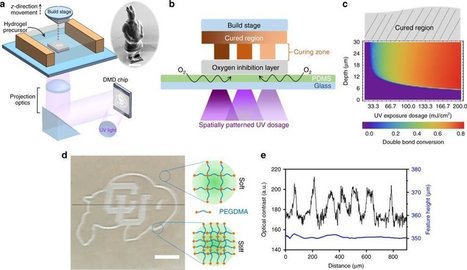
University of Colorado Boulder engineers have developed a 3-D printing technique that allows for localized control of an object's firmness, opening up new biomedical avenues that could one day include artificial arteries and organ tissue.
The study, which was recently published in the journal Nature Communications, outlines a layer-by-layer printing method that features fine-grain, programmable control over rigidity, allowing researchers to mimic the complex geometry of blood vessels that are highly structured and yet must remain pliable.
The findings could one day lead to better, more personalized treatments for those suffering from hypertension and other vascular diseases. "The idea was to add independent mechanical properties to 3-D structures that can mimic the body's natural tissue," said Xiaobo Yin, an associate professor in CU Boulder's Department of Mechanical Engineering and the senior author of the study. "This technology allows us to create microstructures that can be customized for disease models."
Hardened blood vessels are associated with cardiovascular disease, but engineering a solution for viable artery and tissue replacement has historically proven challenging. To overcome these hurdles, the researchers found a unique way to take advantage of oxygen's role in setting the final form of a 3-D-printed structure.
"Oxygen is usually a bad thing in that it causes incomplete curing," said Yonghui Ding, a postdoctoral researcher in Mechanical Engineering and the lead author of the study. "Here, we utilize a layer that allows a fixed rate of oxygen permeation." By keeping tight control over oxygen migration and its subsequent light exposure, Ding said, the researchers have the freedom to control which areas of an object are solidified to be harder or softer—all while keeping the overall geometry the same. "This is a profound development and an encouraging first step toward our goal of creating structures that function like a healthy cell should function," Ding said.
As a demonstration, the researchers printed three versions of a simple structure: a top beam supported by two rods. The structures were identical in shape, size and materials, but had been printed with three variations in rod rigidity: soft/soft, hard/soft and hard/hard. The harder rods supported the top beam while the softer rods allowed it to fully or partially collapse. The researchers repeated the feat with a small Chinese warrior figure, printing it so that the outer layers remained hard while the interior remained soft, leaving the warrior with a tough exterior and a tender heart, so to speak.
The tabletop-sized printer is currently capable of working with biomaterials down to a size of 10 microns, or about one-tenth the width of a human hair. The researchers are optimistic that future studies will help improve the capabilities even further.
I found this article interesting because it deals with possible treatments and better surgical procedures in the future. The University of Colorado engineers developed a 3-D printing technique that would allow for artificial arteries and organ tissues to be printed. These treatments can possible help those who suffer from hypertension and other vascular diseases. I will use this article as a supporting article to use as evidence, if and when, I decide to do further research on this topic.
Insects around the world are in a crisis, according to a small but growing number of long-term studies showing dramatic declines in invertebrate populations. A new report suggests that the problem is more widespread than scientists realized. Huge numbers of bugs have been lost in a pristine national forest in Puerto Rico, the study found, and the forest’s insect-eating animals have gone missing, too.
In 2014, an international team of biologists estimated that, in the past 35 years, the abundance of invertebrates such as beetles and bees had decreased by 45 percent. In places where long-term insect data are available, mainly in Europe, insect numbers are plummeting. A study last year showed a 76 percent decrease in flying insects in the past few decades in German nature preserves.
The latest report, published in the Proceedings of the National Academy of Sciences, shows that this startling loss of insect abundance extends to the Americas. The study’s authors implicate climate change in the loss of tropical invertebrates.
“This study in PNAS is a real wake-up call — a clarion call — that the phenomenon could be much, much bigger, and across many more ecosystems,” said David Wagner, an expert in invertebrate conservation at the University of Connecticut who was not involved with this research. He added: “This is one of the most disturbing articles I have ever read.”
Global mean temperatures in 2017 were 1.1 °C ± 0.1 °C above pre-industrial levels. Whilst 2017 was a cooler year than the record-setting 2016, it was still one of the three warmest years on record, and the warmest not influenced by an El Niño event. The average global temperature for 2013–2017 is close to 1 °C above that for 1850–1900 and is also the highest five-year average on record. The world also continued to see rising sea levels, with some acceleration, and increasing concentrations of greenhouse gases.
The cryosphere continued its contraction, with Arctic and Antarctic sea ice shrinking. The overall risk of heat-related illness or death has climbed steadily since 1980, with around 30% of the world’s population now living in climatic conditions that deliver deadly temperatures at least 20 days a year. There were many significant weather and climate events in 2017, including a very active North Atlantic hurricane season, major monsoon floods in the Indian subcontinent, and continuing severe drought in parts of east Africa. This contributed to 2017 being the year with the highest documented economic losses associated with severe weather and climate events. Extreme weather events continue to be rated by the World Economic Forum as amongst the most significant risks facing humanity, both in terms of likelihood and impact.
DARPA’s OFFensive Swarm-Enabled Tactics (OFFSET) program envisions future small-unit infantry forces using small unmanned aircraft systems (UASs) and/or small unmanned ground systems (UGSs) in swarms of 250 robots or more to accomplish diverse missions in complex urban environments. By leveraging and combining emerging technologies in swarm autonomy and human-swarm teaming, the program seeks to enable rapid development and deployment of breakthrough capabilities to the field.
To augment enhance OFFSET’s potential contributions to the warfighter, DARPA aims to engage with a wider developer and user audience through rapid technology-development and integration efforts called swarm sprints. Participants in these experiments—“sprinters”—can work with one or both integration teams and each other to create and test their own novel swarm tactics and enabling technologies.
The fabric of civilization is materials science. Humanity’s success in material science is written into our history. Our early progression, from the Stone Age through the Bronze Age to the Iron Age, demonstrates the relentless development of novel materials: stronger, lighter or more versatile than those that came before. But such has been our success that we are long past an age that could be summed up by a single element. The range of materials used by industry has become ever-more complex — not just in terms of their variety, but also in their scale and how they are used together.
The development of many novel materials has led to improved environmental outcomes, such as lighter materials that enable more fuel efficient transport. But there are downsides too, as increased complexity makes it harder to recover value from products when they are thrown away. Resource recovery systems have evolved to handle materials that have been used at a large scale for years. This has made it possible to keep valuable products or materials out of landfill and process them for re-sale.
But novel materials may have qualities that require new waste management infra-structure:
first to identify +separate them
then to re-use, re-manufacture, or re-cycle them
Unless they can be dealt with effectively in the waste stream: novel materials will be discarded as residual waste (at best) — or will contaminate existing value recovery systems (at worst). Given the growing concerns about environmental impacts and resource limits, this is environmentally + economically unsustainable.
However, if these factors are considered early enough in the development of a new material, potential problems can be avoided. Ways to capture environmental + economic value for future use can be designed-in from the start. And, by increasing resource productivity, this approach will be important to improving the international competitiveness of manufacturers.
What are novel materials?
The definition of “novel materials” is: materials that are (in some way) new to the industrial system. Recent examples include nano-particles, graphene and the rare earth elements, such as neodymium and dysprosium. While nano-particles and graphene are relatively recent discoveries, the first rare earth elements were identified at the beginning of the 19th century, demonstrating that what matters — in the context of novel materials — isn’t their existence but their entry into the industrial system at commercial scale.
These examples highlight another distinction of novel materials: the elements involved can be familiar, but when arranged in a new way they can have significantly different functionality. For example: graphene is made from carbon, and nano-particles of silver have anti-microbial properties that make them useful for medicine.
One rapidly emerging source of novelty is materials based on combinations of other materials, referred to as composites. Many of these incorporate established materials, for example: paper, plastic, aluminum. But their combination either:
enables the same functionality — at lower cost than using them individually
or enables a different functionality — that none of them can achieve alone
Green Alliance is a charity and independent think tank focused on achieving ambitious leadership for the environment.
Solar power accounts for less than 2 percent of U.S. electricity but could make up more than that if the cost of electricity generation and energy storage for use on cloudy days and at nighttime were cheaper.
A Purdue University-led team developed a new material and manufacturing process that would make one way to use solar power – as heat energy – more efficient in generating electricity.
The innovation is an important step for putting solar heat-to-electricity generation in direct cost competition with fossil fuels, which generate more than 60 percent of electricity in the U.S.
“Storing solar energy as heat can already be cheaper than storing energy via batteries, so the next step is reducing the cost of generating electricity from the sun's heat with the added benefit of zero greenhouse gas emissions,” said Kenneth Sandhage, Purdue’s Reilly Professor of Materials Engineering.
The research, which was done at Purdue in collaboration with the Georgia Institute of Technology, the University of Wisconsin-Madison and Oak Ridge National Laboratory, published in the journal Nature.
Historically, computer-assisted detection (CAD) in radiology has failed to achieve improvements in diagnostic accuracy, decreasing clinician sensitivity and leading to unnecessary further diagnostic tests. With the advent of deep learning approaches to CAD, there is great excitement about its application to medicine, yet there is little evidence demonstrating improved diagnostic accuracy in clinically-relevant applications. A group of scientists now trained a deep learning model to detect fractures on radiographs with a diagnostic accuracy similar to that of senior subspecialized orthopedic surgeons. They were able to demonstrate that when emergency medicine clinicians are provided with the assistance of the trained model, their ability to accurately detect fractures significantly improves.
Determining the structure of a virus is an important step in understanding and treating viral disease. For decades, structural biologists have been using cryo-electron microscopy to create increasingly accurate pictures of biomolecules, but one of the assumptions they've been relying on could be wrong.
Flaviviruses, such as dengue and Zika, were assumed to be symmetrical icosahedrons (shapes with 20 identical faces) based on data from microscopes. But these icosahedral viruses might not be perfectly symmetrical after all, according to a new study in the journal Proceedings of the National Academy of Sciences.
"Up until now, any such viruses that have ever been examined have been looked at with the assumption that they had icosahedral symmetry," said Michael Rossmann, the Hanley Distinguished Professor of Biological Sciences at Purdue University. "Now we realize that's an approximation - it's not completely accurate. A large proportion of viruses are nearly icosahedral, and just now we're beginning to see the details."
The research team, including Richard Kuhn, the Trent and Judith Anderson Distinguished Professor of Science at Purdue, used cryo-EM to determine the structures of immature and mature Kunjin virus, a strain of West Nile virus. They followed standard procedures until the end, when data from the microscope is processed to generate a structure. Where they would normally apply a symmetry requirement, the researchers opted out.
Matthew Therkelsen, a graduate researcher at Purdue and lead author of the paper, first noticed something unusual when he was determining the structure of an antibody bound to the immature virus. Images of the antibody bound to the virus showed a preference for one side of the particle, and that side was a little fuzzy.
"The fact that the antibody seemed to prefer one side of the particle, and that side had an unusual density, made me question the assumptions we'd been making about icosahedral symmetry," Therkelsen said. "After that, I started doing asymmetrical reconstructions." What he found looked sort of like a "belly button" on the exterior of the virus.
This deviation in symmetry could come from the way the virus is produced. When enveloped viruses are assembling new virus particles, they burrow into a cellular membrane and push until they've created their own protective layer. When this layer is almost fully enclosed, the virus gives one final nudge and buds from the membrane.
Carolyn Kormann on a new report from the I.P.C.C., which states that global climate change will have catastrophic consequences once the planet surpasses 1.5 degrees of warming, which could happen in just a few years.
In the fall of 2015, several artists in the Caribbean appeared in a film titled “1.5 Stay Alive,” featuring a series of homespun music videos. The name of the project referred to a campaign to limit the rise in average global temperature to 1.5 degrees Celsius (2.7 degrees Fahrenheit) above pre-industrial times. Since the 2009 United Nations climate talks, in Copenhagen, the consensus among scientists and policymakers has been that two degrees Celsius should be the limit; any further temperature increase would be catastrophic. But, for the citizens of small island countries and other vulnerable places in the tropics and the Arctic, even two degrees of warming would be a death sentence. Their communities would be inundated, and eventually destroyed. This could happen by the time the children in the film reached middle age.
Later that year, at the climate talks in Paris, “1.5 to Stay Alive” had become a rallying cry for the leaders of the Alliance of Small Island States, which includes countries like the Bahamas, the Maldives, and the Marshall Islands. As a result, the final Paris Agreement declared that, while warming shall not surpass two degrees Celsius above pre-industrial levels (the target now commonly cited), countries should pursue “efforts to limit the temperature increase to 1.5 degrees C.”
The Alliance of Small Island States also asked the Intergovernmental Panel on Climate Change (I.P.C.C.)—the scientific body that informs the climate policies of the United Nations’ member states—to prepare a special report on the specific impacts of global warming of 1.5 degrees, along with ways the world could feasibly keep the temperature from rising further. “We needed literature on the conditions of the 1.5-degree world, so this spurred a tremendous amount of new research,” William Solecki, a climate scientist at Hunter College, in New York, and one of the report’s lead authors, told me. “As soon as the ink was drying on the Paris Agreement, we were off.”
Last night, in Incheon, South Korea, after a week of deliberation, the I.P.C.C. released the new findings. The summary tells a nightmarish tale—one much worse than any of those in the I.P.C.C.’s previous reports—surveying the climate-change impacts we’re already experiencing with one degree of warming, and the severity of the impacts to come once we surpass 1.5 degrees of warming. Ten million more people would be exposed to permanent inundation, and several hundred million more to “climate-related risks and susceptible to poverty.” Malaria and dengue fever will be more widespread, and crops like maize, rice, and wheat will have smaller and smaller yields—particularly in sub-Saharan Africa, Southeast Asia, and Central and South America. Security and economic growth will be that much more imperilled. “Robust scientific literature now shows that there are significant differences between 1.5 and 2 degrees,” Adelle Thomas, a geographer from the Bahamas and also one of the report’s lead authors, told me. “The scientific consensus is really strong. It’s not just a political slogan: ‘1.5 to stay alive.’ It’s true.”
There is growing interest in pharmacological interventions directly targeting the aging process. Pharmacological interventions against aging should be efficacious when started in adults and, ideally, repurpose existing drugs. Scientists now show that dramatic lifespan extension can be achieved by targeting multiple, evolutionarily conserved aging pathways and mechanisms using drug combinations. Using this approach in C. elegans, they were able to slow aging and significantly extend healthy lifespan.
To identify the mechanism of these drug synergies, they applied transcriptomics and lipidomics analysis. They found that drug interactions involved the TGF-β pathway and recruited genes related with IGF signaling. daf-2, daf-7, and sbp-1 interact upstream of changes in lipid metabolism, resulting in increased monounsaturated fatty acid content and this is required for healthy lifespan extension.
Taken together, these data suggest that combinations of drugs targeting distinct subsets of the aging gene regulatory network can be leveraged to cause synergistic lifespan benefits.
A team of international researchers, led by Colorado State University's Michael Gavin, have taken a first step in answering fundamental questions about human diversity.
Humans collectively speak nearly 7,000 languages. But these languages are not spread evenly across the globe. Why do humans speak so many languages, and why are there so many languages in some places and so few in others?
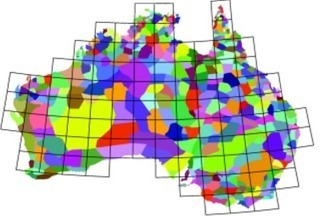
In a new study published in Global Ecology and Biogeography, the team was the first to use a form of simulation modeling to study the processes that shape language diversity patterns. Researchers tested the approach in Australia, and the model estimated 406 languages on the continent; the actual number of indigenous languages is 407.
The team - which includes linguists, geographers, ecologists, anthropologists and evolutionary biologists based in the United States, Brazil, Germany, Canada, and Sweden - adapted a form of modeling first created by ecologists to study the processes shaping species diversity.
The researchers began with a grid on a blank map. The computer model placed a population of people in one cell on the grid and then used a series of simple rules that defined how the population grew, spread across the map, and divided into separate populations speaking different languages.
Harnessing the exquisite sensitivity of the National Science Foundation’sGreen Bank Telescope (GBT), astronomers have given one of Einstein’s predictions on gravity its most stringent test yet. By precisely tracking the meanderings of three stars in a single system – two white dwarf stars and one ultra-dense neutron star – the researchers determined that even phenomenally compact neutron stars “fall” in the same manner as their less-dense counterparts, an aspect of nature called the “Strong Equivalence Principle.”
Einstein’s understanding of gravity, as outlined in his general theory of relativity, predicts that all objects fall at the same rate, regardless of their mass or composition. This theory has passed test after test here on Earth, but does it still hold true for some of the most massive and dense objects in the known universe, an aspect of nature known as the Strong Equivalence Principle?
An international team of astronomers has given this lingering question its most stringent test ever. Their findings, published in the journal Nature, show that Einstein’s insights into gravity still hold sway, even in one of the most extreme scenarios the Universe can offer.
Researchers at the Department of Energy's Oak Ridge National Laboratory have demonstrated a 120-kilowatt wireless charging system for vehicles—providing six times the power of previous ORNL technology and a big step toward charging times that rival the speed and convenience of a gas station fill-up.
The wireless system transfers 120 kilowatts of power with 97 percent efficiency, which is comparable to conventional, wired high-power fast chargers. In the laboratory demonstration, power was transferred across a six-inch air gap between two magnetic coils and charged a battery pack.
ORNL researchers created and demonstrated the world's first 20-kilowatt wireless charging system, which is being modified for applications such as commercial delivery trucks. "It was important to maintain the same or smaller footprint as the previous demonstration to encourage commercial adoption," said project lead Veda Galigekere of ORNL's Power Electronics and Electric Machinery Group.
"We used finite element and circuit analyses to develop a novel co-optimization methodology, solving the issues of coil design while ensuring the system doesn't heat up or pose any safety issues, and that any loss of power during the transfer is minimal," he said.
To achieve 120 kilowatts, the ORNL team created a new coil design co-optimized with the latest silicon carbide power electronic devices for a lightweight, compact system. The system's architecture takes energy from the grid and converts it to high-frequency alternating current, which generates a magnetic field that transfers power across a large air gap. Once the energy is transferred to the secondary coil, it is converted back to direct current and stored in a vehicle's batteries.
In the next 6 years, 4 billion "New Minds" are about to be connected to the World Wide Web with bandwidths like never before.
By 2024, we are connecting every person on Earth to the web with bandwidths far beyond what Fortune 500 CEOs and heads of nations had daily access to just a couple of decades back. This revolution will ignite a renaissance of innovation, and once again transform our planet.
What will these 4.2 billion new minds discover? What will they consume? What new companies will they build? What industries will they disrupt? We’ve already seen unprecedented acceleration of network growth and connectivity. But as the other half of our planet plugs into the web, this acceleration will only accelerate.
So where are we going and how are we getting there?
Networks are currently being deployed in 3 different areas:
5G, ushering in a wireless world
Balloons connecting all 8 billion of us from the atmosphere
Space-based networks
Let’s dive in...
5G for Gigabit Connection Speeds, Worldwide
The jump from 3G to 4G brought you the revolutionary era of smartphones, mobile banking and e-commerce. But if you thought that was big, think again. With plans for wide-scale deployment in 2020, 5G will be 100X faster than 4G, and 10X faster than your average broadband connection.
To get a sense of what that actually means, imagine downloading a movie on your phone in a matter of seconds —or better yet, having your autonomous vehicle communicate with smart city sensors in real time. With 1 to 10 Gbps connection speeds, 5G is at the core of tomorrow’s trillion-sensor economy.
Powering autonomous vehicles, smart factories (IIoT), remotely controlled drones, VR and AR, in-home IoT, and the world’s first smart cities, 5G is about to allow every person on the planet to tap into data from billions of sensors around the globe.
It’s the promise of on-demand knowledge for anyone, anywhere, anytime. As a former Qualcomm CTO Matt Grob explains, “5G networks will allow you to measure 100,000 sensors in a city block.” Imagine the extraordinary possibilities that such a smart world could unlock. No question about your environment is unanswerable, and answers are less than a split second away. With companies like Qualcomm and Intel leading the charge, some estimates put 5G infrastructure spending at over $326 billion by 2025.
And while major players are linking the world’s devices and sensors at gigabit connection speeds on the ground, others are working from the atmosphere. As Google places high-altitude balloons in the stratosphere, SpaceX is beginning to populate space with constellations of Internet-transmitting satellites.
To get content containing either thought or leadership enter:
To get content containing both thought and leadership enter:
To get content containing the expression thought leadership enter:
You can enter several keywords and you can refine them whenever you want. Our suggestion engine uses more signals but entering a few keywords here will rapidly give you great content to curate.


 Your new post is loading...