Your new post is loading...

|
Scooped by
Dr. Stefan Gruenwald
October 22, 2018 12:33 PM
|
IBM has introduced a number of targeted Watson AI applications to allow workers in industries such as agriculture, manufacturing, and transportation to gain key insights. In a significant expansion of the IBM Watson cognitive computing platform, IBM has launched "pretrained" artificial intelligence (AI) tools for a slew of industries including advertising, agriculture, automotive, building management, customer service, human resources (HR), manufacturing, marketing, and supply chain. "The focus is on how AI can make each professional—across industries—more effective and more efficient," Kareem Yusuf, Ph.D, General Manager of IBM Watson IoT, told PCMag. Watson is IBM's series of AI services and applications. By releasing this series of pretrained tools, Yusuf said IBM aims to help companies change the way they work. "We decided to release this largest-ever AI toolset pretrained for industries and professions to help businesses re-imagine how they work," Yusuf said. "A key business advantage lies in tapping into organizational insights, historical customer data, internal reporting, past transactions, and client interactions. These elements are too often underutilized." Offering pre-trained solutions for various industries is a big deal, explained Rob Enderle, Principal Analyst at tech analyst firm The Enderle Group. "It represents a significant maturing of the Watson platform," Enderle told PCMag. Sometimes companies that deploy AI hit a snag during the training period. Since Watson completes its training before companies deploy the technology, companies can execute a more efficient deployment. "Training is where AI deployments get hung up," Enderle said. "Much of the initial work with developed AI is to create this training, which then, through machine learning, can be passed on to new systems, significantly lowering the deployment cost and time to value. This is a critical phase to maturing the platform and getting it closer to its operational and sales potential." With the heavy lifting completed during the training period, Watson is ready to start producing targeted, industry-specific insights right away. "Getting the system to this phase is anything but trivial. Once there, machine learning can allow the replication of an unlimited number of systems," Enderle said.
|
|
Scooped by
Dr. Stefan Gruenwald
October 22, 2018 12:18 PM
|
The map shows 3,751 Abell galaxy clusters, 1,024 galaxy superclusters and 2,042 voids. Supercluster and void circles are scaled to their estimated size. Abell clusters are scaled based on the number of galaxies in the cluster. Most objects are named after the constellation in which they are located. The sphere is based on the supergalactic coordinate system and has a diameter of 12 billion light-travel years. The supergalactic equator is aligned to the planar-like distribution of galaxies in the Milky Way. The vertical distance of an object from the equator is a function of the latitude and distance of the object. For readability, the latitude and longitude are scaled to improve visual separation of objects and the sphere is split into the Northern and Southern Supergalactic Hemispheres.
|
|
Scooped by
Dr. Stefan Gruenwald
October 22, 2018 12:50 AM
|
In a press release on February 22, 2017, NASA announced the discovery of the most Earth-sized planets found in the habitable zone of a single star, called TRAPPIST-1. This system of seven rocky worlds–all of them with the potential for water on their surface–is an exciting discovery in the search for life on other worlds. There is the possibility that future study of this unique planetary system could reveal conditions suitable for life. In February 2018, closer study of the seven planets suggested that some could harbor far more water than the oceans of Earth, in the form of atmospheric water vapor for the planets closest to their star, liquid water for others, and ice for those farthest away. The new study pinned down the density of each planet more precisely, making TRAPPIST-1 the most thoroughly known planetary system apart from our own.
|
|
Scooped by
Dr. Stefan Gruenwald
October 19, 2018 11:30 PM
|
When the Huygens probe dropped into Titan’s atmosphere January 14, 2005, no one knew what to expect. Would it splash down into a methane ocean? Sink into a tar pit? Crash into sharp rocks or tumble off a ravine? And, most importantly, what manner of world lurked beneath Titan’s thick shroud of haze and clouds? For landings on Mars or the Moon, mission scientists plotted out landing sites with meticulous care. Telescopes and orbiters scanned the ground, imaging dangerous terrain and safe zones, and flight engineers pored over their maps and planned accordingly. But Titan was a mystery. Aside from a brief pass by Voyager 1, little was known about Saturn’s largest moon. What the Huygens descent probe would find was anyone’s guess. Huygens had to be prepared for anything. Alex Hayes, a Titan researcher at Cornell University who has been part of the Cassini orbiter team since the craft’s arrival at Saturn, is enthusiastically proud of the probe’s success, though he didn’t work with Huygens himself. “No matter what data Cassini collects over the 13 years of its mission, there is something special about reaching out and touching something,” he says. “There’s something special about landing on the surface, about getting data from the surface, and Huygens provided that ground truth.”
|
|
Scooped by
Dr. Stefan Gruenwald
October 19, 2018 3:56 PM
|
MIT researchers have developed a cryptographic system that could help neural networks identify promising drug candidates in massive pharmacological datasets, while keeping the data private. Secure computation done at such a massive scale could enable broad pooling of sensitive pharmacological data for predictive drug discovery. Datasets of drug-target interactions (DTI), which show whether candidate compounds act on target proteins, are critical in helping researchers develop new medications. Models can be trained to crunch datasets of known DTIs and then, using that information, find novel drug candidates. In recent years, pharmaceutical firms, universities, and other entities have become open to pooling pharmacological data into larger databases that can greatly improve training of these models. Due to intellectual property matters and other privacy concerns, however, these datasets remain limited in scope. Cryptography methods to secure the data are so computationally intensive they don't scale well to datasets beyond, say, tens of thousands of DTIs, which is relatively small. In a paper published in Science, researchers from MIT's Computer Science and Artificial Intelligence Laboratory (CSAIL) describe a neural network securely trained and tested on a dataset of more than a million DTIs. The network leverages modern cryptographic tools and optimization techniques to keep the input data private, while running quickly and efficiently at scale. The team's experiments show the network performs faster and more accurately than existing approaches; it can process massive datasets in days, whereas other cryptographic frameworks would take months. Moreover, the network identified several novel interactions, including one between the leukemia drug imatinib and an enzyme ErbB4—mutations of which have been associated with cancer—which could have clinical significance. "People realize they need to pool their data to greatly accelerate the drug discovery process and enable us, together, to make scientific advances in solving important human diseases, such as cancer or diabetes. But they don't have good ways of doing it," says corresponding author Bonnie Berger, the Simons Professor of Mathematics and a principal investigator at CSAIL. "With this work, we provide a way for these entities to efficiently pool and analyze their data at a very large scale."
|
|
Scooped by
Dr. Stefan Gruenwald
October 19, 2018 3:37 PM
|
The seeds contain a lot of open space, which seems to be the key to sustaining flight. The extraordinary flying ability of dandelion seeds is possible thanks to a form of flight that has not been seen before in nature, research has revealed. The discovery, which confirms the common plant among the natural world's best fliers, shows that movement of air around and within its parachute-shaped bundle of bristles enables seeds to travel great distances -- often a mile or more, kept afloat entirely by wind power. Researchers from the University of Edinburgh carried out experiments to better understand why dandelion seeds fly so well, despite their parachute structure being largely made up of empty space. Their study revealed that a ring-shaped air bubble forms as air moves through the bristles, enhancing the drag that slows each seed's descent to the ground. This newly found form of air bubble -- which the scientists have named the separated vortex ring -- is physically detached from the bristles and is stabilized by air flowing through it. The amount of air flowing through, which is critical for keeping the bubble stable and directly above the seed in flight, is precisely controlled by the spacing of the bristles. This flight mechanism of the bristly parachute underpins the seeds' steady flight. It is four times more efficient than what is possible with conventional parachute design, according to the research. Researchers suggest that the dandelion's porous parachute might inspire the development of small-scale drones that require little or no power consumption. Such drones could be useful for remote sensing or air pollution monitoring. The study, published in Nature, was funded by the Leverhulme Trust and the Royal Society. Dr Cathal Cummins, of the University of Edinburgh's Schools of Biological Sciences and Engineering, who led the study, said: "Taking a closer look at the ingenious structures in nature -- like the dandelion's parachute -- can reveal novel insights. We found a natural solution for flight that minimises the material and energy costs, which can be applied to engineering of sustainable technology."
|
|
Scooped by
Dr. Stefan Gruenwald
October 19, 2018 3:33 PM
|
The unexpectedly gentle death of a massive star suggests that it was being robbed by a dense companion lurking out of sight. A Caltech-led team of researchers has observed the peculiar death of a massive star that exploded in a surprisingly faint and rapidly fading supernova. These observations suggest that the star has an unseen companion, gravitationally siphoning away the star's mass to leave behind a stripped star that exploded in a quick supernova. The explosion is believed to have resulted in a dead neutron star orbiting around its dense and compact companion, suggesting that, for the first time, scientists have witnessed the birth of a compact neutron star binary system. The research was led by graduate student Kishalay De and is described in a paper appearing in the October 12 issue of the journal Science. The work was done primarily in the laboratory of Mansi Kasliwal (MS '07, PhD '11), assistant professor of astronomy. Kasliwal is the principal investigator of the Caltech-led Global Relay of Observatories Watching Transients Happen (GROWTH) project. When a massive star—at least eight times the mass of the sun—runs out of fuel to burn in its core, the core collapses inwards upon itself and then rebounds outward in a powerful explosion called a supernova. After the explosion, all of the star's outer layers have been blasted away, leaving behind a dense neutron star—about the size of a small city but containing more mass than the sun. A teaspoon of a neutron star would weigh as much as a mountain. During a supernova, the dying star blasts away all of the material in its outer layers. Usually, this is a few times the mass of the sun. However, the event that Kasliwal and her colleagues observed, dubbed iPTF 14gqr, ejected matter only one fifth of the mass of the sun. "We saw this massive star's core collapse, but we saw remarkably little mass ejected," Kasliwal says. "We call this an ultra-stripped envelope supernova and it has long been predicted that they exist. This is the first time we have convincingly seen core collapse of a massive star that is so devoid of matter." The fact that the star exploded at all implies that it must have previously been enveloped in lots of material, or its core would never have become heavy enough to collapse. But where, then, was the missing mass? The researchers inferred that the mass must have been stolen—the star must have some kind of dense, compact companion, either a white dwarf, neutron star, or black hole—close enough to gravitationally siphon away its mass before it exploded. The neutron star that was left behind from the supernova must have then been born into orbit with that dense companion. Observing iPTF 14gqr was actually observing the birth of a compact neutron star binary. Because this new neutron star and its companion are so close together, they will eventually merge in a collision similar to the 2017 event that produced both gravitational waves and electromagnetic waves.
|
|
Scooped by
Dr. Stefan Gruenwald
October 19, 2018 3:30 PM
|
MIT researchers efficient method for making single-atom-thick, wafer-scale materials opens up opportunities in flexible electronics. Since the 2003 discovery of the single-atom-thick carbon material known as graphene, there has been significant interest in other types of 2-D materials as well. These materials could be stacked together like Lego bricks to form a range of devices with different functions, including operating as semiconductors. In this way, they could be used to create ultra-thin, flexible, transparent and wearable electronic devices. However, separating a bulk crystal material into 2-D flakes for use in electronics has proven difficult to do on a commercial scale. The existing process, in which individual flakes are split off from the bulk crystals by repeatedly stamping the crystals onto an adhesive tape, is unreliable and time-consuming, requiring many hours to harvest enough material and form a device. Now researchers in the Department of Mechanical Engineering at MIT have developed a technique to harvest 2-inch diameter wafers of 2-D material within just a few minutes. They can then be stacked together to form an electronic device within an hour. The technique, which they describe in a paper published in the journal Science, could open up the possibility of commercializing electronic devices based on a variety of 2-D materials, according to Jeehwan Kim, an associate professor in the Department of Mechanical Engineering, who led the research. The paper’s co-first authors were Sanghoon Bae, who was involved in flexible device fabrication, and Jaewoo Shim, who worked on the stacking of the 2-D material monolayers. Both are postdocs in Kim’s group. The paper’s co-authors also included students and postdocs from within Kim’s group, as well as collaborators at Georgia Tech, the University of Texas, Yonsei University in South Korea, and the University of Virginia. Sang-Hoon Bae, Jaewoo Shim, Wei Kong, and Doyoon Lee in Kim’s research group equally contributed to this work. “We have shown that we can do monolayer-by-monolayer isolation of 2-D materials at the wafer scale,” Kim says. “Secondly, we have demonstrated a way to easily stack up these wafer-scale monolayers of 2-D material.” The researchers first grew a thick stack of 2-D material on top of a sapphire wafer. They then applied a 600-nanometer-thick nickel film to the top of the stack. Since 2-D materials adhere much more strongly to nickel than to sapphire, lifting off this film allowed the researchers to separate the entire stack from the wafer. What’s more, the adhesion between the nickel and the individual layers of 2-D material is also greater than that between each of the layers themselves. As a result, when a second nickel film was then added to the bottom of the stack, the researchers were able to peel off individual, single-atom thick monolayers of 2-D material. That is because peeling off the first nickel film generates cracks in the material that propagate right through to the bottom of the stack, Kim says.
|
|
Scooped by
Dr. Stefan Gruenwald
October 19, 2018 12:37 PM
|
The UK Biobank project is a prospective cohort study with deep genetic and phenotypic data collected on approximately 500,000 individuals from across the United Kingdom, aged between 40 and 69 at recruitment. The open resource is unique in its size and scope. A rich variety of phenotypic and health-related information is available on each participant, including biological measurements, lifestyle indicators, biomarkers in blood and urine, and imaging of the body and brain. Follow-up information is provided by linking health and medical records. Genome-wide genotype data have been collected on all participants, providing many opportunities for the discovery of new genetic associations and the genetic bases of complex traits. The study researchers describe the centralized analysis of the genetic data, including genotype quality, properties of population structure and relatedness of the genetic data, and efficient phasing and genotype imputation that increases the number of testable variants to around 96 million. Classical allelic variation at 11 human leukocyte antigen genes was imputed, resulting in the recovery of signals with known associations between human leukocyte antigen alleles and many diseases.
|
|
Scooped by
Dr. Stefan Gruenwald
October 19, 2018 12:28 PM
|
Studies of human populations and animal models suggest that a father's experiences such as diet or environmental stress can influence the health and development of his descendants. How these effects are transmitted across generations, however, remains mysterious. Susan Strome's lab at UC Santa Cruz has been making steady progress in unraveling the mechanisms behind this phenomenon, using a tiny roundworm called Caenorhabditis elegans to show how marks on chromosomes that affect gene expression, called "epigenetic" marks, can be transmitted from parents to offspring. Her team's most recent paper, published October 17 in Nature Communications, focuses on transmission of epigenetic marks by C. elegans sperm. In addition to documenting the transmission of epigenetic memory by sperm, the new study shows that the epigenetic information delivered by sperm to the embryo is both necessary and sufficient to guide proper development of germ cells in the offspring (germ cells give rise to eggs and sperm). "We decided to look at C. elegans because it is such a good model for asking epigenetic questions using powerful genetic approaches," said Strome, a distinguished professor of molecular, cell, and developmental biology.
|
|
Scooped by
Dr. Stefan Gruenwald
October 15, 2018 10:44 AM
|
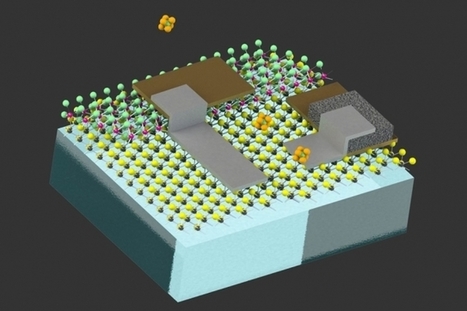
Researchers at MIT have created what may be the smallest robots yet that can sense their environment, store data, and even carry out computational tasks. These devices, which are about the size of a human egg cell, consist of tiny electronic circuits made of two-dimensional materials, piggybacking on minuscule particles called colloids. Colloids, which insoluble particles or molecules anywhere from a billionth to a millionth of a meter across, are so small they can stay suspended indefinitely in a liquid or even in air. By coupling these tiny objects to complex circuitry, the researchers hope to lay the groundwork for devices that could be dispersed to carry out diagnostic journeys through anything from the human digestive system to oil and gas pipelines, or perhaps to waft through air to measure compounds inside a chemical processor or refinery. “We wanted to figure out methods to graft complete, intact electronic circuits onto colloidal particles,” explains Michael Strano, the Carbon C. Dubbs Professor of Chemical Engineering at MIT and senior author of the study, which was published today in the journal Nature Nanotechnology. MIT postdoc Volodymyr Koman is the paper’s lead author. “Colloids can access environments and travel in ways that other materials can’t,” Strano says. Dust particles, for example, can float indefinitely in the air because they are small enough that the random motions imparted by colliding air molecules are stronger than the pull of gravity. Similarly, colloids suspended in liquid will never settle out.
A new approach to treating pancreatic cancer using 'educated killer cells' has shown promise, according to early research by Queen Mary University of London. The new cell-based immunotherapy, which has not yet been tested in humans with pancreatic cancer, led to mice being completely cancer-free, including cancer cells that had already spread to the liver and lungs. Each year around 9,800 people in the UK are diagnosed with pancreatic cancer. The disease is particularly aggressive and has one of the lowest survival rates of all cancers. This is because it is often diagnosed at a late and advanced stage, when the tumor has already spread to other organs. In the study, published in the journal Gut, the team used pancreatic cancer cells from patients with late-stage disease, and transplanted them into mice. They then took the patients' immune cells and modified them to specifically identify and eliminate the cancer cells - creating 'educated killer cells', or CAR-T cells. And for the first time, the team introduced a new technology that allowed them to completely control the activity of CAR-T cells, making them potentially safer. First author Dr Deepak Raj from Queen Mary University of London, said: "Immunotherapy using CAR-T cells has been tremendously successful in blood cancers, but unfortunately, there have been toxic side effects in its treatment of solid tumors. Given the dismal prognosis of pancreatic cancer with conventional treatments, it's vitally important that we develop safe and effective CAR-T cell therapies for solid tumors, such as pancreatic cancer. "Our work suggests that our new 'switchable' CAR-T cells could be administered to human patients with pancreatic cancer, and we could control their activity at a level that kills the tumor without toxic side effects to normal tissues." The team's new 'switchable' CAR-T system means the treatment can be turned on and off, or have its activity changed to a desired level, making the therapy extremely safe and minimizing the side effects and improving the safety of the treatment. The activity of the treatment was controlled through administration or withdrawal of the 'switch' molecule within living mice, without affecting the ability of the treatment to kill the pancreatic cancers. The team now hopes to bring this promising therapy to the clinic.
Via Krishan Maggon
|
|
Scooped by
Dr. Stefan Gruenwald
October 12, 2018 11:50 AM
|
A class exercise at MIT, aided by industry researchers, has led to an innovative solution to one of the longstanding challenges facing the development of practical fusion power plants: how to get rid of excess heat that would cause structural damage to the plant. The new solution was made possible by an innovative approach to compact fusion reactors, using high-temperature superconducting magnets. This method formed the basis for a massive new research program launched this year at MIT and the creation of an independent startup company to develop the concept. The new design, unlike that of typical fusion plants, would make it possible to open the device's internal chamber and replace critical components; this capability is essential for the newly proposed heat-draining mechanism. The new approach is detailed in a paper in the journal Fusion Engineering and Design, authored by Adam Kuang, a graduate student from that class, along with 14 other MIT students, engineers from Mitsubishi Electric Research Laboratories and Commonwealth Fusion Systems, and Professor Dennis Whyte, director of MIT's Plasma Science and Fusion Center, who taught the class. In essence, Whyte explains, the shedding of heat from inside a fusion plant can be compared to the exhaust system in a car. In the new design, the "exhaust pipe" is much longer and wider than is possible in any of today's fusion designs, making it much more effective at shedding the unwanted heat. But the engineering needed to make that possible required a great deal of complex analysis and the evaluation of many dozens of possible design alternatives.
|
|
|
Scooped by
Dr. Stefan Gruenwald
October 22, 2018 12:27 PM
|
Neuroscientists have successfully hooked up a three-way brain connection to allow three people share their thoughts – and in this case, play a Tetris-style game. The team thinks this wild experiment could be scaled up to connect whole networks of people, and yes, it's as weird as it sounds. It works through a combination of electroencephalograms (EEGs), for recording the electrical impulses that indicate brain activity, and transcranial magnetic stimulation (TMS), where neurons are stimulated using magnetic fields. The researchers behind the new system have dubbed it BrainNet, and say it could eventually be used to connect many different minds together, even across the web. But apart from opening up strange new methods of communication, BrainNet could actually teach us more about how the human brain functions on a deeper level. "We present BrainNet which, to our knowledge, is the first multi-person non-invasive direct brain-to-brain interface for collaborative problem solving," write the researchers. "The interface allows three human subjects to collaborate and solve a task using direct brain-to-brain communication." In the experiment set up by the scientists, two 'senders' were connected to EEG electrodes and asked to play a Tetris-style game involving falling blocks. They had to decide whether each block needed rotating or not. To do this, they were asked to stare at one of two flashing LEDs at either side of the screen – one flashing at 15 Hz and the other at 17 Hz – which produced different signals in the brain that the EEG could pick up on. These choices were then relayed to a single 'receiver' through a TMS cap that could generate phantom flashes of light in the receiver's mind, known as phosphenes. The receiver couldn't see the whole game area, but had to rotate the falling block if a light flash signal was sent. Across five different groups of three people, the researchers hit an average accuracy level of 81.25 percent, which is decent for a first try.
|
|
Scooped by
Dr. Stefan Gruenwald
October 22, 2018 11:56 AM
|
The DRAGON can autonomously decide which shape would serve it best to fit through narrow gaps or complex environments. Researchers at the University of Tokyo’s Jouhou System Kougaku (JSK) Lab have developed a modular, transforming drone called DRAGON, which stands for “Dual-Rotor Embedded Multilink Robot with the Ability of Multi-Degree-of-Freedom Aerial Transformation.” While the corresponding acronym here is quite the reach, the DRAGON’s ability to elongate itself to form a square or snake through dense environments while the ducted fans keep it afloat is quite impressive. According to IEEE Spectrum, DRAGON can autonomously conclude which kind of shape would be most efficient and productive when faced with space constraints or oddly-shaped environments. Instead of focusing on small unmanned aerial vehicles that could naturally fit through densely packed rooms or surroundings, JSK researchers tried to develop an agile drone that could traverse various territories without having to reach miniature or nano-drone size restrictions. DRAGON is comprised of numerous modules, each of which has dual fans serving as thrusters, which can point in any direction required. These modules are connected to each other by hinged joints, which means one module can turn and rotate as it needs without affecting the others. Think of this as a snake which could move sections of its body independently of the others, or how an owl can fully rotate its head without moving its body. While a battery pack provides DRAGON with three minutes of flight time, the software letting it run autonomously is built on Intel’s Euclid software development kit (SDK). The prototype seen here is comprised of four modules, with the Euclid running along its spine, regardless of shapes being formed. Currently, DRAGON can fly as a straight line, a square, an “L” shape, in a zig-zag shape, or a spiral. When most drones look the same and have pretty similar movements to offer, DRAGON’s highly modular transformative capabilities (which aren’t even past the prototype stage) are pretty impressive. Drones are becoming more fluid, and that’s exciting.
|
|
Scooped by
Dr. Stefan Gruenwald
October 19, 2018 11:33 PM
|
Scientists on NASA's Fermi Gamma-ray Space Telescope mission have devised a set of modern constellations constructed from the sky's brightest gamma-ray sources. Since July 2008, Fermi’s Large Area Telescope (LAT) has been scanning the entire sky each day, mapping and measuring sources of gamma rays, the highest-energy light in the universe. The emission may come from pulsars, nova outbursts, the debris of supernova explosions and giant gamma-ray bubbles located in our own galaxy, or supermassive black holes and gamma-ray bursts — the most powerful explosions in the cosmos — in others. “By 2015, the number of different sources mapped by Fermi’s LAT had expanded to about 3,000 — 10 times the number known before the mission,” said Goddard’s Elizabeth Ferrara, who led the constellation project. “For the first time ever, the number of known gamma-ray sources was comparable to the number of bright stars, so we thought a new set of constellations was a great way to illustrate the point.” The 21 gamma-ray constellations include famous landmarks — such as Sweden’s recovered warship, Vasa, the Washington Monument and Mount Fuji in Japan — in countries contributing to Fermi science. Others represent scientific ideas or tools, from Schrödinger’s Cat — both alive and dead, thanks to quantum physics — to Albert Einstein, Radio Telescope and Black Widow Spider, the namesake of a class of pulsars that evaporate their unfortunate companion stars. Ferrara and Daniel Kocevski, an astrophysicist now at NASA’s Marshall Space Flight Center in Huntsville, Alabama, developed a web-based interactiveto showcase the constellations, with artwork from Aurore Simonnet, an illustrator at Sonoma State University in Rohnert Park, California, and a map of the whole gamma-ray sky from Fermi. Clicking on a constellation turns on its artwork and name, which includes a link to a page with more information. Other controls switch on the visible sky and selected traditional constellations. “Fermi is still going strong, and we are now preparing a new all-sky LAT catalog,” said Jean Ballet, a Fermi team member at the French Atomic Energy Commission in Saclay. “This will add about 2,000 sources, many varying greatly in brightness, further enriching these constellations and enlivening the high-energy sky!” NASA's Fermi Gamma-ray Space Telescope is an astrophysics and particle physics partnership, developed in collaboration with the U.S. Department of Energy and with important contributions from academic institutions and partners in France, Germany, Italy, Japan, Sweden and the United States.
|
|
Scooped by
Dr. Stefan Gruenwald
October 19, 2018 11:26 PM
|
Commercial photographer Levon Biss typically shoots portraits of world-class athletes—sports players caught in motion. His new series however, catches subjects that have already been paused, insect specimens found at the Oxford Museum of Natural History. The series originally started as a side-project capturing the detail of bugs that his son would catch at home, and is now displayed at the museum in an exhibition titled Microsculpture. During the course of his selection from the museum’s collection Biss rejected more than 99% of the bugs he came across, only choosing those that were of the right size and color. To capture these subjects in such immense detail, each part of the insect required a completely different lighting setup. “I will photograph an antenna and light that antenna so it looks as best as it possibly can,” said Biss. “Once I move onto the next section, for example the eye, the lighting will change completely. I work my way across the whole body of the insect until I end up with 30 different sections, each photographed individually.” Working in this comprehensive manner required between 8,000 and 10,000 shots for each final image, moving the camera just ten microns (1/7th of the width of a human hair) between each shot. With this volume of imagery, it takes over two weeks for Biss to complete each photograph start to finish. You can see Microsculpture through October 30th at the Oxford University Museum of Natural History where the images are displayed next to their actual specimens. In case you can’t make it to the UK, you can take a detailed look at all 22 of Biss’s images on his interactive Microsculpture website. (via PetaPixel)
|
|
Scooped by
Dr. Stefan Gruenwald
October 19, 2018 3:50 PM
|
Buying enough clean energy to make up for your dirty energy is one thing; using all clean energy 24/7 is another, and it could signal a new approach. Our time to move away from dirty energy to green sources is limited. Federal governments can’t be relied upon to push the conversion–especially not the one in the U.S., which is actively working against large-scale adoption of green energy. Much of the progress we’ve seen so far has come from big corporate energy buyers demanding carbon-free power. There is an ecological motivation, but it’s also driven by a desire to get in on the falling cost and high cost predictability of renewable energy sources like wind and solar. The largest corporate buyers are big tech companies that rely heavily on global networks of large power-hungry data centers, storing and serving up most of the internet’s digital content: videos and movies, webpages, search results. No surprise: Google is a gigantic energy hog, but it’s also currently the world’s largest buyer of renewable energy, in its various forms—over 3 gigawatts—according to a March report by Bloomberg New Energy Finance. With its sizable purchase of renewables, Google says it’s currently matching all of its total energy use with clean energy sources. But when you hear a company like Google say, “We’re 100% renewable energy,” it usually means that it is, on balance, buying as much clean, renewable energy (wind, solar, etc.) as it is consuming unclean, non-renewable energy (coal, natural gas, etc.) in a given year. That’s not the same as directly “powering” their operations with all renewables all the time. Companies typically can’t generate enough power for a data center from an onsite solar or wind farm; they have to connect to the local power grid like everyone else. And the local utilities that run the grid get their power from a mix of sources, some dirty, some clean. The energy buyer can’t choose to buy only the electrons from the grid that were generated from clean energy sources. Instead, buyers offset their energy use. Many companies sign virtual power-purchase agreements whereby they buy renewable energy credits, financial instruments that certify that a certain amount of green energy has been added to the electric grid. In some markets, corporate customers can go directly to a green energy wholesaler to get their power. Big buyers like Google, Apple, Microsoft, Amazon, and Facebook actively organize as well as invest in new clean energy projects in markets where they operate, so there’s more of the stuff available to buy. But these tactics are just the first moves in a long game. In a new research paper, Google begins to look at an ultimate goal: converting its data centers to 100% green energy—all day, every day. And it provides a framework for achieving the real-world steps needed to get there. “Achieving 100% renewable energy is just the beginning,” Michael Terrell, Google’s head of energy market development, told me. “We’re keeping our eyes on the prize, and that is getting to carbon free for every hour of the day for every location.”
|
|
Scooped by
Dr. Stefan Gruenwald
October 19, 2018 3:35 PM
|
An international team of astronomers has discovered a titanic structure in the early universe, just 2 billion years after the Big Bang. This galaxy proto-supercluster, nicknamed Hyperion, is the largest and most massive structure yet found at such a remote time and distance. The team that made the discovery was led by Olga Cucciati of Istituto Nazionale di Astrofisica (INAF) Bologna, Italy and project scientist Brian Lemaux in the Department of Physics, College of Letters and Science at the University of California, Davis, and included Lori Lubin, professor of physics at UC Davis. They used the VIMOSinstrument on ESO's Very Large Telescope in Paranal, Chile to identify a gigantic proto-supercluster of galaxies forming in the early Universe, just 2.3 billion years after the Big Bang. Hyperion is the largest and most massive structure to be found so early in the formation of the Universe, with a calculated mass more than one million billion times that of the Sun. This enormous mass is similar to that of the largest structures observed in the Universe today, but finding such a massive object in the early Universe surprised astronomers. "This is the first time that such a large structure has been identified at such a high redshift, just over 2 billion years after the Big Bang," Cucciati said. "Normally these kinds of structures are known at lower redshifts, which means when the Universe has had much more time to evolve and construct such huge things. It was a surprise to see something this evolved when the Universe was relatively young." Supercluster mapped in three dimensions Located in the constellation of Sextans (The Sextant), Hyperion was identified by a novel technique developed at UC Davis to analyze the vast amount of data obtained from the VIMOS Ultra-Deep Survey led by Olivier Le Fèvre from Laboratoire d'Astrophysique de Marseille, Centre National de la Recherche Scientifique and Centre National d'Etudes Spatiales. The VIMOS instrument can measure the distance to hundreds of galaxies at the same time, making it possible to map the position of galaxies within the forming supercluster in three dimensions. The team found that Hyperion has a very complex structure, containing at least seven high-density regions connected by filaments of galaxies, and its size is comparable to superclusters closer to Earth, though it has a very different structure. "Superclusters closer to Earth tend to a much more concentrated distribution of mass with clear structural features," Lemaux said. "But in Hyperion, the mass is distributed much more uniformly in a series of connected blobs, populated by loose associations of galaxies." The researchers are comparing the Hyperion findings with results from the Observations of Redshift Evolution in Large Scale Environments (ORELSE) survey, led by Lubin. The ORELSE survey uses telescopes at the W.M. Keck Observatory in Hawaii to study superclusters closer to Earth. Lubin and Lemaux are also using the Keck observatory to map out Hyperion and similar structures more completely. The contrast between Hyperion and less distant superclusters is most likely due to the fact that nearby superclusters have had billions of years for gravity to gather matter together into denser regions -- a process that has been acting for far less time in the much younger Hyperion.
|
|
Scooped by
Dr. Stefan Gruenwald
October 19, 2018 3:31 PM
|
Delivering functional genes into cells to replace mutated genes, an approach known as gene therapy, holds potential for treating many types of diseases. The earliest efforts to deliver genes to diseased cells focused on DNA, but many scientists are now exploring the possibility of using RNA instead, which could offer improved safety and easier delivery. MIT biological engineers have now devised a way to regulate the expression of RNA once it gets into cells, giving them precise control over the dose of protein that a patient receives. This technology could allow doctors to more accurately tailor treatment for individual patients, and it also offers a way to quickly turn the genes off, if necessary. “We can control very discretely how different genes are expressed,” says Jacob Becraft, an MIT graduate student and one of the lead authors of the study, which appears in the Oct. 16 issue of Nature Chemical Biology. “Historically, gene therapies have encountered issues regarding safety, but with new advances in synthetic biology, we can create entirely new paradigms of ‘smart therapeutics’ that actively engage with the patient’s own cells to increase efficacy and safety.”
|
|
Scooped by
Dr. Stefan Gruenwald
October 19, 2018 3:27 PM
|
A new conjecture causes excitement in the string theory community. Timm Wrase of the Vienna University of Technology has now published much-discussed results on recent new developments. In string theory, a paradigm shift could be imminent. In June, a team of string theorists from Harvard and Caltech published a conjecture which sounded revolutionary: String theory is said to be fundamentally incompatible with our current understanding of "dark energy" -- but only with "dark energy" can we explain the accelerated expansion of our current universe. Timm Wrase of the Vienna University of Technology quickly realized something odd about this conjecture: it seemed to be incompatible with the existence of the Higgs particle. His calculations, which he carried out together with theorists from Columbia University in New York and the University of Heidelberg, have now been published in Physical Review. At the moment, there are heated discussions about strings and dark energy all around the world. Wrase hopes that this will lead to new breakthroughs in this line of research. The theory of everything Great hope is placed in string theory. It is supposed to explain how gravity is related to quantum physics and how we can understand the laws of nature, which describe the entire physical world, from the smallest particles to the largest structure of the cosmos. Often, string theory has been accused of merely providing abstract mathematical results and making too few predictions that can actually be verified in an experiment. Now, however, the string theory community all around the world is discussing a question that is closely related to cosmic experiments measuring the expansion of the universe. In 2011, the Nobel Prize in Physics was awarded for the discovery that the universe is not only constantly growing larger, but that this expansion is actually accelerating. This phenomenon can only be explained by assuming an additional, previously unknown "dark energy." This idea originally came from Albert Einstein, who added it as a "cosmological constant" to his theory of general relativity. Einstein actually did this to construct a non-expanding universe. When Hubble discovered in 1929 that the universe was in fact expanding, Einstein described this modification of his equations as the biggest blunder of his life. But with the discovery of the accelerated expansion of the cosmos, the cosmological constant has been reintroduced as dark energy into the current standard model of cosmology. Like an apple in the fruit bowl "For a long time, we thought that such a dark energy can be well accommodated in string theory," says Timm Wrase from the Institute for Theoretical Physics of the Vienna University of Technology. String theory assumes that there are additional, previously unknown particles that can be described as fields. These fields have a state of minimal energy -- much like an apple lying in a bowl. It will always lie at the very bottom, at the lowest point of the bowl. Everywhere else its energy would be higher, if we want to shift it, we have to exert energy. But that does not mean that the apple at the lowest point has no energy at all. We can put the bowl with the apple on the ground, or on top of the table -- there the apple has more energy but it still cannot move, because it is still in a state of minimal energy in its bowl. "In string theory there are fields which could explain dark energy in a similar way -- locally, they are in a state of minimal energy, but still their energy has a value greater than zero," explains Timm Wrase. "So these fields would provide the so-called dark energy, with which we could explain the accelerated expansion of the universe." But Cumrun Vafa from Harvard University, one of the world's most renowned string theorists, published an article on June 25, raising many eyebrows. He suggested that such "bowl-shaped" fields of positive energy are not possible in string theory.
|
|
Scooped by
Dr. Stefan Gruenwald
October 19, 2018 12:31 PM
|
In a new study, researchers at Northwestern, Harvard and Yale universities examined the shape of an electron's charge with unprecedented precision to confirm that it is perfectly spherical. A slightly squashed charge could have indicated unknown, hard-to-detect heavy particles in the electron's presence, a discovery that could have upended the global physics community. "If we had discovered that the shape wasn't round, that would be the biggest headline in physics for the past several decades," said Gerald Gabrielse, who led the research at Northwestern. "But our finding is still just as scientifically significant because it strengthens the Standard Model of particle physics and excludes alternative models." The study will be published Oct. 18, 2018 in the journal Nature. In addition to Gabrielse, the research was led by John Doyle, the Henry B. Silsbee Professor of Physics at Harvard, and David DeMille, professor of physics at Yale. The trio leads the National Science Foundation (NSF)-funded Advanced Cold Molecule Electron (ACME) Electric Dipole Moment Search. A longstanding theory, the Standard Model of particle physics describes most of the fundamental forces and particles in the universe. The model is a mathematical picture of reality, and no laboratory experiments yet performed have contradicted it. This lack of contradiction has been puzzling physicists for decades. "The Standard Model as it stands cannot possibly be right because it cannot predict why the universe exists," said Gabrielse, the Board of Trustees Professor of Physics at Northwestern. "That's a pretty big loophole."
|
|
Scooped by
Dr. Stefan Gruenwald
October 16, 2018 6:11 PM
|
What happens when a new technology is so precise that it operates on a scale beyond our characterization capabilities? For example, the lasers used at INRS produce ultrashort pulses in the femtosecond range (10-15s) that are far too short to visualize. Although some measurements are possible, nothing beats a clear image, says INRS professor and ultrafast imaging specialist Jinyang Liang. He and his colleagues, led by Caltech's Lihong Wang, have developed what they call T-CUP: the world's fastest camera, capable of capturing ten trillion (1013) frames per second. This new camera literally makes it possible to freeze time to see phenomena -- and even light! -- in extremely slow motion. In recent years, the junction between innovations in non-linear optics and imaging has opened the door for new and highly efficient methods for microscopic analysis of dynamic phenomena in biology and physics. But to harness the potential of these methods, there needs to be a way to record images in real time at a very short temporal resolution -- in a single exposure. Using current imaging techniques, measurements taken with ultrashort laser pulses must be repeated many times, which is appropriate for some types of inert samples, but impossible for other more fragile ones. For example, laser-engraved glass can tolerate only a single laser pulse, leaving less than a picosecond to capture the results. In such a case, the imaging technique must be able to capture the entire process in real time. Compressed ultrafast photography (CUP) was a good starting point them. At 100 billion frames per second, this method approached, but did not meet, the specifications required to integrate femtosecond lasers. To improve on the concept, the new T-CUP system was developed based on a femtosecond streak camera that also incorporates a data acquisition type used in applications such as tomography. "We knew that by using only a femtosecond streak camera, the image quality would be limited," says Professor Lihong Wang, the Bren Professor of Medial Engineering and Electrical Engineering at Caltech and the Director of Caltech Optical Imaging Laboratory (COIL). "So to improve this, we added another camera that acquires a static image. Combined with the image acquired by the femtosecond streak camera, we can use what is called a Radon transformation to obtain high-quality images while recording ten trillion frames per second." Setting the world record for real-time imaging speed, T-CUP can power a new generation of microscopes for biomedical, materials science, and other applications. This camera represents a fundamental shift, making it possible to analyze interactions between light and matter at an unparalleled temporal resolution. The first time it was used, the ultrafast camera broke new ground by capturing the temporal focusing of a single femtosecond laser pulse in real time. This process was recorded in 25 frames taken at an interval of 400 femtoseconds and detailed the light pulse's shape, intensity, and angle of inclination. "It's an achievement in itself," says Jinyang Liang, the leading author of this work, who was an engineer in COIL when the research was conducted, "but we already see possibilities for increasing the speed to up to one quadrillion (1015) frames per second!" Speeds like that are sure to offer insight into as-yet undetectable secrets of the interactions between light and matter.
|
|
Scooped by
Dr. Stefan Gruenwald
October 12, 2018 11:19 PM
|
For Professor Yuval Noah Harari from the Hebrew University of Jerusalem, the merging of man and machine will be the “greatest evolution in biology.” “I think it is likely in the next 200 years or so Homo sapiens will upgrade themselves into some idea of a divine being, either through biological manipulation or genetic engineering of by the creation of cyborgs, part organic part non-organic. It will be the greatest evolution in biology since the appearance of life. Nothing really has changed in four billion years biologically speaking. But we will be as different from today’s humans as chimps are now from us.” But what role will the internet and all its devices – ever smaller and ever closer to us – play in this great evolution? Meet E-man…
A method for designing β-barrels that bind to any small molecule. Proteins are the molecular machines of life: they carry out the complex molecular processes required by cells with unrivalled accuracy and efficiency. Many of these processes depend on proteins having the ability to bind specifically to a given small molecule. If we could make proteins from scratch to bind any desired target molecule, it would open the door to a wide range of biotechnological applications that are not currently possible using natural proteins. Writing in Nature, Dou et al.1describe a computational method for designing proteins tailored to bind a small molecule of interest, and use it to make ‘fluorescence-activating’ proteins — biotechnological tools that have potential applications in biomedical research.
Via Krishan Maggon
|