Your new post is loading...

|
Scooped by
Dr. Stefan Gruenwald
November 5, 2018 12:54 PM
|
What will the future be made of? The complete science video series Nova: Making Stuff + Making More Stuff — is an illustrated guide to the new world of materials that will shape our future. Originally featured on television and now on the web — with an educational activity kit. Invisibility cloaks. Spider silk that is stronger than steel. Plastics made of sugar that dissolve in landfills. Self-healing military vehicles, micro-robots, and clothes that monitor your mood. What will tomorrow bring, and what will it be made of? Materials create the humanity’s progress — from ancient times: engineered with stone, sand, metals and fire — to modern day: dominated by plastics and silicon. We’re on the verge of a materials revolution. International researchers, foundries, engineers and manufacturers push the boundaries of what’s possible with materials. They study biology and chemistry to imbue materials with new qualities — expanding our frontier.
|
|
Scooped by
Dr. Stefan Gruenwald
November 5, 2018 9:48 AM
|
Even though you probably don’t notice, your brain is constantly keeping tabs on where your body is in the space around you and where different body parts are in relation to each other. Researchers have been trying to better understand that phenomenon, called body schema, for a while. So far, they don’t really think there’s a specific region dedicated to this self-spatial awareness. Instead, it seems to come from a coordination of many different regions. Now, neuroscientists from the Norwegian University of Science and Technology have discovered so-called posture cells that could help experts better understand how this coordination works. The group tracked 11 rats as they roamed around, all while recoding activity in brain regions called the posterior parietal cortex and the frontal motor cortex. Both are areas involved in voluntary movements. They found that certain neurons in these areas were much more active when the rats held different postures — like rearing on their hind legs or hunched over food — compared with when they were going through other motions, like walking or running. And these cells were less active with more common postures, meaning the critters weren’t spending as much energy on these movements. This sort of hyper-specific activity makes sense, says Jonathan Whitlock, one of the article’s authors, in a press video. “You don’t want your brain to be constantly telling you that you’re sitting in a chair if you’re sitting in a chair and not doing anything,” he explains. “Whereas if you’re playing tennis, and you need to hold your hand just right to hit the ball, that requires a lot of concentration, that would require more of your brain, and we think that’s what we found in our data.” Even though these results, published in the journal Science, are just a small piece of the puzzle, if these findings translate into humans, it could help experts paint a better picture of how we’re able to navigate the world. And that knowledge could have implications for other areas of research, like robotics, says Benjamin Dunn, another author on the paper. “Knowing how the brain represents body schema could push the next generation of robots closer to human-like learning of movement and interaction.”
|
|
Scooped by
Dr. Stefan Gruenwald
November 1, 2018 5:18 PM
|
Using a 5,000-mile network loop operated by ESnet, researchers at the Department of Energy's SLAC National Accelerator Laboratory (SLAC) and Zettar Inc. recently transferred 1 petabyte in 29 hours, with encryption and checksumming, beating last year's record by 5 hours, an almost 15 percent improvement. The project is aimed at achieving the high data transfer rates needed to accommodate the amount of data to be generated by the Linac Coherent Light Source II (LCLS II), which is expected to come online in 2020. The LCLS is the world's first hard X-ray free-electron laser (XFEL) and its strobe-like pulses are just a few millionths of a billionth of a second long, and a billion times brighter than previous X-ray sources. LCLS II will provide a major jump in capability – moving from 120 pulses per second to 1 million pulses per second. Scientists use LCLS to take crisp pictures of atomic motions, watch chemical reactions unfold, probe the properties of materials and explore fundamental processes in living things. The increased capability is expected to generate data transfers of multiple terabits per second— as the experimental results are sent from SLAC to Department of Energy's (DOE) supercomputing facilities at Lawrence Berkeley and Oak Ridge national laboratories for analysis. As the DOE's dedicated network user facility for scientific research, ESnet carries data between universities and DOE's national laboratories and national user facilities along a multi-100 gigabits-per-second (Gbps) backbone network. According to Stanford Emeritus Les Cottrell, the current demonstration of high speed data transport is part of a program to develop and evaluate tools to address the upcoming decade's critical data transfer requirements for the next-generation XFELs at SLAC.
|
|
Scooped by
Dr. Stefan Gruenwald
November 1, 2018 12:55 PM
|
To the great surprise of cancer researchers, a protein they investigated for its possible role in cancer turned out to be a powerful regulator of metabolism. The Georgetown University-led study found that forced expression of this protein in a laboratory strain of obese mice showed a remarkable reduction of their fat mass despite a genetic predisposition to eat all the time. The study, published in Scientific Reports, suggests that the protein FGFBP3 (BP3 for short) might offer novel therapy to reverse disorders associated with metabolic syndrome, such as type 2 diabetes and fatty liver disease. Because BP3 is a natural protein and not an artificial drug, clinical trials of recombinant human BP3 could begin after a final round of preclinical studies, investigators say. "We found that eight BP3 treatments over 18 days was enough to reduce the fat in obese mice by over a third," says the study's senior investigator, Anton Wellstein, MD, PhD, a professor of oncology and pharmacology at Georgetown Lombardi Comprehensive Cancer Center. The treatments also reduced a number of obesity-related disorders in the mice, such as hyperglycemia -- excess blood sugar that is often linked to diabetes -- and eliminated the fat in their once fatty livers. Clinical as well as microscopic examination of the mice showed no side effects, researchers say. Obesity, which affects more than 650 million people worldwide, is the major driver for metabolic syndromes, which includes disorders such as insulin resistance, glucose intolerance, hypertension and elevated lipids in the blood. BP3 belongs to the family of fibroblast growth factor (FGF) binding proteins (BP). FGFs are found in organisms ranging from worms to humans and are involved in a wide range of biological processes, such as regulating cell growth, wound healing and response to injury. Some FGFs act like hormones. BP1, 2, and 3 are "chaperone" proteins that latch on to FGF proteins and enhance their activities in the body. Wellstein has long researched the BP1 gene because its production is elevated in a range of cancers, suggesting that growth of some cancers is linked to the excess delivery of FGFs. Only recently has Wellstein turned his attention, and that of his lab and colleagues, to BP3 to understand its role. The researchers found that this chaperone binds to three FGF proteins (19, 21, and 23) that are involved in the control of metabolism. FGF19 and FGF 21 signaling regulates the storage and use of carbohydrates (sugars) and lipids (fats). FGF23 controls phosphate metabolism.
|
|
Scooped by
Dr. Stefan Gruenwald
October 31, 2018 9:33 PM
|
Data on the molecular makeup and drug sensitivity of hundreds of patient samples could accelerate progress against the aggressive blood cancer acute myeloid leukemia. With a new dataset describing hundreds of samples from AML patients, researchers can learn what drugs may work best for specific subsets of patients. This image relates sensitivity to the cancer drug ibrutinib to co-occurrences of two types of genetic changes found in tumor samples. After years of work, researchers are releasing a massive dataset detailing the molecular makeup of tumor cells from more than 500 patients with an aggressive blood cancer called acute myeloid leukemia (AML). The dataset includes how hundreds of individual patients’ cells responded to a broad panel of drugs in laboratory screens. It is the largest cancer dataset of its kind and could rapidly advance clinical trials evaluating potential AML treatments, says Brian Druker, a Howard Hughes Medical Institute investigator at Oregon Health & Science University (OHSU) who led the work with his colleague Jeffrey Tyner, also from OHSU. Using a new online data viewer, researchers can now find out in minutes what kinds of targeted therapies are most effective against specific subsets of AML cells. “People can get online, search our database, and very quickly get answers to ‘Is this a good drug?’ or ‘Is there a patient population my drug can work in?’” Druker says. He and colleagues report the work October 17, 2018, in the journal Nature.
|
|
Scooped by
Dr. Stefan Gruenwald
October 31, 2018 8:03 PM
|
Scientists have finally confirmed that the massive object at the heart of our galaxy is, in fact, a supermassive black hole.
Researchers used the European Southern Observatory’s sensitive GRAVITY instrument on the Very Large Telescope (VLT) to observe infrared radiation flares coming from the accretion disc around Sagittarius A* — the massive object at the center of our galaxy. Scientists think that most galaxies have a supermassive black hole at their center, but they’d never before had the data and observations to prove it.
To measure the effects of gravity near to a black hole, scientists needed to observe an object actually traveling close to it. They found their mark in a small star called S2 whose orbit takes it deep within Sagittarius A*’s gravity well every 16 years. As they watched, they saw three bright flares traveling around the black hole’s event horizon at about 30 percent of the speed of light — around 216 million miles per hour.
It’s exactly what Einstein’s theory of general relativity predicts would occur when a hot spot (like S2) passes close to a black hole weighing as much as 4 million suns, and the observation helps to confirm that it’s really there.
“We were closely monitoring S2, and of course we always keep an eye on Sagittarius A*. During our observations, we were lucky enough to notice three bright flares from around the black hole — it was a lucky coincidence!” Oliver Pfuhl, a scientist at the Max Planck Institute for Extraterrestrial Physics (MPE) in Garching, Germany, said in a statement.
|
|
Scooped by
Dr. Stefan Gruenwald
October 30, 2018 6:54 PM
|
They could be as important to the 21st century as plastics were to the 20th. Eighty years ago, few people in the world had heard of plastics. But in 1939, after its debut at the New York World’s Fair, one type of plastic—nylon—became a household word in less than a year. While nylon took the stockings market by storm, the transition to plastics becoming ubiquitous in clothing and beyond—in kitchenware, electronics, building materials, medicine and more—would take decades. We now know that plastics literally became the material that defined the 20th century. Looking ahead, metal organic frameworks (MOFs) are poised to be the defining material of the 21st century. While this group of 3-D nanocrystalline structures is still in its early days, its commercial adoption is rapidly accelerating. You have probably never heard of MOFs, but 50 years from now, we believe, they will be an ever-present part of human life just as plastics are today. As more companies adopt MOFs, they will continue to make it easier to manufacture MOF-enabled products at lower cost, and their applications will further expand. MOF-based insulation, sound-proof headphones and advanced sensors all could be in the near future. Further down the line, we could be using MOFs to pull carbon from the atmosphere or to help power a new generation of fuel tanks. And like the serendipitous discovery of Teflon, we could see some serendipitous MOF discoveries along the way. We can imagine DIY paint to soundproof rooms, as the MOFs could produce very thin insulating layers; or MOF-based artificial muscles that could expand or contract along each crystal axis independently. But just as Teflon could not have been predicted 100 years ago, we can’t predict the full scope of possibilities for MOFs. While there is a clear historic and chemistry precedent for MOFs as established by plastics, what is far less known is the commercial path for the nanomaterial to become ubiquitous. As what happened with plastics, we don’t believe there will be a sharp turning point in the commercialization of MOFs; rather, if costs can come down sufficiently, it will be like water finding its level—MOFs will find broad applications. Until then, scientists are every day inventing new ways to manufacture MOFs with important real-world applications. They are paving the way to make MOFs the plastics of the 21st century.
|
|
Scooped by
Dr. Stefan Gruenwald
October 29, 2018 12:08 PM
|
Amyotrophic lateral sclerosis (ALS), a progressive neurodegenerative disease involving loss of motor neurons (MNs) and muscle atrophy, still has no effective treatment, despite much research effort. To provide a platform for testing drug candidates and investigating the pathogenesis of ALS, scientists now developed an ALS-on-a-chip technology (i.e., an ALS motor unit) using three-dimensional skeletal muscle bundles along with induced pluripotent stem cell (iPSC)–derived and light-sensitive channelrhodopsin-2–induced MN spheroids from a patient with sporadic ALS. Each tissue was cultured in a different compartment of a microfluidic device. Axon outgrowth formed neuromuscular junctions on the muscle fiber bundles. Light was used to activate muscle contraction, which was measured on the basis of pillar deflections. Compared to a non-ALS motor unit, the ALS motor unit generated fewer muscle contractions, there was MN degradation, and apoptosis increased in the muscle. Furthermore, the muscle contractions were recovered by single treatments and cotreatment with rapamycin (a mechanistic target of rapamycin inhibitor) and bosutinib (an Src/c-Abl inhibitor). This recovery was associated with up-regulation of autophagy and degradation of TAR DNA binding protein–43 in the MNs. Moreover, administering the drugs via an endothelial cell barrier decreased the expression of P-glycoprotein (an efflux pump that transports bosutinib) in the endothelial cells, indicating that rapamycin and bosutinib cotreatment has considerable potential for ALS treatment. This ALS-on-a-chip and optogenetics technology could help to elucidate the pathogenesis of ALS and to screen for drug candidates.
|
|
Scooped by
Dr. Stefan Gruenwald
October 28, 2018 10:36 PM
|
Groundbreaking new technology could allow 100-times-faster internet by harnessing twisted light beams to carry more data and process it faster. Broadband fiber-optics carry information on pulses of light, at the speed of light, through optical fibers. But the way the light is encoded at one end and processed at the other affects data speeds. This world-first nanophotonic device, just unveiled in Nature Communications, encodes more data and processes it much faster than conventional fiber optics by using a special form of 'twisted' light. Dr Haoran Ren from RMIT's School of Science, who was co-lead author of the paper, said the tiny nanophotonic device they have built for reading twisted light is the missing key required to unlock super-fast, ultra-broadband communications. "Present-day optical communications are heading towards a 'capacity crunch' as they fail to keep up with the ever-increasing demands of Big Data," Ren said. "What we've managed to do is accurately transmit data via light at its highest capacity in a way that will allow us to massively increase our bandwidth." Current state-of-the-art fiber-optic communications, like those used in Australia's National Broadband Network (NBN), use only a fraction of light's actual capacity by carrying data on the color spectrum. New broadband technologies under development use the oscillation, or shape, of light waves to encode data, increasing bandwidth by also making use of the light we cannot see. This latest technology, at the cutting edge of optical communications, carries data on light waves that have been twisted into a spiral to increase their capacity further still. This is known as light in a state of orbital angular momentum, or OAM In 2016 the same group from RMIT's Laboratory of Artificial-Intelligence Nanophotonics (LAIN) published a disruptive research paper in Science journal describing how they'd managed to decode a small range of this twisted light on a nanophotonic chip. But technology to detect a wide range of OAM light for optical communications was still not viable, until now. "Our miniature OAM nano-electronic detector is designed to separate different OAM light states in a continuous order and to decode the information carried by twisted light," Ren said. "To do this previously would require a machine the size of a table, which is completely impractical for telecommunications. By using ultrathin topological nanosheets measuring a fraction of a millimeter, our invention does this job better and fits on the end of an optical fiber."
|
|
Scooped by
Dr. Stefan Gruenwald
October 28, 2018 10:32 PM
|
For the first time, astronomers have observed a magnetic field acting like a "cosmic net" around a distant supermassive black hole at the center of a galaxy. The magnetic trap catches gas and dust and shapes that material into a donut-shaped torus from which the black hole can feed. The researchers’ observations might shed light on the relationship between black holes and magnetic fields and why some black holes are more active and “hungry” than others. Whereas some supermassive black holes eat everything around them and shoot out high-speed jets, others lie quietly at the center of galaxies, sometimes even dormant. The team used NASA’s flying telescope, the Stratospheric Observatory for Infrared Astronomy (SOFIA), to study the active galaxy Cygnus A, whose magnetic fields are trapping dust near the galaxy’s center and feeding the supermassive black hole.
Thanks to observations from SOFIA, researchers think that, at the heart of Cygnus A — 600 million light-years away — magnetic fields are acting almost like a “cosmic net,” trapping material that’s feeding the black hole.
The unified model says that, at the center of active galaxies, a feeding supermassive black hole will be surrounded by an accretion disk, or a rotating disk of matter that falls into the black hole. That disk is fed by what’s called a torus, a doughnut-shaped structure around the accretion disk made up of dust and gas.
Scientists are not sure exactly how the torus is created or why it exists and stays around the accretion disk. However, with these new observations, researchers think that magnetic fields could be helping create the doughnut shape of the torus and lock it in place.
The team, led by Enrique Lopez-Rodriguez, a scientist at the SOFIA Science Center, and the lead author on the report of this new discovery, was able to observe these cosmic structures using the High-resolution Airborne Wideband Camera-plus (HAWC+) aboard SOFIA. This instrument made observations of the torus in Cygnus A possible for the first time, Lopez-Rodriguez explained.
|
|
Scooped by
Dr. Stefan Gruenwald
October 28, 2018 10:26 PM
|
An international team of scientists from the Max Planck Institute for Ornithology and the University of Oxford has revealed that New Caledonian crows are able to create tools by combining two or more otherwise non-functional elements, an ability so far observed only in humans and great apes. The new study, published today in Scientific Reports, shows that these birds can create long-reaching tools out of short combinable parts - an astonishing mental feat. Assemblage of different components into novel functional and maneuverable tools has, until now, only been observed in apes, and anthropologists regard early human compound tool manufacture as a significant step in brain evolution. Children take several years before creating novel tools, probably because it requires anticipating properties of as yet unseen objects. Such anticipation, or planning, is usually interpreted as involving creative mental modeling and executive functions. The study demonstrates that this species of crow possesses highly flexible abilities that allow them to solve complex problems involving anticipation of the properties of objects they have never seen.
|
|
Scooped by
Dr. Stefan Gruenwald
October 28, 2018 10:16 PM
|
Tracking the dynamics of individual chromatophores on cuttlefish skin. Cuttlefish are masters at altering their appearance to blend into their surroundings. But the cephalopods can no longer hide their inner thoughts, thanks to a technique that infers a cuttlefish’s brain activity by tracking the ever-changing patterns on its skin. The findings, published in Nature on 17 October1, could help researchers to better understand how the brain controls behavior. The cuttlefish (Sepia officinalis) camouflages itself by contracting the muscles around tiny, colored skin cells called chromatophores. The cells come in several colors and act as pixels across the cuttlefish’s body, changing their size to alter the pattern on the animal’s skin. The cuttlefish doesn’t always conjure up an exact match for its background. It can also blanket itself in stripes, rings, mottles or other complex patterns to make itself less noticeable to predators. “On any background, especially a coral reef, it can’t look like a thousand things,” says Roger Hanlon, a cephalopod biologist at the Marine Biological Laboratory in Woods Hole, Massachusetts. “Camouflage is about deceiving the visual system.” To better understand how cuttlefish create these patterns across their bodies, neuroscientist Gilles Laurent at the Max Planck Institute for Brain Research in Frankfurt, Germany, and his collaborators built a system of 20 video cameras to film cuttlefish at 60 frames per second as they swam around their enclosures. The cameras captured the cuttlefish changing colour as they passed by backgrounds such as gravel or printed images that the researchers placed in the tanks. The recording began soon after the cuttlefish hatched, and continued for weeks. Laurent’s team developed video-processing techniques to identify tens of thousands of individual chromatophores on each cuttlefish, including cells that emerged as the animal grew larger over time. The team used statistical tools to determine how different chromatophores act in synchrony to change the animal’s overall skin patterns. Previous studies have shown that each chromatophore is controlled by multiple motor neurons that reach from the brain to muscles in the skin, and that each motor neuron controls several chromatophores. These in turn group together into larger motor systems that create patterns across the cuttlefish’s body.
|
|
Scooped by
Dr. Stefan Gruenwald
October 28, 2018 9:34 PM
|
A trek across northern India reveals that the country’s groundwater is vanishing. The oceans hold 97.25 percent of all the water on the globe. The poles and glaciers trap 2 percent. The absurdly small, drinkable droplet that remains— the precious 0.75 percent of liquid fresh water that Homo sapiens relies on for survival— we squander like madmen raving in a desert. In India, a country of 1.3 billion people, fully half the population lives in a water crisis. More than 20 cities—Delhi, Bangalore, and Hyderabad among them—will gulp their entire aquifers dry within the next two years. This translates into a hundred million people living with zero groundwater. Farmers in the Punjab, one of India’s core breadbaskets, complain that their water tables have dropped by 40, 60, or 100 feet in a single generation. A water inheritance amassed since the last Ice Age, across thousands of years, is being pumped out tirelessly by industrial agriculture, by the Green Revolution. The government’s response? Build more large dams (India has 5,000 already) and re-channel the course of rivers to quench the thirst of parched regions. Meanwhile, the vital monsoon rains grow more erratic with changing climate. And demand for fresh water swells by 16 million new human beings a year. The rain harvesting technology of India’s desert dwellers is ancient and complex. They look carefully at the broad roll of the land, noting gentle depressions called aagor—sky catchments. They channel the scarce rains down these barely perceptible slopes to ephemeral ponds called khadeen. These rain-fed reservoirs they have farmed for centuries, perhaps millennia, without irrigation, growing drought-resistant crops like millet.
|
|
|
Scooped by
Dr. Stefan Gruenwald
November 5, 2018 9:54 AM
|
For future technologies such as quantum computers and quantum encryption, the experimental mastery of complex quantum systems is inevitable. Scientists from the University of Vienna and the Austrian Academy of Sciences have succeeded in making another leap. While physicists around the world are trying to increase the number of two-dimensional systems, so-called qubits, researchers around Anton Zeilinger are breaking new ground. They pursue the idea to use more complex quantum systems as qubits and thus can increase the information capacity with the same number of particles. The developed methods and technologies could in the future enable the teleportation of complex quantum systems. The results of their work "Experimental Greenberger-Horne-Zeilinger Entanglement Beyond QuBits" is published recently in the renowned journal "Nature Photonics".
Similar to bits in conventional computers, QuBits are the smallest unit of information in quantum systems. Big companies like Google and IBM are competing with research institutes around the world to produce an increasing number of entangled QuBits. The clear motivation is to develop a functioning quantum computer. A research group at the University of Vienna and the Austrian Academy of Sciences, however, is pursuing a new path to increase the information capacity of complex quantum systems.
The idea behind it is simple: instead of just increasing the number of particles involved, the complexity of each system is increased. "The special thing about our experiment is that for the first time it entangles three photons beyond the conventional two-dimensional nature," explains Manuel Erhard, first author of the study. For this purpose, the Viennese physicists use quantum systems which have more than two possible states - in this particular case, the angular momentum of individual light particles. These individual photons now have a higher information capacity than QuBits. However, the entanglement of these light particles turned out to be difficult on a conceptual level. The researchers overcame this challenge with a ground-breaking idea: a computer algorithm that autonomously searches for an experimental implementation.
With the help of the computer algorithm Melvin an experimental setup to produce this type of entanglement has been uncovered. At first this was still very complex, but at least it worked in principle. After some simplifications, physicists still faced major technological challenges. The team was able to solve these with state-of-the-art laser technology and a specially developed multi-port. "This multi-port is the heart of our experiment and combines the three photons so that they are entangled in three dimensions," explains Manuel Erhard.
The peculiar property of the three-photon entanglement in three dimensions allows for experimental investigation of new fundamental questions about the behaviour of quantum systems. In addition, the results of this work could also have a significant impact on future technologies, such as quantum teleportation. "I think the methods and technologies that we developed in this publication allow us to teleport a higher proportion of the total quantum information of a single photon, which could be important for quantum communication networks," Anton Zeilinger points out into the future of possible applications.
|
|
Scooped by
Dr. Stefan Gruenwald
November 5, 2018 9:41 AM
|
Researchers have identified a compound that strongly inhibits botulinum neurotoxin, the most toxic compound known. That inhibiting compound, nitrophenyl psoralen (NPP), could be used as a treatment to reduce paralysis induced by botulism. Botulinum neurotoxin is considered a potential bioweapon because there is no FDA-approved antidote. The research is published in Applied and Environmental Microbiology, a journal of the American Society for Microbiology.
In the study, the investigators’ first step was to identify the enzyme within botulinum neurotoxin that damages neurons, causing paralysis. They then screened a library containing more than 300 natural compounds from extracts of Indian medicinal plants, searching for enzymes that could neutralize the neuron-damaging activity.
“Using high throughput screening, we identified one of the compounds, nitrophenyl psoralen, as having particularly strong activity against the neuron-damaging enzyme,” said corresponding author Bal Ram Singh, PhD, Professor and Director, Botulinum Research Center, Institute of Advanced Sciences, Dartmouth, MA.
The investigators then tested NPP’s activity in vitro and in cell culture against botulinum neurotoxin type A, which is the most potent serotype among the seven serotypes of botulinum toxin. NPP type A had powerful anti-botulinum toxin activity, with low toxicity to human cells.
“NPP also showed activity to reverse the mouse muscle paralysis induced by botulinum neurotoxin type A,” said Dr. Singh. Although fewer than 200 botulism cases occur worldwide, annually, “these cost more to treat than the millions of salmonella outbreaks that occur, making botulism the most expensive form of food poisoning,” said Dr. Singh. Botulinum toxin is produced by Clostridium botulinum, a soil bacterium that is ubiquitous, and hard to kill. The spores can survive being boiled.
The internet is vulnerable to the kind of hacking revealed by Snowden because data still travels over cables in the form of classical bits—a stream of electrical or optical pulses representing 1s and 0s. A hacker who manages to tap into the cables can read and copy those bits in transit. The laws of quantum physics, on the other hand, allow a particle—for example, an atom, an electron, or (for transmitting along optical cables) a photon of light—to occupy a quantum state that represents a combination of 1 and 0 simultaneously. Such a particle is called a quantum bit, or qubit. When you try to observe a qubit, its state “collapses” to either 1 or 0. This, explains Wehner, means that if a hacker taps into a stream of qubits, the intruder both destroys the quantum information in that stream and leaves a clear signal that it’s been tampered with. Because of this property, qubits have been used for quite some time to generate encryption keys in a process known as quantum key distribution (QKD). This involves sending data in classical form over a network, while the keys needed to decrypt the data are transmitted separately in a quantum state. China has demonstrated some impressive applications of QKD. Last year, it used a satellite called Micius to transmit quantum keys to two ground stations, one in Beijing and the other in Vienna. The keys were then used to decrypt classical data for a secure video call between the two cities. Any attempt to intercept the communication containing the keys would have destroyed them, making it impossible for the spies (or anyone else) to decrypt the video call. China has also built a land-based QKD communications network from Beijing to Shanghai that banks and other companies are using to transmit sensitive commercial data. However, the approach has limitations. Photons can be absorbed in the atmosphere or by materials in cables, which means they can typically travel for no more than a few tens of kilometers. The Beijing-Shanghai network gets around this by having 32 so-called “trusted nodes” at various points along it—similar to repeaters that amplify the signal in an ordinary data cable. At these nodes, keys are decrypted into classical form and then re-encrypted in a fresh quantum state for their journey to the next waypoint. But this means trusted nodes really shouldn’t be trusted. A hacker who breaches their security could copy the classical keys undetected, as could a company or government running the nodes.
Via Alan Charky
|
|
Scooped by
Dr. Stefan Gruenwald
November 1, 2018 12:53 PM
|
A new study published in the peer-reviewed journal Nature Climate Change finds that if Bitcoin is implemented at similar rates at which other technologies have been incorporated, it alone could produce enough emissions to raise global temperatures by 2°C as soon as 2033. "Bitcoin is a cryptocurrency with heavy hardware requirements, and this obviously translates into large electricity demands," said Randi Rollins, a master's student at the University of Hawaii at Manoa and coauthor of the paper. Purchasing with bitcoins and several other cryptocurrencies, which are forms of currency that exist digitally through encryption, requires large amounts of electricity. Bitcoin purchases create transactions that are recorded and processed by a group of individuals referred to as miners. Miners group every Bitcoin transaction made during a specific timeframe into a block. Blocks are then added to the chain, which is the public ledger. The verification process by miners, who compete to decipher a computationally demanding proof-of-work in exchange for bitcoins, requires large amounts of electricity. The electricity requirements of Bitcoin have created considerable difficulties, and extensive online discussion, about where to put the facilities or rings that compute the proof-of-work of Bitcoin. A somewhat less discussed issue is the environmental impacts of producing all that electricity. A team of UH Manoa researchers analyzed information such as the power efficiency of computers used by Bitcoin mining, the geographic location of the miners who likely computed the Bitcoin, and the CO2 emissions of producing electricity in those countries. Based on the data, the researchers estimated that the use of bitcoins in the year 2017 emitted 69 million metric tons of CO2. Researchers also studied how other technologies have been adopted by society, and created scenarios to estimate the cumulative emissions of Bitcoin should it grow at the rate that other technologies have been incorporated. The team found that if Bitcoin is incorporated, even at the slowest rate at which other technologies have been incorporated, its cumulative emissions will be enough to warm the planet above 2°C in just 22 years. If incorporated at the average rate of other technologies, it is closer to 16 years.
|
|
Scooped by
Dr. Stefan Gruenwald
October 31, 2018 9:29 PM
|
EPFL scientists have carried out a genomic and evolutionary study of a large and enigmatic family of human proteins, to demonstrate that it is responsible for harnessing the millions of transposable elements in the human genome. The work reveals the largely species-specific gene-regulatory networks that impact all of human biology, in both health and disease. The human genome contains millions of sequences derived from so-called transposable elements, genetic units that “jump” around the entire genome. Long considered as junk DNA, transposable elements are now recognized as influencing the expression of genes. However, the extent of this regulation and how it is harnessed were so far unknown. EPFL scientists have now taken the first extensive look at a family of ~350 human proteins, showing that they establish a complex interplay with transposable elements to create largely human-specific gene regulatory networks. Published in Nature, the work also traces the evolutionary history of these proteins, and opens up a new dimension in genetics and medicine. The lab of Didier Trono at EPFL revealed a few years ago that a protein serving as cofactor to many KZFPs (KRAB-containing zinc-finger proteins) was involved in silencing transposable elements during the first few days of embryogenesis. Now he and his collaborators have carried out an extensive analysis of human KZFPs, retracing their evolutionary history and identifying their genomic targets. The scientists combined phylogenetics – the study of evolutionary relationships between different species, with genomics — the study of how the genome of an organism conditions its biology. By comparing the genomes of 203 vertebrates, they first traced the origin of KZFPs back to a common ancestor of tetrapods (four-legged animals) and coelacanth, a fish that evolved over 400 million years ago. This evolutionary conservation of the KZFP-transposable element system hints to its fundamental importance. Trono’s team then mapped out the genomic targets of most human KZFPs, finding that the greatest fraction recognizes transposable elements. “The vast majority of KZFPs binds to specific motifs in transposable elements,” says Trono. “For each KZFP we were able to assign one subset of transposable elements, and also found that one transposable element can often interact with several KZFPs. It is a highly combinatorial and versatile system.” The EPFL scientists finally went on to demonstrate that KZFPs can convert transposable elements in exquisitely fine-tuned regulatory platforms that influence the expression of genes, which likely takes place at all stages of development and in all human tissues. “After emerging some 420 million years ago, KZFPs evolved rapidly in a lineage-specific fashion, parallel to the invasion of host genomes by transposable elements,” says Trono. “This co-evolution resulted in shaping human gene regulatory networks that are largely proper to our species or at least primate-restricted — the farther away in evolution, the fewer the similarities.” The data from the study demonstrate that KZFP partner up with transposable elements to create what the authors call “a largely species-restricted layer of epigenetic regulation”. Epigenetics refers to biological processes — mostly biochemical modifications of the DNA and its associated proteins — that condition the expression or repression of genes. As a field, epigenetics has come into prominence in recent years, revealing a previously unimagined complexity and elegance in genetics. “KZFPs contribute to make human biology unique,” says Trono. “Together with their genomic targets, they likely influence every single event in human physiology and pathology, and do so by being largely species-specific — the general system exists in many vertebrates, but most of its components are different in each case.” The findings of this work will help scientists identify possible shortcomings of current animal models and construct a more accurate picture of how genes work in humans.
|
|
Scooped by
Dr. Stefan Gruenwald
October 31, 2018 7:59 PM
|
Even the fastest fidget spinner trails the new reigning champ of fast-spinning objects: a tiny dumbbell that can rotate 60 billion times per minute. Over the past decade, researchers have tested the limits of matter rotation — and broken records — for how fast human-made things can spin. In 2008, a motor the size of a matchbook clocked 1 million rotations per minute, LifeScience reported. Then, in 2010, scientists set a new rotation record when they spun a slice of graphene at a dizzying 60 million spins per minute, Popular Science reported that year. Three years later, that record was shattered by a microscopic sphere measuring just 4 micrometers — one-tenth the width of a human hair — capable of completing 600 million spins per minute, or about 500,000 times faster than the spin cycle in a washing machine. For the new study, the scientists tested so-called nanodumbbells made from two joined silica spheres; each dumbbell measured about 0.000012 inches (320 nanometers) long and approximately 0.000007 inches wide (170 nm). Tightly focused laser light can manipulate tiny objects, and the researchers tested their dumbbells by bombarding them with circularly polarized light, which happens when the electric field produced by the light has a constant magnitude but its direction rotates over time. That polarized laser light forced the nanoscale rotors to spin. In the absence of stray air molecules to slow it down — the test was carried out in a vacuum — the tiny spinner was able to achieve rotation speeds of 60 billion rotations per minute, which vastly exceeds what was previously possible, the scientists reported. The researchers were also able to vibrate the nano-dumbbell in place by blasting it with a laser that was linearly polarized, with its light confined to a single plane, they wrote in the study. Observations of the objects' rotation and vibration shed light on how vacuums work, the scientists explained. People generally think of vacuums as empty, but physicists see a vacuum as occupied by lively virtual particles, Li said in the statement, and this research with levitating, spinning nanodumbbells brings researchers one step closer to figuring out "what's really going on there" on a quantum level, Li said. The findings were published online July 20 in the journal Physical Review Letters.
|
|
Scooped by
Dr. Stefan Gruenwald
October 30, 2018 6:47 PM
|
Astronomers are building instruments that can characterize the many alien worlds the Kepler spacecraft revealed—and look for signs of life. One of Earth’s most venerable planet-hunters, NASA’s Kepler spacecraft, has gone quiet. On October 30th 2018, the space agency announced that after nearly a decade of staring at the stars, Kepler is out of fuel. Now, the spacecraft will stay in its Earth-trailing orbit, looping around the sun and never coming closer than a million miles from home. “NASA’s original planet hunter, the Kepler space telescope, has run out of fuel,” Paul Hertz, NASA’s Astrophysics Division director, announced during a press conference. “This is not unexpected, and this marks the end of spacecraft operations for Kepler and the end of the collection of science data.” To say Kepler revolutionized our understanding of the cosmos is almost an understatement: The mission showed us that extrasolar planets, or exoplanets, circle nearly every star in the sky, and that roughly one-fifth of those worlds are similar to Earth in size and orbit. In other words, Kepler told us that planets are a common consequence of star formation and not the result of some rare, unlikely event. In addition to piles of planets, Kepler may have recorded the first known alien moons, called exomoons. Of the 3,826 confirmed exoplanets, Kepler discovered more than two-thirds of them, including many of the 55 known “Goldilocks worlds,” where it's neither too hot nor too cold for life as we know it. In April 2018, NASA launched Kepler's successor: the Transiting Exoplanet Survey Satellite. NASA detected and confirmed more than 2,650 planets with the Kepler and K2 missions. Most are hot super-Earths or Neptune-size worlds between one and six Earth radii. Planets in the box of the graphic have the right atmospheric pressure and the right temperature to keep surface water in a liquid state. In our solar system, Earth and Mars are in the box. Mercury and Venus are outside (both too hot). The cold gas giants are literally off the chart (way too cold). Most confirmed exoplanets are much larger and hotter than Earth, characteristics that make them relatively easy to detect. “Thanks to Kepler's amazing legacy, we now know that small planets orbiting in the habitable zone of other stars are plentiful,” says Victoria Meadows of the University of Washington, referencing the region around a star where conditions are favorable for life as we know it. “The future of exoplanet science is very bright.” Now that Earth’s sharpest planet-hunting eye has closed, astronomers will be busy sifting through and understanding piles of data collected by the spacecraft, plotting new missions and designing new instruments. And with the next generation of planet-spying spacecraft, scientists will be focused on characterizing these worlds that hide in our sky. After all, the most elusive of astronomical quarries is still out there: a planet elsewhere in the galaxy with signs of life. Launched in 2009, Kepler stared at the same swath of northern sky for four years, looking for the short dips in starlight caused by alien worlds marching across their stars’ faces. It shook some 2,300 confirmed planets loose from that starfield, revealing that such bodies are common, that planets rarely live alone, and that the cosmos grows an extraordinary variety of strange and unexpected worlds.
|
|
Scooped by
Dr. Stefan Gruenwald
October 29, 2018 10:35 AM
|
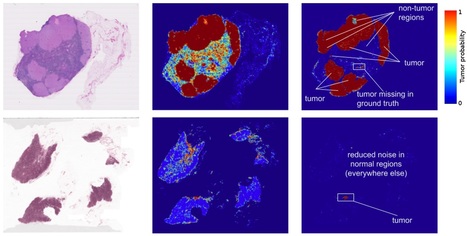
Applications of deep learning to medical disciplines including ophthalmology, dermatology, radiology, and pathology have recently shown great promise to increase both the accuracy and availability of high-quality healthcare to patients around the world. At Google, we have also published results showing that a convolutional neural network is able to detect breast cancer metastases in lymph nodes at a level of accuracy comparable to a trained pathologist. However, because direct tissue visualization using a compound light microscope remains the predominant means by which a pathologist diagnoses illness, a critical barrier to the widespread adoption of deep learning in pathology is the dependence on having a digital representation of the microscopic tissue. Using a combination of photonic time stretch and deep learning, the device is capable of analyzing 36 million images per second while leaving blood samples undamaged so they may be used for other testing purposes. The new photonic time stretch technology, invented by Barham Jalali who also led the study, takes pictures of blood cells using flashing lasers occurring in nanosecond bursts. “Each frame is slowed down in time and optically amplified so it can be digitized,” said Ata Mahjoubfar, a UCLA postdoctoral fellow who worked on the project. “This lets us perform fast cell imaging that the artificial intelligence component can distinguish.” While such a quick burst of capturing photos would typically require intense illumination, which could destroy live cells, UCLA doctoral student Clair Lifan Chen explains how Jalali’s new technique eliminates that problem. “The photonic time stretch technique allows us to identify rogue cells in a short time with low-level illumination,” Chen said. The photos are processed using deep learning, which runs data through a mass of algorithms to efficiently and accurately “read” the information. Deep learning has also been used to analyze patients’ genes, allowing identification of diseases or cancer that may otherwise go undetected, and has the potential to further understand cancer-forming mutations. So far, the newly created process has shown 95% accuracy in differentiating healthy and cancer-riddled cells — a 17% improvement over current techniques. Existent techniques for detecting cancerous cells include identifying cancer cells based on physical characteristics, a method that oftentimes misidentifies regular cells as damaged, or using fluorescent staining that binds to cancerous cells allowing cell detection yet effectively damaging the blood sample. In January 2018, a group of specialists in Wales, Germany, London, the United States, and Newcastle accomplished the same technique utilizing technology similar to face and fingerprint recognition software. In addition, the researchers found that their new method could also determine a cell’s age, which plays an important factor in the effectiveness of treatments. Continuing discoveries and advancements from scientists fighting cancer using cutting edge technology has, according to Dr. Fabian Theis of the Helmholtz Zentrum Munchen in Germany, “open[ed] a whole new perspective that could also be used for entirely different research questions, not only for cell analysis.”
|
|
Scooped by
Dr. Stefan Gruenwald
October 28, 2018 10:33 PM
|
Scientists have created a new and efficient way to study mutations found in schizophrenia, autism, and brain cancer. About 23 million people worldwide live with schizophrenia. Another 50 million live with dementia, and 300 million with depression. Yet the roots of these diseases and many other brain disorders elude scientists. The brain’s complexity makes answering questions about neuropsychiatric conditions and diseases difficult, says Howard Hughes Medical Institute Investigator Frederick Alt, of Boston Children’s Hospital. Now, he and his colleagues have developed a technique that could help. They have invented a new way to grow engineered brain cells inside living mice. “Our system allows us to use stem cells and basically make a new brain,” says Bjoern Schwer of the University of California, San Francisco. Schwer, Alt, and a team of scientists published the work on October 10, 2018, in the journal, Nature. Research in mice has already provided clues about how the larger and more complex human brain works. The mouse brain’s small size and the plethora of genetic tools available make it useful for gleaning insight into neurological diseases, Alt says. The new mouse brains his team are able to grow can carry mutations that contribute to autism, schizophrenia, Alzheimer’s disease, or various cancers – giving the researchers a way to study specific genetic glitches. The team’s system could speed brain research and even be a step toward growing other types of organs for transplant patients. “The approach is versatile,” Alt says. “It’s a powerful thing.”
|
|
Scooped by
Dr. Stefan Gruenwald
October 28, 2018 10:28 PM
|
Report suggests link between height and cancer risk could simply be because there are more cells for something to go wrong in. Taller people have a greater risk of cancer because they are bigger and so have more cells in their bodies in which dangerous mutations can occur, new research has suggested. A number of studies have previously found a link between a lofty stature and a greater risk of developing some form of cancer, with research suggesting that for every 10cm of height within the typical range for humans, the risk increases by about 10%. A similar link has also been found in dogs, with bigger breeds having a greater risk of such diseases. Scientists have put forward a number of different explanations for this, including that certain growth hormones could play a role in both height and cancer, or that environmental factors such as childhood nutrition or illness could be a factor. “One of the major hypotheses was that something was happening early in life that was making your cells more susceptible to cancer and, sort of incidentally, causing you to be tall,” said Leonard Nunney, professor of biology at the University of California Riverside. But now Nunney says he has crunched the numbers to show it might be down to a simpler matter of size: tall people simply have more cells for something to go wrong in. Nunney said his work, published in the Proceedings of the Royal Society B, is based on the fundamental model of how cancer develops, whereby individuals accumulate mutations in their cells (other than sperm or eggs) over their life: if a particular set of mutations arise then a certain cancer will initiate. The theory suggests that having more cells, or more divisions per cell, would therefore increase cancer risk.
|
|
Scooped by
Dr. Stefan Gruenwald
October 28, 2018 10:20 PM
|
Andrey Lebedev at ETH Zurich and colleagues in Finland, Switzerland and Russia demonstrated a prototype device that uses quantum effects and machine learning to measure magnetic fields more accurately than its classical analogues. Such measurements are needed to seek mineral deposits, discover distant astronomical objects and diagnose brain disorders. Quantum computing algorithms can improve the performance of a superconducting magnetic field sensor beyond the classical limit. A qubit’s time evolution is often influenced by environmental factors like magnetic fields; measuring this evolution allows the magnetic field strength to be determined. Using classical methods, improvements in measurement performance can only scale with the square root of the total measurement time. However, by exploiting quantum coherence to use so-called phase estimation algorithms during the measurements, the scaling with measurement time can be driven beyond the classical limits.
|
|
Scooped by
Dr. Stefan Gruenwald
October 28, 2018 10:01 PM
|
Newly developed device fits on the tip of your finger and could find its way into drones and spacecraft in the future. The new gyroscope from Hajimiri's lab achieves highly improved performance by using a new technique called "reciprocal sensitivity enhancement." In this case, "reciprocal" means that it affects both beams of the light inside the gyroscope in the same way. The Sagnac effect, named after French physicist Georges Sagnac, is an optical phenomenon rooted in Einstein's theory of general relativity. To create it, a beam of light is split into two, and the twin beams travel in opposite directions along a circular pathway, then meet at the same light detector. Light travels at a constant speed, so rotating the device—and with it the pathway that the light travels—causes one of the two beams to arrive at the detector before the other. With a loop on each axis of orientation, this phase shift, known as the Sagnac effect, can be used to calculate orientation. Since the Sagnac effect relies on detecting a difference between the two beams as they travel in opposite directions, it is considered nonreciprocal. Inside the gyroscope, light travels through miniaturized optical waveguides (small conduits that carry light, that perform the same function as wires do for electricity). Imperfections in the optical path that might affect the beams (for example, thermal fluctuations or light scattering) and any outside interference will affect both beams similarly. Hajimiri's team found a way to weed out this reciprocal noise while leaving signals from the Sagnac effect intact.Reciprocal sensitivity enhancement thus improves the signal-to-noise ratio in the system and enables the integration of the optical gyro onto a chip smaller than a grain of rice.
|