Your new post is loading...

|
Scooped by
Dr. Stefan Gruenwald
November 12, 2018 6:34 PM
|
A stressed-out and traumatized father can leave scars in his children. New research suggests this happens because sperm “learn” paternal experiences via a mysterious mode of intercellular communication in which small blebs break off one cell and fuse with another. Carrying proteins, lipids and nucleic acids, these particles ejected from a cell act like a postal system that extends to all parts of the body, releasing little packages known as extracellular vesicles. Their contents seem carefully chosen. “The cargo inside the vesicle determines not just where it came from but where it’s going and what it’s doing when it gets there,” says Tracy Bale, a neurobiologist at the University of Maryland School of Medicine. Preliminary research Bale and others, announced this week at the annual meeting of the Society for Neuroscience in San Diego, shows how extracellular vesicles can regulate brain circuits and help diagnose neurodegenerative diseases—in addition to altering sperm to disrupt the brain health of resulting offspring. Striking evidence that harsh conditions affect a man’s children came from crop failures and war ravaging Europe more than a century ago. In those unplanned human experiments, prolonged famine appeared to set off a host of health changes in future generations, including higher cholesterol levels and increased rates of obesity and diabetes. To probe the inheritance of such changes at the cellular level, Bale and co-workers performed a series of mouse experiments. It is pretty easy to stress out a mouse. Stick one into a tube it cannot wriggle out of, soak its bedding or blast white noise—and stress hormone levels shoot up, much as they do in people worrying about finances or facing incessant pressure at work. Remarkably, the way a mouse physiologically responds to stress looks noticeably different if—months before conception—its father endured a period of stress. Somehow “their brain develops differently than if their dad hadn’t experienced that stress,” says Chris Morgan, a postdoc in Bale’s lab who helped create the mouse model. The big question is how information about the paternal environment reaches the womb in the first place. After all, Morgan says, the “dad is only in there for one night, perhaps just a few hours.” Could his sperm carry memories of prior trauma? The idea seemed reasonable yet controversial. Because DNA is packed so tightly in the nucleus of a sperm cell, “the thought that [the cell] would respond to anything in the environment really boggled people’s minds,” says Jennifer Chan, a former PhD student in Bale’s lab who’s now a postdoc at Icahn School of Medicine at Mount Sinai in New York City. Rather, there must be some other kind of cell whose DNA does react to environmental changes—and that cell, she reasoned, could then relay that information to sperm cells to transmit at fertilization. She focused on a population of cells that interact with developing sperm by releasing molecules that help sperm grow and mature. They also secrete extracellular vesicles—and Chan showed it is these vesicles whose contents fuse with sperm cells, instilling memories of dad’s prior stress. In one set of experiments Chan stressed a group of male mice, let them mate and looked at stress responses in the pups. The clincher was a set of in vitro fertilization–like experiments in which she collected sperm from a male mouse that had never experienced induced stress. Half his sperm went into a lab dish with vesicles previously exposed to stress hormones. The other half was cultured with vesicles that had no contact with stress hormones. Chan injected sperm cells from each batch into eggs from a non-stressed female, then implanted the fertilized eggs—zygotes—into the same foster mom. The pups from non-stressed zygotes developed normally. Pups from stress-exposed zygotes, however, showed the same abnormal stress response as those whose dads had experienced stress before mating. That showed extracellular vesicles act as the conduit for transmitting paternal stress signals to the offspring, Chan says. The findings are “novel and of very high impact, especially when we consider the impact of military service or other work environments that can confer high stress,” says Robert Rissman, a neuroscientist at the University of California, San Diego, who was not involved with the research. “I think it would be important to better understand the specificity of the effect and how different types of stressors or strength of stressors can modulate this system.” As a first step toward translating the findings to people, Morgan is collaborating with University of Pennsylvania psychiatrist Neill Epperson to track protein and RNA changes in human sperm samples. At the neuroscience meeting, Morgan presented data from a six-month study of 20 undergraduate and graduate students. Each month the participants came in and gave a sperm donation. They also completed a same-day survey asking how stressed they were feeling. Preliminary data suggests just several months after a student reports stress, his sperm shows changes in “small noncoding RNAs”—RNA molecules that do not get translated to protein but instead control which genes get turned on or off.
|
|
Scooped by
Dr. Stefan Gruenwald
November 12, 2018 6:24 PM
|
Carnegie Mellon University researchers have developed a synthetic molecule that can recognize and bind to double-stranded DNA or RNA under normal physiological conditions. The molecule could provide a new platform for developing methods for the diagnosis and treatment of genetic conditions. Their findings are published in Communications Chemistry, a new Nature journal. The work was carried out by an international team of experts, including Carnegie Mellon Professor of Chemistry Danith Ly, an expert in peptide nucleic acid design, chemistry postdoc Shivaji Thadke and chemistry graduate student Dinithi Perera, Chemistry Professor and nuclear magnetic resonance expert Roberto Gil, and Arnab Mukherjee, a computer scientist at The Indian Institute of Science Education and Research at Pune. "Since the double-helical structure of DNA was first elucidated by Watson and Crick, scientists have been trying to design molecules that can bind to DNA and allow one to control the flow of genetic information," said Ly. "This is the first bifacial molecule that can invade double-stranded DNA or RNA under biologically relevant conditions." DNA, which contains all of an organism's genetic information, is made up of two strands of nucleotides. The nucleotides connect with each other using hydrogen bonds, forming a helical chain of Watson-Crick base pairs. While these base pairs provide a relatively simple code to our genetic information, getting into the double helix to change the code is difficult due to the strong bonds between the base-pairs. Ly and his colleagues at Carnegie Mellon University's Institute for Biomolecular Design and Discovery (IBD) and Center for Nucleic Acids Science and Technology (CNAST) are leaders in the design and development of gamma peptide nucleic acids (gamma PNAs). Synthetic analogs to DNA and RNA, gamma PNAs can be programmed to bind to the genetic material (DNA or RNA) that causes disease, allowing them to search for detrimental sequences and bind to them to prevent a gene from malfunctioning. The group has created double-faced gamma PNAs called Janus gamma PNAs. Named after the two-faced Roman god, Janus PNAs are able to recognize and bind with both strands of a DNA or RNA molecule.
|
|
Scooped by
Dr. Stefan Gruenwald
November 12, 2018 6:17 PM
|
Global warming has been attributed to persistent increases in atmospheric greenhouse gasses (GHGs), especially in CO2, since 1870, the beginning of the Industrial Revolution. Nevertheless, the upward trend in global mean surface temperature (GMST) slowed or even paused during the first decade of the twenty-first century, even though CO2 levels continued to rise and reached nearly 400 ppm in 2013. This episode has typically been termed the global warming hiatus or slowdown in warming. The hiatus is characterized as a near-zero trend over a period. Detection found that the hiatus appeared during 2001-2013/2002-2012 with extremely weak interannual variability in some GMST sequences, and the slowdown in the others. The hiatus is often attributed to internal climate variability, external forcing, or both, involving an increase in aerosols in the stratosphere during the period 2000-2010, the negative phase of the Interdecadal Pacific Oscillation (IPO) accompanying intensified trade winds, extensive heat uptake by the deep ocean or an extremely low number of sunspots during the latest solar activity cycle. A new study published in hScientific Reports reveals that the global warming has never stopped in the past hundred years, with maximum rate of change after Second World War II and almost constant rate (0.08oC/10a) during the latest three decades. However, the key cooling against global warming comes from the interannual variability of the temperature that is coincided with the variability of the sea surface temperature in the equatorial mid-eastern Pacific. Hence, the hiatus is merely a decadal balance between global warming and the cooling resulting from anomalous sea surface temperature in equatorial Pacific. The hiatus ended in 2014 as a new El Niño Southern Oscillation (ENSO) event was developing in the equatorial mid-eastern Pacific which caused a rapid warming in the earth. On the other hand, the multidecadal climate oscillation follows a downward path with increase in cooling. "Our study suggests that future climate conditions will likely rely on competition between multidecadal cooling and global warming if the multidecadal climate cycle repeats, as was experienced during the second half of the twentieth century." Says Dr. Xingang Dai, the lead author from Institute of Atmospheric Physics at Chinese Academy of Sciences.
|
|
Scooped by
Dr. Stefan Gruenwald
November 9, 2018 1:50 PM
|
Blue asteroids are rare, and blue comets are almost unheard of. An international team led by Teddy Kareta, a doctoral student at the University of Arizona's Lunar and Planetary Laboratory, investigated Phaethon, a bizarre asteroid that sometimes behaves like a comet, and found it even more enigmatic than previously thought. Kareta presented the results during a press conference on Oct. 23 at the 50th annual meeting of the American Astronomical Society's Division for Planetary Science in Knoxville, Tennessee. Using telescopes in Hawaii and Arizona, the team studied sunlight reflected off Phaethon, which is known to be blue in color. Blue asteroids, which reflect more light in the blue part of the spectrum, make up only a fraction of all known asteroids. A majority of asteroids are dull grey to red, depending on the type of material on their surface. Phaethon sets itself apart for two reasons: it appears to be one of the "bluest" of similarly colored asteroids or comets in the solar system; and its orbit takes it so close to the sun that its surface heats up to about 800 degrees Celsius (1,500 degrees Fahrenheit), hot enough to melt aluminum. Astronomers have been intrigued by Phaethon for other reasons, too. It has the qualities of both an asteroid and a comet based on its appearance and behavior. Phaethon always appears as a dot in the sky, like thousands of other asteroids, and not as a fuzzy blob with a tail, like a comet. But Phaethon is the source of the annual Geminid meteor shower, easily seen in early-to-mid December. Meteor showers occur when Earth passes through the trail of dust left behind on a comet's orbit. When they occur and where they appear to originate from depends on how the comet's orbit is oriented with respect to the Earth. Phaethon is thought to be the "parent body" of the Geminid meteor shower because its orbit is very similar to the orbit of the Geminid meteors. Until Phaeton was discovered in 1983, scientists linked all known meteor showers to active comets and not asteroids. "At the time, the assumption was that Phaethon probably was a dead, burnt-out comet," Kareta said, "but comets are typically red in color, and not blue. So, even though Phaeton's highly eccentric orbit should scream 'dead comet,' it's hard to say whether Phaethon is more like an asteroid or more like a dead comet."
|
|
Scooped by
Dr. Stefan Gruenwald
November 9, 2018 10:46 AM
|
In the last few million years, the cranial capacity of the human lineage dramatically increased, more than tripling in size [1–3]. This rapid expansion of the human brain size may be part of a gradual and longer-term trend toward larger, more complex brains in many taxa [3–7]. These patterns of increasing brain size are puzzling since brain tissue is energetically expensive [8–13]. Efforts to understand the evolutionary forces driving brain expansion have focused on climatic, ecological, and social factors [1–3, 14, 15]. Scientists now provide an integrated model that attempts to explain both the broader patterns across taxa and the human outlier. To do this, they develop an analytic model and agent-based simulation based on the Cultural Brain Hypothesis (CBH): the idea that brains have been selected for their ability to store and manage information via some combination of individual (asocial) or social learning [16–21]. The researchers develop the idea that bigger brains have evolved for more learning and better learning. The information acquired through these various learning processes is locally adaptive, on average, and could be related to a wide range of behavioral domains, which could vary from species to species. The forms of learning they model could plausibly apply to problems such as finding resources, avoiding predators, locating water, processing food, making tools, and learning skills, as well as to more social strategies related to deception, coercion, manipulation, coordination or cooperation. Their results suggest that the same underlying selective process that led to widespread social learning [22] may also explain the correlations observed across species in variables related to brain size, group size, social learning, innovation, and life history. Moreover, the parameters in the formal representation of our theory offer hypotheses for why brains have expanded more in some lineages than others [44, 23].
|
|
Scooped by
Dr. Stefan Gruenwald
November 9, 2018 10:39 AM
|
A team of more than 100 scientists has assessed global warming's impact on thousands of tree species across the Amazon rainforest, assessing the winners and losers from 30 years of climate change. Their analysis found that the effects of climate change are altering the rainforest’s composition of tree species, but not quickly enough to keep up with the changing environment. The team, led by University of Leeds in collaboration with more than 30 institutions around the world, used long-term records from more than a hundred plots as part of the Amazon Forest Inventory Network (RAINFOR) to track the lives of individual trees across the Amazon region. Their results found that since the 1980s, the effects of global environmental change – stronger droughts, increased temperatures and higher levels of carbon dioxide in the atmosphere – has slowly affected specific tree species’ growth and mortality. In particular, the study found that the most moisture-loving tree species are dying more frequently than other species and those suited to drier climates are unable to replace them. Lead author Dr Adriane Esquivel Muelbert, from the School of Geography at Leeds, said: "The ecosystem’s response is lagging behind the rate of climate change. "The data showed us that the droughts that hit the Amazon basin in the last decades had serious consequences for the make-up of the forest, with higher mortality in tree species most vulnerable to droughts and not enough compensatory growth in species better equipped to survive drier conditions."
|
|
Scooped by
Dr. Stefan Gruenwald
November 6, 2018 11:23 AM
|
The electric car, which was launched on the Falcon Heavy rocket in February, is reportedly 179 million miles away from Earth. Elon Musk's red Tesla Roadster has made its way past Mars' orbit, according to a tweet from SpaceX on November 2, 2018. The Roadster, along with a dummy driver named "Starman" in the driver's seat, was launched into space on the Falcon Heavy rocket in February. The website WhereIsRoadster.com calculated that the electric car is now about 179 million miles away from Earth and is moving at a speed of roughly 35,000 mph. It's set to swing back into its planned 557-day orbit around the sun. Elon Musk’s car is making its way across the solar system. The firm behind the endeavour, SpaceX, shared an image on Saturday showing how the “Starman” in Musk’s cherry red Roadster, launched on a Falcon Heavy in February, has made its way beyond Mars and is set to swing back on its current path. In this handout photo provided by SpaceX, a Tesla roadster launched from the Falcon Heavy rocket with a dummy driver named 'Starman' heads towards Mars.In this handout photo provided by SpaceX, a Tesla roadster launched from the Falcon Heavy rocket with a dummy driver named 'Starman' heads towards Mars. The update is a reminder that, eight months after the company launched the car into space, it’s still embarking on its dramatic adventure. The initial mission sent Musk’s personal electric car into space, with a spacesuit-equipped dummy in the driver’s seat and David Bowie’s “Space Oddity” playing on loop. On the dashboard is a reference to Hitchhiker’s Guide to the Galaxy in the form of a “Don’t Panic” sticker. The car also includes a “5D quartz laser storage device…a high tech, high data storage unit that can survive the harsh environment of space,” storing Isaac Asimov’s Foundation trilogy of books.
|
|
Scooped by
Dr. Stefan Gruenwald
November 6, 2018 11:07 AM
|
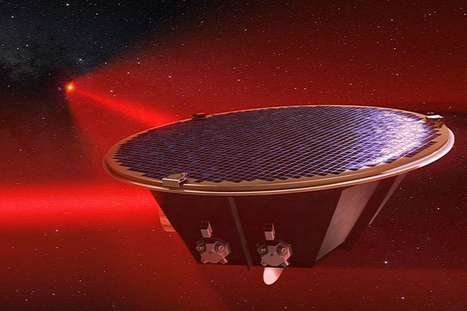
The triplet LISA spacecraft, which will use powerful lasers to measure ripples in space-time from supermassive black holes, have been green-lit. After decades of development and delays, the European Space Agency has given the Laser Interferometer Space Antenna mission, designed to study gravitational waves in space, the official green light. The triplet spacecraft are now slated for launch in 2034. “I think there’s a mixture of super-excitement and ‘at last’,” says Mark McCaughrean, ESA’s senior advisor for science & exploration. “We’re finally over the starting line – it’s great.” LISA will be made up of three identical satellites orbiting the sun in a triangle formation, each 2.5 million kilometres from the next. The sides of the triangle will be powerful lasers bounced to and fro between the spacecraft. As large objects like black holes move through space they cause gravitational waves, ripples which stretch and squeeze space-time. The LISA satellites will detect how these waves warp space via tiny changes in the distance the laser beams travel. In order to detect these tiny changes, on scales less than a trillionth of a meter, LISA will have to shrug off cosmic rays and the particles and light from the sun. The LISA Pathfinder mission, a solo probe launched in December 2015, proved that this sensitivity was possible and galvanized researchers working to realize the full LISA mission. With such high sensitivity, one challenge will be sifting through colossal amounts of data to find the signals with the most scientific promise. “That’s the amazing thing – we can hear everything in the universe with gravitational waves,” says McCaughrean. The prime targets for LISA observation, he says, will be merging supermassive black holes up to millions of times bigger than the black holes mergers detected in recent years by LIGO, the premier Earth-based gravitational wave observatory. Since supermassive black holes spiral towards each other and merge much more slowly than smaller ones, LISA will be able to provide prior warning of any upcoming mergers to astronomers, offering a chance to observe them with other telescopes as well “We’ll be able to see signals for months, so we’ll have time to point all these other telescopes at that point in the sky to see if there’s any other signals coming from that area when the merger happens,” says McCaughrean. This could yield further insight into how black holes and their collisions work.
|
|
Scooped by
Dr. Stefan Gruenwald
November 5, 2018 4:48 PM
|
The growth of a rat forelimb grown in the lab offers hope that one day amputees may receive fully functional, biological replacement limbs. It might look like an amputated rat forelimb, but the photo above is of something much more exciting: the limb has been grown in the lab from living cells. It may go down in history as the first step to creating real, biologically functional limbs for amputees. “We’re focusing on the forearm and hand to use it as a model system and proof of principle,” says Harald Ott of Massachusetts General Hospital in Boston, who grew the limb. “But the techniques would apply equally to legs, arms and other extremities.” “This is science fiction coming to life,” says Daniel Weiss at the University of Vermont College of Medicine in Burlington, who works on lung regeneration. “It’s a very exciting development, but the challenge will be to create a functioning limb.” Many amputees receive artificial replacements that look fine cosmetically, but don’t function as well as real limbs. And while bionic replacement limbs that work well are now being made, they look unnatural. Hand transplants have also been successful, but the recipient needs lifelong immunosuppressive drugs to prevent their body rejecting the hand. A biolimb would get round many of these obstacles as it only contains cells from the recipient so would avoid the need for immunosuppression. It should also look and behave naturally. “This is the first attempt to make a biolimb, and I’m not aware of any other technology able to generate a composite tissue of this complexity,” says Ott.
|
|
Scooped by
Dr. Stefan Gruenwald
November 5, 2018 1:12 PM
|
Artificial intelligence -- specifically, machine learning -- is a part of daily life for computer and smartphone users. From autocorrecting typos to recommending new music, machine learning algorithms can help make life easier. They can also make mistakes. It can be challenging for computer scientists to figure out what went wrong in such cases. This is because many machine learning algorithms learn from information and make their predictions inside a virtual "black box," leaving few clues for researchers to follow. A group of computer scientists at the University of Maryland has developed a promising new approach for interpreting machine learning algorithms. Unlike previous efforts, which typically sought to "break" the algorithms by removing key words from inputs to yield the wrong answer, the UMD group instead reduced the inputs to the bare minimum required to yield the correct answer. On average, the researchers got the correct answer with an input of less than three words. In some cases, the researchers' model algorithms provided the correct answer based on a single word. Frequently, the input word or phrase appeared to have little obvious connection to the answer, revealing important insights into how some algorithms react to specific language. Because many algorithms are programmed to give an answer no matter what -- even when prompted by a nonsensical input -- the results could help computer scientists build more effective algorithms that can recognize their own limitations. The researchers will present their work on November 4, 2018 at the 2018 Conference on Empirical Methods in Natural Language Processing. "Black-box models do seem to work better than simpler models, such as decision trees, but even the people who wrote the initial code can't tell exactly what is happening," said Jordan Boyd-Graber, the senior author of the study and an associate professor of computer science at UMD. "When these models return incorrect or nonsensical answers, it's tough to figure out why. So instead, we tried to find the minimal input that would yield the correct result. The average input was about three words, but we could get it down to a single word in some cases." In one example, the researchers entered a photo of a sunflower and the text-based question, "What color is the flower?" as inputs into a model algorithm. These inputs yielded the correct answer of "yellow." After rephrasing the question into several different shorter combinations of words, the researchers found that they could get the same answer with "flower?" as the only text input for the algorithm. In another, more complex example, the researchers used the prompt, "In 1899, John Jacob Astor IV invested $100,000 for Tesla to further develop and produce a new lighting system. Instead, Tesla used the money to fund his Colorado Springs experiments." They then asked the algorithm, "What did Tesla spend Astor's money on?" and received the correct answer, "Colorado Springs experiments." Reducing this input to the single word "did" yielded the same correct answer. The work reveals important insights about the rules that machine learning algorithms apply to problem solving. Many real-world issues with algorithms result when an input that makes sense to humans results in a nonsensical answer. By showing that the opposite is also possible -- that nonsensical inputs can also yield correct, sensible answers -- Boyd-Graber and his colleagues demonstrate the need for algorithms that can recognize when they answer a nonsensical question with a high degree of confidence.
|
|
Scooped by
Dr. Stefan Gruenwald
November 5, 2018 1:08 PM
|
Despite the simplicity of their visual system, fruit flies are able to reliably distinguish between individuals based on sight alone. This is a task that even humans who spend their whole lives studying Drosophila melanogaster struggle with. Researchers have now built a neural network that mimics the fruit fly's visual system and can distinguish and re-identify flies. This may allow the thousands of labs worldwide that use fruit flies as a model organism to do more longitudinal work, looking at how individual flies change over time. It also provides evidence that the humble fruit fly's vision is clearer than previously thought. In an interdisciplinary project funded by a Canadian Institute for Advanced Research (CIFAR) Catalyst grant, researchers at the University of Guelph and the University of Toronto, Mississauga combined expertise in fruit fly biology with machine learning to build a biologically-based algorithm that churns through low-resolution videos of fruit flies in order to test whether it is physically possible for a system with such constraints to accomplish such a difficult task. Fruit flies have small compound eyes that take in a limited amount of visual information, an estimated 29 units squared. The traditional view has been that once the image is processed by a fruit fly, it is only able to distinguish very broad features. But a recent discovery that fruit flies can boost their effective resolution with subtle biological tricks has led researchers to believe that vision could contribute significantly to the social lives of flies. This, combined with the discovery that the structure of their visual system looks a lot like a Deep Convolutional Network (DCN), led the team to ask: "can we model a fly brain that can identify individuals?" Their computer program has the same theoretical input and processing ability as a fruit fly and was trained on video of a fly over two days. It was then able to reliably identify the same fly on the third day with an F1 score (a measure that combines precision and recall) of 0.75. Impressively, this is only slightly worse than scores of 0.85 and 0.83 for algorithms without the constraints of fly-brain biology. For comparison, when given the easier task of matching the 'mugshot' of a fly to a field of 20 others, experienced human fly biologists only managed a score of 0.08. Random chance would score 0.05. According to Jon Schneider, the first author of the paper being published in PLOS ONE this week, this study points to "the tantalizing possibility that rather than just being able to recognize broad categories, fruit flies are able to distinguish individuals. So when one lands next to another, it's "Hi Bob, Hey Alice." " Graham Taylor, a machine learning specialist and CIFAR Azrieli Global Scholar in the Learning in Machines and Brains program, was excited by the prospect of beating humans at a visual task. "A lot of Deep Neural Network applications try to replicate and automate human abilities like facial recognition, natural language processing, or song identification. But rarely do they go beyond human capacity. So it's exciting to find a problem where algorithms can outperform humans."
|
|
Scooped by
Dr. Stefan Gruenwald
November 5, 2018 1:04 PM
|
Neuroscientists at the Allen Institute have moved one step closer to understanding the complete list of cell types in the brain. In the most comprehensive study of its kind to date, published today on the cover of the journal Nature, the researchers sorted cells from the cortex, the outermost shell and the cognitive center of the brain, into 133 different "cell types" based on the genes the cells switch on and off. The classification, building off of 15 years of work at the Allen Institute, uncovered many rare brain cell types and laid the groundwork for revealing new functions of two of those rare neuron types. The study captured cell-by-cell information from parts of the mouse cortex that are involved in vision and movement. Scientists are very far from understanding how the mammalian brain does what it does. They don't even entirely know what it's made of -- the different types of brain cells. What neuroscientists are up against in their work is akin to trying to recreate a delicious, complex meal, not only without knowing the ingredients and recipe that went into making it, but without even having any way to describe many of those ingredients. In the new study, the researchers came up with a way to describe those ingredients by analyzing the genes from nearly 24,000 of the mouse's 100 million brain cells, creating a list of 133 cell types. Because the study captured the activity of tens of thousands of genes from so many cells and is nearly complete for the vision and motor regions in the study, the other regions of the cortex will likely follow similar rules of organization, the researchers said. "This is by far the most comprehensive, most in-depth analysis of any regions of the cortex in any species. We can now say that we understand the distribution rules for its parts list," said Hongkui Zeng, Ph.D., Executive Director of Structured Science at the Allen Institute for Brain Science, a division of the Allen Institute, and senior author on the study. "With all these data in hand, we can start to learn new principles of how the brain is organized -- and ultimately, how it works."
|
|
Scooped by
Dr. Stefan Gruenwald
November 5, 2018 12:56 PM
|
EARLY LAST YEAR, Scott Blew was standing in line at a food truck in Los Angeles when he caught the glare of Fox News on a television out of the corner of his eye. This is ridiculous, he thought. He couldn’t even escape the deluge of the news, or the ubiquity of screens, on a jaunt outdoors to get lunch. You could consciously choose to put your phone away, to step away from your laptop, but then some other screen would pop up elsewhere, whether you liked it or not.
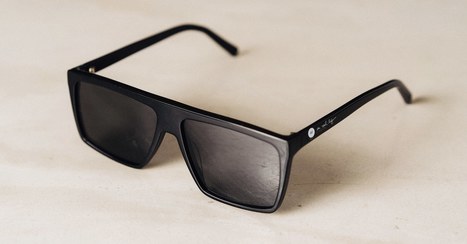
Blew, an entrepreneur and engineer, recalled an article he’d recently read in WIRED about a new kind of film that blocked the light emitted from screens. Plaster it on the glass walls of fishbowl conference rooms and other people could see in—but they couldn’t see what was on someone's laptop. Blew wondered if the same technology might work on a pair of glasses, to block the screens that seemed to be everywhere.
He contacted Steelcase, the company that made the Casper screen-blocking film, and ordered a sample. Then he popped out the lenses in a pair of cheap sunglasses and replaced them with the film. Amazingly, it worked: Blew could look through the lenses and see everything—except for screens, which turned black.
|
|
|
Scooped by
Dr. Stefan Gruenwald
November 12, 2018 6:30 PM
|
Food demand is growing as people get bigger. Feeding a population of 9 billion in 2050 will require much more food than previously calculated. “It will be harder to feed 9 billion people in 2050 than it would be today,” says Gibran Vita, a PhD candidate at NTNU ‘s Industrial Ecology Program. According to WWF, the world’s greatest environmental problem is the destruction of wildlife and plant habitat. A large part of the devastation is due to the demands of an ever-increasing human population. On the other hand, “Zero Hunger” is the second UN Sustainable Development Goal and its challenge is to meet a global growing food demand. The same food doesn’t cut it anymore. Changes in eating habits, attitudes towards food waste, and social and medical conditions have changed the situation. The number of people could level off at around nine billion in a few years, compared to just over 7.6 billion now. But an average person in the future will require more food than today. Changes in eating habits, attitudes towards food waste, increases in height and body mass, and demographic transitions are some of the reasons. Professor Daniel B. Müller and colleagues Felipe Vásquez and Vita analyzed changes in the populations of 186 countries between 1975 and 2014. “We studied the effects of two phenomena. One is that people on average have become taller and heavier. The second is that the average population is getting older,” said Vita. The first phenomenon contributes to increased food demand. The second counteracts the former one. An average adult in 2014 was 14 per cent heavier, about 1.3 per cent taller, 6.2 per cent older, and needed 6.1 per cent more energy than in 1975. Researchers expect this trend to continue for most countries. “An average global adult consumed 2465 kilocalories per day in 1975. In 2014, the average adult consumed 2615 kilocalories,” says Vita. Globally, human consumption increased by 129 per cent during this time span. Population growth was responsible for 116 per cent, while increased weight and height accounted for 15 per cent. Older people need a little less food, but an aging population results in only two per cent less consumption. “The additional 13 per cent corresponds to the needs of 286 million people,” Vásquez says. This in turn corresponds approximately to the food needs of Indonesia and Scandinavia combined.
|
|
Scooped by
Dr. Stefan Gruenwald
November 12, 2018 6:22 PM
|
EPFL scientists have developed an uranium-based complex that allows nitrogen fixation reactions to take place in ambient conditions. The work lays the foundation to develop new processes for synthesizing nitrogen products like cyanamide. Abundant in nature (78% of the air we breathe), nitrogen is rarely used in the industrial production of chemicals, with the most important process being the synthesis of ammonia, which is in turn used for the preparation of agricultural fertilizers. Using nitrogen as a raw material (“feedstock”) for industrial usage is accomplished by a reaction known as “nitrogen fixation”. In this reaction, molecular nitrogen (or “dinitrogen”; N2) is split into two atoms of nitrogen that can then be connected to other elements like hydrogen or carbon, which allow nitrogen to be stored as ammonia or converted directly in higher value compounds. But ammonia is not easy to make on an industrial level; the main process, called “Haber-Bosch”, uses an iron-based catalyst at temperatures around 450oC and pressures of 300 bar — almost 300 times the pressure at sea level. In order to make the process more cost-effective, chemists have focused on the development of new systems that can transform nitrogen into useful compounds using mild low-energy conditions. In 2017, the lab of Marinella Mazzanti at EPFL was able to convert molecular nitrogen into ammonia in ambient conditions by synthesizing a compound containing two uranium(III) ions and three potassium centers held together by a nitride group. Now, the group, in collaboration with other EPFL groups, has shown that by replacing the nitride bridge in the uranium system with an oxo bridge they can still bind dinitrogen. In addition, the bound dinitrogen can be easily cleaved in ambient conditions by carbon monoxide to make cyanamide, a compound that is widely used in agriculture, pharmaceuticals, and various organic compounds. The reactivity of the oxo-bridged dinitrogen complex was remarkably different compared to the previous nitride complex and the few other nitrogen complexes known in the field. Computational studies then allowed the scientists to relate these differences in reactivity to the bonding in the uranium-oxo/-nitride bridge. “These findings provide important insight into the relation between structure and reactivity that should extend to nitride and oxide materials,” says Marinella Mazzanti. “Moreover, the implementation of these compounds in catalytic systems could ultimately lead to a lower cost access to fertilizers.”
|
|
Scooped by
Dr. Stefan Gruenwald
November 9, 2018 1:53 PM
|
In their latest feat of engineering, researchers at Stevens Institute of Technology have taken an ordinary white button mushroom from a grocery store and made it bionic, supercharging it with 3D-printed clusters of cyanobacteria that generate electricity and swirls of graphene nanoribbons that can collect the current. The work, reported in the Nov. 7, 2018 issue of Nano Letters, may sound like something straight out of Alice in Wonderland, but the hybrids are part of a broader effort to better improve our understanding of cells biological machinery and how to use those intricate molecular gears and levers to fabricate new technologies and useful systems for defense, healthcare and the environment. "In this case, our system -- this bionic mushroom -- produces electricity," said Manu Mannoor, an assistant professor of mechanical engineering at Stevens. "By integrating cyanobacteria that can produce electricity, with nanoscale materials capable of collecting the current, we were able to better access the unique properties of both, augment them, and create an entirely new functional bionic system." Cyanobacteria's ability to produce electricity is well known in bioengineering circles. However, researchers have been limited in using these microbes in bioengineered systems because cyanobacteria do not survive long on artificial bio-compatible surfaces. Mannoor and Sudeep Joshi, a postdoctoral fellow in his lab, wondered if white button mushrooms, which naturally host a rich microbiota but not cyanobacteria specifically, could provide the right environment -- nutrients, moisture, pH and temperature -- for the cyanobacteria to produce electricity for a longer period. Mannoor and Joshi showed that the cyanobacterial cells lasted several days longer when placed on the cap of a white button mushroom versus a silicone and dead mushroom as suitable controls. "The mushrooms essentially serve as a suitable environmental substrate with advanced functionality of nourishing the energy producing cyanobacteria," says Joshi. "We showed for the first time that a hybrid system can incorporate an artificial collaboration, or engineered symbiosis, between two different microbiological kingdoms." Mannoor and Joshi used a robotic arm-based 3D printer to first print an "electronic ink" containing the graphene nanoribbons. This printed branched network serves as an electricity-collecting network atop the mushroom's cap by acting like a nano-probe -- to access bio-electrons generated inside the cyanobacterial cells. Imagine needles sticking into a single cell to access electrical signals inside it, explains Mannoor. Next, they printed a" bio-ink" containing cyanobacteria onto the mushroom's cap in a spiral pattern intersecting with the electronic ink at multiple contact points. At these locations, electrons could transfer through the outer membranes of the cyanobacteria to the conductive network of graphene nanoribbons. Shining a light on the mushrooms activated cyanobacterial photosynthesis, generating a photocurrent. In addition to the cyanobacteria living longer in a state of engineered symbiosis, Mannoor and Joshi showed that the amount of electricity these bacteria produce can vary depending on the density and alignment with which they are packed, such that the more densely packed together they are, the more electricity they produce. With 3D printing, it was possible to assemble them so as to boost their electricity-producing activity eight-fold more than the casted cyanobacteria using a laboratory pipette. Recently, a few researchers have 3D printed bacterial cells in different spatial geometrical patterns, but Mannoor and Joshi, as well as co-author Ellexis Cook, are not only the first to pattern it to augment their electricity-generating behavior but also integrate it to develop a functional bionic architecture.
|
|
Scooped by
Dr. Stefan Gruenwald
November 9, 2018 10:51 AM
|
Water is a key ingredient for life — and new research suggests we might find it all over the galaxy.
Scientists looked at the mass of super-Earths, a kind of planet common across the cosmos but not present in our own solar system. These rocky worlds are several times larger than Earth, but the team’s analysis of known super-Earths reveals something astounding: Many of them may be literal water worlds.
According to new research, many of these exoplanets may be half water. By comparison, water is just a tiny fraction of Earth’s mass. But that doesn’t automatically mean that these super-Earths are friendly places to any form of life. The Harvard-led team determined that those planets with 1.5 times Earth’s radius or below would be terrestrial, or rocky.
Super-Earths above 2.5 Earth radius might be more like tiny versions of Neptune or Uranus. The two water-dominated planets in our solar system are far from life friendly. Such hulking super-Earths would be enshrouded by a mostly-water vapor atmosphere. Further below, there might be oceans at extreme pressures and temperatures — between 390 and 930 degrees Fahrenheit (200 to 500 Celsius). But that doesn’t necessarily preclude life.
“Life could develop in certain near-surface layers on these water worlds when the pressure, temperature and chemical conditions are appropriate,” says the study’s lead author, Li Zeng of Harvard University. Zeng also believes that these planets may form more like a gas giant, with a core deep underneath a dense atmosphere.
“One has to realize that, although water appears to be precious and rarer on Earth and other inner solar system terrestrial planets, it is in fact one of the most abundant substance in the universe, since oxygen is the third most abundant element after hydrogen and helium,” Zeng said.
And based on the team’s modeling, up to 35 percent of known planets might be water worlds. That could mean the coming years will lead to the discovery of a whole lot of exo-oceans — and a whole host of new questions.
|
|
Scooped by
Dr. Stefan Gruenwald
November 9, 2018 10:42 AM
|
The weight is defined by a lump of metal in a Paris vault - which could make Earth ‘laughing stock of universe’. For the band of specialists in the much-overlooked arena of metrology, it will be the most profound moment in more than a century. Since 1889, one of the pillars of the science, the kilogram, has been defined by a lump of metal held in a triple-locked vault in a lab on the outskirts of Paris. It is the one true kilogram in the world. But not for much longer. Next week, leading figures in the field are set to make history. At the general conference on weights and measures in Versailles, representatives from 57 nations will vote for change. And so the kilogram, the only metric unit still based on a solitary object, will be reborn. Henceforth, the kilogram will be derived from a fundamental constant, a number that is woven into the fabric of the universe.
|
|
Scooped by
Dr. Stefan Gruenwald
November 7, 2018 12:31 PM
|
Built from the bottom up, synthetic cells and other creations are starting to come together and could soon test the boundaries of life. There were just eight ingredients: two proteins, three buffering agents, two types of fat molecule and some chemical energy. But that was enough to create a flotilla of bouncing, pulsating blobs — rudimentary cell-like structures with some of the machinery necessary to divide on their own. To biophysicist Petra Schwille, the dancing creations in her lab represent an important step towards building a synthetic cell from the bottom up, something she has been working towards for the past ten years, most recently at the Max Planck Institute of Biochemistry in Martinsried, Germany. “I have always been fascinated by this question, ‘What distinguishes life from non-living matter?’” she says. The challenge, according to Schwille, is to determine which components are needed to make a living system. In her perfect synthetic cell, she’d know every single factor that makes it tick. Another key to making a cell is getting the software right. Enabling a synthetic cell to follow scientists’ instructions and to replicate itself will require some way of storing and retrieving information. For living systems, this is done by genes — from hundreds for some microbes, to tens of thousands for humans. How many genes a synthetic cell will need to run itself is a matter of healthy debate. Schwille and others would like to keep it in the neighbourhood of a few dozen. Others think that synthetic cells need 200–300 genes. Some have chosen to start with something living. Synthetic biologist John Glass and his colleagues at the J. Craig Venter Institute (JCVI) in La Jolla, California, took one of the smallest-known microbial genomes on the planet, that of the bacterium Mycoplasma mycoides, and systematically disrupted its genes to identify the essential ones. Once they had that information, they chemically stitched together a minimal genome in the laboratory. This synthesized genome contained 473 genes — about half of what was in the original organism — and it was transplanted into a related bacterial species, Mycoplasma capricolum9. In 2016, the team showed that this minimal synthetic genome could ‘boot up’ a free-living, although slow-growing organism10. Glass thinks that it will be hard to decrease that number much more: take any gene away, and it either kills the cells or slows their growth to near zero, he says. He and his JCVI colleagues are compiling a list of ‘cellular tasks’ based on the latest version of their creation, JCVI-syn3.0a, which could act as a blueprint of a cell’s minimal to-do list. But for about 100 of these genes, they can’t identify what they do that makes them essential. As a next step, and supported by an NSF grant of nearly $1 million, Glass and Adamala will attempt to install the JCVI-syn3.0a genome into a synthetic liposome containing the machinery needed to convert DNA into protein, to see whether it can survive. In that case, both the software and the hardware of the cell would be synthetic from the start. If it could grow and divide, that would be a tremendous step. But many argue that to truly represent a living system, it would also have to evolve and adapt to its environment. This is the goal with the most unpredictable results and also the biggest challenges, says Schwille. “A thing that just makes itself all the time is not life — although I would be happy with that!” she says. “For a cell to be living, it needs to develop new functionality.” Glass’s team at the JCVI has been doing adaptive laboratory evolution experiments with JCVI-syn3.0a, selecting for organisms that grow faster in a nutrient-rich broth. So far, after about 400 divisions, he and his team have obtained cells that grow about 15% faster than the original organism. And they have seen a handful of gene-sequence changes popping up. But there’s no evidence yet of the microbe developing new cellular functions or increasing its fitness by leaps and bounds. A little bit of messiness in biological systems is what allows them to improve their performance. Synthetic cells could lead to insights about how life might look on other planets. And synthetic bioreactors under a researcher’s complete control might offer new solutions to treating cancer, tackling antibiotic resistance or cleaning up toxic sites. Releasing such an organism into the human body or the environment would be risky, but a top-down engineered organism with unknown and unpredictable behaviors might be even riskier. Synthetic living cells can also bring other philosophical and ethical questions: Will this be a life? Will it be autonomous? Will we control it? These conversations should take place between scientists and the public, before going too far into the projects. As for concerns that synthetic cells will run amok, many scientists are less worried. Many synthetic biologists will keep pushing ahead exploring the frontiers of life. The timing seems right, and scientists have the genomes, the parts list to work with. The minimal cell needs only a few hundred genes to have something that looks sort of alive. Hundreds of parts is a tremendous challenge, but it’s not thousands and that’s very exciting. Nature 563, 172-175 (2018). doi: 10.1038/d41586-018-07289-x
|
|
Scooped by
Dr. Stefan Gruenwald
November 6, 2018 11:16 AM
|
On Monday, Oct. 1st 2018, NASA turned 60. Over the last six decades, it's had a remarkable run of rocketeering and exploratory achievements, from the moon landings to the space shuttles, from the surface of Mars to destinations far beyond our solar system. And as space becomes just another place to do business, NASA looks to keep its edge as it is facing an identity crisis. Blame people like SpaceX's Elon Musk and Amazon's Jeff Bezos in part for that. They're in the vanguard of a new wave of commercial activity that's launching into what had for so long been the exclusive domain of government agencies, both in the US and abroad. NASA's 60th anniversary was an occasion to look both back to a settled past and ahead to an uncertain future. The agency long-associated with America's scientific prowess and can-do spirit got its start in one space race. Its next challenges lie in a new race to return humans to the moon and to push onward to Mars. There's a lot to keep track of. Here's a handy cheat sheet to get you started, with more to come. How did NASA get its start? The National Aeronautics and Space Administration officially opened its doors on Oct. 1, 1958, two months after it was established through a law signed by President Dwight Eisenhower. The US government had been spurred into action by the Soviet Union's launch a year earlier of Sputnik, the first satellite to go into orbit around the Earth. The space race with America's Cold War foe was on. But even though there was a subtext of military posturing, NASA was founded with a nonmartial mission. "It is the policy of the United States," the law said, "that activities in space should be devoted to peaceful purposes for the benefit of all mankind." NASA wasn't started from scratch, however. It took over from the National Advisory Committee for Aeronautics, or NACA, which had been created during World War I and which had already begun experimenting with rockets. On Oct. 11, 1958, NASA launched its first spacecraft, the Pioneer I. Five months later, Pioneer 4 made the first lunar flyby, and in April 1960 it recorded the first TV images of Earth from space, thanks to the TIROS meteorological satellite. But the really big early moments came from putting humans into space (again, after the Soviet Union got there first) through the Mercury space program. On May 5, 1961, Alan Shepard became the first American astronaut, making a 15-minute suborbital flight, and on Feb. 20, 1962, John Glenn became the first American to orbit the Earth. There's one that stands out from all others: Apollo 11 and Neil Armstrong's "one small step" on the surface of the moon. That achievement in July 1969 probably remains NASA's most iconic moment after almost half a century. But there have been others. For three decades, launches of the US space shuttles -- with their airplane-like design, they were the first reusable spacecraft -- made regular headlines, including numerous trips to the International Space Station, where astronaut Scott Kelley set a record by living in orbit for an entire year. Let's not forget the landing of multiple rovers on Mars, sending the Voyager spacecraft beyond the edge of the solar system and all the many discoveries and breathtaking images sent back by spacecraft including Cassini, Hubble and Kepler. NASA also has a history of missed deadlines and budget overruns that are a constant source of criticism. One of the agency's most notorious self-inflicted wounds came with the launch of the Hubble Space Telescope, which cost over 10 times the original estimates and which at first returned blurry images because of a flawed mirror. The flaw was eventually corrected, and the space telescope is still sending back remarkable images today. But NASA's reputation is well-earned: Hubble's successor, the James Webb Space Telescope, is mired in delays and cost overruns. At any given time, NASA has myriad projects, missions and research under way or in various stages of development. Right now the Juno spacecraft is surveying Jupiter, Curiosity is still roving around Mars, the newly launched Parker Solar Probeis on its way to the sun, OSIRIS-REx is approaching the asteroid Bennu, new low-boom supersonic aircraft are being developed and on Sept. 15, a NASA satellite to observe Earth's sea ice and ice sheets will be launched. There are also the ongoing expeditions aboard the International Space Station, next-generation rockets under development and other big plans for the future.
|
|
Scooped by
Dr. Stefan Gruenwald
November 6, 2018 11:04 AM
|
The Milky Way and Andromeda galaxy won’t collide for next 4 billion years. But a recent discovery of a massive halo of hot gas close to Andromeda Galaxy may mean that our galaxies are already touching. Astrophysicist Nicholas Lehner from University of Notre Dame, led a group of scientists using the Hubble Space Telescope to detect an enormous halo of hot, ionized gas about 2 million light years in diameter around the galaxy. The Andromeda Galaxy and Milky Way are the largest member of a ragtag group of some 54 galaxies, called the Local Group. Andromeda, with almost a trillion stars — twice as many as the Milky Way — shines 25% brighter and can simply be seen with the naked eye from outlying and rural skies. If the recently discovered halo spreads at least a million light years in our direction, our two galaxies are way MUCH closer to touching than previously thought. Lehner defines halos as the “gaseous atmospheres of galaxies”. Regardless of its huge size, Andromeda’s nimbus is almost invisible. To observe and study the halo, the astronomer sought out quasars, distant star-like objects that emit incredible amounts of energy as matter is sucked into the supermassive black holes. The brightest quasar, 3C273 in Virgo, can be easily observed with in a 6-inch telescope! Quasars’ bright, pinpoint nature make them perfect probes. J. Christopher Howk, associate professor of physics at Notre Dame and co-investigator, said “As the light from the quasars travels toward Hubble, the halo’s gas will absorb some of that light and make the quasar appear a little darker in just a very small wavelength range,” said J. Christopher Howk , associate professor of physics at Notre Dame and co-investigator. By measuring the dip in brightness, we can tell how much halo gas from M31 there is between us and that quasar” Astronomers have studied halos around 44 other galaxies but they never discovered one as massive as Andromeda where so many quasars are accessible to clearly outline its extent. The previous 44 were all very distant galaxies, with only a lone quasar or data point to regulate halo size and structure. The halo is projected to comprise half the mass of the stars in the Andromeda galaxy itself, in the form of a hot, rambling gas. Simulations propose that it was formed at the same time as the rest of the Andromeda galaxy. Even though mostly composed of ionized hydrogen — bare protons and electrons — Andromeda’s aura is amazingly rich in heavier elements, possibly supplied by supernovae. They explode inside the visible galaxy and aggressively blow good stuff like iron, silicon, oxygen and other similar elements far into space. Previous researches have shown that over Andromeda’s lifetime, almost half of all the heavy elements assembled by its stars have been ejected far outside the galaxy’s 200,000-light-year-diameter stellar disk.
|
|
Scooped by
Dr. Stefan Gruenwald
November 5, 2018 1:14 PM
|
The results of a new study represent an important advance in the fast-paced field of DNA nanotechnology, in which the molecule of life is used as a structural building material for a vast array of tiny configurations. Among these are minuscule robotic devices, photonic applications, drug delivery systems, logic gates, as well as diagnostic and therapeutic applications. Knots are indispensable tools for such human activities as sailing, fishing and rock climbing, (not to mention, tying shoes). But tying a knot in a lacelike strand of DNA, measuring just billionths of a meter in length, requires patience and highly specialized expertise. Hao Yan, a researcher at ASU, is a practiced hand in this delicate and exotic field, operating at the crossroads of nanotechnology and fine art. In new research appearing in the journal Nature Communications, Yan and his colleagues Fei Zhang, Xiaodong Qi and others describe a method for coaxing segments of single-stranded DNA into complex 2- and 3D knotted structures. The results represent an important advance in the fast-paced field of DNA nanotechnology, in which the molecule of life is used as a structural building material for a vast array of tiny configurations. Among these are miniscule robotic devices, photonic applications, drug delivery systems, logic gates, as well as diagnostic and therapeutic applications. "The knotted DNA structures demonstrated in this work exhibit unprecedented topological complexity, far beyond what has been achieved before using single stranded folding," Yan says. "Indeed, it is not only amazing but also surprising that the single-stranded DNA and RNA can thread through its own chains and find a way to form such highly knotted structures, given the fact that the single strand has to weave through so many tangles." Bringing DNA into the fold The new study involves innovations in the field of DNA origami, which, as the name implies, uses nucleic acids like DNA and RNA to fold and self-assemble into complex forms. This occurs when complementary nucleotide bases in DNA's 4-letter alphabet come in contact and bind, according to a strict regimen: C bases always pair with G and A bases always pair with T. In nature, strings of nucleic acids provide the code needed to make complex proteins. This basic biology provides the underpinning for all earthly life. Taking advantage of the simple base-pairing properties of DNA, it is possible to design structures that will self-assemble in the lab. The method has been applied to both single-stranded and double-stranded DNA forms, resulting in nanostructures of increasing complexity and sophistication. While DNA origami has made startling advances since its inception, one technical innovation has been vexingly difficult to achieve. Until now, creating complex knotted structures in DNA in a predictable and programmable way has eluded researchers. The new work overcomes this hurdle, establishing precise design rules that permit single-stranded segments of DNA (or RNA) ranging from 1800-7500 nucleotides to form knot-like nanostructures with crossing numbers (where the DNA strand weaves in and out of its own length) ranging from 9 to 57.
|
|
Scooped by
Dr. Stefan Gruenwald
November 5, 2018 1:09 PM
|
Yvette Cendes, a graduate student with the U of Toronto and Leiden Observatory, has created a time-lapse showing twenty-five years in the life of SN1987A. Since it first appeared in the southern night sky on February 24th 1987, Supernova 1987A has been one of the most studied objects in the history of astronomy. The supernova was the cataclysmic death of a blue supergiant star, some 168,000 light-years from Earth, in the Large Magellanic Cloud, a satellite galaxy of our own Milky Way Galaxy. It was the brightest supernova to appear in our skies since Kepler's Supernova in 1604 and the first since the invention of the telescope. The brilliant new star was first spotted by two astronomers working at the Las Campanas Observatory in northern Chile the night of the 24th: the University of Toronto's Ian Shelton, and a telescope operator at the observatory, Oscar Duhalde. Now, Yvette Cendes, a graduate student with the University of Toronto and the Leiden Observatory, has created a time-lapse showing the aftermath of the supernova over a 25-year period, from 1992 to 2017. The images show the shockwave expanding outward and slamming into debris that ringed the original star before its demise. In an accompanying paper, published in the Astrophysical Journalon October 31st, Cendes and her colleagues add to the evidence that the expanding remnant is shaped -- not like a ring like those of Saturn's -- but like a donut, a form known as a torus. They also confirm that the shockwave has now picked up some one thousand kilometers per second in speed. The acceleration has occurred because the expanding torus has punched through the ring of debris.
|
|
Scooped by
Dr. Stefan Gruenwald
November 5, 2018 1:06 PM
|
A unique survey by MIT Media Lab researchers and an international team of colleagues reveals global attitudes about autonomous vehicles and safety issues. A massive new survey developed by MIT researchers reveals some distinct global preferences concerning the ethics of autonomous vehicles, as well as some regional variations in those preferences. The survey has global reach and a unique scale, with over 2 million online participants from over 200 countries weighing in on versions of a classic ethical conundrum, the "Trolley Problem." The problem involves scenarios in which an accident involving a vehicle is imminent, and the vehicle must opt for one of two potentially fatal options. In the case of driverless cars, that might mean swerving toward a couple of people, rather than a large group of bystanders. "The study is basically trying to understand the kinds of moral decisions that driverless cars might have to resort to," says Edmond Awad, a postdoc at the MIT Media Lab and lead author of a new paper outlining the results of the project. "We don't know yet how they should do that." Still, Awad adds, "We found that there are three elements that people seem to approve of the most." Indeed, the most emphatic global preferences in the survey are for sparing the lives of humans over the lives of other animals; sparing the lives of many people rather than a few; and preserving the lives of the young, rather than older people. "The main preferences were to some degree universally agreed upon," Awad notes. "But the degree to which they agree with this or not varies among different groups or countries." For instance, the researchers found a less pronounced tendency to favor younger people, rather than the elderly, in what they defined as an "eastern" cluster of countries, including many in Asia. The paper, "The Moral Machine Experiment," is being published in Nature. To conduct the survey, the researchers designed what they call "Moral Machine," a multilingual online game in which participants could state their preferences concerning a series of dilemmas that autonomous vehicles might face. For instance: If it comes right down it, should autonomous vehicles spare the lives of law-abiding bystanders, or, alternately, law-breaking pedestrians who might be jaywalking? (Most people in the survey opted for the former.) All told, "Moral Machine" compiled nearly 40 million individual decisions from respondents in 233 countries; the survey collected 100 or more responses from 130 countries. The researchers analyzed the data as a whole, while also breaking participants into subgroups defined by age, education, gender, income, and political and religious views. There were 491,921 respondents who offered demographic data.
|
|
Scooped by
Dr. Stefan Gruenwald
November 5, 2018 1:00 PM
|
Vanderbilt engineers have developed a new method for duplicating DNA that makes devices small enough to hold in your hand that are capable of identifying infectious agents before symptoms appear. Imagine a “DNA photocopier” small enough to hold in your hand that could identify the bacteria or virus causing an infection even before the symptoms appear. This possibility is raised by a fundamentally new method for controlling a powerful but finicky process called the polymerase chain reaction or PCR. PCR was developed in 1983 by Kary Mullis, who received the Nobel Prize for his invention. It is generally considered one of the most important advances in the field of molecular biology because it can make billions of identical copies of small segments of DNA so they can be used in molecular and genetic analyses. Vanderbilt University biomedical engineers Nicholas Adams and Frederick Haselton came up with an out-of-the-box idea, which they call adaptive PCR. It uses left-handed DNA (L-DNA) to monitor and control the molecular reactions that take place in the PCR process. Left-handed DNA is the mirror image of the DNA found in all living things. It has the same physical properties as regular, right-handed DNA but it does not participate in most biological reactions. As a result, when fluorescently tagged L-DNA is added to a PCR sample, it behaves in an identical way to the regular DNA and provides a fluorescent light signal that reports information about the molecular reactions taking place and can be used to control them. In order to test their idea, Adams and Haselton recruited Research Assistant Professor of Physics William Gabella to create a working prototype of an adaptive PCR machine and then they tested it extensively with the assistance of biomedical engineering undergraduate Austin Hardcastle. A description of the technique and their test results are described in the paper “Adaptive PCR Based on Hybridization Sensing of Mirror-Image L-DNA” published in the journal Analytical Chemistry.
|