 Your new post is loading...

|
Scooped by
Linda Holroyd
January 8, 2015 1:59 PM
|
It is an interesting graph as it was made after dissecting over 100 top startup failures.
1. No market need - If there is no demand or do you not know how to create demand, than no amount engineering talent will solve this. Selling demand to something that does not exist yet is a skill in itself (selling faith while knowing you can deliver).
2. Run out of cash - this can happen in three ways. You didn't raise enough cash to begin with, the results didn't happen before you ran out of cash or you scaled prematurely. The whole point of the bootstrapping phase is to test and gain clarity in a new unknown area, while keeping expenses as low as possible so you can still be in the game when you can execute the clarity. You don't want to run out of cash before you can fully execute what you have learned in the startup phase.
3. Not the right team - there is nothing worse than working with the wrong people. It is a horrible way to spend your time. Note that you CAN'T change people. You may be able to train them +/- 5 to 10% in either direction but you can't fundamentally change a person. Getting the people that naturally exhibit the personality traits for the success in the role is the only way to create a great team. These sort of teams create 1000% returns with a lot less effort. In these sort of teams, people want to work together and enjoy each other's company.
There are a myriad of ways for a startup to fail and there are also a number of ways for a startup to succeed. For success, a large part is up to the founders simply continuing and not getting too caught up in the emotional drama while adapting to whatever new information/situation presents itself. Than once a solid business model is built, execute without holding back:).
Graph sourced from CB Insights: https://www.cbinsights.com/blog/startup-failure-reasons-top/
|
|
Scooped by
Linda Holroyd
January 7, 2015 4:04 PM
|
Hello from CES 2015! I've joined tens of thousands of brands, geeks, startups, investors, and technology enthusiasts from around the world to see what the future, or this year, holds for consumer electronics. While in Las Vegas, I'm also presenting at Brand Innovators "Mega Trends" event at the Four Seasons. I was asked to share some of the biggest trends that brands and consumers need to know heading into the new year and beyond. This list represents technologies and trends that I'm paying attention to and also high level thoughts around them. It's not complete. There's more to add on each topic of course. But this list is definitely worth exploring and I also invite you to share your ideas and the technologies you're watching. 1) Social Media 1.0 is dead. Social media becomes part of a digitally transformed ecosystem Real-time and content marketing becomes more sophisticated and portable Social becomes key hub for shaping customer experiences Social connects the Zero Moment of Truth and the Ultimate Moment of Truth 2) The future of search and SEM also lies outside of Google More than 88% of consumers are influenced by other consumers’ online comments. Customers are also starting searches in places such as Youtube, Pinterest and also in apps directly. 3) Messaging apps become the new social media 4) Asia and other foreign competitors will compete to gain share and push messaging forward 5) Notification windows introduce a thin layer for rapid engagement. Apps such as Yo, while a novelty at first, will redefine what an app is and will be...no kidding. 6) Chinese innovation is going to disrupt the U.S. from the outside in and the inside out 7) The Internet of Things is a hot and beautiful mess until it becomes the Internet of Everything By 2020, the number of devices connected to the Internet is expected to exceed 40 billion. 8) Wearables will struggle to find their place in everyday life. The Apple watch will start create a rising tide. Wearables are all over CES, but most are single purpose, redundant, cute or just plain useless. They need a killer app! 9) Virtual reality experiments with killer apps for consumer and vertical markets. 10) Focus on the kids! Generation Z is mobile first and mobile only and they’re nothing like Millennials 11) Youtube, Vine, etc., represent “a” new Hollywood Youtubers and Viners and the financial ecosystem emerging to support them is reminiscent of Hollywood in the early 1900s. More kids can name online celebrities than they can traditional movie and music stars. To capture attention, advertising and content will require an entirely new approach. 12) Cyber security becomes paramount to prevent the next #Sonygate 13) Some companies are still greedy and believe the internet should not be open for the sake of profitability. This will impede innovation. 14) Music streaming will continue to undermine the music business and artistry. Artists will fight back. 15) Wall Street becomes influential again forcing brands to trump customer experience for revenue 16) Crowd capitalization accelerates disruption…everywhere. 17) There are 163 cryptocurrencies in circulation. Bitcoin is widely known. Though its market cap is down, The Bitcoin Stack will revive the movement. h/t Joel Monegro and Fred Wilson. 18) Mobile payments early today, but will soon skyrocket In late 2013, just 6% of US adults said they had made a payment in a store by scanning or tapping their smartphone at a payment terminal. It will go up to 8% this year. Apple's introduction of the Apple Pay will be the key factor that will drive this percentage up. Mobile payments are already gaining traction. Nearly 15% of Starbucks customers already pay with their phones. And, 60% of consumers use their smartphones to pay because of loyalty benefits. 19) The Sharing Economy is really about renting or borrowing. Everything will become “on-demand.” New supply will stimulate new demand. Mobile platforms combined with geoloco will continue to bring everyday people and businesses together to do interact with trust and efficiency serving as facilitators. “Technology has made renting things (even in real time) as simple as it made buying things a decade ago" – Fred Wilson 20) New enterprise drone management platforms change the game for logistics 21) Cyber Warfare: Political battles will play out in the 5th dimension. 22) Your privacy is Gone: It was traded for perceived security and also better customer experiences. 23) Big data and beacons: Connect online, in-app, and in-store experiences. Also opens the door to new forms of engagement. - Footfall, visits online, visits through apps - Regency and frequency of visits, behaviors and transactions - Brand affinities - Favorite products - Demographics - Location - Loyalty program utilization - Service quality, queue and abandonment - Capacity planning and resource utilization Beacons provide businesses with endless opportunities to collect massive amounts of untapped data, such as the number of beacon hits and customer dwell time at a particular location within a specified time and date range, busiest hours throughout the day or week, number of people who walk by a location each day, etc. Retailers can then make improvements to products, staff allocation in various departments and services, and so on. 24) Webrooming becomes more common than showrooming (69% to 46% respectively), according to Harris poll - Millennials prefer webrooming - Amazon remains #1 destination for both showrooming and webrooming - Emerging connected in-store experiences link online and offline, leveraging both 25) Mass personalization and full funnel marketing suites reset vendor landscape and change how brands “think” and work. New adtech companies will focus on strategy + programmatic context, content AND ads. Optimized mobile affiliate tracking capabilities. Publishers will offer in-house capabilities for behaviorally programmatic targeting of premium advertising. Omni-Channel finally becomes mainstream. Brands must think like their customers to create seamless omni-channel shopping experiences that keep customers engaged at all stages.
|
|
Scooped by
Linda Holroyd
January 1, 2015 6:49 PM
|
In a world of constantly emerging new technologies, what trends will have the biggest impact on our lives? There are numerous predictions about which technology will be the most transformative and game changing. We picked the top 10 based on their potential to create disruptive change in 2015. 1. Internet of Things The Internet of Things (IoT) describes a landscape in which everyday physical objects connect with the Internet. When an inanimate object receives a digital footprint, that object becomes significantly more powerful as it can be shared and connected with people and places near and far. The IoT is shifting the way we use products. Canary is an all-in-one home security system that includes sensors and an HD video camera to monitor air temperature, quality, and sound. The systems employs machine learning to determine “normal activities,” sending you alerts through the Canary mobile app if these patterns change. 2. Predictive Analytics If businesses could tell the future based on data they currently have, would they modify the way in which they did business? Of course they would. Organizations are using predictive analytics to extract specific information from mass data in order to anticipate future behavior patterns. Not only does this enhance business intelligence, but it also gives businesses the chance to identify risks as well as untapped opportunities. The biggest reason why businesses fail to employ predictive analytics is their lack of great data. After all, you can’t predict the future if you don’t know how consumers are currently spending their time and money. 3. Artificial Intelligence (Machine Learning) Machine learning is a marriage between algorithms and data. In particular, it is a science in which computers are trained to analyze and interpret data without being explicitly programmed. With so much of our daily activities monitored through cell phones and internet searches, big data is transforming artificial intelligence, and specifically machine learning. Big brands like Google, Netflix, and Amazon use machine learning to provide recommendations based on your search history or recent online activity. Machine learning can be so complex that it powers driverless cars, or so simple that it completes sentences as you text. 4. Nanotechnology Nanotechnology exists in a world so small that we cannot see it with the naked eye. Yet it has the potential to reshape our society on a grand and global scale. For starters, nanotechnology has the power to transform the automated self-assembly process. This has enormous potential for vertical industries, including retail, healthcare and energy. Imagine if nanotechnology decreased the cost of making computers by half; reduced drug manufacturing by three/fourths; or got rid of our dependence on fossil fuels? 5. Wearable World Wearable technology provides consumers with the ability to gather and analyze extremely intimate data about their daily habits. Wearable devices also provide a convenience factor that attracts many buyers. For example, smart watches relay alerts from email and social media, share breaking news, as well as provide detailed information on the amount of steps you’ve taken in a day. They offer a connectedness coupled with independence, allowing users to look less at their cell phone. Wearable technology isn’t new by any means, but it is certainly evolving. With fashion as important as function, wearable devices will become a seamless part of our lives. 6. Mighty Batteries Technology is advancing our world, but how far have we truly come if we still rely on wires and chords to power our devices? The National Institute of Standards and Technology announced earlier in 2014 that they were developing batteries from sodium-based, complex metal hydride. Not only would this make batteries more stable and powerful, but it could also make them cheaper. Improvements in battery technology will change the way electronics are designed and built. 7. Ambient Proximity It’s not where a promotion is that matters; it is how close the promotion is located to you. Thanks to enhancements in ambient proximity technology, devices like beacons allow smartphone owners to interact more easily with their surroundings. Beacons are small transmitters using Bluetooth Low Energy (BLE) that push information back and forth between two connected devices in close proximity. Under Armour uses beacons to analyze how shoppers behave in their store, while Apple relies on beacons to increase their mobile payments. 8. Urban Mobility The transportation industry has undergone massive disruption as innovation in urban mobility alters the way we travel. In particular, ride-sharing services like Uber and Lyft allow people to pay for and arrange a ride through a mobile app, eliminating the need for physical cash. Additionally, bicycle-sharing services like New York’s Citibikes, Washington D.C.’s Capital BikeShare, and Austin’s B-Cycle offer eco-friendly alternatives to driving. As more consumers adopt environmentally friendly ways of living, urban mobility will continue to experience massive change. 9. Fast-Laning Accelerating checkout options is key for brands that want to enhance a shopper’s experience. No matter how great your product or service, you’ll upset and potentially lose customers if they are forced to wait in long lines. Panera Bread offers self-service machines where customers can bypass lines to order and purchase their meals. Not only are diners able to customize their meal by specifying exact preferences, but Panera also rewards them for using the self-service machines by giving them a free cookie. Through apps, both Taco Bell and Starbucks offer customers the option to order and pay for their items prior to picking them up. 10. Social Payments Consumers enjoy convenience. We’re more connected than ever through mobile apps. Thus, the emergence of social payments seems quite fitting given how often we use social platforms. Snapchat recently launched Snapcash, an easy way for friends to exchange money within the text feature. How easy? By simply typing a dollar sign (S) followed by a specific amount of money, you can send cash to friends, Another messaging app called Line released Line Pay, allowing users to purchase items and transfer money within the app. Additionally, some restaurants are adopting social payments so that diners can conveniently split bills. BeyondCurious is an Innovation Consultancy. Learn more at www.beyondcurious.com
|
|
Scooped by
Linda Holroyd
January 1, 2015 6:22 PM
|
When historians look back on the United States’ Patient Protection and Affordable Care Act (ACA), President Barack Obama’s controversial 2010 health-care reform, we predict that they will not devote much attention to its regulations, its troubled insurance exchanges or its website’s flawed launch. Instead, we think that they will focus on how “Obamacare” encouraged a wave of innovation that gradually tamed the spiraling costs of a dysfunctional system, even as millions of previously excluded Americans gained access to health insurance. Innovation is probably the least discussed aspect of health-care reform. Yet it is crucial to “bending” the sector’s cost curve, because it enables the delivery of quality health care in cost-effective ways. Obamacare has provided powerful new incentives for such innovation. From 1980 to 2010, U.S. health-care spending grew almost twice as fast as the economy, rising from 9.2% to 17.4% of GDP. While many factors contributed to this surge, most experts agree that the single most important cause was a fee-for-service system that rewarded health-care providers for billing as many services as possible, rather than for keeping people healthy and treating their illnesses efficiently. The ACA has been changing that, by establishing myriad new incentives to foster efficiency in health-care delivery — for example, by reducing costly and unnecessary hospital infections and readmissions, and by adopting electronic health records. Most important, the ACA is providing incentives for the creation of “affordable care organizations,” “bundled payment systems,” and other delivery innovations to encourage better coordination of care, especially for patients with numerous chronic conditions. Such patients are among the 10% who account for an estimated 64% of overall health-care costs. Obamacare is an example of how government can promote innovation to address major societal challenges by providing goals, directions and incentives, rather than by dictating solutions. Around the U.S., providers, insurers, non-profits and local governments are responding to the ACA’s incentives. The Centers for Medicare and Medicaid Services (which provide health insurance to pensioners and the poor) has just announced its second round of grants — $665 million to 28 states, three territories and the District of Columbia — to encourage innovations in health-care delivery. Of course, it is still too early to declare victory, but Obamacare seems to be working. According to a recent analysis by the Council of Economic Advisers (CEA), about 10 million people gained health-insurance coverage in 2014 as a result of the ACA, the largest increase in coverage in four decades. But the real surprise is that growth in health-care spending slowed dramatically from 2010 to 2013, to roughly the same pace as GDP growth. This represented a sharp break from the previous half-century; indeed, this period was characterized by the slowest growth in real per capita health-care spending on record. To be sure, the ACA is only one factor in this promising trend; growth in health-care spending often slows in the wake of an economic downturn. But Medicare spending, which is not affected by recessions, has slowed along with private health-care spending. In a recent study, the CEA concluded that the ACA’s Medicare reforms account for a significant share of the slowdown. The ACA is an example of how government can promote innovation to address major societal challenges by providing goals, directions and incentives, rather than by dictating solutions. The government plays a role akin to that of a venture capitalist providing seed money and financial support to foster innovation. In this scenario, different players — Medicare and Medicaid, state and local governments, private insurers, physicians, and social entrepreneurs — collaborate to hammer out effective solutions that can be scaled with government revenues. For example, responding to the ACA’s incentives and flexibility, Arkansas and Oregon have launched bold experiments to revamp Medicaid, in part by rewarding health-care providers who deliver better outcomes and keep patients healthier. In Camden, N.J., Jeffrey Brenner, a family doctor, has pioneered strategies to reduce hospital stays by “super-utilizers,” a small share of Medicaid patients who are frequently admitted for expensive acute care. Brenner mapped “hot spots” around Camden, and sought to find out why people in some areas ran up such huge bills. The problem was not fraud. It was an absence of coordinated medical care, especially basic primary care, and a lack of attention to people’s underlying risk factors. The most expensive 1% of patients, those with a tangle of issues, accounted for 30% of Camden’s public health-care spending. Brenner’s Camden Coalition of Healthcare Providers, founded in 2003, received its first funding from a philanthropy, the Robert Wood Johnson Foundation, and a private insurer, UnitedHealth UNH, -1.71% The remarkable success in Camden has prompted the foundation to fund similar experiments in Boston, Cleveland, Cincinnati, western Michigan and Humboldt County, California. Now the government is providing additional support, with grants to similar programs in Maryland, Colorado, Pennsylvania and North Carolina. Oregon has entered into a pay-for-success bargain with the federal government. The state will receive $1.9 billion over five years to revamp its Medicaid services along the lines of Camden’s approach. Oregon will get the money only if its per-person Medicaid costs climb substantially more slowly than other states’. At the moment, Oregon is on track. Arkansas has moved 20 different “episodes” of health-care delivery (including hip and knee replacements, pregnancy, colonoscopies, asthma and congestive heart failure) from fee-for-service to paying for quality outcomes. The results so far are promising, not just by reining in costs, but also by better aligning service delivery with best practices. The government can spur innovation by offering incentives that tap many different players’ strengths. In health care, that means taking advantage of the purchasing clout of Medicare and Medicaid, the risk-taking of social entrepreneurs and philanthropists, and the dynamism of markets and private business. And health-care reform is just one example in which government can deliver what the public wants by setting goals, encouraging creativity and providing the resources to scale up what works. Twenty-five years from now, we hope that historians look back on the ACA as the start of a new era of public-private collaboration to develop innovative solutions to complex social problems, and, thus, to restore trust in government itself. Laura Tyson, a former chair of the U.S. President’s Council of Economic Advisers, is a professor at the Haas School of Business at the University of California, Berkeley, a senior adviser at the Rock Creek Group and a member of the World Economic Forum Global Agenda Council on Gender Parity. Lenny Mendonca is a former director of McKinsey & Co. This article was published with permission by Project Syndicate — “Obamacare and Effective Government.”
|
|
Scooped by
Linda Holroyd
January 1, 2015 6:08 PM
|
It’s that time a year when every thought leader, analyst, reporter, and startup chief executive starts making predictions for the upcoming year’s trends. Considering that I live in the mobile enterprise world, I realize that attempting to make industry predictions in such as fast-moving environment is fruitless. Instead, I think it might be worth listing to some intriguing thoughts that might cause people to reflect on their current approaches to the mobile enterprise.
2014 was a wonderful year for enterprise mobility. Emergence of new trends, acquisitions, funding, crazy partnerships, critical mass milestones, initial public offerings, and other developments put the enterprise mobility ecosystem in the news every single week this year. As this industry matures, we should expect great movements in 2015. While I always considered following industry analyst predictions down to the letter a quick path to failure, we are seeing strong signs on some developments that might influence 2015 in the mobile enterprise. If you find some of these predictions very polemic, well, I think that’s the only worthy way of making predictions. Here are my top five:
MDM investments might become irrelevant
Mobile device management (MDM) has been at the center of enterprise mobile infrastructures in the past few years. Most enterprises today have implemented some sort of MDM initiative to support increasingly popular programs such as bring your own device (BYOD). However, as enterprise mobile solutions mature, more sophisticated requirements, such as application management, data privacy, or application auditing, are becoming increasingly relevant, compared with traditional MDM solutions. In that sense, in the next year enterprises might realize their MDM deployments are highly irrelevant to support the next wave of mobile solutions and will need to invest in newer solutions.
The enterprise mobile market start to consolidate
2014 saw significant M&A activity in the enterprise mobile market. Google’s acquisitions of Divide and Appurify, Red Hat’s acquisition of FeedHenry, and Progress’ acquisition of Telerik were some of the most notable transactions of the year. We should expect this activity to continue and even increase in 2015, bringing an inevitable level of consolidation in the enterprise mobile space. As a result, many existing standalone offerings in the market might be consolidated as part of bigger enterprise mobile suites.
Strong funding activity will point out the winners
As the enterprise mobile market matures, we are starting to distinguish clear frontrunners in the categories. With a lot of venture capital funds being deployed in the space, we should expect the market leaders in each category to be able to raise meaningful funding rounds that will help them accelerate growth and distance themselves from the competition. Additionally, we should expect to see many tier-one firms investing more aggressively in the space.
The Series A crunch impacts enterprise mobile startups
The past couple of years have seen large amounts of VC activity in the enterprise mobile space. As a result, many startups have been able to raise small seed and series A rounds.
However, only a small number of those startups have been able to achieve significant traction to be relevant in a series B or growth round model. This scenario can be seen as a microcosm of the Series A crunch phenomenon we witnessed in the consumer market in the early part of the year. As a result, in 2015 we should see enterprise mobile startups running into challenges in raising new rounds in order to keep executing and, therefore, becoming increasingly irrelevant or easy targets for acquisitions.
Mobile security becomes relevant
With the growing focus on cybersecurity infrastructure, enterprises should start investing more aggressively in security technologies for the different parts of their enterprise mobile infrastructures. In that sense, we should see areas like mobile malware detection, mobile data privacy, and mobile app auditing becoming more relevant in the enterprise.
Based on that phenomenon, we should see enterprise software incumbents debuting mobile security solutions as well as mobile security startups raising solid rounds in order to compete in this rapidly changing, demanding space.
Mobile middleware solutions become mainstream
Integration with enterprise systems remains the No. 1 challenge of building agile enterprise mobile infrastructures. Solutions like mobile backend as a service (MBaaS), platform as a service (PaaS) or even application programming interface (API) gateways have successfully provided components that can address the integration of mobile apps and line-of-business systems. While until recently these types of solutions have have been seen as a fancy capability embraced by sophisticated IT shops, enterprises are waking up to the fact that implementing mobile applications without an underlying middleware infrastructure is a recipe for failure. As a consequence, in 2015 mobile middleware will likely become a mainstream element of enterprise portfolios. In that sense, we should expect to see the integration capabilities provided by MBaaS and PaaS platforms converged onto more generic mobile middleware platforms.
We move from mobile analytics to true data science
In recent years, mobile analytics solutions have emerged in the enterprise. They can provide traditional reporting capabilities for the analysis of operational and user behavior in mobile apps. While these solutions are certainly relevant, enterprises are getting more interested in having a deeper level of understanding of user behavior in mobile applications, which is a problem that gravitates more toward machine learning and data mining.
Areas such as user behavior prediction or auditing remain mostly untapped in the mobile enterprise. As a result, we should expect to see the first platforms that extend the current mobile analytics capabilities by applying data science to the data produced by mobile applications. These solutions can manifest themselves as extensions of existing mobile analytics stacks or as brand new platforms that bring the power of data science to the mobile space.
The Internet of things won’t be a thing in the enterprise
The Internet of things (IoT) is definitely destined to have a strong presence in the modern enterprise. But we believe we’re just now seeing the first generation of enterprise platforms in the IoT space and that we should expect these solutions to become mainstream in 2015. We expect 2015 to be a year of experimentation for IoT solutions in the enterprise.
While most experts conceptually agree that areas like mobile device management, real-time analytics or complex event processing are going to be important in industrial IoT deployments, the complete set of features of those solutions will only be determined after the first cycle of production IoT deployments. In that sense, 2015 will bring us the first flavors of IoT enterprise platforms — but they won’t yet enjoy mainstream adoption.
Jesus Rodriguez is a cofounder and chief executive of enterprise mobile application platform KidoZen.
|
|
Scooped by
Linda Holroyd
December 31, 2014 5:37 PM
|
I’ve been an avid podcast listener for the past six years. Podcasts have been a major source of new information, insights and inspiration across a range of topics that interest me. They’ve transformed hours of otherwise tedious commutes in cars, taxis and planes into pockets of immersive listening that have been educational, motivational, and entertaining. I’ve also sat on the other side of the earbud as a podcast producer. For the past three years, I’ve churned out nearly 60 episodes of a program on Chinese business and economic trends that has been downloaded nearly a million times in 190 countries. Podcasts are not new: they’ve been around for well over a decade now. In 2006, the addition of podcasts to iTunes proved to be the tipping point that led to an explosion of new podcasts and the introduction of millions of new listeners. Today, iTunes houses over 250,000 podcasts. Podcasts are reaching more and more people. According to Edison Research, about 39 million Americans, or 15 percent of the over-12 population, listened to a podcast last month, up from 12 percent in 2013 and 9 percent in 2008. And the field is still wide open. The quarter-million podcasts available today pale in comparison to the nearly half billion English-language blogs, or the four million hours of videos uploaded to Youtube each month. A number of recent trends and developments indicate that 2015 could be a breakout year for podcasts. But before I cover some of the recent developments driving the supply side of the equation, let’s first take a quick look at what’s behind the explosive growth in consumer demand for podcasts. Why we love podcasts There are a number of reasons why podcasts are a unique medium for consuming content—and why we love them so much: Multi-tasking: Podcasts are on-demand audio that allow you to consume content while you go about living your life. You don’t need to be tethered to a chair, eyes glued to screen, to listen to your favorite podcast. You can listen while you jog, do the laundry, or perform a multitude of tasks that you can't do while reading a blog post or watching a video. Mobile: Podcasts go wherever I go. I can listen to them whether I’m stuck in traffic in a taxi in a tunnel underneath the Huangpu River in Shanghai, waiting in line to board a plane in Tianjin, or driving to work in Taipei. On-demand: With podcasts, you can listen to whatever you want, in whatever sequence you want, and whenever you want. Granted, blogs and video are also forms of on-demand content. But when combined with the multi-tasking and mobile elements described above, podcasts are truly unique. Pushed. Thanks to the magic of RSS feeds, podcasts appear on my podcast app as soon as they are published. A little red dot at the top-right of the podcast icon is enough to alert me to a new episode waiting for me. Global. I can stream or download the same podcasts as anyone else in the world, regardless of where I am. At the end of 2012, Apple launched the iTunes store in an additional 56 markets, bringing its global reach to 119 countries. While alternative platforms do exist and are growing — Soundcloud, Stitcher, and several other smaller applications — Apple iTunes remains the 800-pound gorilla in this space, with 85% of total podcast downloads flowing through its massive directory. Podcasts are free! Enough said.
And here’s why podcasts are going to get better and be even easier to access in 2015 Demand for podcasts is hot. But the supply side of the equation has a number of equally exciting trends and developments that are expected to push podcasts deeper into the mainstream: Low barriers to entry for new content producers Like the blogging and video revolutions that have enabled millions of people to become content publishers, podcasting has similarly low barriers to entry. Anyone with a laptop, microphone and free audio editing software can record and publish a podcast that can reach thousands of listeners around the world. Availability of training material is moving the needle on quality Of course, the price of such easy access to the tools of production means that the quality of what is being published ranges all over the map. More podcasts do not necessarily lead to better podcasts. The quality of podcasts available today ranges from the very good to the truly amateur. But an abundance of training material is helping to move the needle on quality. More and more professional podcast producers are sharing their experience, techniques, and tips, both for free and for a fee. In his new podcast, The Podcast Method, Dan Benjamin dives deep into both the creative and technical aspects of producing a top-notch program. Several successful podcasters also offer extensive training courses for which they charge a fee. Alex Blumberg, former producer and reporter for the award-winning radio show This American Life, and now producer of the hit podcast Startup, offers an in-depth video course on “powering podcast storytelling” on CreativeLive. Professional producers are raising the bar on quality Professional radio producers have been developing new podcasts and repurposing their radio content as podcasts for a long time. But in 2014 we saw a number of professional players take podcasts to a whole new level. The viral podcast hit Serial, a spin-off of This American Life, is probably the most buzzed-about podcast of all time. With an average 2.2 million downloads per episode, and more than 20 million downloads in total — from just 12 episodes — Serial has permanently exploded the myth that podcasts are a niche format. Content producers are monetizing Podcasts may be free for devout listeners like myself, but that doesn’t mean they don’t make money for the ones who produce them. More and more podcasters are monetizing their content in a number of ways, including good old-fashioned advertising. Adam Sachs, CEO of Midroll, a podcast advertising company that places commercials in more than 150 shows, told The Financial Times that he charges rates of between $20 and $30 per thousand impressions (calculated on a projected number of downloads per episode) — about five times the cost for traditional radio advertising. Some podcasts are supplementing — or circumventing altogether — traditional corporate sponsorship by leveraging crowdfunding platforms such as Kickstarter and Patreon to build listener-supported models. Roman Mars, the host and creator of the award-winning podcast on design and architecture, 99% Invisible, has raised $1.16 million in Kickstarter campaigns. Even if podcast producers don’t monetize their shows directly — and many still don’t — they are translating brand awareness into powerful lead magnets for products and services they sell on their websites and in off-line channels. The upshot of all this: the fact that podcasts are generating revenue will attract more players to join the fray, and encourage investment in higher quality content. Greater competition will likely push more marginal players to either up their game or withdraw. The final frontier: car dashboards They’ve conquered the desktop. The’ve conquered smartphones. And in 2015, podcasts will conquer the “final frontier” of distribution: car dashboards. Apple and Google are busy signing deals with automakers to get their systems — Apple CarPlay and Android Auto — onto the dashboards of new models rolling off the lots. It’s a game-changing move that will bring podcasts to millions of new — or otherwise infrequent — listeners. What do you like about podcasts? Do you think 2015 will be the year of the podcast? I’d love to hear from you in the comments.
|
|
Scooped by
Linda Holroyd
December 18, 2014 5:12 PM
|
Apple has won a major challenge to how it manages its music business. (Or, rather, how it did. More on that later.) It wasn't a close call: After a 10-year wind-up, an eight-person jury took about three hours to unanimously clear Apple of anti-trust charges surrounding iTunes that could have drawn a billion-dollar fine.
That's an amazingly powerful statement. I've been on a jury. It takes about three hours to settle in, find the bathroom and elect a foreperson.
It's impossible to know if the plaintiffs would have prevailed even five years ago, but tide has changed way too much in the intervening years. The whole case was predicated on the principle that people should be able to carry their own music everywhere, no matter how they acquired it. We’ve since found that the idea of having your “own music” is as obsolete as the 78.
The issue was about iTunes 7.0, a software upgrade that introduced a new digital rights management (DRM) feature which made it impossible to install on your iPod any song that you either hadn't purchased from Apple or ripped from a CD. What does that leave? Any digital song you purchased from a competitor.
The biggest loser was Rhapsody, which had been engaging in a cat-and-mouse game with Apple. These two companies were competitors in music sales, but Rhapsody didn't have its own portable player so it depended on player makers to support its business. When the iPod became a breakthrough device, all other vendors of music were really screwed.
But plaintiffs attorneys had a hard time finding any actual customers who felt screwed. Everyone was charging the same for tunes, so the only differentiator was the device upon which you played your music library. And, for whatever reason, Apple's iPod developed considerable cachet.
Apple argued that there were no injured parties, as one might expect. But the only two complainants named in the suit were disqualified because they didn't actually own an iPod during the period the case covered, September 2006 to March 2009. And a quickly-scrounged third was added so late in the proceedings she didn't have a chance to testify.
Apple made no bones about creating a walled garden with iTunes 7.0. But it won because the law a) doesn't require a company to help competitors, and b) the feature — at least as far as the jury was concerned — was only a side effect of a software upgrade that was genuinely beneficial to consumers.
Apple made a number of points in its closing argument, but this is the one that probably resonated the most, as reported by Brian X. Chen in New York Times:
“There’s not one piece of evidence of a single individual who lost a single song, not even a complaint about it,” said William Isaacson, Apple’s lead lawyer in the case. “This is all made up at this point.”
This is fun, albeit ancient history. As this case slowly progressed, the landscape quickly changed: Portable music players — including iPods — are largely a thing of the past. Hardware has given way to apps.
But even more importantly, music has become something we only need to borrow. Your Apple or Google or Amazon library is a burden, not a feature. Downloading is played out.
Only losers buy music. Turns out what everyone really wanted all along was radio without radios — AI DJs and the ability to crowdsource playlists. All for a small subscription fee every month that will never seem like a waste of even $1.29 for a song that you decide you really never want to hear again after the fourth (or even 400th) time.
There are more than 100 streaming music services now that don't make you buy a single single. Apple is among the latest entrants with what has become the third-most-popular service in the US. Even Rhapsody — no longer dependent on portable music players — is back in the game.
Let's go out on limb: If we are willing to pay as we go for music, maybe it will dawn on us that it isn't always preferable to be profiled by marketers to get "free," advertiser-supported services that we could also lease instead. This could have big implications for social networks, media and services entrepreneurs haven't dreamed up yet.
And the math works. Back when Facebook bought Instagram for $1 billion, Alexis Madrigal opined "Why You Should Want to Pay for Software."
Here's an alternative version of what Instagram could have done before Facebook purchased them. Instagram has, what, 100 million users? If they got $5 a month from 20 million of those users, they'd be looking at $300 million in quarterly revenue. That's a nice chunk of change when you have a baker's dozen employees. You think those guys could split more than a billion dollars a year and call it good. Or hell, make the user numbers an order of magnitude smaller: 2 million out of 10 million users. That's still $30 million dollars a quarter for 13 guys.
It's a solid argument, but consumers have to vote with their clicks. We've done it in music. What could be next?
|
|
Scooped by
Linda Holroyd
December 17, 2014 3:00 PM
|
Google News has done it — again: Abandoned a European country where the powers that be think it is doing evil by using snippets from local publications to drive traffic to those publications from the pages of Google News.
Hey Spain: Check in with Germany, where this did not end well. After two weeks without Google Love, Axel Springer, the nation's biggest publisher and one of Google's loudest critics in Europe, cried "onkle." The publisher also played the victim card, characterizing Google's acquiesce to exactly what it had demanded — not publishing content to which it had not secured the rights — as vindictive.
“As sad as it is, at least now we know precisely how enormous the consequences of discriminating are, how Google’s market power really plays out, and how Google punishes those who exercise the right” to protect content, said Springer Chief Executive Mathias Doepfner.
The face-off in Spain is similar: A new tax requires aggregators to pay publishers. Google isn't interested, and since it doesn't put ads against Google News it isn't inclined to operate at even a greater loss than subsidizing free.
Be careful what you wish for, Spain. It would be a shame if you had to embarrass yourself as much as Springer's chief executive.
Anyone with a passing knowledge of Internet news has seen this particular movie a few dozen times. My own favorite version features News Corp, which started back in '09 and is now back in full swing with snappy arguments centering on piracy and hamsters.
Anyway, back to Spain. The new law takes effect in the new year but Google made good on its resolution to bow out early. Publishers who backed the law now want the government to "get involved" again to do … who knows what. Legislate that Google News can't leave?
The Spanish law is commonly referred to as the "Google Tax" because the company is — as is the case in virtually every country its news service operates — the biggest game in town. But it affects all aggregators, who are understandably confused. “We’re completely lost and in a state of judicial insecurity,” Ricardo Galli, co-founder of Menéame, a Spanish news aggregator, told Playground magazine.
That's only the beginning. Because we now also have to define, legally, what an aggregator isn't. Per the Guardian:
The ministry of culture has repeatedly said social networks and their users would be exempt from paying the fee. But Galli said he did not know if that meant sites like his would be spared, as its aggregation is driven by users.
“There’s been a lot of alarm about us disappearing and we’ve received a lot of help and proposals to set up Menéame in other countries,” Galli said. “There’s a risk, but the probability of us disappearing is minimal.”
Remember that old saw about the power to tax being the power to destroy? That was supposed to be irony. But Spain and Germany are taking this advice quite literally. Since there is zero chance that Google will pay any publishers anything for providing them with a massive free marketing tool, it's hard to believe that any politician actually thinks passing a Google tax will raise any revenue. Meanwhile, Google has packed its bags and is moving on with a shrugs but local media will still have to deal with the mess.
This isn't even a clever wedge issue — you know, the kind that broadcasters use to extract bigger retransmission fees from cable/sat companies in the belief that they won't get blamed if the channel goes black in a million living rooms. When readers can't find aggregated headlines they'll take it out on the publishers, and in the meantime the injured parties are — the publishers. And if Spain comes to its senses it will be ... the publishers, just as in Germany, who grovel for Google come back.
One of these days Google just might think it should charge publishers for the right to appear on Google News, citing the ill-considered dramatics in these two European countries. This wouldn’t be unprecedented: publishers pay today to get prime placement in real life newsstands.
So this is a plea to publishers and readers — especially in Spain — to suggest an alternative scenario to the one I outline above, which amounts to cutting off your nose to spite your face and then blaming the person who sold you the knife.
|
|
Scooped by
Linda Holroyd
December 17, 2014 2:51 PM
|
Big data is moving on. We’re moving past the stage where it’s something only trailblazers and early adopters are on board with, towards a time when if you aren’t analyzing data to help you make better business decisions, you’re in danger of being left behind.
A survey this year found that 73% of businesses questioned either already had data analytics strategies in place, or are planning to implement them in the next two years. It is becoming apparent that just about any organization of any shape or size can find a data strategy to suit them. So here are 6 key facts about the big data economy you can’t afford not to know;
Big data is not a fad
A couple of years ago, when big data was very much the “word of the moment” in business circles, there people who were suspicious it was just a passing trend. That it could simply be another fad for shady consultants to make a quick buck out of credulous businessmen eager not to miss the “next big thing”.
The last couple of years have proved them spectacularly wrong. Now it exists, big data is simply too good a concept to do away with. Can you imagine ever wanting to regress to a stage where we rely on less data, and less accurate analytics? I don’t see it happening. Fair enough, we might stop calling it big data (which isn’t the most accurate name for it anyway, as I’ve discussed before). In the same way you don’t hear many people talking about the “world wide web” anymore – we just call in the internet. We might just go back to calling it “data” again, having no need for a “buzzword” label to differentiate it. But it isn’t going anywhere any time soon.
More and more data is becoming available to us every second
The big data economy is scaling up, to match the lightning speeds at which the volume of data available for analysis is growing. 90% of the data available today was created within the last two years, and by 2020 it is estimated there will be 10 times more information in the digital universe than there is today.
Industry is playing its part – increasingly measuring and recording more and more elements of their operations, in the quest for efficiency. And in our personal lives we all generate mountains of data every day, often without even realising it – websites we visit track details of our browsing activities, and our smartphones collect details on the time we spend talking to people, and even track our movements (often regardless of how we set our privacy settings!)
In fact the average household generates enough data each year to fill 65 iPhones (the 32GB ones if you want to be specific). In 2020 it is expected that this will grow to 318 iPhones. (Luckily we won’t actually have to own all those iPhones, as companies will be more than happy to store our information on their servers for us).
Big data will affect every industry and every part of life
Healthcare, finance, construction, retail, marketing, education, security, logistics – the list of uses that are being found for big data is growing as quickly as the data itself is.
And we take advantage of big data analysis all the time in our personal lives, too, even if we aren’t wearing the latest smart-watches which monitor our vital signs and activity rates and upload them to online databases. We book our holidays on travel sites which use data algorithms to find us the most suitable deals, and dating sites match us to potential life-partners using their algorithms and databases.
There is virtually no human endeavor which can’t be improved with better knowledge of the subject, and big data is all about making sure we know as much as possible about a problem or situation before we take action.
We can now analyze everything
The air around us is filled with invisible data, buzzing around the world at increasing velocity – data streams from our smart phones, televisions, credit card terminals and security cameras. Sensors are attached to vehicles and industrial machinery, and an increasing number of everyday household items such as scales and light bulbs.
We have always wanted to understand more about the world, so we have worked to make everything measurable. And as computers have become cheaper, more effective and easier to use, more and more techniques have been developed for analyzing the results of our measuring.
Although it is a slightly scary thought, it’s fair to say there is very little you can do, in or outside your home, that will not be measured or contribute to some form of statistic, these days!
Privacy is gone, but might come back
We’re increasingly willing to hand over personal details to businesses, in exchange for cheaper, faster or better services.
Most of us, it seems, aren’t worried about telling Netflix or Amazon exactly what movies they watch, when, and for how long, in exchange for more reliable recommendations about what to watch next time they sit down on the sofa with a tub of popcorn.
And we are more than happy to give supermarkets complete access to our shopping habits in exchange for small discounts on our weekly grocery bills through loyalty schemes.
This information is all tied to our real-life identity, through our credit cards or whatever details we hand over to get access to the service. It is passed on (either anonymized or not) to other companies they work with. And of course, it’s always available to governments – who have plenty of methods, both covert (spying) and overt (through courts or law enforcement) to get hold of it, should they want it.
Anything we do online - and increasingly, with the prevalence of CCTV, recording of telephone conversations and the “internet of things”, offline, too - is open to scrutiny. Which is why we can say that, for better or worse, privacy is dead.
Having said that, I also believe that at some point there will be a push back from consumers and legislators which will mean the use of data will have to be more transparent and based on consent.
Analytics is no longer a choice for any operation
If you aren’t using analytics to increase your efficiency, cut waste and make better business decisions – you are in danger of being left behind.
As I covered above, it is being put to use in every industry and arm of public service, so if you are missing the opportunities provided by the wealth of data and technology, your competitors almost certainly are.
Whether you want to go the “whole hog” and integrate an analytics strategy across your whole operation – streamlining recruitment, production, distribution, marketing and sales, or start small and explore how increasing your analytical capacity in one area will affect the bigger picture, data analytics is simply too valuable a driver of improvement for any organization to ignore.
|
|
Scooped by
Linda Holroyd
December 16, 2014 12:27 PM
|
2014 has been a huge year for many in the tech industry, including Google Ventures.
During the past year, the firm has seen record numbers in terms of investments, exits, and other actions. Life sciences was the the firm’s biggest investment category this year, making up 36 percent of investments.
Google Ventures president and managing partner Bill Maris has a soft spot for life sciences and health technology, having studied and done research in neurobiology earlier in his career.
“I’ve always had a keen interest in the life sciences and I feel like there’s a real opportunity” in it now, Maris said in an interview with VentureBeat.
“In 2000, even if you had a billion dollars, you couldn’t sequence a single genome,” he said.
But today, technology has advanced enough that life sciences research has become a form of information technology, yielding vast amounts of data that can be used to help us better understand our bodies.
Among the year’s standout investments, Maris is particularly excited about Flatiron Health and One Medical.
Flatiron Health, in which Google Ventures invested one of its biggest sums at $130 million, gathers and analyzes huge amounts of oncology data to help doctors better treat cancer patients.
“One in five patients in the U.S. are part of the Flatiron network and they don’t even know it,” Maris said.
One Medical, a popular alternative to traditional doctors’ offices (and all the pain and hassle they entail), is a reimagining of the patient experience given today’s technology, as Maris describes it.
And while life sciences and health tech will continue to be a strong focus for Google Ventures in the coming year, Maris was reluctant to commit to any portfolio portion or amount of money he and his team will dedicate to the category, and understandably so. Some of the firm’s biggest success stories and exits had nothing to do with life sciences, such as Google’s acquisition of Nest and Hubspot’s IPO.
Some of Google Ventures’ other statistics for 2014 include: 16 exits, a total of $1.6 billion under management, 282 companies now in its portfolio, and a new $125 million fund exclusively focused on European investments. (Take a look at the firm’s dedicated website for more details on how it did this year.)
Google Ventures, which was founded in 2009 as Google’s venture capital investment arm, largely focuses on earlier stage investing and is based in San Francisco, Calif.
|
|
Scooped by
Linda Holroyd
December 16, 2014 12:03 PM
|
In the television business, there’s a lot of focus on the individualization of the media landscape. Nielsen recently noted “today, content is delivered and consumed through competing delivery platforms, networks and screens. Never before have we seen this level of fragmentation.” Amid this talk of fragmentation, there’s the undercurrent of individualism: everyone wants to experience media in their own way, on their own time. But is this individualism really what will drive media consumption in the future? I think not.
What will drive media consumption in 2015 and beyond is the opportunity media offers to be a part of a larger community.
Human beings are social animals. From the time our earliest ancestors walked the earth, they gathered together and told stories around the fire. More recently, we’ve gathered around the television to share our collective experience. For more than a half century, the box in the living room has served as our electronic hearth. It has given us a place to congregate during moments of triumph and moments of tragedy. Now, we’re gathering around iPads and Xboxes and computer screens. But people are still driven by those same social instincts.
The brands that will do the best in 2015 will recognize this human need to be a part of something larger than themselves, to participate in a bigger community.
Bringing people together to build community isn’t new, but it’s certainly a growing business. I think it’s safe to say that when Tina Brown leaves to run a live-events business, there’s something going on. Attendance at live conference events is growing exponentially. Last year, more than 130,000 people attended ComicCon in San Diego. Conferences “promoting women’s empowerment are on the rise.” And of course, there’s SXSW, which has meant big business for the Austin area, with an estimated $1 billion economic impact over the last five years alone. That’s because people want to come together, to interact with others who share their passion.
This has real implications for the media business. Media companies are seeing tremendous growth by bringing people together and convening conversations in real time.
The Atlantic has revitalized their brand and repositioned the organization into a multimedia force. But I think it’s important to note that one of the areas that has really driven this success is their live events. The Atlantic started hosting live events in 2006; today, it puts on some 125 of them a year under the AtlanticLIVE brand. The live events have been so successful they now account for close to one-fifth of the Atlantic’s overall revenue.
Or consider the one category of television viewership that’s been on an unparalleled growth track: live sporting events. In 2014, over one billion people watched the Super Bowl. Why? Some of these viewers probably weren’t even fans of either team. Instead, people tuned in because the Super Bowl is a communal experience, a cultural touchstone, a chance for people to come together and share something with each other.
The multiplicity of media platforms offers more opportunities for these social experiences, not less. Consider the data around PBS’s flagship fall program, Ken Burns’s THE ROOSEVELTS. For the first time ever, we released all fourteen hours of the program for digital and over-the-top (OTT) streaming the morning after the TV broadcast premier. Some people worried that releasing these programs before they aired on television would lead to decreased viewership, because people could then watch when and how they wanted. But in fact, we saw the opposite- people were using the streams to catch-up on their viewing, so that they could watch the broadcast as it aired. More than 33 million people watched THE ROOSEVELTS during the 7 days it aired on PBS stations. People didn’t want to just watch it on their own, they wanted to be able to participate in the larger conversation around THE ROOSEVELTS event as it happened.
Social media is an important multiplier for this community building. Not only can it promote a television program, it can also foster inclusive discussion and debate. Our recent broadcast of the “AMERICA AFTER FERGUSON” town hall examined the issues raised after the shooting death of Michael Brown. To build on the town hall program, live on-screen tweets were incorporated as part of the broadcast. The results were beyond our expectations. #AfterFergusonPBS was a #1 trending topic on Twitter during and after its broadcast. The program also ranked in Nielsen Social’s Daily Top 5 ranking for series and specials. This means that people were using social media to engage in a national conversation around the important topics raised in the town hall.
So here’s my prediction: in 2015, forward looking companies will increasingly focus on building communities. Mass media will return to its social roots. Successful companies will leverage the power of new platforms to build online and live communities, bringing people together to share in experiences and events. Amid all of the choices in the media landscape, people will still be driven by the human urge to participate in something bigger than themselves, and the companies that will flourish will build on this.
|
|
Scooped by
Linda Holroyd
December 16, 2014 11:54 AM
|
Capitalism is the greatest economic model in history. That said, sometimes it breaks, as we’ve seen. But one of its strengths is that it also can shift and change; and we may be on the verge of one such change, a change that will lead to a more prosperous capitalism.
That change is the coming demographic shift. Boomers are retiring. Stepping into their places are two key groups: millennials and women. The energy around the advancement of these two groups is almost palpable. The millennials are aging into the workforce, an unstoppable force.
As for women, after years of stalled professional progress, the momentum seems to be in their favor. The national conversation on the benefits of gender diversity – sparked by “Lean In,” by Anne-Marie Slaughter, by speculation over Hillary Clinton’s presidential run – is powerful. As a result, women are recognizing the power they have as a group, joining networks such as Ellevate and Women 2.0, in which they share information and knowledge, mentor each other, and help each other advance. Women are starting businesses at a greater rate than men, as technology reduces the cost; this may pick up steam as platforms like Indiegogo promise to make capital raising more inclusive. And company managements are renewing their efforts around diversity, as they recognize that their tired affinity groups won’t be the only answer.
The implications of this shift in the workforce are significant: these groups think differently, act differently and value different things than those who have come before them. As they bring their values into the workplace, our economy begins to shift to a form better termed “Inclusive Capitalism.”
What does Inclusive Capitalism look like?
Well, if the research is right, a lot of great things happen:
The economy grows. Further advancing women in the workforce is not a zero sum game: more economic participation begets more economic demand begets more economic participation. By some accounts, fully engaging women in the US economy expands it by 7 percent to 9 percent, and by more in some parts of the world.
The retirement savings funding gap is reduced. More women working, more retirement savings, more Social Security savings, lower funding gap. In addition, there is some evidence that more women in senior management roles leads to lower gender pay disparities; it is estimated that equal pay for equal work could close the Social Security gender gap by a third.
Less volatile financial markets. Women are more risk-aware than men, with the correlations between testosterone and risk-taking well-documented. So imagine trading floors of the big banks with more women. It’s hard to believe that such diversity would have led to a more severe financial crisis, right??
Innovation increases. We mythologize lone geniuses. But innovation is also fueled by diverse perspectives: are teams that all have the same background likely to be more innovative, or those that bring in people who think differently, examining issues in different ways? Much like cities are more innovative than small towns, so teams that have different, and clashing, ideas are more innovative.
Companies perform better. In addition to greater innovation, more diverse teams have been associated with higher returns on capital, lower risk, greater long-term focus, and greater client focus. The power of diversity is so great that diverse teams outperform “smarter” teams. (See my piece on: The Secret to Putting Together an Insanely Successful Team.”)
Employees will push companies toward greater “meaning and purpose.” When we asked the members of Ellevate Network their priorities for accepting a job, the number one answer was “meaning and purpose.” And CatchAFire’s research indicates that 79 percent of millennials seek to work at companies that are socially responsible. No, neither group wants to trade compensation for this, but are instead pushing companies to stretch to do both.
Investors push companies to define their impact on the world around them. As women and millennials increase their wealth, their investments will grow. And so their drive for doing well and doing good will extend past their workplace to their investments (see my post: “The Big Idea 2014: Investing Will Completely Change”). And, in fact, values-based investing – in which investors look for both a fair return and a reflection of their values in their investments – is well out-stripping growth in the overall investing industry.
Think about the potential positive impact: according to the Center for Talent Innovation, 77 percent of women want to invest in companies with diverse leadership teams. As their capital flows to those companies, there can be a self-reinforcing mechanism: more capital to companies with greater diversity, which drives better business results, which gives investors more money to invest, which drives more capital to companies with greater diversity. And this can be replicated for any number of social values.
Families benefit. Yes, I know some folks will have the view that, in this environment, children will suffer without a full-time parent at home. As we approach full economic engagement – and as the desire of women and Millennials for greater work-life integration is felt – smart companies will respond. Today, most larger companies report that they have flexible work programs; yet 60 percent of working women with minor children say they wish they had work flexibility. Hhhhmmm.
Smart companies will move to true “flexibility without shame,” in which taking time for outside demands is not viewed as a form of weakness. Instead, I would guess that worker productivity goes up, as the stress of this-sometimes-unwinnable juggling act (for women and men) is reduced.
Entire industries are re-shaped. Pediatricians who work early morning and evening hours. Vets who work weekends and make housecalls. A Wall Street that is less about the next complex financial instrument and more about values-based investing. A cable guy who shows up on time. Law firms that no longer bill by the hour. I’m not sure how industries will respond to these changes, but the businesses will morph to meet the needs of this emerging workforce.
This shift in capitalism certainly won’t happen overnight, and there are still things to be frustrated about (women making 78 cents to a man’s dollar, venture capital dollars still overwhelmingly directed to males). And these deserve our time and attention to fix them.
But it’s the trend that matters most here. As these groups fully engage in the economy, we will move to a more inclusive capitalism, which will be a more prosperous capitalism.
|
|
Scooped by
Linda Holroyd
December 16, 2014 11:46 AM
|
When I was growing up, my father helped kindle my passion for innovation and technology. He was a high-ranking executive at AT&T and used our family dinner table as a focus group. I remember how excited I was when he showed me and my sisters the new Trimline phone, which I thought was really cool because it had push buttons instead of a rotary dial!
Today, as the CEO of Campbell, I’m just as intrigued by the convergence of innovative digital technology and the consumer’s increasing focus on health and well-being because it has implications for consumers and our industry. The convergence of these two trends is accelerating the rise of “quantified lives” or as Time magazine called it recently, the “quantified self” movement.
Whatever you call it, this movement will be a powerful force in 2015 and in years to come… a force that will shape people’s lives and help them keep their commitment to fitness, diet and nutrition. I see more people taking charge of their well-being through the use of data and digital sensors, wearable health bands and smartphone apps that can track and quantify everything from their heart rate, blood pressure and sleep quality to steps walked and calories consumed. The word “quantify” is what’s really important because people will use the personal data and feedback from these devices to make healthier lifestyle choices and adjust the way they eat, exercise, work and rest.
Why am I so interested in this movement? Two reasons. First, Campbell has been responding to consumers’ increasing focus on health and well-being by reshaping our portfolio to offer a growing range of packaged fresh and organic foods. Second, I believe it’s really important to understand how consumer behavior is evolving as the digital shift continues to transform our lives.
It’s not surprising to me that Millennials are at the epicenter of digital and food. About 19 percent of them are using mobile apps to monitor their fitness; 17 percent to count calories; and 14 percent to monitor diet and nutrition. That’s ahead of Gen Xers and Baby Boomers, according to The Futures Company.
As our nation aims to reduce obesity, heart disease and other health problems through exercise, balanced nutrition and a focus on prevention – a goal that we support avidly at Campbell – I believe we are moving closer to a future where quantified lives will become the norm.
I’m seeing a dramatic reset in the consumer mindset about health and well-being. The next big step is innovation that will make measuring and managing your health easier and faster than dialing the wonderful Trimline phone my father brought home.
|
|
|
Scooped by
Linda Holroyd
January 8, 2015 1:58 PM
|
Colleges and job training programs tend to focus on the hard skills you need for a particular career — how to use specific tools and programs, the knowledge needed to complete your tasks — but there are other skills, so-called “soft” skills that are perhaps even more important for a truly successful career. In fact, there’s nothing soft at all about soft skills; they can be difficult to master, but if you do, you’ll be employable in practically any field. No matter what your industry, position, or current employment, the following seven skills are vital to success in any chosen field. 1. High EQEQ stands for emotional intelligence quotient, and your emotional intelligence determines how well you relate to other people, your ability to put yourself in other’s shoes, and your ability to build rapport. It’s important when you’re managing or working with a team, in networking, in understanding workplace politics and really any time you need to interact with a co-worker or client. In other words: it’s invaluable to develop these skills. You can improve your EQ by mindfully practicing putting yourself in another’s shoes, for example, to practice empathy and understanding. 2. Communication SkillsYou might have the most brilliant ideas in the room, but if you aren’t able to effectively communicate those ideas, you’ll never get anywhere. Being able to communicate clearly is vital to working with managers, teams, and clients. You can start improving your communications skills by studying the words and phrases you should never use, and paying more attention to what you say. 3. Decision MakingA decisive person is going to be desirable in any position, at any level, and the ability to make decisions is especially important the higher up you climb on the ladder. Taking forever to decide, procrastinating by doing unnecessary research, or avoiding making decisions altogether aren’t a good way to get ahead anywhere. Practice being decisive and demonstrating your decision making abilities to get ahead. 4. IntegrityIntegrity at work means owning your mistakes, doing what you say you’re going to do when you say you’re going to do it, acknowledging when new information means you’re wrong, and being willing to say, “I don’t know.” People will respect and trust a person much more who has a reputation for integrity than someone who never admits he’s wrong or always puts the blame on others. 5. DriveHaving drive doesn’t have to mean working 80 hours per week or volunteering for every extra project. Instead, demonstrating that you have drive could mean consistently working hard while you’re at work. It could mean having the initiative to continue your education in your field or go the extra mile for a project. It demonstrates that you’re committed to your work, and that’s very attractive to employers and managers. 6. FocusMaintaining focus is an extremely important skill, whether we’re talking about focusing on a single task at hand or on your long-term objectives. It also means not getting sidetracked by “shiny object syndrome” or by what seems easy or expedient. 7. BalancePerhaps most importantly, the key to a successful career in any job is maintaining a healthy balance. Only you can determine what makes a healthy balance for you, but it’s vital to balance your career with those things that will make you truly happy. These are my picks for the top seven skills that are essential to career success, but they’re certainly not the only ones. What soft skills would you add to the list?
|
|
Scooped by
Linda Holroyd
January 1, 2015 6:53 PM
|
For nearly two decades, since the beginning of the dot-com boom, the “Era of Code” has dominated Silicon Valley. But that era is ending, as a new economic growth cycle of hardware begins to assert itself in the form of wearables, watches, mobile health, autonomous cars (Tesla recently announced that all their new models already have “auto-pilot”), drones (both consumer and military), 3-D printing (everything from houses to body parts), and a revolution in sensors—all connected by the “Internet of Things”. The consensus seems to be that, in 2015 the buzz, and the VC money that goes with it, will shift from social media to intelligent devices. This is a dramatic move away from the social-networking revolution that largely derived its value from the aggregation and concentration of data to a new paradigm of designing and building the hardware to realize the promise of this new “Internet of Things” world. In my opinion, it’s about time. For too long we’ve stopped designing and building new products that revolutionize industries and provide real value and real jobs. It’s not that I don’t see the value of a social network but it always seemed to me that social-media companies developed products that were nice to have but, for the most part, hardly essential unless you’re looking for a job or a long lost college friend. The revolution has already started with mechanical and electrical engineers returning in droves to Silicon Valley. Tesla is making cars in Palo Alto. BMW, Mercedes, Samsung, Nissan and General Electric have all established research and design laboratories. Medical-device companies are flocking in and being started or acquired at a blistering pace as the new wearable technology market heats up. The most successful companies in the next decade will focus on connecting the virtual and physical worlds. Google has already anticipated the trend with driverless cars, Google Glass, robots and, with its $3.2 billion purchase of Nest, thermostats as one of the “connected energy” components in what will no doubt be a portfolio of connected products designed to save energy by monitoring and controlling our environment with more intelligence. The rest of the world will quickly follow thanks to the “connectedness” of the world that the last decade of software has created. In 2015 we can all look forward to the same kind of “monstrous hype” so many dismissed when companies like Google, Facebook, and Instagram hit billion dollar valuations in just a few years. This next revolution will be the “wearable’s revolution” led by those long touted medical gadgets that keep a constant watch on your blood pressure, glucose level, sleep, and food intake, and tell you if trouble is on the way. If history is any indication, Silicon Valley is well positioned to lead this next revolution in technology with two of the big survivors leading the way; Apple who has always made devices and Google who is rapidly acquiring their way to leadership in the new “connected world’ they helped to create. Most important, Silicon Valley and the San Francisco Bay area remains the world's center of venture capital: the total valley (including San Francisco) venture investments this year (2014) exceed the rest of the country combined, according to the investment-analysis firm CB Insights. In 2015 I predict we’ll see the valuations for wearable’s companies rise dramatically and perhaps even see the first >billion-dollar valuation for a wearable medical device startup in history. Silicon Valley investment will drive the growth of these valuations as they solve some of the significant challenges still remaining to make these devices worth owning and worth using. Like they did with software for search and social networks, Americans will again regain the lead in technology products that can deliver on the promise of these profoundly complex technological challenges -- challenges that entire industries and, in some cases our own government have, at least so far, failed to overcome. There will be significant challenges to this revolution in the next few years too. Health care systems are already facing the barriers of integrating consumer technologies and medical devices into antiquated, often proprietary, and frequently obsolete software and hardware. They must now figure out how to integrate entirely new business concepts like Software as a Service (SaaS), measurement of patient outcomes, and more effective management and dissemination of “best practices” into their medical delivery systems. The regulatory environment, especially in the U.S., needs to be reformed to effectively utilize these new devices and the software that drive the Internet of Things in our health care delivery systems. Perhaps most important, this new “wearable revolution” needs a visionary leader who can articulate a unifying vision; like a reincarnation of David Packard (HP) or Robert Noyce (Intel) who helped lead Silicon Valley through their birth as a technology world capital. It may also be time to look beyond California to the spirited technology hubs in Salt Lake City, St. Louis, or Austin where technology job growth has skyrocketed in double digits for years now. If even a small part of the cash now flowing into investments in Silicon Valley begins to look for a home outside the SF Bay region, the next regional technology leader could change quickly. That’s already started as well with Tesla locating their latest battery development and production “gigafactory” in Nevada. No matter what happens – or where, the next revolution has already started - Happy New Year!
|
|
Scooped by
Linda Holroyd
January 1, 2015 6:41 PM
|
2014 is over and smart marketers know that they need to get ahead of the trends and anticipate relevant new products and services. If not, they will be devoured by their competitors. Some of my marketing and brand forecasts heading into 2014, such as the sharp growth of the shared economy, came true sooner than expected: Airbnb is now valued more than $13 billion (vs Hyatt Hotels $9 billion) and Uber more than $18 billion. Other predictions, such as top brands’ push for being best in retail or the digital transformation, are under way and gain momentum by the day. Now, let´s jointly look at what I think can be some of the most important focus areas of top brands in 2015:
Being Best in Focusing
Whenever I speak with chief marketing officers and marketing directors it becomes quickly obvious that many struggle with how to tackle digital marketing, how to develop a holistic content marketing strategy, and how to implement the tons of new ideas. As a consequence, in 2015 the best marketers will clean up the house and focus on selected big bets. Major projects and concepts which fit best with their brand´s DNA and core values. Going "Back to Basics" will be a key trend in 2015: To re-evaluate the target audience, determine what works and what doesn’t, re-prioritize and be smart about resource allocation and investment.
Being Best in Shifting Marketing Investments into Mobile and Digital
In its most recent ad spending report, Zenith Optimedia reduced their 2015 marketing spend forecast by 0.4 points to a +5.3% growth; anticipating weaker growth for traditional media and for Europe and Japan. Strong digital media growth will be mostly fueld by mobile advertising which is expected to grow by an average of 51% a year between 2013 and 2016.
Being Best at Justifying Marketing ROI
Also in 2015 brands will have to challenge themselves on how to measure marketing ROI, how to maximize marketing impact in consumer and business-to-business settings, how to adopt best practices for customer lifecycle management, and how to implement state-of-the-art segmentation techniques. More than ever the challenge will be to measure the ROI of their investment in content marketing. Yesterday it was about fans and likes. Today it's about social reach and page views. And in 2015 it will be about attention, engagement, desire, and how these affect the company's sales and reputation. Leading brands will have the right software tools in place to plan and to track. You might want to check out e.g. Wingify´s A/B testing platform – calledVisual Website Optimizer - which is for people even if they don’t have HTML or coding experience (like me).
Being Best at Meeting The Audience
Top brands constantly analyze the communities and geographies where their audience is. In most Western countries you would need to be in Facebook, Twitter, and Instagram. Depending on your business also in LinkedIN (a must channel for B2B marketing), Pinterest, and Youtube. In other countries, e.g. in China, sites and services like Sina Weibo, RenRen, or Pengyou should be covered. And yes, don´t worry too much about Google+ in 2015. In summary, don´t rush into every new social network. Instead find the right ones for you, i.e. evaluate carefully where your current and potential customers are and might go to.
Therefore smart marketers will make sure to be in all relevant interest-based networks (as opposed to Facebook-style people-based networks). Depending on your product consider sites for cat lovers, for cooks and food lovers, or sites likeFitocrazy for fitness junkies. You could even build your own social network (possibly in cooperation with other companies), e.g. by using Tint which is a self-service platform that allows organizations to create social hubs in minutes. Tint aggregates, curates, and displays any social media feeds anywhere. According to Mary Meekerand her famous Internet Trend Reports the 4 Ps have been supplemented by the 3Cs: Content, community, commerce.
The following rising social media sites and apps every top marketer should watch:Ello (the hippster social network which promised to never sell user data, currently still in Beta and invite-only), Yik Yak (exchanges fully anonymous posts with people who are physically nearby), Whisper, Bubbly, Heard, and WeChat. To find out more on how to grow your brand and your business via social media go ahead and read thesocial media industry report.
Being Best at Saving Customers´ Time and Responding ASAP
Top brands and companies will offer more "order ahead“ functionalities and superefficient services allowing their customers to save time. In hotels e.g. many guests want to skip the front desk. Therefore an increasing number of hotels will introduce a digital check in allowing their guests to use their smartphone as the room key. Hyatt, Hilton, and Starwood hotels are already testing some of these services. Another example is Starbucks which announced that it will introduce for the first timeMobile Order and Pay in stores in 2015. This will enable customers to place orders in advance of their visit and pick them up at their selected Starbucks location. Imagine not having to wait any longer in-line for 15 minutes for your Caramel Machiatto!
Social media created a consumer with short-term thinking. And best marketers – with lots of data at their hands – are capable of faster adaption, shorter lead times, and real-time communication. Marketing champions will answer within an hour and not within a week or a day. In Edelman’s Brandshare study of 15,000 people worldwide the number one most important behaviour indicated was a brand’s ability to respond quickly to concerns and complaints; with 78% of consumers saying it’s important but only 17% feeling brands do this well. The gap is particularly pronounced in the areas people value most – responsiveness, involvement and conviction.
Being Best at Addressing New Consumers Entering the Marketplace
The Millennial generation - aka Generation Y and with most researchers using birth years ranging from the early 1980s to the mid 1990s – according to a 2014 report by The Boston Consulting Group (BCG) chooses brands that are better aligned with their own morals and values. And because Millennials are social media and mobile users, the impact of their brand choices and feedback is greatly amplified and accelerated. Then there is Gen Z. A name used for the cohort of people born after the Millennial Generation, i.e. born roughly between 1995 and 2010. They carry a large influence and buying power. Gen Z demands complete personalization, expects instantaneous validation, and looks for affirmation from their peers. For example national retailerClaire’s Inc. developed their Best Friends Forever (BFF) jewelry offerings, grew their social media databases, and engaged their “tween” girl target by appealing to Gen Z´s sense of creativity and individuality. Read the whole case study here. Being Best at Generating Engagement and Creating Emotional Bonding
An excellent example is Nike´s Find Your Greatness campaign which touches all of us because it’s such a positive inclusive message. One of the campaign´s best commercials is The Jogger featuring 12-year-old Nathan from London, Ohio. Telling us that greatness is not beyond his reach, nor is it for any of us. It´s a memorable ad which reasonates with consumers as it delivers a personally meaningful message. It both links back to the brand´s values and at the same time it represents beliefs which go beyond the brand and its products.
Top brands will use tools like Digital Platform GPS which can optimize placements and resolve issues related to native advertising and shorter consumer attention spans. Metrics will move away from counting the number of views, sharing, and likes, toward real engagement. Brand consultancies like Brandkeys have developed specialized systems that provide brands with predictive and strategic findings that can increase ROI, sales and profitability. Also the ability to craft visual stories that inspire emotion and spark the movement will help companies get noticed and amplify their message. For example via Visual Storytelling. If you’re looking for a book that will give you inspiration for creating a visually based marketing campaign using a wide variety of social media platforms, then I recommend you the book The Power of Visual Storytelling by E. Walter and J. Gioglio.
Being Best at Practicing a Human and Transparent Communication Style
Leading brands will interact with their audience with respect and not just post and think that´s it. They exchange with their customers in a consistent and regular manner, answer quickly and clearly their questions. These brands will give an accurate and real time picture of what they are doing in the interest of the consumer, at any given time. They define e.g. content marketing as not being advertising. They focus on building relationships in a simple and straightforward manner. Taking the Classroom to the Streets is an excellent example for such a campaign, even executed with a small budget. I also see more and more companies applying human and humorous elements. A good laugh or the vulnerability of silliness is a convincing way to earn trust and loyalty. Wren, a small L.A. clothing label , with "First Kiss" did a three-and-a-have-minute video showing strangers being asked to kiss on camera. Showing deep emotions and human vulnerability it was – and even if you did not like it – affecting, fascinating, and touching. And by the way, it got 5 million views in its first day, and has close to 100 million to date.
Another good example: In honor of Earth Day on April 22, NASA has invited everyone to take part in a Global Selfie and submit a photo via Twitter, Facebook, Instagram, Flickr, and Google+. Finally an image was built using 36,422 individual photos.
Being Best at Caring in a Sincere Manner
Most of today´s consumers do not express their protests in the streets anymore. They´re voting for or against a brand at the check-out of both offline and online stores. In other words: Top brands will supplement their big and often anonymous Corporate Social Responsibility projects with more localized, individualized, and personalized initiatives. Marketers will need to keep adding “purpose” to their brands and products. In 2015 consumers want to balance more than ever consumption with ethical concerns. Initiatives like Small Business Saturday or Giving Tuesday as a natural corrective to Black Friday and Cyber Monday will gain further momentum. Top brands will need to find a way to get involved now and not to be left out. They will need to support people to find their individual strengths, skills, and ways to improve their behaviour and way of life. Either by offering special services and trainings which go beyond the pure product or by granting personalized incentives or rewards that motivate customers to continue with their efforts. A good example is theHeadspace meditation app. As a user you can map your journey, track your progress, and get rewards as you go. You can even buddy up with friends and motivate each other along the way. Foodtweeks is another superb example for combining business with supporting relevant causes. Every calorie you trim with Foodtweek will be donated to a local food bank and becomes a nutritious calorie for a hungry family.
Being Best at Applying New Marketing Technologies
Too many companies think in terms of digital marketing. Instead, they should be thinking in terms of marketing in a digital world. The best marketers in 2015 will consider themselves also as marketing technologists. As someone with heavy digital acumen and a passion for technology, data, and analytics. Without doubt, 2015 will be the year digital measurement finally comes of age. Smart brands have already formalized their efforts across organizations as well as marketing and IT departments. You might want to check out the following course about strategic data-driven marketing. For additional good courses to acquire e.g. data science degrees for a fraction of cost of business schools have a look at these excellent MOOC(Massive Open Online Courses) courses.
Another very useful source of information can be found here. Companies like Google are also offering some helpful seminars and tools with its Analytics Academy or itsAnalytics Premium tool. The very best brands, however, will go beyond analytics in 2015 as they´ve understood that analyzing is only a descriptive exercise. Benchmarking is fundamental to understanding what’s happening today. But to outperform your competitors you need something that will help you produce the right content moving forward. These brands will use social media analytics and competitive intelligence platforms like Unmetric which are able to compile data in minutes, analyze marketing efforts and compare them against the competitors that matter. Armed with this information and specific data-driven creativity tools such marketers will be able to plan and create content that will set their brands apart. As a top-notch marketer you should also know Kenshoo which offers one of the most advanced predictive marketing softwares encompassing campaign creation, audience targeting, bidding and budgeting, measurement, training and support. Being Best at Marketing New Consumer Technology
Visual communication will be a main trend in 2015. Just think Instagram or YouTube for videos. However, and what a surprise, YouTube is not the only traffic-generating place where you can upload your videos. I recommend also the following ones to upload and distribute your video content: Vimeo (fast growing!), Flickr (not only for still images), Break, Dailymotion, and Vine. Another trend is the further rise of messaging apps. The most popular ones are:WhatsApp (still the dominant leader), Slack (very popular among young businesses),Snapchat (alhough there were privacy concerns), Kik (popular among teens), and Japanese Line (popular among celebs, allowing voice calls over the internet, etc.).
Video blogs and videos will continue to gain significant more share versus print and text blogs. Already today more than 5,000 companies use e.g. Brightcove to publish and distribute online videos to websites, social networks, smartphones and tablets.
Simple, clean, and single-purpose apps which are easy and fast to use will be another major trend to watch in 2015. Even Facebook looks to further unbundle its experience into single-use applications like messaging, photography, contact management, location services, etc. Foursquare has already broken itself up by having launched Swarm some months ago. Other multi-brand and multi-product companies should seriously think about how best to develop unique apps for each of them. Saying that, marketers must carefully review their core user base, analyze their behaviors, needs, and wants. And only then define their (mobile) app and content strategy: single-use app, multi-purpose apps, and/or hybrid apps.
Artificial Intelligence (AI), virtual reality, and wearables represent another three key technologies in 2015 for top brands to follow and possibly to shape. In regards of AI many leading brands – and not only the usual suspects like Google, Amazon, Facebook, etc. - will take their first serious steps with machine learning and will invest in robotics. With giant eyes and a childlike face Softbank´s Pepper humanoid robot that can read and react to human emotions will help to sell Nescafe coffee in Japan. Also other companies e.g. in the hospitality industry will use cutting-edge technology to create unique guest experiences by offering drone delivery service like at the Casa Madrona hotel in Sausalito or the robot A.L.O. as a concierge at the Aloft Hotel in Cupertino, California.
Even if in 2015 AI might be embraced only by the very elite of the top brands, progressive marketers should already now think about using tools which are powered by AI such as e.g. Conversica which is one of the very few automated software solutions that can contact, engage, nurture, qualify and follow-up with leads without the need for human interaction.
With developments such as a cardboard DIY headset from Google and theSamsung Gear VR coming soon, I expect that also virtual reality will get closer to the mainstream in 2015 than ever before.
Finally, wearables like fitness trackers (e.g. those from Jawbone and Fitbit), fitness-tracker and smartwatch hybrids like the Gear Fit and Microsoft Band, smartwatches like Samsung Gear S, Motorola Moto 360, Pebble, or the soon to come iWatch of Apple collect data and zapping it off wirelessly to the Internet and all major social networks. Regardless if it´s agood thing or not, it will happen and as a marketer you better know what to do about it.
Being Best at Offering Easy Mobile Payment Solutions
With Apple, Amazon, Google, Facebook, Twitter, and many more working on it the mobile wallet will get significant traction in 2015. In addition, there are other powerful new kids on the block which top marketers need to have on their radar; like Venmo,SinglePoint, Square or Level Up. Although at this stage the endgame isn’t exactly clear, for sure we will also see major social networks trying more aggressively to handle financial transactions in 2015. Click here to get the latest mobile payment influencer study.
Being Best at Embracing the Sharing Economy
All leading and ambitious brands will need to be part of it. Full stop. Even, if it´s only to try it and to learn from their experiences to further develop their main products and offerings. The sharing economy has arrived in a big way and is here to stay. The internet of things will also become the internet of sharing things. Although in some countries some old-fashioned and backward looking politicians and lobbyists try to stop some Peer-to-Peer sites with sometimes obscure legal means, by now most of us have taken an Uber ride or stayed at an Airbnb place.
In 2015 the sharing economy will enter the next level. First, existing players will diversify their offers. Ride-sharing service Lyft e.g. launched Lyft Line mid of 2014. Currently available in three US cities, users can share a ride with others going the same way, and pay up to 60% less. There will be a national roll out during 2015. Second, third party companies like Breeze – only founded in 2014 and backed byMarc Cuban – will build an ecosystem around existing sharing economy companies. Breeze e.g. offers customers flexible access to vehicles they can use to support jobs as drivers for Uber, Lyft, etc. Denver-based Evolve is doing something similar by offering marketing and booking services for homeowners and offering travelers a simple booking experience. Third, the sharing economy will spread into all areas of life. Think of companies like Simplist which helps you find experts across all of your networks. And fourth, it is expected that membership and subscription models will continue to grow in 2015 such as book subscription services like Kindle Unlimited,Scribd, Oyster or video streaming services like Netflix, Amazon Instant Video, Google Play, etc. To get more info, data, case studies, etc. on the pulse of Mesh and the sharing economy click here.
Being Best at Data Security
Remember Target, Home Depot, eBay, Sony... All of them – and many more companies – were hacked. Customer data is a key asset for both companies and for their customers. Unfortunately, still too many companies are treating customer data with woefully inadequate protections. As "The Internet of All Things" matures, consumers will expect greater security. The time is now to apply a strict security strategy and to to have contingency plans in place. Moreover there is a severe need to cooperate e.g. with specialized companies like Security Scorecard which provide insights into the security posture and key risks of a company and its business partners to proactively tackle cybercriminals.
Being Best at Setting up own in-house Incubator and Accelerator ProgramsAlready in 2010 Pepsi launched PepsiCo10 an incubator program that matches technology, media and communications entrepreneurs with PepsiCo brands for pilot programs. Other leading brands like Coca-Cola, Disney, Siemens, etc. followed. In the majority of cases, however, these models use the traditional principle that the sponsoring company provides expertise and guidance and allow the emerging new venture to create and develop its own brands and products. In 2015, however, top brands will start to run in-house incubators of "start-ups“ to assist with the development of new products and services which are at the core of their businesses; instead of just considering a "start-up“ as an opportunity to develop new technologies or improved processes. Also small companies which are tied down by a shoestring budget can use sophisticated software programs and services like HubSpot´sJumpstart to build or expand their online business in an incubator-style. Jumpstart gives you 30+ marketing tools starting at €64 per month. Being Best at Internal Communications
In 2015 top brands and companies will focus more than ever on internal communications as a marketing asset. They will communicate frequently and broadly with all key stakeholders to explain the brand´s vision, ambitions, and strategy. The more innovative, dynamic, and disruptive they are, the more they need to get employees, suppliers, and partners involved and engaged. The very best brands will create brand ambassador programs centered around their own employees or customers. By assessing a company’s core values and cultivating a workforce that lives up to those values, these brands create a culture that promotes loyalty, strong customer service, and fun. One of my favorite examples is Zappos which is magnificent at giving its employees freedom to develop and to act as an ambassador e.g. by talking on behalf of Zappos in front of customers, key vendors or industry events.
Being Best at Building A Brand Ecosystem
In the age of mobile content consumption people no longer simply "listen“ and "read." They "monitor" and "scan." They make a decision in the blink of a moment as to how valuable a piece of content is, how much time they should give to it, and ultimately whether they buy a product or not. As a result, an organization must craft user experiences that befit the environment in which readers will discover, read, and share. Best brands will continue to create a common brand experience across the digital experience on- and offline. Building a meaningful community, i.e. an ecosystem around the brand. Crafting the right pathway to the product or service that a specific user needs and wants. A good example is the MINI - Chase The Paceman campaign which ran in the UK this year.
Being Best at Morphing Departments
The markets are turning more complex. Top companies and brands will push hard to continue overcoming functional borders within their organizations. They will break up traditional silos and insist on bringing people together from various departments. They will morphe the marketing and sales function into one as both are the critical customer-facing departments. The CMO will have to apply a holistic and integrating mindset and to convince her teams, peers, and CEO for support such an approach. All in order to improve and exceed at serving the customers. As expressed by Doug Warner from the opposite perspective: "In the world of Internet Customer Service, it´s important to remember your competitor is only one mouse click away.“
Being Best at Keeping and Recruiting Top Talents
Big corporations will face more trouble than ever retaining and finding top marketing talents. Increasingly those will reject corporate treadmill careers and instead prefer becoming their own and independent boss via feelancing, partnering with creative boutique agencies, or working for crowdsource brand-building platforms like Colossal Spark or eyeka.
Final Thoughts
In the end it’s still the brand that matters. Also in 2015, and facing a more competitive environmnet than ever with highly demanding and sophisticated consumers, brands will need to continue to differentiate themselves and to clearly stand for something relevant, emotional, and meaningful to consumers.
There is no reason to wait only for top brands to make this happen. Neither now nor in 2015. Every marketer can take over ownership, pay attention to what looms ahead, plan early her moves, put herself into the driver seat, and make it happen.
What do you think? Which marketing trends do you see for 2015? What will the best companies and brands do in your opinion? Andreas von der Heydt, Head of Kindle Content at Amazon
|
|
Scooped by
Linda Holroyd
January 1, 2015 6:16 PM
|
Jan 1 2015 By Heike Young Experts are predicting that 2015 will be the year of the podcast, the year of mobile (again), the year of solar power, and the year of the millennial customer. Why not the year of your small business? 2015 is a blank slate offering plenty of opportunities to grow your customer base. In fact, it’s an incredible time to be a small business because today’s complex, multi-channel world demands agility and individualized customer attention, which come more easily to small businesses. Get ready to feel optimistic. Here are five reasons why 2015 looks especially promising for small business owners. 1. Every industry is ripe for disruption. Customers are increasingly willing to change old patterns and embrace new ways of living. Take taxis or food delivery, for example. What used to be an obvious action (pick up the phone and call a cab or restaurant) is now an endless list of options: request a ride on one of several ride-sharing apps, use a food delivery website, or even digitally hire a personal assistant. In general, people are becoming more comfortable with changing the way they do things—and they like it. This new mindset is helpful for your small business, as your potential customers are likely curious to test something new. 2. The contractor ecosystem is hitting new heights. Need an app developed? A website redesign? A technical guide that explains how to use your product? The contractor and freelancer ecosystem is booming. According to a recent Forbes article, “Current estimates put the number of freelance workers at 53 million, or about 33% of the domestic workforce—a number that is expected to grow to 50 percent by 2020.” Some of today’s most skilled workers are actually choosing to be freelancers because of the flexibility this lifestyle offers. This is great news for small businesses that may need short-term experts, but can’t bring them on full-time. 3. In 2015, the number of mobile connections will surpass the global population.Mobile devices yield huge benefits for small business owners. They bring more ways to reach customers, more ways for customers to reach you, and more convenience for both parties. GigaOm reports that we’re on track to meet 100% mobile penetration by 2015, meaning that the number of mobile connections will surpass the number of people on earth. With ApplePay quickly expanding reach in 2015 (including a presence at gas stations), 2015 brings countless ways to benefit from a more mobile world. 4. Big media is no longer the best way to reach people. Podcasts, smartphone apps, text messaging, and social networks are only gaining in popularity, while traditional media outlets like TV and print must find new ways to keep up. Developing a presence on up-and-coming channels can come at a smaller price tag than expensive old-school ad campaigns, and audiences on these networks are ready to listen at any time. Even if you do decide to run ads, a highly targeted Facebook ad campaign still costs less than a commercial or ad on most traditional outlets. 5. The “buy local” movement is accelerating. In 2015, small is strong. On the American Express-hosted Small Business Saturday in 2014, 88 million consumers shopped at small businesses, a 14.9% increase from 2013. Also on Small Business Saturday, US consumers spent $14.3 billion with independent retailers and restaurants—a 2.1% increase from 2013. Increasingly, customers are passionate about shopping local not only during holidays, but also year-round: foodies take pride in local restaurants. Etsy users prefer shops in their area. People want to support small businesses—so make it easier for them to know your story and join in. These trends and many more point to 2015 as a banner year for entrepreneurs. Of course, we can’t know what the next twelve months have in store. But if you keep a close focus on customers and remain agile enough to keep pace with these trends, you’ll be on your way to plenty of success to report this time next year.
|
|
Scooped by
Linda Holroyd
January 1, 2015 6:02 PM
|
Accountability is a good thing. Here are my predictions for 2014 and how they played out. Last year I called for: 1) continued progress for the U.S. economy, 2) acceleration of healthcare reform, 3) beginning of similar reform in higher ed, 4) big data impacting many sectors, 5) tech/media/fashion converging, and 6) robotics becoming pervasive. Looking back, I would say that the economic forecast was right on; healthcare reform went slower than I expected because of the botched federal exchange roll-out; higher ed reform is accelerating; big data is having various impacts [but that was a softball prediction]; slow roll-out of smart watches is beginning a tech/media/fashon convergence; and robotics became pervasive in interesting ways. We poll the NAV partners annually about the new, new things of the year past. My partners chose remarkably compelling flying drones such as the DJI Phantom II [a type of robot]; self-driving features in cars foreshadowing robotic cars; Uber becoming a juggernaut and a verb (e.g., “we going to Uber-ize primary care”); the first-generation smart watches; and the new crop of phablets (iPhone 6/+, Note 4), which take smart phones across a threshold, making them a truly useful connected computer in the pocket. What will be the key turning-points in 2015? Here are seven to watch for: 1. Mobile computing will be the dominant platform, and desktop machines will become legacy technology. This is already true for the leaders, e.g., Facebook and Apple, with Google GOOGL -0.85% close behind. Mobile as a medium is already eclipsing many traditional media (see chart above). In 2015 phablets will make this a turning point. They make the mobile web truly usable by combining the web capabilities of a tablet with the connectivity and app capabilities of a smart phone, all in one pocket-able device. And phablets will quickly be ubiquitous. 2. Consumers and businesses will choose their cloud partners. The cloud is an ecosystem with many interlinked parts, e.g., consumers use the cloud for back-up, file sharing, messaging, file and settings sync across devices, and audio and video conferencing. The cloud is built into mobile and desktop operating systems. The major vendors (Google, Microsoft MSFT -1.23%, Apple AAPL -1.95%) are building out complete cloud offerings. As they do so consumers will choose a primary vendor: interoperability benefits and pricing incentives will make this unavoidable. Businesses may stay longer with best-of-breed cloud services for different needs, but consolidation incentives will affect business too. So 2015 will be the year of the land-rush in the clouds [apologies for the mixed metaphor]. It’s no surprise that you see an ad for IBM’s cloud every time you turn around in an airport. 3. Equity markets will level off, leaving investors hungry for alpha.Equities have had a great run since 2009, but equity valuations are now high by historical standards. The price war between the OPEC and Texas will halt earnings growth for energy companies, a key stock market sector. And investor enthusiasm will be dampened by risk factors that are building up globally: Ebola; civil wars in Syria, Iraq, and Ukraine; perpetual chaos in Afghanistan; muscle-flexing by increasingly-powerful China or increasingly-belligerent Russia; the Greek-fired return of Euro-jitters; and sumo wrestling between a Republican Congress and Democratic White House. Valuations for venture exits will level off too, as shown by the New Relic, HortonWorks, and ZenDesk IPOs, which occurred at or below the price of preceding private rounds. This will put the brakes on the late-stage and secondary gravy train in venture capital. Investors will need to reassess their venture capital allocations; hopefully some of them will find the longer-term play in early stage VC to be a good source of hard-to-find alpha. 4. Robots will be accepted as part of life. Much of Christmas was picked and packed by Amazon’s Kiva robots. Many cars will self-park or station-keep in traffic today, and perhaps you passed Google robotic car in California recently and did not even notice. Part of the movie you watched over Christmas may have been shot with a drone, and soon your roofer may use a drone to examine that chimney cap that keeps leaking. And, more specifically for Healthcare Business Transformation (where my investing focuses): 5. Healthcare cost control will accelerate,mostly driven by the government at this stage. Providers are showing they are “coin-operated”, responding to incentives and penalties for control of readmission and the total cost of an episode of care. Start-ups, e.g. Careport, are creating tools to help manage care transitions and the liability associated with discharged patients. How much this will affect total healthcare cost remains uncertain, however. 6. We will see how fast medical customers (fka “patients”) learn to behave like consumers. A wide variety of tools for medical customers have been introduced, e.g., ZocDoc for scheduling appointments, GoodRx for deals on prescriptions, GrandRounds for second opinions, or HealthSherpa for buying insurance on Healthcare.gov. None have hit a home run yet. Early signs suggest that changing medical customer behavior is difficult (probably because of the complexity of the healthcare system and the risk to well-being that people see in doing things differently), and the most successful companies are those that sell to sophisticated corporate buyers, like CastLight.
|
|
Scooped by
Linda Holroyd
December 18, 2014 5:17 PM
|
“Content, Content Everywhere but not a Channel to See” 2014 has seen the So what should we expect in 2015? Consumers are already tired of surfing in the sea of cable channels - water water but not a drop to drink. To prevent frustration online, discovery of content via channel personalization will be key. Social based companies will seek to drive personalization via your social graph.Not just recommendations based on friends likes, but virtual “shared” watching experiences will start to gain momentum. Companies such as Netflix already are pushing the envelope on algorithms recommendations , this trend will become even more hyper-targeted, creating unique channel feeds for individuals. Finally, we will see more custom mobile apps focused on delivering targeted media and use cases for specific interest areas like music, original programs, gaming, fashion, e-commerce.. an app for the content you want to immerse yourself in and engage with. If we can get personalization right, life for consumers will be heaven. They may actually care to watch the 5 hours of content they are charged with watching on TV today! The challenge for professional creators looking to build a business will be how to get discovered in this ocean and get enough traffic to actually make money. Shalini Govil-Pai, Director & Global Head, Youtube
|
|
Scooped by
Linda Holroyd
December 18, 2014 12:24 PM
|
Google's stock price hit a 52-week low yesterday.
This is not surprising news.
This has been a year of major change for Google, and it hasn't always been pretty.
CEO Larry Page, frustrated with the pace of innovation at the company, took a big step back from day-to-day operations, turning over control to Sundar Pichai.
Google's core business, search advertising, is looking shakier than it has in years. The problem is the rise of mobile. Search advertising is the best way to make money on the web. But people aren't using the web as much on their mobile phones as they did on their desktops. Last quarter, Google's advertising business grew at its slowest rate in six years.
People are searching for products on Amazon, rather than using Google. The only reason search makes money for Google is that people use it to search for products they would like to buy on the internet, and Google shows ads for those products. Increasingly, however, people are going straight to Amazon to search for products. Desktop search queries on Amazon increased 47% between September 2013 and September 2014, according to ComScore.
The executive in charge of running the moneymaking side of Google, Nikesh Arora, quit for a new job at Softbank. Internally, Arora's departure has been the source of some tension and disappointment. Before he left, Arora was planning to throw a huge conference for Google sales employees in Las Vegas. Now that Arora is gone, the event has been canceled in favor of more regional meetings, and we've heard some Googlers are bummed. These same Googlers are under the impression that the whole company is in the middle of a hiring freeze. After speaking to several more sources, we're pretty sure there is not actually a hiring freeze at Google. But it is interesting that some people inside the company think there is. Clearly, there are pockets of pessimism.
Google is getting knocked around overseas. Google just pulled its engineers out of Russia. It shut down its news aggregator in Spain. The EU wants to break up the company. The situation isn't looking great in Brazil, either.
Facebook has decided to compete with YouTube for video-advertising dollars, and Facebook may win. Facebook is working on bringing YouTube-like video to its News Feed. It's also rolling out video ads. Many in the industry believe that Facebook is in a better position than YouTube to eat into the advertising dollars that are leaving TV. Anmuth writes, "Facebook appears better positioned to capture new dollars coming online given its 21% share of mobile time spent, strong leverage to news feed ads, and nascent opportunities in video and Instagram."
Add it all together, and there are some serious worries about Google in the industry.
Says a former Googler: "I think 2015 is going to be disastrous."
"Mobile has been eating away [at them] for years, but they've been able to pull rabbits out of the hat to increase revenue."
"[That] has to end somewhere."
Nicholas Carlson is the author of "Marissa Mayer and the Fight to Save Yahoo!" available for pre-order now.
|
|
Scooped by
Linda Holroyd
December 17, 2014 2:56 PM
|
The Fortune 500 has long been viewed as a benchmark for corporate size, success, and stability. But if you look at the Fortune 500 from the year 2000—just 14 years ago—you’ll find that more than half of the companies on that year’s list are gone.
Think about that: in spite of their proud histories, their successful products, their track records of revenue and profit growth, their industry leadership, their prior stock performance, more than half of the Fortune 500 from the year 2000 have disappeared.
That’s a striking indicator of how profoundly different the business world that you will lead is from today’s. On top of that, I’m certain that as you begin moving into leadership ranks and taking on more responsibility, today’s relentless pace of change will only increase. Indeed, in 2020 we’ll look back and view our current era as almost slow-paced and tranquil.
What, then, are the enduring lessons that you aspiring executives need to take to heart and begin to master? First off, in spite of the turbulent global business environment you’ll be facing, you’ll need to learn and embrace some timeless management essentials. And then you’ll need to enrich those core leadership qualities with a new set of capabilities central to business and life here in the 21st century. Let me be a bit more specific:
In an earlier LinkedIn Influencer piece called Five Leadership Qualities Great Executives Must Have, I offered these essential pillars of leadership:
1) Getting the strategy right.
2) Executing that strategy.
3) Putting the right people in the right places.
4) Managing dual priorities that others see as conflicting.
5) Keeping everyone focused on what matters.
Your unique challenge will be to incorporate those timeless qualities into business environments that are changing more rapidly and dramatically than anything we’ve ever seen before:
Unforeseen new competitors entering a field with entirely new business, revenue, and engagement models.
Highly empowered customers—whether consumers or businesses—having more knowledge, more choices, and less brand loyalty than ever before.
Social lifestyles that are wreaking havoc on traditional approaches to the entire product/service lifecycle: from designing and manufacturing to marketing, selling, supporting, and extending.
Identifying, recruiting, and retaining world-class talent optimally suited for this wild new world.
Today we’re seeing companies attempting to drive fundamental business intelligence more deeply and extensively throughout their organizations to enable better, smarter, and more-effective decision-making. But for tomorrow’s business leaders, you’ll have to ensure those insights are pervasive from the manufacturing floor to the boardroom, and from the design shops to your global partner networks.
Today we’re seeing companies begin to get their arms around Big Data and find ways to exploit it as a high-value raw material that can be turned into sought-after products and services. But you leaders of tomorrow will need to have Big Data and its potential inextricably bound into every facet of your business—or you’ll simply not be able to compete in the data-centric world you’re creating.
Today we’re seeing companies struggle to find the right blend of historical inertia and traditional muscle with the modern world’s premium on speed, customization, nimbleness, and flexibility. But tomorrow’s leaders will need to master those challenging new combinations from the outset because the demands and expectations of your socially powered customers—extending across the globe—will care nothing about what your company has done in the past and will judge you solely on what you can do for them tomorrow.
Today we’re seeing companies attempt to spend less time focusing on what happened last week or last month or last year so they can understand and be prepared for what’s coming this month and next quarter and later this year. Your requirement going forward will be to complete that wrenching transformation to create truly real-time enterprises with elegant and precise views into what your customers around the world are buying today, and what they’re likely to buy tomorrow, and what sort of new products and services they’ll demand from you a few months from now.
Your generation of leaders will need to make unprecedented advances in data-driven analytics and decision-making, surpassing previous generations of CEOs not in innate intelligence but in your access to, and expertise with, insights into external market forces and trends that shape your internal strategies and operations. For example:
Talent: You’ll need to understand it, value it, and nurture it in ways never done before.
Human/Technology Interactions: You’ll need to be relentless in analyzing and anticipating the business upheavals caused by the rapidly evolving interfaces between human beings and the technology we so eagerly embrace.
Respect History but Embrace the Future: You’ll have to frequently reshape your team and its mission to keep pace with the tumultuous consumer-driven global economy that’s already undermining decades or even centuries of business traditions and behavior.
Truly Customer-Centric Business: You’ll have to find a way to weave that talent, those insights, and that flexible team into a highly focused execution machine dedicated to delighting customers.
You’ve got a chance to do things no other generation of business leaders has ever done before. I hope you enjoy the adventure.
|
|
Scooped by
Linda Holroyd
December 16, 2014 6:53 PM
|
As we move from an Age of Information to an Age of Personalization, there are ten filters that help people sift the wheat from the chaff, seeing clarity in a noisy and cluttered environment full of data. - The Validity Filter – The first and largest filter will be the validity and accuracy of the information. Only truthful information, backed by measurable data should be considered. It takes good judgment and experience to know whether you’re dealing with facts, embellishments or opinions. Only the valid data should carry weight.
- The Values Filter – The values of the stakeholders involved should be considered in making data filtering choices. If there are multiple options, elect the one that would not compromise any stakeholders’ values. If there is only one option and it doesn’t align with the values of the stakeholders, keep looking for the right information.
- The Neutrality Filter – Sometimes you come across information that’s biased for whatever reason, and conclusions are based on slanted, inaccurate or misrepresented data. This often happens when a sponsor pays to have information presented and may cause a conflict with the integrity of the data. When making a sponsorship choice, remember that only neutral, unbiased data will add value to the end stakeholders.
- The Sustainability Filter – Information can have relevance in the short term and in the long term. Considering the longer term implications of relevant information helps customers make more sustainable, longer term choices.
- The Cost Filter – The cost for acquiring and maintaining the relevant and timely information must be factored in when considering how to cost-effectively deliver dynamically-generated data to stakeholders across the value chain.
- The Receptivity Filter – The receptivity of the various stakeholders to the validity and importance of the filtered information will help determine what gets included as the data, what gets filtered out, how it gets delivered, how frequently it gets delivered, etc.
- The Data-Availability Filter – How readily available data sources are, how easily data sources can be integrated, how easily reports can be generated, and other factors will determine how the data is acquired and filtered and whether it can be easily available.
- The Convenience Filter – No matter what information is used or how it is delivered to the customer, it must be distributed to the customer in a way they find convenient. Often times this is through mobile apps or over the web or over e-mail.
- The Relevance Filter – Ensure that the information is filtered out to be relevant to each customer and each class of customer. Understanding the needs of the customer is an essential part of delivering only the information that’s relevant to them.
10. The Timeliness Filter – Even if a customer may find certain information relevant, timing is everything. Knowing what they need and delivering precisely what they need when they need it is that constantly-moving target! Savvy businesses will figure out how to cost-effectively filter out the noise and better serve the customer and their current and anticipated needs. Understanding what these filters are is an essential first step in doing so.
|
|
Scooped by
Linda Holroyd
December 16, 2014 12:06 PM
|
It used to be if you just built a shop, a mall, or a stadium, “they” would come.
Then in came the revolution of new technologies and out went “feet in stores” and “butts in seats.” If you were a “brick,” the financial consequences of this abandonment was painful, often public and in some cases, even deadly.
If you were a “click,” it began to look like the proverbial best of times. The efficiency of technology rewarded “clicks” by solving a plethora of customer problems from the inconvenience of traffic and parking, to sourcing and delivering any product anytime right to the purchaser’s home while personalizing the entire experience. Likewise, the stay-at-home sports fan enjoyed the option of watching seven games at once in his home theater, in his pajamas on 65-inch screens with surround sound and with second screens connecting visually with disparate fan friends. Or, he could watch games while multi-tasking on a PC or while traveling anywhere at anytime on a mobile device.
“Clicks” and “bricks” were in a tussle for the attention, pocketbooks, and mindshare of their audiences. That was then…
2015 and beyond will mark the courtship of “bricks” and “clicks,” likely culminating in a blended family maximizing the best of both worlds. Realizing this will require that brick and mortar establishments, i.e. all physical locations, perceive themselves as being in the location-based entertainment business. This will necessitate that many physical locations reinvent themselves to offer not just product, but experiences – both online and off — that delight and engage their customers and fans. The result will be their metamorphosis from commodity shops to “go-to” destinations rich in experiences.
This doesn't mean that "bricks" and "clicks" won't also exist independently. But when "bricks" perceive their enterprise offerings as entertainment and incorporate "clicks," the interactions, services and experiences they can provide customers and fans take on an entirely different spin. The experience becomes emotional in addition to utilitarian and the result is a more resonant, memorable and ultimately lucrative relationship. I call this being in the emotional transportation business and it’s the future of every location-based establishment if they want to survive and thrive in 2015 and beyond.
Consider The Grove shopping venue in Los Angeles. Designed by Rick Caruso and Caruso Affiliated in a location that was originally considered the wrong part of town, it has since become one of the top grossing shopping centers with many professionals studying it in hopes of duplicating its incredible success. Its secret sauce? A laser focus on “audience” and tenant experience successfully blending high-end retail, community and entertainment. From a free ride on the trolley to a dancing fountain, art, sculpture, special live events, concierge services and dining choices to suit every taste, it is the epitome of the successful location based entertainment experience. The per cap retail in this location is astounding.
Critical to this success is the blending of technology with the physical experience to generate efficiencies that deepen customer loyalty. From paperless parking using a swipe of a smart phone, to digital signs on every parking level showing how many spots are available in real time, to signing up, creating profiles and managing CARUSO Rewards using their CARUSO mobile app, to earning points and rewards with their receipt scanner, to receiving personalized communication on things that matter most to each individual customer, The Grove elegantly partners with and leverages technology to its greatest advantage.
In sports, venues must recognize that folks coming to the games want to be participants, not just passengers, believing with absolute certainty that they play a role in the outcome of the event. This means venues must engage them by giving them the digital tools to interface with all facets of the stadium – from easily purchasing parking and event tickets online, to buying food and the newest merchandise through their mobile devices, accessing analytics, selling seats, connecting to players, tapping into fantasy sports, and dialoging with friends in the stadium and at home while at the venue.
As owner of the NBA’s Golden State Warriors and the Los Angeles Dodgers, when one of my colleagues at a league meeting exhorted that mobile phones were actually a distraction to the game, he was told that he was missing the whole point! The audience has become habituated, if not addicted, to their mobile devices. The interactivity that mobile devices provide is an emotional treasure trove for marketing products and processes. The key for all in-venue sports businesses is to make it easy for fans to control and personalize their experiences using current and emerging technologies. This will strengthen the bond between the venue, the team, the fans and the brand.
As I look to 2015 and beyond, the business professionals who will thrive in this blended environment are the ones who are ambidextrous. They will be curious rather than critical of all possibilities. They won’t be risk averse. And they will push the envelope in both the “brick” and “click” worlds creating new emotional experiences that catalyze the return of “feet in stores” and “butts in seats.”
|
|
Scooped by
Linda Holroyd
December 16, 2014 11:57 AM
|
2015 will be an historic year for the United Nations. The Organization will celebrate its 70th anniversary, offering a chance to look back on its contributions to peace, human rights and development since its creation in 1945. The year will also be an opportunity to look forward -- and in particular how to ensure that people everywhere can thrive on our one and only planet. 2015 is when we will set our course for a sustainable future.
At its essence, sustainability means ensuring prosperity and environmental protection without compromising the ability of future generations to meet their needs. A sustainable world is one where people can escape poverty and enjoy decent work without harming the earth’s essential ecosystems and resources; where people can stay healthy and get the food and water they need; where everyone can access clean energy that doesn’t contribute to climate change; where women and girls are afforded equal rights and equal opportunities.
There is no country or society where sustainability is not important or necessary. We all share the responsibility to work for a sustainable future and we will all reap the benefits.
Three high-level international meetings in the year ahead give us the opportunity to chart a new era of sustainability. The first will be the International Conference on Financing for Development in Addis Ababa in July. The second will be the special Summit at UN Headquarters in New York in September, where world leaders will adopt a new development agenda, including a set of sustainable development goals, expected to provide a blueprint for action until 2030. Then, in December, the groundswell of momentum for action on climate change will culminate at the UN climate conference in Paris to adopt a universal and meaningful climate agreement.
Many sustainability issues were addressed fifteen years ago when world leaders adopted the Millennium Development Goals -- or MDGs -- global targets to address extreme poverty and hunger, reduce child and maternal mortality, prevent disease and promote education. The Goals brought together diverse groups from across the world to join forces for what has become the most successful anti-poverty push in history. The lives of millions of people have been improved through MDG action. Global poverty continues to decline, more people have access to safe drinking water, more children than ever are attending primary school, and targeted investments in fighting malaria, AIDS and tuberculosis have saved millions.
We have made huge progress, yet much more is needed, especially to reach the most marginalized and vulnerable— the women, men and children living on a knife-edge of poverty, injustice and insecurity.
While the issues addressed by the MDGs persist, the world is facing a challenge that was not sufficiently high on the international agenda when the MDGs were articulated. We must now keep fighting poverty while addressing the growing impacts of a warming world.
Climate action is integral to a sustainable future. Just as more than 7 million people have participated in the MyWorld survey to share their vision of a sustainable future, this year saw hundreds of thousands of citizens showing their support for climate action— on the streets, online and through the consumer power of their spending choices. In New York City, just ahead of September's Climate Summit, I joined throngs of people marching for a cleaner, greener future. They sent a powerful message to the leaders— that they want action now. The Summit was a landmark event at which multi-stakeholder coalitions announced important steps to reduce emissions, build resilience and finance the transformation of our economies and societies.
The private sector has an essential role in achieving a sustainable future. Many of the recent successes in development and climate change have been achieved through public-private partnerships with the power to mobilize finance, expertise and knowledge. A sustainable approach to business can also help create decent jobs, improve public health, empower women and protect the environment. It is heartening to see many companies already reaping the benefits of climate action, for instance by reducing greenhouse gas emissions and by using energy cleanly and efficiently. More and more businesses are seeing that sustainability is not just in the common good but that sustainability is common sense.
This month I presented to all UN Member States my latest report, “The Road to Dignity by 2030”, which is meant to assist them as they shape an inspirational vision – including a set of Sustainable Development Goals -- for achieving shared prosperity and leaving no one behind. The United Nations is strongly committed to leading and supporting a transformative effort that will end poverty, tackle inequalities, protect our planet and promote just, safe and peaceful societies for all.
As we look back at 2014, we see a year marred by multiple security and humanitarian crises, many challenging the principles enshrined in the UN Charter. The UN is working hard to find solutions to complex crises which, aside from the terrible toll on people, have a devastating impact on development. When a society is affected by conflict, schools have to close, vaccination campaigns have to stop, infectious diseases spread unchecked and mothers have no safe place to deliver their babies. Problems arising from under-development can also be a driver of conflicts in the first place. Without peace and stability, there can be no sustainability; and a sustainable world is a safer one.
Seventy years ago, the crafters of the UN Charter, living in a world torn apart by war and atrocities on a scale never before seen, laid down their vision for a better way of life. In 2015, we have the opportunity to move humankind towards the future we want. We must meet this test and usher in a new era of sustainability for all.
|
|
Scooped by
Linda Holroyd
December 16, 2014 11:52 AM
|
New magnesium technologies will make it possible to create the next trillion-dollar industries and to better our lives, If You are an investor looking for the "Next Big Thing", Magnesium metal appear to be one of the biggest investment opportunity of this century.
The doctors and scientists now believe that most chronic diseases may have the same root cause: inflammation.
In a breakthrough 2014 study published in the European Journal of Clinical Nutrition, researchers concluded that the healthful effect of magnesium intake on chronic diseases. Magnesium’s unique ability to inhibit inflammation and lower CRP levels is a tremendous advance in curbing chronic disease.
Magnesium is crucial for bone strength and development, and it’s required for over 300 enzymatic reactions, including many of the reactions that generate energy for your cells and control critical neurotransmitters.
Magnesium has huge potential on building world's most fuel efficient cars and transportation equipments.
The Korea Institute of Science and Technology have successfully developed and tested the Magnesium-Air battery technology.
The development phase is already quite advanced as this technology is not only running in the laboratory but already in cars, a vehicle AD Motors Change EV has been equipped with this new battery technology, confirming its potential, and a charging time announced at ten minutes. The KIST promises up to 800km of range - without revealing the capacity in kWh.
Toyota announced to work on Magnesium-Ion batteries for its vehicles, and it is now a Korean Institute that has developed a Magnesium-air technology that allows energy density 5 times higher than lithium-Ion.
The 2014 Volkswagen XL1 is currently the most fuel-efficient production car in the world. It had a carbon fiber body, magnesium alloy frame. The magnesium has contributed on building this car, which can do a staggering 313 miles per gallon.
General Motors (NYSE:GM) and GM China Advanced Technical Centre have begun operating a new magnesium alloy machine for developing next-generation magnesium castings, the company said.
GM's Vertical Squeeze Casting (VSC) machine, will make it easier to manufacture vehicle parts from magnesium and marks a "breakthrough" in its lightweight materials research, the company said. The machine, designed by GM's lightweight materials research teams in Detroit and Shanghai.
Currently Albanian Minerals holds the world's largest and richest magnesium ore mines and reserves, over 20 billion tons, estimated worth trillions of dollars as pure magnesium metal.
The magnesium in Albanian Minerals mine's is finest in the world, with over 54% rich in magnesium content.
Magnesium is the next big thing in the 21st century. Engineers and scientists are making major discoveries toward lighter cars, trucks, trains, airplanes, home appliances,vessels, computers, sports gears by developing a way to expand the use of magnesium in parts. Using magnesium sheets to make parts is a significant breakthrough. Magnesium is 75 percent lighter than steel , 50% lighter than titanium, and 33 percent lighter than aluminum".
There is unprecedented interest in magnesium, as sources of sustainable supply for new batteries and significantly lighter alloys. Magnesium will profoundly changed the economic outlook of clean energy sources. Also magnesium can be used to producing hydrogen, wind turbines, robots and capturing carbon dioxide.
My strategy to explore magnesium opportunity goes back to a vision which took shape 30 years ago in Albania. As Albanian Minerals CEO, I have begin carving out a forward-thinking strategy to secure world's largest and best magnesium reserves and leading edge in magnesium production far into the future.
Magnesium has low density and high strength, magnesium can form high-strength alloy with, chrome aluminum, copper, manganese, nickel, titanium, zinc and other metals as an important alloying element. Currently, China is a major producer and consumer of magnesium in the world. In 2013, China produced 770,000 tons of primary magnesium which was equivalent to 89% of the world's output.
There is huge potential to produce Magnesium ore Eco-cements, Magnesium cements absorb CO2 as they set, Magnesium cements can have greater compressive and tensile strength, greater capacity to “breathe” and to bond. Magnesium has the potential to revolutionise the way we capture and convert the CO2 into magnesium carbonate. Scientists has discovered that magnesium bearing minerals has clean the world in beginning from CO2.
Doron Aurbach of Bar Ilan University has new technologies. The most promising one is based on magnesium ion, which supplies more power than lithium-ion batteries (a positive charge of two, rather than one for lithium-ions) and is cheaper to produce. By using nano-materials to tweak individual cells, Mr. Aurbach believes that new batteries could be significantly lighter, and last 100% longer than current ones.
Japanese scientist Yoshihito Kawamura, a materials science professor at Kumamoto University, and his colleagues have developed two strong, nonflammable magnesium alloys that could be used in aircraft construction.
ARPA innovative and collaborative government agency that brings together America's best and brightest scientists, engineers, and entrepreneurs is supporting magnesium research.
Magnesium as metal of the future. Magnesium has always been seen as a lightweight wonder metal, new discoverie on top as future metal with trillions of dollar business opportunity.
Toyota (NYSE:TM) has begun development on magnesium-sulfur batteries for electric cars. The latest batch of plug-in hybrids and electric vehicles to hit the market typically use lithium-ion batteries, similar to those found in laptops. Although more expensive, Li-Ion cells do hold more power than the nickel-metal hydride batteries used in many hybrids, including Toyota’s Prius.
Scientists in Lyon, a French city famed for its cuisine, have discovered a quick-cook recipe for copious volumes of hydrogen (H2).
The breakthrough suggests a better way of producing the hydrogen. Nature produces hydrogen through “serpentinization.” When water meets the ubiquitous mineral olivine under pressure, the rock absorbs mostly oxygen (O) atoms from H2O, transforming olivine into another mineral, serpentine.
In a microscopic high-pressure cooker called a diamond anvil cell combine ingredients: aluminum oxide, water, and the magnesium base mineral olivine. Set at 200 to 300 degrees Celsius and 2 kilobars pressure—comparable to conditions found at twice the depth of the deepest ocean. Cook for 24 hours. And voilà.
Magnesium, olivine can make a significant contribution in the fight against climate change: Peter Kelemen from the University of Columbia and other Scientists have known for some time that in geological periods immediately following the creation of mountain ranges the level of CO2 in the atmosphere drops significantly. This is because plate tectonics (or continental drift) which creates these mountains does so by pushing hot magma through the crust and exposing it to the atmosphere. Magnesium Silicate has an incredible affinity with CO2. It requires heat to kick start the reaction but, after that, it is exothermic and fuels itself. It will keep going until either the Olivine or the CO2 runs out. To give you an idea of how powerful this affinity is, it is estimated that 1 cubic kilometer of olivine is capable of removing an amazing 4 billion tons of CO2. When you consider that CO2 is around 1000 larger in volume than liquid (or solid) CO2 then the volume of gaseous CO2 capable of being held by 1 cubic km of Olivine is quite unbelievable.
World produces around 30 billion tons of CO2 each year. So if 1 kilometer of magnesium olivine could be encouraged to fully combine with CO2 every 6 or 7 weeks it would completely wipe out man’s entire CO2 production!
Creating a material that's both strong and lightweight is the ultimate goal for many manufacturers. Recently, magnesium alloys have gained much attention for being the world's lightest structural material.
The University of Manchester led to development of a new class of high performance, low density magnesium alloys.
Made today by Magnesium Elektron (ME), the international leader in magnesium alloys, these alloys are today helping aerospace and automotive manufacturers to increase product performance and reduce fuel consumption of aircraft and motor vehicles.New computers and Notebooks features thin and lightweight thanks to a lightweight magnesium chassis.
Today the new alloys and associated corrosion protection systems are used extensively in helicopter and fixed wing military aircraft, including the Westland Lynx, McDonnell Douglas MD500, F22 Raptor and Apache Mark-3 attack helicopter and the F35 Joint Strike Fighter (JSF). Replacing aluminium, the alloys give a 35% mass reduction so the aircraft meet critical performance and range targets.
These aircraft are being manufactured in large numbers; approximately 3,100 F35 JSF aircraft are expected to be in service by 2035.
The Robotics Revolution indicates that technology could replace workers for 80 percent of current jobs. Robots will soon be everywhere, in our home and at work. They will change the way we live. Made of magnesium alloy Honda built latest robot, Asimo. It chatted in English with US President Barack Obama then ran, jumped and kicked a soccer ball.
BMW i8 coupe is the first plug-in hybrid vehicle from the German automaker; a revolutionary interpretation of BMW (MILAN:BMW)'s hallmark driving pleasure combined with a groundbreaking premium character and Intelligent lightweight construction with elements include magnesium.
Samsung (LONDON:0593xq) launch of the revolutionary NX1 camera - combining cutting edge design with highly durable magnesium alloy body.
Renault SA (PARIS:RENA) car ceiling is made of magnesium and weighs only 4 kilograms and body aerodynamic efficiency has been improved by 30 percent compared to the Clio.
The Mercedes-AMG GT S used a mix of steel, light alloy and magnesium to the body.
Silicon Valley venture capital group, Khosla Ventures, is investing in a spin-off company of the Massachusetts Institute of Technology, Pellion Technologies, that is in the midst of developing magnesium-ion batteries which some researchers say could potentially replace lithium-ion batteries. Not only is magnesium cheaper than lithium, it also has the potential to have twice the energy density of the lithium-ion batteries that are currently being used in electric cars as well as many electronic devices.
According to Pellion Technologies, if their research is successful, “this project will develop the first commercial magnesium-ion battery and will establish US technological leadership in this exciting new high energy battery chemistry for electrified vehicle applications.” Hence, the US Department of Energy’s backing of the project through a $3.2 million Advanced Research Projects.
A Tainan-based National Cheng Kung University (NCKU) research team led by Prof. Fei-Yi Hung, Chun-Shing Lu and Li-Huei Chen from the Department of Materials Science and Engineering working with its instrument center has developed next-generation magnesium batteries that could replace lithium batteries.
The team has been working on the research of magnesium battery, and has succeeded in overcoming the problems caused by the high activity of magnesium and increasing the stability, Prof. Hung revealed.
Prof. Hung said, the stability of the magnesium battery prototype has been increased by controlling the reduction-oxidation effects and by the use of magnesium membrane electrodes and magnesium powder electrodes technology.
By. Sahit Muja
President and CEO
Albanian Minerals
|


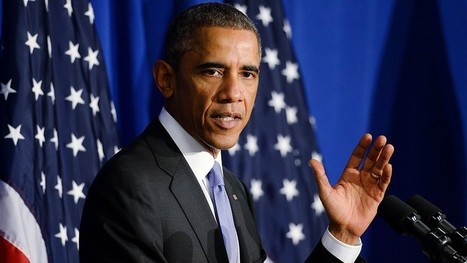


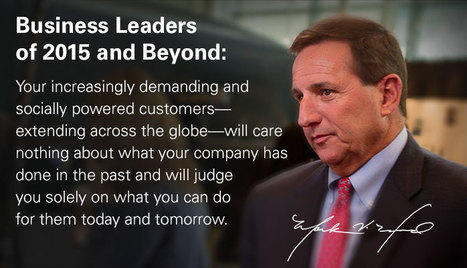










Make sure that there's a market need before you start the business!