Your new post is loading...
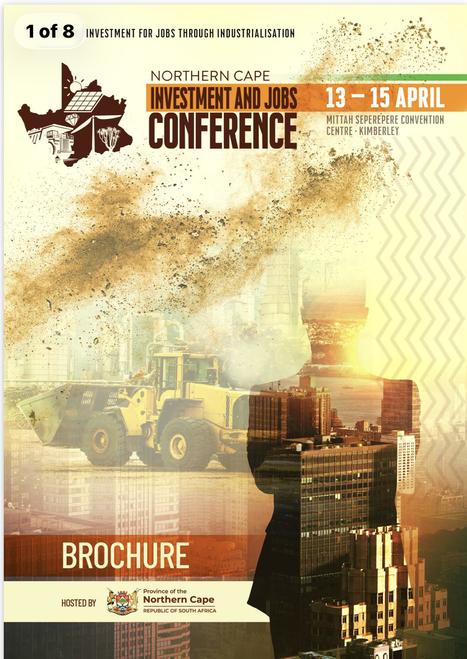
The Northern Cape Investment & Jobs Conference reflects a shared commitment across government to accelerate growth, investment, and job creation. Premier Dr Zamani Saul emphasised building a modern, growing and successful province through strategic investment and partnerships. Minister Parks Tau focused on industrialisation and the future of the South African economy. Minister Kgosientsho Ramokgopa highlighted energy generation and transformation as key to unlocking the Northern Cape economy. MEC Venus Blennie-Magage set the tone for a coordinated and investment-driven agenda for inclusive growth. The Northern Cape is open for business. #NCInvestmentConference
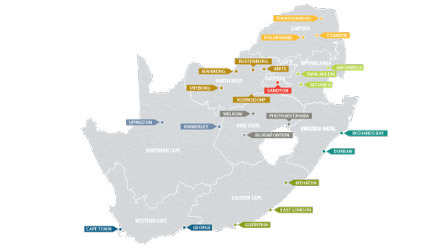
- The Northern Cape’s attractiveness as an investment destination is grounded in its natural resource endowment, renewable energy potential, and strategic role in South Africa’s industrialisation agenda. With a strong focus on mining, agriculture, and renewable energy sectors, the IDC Northern Cape regional offices remain invested in the ongoing growth and development of existing manufacturing efforts and the upliftment of local communities. IDC pursuits in the Northern Cape will also aim to develop SME’s through supplier development programmes and enabling prospects of up-and-coming sectors new to the region. What are the key industries and sectors that you support? From an IDC perspective, the province represents a critical platform for regional economic development and diversification, supported by: - Expansion of existing mining operations and related secondary industries
- Large-scale renewable energy investments, which support both energy security and industrial activity
- Agricultural potential, particularly along the Lower Orange River, enabling high-value crop production
Importantly, the province is central to emerging industrial corridors and logistics developments, including planned infrastructure such as ports, rail and Namakwa SEZ, which are unlocking new opportunities for investment and trade. Opportunities in the region? What are your top three tips for someone applying for finance? Mehmood Ahmed Northern Cape Regional Manager Kimberley Sanlam Business Complex
13 Bishops Avenue
Kimberley 8301 Tel: 053 807 1050
Fax: 053 832 7395
Email: nc@idc.co.za © The IDC 2026 - ALL RIGHTS NOT EXPRESSLY ALLOWED ARE RESERVED
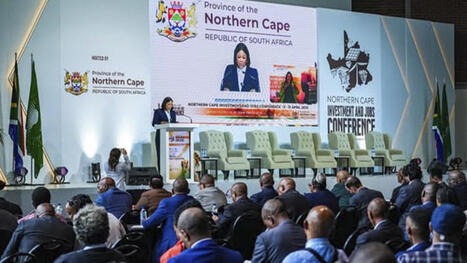
Northern Cape strategically located to lead SA’s transition to Green Energy – Minister Tau Home/ Media Statements/Northern Cape strategically located to lead SA’s transition to Green Energy – Minister Tau Skip to content The Minister of Trade, Industry and Competition, Mr Parks Tau has described the Northern Cape as strategically placed to be South Africa’s next growth region. He was addressing the second day of the Northern Cape Investment and Jobs Conference hosted at the Mittah Seperepere International Convention Centre in Kimberly. The three-day conference aims to serve as a catalyst to align government, business and development partners around a shared programme to unlock large scale investment, accelerate industrial development and sustainable job creation. Addressing delegates, Tau said the race for green hydrogen is no longer speculative, governments and corporations across Europe, Asia and the Americas are committing billions to secure supply chains. “The Northern Cape sits at the intersection of all three: namely clean energy, critical minerals and green hydrogen. Certainly, this province has the land, the sun and the wind to become one of Africa’s pre-eminent renewable energy production zones. Through Boegoebaai and the Green Hydrogen Commercialisation Strategy, it has the infrastructure anchor to build a hydrogen economy of genuine scale. These are live policies and programmes with government commitment and investor interest behind them,” he said. He told the conference that the Department of Trade, Industry and Competition (the dtic) has structured its approach to industrialisation around three organising themes, namely: Decarbonisation, Diversification, and Digitalisation and these 3Ds align almost precisely with where the Northern Cape’s competitive advantages lie. He concluded: “As an outcome of our G20/B20 Presidency which was premised on the pillars of solidarity, equality and sustainable development, government and the private sector will be coming together to realise the Northern Cape’s potential and position it as South Africa’s next economic frontier.”
The Minister of Trade, Industry and Competition, Mr Parks Tau, addressing delegates attending the Northern Cape Investment and Jobs Conference at the Mittah Seperepere International Convention Centre in Kimberly.
MEDIA ENQUIRIES: Kaamil Alli – Ministerial Spokesperson
Mobile: +27 82 520 6813
WhatsApp: +27 82 520 6813
E-mail: KAlli@thedtic.gov.za
Issued by: The Department of Trade, Industry and Competition (the dtic)
Follow us on X: @the_dtic
https://www.facebook.com/thedti?mibextid=ZbWKwL
https://www.youtube.com/@thedtic Or Phumzile Kotane – Media Relations
Tel: (012) 394 1147
Mobile: 071 462 8246
WhatsApp: 071 462 8246
E-mail: PKotane@thedtic.gov.za
Issued by: The Department of Trade, Industry and Competition (the dtic)
X: @the_dtic
Facebook: https://www.facebook.com/thedti?mibextid=ZbWKwL
YouTube: https://www.youtube.com/@thedtic
Website : https://www.thedtic.gov.za/ Share this: Post navigation Quick Site Navigation Search for: Recent Posts Follow Us: Categories
Text to Speech The Minister of Trade, Industry and Competition, Mr Parks Tau will officiate the launch of invest South Africa’s One Stop Shop (OSS) in the Northern Cape on 13 April 2026. This launch conincides with the provincial Investment Conference. The investSA One Stop Shops form part of South Africa’s efforts to reduce regulatory red tape and improve the “Ease of Doing Business” for domestic and foreign investors. The investSA One Stop Shop customer interface serves as the primary gateway through which investors and stakeholders engage with South Africa’s investment facilitation ecosystem. It is designed to ensure broad, accessible, and responsive engagement through multiple channels, including South African foreign missions, foreign missions based in South Africa, business chambers, the investSA website, social media platforms, direct marketing emails, newsletters, surveys, and targeted domestic and international investment promotion events As in other provinces, the One Stop Shop facility in the Northern Cape is a collaboration between the Department of Trade, Industry and Competition (the dtic), Northen Cape’s Department of Economic Development and Tourism, Provincial Investment Promotion Agency, other national, provincial and local government departments and agencies, traditional leaders, and business associations The ribbon cutting ceremony will take place as follows: Date: Monday, 13 April 2026
Time: 14:00
Venue: Northern Cape Economic Development, Trade and Investment Promotion Agency on 20-22 Villiers Street Kimberley. The official programme will proceed at the Mittah Seperepere Convention Centre, 10 West Circular Road, Kimberley. Journalists who wish to attend the launch are requested send their details to Phumzile Kotane on Whattsapp, 071 462 8246 or pkotane@thedtic.gov.za. Enquiries Phumzile Kotane – Media Relations
Tel: (012) 394 1147
Mobile: 071 462 8246
WhatsApp: 071 462 8246
E-mail: PKotane@thedtic.gov.za
Issued by: The Department of Trade, Industry and Competition (the dtic)
X: @the_dtic
Facebook: https://www.facebook.com/thedti?mibextid=ZbWKwL
YouTube: https://www.youtube.com/@thedtic
Website : https://www.thedtic.gov.za/ Share this:
This is a joint Statement of the AUC, AUDA-NEPAD, UNIDO, UNECA on the occasion of the Africa Industrialization Day Theme: “INDUSTRIALIZING AFRICA: RENEWED COMMITMENT TOWARDS INCLUSIVE AND SUSTAINABLE INDUSTRIALIZATION AND ECONOMIC DIVERSIFICATION”. Excellencies, Ladies and gentlemen, The Africa Industrialization Day is being celebrated this year in a completely uncertain global landscape owing to the prolonged effects of the COVID-19 pandemic, the pressing challenges posed by climate change and the Russia-Ukraine conflict that have disrupted the global supply chains with huge consequences globally and more fundamentally on African economies. These circumstances have once again revealed the extreme fragility of African economies against external shocks and reinforced the need for structural changes necessary for the acceleration of productive transformation through a determined shift towards sustainable and resilient industrialization in the years and decades ahead. Considering endemic factors that have stifled the Africa’s economic transformation, it is important to reassess the continent’s capabilities in the face of external shocks. In this regard, it is important for the African Union Member States to set up innovative and inclusive institutions capable of designing and implementing effective industrial policies and processes that will advance socio-economic transformation, as stipulated in global and continental frameworks such as the African Union Agenda 2063, the United Nations Sustainable Development Goals and the Third Industrial Development Decade for Africa (IDDA III). As the Africa Industrialization Day provides the opportunity to take stock of the progress made during the year on the drive towards industrialization, it also provides, this year, a policy dialogue platform to firmly recommit to accelerating structural transformation. Africa is widely seen as a future investment and development frontier given its extraordinary economic potential. This year’s theme: “Industrializing Africa: renewed commitment towards Inclusive and Sustainable Industrialization and Economic Diversification” allows us to reflect on the need for accelerating industrialization in Africa as a means to strengthen its ability to navigate a changing geopolitical landscape where nearshoring appears to be an effective response to potential disruption of global supply chains. In that context, Africa must continue to ride on the huge potential it has in various areas including in agriculture and agro-processing. Statistics show that the continent can, if the right investments are made, become the food basket of the world given its 60 percent endowment in global uncultivated arable lands. To achieve this, there is need for determined commitment and implementation by African leaders and the private sector in investing massively in agricultural transformation and meeting the target of sustainably allocating 10 percent of public expenditure to agriculture as prescribed in the 2014 Malabo Declaration “Accelerated Agricultural Growth and Transformation for Shared Prosperity and Improved Livelihoods”. It is critical to move from food emergency to sustainable and resilient food production in the years and decades to come. As Agriculture is an economic opportunity enhancer, it must therefore remain a priority investment area for accelerated Africa’s industrialization in the perspective of reducing continental exposure to external future shocks. In the context of the African Continental Free Trade Area, an agricultural driven industrialization will harness the regional linkages and be critical in creating new and strengthening strategic regional value chains that bring prosperity for all the segments of Africa’s population and mainly for SMEs, women, and youth. Investing in strategic value chains such as the cotton and apparels industry as well as the pharmaceutical industry is critical to improving Africa’s resilience to future health and pandemics. We salute efforts so far deployed at national, regional and continental levels to ensure that essential medicines are produced and supplied to African citizens. The setup of national and regional continental medicines production centers is deemed critical in developing sustainable regional pharmaceutical value chains in the framework of the African Medicine Agency (AMA) as a means to accelerating implementation of the objectives of the Pharmaceutical Manufacturing Plan for Africa (PMPA). In the cotton and apparels industry, there is need for a comprehensive approach that allows Africa to take advantage of the economic opportunities in this vital sector for jobs and the wellbeing of African people. The disruption of global supply chains also opens a window of opportunity to harness a strategic commodity-oriented industrialization in a climate friendly manner. Africa has the huge potential of embracing this shift through targeted investments in commodity value chains including in the framework of the Africa’s Mining Vision that sets actionable priorities for Africa’s mining sector that can become a key enabler of a diversified, vibrant and globally competitive industrial African economy. Accelerating productive transformation in this strategic sector requires a strategic shift from the traditional extraction and export of commodities to massive investments in productive transformation and industrialization in Africa. This need and can be done if there is a renewed commitment by all parties, public and private to transform African commodities as a means to widen continental economic opportunities through innovation and jobs creation. In this regard, we call upon African governments to continue stepping up their efforts in improving Africa’s business and investment environment. The immediate domestication and implementation of the African Union Commodity Strategy is therefore key as it effectively articulates all these issues and provides a turn key solution for the utilization of the African Commodities sector. Efforts in that direction are already tremendous and need to be further strengthened to turn Africa’s potential to real business opportunities for the good and wellbeing of African citizens. On the environment side and in order to address the growing challenges, Africa also needs to undertake deliberate actions. Although Africa accounts for a negligible 3% of cumulative worldwide CO2 emissions. historically it is faced with magnitude effects of climate change and extreme weather events that disproportionately affect the continent, with severe economic, social, and environmental consequences. This calls for massive investments for adaption. According to estimates by the African Development Bank, Africa received 3% of global climate financing and will be faced with a climate financing gap of about $100 billion to $127 billion per year through 2030 if corrective investment measures are not taken now. Despite global consensus and commitments under the Paris Agreement, it is important to note that the current climate financing architecture is not meeting the substantive needs of Africa. Estimates by the African Economic Outlook of the African Development Bank shows that Africa will need between 1.3 and 1.6 trillion dollars between 2020-2030, or $118 billion to $ 145 billion annually, to implement its commitments to the Paris Agreement and its nationally determined contributions. The private sector should be seen as an excellent engine for Africa’s industrialization, economic transformation and growth and for this to happen, we need to appropriately empower it. To this end, certain conditions need to be met including climate-proofed ‘hard’ and ‘soft’ infrastructure; stable macroeconomic conditions; an educated, skilled and healthy workforce; and access to financial services. Africa’s private sector also needs to strive for more gender equality and women empowerment if it is to be globally competitive, and for this to result in significantly more intra-African trade in the context of the African Continental Free Trade Area. We recommit to strategically partner with the private sector and strengthen efforts in building a competitive private sector that will be an engine for industrialization and productive transformation to achieve sustainable economic growth and create economic opportunities for African citizens, most notably its women and youth. In this regard, we shall endeavor to deploy targeted support to women and youth as key actors of the industrialization, economic transformation, and growth of the continent, to harness their potential and increase their livelihoods with multiplier economic effects. As we salute the efforts made so far towards Africa’s industrialization, we remain conscious of the tremendous efforts needed to unlock the potential of productive transformation in the world’s most promising continent. Therefore, we need to rethink Africa’s strategic engagements with partners to always put African priorities at the center of international negotiations. In this regard, we call upon the international community to strengthen support to Africa’s industrialization and economic transformation efforts. With this background we recall the need to redouble our effort to the implementation of the Action plan for the Accelerated Industrial Development in Africa. Whilst this program was adopted 14 years ago, it has suffered in its implementation. We therefore call upon African Union Member States and international partners to reprioritize its implementation as part of their renewed commitment to Africa’s Industrialization and economic diversification. Delivering on the commitments made in support of Africa’s industrialization, vulnerability to climate change and other threats is not a call for charity but rather a call for justice and equal sharing of the burden of common challenges. International cooperation should work to supplement African efforts to address challenges of climate change with a view to achieving inclusive and gradual transition to green growth. A peaceful, united and prosperous Africa which effectively plays its role in the geopolitical and economic world order, constitutes an asset for humanity. As we gather here in Niamey, Niger, for the celebration of the Africa Industrialization Day which marks the opening of the Africa’s Industrialization week-long celebration, we praise the leadership of the Union that will come together on the 25th of November during the Extraordinary Assembly on Industrialization, Economic Diversification and the African Continental Free Trade Area to pronounce action-oriented decisions with a binding action plan aimed at accelerating continental transformative processes with a view to building an island of prosperity that will create exponential economic opportunities for millions of Africans in the coming decades. With a strong and united voice, the African Union Commission, the African Union Development Agency (AUDA-NEPAD), the United Nations Industrial Development Organization (UNIDO) and the United Nations Economic Commission for Africa (UNECA) call upon African and global leaders to amplify their efforts to create a space that unlocks the immense potential of Africa through the implementation of the Vision, Aspirations and Goals sets in Agenda 2063 and the United Nations Sustainable Goals (SDGs). This is time to move from commitments to actions through implementation. We wish you fruitful and happiest commemoration of the Africa Industrialization Day 2022.
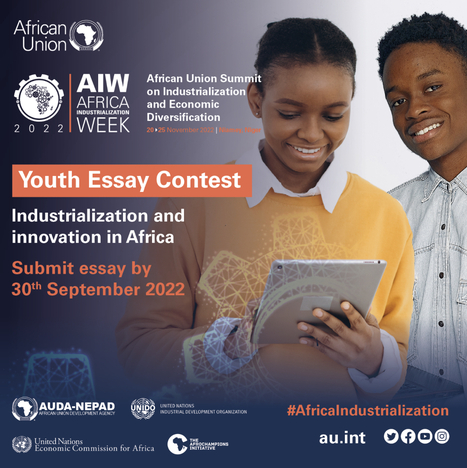
The African Union Summit on Industrialization and Economic Diversification seeks to rally the continent to enhance efforts towards turning commitments into action on accelerating the pace of transforming from an import-heavy continent at a higher risk of external shocks, to an export-heavy and globally competitive continent. In so doing, Africa will make a substantial shift in reducing poverty, creating decent jobs for its population, particularly its women and youth, and increase the prospects for wealth creation. Aligned to the goals of Africa’s development blueprint Agenda 2063 aimed at transforming Africa’s economies through beneficiation from natural resources, manufacturing, industrialization and value addition, as well as raising productivity and competitiveness and creating opportunities for Africa’s youth for self-realisation and access to jobs, the African Union has launched a Youth Essay Contest on Industrialization and Innovation that expands the platforms for co-creation of ideas and actions, for sustainable and inclusive development on the continent. The essay contest serves to open up dynamic conversations and spur reflection and action by leaders on addressing issues on Industrialisation from the perspective of young people and push for the much-needed reforms. Read the terms of reference here. All authors must sign and submit the Attestation of Authorization form. Download the form here. All essays must be sent to AIW2022@africa-union.org by the 30th of September 2022 at 23:59 pm EAT. The winner of the Essay contest will have the opportunity to address Heads of State and Government on proposals, strategies and pathways for youth inclusion and engagement on industrialization and economic diversification, that will support the creation of millions of decent jobs for the youth, and the uptake of their innovative skills and technological knowhow. The winner will among others be issued with a certificate from the African Union and will present the essay at the Summit in November 2022. The essay will be used as a guideline, a voice of young people and their views on the promotion of Small and Medium Enterprises(SMEs) and Innovation on the continent especially leveraging from the African Continental Free Trade Area (AfCFTA). The essay should be centred around the Summit theme “Industrialising Africa: Renewed commitment towards an Inclusive and Sustainable Industrialization and Economic Diversification”, and should elaborate the challenges and actions within the region and solutions to those challenges. It should also include one of the following AU Agenda 2063 Aspirations: - Aspiration 1: A prosperous Africa based on inclusive growth and sustainable development
- Aspiration 2: An integrated continent, politically united and based on the ideals of Pan-Africanism and the vision of Africa’s Renaissance
- Aspiration 6: An Africa, whose development is people-driven, relying on the potential of African people, especially its women and youth, and caring for children
The African Union Commission is collaborating with various development partners and institutions to organize the Summit whose outcome will be anchored on upgrading skills by aligning education with the actual needs of the labour market; mobilizing financial resources for Africa’s structural transformation; building soft and hard infrastructure including energy, for Africa’s economic transformation; promoting commodity-based industrialization for inclusive growth and sustainable development; deepening continental economic integration; harnessing the opportunities offered by the Fourth Industrial Revolution; and, among others, establishing internal capabilities in Research and Development. Read more about the Summit here. For further information, please contact: Doreen Apollos | Information and Communication Directorate | African Union Commission | Tel: +251 115 517 700 | E-mail: ApollosD@africa-union.org l | Addis Ababa, Ethiopia. Directorate of Information and Communication | African Union Commission, E-mail: DIC@african-union.org I Website: www.au.africa I Addis Ababa | Ethiopia Follow Us: Facebook | Twitter | LinkedIn | Instagram | YouTube
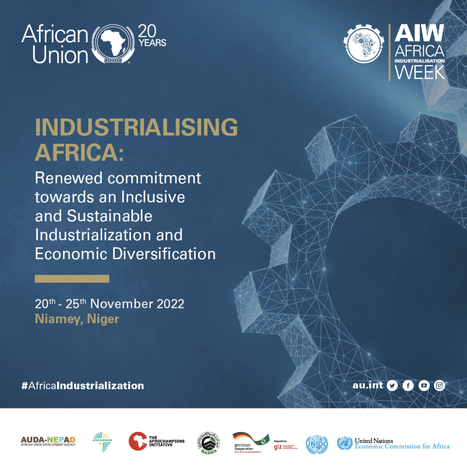
Nov 20, 2022 - 10:15 - Nov 25, 2022 - 10:15 Industrialising Africa: Renewed commitment towards an Inclusive and Sustainable Industrialization and Economic Diversification. 20 – 25 November 2022. Niamey, Niger.
#AfricaIndustrialization 1. About the African Union Summit on Industrialization and Economic Diversification. The African Union Summit on Industrialization and Economic Diversification will be convened under the theme “Industrialising Africa: Renewed commitment towards an Inclusive and Sustainable Industrialization and Economic Diversification.” The Summit will be convened as part of the Africa Industrialization Week annual commemorative activities. Given the importance of industrialization and economic transformation in Africa, the 20th of every November is commemorated as the Africa Industrialization Day,adopted by the Assembly of Heads of State and Government of the Organization of African Unity in July 1989, in Addis Ababa, Ethiopia. The Africa Industrialization Day provides an opportunity to key stakeholders to reflect on Africa’s industrialization by looking at how the continent can change its current status quo. Since 2018, the Africa Industrialization Day has been commemorated with weeklong events, marking a departure from the one-day tradition, and which affords more time to reflect and accelerate actions towards Africa’s structural transformation, as an enabler to meet the objectives of Agenda 2063, and SDGs, 2030. 2. Thematic Focus of the Summit. The Summit on Africa’s Industrialization and Economic Diversification will be convened under the theme “Industrialising Africa: Renewed commitment towards an Inclusive and Sustainable Industrialization and Economic Diversification.” - OPERATIONALIZATION OF THE AFCFTA. THE NEXUS WITH INDUSTRIALISATION.
Trading under the African Continental Free Trade Area (AfCFTA) Agreement was that was launched on 1st January 2021. Once fully implemented, the AFCFTA will create a single African market for goods and services, covering an estimated 1.2 billion people with a combined GDP of over USD2.5 trillion across 55 member states. In August 2020, the Secretariat of the African Continental Free Trade Area was officially opened in Accra, Ghana, a significant milestone in the full implementation of the free trade agreement. These developments cap a heroic journey to build a one-Africa integrated economy that began in earnest decades back, amplified by the 10th Extraordinary Session of the Assembly of Africa Union Heads of State and Government (HoS/G) in Kigali, Rwanda that paved the way for signature to the African Continental Free Trade Area (AfCFTA) Agreement. To achieve the aspirations of the AfCFTA, Africa’s industrialisation and transformation agenda needs to be supported at the highest national, regional, continental, and global levels. Such a focus will be key to accelerate efforts in a selected number of key policy areas – such as energy and road infrastructure, trade facilitation, financial sector development, education development, agro-industrial transformation, green industrialisation and technological innovation and transformation. Advancing the AfCFTA and Africa-Industrialization side-by-side with deliberate efforts to realize the mutually reinforcing interdependences between the two will provide Africa’s critical success pillar and condition for Agenda 2063. - COVID-19 AND NEW NARRATIVE TOWARD ACCELERATED INDUSTRIALIZATION.
The advent of COVID-19 in 2020 has posed the most formidable risk to the smooth operationalisation of the AfCFTA, given its disruptive nature to business and commerce, whilst at the same time also put a check on the vulnerability of African economies, preventing delays in the launch date of the free trade area. Thus, the COVID-19 pandemic has further heightened the risks of perpetuating the continent’s trade and business vulnerability globally, with most commodity-dependent nations. While COVID-19 is creating a significant economic and health crisis, it also presents an invaluable opportunity for the continent to re-configure its development narrative towards prioritization of initiatives that foster to accelerate Africa’s industrialisation. COVID-19 and its attendant disruption of global supply chains have brought to the fore the urgency and significance of driving industrialisation in the continent. More fundamentally, the pandemic has openly exposed the hollowness of African economies on several fronts, including the fragility and weakness of Africa’s industrial capabilities. There is no doubt that, at this juncture, the development of strong regional and local/national value chains can be a game-changer to build a resilient SMEs production capacity in the continent, to seize the business opportunities emanating from the COVID-19 induced disruptions of Global value chains. Industrialisation prospects for the continent are anchored on unleashing the growth of small and micro-enterprises guided by the African Union SMEs Strategy, whose development was informed by evidence-based mapping of the peculiarities of the continent’s production systems. By creating business-enabling conditions across Member States that can enhance the longevity rate of Micro, Small and Medium-Sized Enterprises (MSMEs), the continent’s industrialisation momentum can be fuelled. Learn more about the efforts and responses of the continent in the fight against the COVID-19 pandemic and beyond here. - IDDA III AND AFRICA’S INDUSTRIALIZATION AGENDA
Whilst the continent’s industrial policy landscape stretches back to the 1980s from the First Industrial Decade for Africa, all the way to the Accelerated Industrial Development of Africa (AIDA, 2008), and globally, the United Nations General Assembly (UNGA) has further magnified the significance of Africa’s industrialisation through the adoption of a Resolution in July 2016 that dedicated the period 2016-2025 to the Third Industrial Development Decade for Africa (IDDA III), the performance has remained rather mixed. Under the circumstances, the development challenges currently confronting the continent, therefore, necessitate the need for effective, efficient and timely deployment of action beyond political rhetoric for any meaningful impact on delivering sustainable human development in the continent in the medium- to long-term more so. It is encouraging to note that IDDA III presents yet another opportunity to rally global partnerships and efforts to work as a collective to drive structural transformation in Africa. As such, it should be optimally leveraged in this endeavour for any meaningful impact on delivering a sustainable and inclusive Industrialisation pathway for Africa. What is critical at the moment for Africa is to acknowledge, the need to chart a revived focus towards a rejuvenated Pan-African industrialisation agenda, and framework informed by lessons learnt this far from previous programmes, taking full cognisance of the current and evolving social, economic and political trends, and developmental needs of the continent. The continent’s capacity to deliver on Agenda 2063 hinges on industrialization. To buttress this, the UN SDGs have assigned Goal 9 towards building industries and resilient infrastructure as a way of strengthening developing economies’ capacity to address structural challenges and poverty alleviation. In addition, the IDDA III should be flexible enough to consider Africa’s industrialization within the context of uncertainties such as the global COVID-19 pandemic. Going forward, Africa’s industrialization agenda must unequivocally incorporate industries that prove to be resilient in the face of uncertainties and recovery-ready within the shortest possible time when industries are hard hit. - INDUSTRIALIZATION FOR SUSTAINABLE DEVELOPMENT IN AFRICA.
Industrialization should not be perceived as a single pathway for sustainable development in Africa. Rather, Industrialization, with strong multisectoral and multi-directional linkages to domestic economies, will help African countries to achieve higher economic growth rates and economic diversification. Success in Industrialisation will be at the core of Africa’s efforts to address key structural economic growth and development weaknesses and fragilities, some of which COVID-19 has exposed – from poverty and inequality through to inadequately developed education, health, housing and sanitation services. Seeing beyond the current challenges requires policymakers to tackle head-on other supply-side structural bottlenecks and barriers such as energy and infrastructure for enhanced enterprise competitiveness. This also places due pressure on policymakers to improve business and regulatory regimes to enhance private capital flows, absorption and adaptation of technology, ICTs, artificial intelligence, and skills transfer to unleash private sector growth. Furthermore, sustainable success on the Africa-Industrialisation front will only be achieved with deliberate efforts to integrate and systemically address Africa’s underlying development features, such as the micro-small-medium enterprises and informal economy, the urban-rural transition, socio-economic diversity across the 55 AU member states, as well as linkages between education-skills development and industry. Cross-cutting issues such as gender, climate change, energy security, youthful population and growing unemployment, to facilitate the evolution of a sustainable and inclusive industrialisation pathway for the continent. Africa has a lot to learn from her own experiences on Industrialisation over the last 4-5 decades as well as from other continents. However, what is abundantly clear is that Industrialisation successes in Europe and the Americas and more recently in Asia cannot be replicated in Africa. Apart from just that, Africa has its own unique circumstances, and many of the factors that propelled industrial success in other continents no longer exist. This is why advancing Africa-Industrialisation has also to take deliberate consideration of what can and should work for Africa while ensuing interdependences with the rest of the world in those areas that can amplify the continent’s benefits. - SUB-THEMES: SEVERAL AREAS OF DISCUSSIONS WILL FEATURE AT THE SUMMIT.
- Industrialisation and the AfCFTA – realizing the inter-dependencies: How to practically bring Africa-Industrialisation (manufacturing and tradeable services) and the AfCFTA (markets and trade) mutually reinforcing each other
- Industrialisation, government fiscal capacity and creating jobs: Africa-Industrialisation – in expanding the continent’s fiscal capacity (i.e. contribution to GDP) as well as creating jobs and entrepreneurship opportunities for Africa’s youthful populations
- Technological innovations, organizational capacity in driving enhanced and competitive Industrial performance: Africa’s Industrial capabilities (Industry 4.0 readiness, organisational efficiency, skills) in Africa’s economic sectors – Mining, Tourism, ICT, and Financial Services, Arts and Culture, Agro-Industry, Fisheries, Aquaculture and Marine Industries.
- Regional industrial value chains: Leveraging Regional Value Chains to optimise the continent’s industrial capability along AfCFTA implementation
- Partnerships and Alliances to deliver on Africa Industrialisation: Rallying Domestic and International Public-Private partnerships for enhanced planning and Implementation capabilities for accelerated-expanded industrial growth in Africa.
- Africa Industrialisation – multi-/cross-sectorial approaches as key condition for success: Aligning key cross sector conditions and policies for success: Energy Security, Institutions, Polities and legislation, Human capital – skills and intellectual capacity, Environmental resilience and Climate change (Green Industries)
- Youth and Women-led MSMEs in driving success in Africa Industrialisation: Africa-Industrialisation and special cross-cutting drivers for sustainable success: Youth, Micro-, Small Medium Enterprises, Women, Competitiveness, urban-rural transitions,
- Resource governance and leveraging financial and non-financial resources into Africa-Industrialisation: De-risking Africa-Industrialisation, catalysing domestic and international investments, technology transfer and local innovations to leapfrog Africa’s industrial growth
- Indigenous knowledge and Africa’s Industrialization: Protecting African indigenous knowledge with Intellectual Property Rights to integrate into Africa’s industrialisation
- Medical product industries in post COVID-19 area: with a special focus on Pharmaceutical industries.
3. Objectives of the Summit The African Union Summit on Africa’s Industrialization and Economic Diversification will be convened under the theme “Industrialising Africa: Renewed commitment towards an Inclusive and Sustainable Industrialization and Economic Diversification.” The African Union Summit on Industrialization and Economic Diversification aims to highlight Africa’s renewed determination and commitment to Industrialization as one of the central pillars in attaining the continent’s economic growth and development goals as articulated in Agenda 2063 and Agenda 2030. In light of the key and strategic interdependences between Industrialisation and the African Continental Free Trade Area Agreement (AfCFTA), the Summit aims to rally desired political momentum, resources, partnerships and alliances towards an Africa-Industrialisation drive. This is along the continent’s resolve to drive structural transformation, built around leveraging Africa’s rich and diverse natural resources while at the same time embracing current advances in technologies, continental and global geo socio-political trends and emergence of tradeable services. The Summit is anticipated to unlock the evolution of a vibrant Pan-African enterprise and capital base that will unleash an inclusive and sustainable industrialisation pathway that carries along with the participation of all economic agents, including SMEs, youth, and women in the generation of national wealth and creation of jobs as well as expansion of entrepreneurship opportunities for Africa’s populations. The impacts of the novel coronavirus pandemic continue to drive the urgent and imperative need for bold actions to drive transformative change in key economic pillars such as Industrialisation. The specific objectives of the African Union Industrialization and Economic Diversification Summit are: - Decide on a renewed continental policy framework on Africa’s industrialisation aimed at rallying the continent’s resolve and commitment to a bold set of policy and investment actions to accelerate the continent’s industrialisation drive
- Reinforce the development of regional industrial value chains to clearly articulate Africa’s quest to industrialize, create jobs and entrepreneurship opportunities for Africa’s MSMEs, youth and women within the context of current and emerging continental and global socio-economic trends.
- Provide high-level political support to drive a globally competitive Africa-Industrialisation programme through public-private alliances, at the national, regional, continental level, and aligned global policy coherence, coordination and linkages, investment financing. This should take full cognizance of current and emerging key cross-sector needs including energy and water, education and training, Science-Technology and Innovation, climate change, environmental resilience and crisis management.
4. Expected Outcomes of the Summit. The Summit on Africa’s Industrialization and Economic Diversification will be convened under the theme “Industrialising Africa: Renewed commitment towards an Inclusive and Sustainable Industrialization and Economic Diversification.” Upon the conclusion of the Summit, there will be a Declaration by Heads of State and Government. The Summit will also be an opportunity for; - Renewed high level political resolve and commitment to accelerate Africa’s Industrialisation alongside advances on the AfCFTA provisions
- Policy decision for an AU-led broad-based, cross-sector consultation to develop an up-to-date, implementable and results-based Africa-Industrialisation Policy Framework, embracing gains and lessons from the continent’s experiences, taking cognizance of current and emerging global trends, with particular attention to the continent’s inclusive social and economic development priorities; and
- Agreement on a Compact between governments and Africa’s private sector, academia and the civil society to bring about desired and aligned policy decisions, investment financing, institutional and human capital dedicated towards Africa-Industrialisation, to boost prospects for the AfCFTA implementation.
5. Side Events - Participation and Registration. The Summit on Africa’s Industrialization and Economic Diversification will bring together the African Union Commission and the organs; Heads of State and Government; African Ministers responsible for industry, trade, mining and investment and other relevant ministries; Heads of international development institutions including the UN agencies; Chief Executives of Regional Economic Communities; Regional and International Development Finance Institutions; representatives of the private sector, civil society, youth, women and other stakeholders involved in the industrialization of the continent. Click here to Register. Information Note is also available The side-events will be taking place throughout the African Industrialization Week 20-25 November 2022— either in-person, fully online or in a hybrid format. The duration of a side event slot is 90 to 120 minutes maximum. Side-events will include High-level events/panels, Seminars/Workshops, Signature Ceremonies, B2B, B2G, Showcases and Exhibitions. Side events will focus on key thematic areas including on Agribusiness; Regional value chains; Private sector; investments and financing for industrial development, industrial infrastructure and SEZ development, Energy access and green transition, Human capital, Industry 4.0, Trade capacity building, Health industry & local pharmaceutical production, Youth and Women Entrepreneurship, Partnerships, Industrial policy, etc. Access the calendar of the Side Events here. 6. Youth Essay Contest on Industrialization and Innovation in Africa. Our youth should inspire the way we think and act, and they shape the society we live in. As an African youth, what kind of industrialization should be prioritized to maximize the synergies with Africa’s development agenda towards the overarching objective of achieving sustainable development and prosperity for all? In doing so, how can our African leaders best pursue the envisaged industrialization pathway? The essay contest is organized in an effort to harness the energy, creativity, and initiative of the African youth in promoting a culture of sustainable development in Africa, with a particular focus on industrialization and innovation in Africa. It also aims to inspire African society to learn from the young minds and to think about how each of them can make a difference in our continent’s future. The essay contest will serve to open up dynamic conversations and spur reflection and action by leaders on addressing issues on Industrialisation from the perspective of young people and push for much-needed reforms. The essay contest is organized by the African Union Commission as an activity within the preparation for the upcoming African Union Summit on Industrialization and Economic Diversification, scheduled to be held in Niger, in November 2022. See the terms of reference here Deadline- The Essay opens on the 31st August 2022. All essays must be sent to AIW2022@africa-union.org by the 30th of September 2022 at 23:59 pm EAT. All authors must sign and submit the Attestation of Authorization form. Download the form here. 7. Communication and Media Engagement. There will be scheduled press briefings and opportunities for one-on-one interviews. The opening and closing sessions will be livestreamed from the African Union platforms. There will be coverage on social media platforms. ONLINE REGISTRATION FOR JOURNALISTS IS NOW OPEN. Journalists are advised to register through the following link: https://accreditation.au.int/en/media-accreditation/2021/summit-africa-… Deadline for media registration is 10 November 2022. The media are required to register for accreditation. 8. Working Documents. - Agenda and Programme.
- Africa Industrialization Policy Brief
- Regional Value Chains Mapping Study
- Summit Action Plan.
- Accelerated Industrial Development for Africa (AIDA Terms of Reference
- Inception Report on Africa’s Industrialization Agenda
9. Resource and Reference Materials. 10. Videos Watch the following films on various thematic areas (available in different languages). For more details on the Forum, kindly contact Mrs. Ron Osman| Senior Policy Officer Industry | Department of Economic Development, Trade, Tourism, Industry and Mining | African Union Commission | Email:OmarR@africa-union.org| Tel: +251 11 551 7700.
Ms. Doreen Apollos | Communication | Directorate of Information and Communication| African Union Commission | E-mail ApollosD@africa-union.org African Union Ministers in charge of Industry & Economic Diversification meeting ahead of the AU Extraordinary Summit Youth Essay Contest on industrialization and innovation in Africa. Africa’s Industrial Revolution: Industrial policy set to shift from the business as usual approach Opening Statement Delivered By H.E. Amb. Albert Muchanga AUC Commissioner for Economic Development, Trade, Industry and Mining, Head of the AUC Delegation at the Joint Africa-Turkey Ministerial Meeting Joint Statement on the Africa Industrialization Week Opening session : Joint Meeting of African Union Ministers in charge of Industry and Economic Diversification
Launch of UN Global Compact Africa Strategy 20 September 2021 12:30 - 13:15 EST Remarks by
Ms. Cristina Duarte,
USG and Special Adviser on Africa Role of the private sector in supporting the achievement of the SDGs in Africa: the importance of multi-stakeholder approach Excellencies, ladies and gentlemen, Allow me to start by congratulating the UN Global Compact for the launch of their Africa Strategy, which will be a fundamental tool to accelerate the implementation of the Sustainable Development Goals during this decade of action. The SDG conceptual framework is a break from traditional development thinking. It not only puts together economic, social and environmental goals; it is structured to promote collaboration between involved stakeholders, not competition. In fact, SDG 17 calls for strengthening the means of implementation of Agenda 2030 and revitalizing the global partnership for sustainable development, through [...], multi-stakeholder partnerships, public-private partnerships, civil society partnerships, etc. By talking about “partnerships”, the 2030 Agenda is asking us to approach the private sector as something more than a mere provider of financing. And allow me to underscore this point, because we cannot move from a situation in which African countries are dependent on ODA to another in which they are dependent on private funding. In fact, the mobilization of private sector investment is not happening at the required scale. For example, in 2018, the private sector financial commitment to Africa’s infrastructure was only 11% out of all the commitments made. 1 Private investments in the infrastructure of developing countries were lower than they were in 2012. Instead of decreasing, the financing gap continues to increase. How should we engage the private sector then? Through two principles: (1) first, by acknowledging that there is a set of intangible assets that belong to the private sector’s DNA and are strategic to accelerate the implementation of the Sustainable Development Goals: efficiency, productivity, global reach and technological innovations. And (2) second, by embracing the idea of “conscious capitalism”; a notion that turns away from the neoliberal conception that the primary obligations of firms is to create profit for their shareholders and upholds instead that companies have a broader responsibility to all their stakeholders including local communities, employees and others. The private sector has started to realize that business cannot succeed and thrive in a failing world. And this new approach represents a huge opportunity for Africa, because African countries, as suppliers of raw materials and consumers of manufactured goods, are one of the main stakeholders of big corporations. Excellencies, ladies and gentlemen, The 2030 and the 2063 Agendas are frameworks that aim to solve the world and Africa’s problems. In the private sector language, problems are opportunities for business. Therefore, under this new approach of conscious capitalism, the SDGs and the AU Aspirations should be considered as a framework of investment prospects with an added value, since they seek to address all the needs of businesses’ stakeholders. However, these business opportunities have different levels of risk attached to them. Hence, De-risking involves much more than buying insurance. It requires a fairer and better participation of African countries in Global Value Chains, as well as in terms of Africa’s marginalization from international finance markets. It also calls for African countries to create a conducive business and investment climate through (a) supportive governance structures; (b) transparency and accountability; (c) competition policy; (d) hard and soft infrastructure; and (e) instruments that foster healthy, commercially sustainable markets. De-risking needs a commitment by the private sector to uphold and demand these good governance measures; to push for the adoption of transparency pacts between Governments and the private sector, for fighting illicit financial flows; promoting the creation of decent jobs; investing in science, research and innovation; integrating sustainable, inclusive and integrated approaches into their business models. And it finally requires, from an African domestic perspective, the adoption of integrated national financing frameworks linked to Planning-Programming-Budgeting-Evaluation systems that approach the private sector as an SDG stakeholder. Let us take the opportunity of the turning point that the Agenda 2030 and the new notion of conscious capitalism represent to think “outside the box” and to understand that the private sector and African governments have a common interest: the implementation of the Sustainable Development Goals in order to leave no-one behind. Excellencies, ladies and gentlemen, An African proverb reminds us “If you want to go fast go alone; If you want to go far, go together”. Regarding SDGs implementation, my own alteration to this proverb would be to say: If you want to go wide, work with the Governments; if you want to go deep; work with Non-governmental organizations and is the magic word; and defining a strategy to achieve “de-risking” in Africa become becomes a key step. civil society; if you want go fast, work with the private sector; but if you want to go far and you want it to last, work with all of them together. I am confident that the new Africa Strategy of the UN Global Compact will help us advance in this direction. I thank you.
THE DEPUTY SECRETARY-GENERAL -- REMARKS AT HIGH-LEVEL MEETING ON “AU SILENCING THE GUNS INITIATIVE - THE ROLE OF ILLICIT FINANCIAL FLOWS IN FUELING INSTABILITY IN AFRICA” Excellencies, Distinguished delegates, It is my pleasure to join you to discuss the need to silence the guns and stem illicit financial flows for the achievement of peace and stability in Africa. I take the opportunity to celebrate the partnership between the UN and the African Union, which represents an exemplary model of cooperation. The two organizations continue to strengthen their partnership in all areas of peace, security and development, including through advancing the implementation of the Joint Framework for Enhanced Partnership in Peace and Security and the Framework for the Implementation of Agenda 2063 and the 2030 Agenda. The 2030 Agenda included a commitment to significantly reduce illicit financial and arms flows, strengthen the recovery and return of stolen assets and combat all forms of organized crime. Similarly, the Addis Ababa Action Agenda underscored the importance of taking measures of combating corruption curbing illicit financial flows, eliminating safe havens and strengthening international cooperation and national institutions to tackle money-laundering and the financing of terrorism. It is critical to recognize the links among these threats. Illicit financial flows and criminal activities feed off each other, further fueling conflict and instability. Illicit financial flows facilitate illicit flows of arms, particularly small arms and light weapons to non-state actors, such as rebel armed groups, terrorists and criminals. Curbing illicit financial flows will make it more difficult to illicitly acquire small weapons, thus contributing to silencing the guns. Illicit financial flows are also draining the resources urgently needed to respond and recover better from the pandemic. The Initiative on Financing for Development in the era of COVID-19 and beyond, convened by the Secretary-General and the Prime Ministers of Canada and Jamaica has been putting this challenge front and center. At a time when Africa is mobilizing efforts and resources to recover from the COVID-19 pandemic and make progress across the economic, social and environmental pillars of sustainable development, it is imperative that the continent be allowed to tap into all its capacities and maximize its domestic resources. At a time when Africa is trying to maximize domestic resource mobilization, it is losing $50 billion a year to illicit flows. These staggering losses would be enough to fill 75 per cent of the continent’s health financing gap. They are more than what would be needed to achieve Sustainable Development Goal 4 on inclusive education. And they are one-third of what Africa needs annually to fund infrastructure projects. These flows pose a threat to stability and security in African countries, undermine institutions and democracy, and jeopardize sustainable development and the rule of law. Women and girls are particularly exposed to criminal activities and conflicts driven by IFFs as they are subject to trafficking and sexual violence which are used as weapons of war. African countries have made important efforts to establish dedicated institutional frameworks for combatting illegal financial flows in the main channels of trade, investment, financial systems and corruption. Yet, trade mis-invoicing, tax fraud, criminal activities and money laundering continue to thrive. Political will to implement relevant measures, particularly to make personal costs greater than personal benefits, will be crucial. Legal frameworks that clearly outlaw illicit activities and strong legal processes for investigating and prosecuting and punishing perpetrators, are also a necessity. African countries also need to build the capacity of relevant institutions with human resources, equipment and financial resources, including to target IFF perpetrators beyond national boundaries. Political will is also needed to name and shame perpetrators and complicit actors, and to include credible deterrents and threats to their individual liberties. This problem needs to be tackled at the source, in transit and at the destination. It will require heightened global cooperation. Silencing the guns and stopping illicit financial flows go hand in hand. We must no longer allow the sinister effects of these flows compromise human development today and for generations to come.
“Africa Month” at the UN to mobilize actions leveraging science, technology and innovation to transform education in Africa. Media Advisory Media accreditation is open until 17 May 2024. WHAT Africa Dialogue Series 2024 While the out-of-school population in Africa has significantly dropped in the last 20 years, the work continues across the continent to further accelerate progress. Focusing on the theme “Education through Science, Technology and Innovation toward the Africa We Want,” the 2024 edition of the Africa Dialogue Series (ADS 2024) takes place at a time when a concerted, Africa-centred policy shift is needed to fast-track the transformation of the educational landscape on the continent. This is in line with United Nations Secretary-General António Guterres’ call, as outlined in his “Our Common Agenda” report, to put innovation at the heart of global policymaking and end the business-as-usual approach in addressing the issues of our time. So, as the global community prepares for a Summit of the Future to demonstrate that international cooperation can effectively tackle current challenges, African leaders, their counterparts and partners around the world will converge online and at the United Nations Headquarters in New York throughout the month of May – the UN’s “Africa Month” – to participate in the ADS 2024 and mobilize actions that leverage the power of Science, Technology and Innovation to boost access to quality education in Africa. The ADS 2024 will culminate with a High-level Policy Dialogue including the participation of several African ministers, Heads of Regional Economic Communities, young people, senior government and UN officials. This high-level segment will serve as a platform for in-depth exchanges, contributing policy recommendations that seek to accelerate the continent’s progress toward the achievement of the 2030 Agenda for Sustainable Development and the African Union’s Agenda 2063. Participants will explore this year’s theme from the perspective of the following sub-themes: 1) STEM Education for the Fourth Industrial Revolution – Generating Decent Jobs for Africa's Youth; 2) Transforming Education in Africa by Leveraging Innovative Finance and the Digital Revolution; and 3) Education and Learning in Crisis-affected Areas. These sub-themes will be developed during three international webinars featuring the United Nations Deputy Secretary-General’s input and three youth-focused events. The United Nations Office of the Special Adviser on Africa (OSAA) and the African Union Permanent Observer Mission to the United Nations (AUPOM) co-organize the ADS 2024 in partnership with the International Labour Organization (ILO), the International Telecommunication Union (ITU), the United Nations Economic Commission for Africa (UNECA), the United Nations Educational, Scientific and Cultural Organization (UNESCO), the Office of the United Nations High Commissioner for Refugees (UNHCR), the United Nations Children's Fund (UNICEF) and the World Bank Group (WB). THEME Education through Science, Technology and Innovation toward the Africa We Want WHEN and WHERE Online through www.un.org/osaa and @UNOSAA1 - 29 to 30 May (High-level Policy Dialogue in hybrid format)
Conference Room 2, United Nations Headquarters, New York Online through www.un.org/osaa and @UNOSAA1 or via UN Web TV WHO H.E. Mr. Faki Mahamat, the Chairperson of the African Union Commission and United Nations Secretary-General António Guterres will participate in the High-level Policy Dialogue, delivering closing messages to wrap up “Africa Month.” For their part, H.E. Dr. Monique Nsanzabaganwa, the Deputy Chairperson of the African Union Commission, and United Nations Deputy Secretary-General Amina Mohammed will set the stage, sharing their perspectives during the earlier segments of ADS 2024. Ms. Monicah Malith, a Youth Representative from the organization “Student Refugee Leaders” will carry the voices and experiences of African youth to the High-level Policy Dialogue. The following principals and many more will also participate. - H.E. Ms Mariatou Kone, Minister of Education, Côte d’Ivoire
- H.E. Mr Ezekiel Machogu, Minister of Education, Kenya
- H. E. Dr. Mostafa Rifat, Secretary-General of the Supreme Council of Universities, Egypt
- H.E. Mr. Ayman Hamza Farid, Deputy Minister of Higher Education and Scientific Research, Egypt
- Prof. Babagana Umara Zulum, Executive Governor of Borno State, Nigeria (Expected)
- H.E. Mr. Elias M. Magosi, Executive Secretary, Southern African Development Community (SADC)
- H. E. Mr. Dennis Francis, President of the 78th Session of the United Nations General Assembly (Expected)
- H.E. Ambassador Paula Narvaez, Permanent Representative of Chile to the United Nations and President of the United Nations Economic and Social Council
- H.E. Professor Mohamed Belhocine, Commissioner for Education, Science, Technology, and Innovation, African Union Commission (Expected)
- H.E. Ambassador Fatima Kyari Mohammed, Permanent Observer of the African Union to the United Nations
- Mr. Gilbert F. Houngbo, Director-General, ILO
- Ms. Doreen Bogdan-Martin, Secretary-General, ITU
- Ms. Audrey Azoulay, Director-General, UNESCO
- Mr. Claver Gatete, Executive Secretary, UNECA
- Ms. Catherine Russell, Executive Director, UNICEF
- Mr. Filippo Grandi, High Commissioner, UNHCR
- Ms. Cristina Duarte, Under-Secretary-General and UN Special Adviser on Africa
- Ms. Fanfan Rwanyindo Kayirangwa, Assistant Director-General and Regional Director for Africa, ILO
- Ms. Stefania Giannini, Assistant Director-General for Education, UNESCO
More details, including the programme and a full list of speakers, are at bit.ly/2024ADS MEDIA BRIEFING WHO: The Permanent Observer of the African Union to the United Nations, H.E. Ambassador Fatima Kyari Mohammed, and Ms. Cristina Duarte, Under-Secretary-General and Special Adviser to the United Nations Secretary-General on Africa will brief the media on the ADS 2024. WHEN: 6 May 2024 at 12.30 p.m. New York local time, after the noon press briefing by the Spokesperson of the UN Secretary-General WHERE: UN Press Briefing Room, S-0237 Bona fide journalists from Africa and around the world can request to participate remotely in the briefing by getting in touch with the media contacts provided below.
Follow live on UN Web TV MEDIA ACCREDITATION To attend in person during the High-level Policy Dialogue, all media representatives need to be accredited. Media accreditation is open until 17 May 2024. Media representatives applying independently are required to submit an application form, including a letter of assignment from a bona fide media organization, samples of their work and a government-issued ID. Instructions are available on the website of the Media Accreditation and Liaison Unit.
Requests for delegation media, including journalists, official photographers and videographers, should be submitted by Missions and Organizations enrolled in the e-Registration system, which is available through the e-deleGATE portal (instructionsPDF). Note that ALL media representatives must apply for accreditation in advance, as there will not be on-site accreditation. For more information, visit the UN Media Accreditation and Liaison Unit’s website or contact them at malu@un.orgor +1 212-963-6934. KEY LINKS ADS 2024 website: bit.ly/2024ADS To follow the international webinars, register for the session on 8 May, 15 May or 22 May or watch the YouTube live stream. To follow the youth stages, register for the session on 9 May, 16 May or 23 May or watch the YouTube live stream. Follow the High-level Policy Dialogue in person in Conference Room 2 at the United Nations Headquarters in New York (valid media accreditation required to access) or online through www.un.org/osaaOpens a new window and @UNOSAA1Opens a new window or via UN Web TVOpens a new window SOCIAL MEDIA Primary Hashtag: #ADS2024 UN Office of the Special Adviser on Africa African Union Permanent Observer Mission to the United Nations MEDIA CONTACTS United Nations Office of the Special Adviser on Africa African Union Permanent Observer Mission to the United Nations General Information Launch Messages Sub-theme 1: STEM Education for the Fourth Industrial Revolution: Generating Decent Jobs for Africa's Youth Sub-theme 2: Transforming Education in Africa by Leveraging Innovative Finance and the Digital Revolution Sub-theme 3: Education and Learning in Crisis-affected Areas High-level Policy Dialogue Media
Unlocking Africa's Financial Potential and Addressing the Continent's Financial Paradox: A Roadmap to Economic Empowerment Media Advisory 25 April 2024 - Africa finds itself at a crucial juncture in its development journey, grappling with challenges that impede progress towards the attainment of the Sustainable Development Goals (SDGs). At the heart of these challenges lies a perplexing paradox: despite its abundance of financial resources, much of Africa's economic potential remains untapped. This enigma was meticulously dissected in the ‘Solving Paradoxes of Africa’s Development: financing, energy and food systems’ report by the Office of the Special Advisor on Africa (OSAA), shedding light on the underlying causes and proposing actionable recommendations to unlock Africa's financial prowess. Mr. Utku Teksoz, Programme Management Officer at the United Nations Office of the Special Advisor on Africa, encapsulated the essence of Africa's development challenges succinctly: "Understanding Africa's paradox of abundant resources yet unrealized potential is pivotal to charting a path toward inclusive and sustainable development." This sentiment echoed throughout a recent webinar, organized at the margins of the 10th session of the Africa Regional Forum on Sustainable Development, discussing Africa's financial landscape, underscoring the imperative of unraveling this paradox to unleash Africa's full economic potential. Presenting some of the report's key messages, Ms. Cristina Duarte, the Undersecretary General and Special Advisor on Africa, emphasized the complex interplay of factors contributing to Africa's financial paradox. "We cannot overlook the gravity of conflict and instability in discussions about Africa's development," noted Duarte. "This instability not only hampers development efforts but also perpetuates a vicious cycle of poverty and underdevelopment." The report's findings shed light on the multifaceted nature of Africa's financial challenges, attributing them, inter alia, to weak governance structures, lack of transparency, and the scourge of illicit financial flows. Ms. Rui Xu, Associate Economic Affairs Officer, at OSAA and a co- author of the report, highlighted the staggering impact of these issues, "Africa generates significant financial resources, yet much of it remains untapped. Mobilizing these resources effectively is paramount for driving sustainable development." Key recommendations outlined in the report include enhancing revenue mobilization through efficient tax collection and expenditure management. Ms. Xu also pointed out, "Approximately $46 billion in potential taxes in Africa go uncollected due to redundant tax incentives and poor governance. Addressing these issues would unlock fiscal space for critical investments in sectors like health and education." In addition to domestic reforms, the report underscored the necessity of international cooperation to combat illicit financial flows and rectify inequities in the global financial system. "Africa loses billions of dollars annually to illicit financial flows, draining vital resources from the continent," emphasized Xu. "Collaborative efforts are essential to stem the tide of illicit financial activities and unlock Africa's full development potential." Looking forward, the report offers a comprehensive roadmap for leveraging Africa's financial resources to drive sustainable development. Teksoz reiterated, "by implementing the recommendations outlined in the report and fostering international cooperation, Africa can unlock its full potential and pave the way for a brighter future." As Africa makes further strides on its journey towards economic prosperity and inclusive growth, addressing the financing paradox can be considered a game changer to address other development challenges on the continent. With concerted efforts and collective action, the continent can harness its abundant resources to realize the vision of leaving no one behind. The presentation was followed by a panel discussion bringing together technical experts from two countries presenting their Voluntary National Reviews (VNRs) this year, namely Equatorial Guinea and Zimbabwe, along with experts from the UN System and think-tank representatives. Also joining the conversation were: Ms. Bindang Ndong Okiri, Adviser to the Presidency of the Government on Planning and Economic Diversification, Equatorial Guinea; Ms. Chaturuka Sylocious, Deputy Director, SDGs and Agenda 2063 Coordination, Ministry of Public Service, Labour, and Social Welfare, Zimbabwe; Mr. Bartholomew Armah, Acting Director, Development Planning, Macroeconomics, and Governance Division, United Nations Economic Commission for Africa; Prof. Teddy Samy, Director, Norman Peterson School of International Affairs, Carleton University & OSAA Knowledge Network; and Mr. Ovigwe Eguegu, Policy Analyst, Development Reimagined. Drawing from their national and regional experiences, panelists emphasized some of the structural impediments that make it difficult for African economies to access development financing in international capital markets in fair terms. Often, the risk perception around African economies is divorced from the underlying fundamentals, and a handful of global credit rating agencies determine the conditions under which African economies can borrow with their one-size-fits-all models. Furthermore, they observed that Africa needs to increase her voice and representation in the international financial architecture. Against that backdrop, panelists highlighted that the Summit of the Future presents a crucial opportunity to initiate transformative reforms to the international financial architecture to ensure a stronger voice for Africa and a more balanced representation reflecting the current realities of the global economy. The importance of strong institutions and the necessity for capacity building for effective taxation and revenue generation as well as transparency and accountability in public expenditures were also among the other key themes highlighted by the panelists. While this event was dedicated entirely to addressing Africa’s financing paradox, the aforementioned report by the Office of the Special Adviser on Africa looks at the financing, food and energy paradoxes holistically and makes a strong case for addressing the triple paradoxes through a nexus value chain to deliver a more resilient and prosperous Africa. Background: The Africa Regional Forum on Sustainable Development discussed the financing paradox in Africa, with a focus on the need for domestic resource mobilization to accelerate progress towards the Sustainable Development Goals (SDGs). The team also highlighted the challenges of illicit financial flows, high-cost external borrowing, and the diversion of resources towards debt servicing, emphasizing the importance of human capital development, economic growth, resilience, and long-term sustainability. Strategies to enhance revenue generation, address economic challenges, and control debts in African countries were also discussed, with a focus on improving taxation, legislation, and rulemaking to support small businesses and formalize the sector. Social Media: UN Office of the Special Adviser on Africa: Facebook, LinkedIn, X, YouTube Contacts: Utku Teksoz (Mr.) Programme Management Officer, Office of the Special Adviser on Africa, teksoz@un.org
United Nations Academic Conference on Africa 2023 Reshapes Discourse on Africa's Future Press Release New York, 8 December 2023 – The 2023 United Nations Academic Conference on Africa that brought prominent African scholars and thought leaders to the United Nations Headquarters in New York from 5 to 7 December ignited an open discussion on socio-cultural and economic issues hampering Africa’s development. The conference highlighted solutions that could be harnessed to facilitate Africa-centric policymaking to accelerate the continent’s rise. These scholars outlined the continent’s undeniable potential, firmly grounded in Africa’s demographic dividend and rich cultural heritage, putting the role of strong states, engaged citizens and a level playing academic field as essential ingredients to reclaim Africa’s standing as a global leader. Nobel Laureate, Playwright, Poet and Activist, Prof. Wole Soyinka, called for “Rearming the University Idea” to re-invigorate Africa’s commitment to education, built on the foundation of the continent’s illustrious academic heritage. The Nobel winner extolled the importance of re-capturing the space of African intellectualism lost during the colonial and post-colonial struggles, leveraging financial support from African philanthropists to rebuild top-tier academic institutions on the continent. The exchanges during the Conference reaffirmed that a strong state is essential to accelerating Africa’s development. Participants recognized the rise in "ungoverned spaces" occupied by nefarious non-state actors, urging African governments to engage with social justice movements and consider policymaking rooted in equitable governance to reclaim this space. Dr. Awino Okech suggested that the recent "citizen-led contestations of government in Africa, including those [claimed] by the military, [show the derelict] state of the social contract between African governments and their citizens." For his part, Dr. Kelechi Kalu parallels the "formation of European states out of similar internal contestations," seeing an opportunity to build an Africa based on internal, African requirements rather than external influence. Dr. Matthias Kroenke presented a study proposing a data-driven approach to establishing stronger social contracts between states and their citizens. Kroenke posits that African governments must not only deliver results but also regularly measure the well-being of the communities they serve to maximize the impact of their activities. Resilience also took centre stage, with participants agreeing that it forms the fabric of African culture and societies. Dr. Zitha Mokomane focused the exchange on "[making] Africans less vulnerable," "de-colonizing" African policymaking and Africanizing education. Dr. Tolbert Nyenswah says, "Political will is needed to create new systems to make Africa less vulnerable," while Dr. Chika Esiobu believes, "Education can take people out of being vulnerable." For his part, Dr. Charles Amo-Agyemang proposed: "Localize resilience and make it democratically controlled, [put it in the hands of the people]." Echoing earlier suggestions, Esiobu proposed a system that goes beyond the Gross Domestic Product (GDP) to measure resilience in the context of African policymaking. She said, "The well-being of [our] people and [our] planet" should be how we assess the impact of our policies, highlighting an approach closer to traditional African value systems. Esiobu added, "For Africa to advance, Africa has to move forward by moving away from [colonial systems]." Amo-Agyemang agreed, suggesting that "Africa needs [its own] space to be able to reimagine, remake and produce African [thought leadership]." The role of academics in influencing global narratives, fostering cultural context and establishing global agendas for the future was also addressed. Academics were recognized as a vital "issue-based network" committed to disseminating research findings to various stakeholders, including government officials and policymakers. The importance of translating research outcomes into tangible policies for Africa's development was underscored, with participants highlighting academics as key allies in the quest for evidence-based policymaking. Dr. Molefi Kete Asante said the African narrative must be front and centre in academia and policymaking, beginning with the question, "What do Africans think? and what do Africans [say?]" For her part, Cristina Duarte, Under-Secretary-General and United Nations Special Adviser on Africa, stressed: "Africa is not an empty space or vacuum. It has a wealth of knowledge and cultures that can contribute to its own development. This is where academic research deeply rooted in Africa's reality to inform policymaking comes in." Duarte reiterated her message that building robust country institutions is crucial for Africa to boost transparency, accountability, and good governance and solve the "Triple Paradoxes" hampering the continent’s development: financing, energy and food systems. The Conference outcomes will be presented to United Nations member states in preparation for the Summit of the Future in 2024, a crucial moment in bringing African leadership to the table towards shaping the future of Africa’s development agenda. Background The United Nations Office of the Special Adviser on Africa (OSAA) and the United Nations Academic Impact (UNAI) organized the Conference, with generous financial support from the United Nations Peace and Development Trust Fund. Held in a hybrid format under the theme "Redefining African Futures: The State, Resilience, and Pathways to Progress," the conference aimed to mobilize African scholars, academia, and policymakers to contribute insights, accelerate the continent’s progress, elevate Africa’s standing, and influence global perceptions. The event featured panel discussions with Professors Kelechi Kau, Siba Grovogui, Awino Okech, Zachariah Mampilly, Anouar Boukhars, Zitha Mokomane, Charles Agyemang, Dr. Chika Esiobu, Tolbert Nyenswah, Rita Edozie, Molefi Kete Asante, Frieda Ekotto, Toyin Falola, and Dr. Mardia Stone and Nobel laureate Prof. Wole Soyinka. Dr. Matthias Kronke, Dr. Cédric Yasser Nzouakeu Nyandjou, Dr. Venance Shillingi, and Ms. Grace Akosua Dankwa presented the results of their research studies. More information is available on the Conference website, including archived video recording of each sessions and other multimedia materials shared during the conference: https://www.un.org/osaa/academic-conference-2023 Social Media: Contacts: United Nations Office of the Special Adviser on Africa: United Nations Academic Impact:
UN mobilizes support for African Union initiative to boost intra-African trade and lift millions out of poverty. Press Release New York, 1 May – The United Nations Office of the Special Adviser on Africa, the African Union Permanent Observer Mission to the United Nations, and their partners are launching the 2023 edition of the Africa Dialogue Series (ADS 2023) from 1 to 24 May, including a virtual segment from 1 to 19 May and a High-level Policy Dialogue to be held in a hybrid format in New York from 22 to 24 May. Titled “Market and Scale: Unlocking Industrialization through Intra-African Trade,” the event is an interactive platform for stakeholders to come together and look into Africa’s challenges and opportunities in harnessing trade to fast-track industrialization and formulate implementable policy recommendations for the continent’s development. Building on the African Union’s theme of the year, which is focused on accelerating the implementation of the African Continental Free Trade Area (AfCFTA), the ADS 2023 explores how the AfCFTA could boost Africa’s development through industrialization. This is underpinned by the recognition that the ongoing crises exposed the vulnerability of African economies to external shocks, highlighting the need for their fundamental transformation. Also, that robust intra-African trade could be a driver to improve the socioeconomic conditions of the population across the continent, bringing prosperity and durable peace. By facilitating trade between African countries, the AfCFTA aims to establish a 1.3 billion consumer-strong unified market comprising countries with a total GDP of US $3.4 trillion. This free trade agreement could lift more than 30 million people out of poverty and increase income across the continent to US $450 billion by 2035, accelerating progress towards achieving the promises of the 2030 Agenda for Sustainable Development and the African Union’s Agenda 2063. Launching the event, the United Nations Deputy Secretary-General said the AfCFTA is the only way to deliver industrialization in Africa “by providing market and scale for a revamp of intra-Africa trade.” She called on African countries to focus on science, technology, and innovation, increase access to reliable energy sources, boost regional integration, and implement effective institutions to usher in the continent’s industrialization. This holds enormous potential, including the availability of 12 million new jobs annually that young people could aspire to get without leaving the continent. For her part, the Deputy Chairperson of the African Union Commission hailed the unprecedented pace at which the AfCFTA is being operationalized in her opening message. “This is a monumental achievement,” she says, and a testament to “African leadership and political will.” While outlining the next steps in implementing the AfCFTA, she also recognized the contribution of women and young people to the process. “Africa’s population is predominantly youth and women,” she mentioned, and they drive transformational change on the continent, including on the AfCFTA implementation. A key outcome of the ADS 2023 will be the formulation of forward-looking ideas and actionable policy recommendations derived from three sub-themes, namely: 1) Boosting Trade Facilitation and Rethinking the Foundations of Africa’s Export Diversification; 2) Growing Middle Class and Continental Import Substitution: Connecting the Dots to Unlock Made in Africa; and 3) Digital Service Trade: Great Potential but Regulatory Frameworks Are Urgent. These sub-themes will be explored at the technical level during three international webinars on 3, 10, and 17 May. Youth voices will feed into this outcome through interactive discussions held around the same sub-themes via the Twitter Spaces platform on 4, 11, and 18 May. The event will culminate with a High-level Policy Dialogue attended by high-level participants from Member States, the United Nations System, the African Union, and other entities, including the Regional Economic Communities. Organizing Entities The Africa Dialogue Series 2023 is organized by the United Nations Office of the Special Adviser on Africa (OSAA) and the African Union Permanent Observer Mission to the United Nations (AUPOM) in partnership with the African Continental Free Trade Area (AfCFTA) Secretariat, the Common Fund for Commodities (CFC), the United Nations Conference on Trade and Development (UNCTAD), the United Nations Economic Commission for Africa (ECA) and the United Nations Industrial Development Organization (UNIDO) Key Links: - ADS 2023 programme and website
- Participate in the international webinars and the “Youth Voices” segments
Sub-theme International Webinar Youth Voices Boosting Trade Facilitation and Rethinking the Foundations of Africa’s Export Diversification 3 May 4 May Growing Middle Class and Continental Import Substitution: Connecting the Dots to Unlock Made in Africa 10 May 11 May Digital Service Trade: Great Potential but Regulatory Frameworks Are Urgent 17 May 18 May - Follow the High-level Policy Dialogue on UN WebTV
Social Media: Hashtags: #ADS2023, #AfricaDialogueSeries, #AfCFTA UN Office of the Special Adviser on Africa African Union Permanent Observer Mission to the United Nations African Continental Free Trade Area Secretariat Common Fund for Commodities UN Conference on Trade and Development UN Economic Commission for Africa UN Industrial Development Organization Contacts: United Nations Office of the Special Adviser on Africa
|
FOREWORD BY THE PREMIER DR. ZAMANI SAUL
FOR THE INVESTMENT AND JOBS CONFERENCE 2026
As the Northern Cape Province, we are realizing our vision of becoming a modern, growing, and successful province. To realize our vision, we, as government, and you, as investors, have set the goal of achieving an annual GDP of R200 billion by
2030 and of creating 60 000 sustainable jobs through industrialization, including local beneficiation and manufacturing.
The Northern Cape is the new investment frontier of our country, moving beyond the saturated growth triangle of Gauteng, KwaZulu-Natal, and the Western Cape. The comprehensive investment offer spans mining, mineral beneficiation, agriculture, renewable energy, agro-processing, infrastructure development, transportation, logistics, research, human capital development, and technology.
In partnership, we will work with you, as investors, project partners, and financiers, to move our people from abject
poverty to economic prosperity and maximise the return on your investment.
South Africa is the 6th-largest iron ore producer in the world, and 80% of the global manganese resources are located in the
Province. Adding critical and new-era minerals, such as rare earths, copper, and lithium, expands the investment offering.
Our Province currently produces nearly three times as much renewable energy as it consumes. Furthermore, the Province
accounts for 60% of the country's renewable energy projects. We have also been allocated the largest grid expansion under
the current allocation, with nearly 900 km of the total 1,400 km. We are confident that this will enable the South African just
energy transition, maintain our global competitiveness, and present economic opportunities and empowerment for our local
communities...
National government puts its weight behind Northern Cape economic growth plans Three national government ministers participated in the inaugural Northern Cape Investment and Jobs Conference in Kimberley today, speaking in support of the province’s aggressive economic growth and job creation strategy. The Northern Cape is targeting industrialisation and beneficiation to grow its GDP from R164 billion to R200 billion and create at least 60,000 sustainable new jobs by 2030. The strategy focuses on the mining, renewable energy, agriculture, logistics, tourism and manufacturing sectors. South Africa’s Minister of Trade, Industry and Competition, Parks Tau; the Minister of Small Business Development, Stella Ndabeni-Abrahams; and the Minister of Electricity and Energy, Dr Kgosientsho David Ramokgopa, highlighted the Northern Cape’s growth potential to over 900 prospective investors, business and finance industry stakeholders at the conference this week. Northern Cape Premier Dr Zamani Saul opened the proceedings by highlighting initiatives to support economic growth in the province, such as the Northern Cape Deal Making Chamber, the National Empowerment Fund (NEF) and Northern Cape Province Transformation Fund, and the dtic and InvestSA One Stop Shop (OSS) for investors. “Our progress in terms of GDP growth and reducing unemployment indicates that we are on a trajectory to become the country’s new growth front,” he said. The Premier said mining remained a primary driver of growth in the province, along with agriculture and energy generation. “The energy transition is reshaping South Africa’s investment geography, and the Northern Cape is central to that. We also believe the next 100 years of mining in South Africa are centred right here in the Northern Cape. There are currently as many as 156 active mines in the province, and a growing number of applications for prospecting and mining in the province,” he said. Growth potential in the digital age Minister Tau noted: “The Northern Cape has the land, sun and the wind to become one of Africa's pre-eminent renewable energy production zones. Through Boegoebaai and the Green Hydrogen Commercialisation Strategy, it has the infrastructure anchor to build a hydrogen economy of genuine scale. These are live policies and programmes with government commitment and investor interest behind them. Beyond energy, the Northern Cape's vast open spaces, low population density and potential water access through desalination make it an ideal destination for data centres - among the fastest-growing infrastructure investment categories globally. And agriculture, particularly in raisins, table grapes, dates and protein crops, remains a strong foundation with significant room for agro-processing and value chain development.” He said the dtic had structured its approach to industrialisation around three organising themes, namely: Decarbonisation, Diversification, and Digitalisation. “These 3Ds align almost precisely with where the Northern Cape's competitive advantages lie,” the Minister said. “The EU's Carbon Border Adjustment Mechanism is already changing the calculus for South African exporters. Our response is to position our industrial base as a low-carbon production platform. Green hydrogen, green steel, and battery storage are sectors where the Northern Cape's feedstock advantages allow us to compete. The Just Energy Transition Investment Plan is mobilising capital for exactly this shift. This is how we decarbonise.” “On Diversification, we are building manufacturing value chains beyond our traditional strengths. Rather than exporting manganese ore, we want to export manganese products. Rather than exporting iron ore, we want to export steel. The logic of beneficiation is clear, and the Northern Cape's mineral endowment makes it a natural site for that industrial deepening.” Minister Tau added: “The Industrial Development Corporation (IDC) and our Special Economic Zones (SEZ) programme are the institutions and instruments we are deploying to make that happen. In relation to the unilateral imposition of tariffs, by some countries, we are also diversifying our trading partners. We are building new networks across the world and leveraging our Global South partners. We are doing this derisking while continuing to strengthen the relationships we have with our traditional partners.” “On Digitalisation, the infrastructure requirements of the digital economy - power, land, connectivity - increasingly overlap with what this province can offer,” he said. “Data centres create skilled jobs, require local supply chains, and build the platform for broader digital industrialisation. The Northern Cape has the conditions to lead that story. These three pillars of our industrial policy are simultaneous and mutually reinforcing. An investment in green hydrogen here is a decarbonisation investment, a diversification investment, and a digital infrastructure investment. That convergence is precisely what makes this province so strategically compelling right now.” A growing powerhouse Minister Ramokgopa emphasized the Northern Cape’s massive green energy growth potential. He noted: “South Africa has some of the highest solar irradiation levels globally, with the strongest resources concentrated in the Northern Cape and central interior. This enables high energy yields and highly competitive solar generation capacity of up to 4.7kW per square km. South Africa also benefits from strong and consistent wind speeds along the eastern, eastern and northern cape coastlines, creating prime conditions for large scale wind deployment.” The Minister also highlighted key minerals required for producing renewable energy components, including copper, manganese, silicon, lithium, nickel, graphite, zinc, graphite, chromium and manganese. The Northern Cape in South Africa is emerging as a critical hub for rare earth elements that are crucial for electric vehicles and renewable energy, including over 77% of the world's on-land manganese resources. South Africa has the potential to become a green energy ‘battery’ of the continent, with the Northern Cape at the heart of new energy generation, he said. MSMEs key to job creation Minister Ndabeni-Abrahams emphasized the importance of supporting Micro, Small, and Medium Enterprises (MSMEs) to underpin the Northern Cape’s goal of sustainable job creation. She noted that Section 22 of the Constitution of South Africa guaranteed every citizen the right to choose their trade, occupation, or profession freely. “This places a responsibility on all of us to ensure that this right exists in practice, within an enabling and investment-friendly environment,” the Minister said. "Because the NDP says that 85% - 90% of jobs will come from small enterprises, it is a national imperative that MSMEs and cooperatives must be at the centre of the decisions we make.” She noted: “We must be deliberate about how we use the investment flowing to us. Not all investments create jobs, and not all jobs created will be sustainable. We need instruments to ensure that we create sustainable jobs and that entrepreneurs benefit from investment.” The Minister said: “We will meet investors halfway by making sure the entrepreneurs they contract and subcontract in the Northern Cape are ready to participate in the value chain of their investments. We look forward to supporting entrepreneurs through funding readiness and technical readiness.” Partners invited to unlock opportunities The Northern Cape MEC for Finance, Economic Development and Tourism, Lerato Venus Blennies-Magage, said that for too long, South Africa’s economic activity had been clustered in Gauteng, the Western Cape and KwaZulu Natal. The Northern Cape development strategy aimed to change this, with investment, beneficiation and industrialisation. “Our message is simple - if you mine in the Northern Cape, you must process in the Northern Cape. Products grown in the province must be processed and packaged here,” she said. The MEC invited investors and business stakeholders to take advantage of the opportunities in the province: “Partner with us, invest with us, and build with us.” Edited by Creamer Media Reporter Article Enquiry Email Article Save Article Feedback To advertise email advertising@creamermedia.co.za or click here
Black Industrialists Scheme (BIS) Skip to content Black Industrialists Scheme (BIS): Black Industrialists Scheme (BIS), incentive programme of the Black Industrialists Policy purpose is to unlock the potential within black industrialists that operate in the South African economy through deliberate, targeted and well-defined financial and non-financial interventions. Description of the Black Industrialists Scheme (BIS) - A black industrialist refers to a juristic person, which includes co-operatives incorporated in terms of the Companies Act, 2008 (as amended) that are owned, managed and controlled by black people as defined by the Broad-Based Black Economic Empowerment (B-BBEE) Act, that creates and owns value-adding industrial capacity and provides long-term strategic and operational leadership to a business. A black industrialist can be a natural person.
The following are characteristics of a black industrialist: - High levels of ownership (>51%);
- Dominant black ownership and management control may be considered for projects that are deemed strategic by the dtic, but may need to include other shareholders to attract relevant skills, finance and scale-up the investment opportunities;
- Exercises control over the business;
- Takes personal risk in the business;
- Does business in the manufacturing sector with particular reference to Industrial Policy Action Plan (IPAP) and Re-imagined Industrial Strategy focus areas; and
- Makes a long-term commitment to the business and is a medium- to long-term investor
Black people is a generic term which means Africans, Coloureds and Indians— - Who are citizens of the Republic of South Africa by birth or descent; or
- Who became citizens of the Republic of South Africa by naturalisation— (i) before 27 April 1994; or (ii) on or after 27 April 1994 and who would have been entitled to acquire citizenship by naturalisation prior to that date.
The Objective of the Black Industrialists Scheme (BIS): - Accelerate the quantitative and qualitative increase and participation of black industrialists in the national economy, selected manufacturing sectors and value chains; as reflected by their contribution to growth, investment, exports and employment; and
- Create multiple and diverse pathways and instruments for black industrialists to enter strategic and targeted manufacturing sectors and value chains.
The key focus areas of the programme will be on the following manufacturing and productive sectors: - Blue/ocean economy, including vessel building and repair
- Oil and gas
- Clean technology and energy
- Mineral beneficiation
- Aerospace, rail and automotive components
- Industrial Infrastructure
- Information communication technologies
- Agro-processing
- Clothing, textiles/leather and footwear
- Pulp, paper and furniture
- Chemicals, pharmaceuticals and plastics
- Nuclear
- Manufacturing-related logistics
- Designated sectors for localisation
GRANT OFFERING The BIS offers a cost-sharing grant ranging from 30% to 50% to approved entities to a maximum of R50 million. The quantum of the grant will depend on the level of black ownership and management control, the economic benefit of the project and the project value. The BIS offers support on a cost-sharing basis towards: - Capital investment costs;
- Feasibility studies towards a bankable business plan which will be limited to R3 million only;
- Post-investment support (to the maximum of R500 000); and
- Business development services (to the maximum of R2 million).
“All applicants must comply with mandatory requirements on paragraph 4 of the BIS guidelines and must adhere to legislative requirements governing the sector”. Important Announcement: the dtic has implemented the new Online Incentive Solution (OIS), effective 1 June 2026. All BIS applications must now be submitted through the OIS platform. Please note that the dtic will no longer accept applications submitted via email. Kindly refer to the Announcement Letter for further information. Contact details Inlands Provinces (Gauteng, Limpopo and North West Provinces) contact details: Enquiries: nfmbienquiries@thedtic.gov.za Name Email Contact number Mr. Mahlatse Mothapo MMahlatse@thedtic.gov.za 012 394 3554 / 082 903 5845 Ms. Jane Mtshali JMtshali@thedtic.gov.za 012 394 1385 Ms. Selinah Swaratlhe SSwaratlhe@thedtic.gov.za 012 394 1140 Mr. Balty Chauke BChauke@thedtic.gov.za 012 394 3289 Western Cape and Free State Provinces Contact Details Enquiries: wcbienquiries@thedtic.gov.za Name Email Contact Mr. Elias Rafapa ERafapa@thedtic.gov.za 021 480 8064 / 063 688 6466 Mr. Vuyo Zitha VZitha@thedtic.gov.za 021 480 8055 / 066 306 8424 Ms. Monica Masangwana MMasangwana@thedtic.gov.za 021 480 8063 / 082 647 3611 Eastern Cape and Northern Cape Provinces Contact Details Enquiries: ecbienquiries@thedtic.gov.za Name Email Contact Mr. Andre Le Grange ALeGrange@thedtic.gov.za 041 502 9000 / 060 753 0751 Mr. Simphiwe Ngonyama SNgonyama@thedtic.gov.za 060 753 0663 Ms. Princess Konza PKonza@thedtic.gov.za 072 295 4806 KwaZulu-Natal and Mpumalanga Provinces Contact Details Enquiries: kznbienquiries@thedtic.gov.za Name Email Contact Mr. Wiseman Myeni WMyeni@thedtic.gov.za 076 129 9697 Ms. Neela Govender NGovender@thedtic.gov.za 072 296 0369 Ms. Constance Gumede CGumede@thedtic.gov.za 072 296 1837 Ms. Rajeshri Sardha rajeshri@thedtic.gov.za 072 295 1480 Applicants that have already received enquiry numbers and approval letters, please use biclaims@thedtic.gov.za email for any enquiries NOTE: Please follow the steps in this document to download and save Forms on your local drive For further information, please send an email to the relevant provincial contact listed in the Provincial Contact Details. Contact the dtic - Physical Address:
- 77 Meintjies Street, Sunnyside, Pretoria, Gauteng, 0002.
- the dtic Campus on Google Maps.
- Postal Address
- Private Bag X84, Pretoria, Gauteng, 0001
- Courier
- 12 Robert Sobukwe, Sunnyside, Pretoria, Gauteng, 0002
together, growing the economy the dtic Customer Contact Centre: 0861 843 384 We use cookies on our website to give you the most relevant experience by remembering your preferences and repeat vi
Industrialization Programs in the Northern Cape
Industrialization in the Northern Cape focuses on the Green Hydrogen Economy, mineral beneficiation, and agro-processing. Key programs are anchored by the Boegoebaai SEZ and the InvestSA One Stop Shop in Kimberley, aiming to create 60,000 jobs and reach an R200 billion GDP by 2030. The Northern Cape is aggressively transitioning from a primary resource exporter to an industrialized economic frontier through the following initiatives: Green Energy & Hydrogen (P2X): Generating over 60% of South Africa's renewable energy, the province is driving the Green Hydrogen Commercialisation Strategy. This includes massive infrastructure projects to produce green hydrogen, ammonia, and sustainable aviation fuels. Boegoebaai Special Economic Zone (SEZ) & Port: A major deep-water port development linked to a designated SEZ that will serve as an industrial, manufacturing, and trade corridor to international markets and neighboring SADC countries. Mineral Beneficiation: Expanding secondary industries and local processing for vast manganese and iron-ore deposits—which stretch from Hotazel to Postmasburg—before export. Agro-Processing: Focusing on high-value crops along the Orange River (such as table grapes, dates, and raisins) with support from the Industrial Development Corporation (IDC) for production loans and vineyard development. Logistics Corridors: Planned rail expansions and the Upington dry port to improve the efficiency of moving goods and agricultural products to global and domestic markets. Investment & Enterprise Support: The provincial government and the dtic provide various incentive programs—including the Black Industrialists Scheme (BIS)—to assist local businesses in the manufacturing and industrial sectors. National government puts its weight behind Northern Cape ... 15 Apr 2026 — This article has been supplied. Three national government ministers participated in the inaugural Northern Cape Investment and Job... Engineering News https://www.engineeringnews.co.za/article/national-government-puts-its-weight-behind-northern-cape-economic-growth-plans-2026-04-15 Minister Tau to Launch Northern Cape One Stop Shop ... - DTIC 09 Apr 2026 — Minister Tau to Launch Northern Cape One Stop Shop for Ease of Doing Business – The Department of Trade Industry and Competition. ... The Department of Trade Industry and Competition https://www.thedtic.gov.za/minister-tau-to-launch-northern-cape-one-stop-shop-for-ease-of-doing-business/ Northern Cape Investment & Jobs Conference 2026 The Northern Cape Industrial Corridor is an exciting initiative that promotes growth through global access, efficient logistics, S... Global Africa Network https://www.globalafricanetwork.com/wp-content/uploads/2026/03/Northern-Cape-Investment-and-Jobs-Conference-2026-Brochure.pdf Black Industrialists Scheme (BIS) - DTIC * Financial Assistance. 12I Tax Allowance Incentive. Black Industrialists Scheme (BIS) Critical Infrastructure Reconstruction Prog... The Department of Trade Industry and Competition https://www.thedtic.gov.za/financial-and-non-financial-support/incentives/black-industrialists-scheme-bis/ Northern Cape strategically located to lead SA’s transition to Green ... 14 Apr 2026 — Certainly, this province has the land, the sun and the wind to become one of Africa's pre-eminent renewable energy production zone... https://www.thedtic.gov.za/northern-cape-strategically-located-to-lead-sas-transition-to-green-energy-minister-tau/ The Department of Trade Industry and Competition Northern Cape - IDC Expansion of existing mining operations and related secondary industries. Large-scale renewable energy investments, which support ... www.idc.co.za https://www.idc.co.za/our-regions/northern-cape/ Stakeholders and investors from across the country to gather on ... 17 Mar 2026 — The province is also a hub of the Southern African renewable energy sector and hosts half of the country's major solar and wind fa... Global Africa Network https://www.globalafricanetwork.com/featured/stakeholders-and-investors-from-across-the-country-to-gather-on-boosting-industrialisation-and-jobs-in-the-northern-cape/ Sponsored result Industrial Development Corporation of South Africa World Economic Forum https://www.weforum.org The Industrial Development Corporation of South Africa is a self-financing... Join as Organisation · All Events · Davos 2026 · Publications · About Us · Stakeholders 1M+ visits in past month Hide sponsored result Web results Spatial Industrial Development
Northern Cape Provincial Government http://www.northern-cape.gov.za › investsa › sez Initiatives (SIDIs) in the Northern Cape Province are key policy tools aimed at promoting economic growth, industrialisation, and regional development. National government puts its weight behind Northern Cape ...
Engineering News https://www.engineeringnews.co.za › article › national-... 15 Apr 2026 — The Northern Cape is targeting industrialisation and beneficiation to grow its GDP from R164 billion to R200 billion and create at least 60,000 ...Read more Northern Cape - IDC
idc.co.za https://www.idc.co.za › Our Regions IDC pursuits in the Northern Cape will also aim to develop SME's through supplier development programmes and enabling prospects of up-and-coming sectors new to ...Read more Northern Cape Investment & Jobs Conference 2026
Global Africa Network https://www.globalafricanetwork.com › 2026/03 The Northern Cape Industrial Corridor is an exciting initiative that promotes growth through global access, efficient logistics, Special Economic Zones (SEZ), 8 pages Minister Tau to Launch Northern Cape One Stop Shop for ...
The Department of Trade Industry and Competition https://www.thedtic.gov.za › minister-tau-to-launch-nort... 09 Apr 2026 — Manufacturing Competitiveness Enhancement Programme (MCEP) · Production Incentive (PI) · Manufacturing Support Programme (MSP) · Sector Specific ...Read more The Northern Cape Investment & Jobs Conference reflects ...
Facebook · Department of Small Business Development 30+ reactions · 2 months ago Northern Cape Investment and Jobs Conference, focusing on industrialisation, infrastructure, renewable energy and job creation opportunities. Investment and Jobs Conference | Northern Cape must ...
YouTube · SABC News 490+ views · 2 months ago 5:44 The Northern Cape plays a vital role in industrialisation and the future of the economy of South Africa. Trade and Industry Minister Parks Tau Missing: programs | Show results with: programs Northern Cape Government Online™ | Government programmes
ncgov.co.za https://ncgov.co.za › government-programmes Financial support is offered for various economic activities, including manufacturing, business competitiveness, export development and market access, as well ...Read more Northern Cape livestock programme shifts focus to wool ...
Bizcommunity https://www.bizcommunity.com › article › northern-cap... 2 days ago — A livestock development programme supporting emerging farmers in the Northern Cape has entered a new phase focused on strengthening market ...Read more Sponsored result Industrial Development Corporation of South Africa World Economic Forum https://www.weforum.org The Industrial Development Corporation of South Africa is a self-financing... 1M+ visits in past month
Your Excellency, Mr. Mevlüt Çavuşoğlu, Foreign Minister of the Republic of Turkey; Your Excellency, Mr. Christophe Lutundula Apala Pen Apala, Deputy Prime Minister and Minister of Foreign Affairs of the Democratic Republic of the Congo and Chairperson of the AU Executive Council; Your ExcellenciesMinisters and Heads of Delegation; AU Commissioners, Representatives of AU organs and Regional Economic Communities; Your Excellencies Ambassadors and Heads of Missions; Ladies and Gentlemen; I great each and every one of you. I am honored to address this meeting on the occasion of this important Turkey – Africa Ministerial Meeting. Our meeting is taking place in a very particular global context characterized by the Covid-19 pandemic and its subsequent consequences of disruption of all aspects of human endeavor. The fact that this Ministerial Meeting is taking place physically, despite all the panic orchestrated, is once again a testimony of the strong relations between Africa and Turkey. As the saying goes: “hard times will always reveal true friends”. I would like therefore to begin my intervention by expressing our sincere gratitude to the Government and the people of this beautiful country, the Republic of Turkey, for the generous hospitality and for all efforts made to ensure the success of our Meetings. I would like also to assure you, dear honorable host that notwithstanding all the difficulties, Africa remains determined to face all the challenges and to resolutely play its part in the fight against the Covid-19 pandemic. As it has clearly appeared since the beginning of this pandemic, no one will win the fight against the virus alone. The world will be safe until the last person is vaccinated. This then arises the importance of promoting and strengthening international cooperation in the health sector, particularly in the acquisition, manufacturing and distribution of vaccines and related pharmaceuticals. Seven years after the Second Africa – Turkey Summit held in 2014, in Malabo, Equatorial Guinea, We are today to prepare for our Heads of States and Government Summit, which will take place tomorrow 18 December 2021. As you may recollect, we adopted in Malabo a Five Year Implementation Plan of our Partnership for the period of 2015 to 2019 in the following main areas: (i). Institutional Cooperation; (ii) Trade and Investment; (iii) Agriculture, agribusiness, rural development, water resources management, and small and medium scale enterprise; (iv) Health; (v). Peace and security; (vi). Conflict resolution and mediation; (vii). Migration; (viii). Infrastructure, energy, mining and transport; (ix). Culture, tourism and education and finally (x). Media, information and communication technologies; (xi). Environment; and finally (xii). Youth and sport. The legitimate and tough question that we will have to ask ourselves is; what have we achieved in all these twelve areas of Cooperation? In this regard, I would like to recognize the commendable work done by our experts, at the African Union Commission together with their Turkish counterparts, in developing a comprehensive Implementation Report with specific details of what has been achieved at multilateral and at bilateral levels. The Implementation Report will help us to reflect on our partnership and make recommendations to our Heads of States and Government on how to reinforce our cooperation based on tangible results, taking into consideration the spirit of mutual interests and win-win cooperation. We must also ensure that our Partnership focuses on few areas of cooperation to ensure that we deliver tangible results for the continent of Africa and its people. Allow me to recognize the remarkable efforts exerted by the participants from both sides, during the Joint Senior Officials Meeting held yesterday, in preparing our Session today. I have no doubt on their commitment and we will all benefit from their wisdom and guidance, which allow us to avoid lengthy debates. As I conclude my brief remarks, permit me also to recognize the effective presence of the Ministers and Heads of delegation from the continent, despite their busy schedules. Your participation, Your Excellencies, in such a difficult time, shows the importance you accord to the strengthening and deepening of our relation with Turkey. As I conclude, I would like therefore to assure Your Excellencies, of the commitment of the African Union Commission to support the implementation of the decisions taken together with our Turkish partner to ensure that the Africa – Turkey Partnership delivers for the implementation of the AU Agenda 2063, the Africa We Want, in the spirit of true partnership. I will end here and wish us all a fruitful and successful Joint Turkey – Africa Ministerial Meeting I thank you for your kind attention.
Africa’s Industrial Revolution: Industrial policy set to shift from the business as usual approach Africa is endowed with a vast wealth of natural resources, ranging from precious stones such as gold and diamonds to fossil fuels, and has 40 percent of the world's gold and up to 90 percent of its chromium and platinum. The largest reserves of cobalt, diamonds, platinum and uranium in the world are in Africa. It holds 65 percent of the world's arable land and 10 percent of the planet's internal renewable fresh water source. In addition to its natural endowments, Africa has the youngest population in the world; around 60 percent of the continent’s population is currently below 25 years of age. With a population of about 1.3 billion people, the continent is one of the world’s largest free trade markets in the context of the new implemented African Continental Free Trade Area (AfCFTA) framework. Although, African industry is underperforming in terms of quality employment creation and total factors productivity. The African continent has not advanced to satisfactory industrialization levels. To reverse this situation, the attainment of inclusive and sustainable industrialization and economic diversification in Africa is a priority item on the development agenda. Africa’s drive for industrialization will benefit from an innovative policy mix that combines the focus on traditional manufacturing with a forward-looking focus on new and emerging high-sophisticated opportunities. This will yield certainly significant economic progress across Africa, particularly with the new Africa Industrial Revolution Strategy (AIRS) framework associated with the fully integrated African market under the AfCFTA. Despite historical policy limitations, Africa now has another chance. Some attributes of the regional economy as well as global conditions present the continent with new frontier opportunities to industrialize, several of which transcend the scope of manufacturing. Appropriating these opportunities requires certain framework conditions which are necessary to overcome major weaknesses and plug deficits in critical parts of the economy that drive structural transformation and economic diversification. Industrial policy in Africa should no longer look like business as usual. There is an urgent need to take bold action and implement disruptive and evidence-based policies along three broad lines, among others, that surmise the framework conditions: active promotion of industrial exports, promotion of industrial agglomeration, and an aggressive move towards industrial financing. For this to happen, African governments need to be entrepreneurial, being willing to experiment, build capacity and invest. So, what exactly should industrial policy in Africa now look like? There are two sets of prescriptions: policies at the country level and policies that require supranational coordination. At the country-level policies are needed to improve the business climate; support the act of exporting added-value goods and services; and support upgrading of firms. At the regional and continental level, there is a need for a clear policy learning mechanism; coordinated trade and industrial policies; common markets and free trade areas where missing; stronger integration; and coordination of regulations on trade and ancillary services across countries. As the African Union convenes the Summit on Industrialization and Economic Diversification, emphasis is on a shift to a revolutionary and innovative industrialization strategy that should reflect on the lessons learned and accelerates the achievement of structural transformation by speeding up production capabilities, the rate of innovation and increasing welfare gains. A wider range of economic sectors, including tradable services and digital technologies offer opportunities for increased economic growth, innovation, and employment and wealth creation. These sectors present opportunities for Africa to integrate within itself and into global production value chains. Given their relatively lower entry barriers, these sectors are also attractive to Africa’s teeming youth population and therefore offer a means to reaping the continent’s demographic dividends. Five action-oriented solutions under the new Africa Industrial Revolution Strategy (AIRS) that will address policy-related blunders that have hindered Africa’s industrialization efforts. The convening of the African Union Extraordinary Summit on Industrialization and Economic Diversification, will seek action-oriented solutions that will ensure that; - Disruptive approach for the Industrial Development Policy Design in the new era of Africa Industrial Revolution that should be evidence-based and customized to the domestic and regional context with due considerations of the African economic realities in a case by case, while avoiding duplicating (copy/paste) successive policies from other regions of the world.
- Enhancing actions towards clear and coherent implementation and financing plans for continental and national-level strategies. This includes favourable public budgetary allocation to industrialization; capacity to mobilize resources including taxes; adequate continental industrial development funds; leveraging on remittances; higher investment flows into quality productive sectors; and innovative infrastructural financing.
- Gaps that have hindered Africa from accumulating wealth during the continent’s commodity boom are sealed: African countries lost an opportunity to accumulate funds towards long-term development despite the discovery of oil and numerous other raw minerals. There demonstrates the urgency for the domestication of bold and results-based industrial development policies.
- There is strengthened capacity for industrial policy: Better coordinated policies across countries, for instance, Africa industrial policy should be treated collaboratively with other relevant policies such as those related to trade, infrastructure and education. The many years of emphasis on structural reforms and the doing business reforms that followed weakened the capacity for effective industrial policies in most African states.
- Strengthening intra-African trade: Trade within Africa, the world’s second largest continent is of critical importance. Strengthening intra-African trade for better integration into the international trade helps deeper integration of the African industrial Ecosystems with foreign exchange returns from high added-value export, among others.
For more details about the African Union Extraordinary Summit on Industrialization and Economic Diversification, visit - https://au.int/en/summit-africa-industrialization-economic For further information, please contact: Doreen Apollos | Information and Communication Directorate | African Union Commission | Tel: +251 115 517 700 | E-mail: ApollosD@africa-union.org l | Addis Ababa, Ethiopia.
Policy approaches to increase external investment by US pension funds in African countries Limited external investment has dampened the prospect for a prosperous African continent that capitalises on economic integration and its demographic dividend. This article explores US pension funds as a candidate for increased investment by framing it through an institutional lens and the scholarly understanding of the risk–return dynamics in private capital allocation. The original research is centered on interviews of senior-level professionals who work in the US pension fund investment ecosystem as well as experts at multilateral organisations. It identifies the primary investment impediments articulated in interviews and offers approaches policymakers in OECD member countries could undertake to increase the scale of US pension fund investment in African countries. These include: (1) Transform guarantee programs in size, scope, and risk tolerance; (2) Establish large pass-through investment vehicles; (3) Focus resources to improve capital markets in African countries; and (4) Mandate development organisations to coordinate and proactively collaborate with firms in the US investment ecosystem.
Remarks by Cristina Duarte
Under Secretary-General and Special Adviser on Africa High-Level Conference on Counter Terrorism 28 June 2021 Excellencies, Ladies and Gentlemen, All protocols observed. Let me first thank the UN Office of Counter-Terrorism for inviting me to speak to you today and the opportunity to participate in this important conference. Ladies and gentlemen, Advances in information and communications technology have seen the world connected like never before, with information and ideas travelling faster and farther than ever. This impact has been seen the world over, including in Africa where it has been a key enabler of socio-economic development. The benefits of ICT development in Africa have been incredible. It has completely transformed not only communication on the continent but a wide range of sectors., including health, finance and banking, and even agriculture. And yet, while the continent pushes for digital transformation and strengthened connectivity, there has been growing concern about the dangers of this technology. We’ve seen social media and other digital platforms become low-cost tools used by extremist groups to heighten grievances, spread hate, spur civil unrest, spread propaganda and misinformation, and even to recruit followers. While its social, economic and even political benefits are clear, we have seen its potential dark sides as well. ... More and more extremist groups such as Al-Shabaab, Boko Haram, ISWAP and ISIL, are using technological advances and expanded Internet access in parts of Africa to finance, train and communicate with potential and current followers. Africa is no exception to what we are increasingly seeing worldwide, where governments, concerned by the wide reach and blinding speed of these technologies, have taken restrictive measures in order to control potential threats. This year alone has seen social media shutdowns in four African countries. Shutdowns are usually justified with laudable aims: combatting the spread of hate speech and disinformation; suppressing violence; preventing riots and other forms of civil unrest. But unbalanced restrictive measures often hurt more than help. The challenge, unfortunately, is that we fail to understand the nature of social media and other digital technologies. It is often overlooked, for example, that a ban on social media can easily be overcome using cheap and affordable VPN (Virtual Private Network) services that enable users to circumvent government blocks. In addition, the potential costs of these bans, their potential impact on development, is most of the times disregarded. Negative effects on education, domestic commerce, and entertainment costing millions of dollars and impacting millions of citizens. And that limited understanding also applies to how public institutions can benefit from using these technologies to communicate their own messages and increase their legitimacy toward the population. As a result, rather than lessening tensions, shutdowns have the tendency to increase anger, heighten mistrust in government, and give credibility to the very narratives these governments are fighting against. It is a bit like driving on ice in the winter. When your car starts to skid, the impulse is often to slam on the brakes or to steer harshly in the opposite direction. But, if you do this, your car will invariably spin out of control and crash. Instead, the guidance is to slowly steer into the skid and eventually, you will be able to right the car and regain control. In this instance, steering into the skid means resisting the impulse to shut down access. Instead, a measured approach that addresses the actual problem while also uses technology to convey a different message and achieve positive aims is usually more effective. Therefore, it is important to realize that technology is not the problem. Growing technological advances and digitalization spurring terrorism and criminality is not the whole puzzle. Instead, it is a piece that fits in a much intricate and much larger puzzle that terrorists and extremist groups use to foment division and conflict. In a short intervention like this, it will not be possible to delve into the multiple and complex issues behind the factors that make up this puzzle. However, a few key underlying factors can be highlighted, including lack of economic opportunities and service delivery for Africa’s predominantly young population, political and social exclusion and marginalization. Terrorist groups are thriving by amplifying and using these often-genuine grievances, often through social media and digital means, to spread misinformation and recruit members and adherents from among disaffected populations. For example, is true that extremist groups are using social media to spread propaganda and recruit new members. The stark reality, however, is that much of their messaging is rooted in valid grievances of the people, particularly the failure to provide basic services such as food, energy, education, healthcare, housing, water and sanitation. In many instances, these failures are more strongly borne by marginalized groups, worsening inequalities along distinctions that have long driven underlying tensions, such as ethnicity, geographic location, and others. When you look at where violent extremist groups are experiencing the greatest success and growth in Africa, it is not in major cities. Instead, it is in remote areas, often in border areas between two or more states. Why there? Because these are the areas that, due to circumstantial, geographical, demographic or other complexities, are usually the most neglected, politically, economically and socially. This can be seen in Northern Mali, north-eastern Nigeria, the Kenyan coastal region, and many other areas. Neglected areas suffer disproportionately from insecurity and underdevelopment, which are ultimately exploited by extremist groups through compelling narratives that speak to the grievances of the communities. It is precisely in these areas where violent extremism is increasingly taking root. More and more, we are seeing extremist groups exploiting fragility and long- simmering grievances to further their political goals, frequently providing “security”, “justice” and social services such as healthcare, electricity, water and sanitation, education and infrastructure in the territories under their control in order to gain legitimacy, build credibility and recruit members. In the Lake Chad Basin, for example, extremist groups like Boko Haram and the Islamic State in West Africa Province (ISWAP) have used lack of public service delivery to help their recruitment and growth, filling gaps in governance by digging wells and providing basic health care and Islamic education. In Somalia, Al-Shabaab, ISIL and other groups have been able to strengthen their influence and credibility by exploiting local clan grievances, filling governance gaps, and taking advantage of authorities’ inability to provide basic services and rule of law in areas under their control. These are the realities around which extremist groups build their messaging, which they then spread using social media and other digital technologies. The narratives they spread amplify grievances, while highlighting gaps in governance, lack of opportunities and fundamental needs that have been left unmet for far too long. Digital technologies provide the means of spreading these communications, but more important than the means of communicating is the power of the narrative being communicated. Extremist narratives, grounded in some elements of truth, have been fundamental to their efforts to foment violence, radicalize and recruit, particularly towards the youths who are most often the users of these platforms. Fighting back should be centered not on fighting the technology, but on fighting against the narrative. Ladies and gentlemen, This requires two critical actions. First, of course, is making the narrative untrue. Naturally, if extremist groups are using technology to amplify grievances and spread propaganda regarding government failures and their comparative successes, one of the most important things government can do is to make this not true. The paradox facing governments throughout the developing world, including in Africa, is that failure to sufficiently invest in inclusive development historically has led to increased costs related to counterterrorism and security investments today. Governments need to strengthen equality between groups so that grievances are reduced. Deliver services so that confidence and trust in government is restored. Create an environment of inclusive development that offers opportunities for all, including jobs, so that extremist groups’ recruitment calls lose their appeal. The second action is to understand the technology and use it as a tool to fight back. The internet, including social media, can be a game changer for governments, including rapid and wide-spread crisis communications, strengthened citizen engagement, building public trust, and countering disinformation. But this requires adapting to rapidly advancing technology and seizing this opportunity to take advantage of new forms of communication. Excellencies, Ladies and gentlemen, Even with the growing intersection between digital security and national security, many African countries are not prepared to counter misuse of technology and many lack comprehensive policies and strategies. Joint legislation, increased capacity, political will as well as investments in the infrastructure to share data and intelligence are going to be critical for Africa to deter and counter terrorism activities facilitated by technology. This effort can however be jeopardized by the deficit of cybersecurity professionals and lack of infrastructure to police the cyber space and to protect critical infrastructure such as telecommunication, banking and utilities. Further complications arise also with introduction of crypto currencies and difficulty in tracing electronic payment systems, limiting government’s ability to trace illegal financial flows that can finance terrorist activities. Recognizing this threat, The African Union, through Agenda 2063, has identified cybersecurity as a key priority to ensure that emerging technologies are used for the benefit of Africans. The guiding continental framework to this end is the African Union’s Cybersecurity Convention (AUCC), adopted in 2014 to legislate important elements of electronic transactions and protection of personal data. However, the convention will only come into force when ratified by 15 member states. So far, it has been ratified by 8 countries. Ladies and gentlemen, I want to conclude by emphasizing that Africa’s ability to counter-terrorism in all its forms is not just an “African issue”. Misuse of technology by terrorist and criminal groups enables them to have uncontrolled access to arms, covert funding, recruits and training materials. It can also facilitate transnational organized crime, including human trafficking and exploitation. Africa is unfortunately a growing global transit hub for the trafficking of drugs and a range of illicit commodities, with narcotics, pharmaceuticals, stolen motor vehicles and other goods sold and bought online on the surface, deep and dark web. Cyber-attacks on African Banks, which are increasingly becoming potential targets, can have wider impacts on connected international banking networks, exposing them to Therefore, global leadership is critical, and it needs to be preventive not responsive. Because left unchecked, such expansions of technological misuse in Africa will have wider international ramifications. billions of dollars in losses due to theft. Service disruptions in critical sectors including African ports and disrupted shipping can create significant delays in the movement of goods, affecting economies beyond African ones. Africa should not be left alone or behind in countering these threats but needs global partnerships and investments to build its capacities and protect its citizens.
UN Conference to Spotlight the Critical Role of Human Rights and the Rule of Law in Accelerating Africa’s Development MEDIA ADVISORY WHAT Academic Conference on Africa 2024 The Academic Conference on Africa 2024 will take place at the United Nations Headquarters in New York from 3 to 5 December 2024, with the theme "Power, Justice, and the People: Human Rights and the Rule of Law for Africa’s Transformation." The annual conference aims to boost African representation in global development scholarship, ensuring African voices are heard on the New York stage on critical international exchanges that could shape Africa's future, emphasizing the nexus between development, peace and security, humanitarian work and human rights. The United Nations Office of the Special Adviser on Africa (OSAA) organizes the event, in collaboration with the United Nations Academic Impact (UNAI) and financial support from the United Nations Peace and Development Trust Fund. It brings together African scholars, policymakers and practitioners from multiple sectors and disciplines to exchange on critical issues impacting Africa's development. WHEN and WHERE From Tuesday, 3 December to Thursday, 5 December 2024 from 10 a.m. to 1 p.m. New York local time at the United Nations Headquarters in New York in Conference Room 2. Register at: https://bit.ly/4fAIAEx Remote participants can watch online with live interpretations on UN WebTV and contribute in real-time via chat through OSAA's YouTube live stream using the links provided below for each session. WHO Renowned Kenyan Author and Novelist Prof. Ngũgĩ wa Thiong’o will deliver the keynote remarks, while academics, policymakers and development practitioners from across Africa and the diaspora will share insights and perspectives from their work. Other African officials, thought leaders and policymakers will also participate, including: - Justice Gertrude Sackey Torkornoo, The Honourable Lady Chief Justice, Judicial Service of Ghana;
- Hon. Mr. Justice (Prof) Joel Mwaura Ngugi, Judge, Court of Appeal, Kenya;
- Hon. Ronald Reagan Okumu, Former Member of Parliament (1996-2021), Uganda;
- H.E. Ashraf Swelam, Assistant Minister of Foreign Affairs for African Organizations and Communities;
- and Chief Mary Larteh, Paramount Chief of Jorquelleh, Liberia.
Cristina Duarte, the Under-Secretary-General and Special Adviser of the United Nations Secretary-General on Africa, will deliver remarks. More details, including the programme and a full list of speakers, are available on the OSAA website at: https://www.un.org/osaa/academic-conference-2024 KEY LINKS Date Sub-theme UN Web TV Link YouTube EN YouTube FR 3 Dec Rights and Realities: Integrating Diverse Dimensions of Human Rights in Africa UN Web TVOpens a new window YouTubeOpens a new window YouTubeOpens a new window 4 Dec Historical Contexts and Contemporary Challenges: The Evolution of Rule of Law in Africa UN Web TVOpens a new window YouTubeOpens a new window YouTubeOpens a new window 5 Dec From Theory to Action: Leveraging African Scholarship in Policy Development UN Web TVOpens a new window YouTubeOpens a new window YouTubeOpens a new window MEDIA ACCREDITATION Media representatives applying independently must submit an application form, including a letter of assignment from a bona fide media organization, samples of their work and a government-issued ID. Instructions are available on the website of the Media Accreditation and Liaison Unit. Requests for delegation media, including journalists, official photographers and videographers, should be submitted by Missions and Organizations enrolled in the e-Registration system, which is available through the e-deleGATE portal (instructions). Note that ALL media representatives must apply for accreditation in advance, as there will not be on-site accreditation. For more information, visit the UN Media Accreditation and Liaison Unit’s website or contact them at malu@un.orgor +1 212-963-6934. SOCIAL MEDIA Hashtag: #AcademicAfrica2024 UN Office of the Special Adviser on Africa MEDIA CONTACTS United Nations Office of the Special Adviser on Africa
Africa’s Youth Voices Network fosters young people’s role in leadership, ensuring young Africans have a voice in informing policymaking. New York, 25 April 2024 - The United Nations Office of the Special Adviser on Africa (OSAA) convened the launch event of the Africa's Youth Voices Network (AYV) on 15 April 2024. Anchored in the theme "Building Tomorrow's Leaders Today: Fostering Youth's Ownership for Africa's Future-Ready Leadership," this occasion signaled a pivotal stride in integrating the voices and aspirations of African youth into OSAA's strategic frameworks. In a landscape marked by dynamic socio-economic shifts, fostering youth leadership emerges as a paramount imperative. Under-Secretary-General and United Nations Special Adviser on Africa, Ms. Cristina Duarte, articulated this imperative, stating, "Africa's burgeoning youth population embodies the continent's reservoir of untapped potential. Their ownership of Africa's future leadership is not merely aspirational but essential for sustainable development." The event convened a diverse array of stakeholders, including esteemed ministers and youth representatives, amplifying the discourse on youth-centric development paradigms. Ministerial insights underscored the imperatives of inclusive governance structures, responsive policymaking, and robust investment frameworks tailored to harness the demographic dividend. Drawing from his personal experiences, H.E Max Andonirina Fontaine, Minister of Environment and Sustainable Development of Madagascar, advocated for youth inclusivity in environmental stewardship, citing youth-led initiatives as catalysts for sustainable development. H.E Emma Theofelus, Minister of Information, Communication, and Technology of Namibia, advocated for proactive measures to bridge the representation gap, urging equitable access to decision-making platforms for young leaders. She emphasized the need for representative voices and leadership opportunities for young people: "Young people like me are ready to lead. Africa is not treated equally in continental representation; we need representative voices." H.E Devika Vidot, Minister of Investment, Entrepreneurship, and Industry of the Seychelles, highlighted the resilience and creativity of African entrepreneurs: "Entrepreneurship is about finding innovative solutions to challenges and overcoming hurdles. As proud Africans, we are born survivors." She extolled the entrepreneurial spirit of African youth, urging holistic support mechanisms to incubate and scale youth-led enterprises. She reinforced the centrality of leadership and entrepreneurship in fostering Africa's socio-economic resilience amidst evolving global dynamics. The event also included a panel discussion, featuring dynamic exchanges between youth representatives and policymakers. Mr. Wiisichong Ahmed, Pan-African Youth Union Secretary General underscored the imperative for equitable financial architectures, advocating for systemic reforms to redress Africa's access to global capital markets. Ahmed elucidated, highlighting the current financial system's bias against Africa: “The continent that processes the most natural resources enters the global financial market but cannot borrow." He emphasized the urgency for a fairer global financial system and advocated for the United Nations' pivotal role in addressing issues of inequality and exclusion within it. Ms. Rakiya Abby-Farrah, advocated for integrated innovation curricula to empower youth with the requisite skills for social impact, pathways for nurturing youth innovation ecosystems, mainstreaming entrepreneurship education, and bolstering digital infrastructure to catalyze youth-led solutions for sustainable development. Rakiya called for sustained investments in human capital development, “and health is a great way to start in Africa” she said. For his part, Mr. Kenneth Kungania championed the amplification of youth voices through network-based empowerment strategies. Kungania emphasized the importance of amplifying youth voices and utilizing networks to empower young entrepreneurs. He asserted, "The best way right now is to amplify all voices, including those in the diaspora.” He said it's imperative that young people in the diaspora and on the continent collaborate and create pathways for development for themselves. On harnessing the transformative potential of digital platforms, Ms. Yasmina Benslimane underscored the role of technology in galvanizing youth mobilization for social change, accentuating the power of digital connectivity in fostering inclusive development pathways. She also emphasized the importance of ensuring gender-responsive policies. Representatives from Morocco and Sierra Leone echoed calls for sustained investments in human capital development, underpinned by gender-responsive frameworks. Assistant Secretary General on Youth, Felipe Paullier reiterated the imperative of sustained collaboration and youth-centered approaches in navigating the complexities of the 21st-century development landscape. As the custodians of tomorrow's prosperity, African youth stand poised to chart a course towards inclusive, resilient, and sustainable futures. Felipe Paullier, concluding the event, emphasized the importance of continued collaboration and placing young people at the center of discussions: "We live in a more global world than ever with the largest young generation ever. Put young people at the center of the discussion." Looking ahead, the UN Office of the Special Adviser on Africa, along with UN partners, will be collaborating with the youth network to ensure inclusion of African Youth Voices in the multilateral system agenda, and governance mechanisms for policymaking. Background: Recognizing the crucial role of African youth in driving sustainable development, the Africa’s Youth Voices Network aims to amplify young Africans' voices in global policymaking, aligning with the 2030 Agenda and Agenda 2063. Through AYV, young professionals, academics, creatives, and civil society members will collaborate on issues vital to Africa's development. The network will lead analysis, advocacy, and advisory efforts on peace, security, development, and human rights, focusing on youth perspectives. By uniting diverse voices, AYV seeks to reshape Africa's development narrative and give youth a voice to influence policymaking at regional and global levels. Social Media: UN Office of the Special Adviser on Africa: FacebookOpens a new window, LinkedInOpens a new window, XOpens a new window, YouTubeOpens a new window Contacts: Keolebogile Lebo Diswai (Ms.) Public Information Officer, OSAA keolebogile.diswai@un.orgOpens a new window Rado Ratovonarivo (Mr.)Senior Programme Management Officer, OSAA ratovonarivo@un.orgOpens a new window
Special Adviser on Africa in Algeria to boost strategic partnership Cristina Duarte, Under-Secretary-General and United Nations Special Adviser on Africa meets with senior government officials during her mission to Algeria. From left to right, she is pictured with their excellencies Mr. Laaziz Fayed, Minister of Finance, Ms. Kaouter Krikou, Minister of National solidarity, the Family and the Status of Women and Mr. Sidi Mohammed Bouchenak Khelladi, President of the National Economic, Social and Environmental Council Media Advisory Algiers, 12 December 2023 – From 11 to 12 December, the Under-Secretary-General (USG) and Special Adviser on Africa to the United Nations Secretary-General, Cristina Duarte, was on a mission to Algeria. Highlighting a long-standing partnership focused on boosting Africa’s development, Duarte's visit centred on Algeria's contribution to accelerating the development of Africa's finance, energy, and technology sectors. Transforming Financial Systems
During a meeting with Algeria's Finance Minister Laaziz Fayed and echoing the call of United Nations Secretary-General António GuterresOpens a new window, USG Duarte highlighted the imperative to transform the development financing model globally and in Africa. The two leaders discussed boosting socio-economic funding through the primacy of domestic resource mobilization, strengthening institutional trust, refining public financial management, and advancing administrative digitization. Duarte recognized Africa's recent progress, underscoring the continent's potential and the impact of Africa-led initiatives. She highlighted the results of Algeria's approach, inviting broader recognition for the nation's progress. For his part, Minister Fayed outlined Algeria's commitment to social welfare and the well-being of the people, including the 40 per cent state budget dedicated to people-centred programmes and activities. He also mentioned reforms in public finance aimed at enhancing transparency and accountability in public spending. Energizing Sustainable Growth
USG Duarte's meeting with Mohamed Arkab, Minister of Energy and Mines, focused on energy cooperation. Minister Arkab conveyed Algeria's readiness to contribute to boosting energy access across Africa, drawing on national expertise to enhance infrastructure across the continent. The theme of energy access continued during a meeting between USG Duarte and Sidi Mohammed Bouchenak Khelladi, President of the National Economic, Social and Environmental Council. Duarte spoke about the Triple Paradoxes of financing, energy and food systems hampering Africa's development, highlighting Algeria's emergence as a regional energy power. She also discussed the interlinkages between Africa's access to financing and its development through the lenses of implementing people-centred policies in education, health and social protection during a meeting with Kaouter Krikou, Minister of National Solidarity, the Family and the Status of Women. Minister Krikou outlined the effectiveness of Algeria's approach. Moving Forward Together
Duarte’s mission provided an opportunity to reaffirm the strength of the partnership between Algeria and the United Nations, leveraging the support of the United Nations Office of the Special Adviser on Africa (OSAA). Algeria could highlight its contribution to accelerating Africa’s rise, harnessing national capacities to support continental initiatives across several sectors, from energy access to digitization of public services. The commitment to boosting Africa’s role and position on the global stage, underpinned by a transformation of the global financial infrastructure, was evident, throughout these senior-level engagements. At the end of her trip, Duarte reiterated OSAA’s continued readiness to support this vital partnership to build “The Africa We Want. The Africa the World Needs.” Related Publications
Science-driven transformation pivotal to SDGs acceleration, say scientists in new UN report Press Release New York, 12 September — Ahead of the SDG SummitOpens a new window, a new UN report by an independent group of scientists launched today calls for transformational shifts rooted in science that would urgently reverse course and turbocharge the Sustainable Development Goals (SDGs)Opens a new window. With the world off track to achieving the SDGs, action is needed. Drawing on the latest data and scientific insights, the Global Sustainable Development Report 2023, entitled “Times of crisis, times of change: Science for accelerating transformations to sustainable development,” offers practical solutions to accelerate SDG implementation. “The 2023 Global Sustainable Development Report helps to shine new light on transformative processes and practices that can help move the world from commitment to action, and from declaration to delivery,” said UN Secretary-General António Guterres. At this critical juncture, midway to 2030, the evidence makes clear that incremental and fragmented change is insufficient to achieve all 17 SDGs in the remaining seven years, or even by 2050. Instead, strategic, whole-of-society transformations are needed. And this must be achieved globally – leaving no country, society or person behind. Science must play major role in advancing sustainable development
Science must play a major role in advancing sustainable development providing evidence to support the emergence of innovations and dismantle negative pathways or paradigms. The report calls on universities, policymakers and research funders to increase support to research guided by the 2030 Agenda, especially in the Global South. To be meaningful, science needs to be transparent, inclusive, and transdisciplinary – produced in diverse contexts by heterogeneous and multidisciplinary groups engaging all possible actors, including youth.
GSDR Co-chair Imme Scholz, Co-president of the Heinrich Böll Foundation, says: “Science is essential, but not sufficient in itself. Good policymaking combines scientific insight with social norms and with what people need, want, and are prepared to give. This includes spelling out the costs and benefits of transformation and defining a just transition.” An interconnected and systemic approach will be key
The report shows new evidence that understanding the interconnections between individual goals will be essential. Decision-makers must devise policies that manage difficult trade-offs and avoid international spillovers—for example, rising carbon emissions in one country due to the production of goods consumed in another.
The scientists have found that there are more synergies than trade-offs between the SDGs, especially when investments are made in poverty reduction, health, education, gender equality, water and sanitation, clean energy and partnerships. For example, there is evidence that investments in photovoltaics not only directly support access to affordable and clean energy (SDG 7), they also indirectly support progress on education (SDG 4) by enabling students to spend more time on their studies with access to better quality light while reducing indoor air pollution.
The ways synergies and trade-offs materialise in practice can vary across contexts, so the report calls for researchers and policymakers to analyse these locally and develop policies that fit specific needs and address specific trade-offs. Promising interventions for transformations need to be accelerated and stabilized
The report provides detailed guidance on how different societal actors can shape transformations for sustainable development and actively accelerate progress, noting that interventions in certain areas – such as sustainable food systems, human well-being or energy decarbonisation with universal access – can have systemic effects. The scientists advise policymakers to target such entry points, applying levers like governance, science and technology, business and finance, individual and collective action, and capacity-building toward transformation.
Capacity-building in all countries is also highlighted as a cornerstone of transformations, and this includes everyone—scientists, policymakers, public administration at all levels, the private sector and civil society. This requires boosting scientific literacy, restoring trust in scientific data and evidence, and increasing investment in the areas of strategic direction and foresight.
The report also shows how interventions need to change across stages of transformation. For example, the emergence of a new technology or practice, such as the valuation of women’s care work, requires incentives from government or the private sector that change behaviour and scale up innovations. Conditions that trigger experimentation, innovation and learning can help. Acceleration requires support to these products and practices, for example tax incentives for electric vehicle use or tighter regulations on acceptable emissions standards from road vehicles, so they gain momentum and reach tipping points beyond which they are widely shared and adopted. Stabilisation requires resilient infrastructure, regulations, user habits and standards that ensure technologies and practices become the new normal. The report emphasises that this may also require addressing unintended consequences such as job losses or the decline in regional industries and economies with a just transition. To effectively leverage these shifts, the report calls for the establishment of an SDG Transformation Framework for Accelerated Action by 2024 that brings together local action with international cooperation reflecting contexts, needs, aspirations and capabilities. The scientists urge countries to develop national plans for coordinated SDG action with local governments, businesses and industry associations, and institutional investors developing similar plans. Partnerships between all parts of society are needed to achieve the goals.
About the Global Sustainable Development Report
The quadrennial Global Sustainable Development Report was mandated by the United Nations General Assembly, to inform the SDG Summit. It has been drafted by an independent group of 15 scientists appointed by the United Nations Secretary-General. The scientists represent diverse disciplines in the natural and social sciences and hail from both developed and developing countries.
Online: Hashtags: #GSDR #SDGs #GlobalGoals Media Contacts: For further information, including requests for interviews of individual scientists, please contact: Sharon Birch, UN Department of Global Communications
T: +1 212 963 0564| E: birchs@un.orgOpens a new window Ms. Stephanie Rambler, UN Department of Economic and Social Affairs
T: +1 917 367-8188| E: rambler@un.orgOpens a new window
|