Your new post is loading...
Decrying Economic System, Which Promotes ‘Hoarding of Wealth by the Few,’ Speakers from Developing Countries Demand More Input into Global Decision-Making 29 September 2009 General AssemblyGA/10866 Department of Public Information • News and Media Division • New York Sixty-fourth General Assembly Plenary 13th Meeting (AM)
Decrying Economic System, Which Promotes ‘Hoarding of Wealth by the Few,’ Speakers
from Developing Countries Demand More Input into Global Decision-Making
General Assembly President Closes Annual Debate Pledging to Work With Member States towards Renewed Commitment to Promoting Inclusive Multilateralism
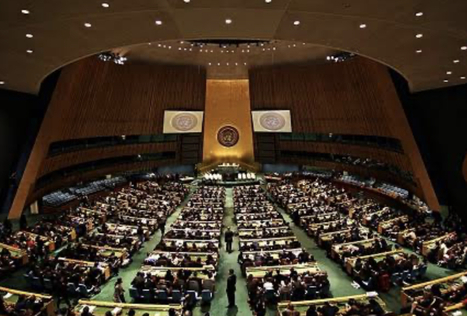
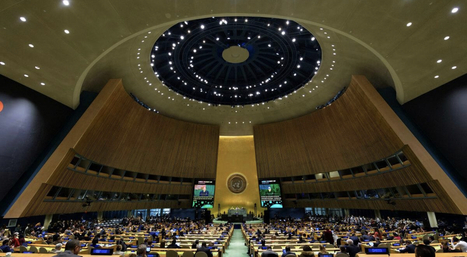
No longer satisfied with a power balance that favoured the few but risked imperilling the many in another economic tailspin, world leaders addressing the General Assembly today appealed for a new brand of multilateralism that reflected developing nations’ concerns in global decision-making, as they wrapped up the annual general debate.
The week-long debate heard 192 speakers, including 107 Heads of State and Government, who took the floor tooutline national objectives and forcefully call for a more equitable “power equation”, both within the Organization and on a host of issues: from restructuring the global financial architecture to strengthening food security, concluding the protracted Doha Round of world trade talks, and reviving the disarmament agenda, to name a few.
“I am heartened that inside this hall -– as well as outside -– in the various meetings and events on the sidelines, there was a renewed commitment to promoting an effective and inclusive multilateralism,” said General Assembly President Ali Abdussalam Treki, in his closing remarks.
Indeed, the Assembly was uniquely placed to forge collective strategies for the common good, he continued. Throughout the week, the world body heard calls for dialogue and a willingness to act together, notably on climate change, an issue that had sent ripple effects across the global economy in the areas of health, food production, and peace and security. He had detected a readiness among States to agree on reducing greenhouse gas emissions and make the upcoming United Nations Climate Change Conference in Copenhagen a success.
Similarly, there had been broad agreement on the need for a collective response to an unprecedented global financial crisis, he said, which included ideas for making the Bretton Woods institutions more inclusive and transparent. On disarmament, broad concern at the proliferation of weapons of mass destruction had been punctuated with appeals for a nuclear-weapon-free world. Among the strongest calls were those urging the comprehensive reform of the United Nations, whose Security Council had to be made more democratic, open and, thus, legitimate.
“We can collectively achieve all these goals,” Mr. Treki declared, assuring delegates that he would conduct such work with transparency and respect for the General Assembly’s central role in the United Nations.
Among the 16 delegations taking the floor today, Samuel Santos López, Nicaragua’s Minister of Foreign Affairs, agreed, saying economic policies should be decided within the most representative institution -- not within groups such as the Group of Eight (G-8) and Group of Twenty (G-20), which championed an economic system that promoted the subjugation of nations and the “hoarding of wealth by the few”. Citing Nicaragua’s national experience, he spoke of an alternative development model that transformed the structures of poverty and marginalization that were breeding grounds of public safety problems. “Our model is based on democratic reform, expressed in popular will, which we call ‘Citizen Power’”, he said.
For Samuel Abal, Papua New Guinea’s Minister of Foreign Affairs, Trade and Immigration, concern at the growing number of global conflicts was heightened by illicit trade and use of small arms and light weapons. That situation continued to cause untold suffering to millions around the world and Papua New Guinea was no exception. Global debate on small arms had focused on curbing the use of such weapons, but the supply side of the issue had never been comprehensively discussed. As such, Papua New Guinea supported the proposed comprehensive Arms Trade Treaty which would address a key element in the arms issue.
Adding to that, Togo’s representative said terrorism was a scourge that had to be fought through better, universalized, international legal measures. The illegal flow of drugs along the West African coastline posed a real threat and destabilized the region. Given the scope of the scourge, one country alone could not eradicate it. Togo thus called for international support to help restore a secure climate that was vital for development to prevail. Despite its limited resources, Togo had been ruthless in weeding out the plague of drug traffickers, with neighbouring support, he added.
“No more will we depend on just a few industrialized nations to solve the world’s economic problems,” said Hassan Wirajuda, Indonesia’s Minister for Foreign Affairs, adding that, through the G-20, developing nations would be heard. Influence in that new power distribution should be replicated in bodies like the Security Council. A throwback to life at the end of the Second World War, the Council was paralysed by an undemocratic composition and veto system that could no longer guarantee collective security. It had to become more democratic, accountable. In reforming the Council –- and global economic governance –- States had to realize that prosperity without democracy was but a bubble.
Lifting peoples’ living standards also meant relentlessly tackling HIV/AIDS, said Botswana’s representative. The global economic crisis had placed people living with HIV/AIDS at greater risk, as budget constraints had prompted cuts in health programmes. It was essential that Governments move toward the 2010 goal of achieving universal access to HIV/AIDS prevention, treatment care and support. Botswana was committed to combating the devastating pandemic and had attended the midterm review last year on the status of implementation of the 2001 Declaration of Commitment on HIV/AIDS.
Also speaking today were the Foreign Affairs Ministers of Grenada and Norway.
The representatives of Djibouti, Cape Verde, Saint Vincent and the Grenadines, Moldova, Greece, Denmark, Seychelles, Togo and Mali also addressed the Assembly.
The Permanent Observer of the Holy See also spoke.
The General Assembly will reconvene at 10 a.m. Tuesday, 6 October, to take up the Secretary-General’s report on the work of the Organization.
Background
The General Assembly met today to continue and conclude its general debate.
Statements
PETER DAVID, Minister of Foreign Affairs of Grenada, said the United Nations was the best place to face the numerous challenges of today’s world. “We cannot respond to one challenge and choose to ignore another, because all are interconnected,” he said, adding: “Indeed, working together is the raison d’être, the essence of ‘united’ in United Nations.” Climate change remained at the top of the global agenda but for small island States, the threat was particularly pronounced, he said. He called on the international community to support the most vulnerable and encouraged States to reach the targets set out for the upcoming Copenhagen Summit on the United Nations Framework Convention on Climate Change (UNFCCC).
With respect to the global economic and financial crisis, he said that his country has pursued sustainable economic development that included revitalizing the agricultural sector, increasing labour productivity, diversifying the export services sector, strengthening the national investment environment and modernizing their tax system. He added that Grenada sought partnerships with the international community and the United Nations system. Towards achievement of the Millennium Development Goals, Grenada had reduced violence against women, thereby increasing primary school enrolment, and had improved access to antiretroviral drugs for people with HIV/AIDS.
As to security, he said that there was a need for more intervention to stop drug trafficking and small arms proliferation, which he said was as lethal as nuclear weapons. On the situation in Honduras, he called for the immediate restoration of President José Manuel Zelaya. Concerning Cuba, he called for an end to the United States embargo. He also called for a resolution to the long‑standing Palestinian-Israeli and wider Middle East conflict. Finally, he said his country supported United Nations reform, particularly with regard to the Security Council. “ Grenada is proud to continue playing its role at the United Nations,” he said. “We support the pursuit of international peace and security, the rule of law, the fight against terrorism, and the eradication of poverty and the promotion of human rights.”
SAMUEL ABAL, Minister of Foreign Affairs, Trade and Immigration of Papua New Guinea, said his country firmly believed that strengthening international peace and security was fundamental to achieving human development, progress and prosperity. Papua New Guinea denounced weapons of mass destruction and was fully committed to the principle of a world free of such weapons. To that end, it was a State party to the South Pacific Nuclear-Free-Zone Treaty and was supportive of the South-East Asia Nuclear-Weapon-Free Zone. Papua New Guinea was now working earnestly towards early ratification of the Nuclear Non-Proliferation Treaty and the Comprehensive Nuclear Test Ban Treaty. It also looked forward to contributing constructively to the United Nations peacekeeping operations.
A continuing major concern for Papua New Guinea was the increase in global conflicts heightened by illicit trade and use of small arms and light weapons, he continued. That situation continued to cause untold suffering to millions around the world, and Papua New Guinea was no exception. Global debate on small arms had focused on curbing the use of such weapons, but the supply side of the issue had never been comprehensively discussed.
Papua New Guinea, therefore, supported the proposed Arms Trade Treaty which was still under negotiation and which would deal with one of the key elements in the arms issue. He stressed that small arms and light weapons threatened communities in his country. The Government had prioritized the need to comprehensively address that issue through commissioning a 2005 National Gun Summit Report which would be implemented soon.
Turning to the various global crises, he expressed strong support for calls to reform the international financial architecture to include major developing countries like China and India. Such reforms would better reflect today’s global economic realities and provide effective management of the global process which needed to be fair, equitable and transparent.
Achieving the Millennium Development Goals remained an integral development priority of the Government, he continued. Those Goals had been incorporated into Papua New Guinea’s medium-term development strategy, focusing on 15 national targets and 67 indicators under a national road map. Those targets and indicators had been specifically designed to reflect the country’s stage of development. A joint Millennium Development Goals project was launched in 2008 along with a National Steering Committee made up of representatives of the Government, the United Nations, academia and civil society. It was mandated to build national awareness and to facilitate a strong data collection and analysis regime in the country.
SAMUEL SANTOS LÓPEZ, Minister of Foreign Affairs of Nicaragua , said that although his country had been impoverished by historical circumstances like so many others within Latin America and the Caribbean, it had remained a land of beauty and natural resources and, indeed, was symbolic of reconciliation and national and international unity.
The country is one of the safest in the continent and it permanently and decisively combated organized crime, not only with coercive and punitive measures, but with an alternative model of development that transformed the structures of poverty and marginalization that were the breeding ground of public safety problems. He said: “Our model is based on democratic reform, expressed in popular will which we call ‘Citizen Power’.”
He noted several of his country’s successful development-oriented campaigns, including the “From Marti to Fidel” initiative, which had reduced illiteracy to slightly over 3 per cent. He also noted a strategy dealing with the H1N1 virus that had controlled the virus’ spread, as well as a nutrition programme that had been selected by the Food and Agriculture Organization (FAO) as one of the top four in the world. In addition, President Daniel Ortega had proposed a Central American Agriculture Policy that would transform the region into a food-production zone. Clean drinking water had been made available to 217,000 families and programmes such as “Zero Hunger” and “Zero Usury” were launched.
Turning to energy issues, he mentioned the country now had a reserve of electrical power of almost 43 per cent, whereas two years ago it was negative by 3.2 per cent. Nicaragua had made efforts to promote the use of alternative energy sources and supported initiatives aimed at developing civilian nuclear energy for peaceful purposes. He mentioned the urgency of climate change, and the need for Copenhagen to be a place to act and not simply debate and called for a true commitment to counteract the harmful effects of global warming.
On regional issues, he said Nicaragua embraced the cause of Puerto Rico’s independence, as well as the return of the Malvinas Islands to their rightful owner. Moving on to the issues of the economy, he mentioned that unfortunately the global financial crisis came upon the heels of decreased official development assistance (ODA), which was still made conditional by international financial institutions. There was reluctance by developed countries to replace the present model with one that was more just.
He said economic policies should be decided within the most representative institution, not within groups such as the Group of Eight and G-20, which were “promoters of the model of domination by the few over the majority, a model which is characterized by exclusion”. In addition, it was not possible to put a kind face on perversion, or on arrogance; that was the essence of the prevailing economic system, which promoted “the exploitation of one human by another, the subjugation of nations, the hoarding of wealth by the few. This is why we are in the crisis, not due to lack of resources.”
JONAS GAHR STØRE, Minister of Foreign Affairs of Norway, said that this was a moment for all to seize. “The new tone of voice we have heard from the United States […] is setting forceful persuasion above persuasive force and extending a hand to those who are willing to unclench a fist,” he said. The challenges ahead for the international community included crises of finances, food, energy, climate and health, and required collective action, he said. On climate change, he said the large, developed countries should commit themselves to measurable, reportable and verifiable actions.
Turning next to the global economic and financial crisis, he said that it had negatively affected the attainment of the Millennium Development Goals. To counter that, Norway had increased its official development assistance in absolute terms after the financial crisis hit, “to show solidarity with those who are less fortunate than we are”. Norway had also tripled its health-related contributions since 2000 and millions of lives had been saved.
Maternal health, however, remained a particular concern, he said, and reducing mother and child mortality was pivotal, he said, adding that there had been an appalling rise of rape and other forms of sexual violence that “reveal an ugly story of men around the world still regarding women and children as secondary citizens”. To give women the services and rights that men take for granted, was a matter of vital importance, he said.
On security, he said the international community should continue to support the United Nations Assistance Mission in Afghanistan (UNAMA), and that, in terms of nuclear disarmament, the Review Conference of the Nuclear Non-Proliferation Treaty next year had to set a clear and specific agenda for the eradication of nuclear arsenals. Regarding Iran, he said that Iran itself should remove the doubts surrounding its nuclear ambitions.
Beyond nuclear weapons, he said that small arms, cluster munitions and landmines were responsible for actual destruction of mass proportions, and he urged all States to accede to the Convention on Cluster Munitions and to try to control the small arms trade. Finally, he said that Norway had been elected to the Human Rights Council and that, last week, the country had submitted its first report on the human rights situation in Norway to take a critical look at its record and invite constructive criticism “as we believe all States should welcome similar constructive criticism of their own records”.
HASSAN WIRAJUDA, Minister for Foreign Affairs of Indonesia, said the Assembly was meeting amid intertwined crises, the most urgent of which was the current economic and financial turmoil, which had put millions out of work and pushed more than 100 million people below the poverty line. “No more will we depend on just a few industrialized nations to solve the world’s economic problems,” he said, adding that, through the G-20, the developing world would be heard in international decision-making. Indeed, the world was building a new and constructive “power equation”, whose distribution of influence should be replicated in other bodies, including the Security Council.
Also, financial institutions and instruments would need to be regulated, and Indonesia was working within the G-20 to reform the International Monetary Fund (IMF) and multilateral development banks, which must deliver concessional financing without conditions to low-income countries. He said that such efforts had set refreshing precedents in terms of access to financial resources and transparency. Climate change, and food and energy security were problems that fed on one another, and they had come about through a failure to form an effective international partnership to address a large bundle of challenges.
At its root, the current international situation had been set in motion by a failure of multilateralism. That failure could be rectified, he said, notably in Copenhagen this December, as States came together to reach consensus on a new climate accord. As the host country to the 2007 Bali Conference on Climate Change, Indonesia fervently hoped the upcoming meeting would yield a new framework to strengthen the Kyoto Protocol. That framework must stipulate deep emissions cuts, financing for adaptation and mitigation, and a priority role for forests. In that context, he noted the Indonesia Forest Carbon Partnership.
Turning to food security, he said Indonesia’s investment in agriculture had led to a surplus in rice production, to be allotted for both buffering national stocks and contributing to global food security. Through similar reform, a global partnership for energy security had a better chance of making a technology breakthrough that would increase fuel-burning efficiencies. With a new spirit of multilateralism, the impasse in the Doha Round of world trade talks could be broken in 2010, and protectionist barriers –- rising again amid fears sparked by the economic crisis –- torn down. Such efforts should also bring about the fulfilment of the 2002 Monterrey Consensus.
In addition, he said there was no reason why that spirit of reform could not resuscitate the disarmament agenda. In a truly democratic world order, nuclear Powers would live by their commitment to the Non-Proliferation Treaty by slashing arsenals and abiding by the Comprehensive Nuclear-Test-Ban Treaty. In turn, non‑nuclear countries would continue to refrain from building nuclear weapons. A window of opportunity had been opened with the adoption of Security Council resolution 1887 (2009) and process between the United States and the Russian Federation to cut arsenals.
Regarding United Nations reform, he called the Security Council a “throwback to the world at the end of the Second World War” paralysed by an undemocratic composition and veto system that could no longer guarantee collective security. The 15-member body had to become more democratic, transparent and accountable. Indonesia was a great believer in democratic reform, which had saved the country from being totally crushed by the 1997 Asian financial crisis.
Continuing, he said Indonesia had transitioned from a highly centralized, authoritarian regime to a decentralized, fully democratic system, and since 2004, had fine-tuned its reforms. A second wave of reform would allow it to become a developed nation by 2025. As the world’s third-largest democracy, Indonesia hoped that the world, as it reformed economic governance, would understand that “prosperity without democracy is but a bubble”, and that democracy that did not deliver development would not endure.
ROBLE OLHAYE ( Djibouti) said the current financial and economic turmoil had reached the shores of Africa and compounded the continent’s difficulties. Poor countries had no choice but to work hard to restore growth and recover lost ground in order to reach internationally agreed development goals. He emphasized that the global crisis could not be an excuse to avoid existing international aid commitments.
Turning to the tense standoff with Eritrean forces in the north of Djibouti, he said the Security Council had consistently condemned Eritrea’s forceful occupation of his country’s territory, Ras Doumeira and Doumeira Island, and in Council resolution 1862 (2009), had demanded, among other things, that Eritrea withdraw it forces and military hardware to locations prior to the standoff.
Eritrea had rejected the resolution and the matter had essentially remained the same, he continued. The militarization of that key strategic Red Sea maritime route did not auger well for peace in the region or for international shipping and investment. The dispute between Eritrea and Djibouti must not be allowed to fester any longer, he said urging the Council to act with all means at its disposal.
Turning to the situation in Somalia, he said the capital, Mogadishu, was essentially a “war zone” and most of the civilian population had been displaced. Civilians were also enduring horrendous collateral damage. African Union peacekeepers had kept the Transitional Government in power, but they were continuously under attack and the need for more troops could not be overemphasized, including the training and equipping of Somali forces. He urged all well-meaning Somalis, as well as people and Governments of goodwill everywhere, to act to create a lasting and stable environment for the Somali people.
Djibouti was eager that peace and security would be restored in the northern part of the Yemen, within the framework of its territorial integrity, sovereignty and unity. On the issue of Council reform, he said Africa, the continent with the largest number of countries, needed to have a permanent voice in the conduct of world affairs. Specifically, Africa must have no fewer than two permanent seats with all the prerogatives and privileges of permanent membership in the Council, including the right of veto; and five non-permanent seats. The recent global crises underscored the urgency for Africa’s meaningful involvement in the United Nations and world affairs. ANTONIO PEDRO MONTEIRO LIMA ( Cape Verde) expressed “unequivocal disdain” for the violence in neighbouring Guinea, and then paid tribute to the victims of the “odious act”, which threatened stability within the region. Peace and security were essential to the progress of humanity, he declared, and said that those two principles had never been threatened the way they were today.
Cape Verde was greatly concerned by threats such as terrorism, human trafficking, weapons proliferation, and drugs, all of which threatened the foundation of the democratic rule of law, and undermined the legitimate wishes of the people. They also harmed development efforts and thus, what was needed was a “fair-balanced multilateral perspective” to help.
Continuing, he said organized crime was becoming a problem in Cape Verde, which was “fertile ground” for the spread of such activity because it was an emerging democracy with a fragile economy. His country was unable to deal with the problem alone, and he called for a deploying of joint capabilities. Cape Verde would not allow itself to be poor and unstable and the key would be to diversify partnerships, and use multilateralism to combat challenges.
He noted efforts to establish a Zone of Peace in the South Atlantic, and said such an arrangement was important if countries in that region were to ensure progress and peace, as well as to reach the Millennium Development Goals. He mentioned a likelihood that the Goals might not be reached because of the financial crisis, especially in light of a decline in global gross domestic product (GDP), and an increase in poverty, unemployment, malnutrition and the cost of goods. He urged international partners to develop joint efforts especially for developing countries to become more inclusive, in order to avoid an unprecedented human crisis.
He affirmed the urgent need to tackle climate change and noted the success of the Secretary-General’s Climate Change Summit last week. If the world did not act now, it might be too late to avoid serious harm being done to the planet. Participants at the Summit had been convinced there was no more time for evasion and that the moment for action was now. For example, coastal regions and small island nations faced serious risks, and Cape Verde, for its part, was coping with desertification and water shortages.
He said Cape Verde had made efforts to take the most advantage of river basins, saving water and using modern technology, especially in irrigation. There was an active policy which helped the local agricultural sector. In addition, research and development for renewable energies was under way. The international community must do all it could to help small island nations, especially since forced migration due to climate change was a serious concern. He reiterated the importance of the ocean and the need to preserve it as a unique repository.
CAMILLO GONSALVES ( Saint Vincent and the Grenadines) said there was an issue under all the other current challenges: “A struggle by the powerful to cling to their dominion, long after the legitimate bases of their power have faded.” He went on to criticize the Security Council, the Bretton Woods institutions and the blockade on Cuba. Noting that the G-20 suffered from a lack of legitimacy, he said the geopolitical status quo remained. “Although we have a seat in this hallowed building, it is often the seat of a spectator in a historical drama.” On the subject of the global economic and financial crisis, his country suffered from its consequences, although it had played no part in its creation. Saint Vincent and the Grenadines faced three threats: globalization; climate change; and stigmatisation, he continued. The World Trade Organization (WTO) had destroyed the country’s trade in bananas; changing weather patterns threatened tourism; and the G-20, the Organisation for Economic Cooperation and Development (OECD) and other organizations discriminated against the Saint Vincent and the Grenadines when they claimed to be rooting out so-called “tax havens”. Another menace was the illicit trade in firearms and narcotics. His country, which produced neither a gun nor a kilo of cocaine, was awash in weapons and drugs, he said.
The citizens of Saint Vincent and the Grenadines would soon vote on a new constitution to transform the country into an independent republic, he announced, before turning to the subject of international relations. It was necessary for multilateral cooperation to be inclusive and participatory and, to that end, poor and developing countries were urged to help remake the United Nations. The global economic and financial crisis, poverty and development weren’t academic issues; climate change wasn’t theoretic and United Nations reform wasn’t a “diplomatic parlour game”, he said, and concluded: “We stand now in the autumn of our discontent. But, as Gandhi said, ‘healthy discontent is the prelude to progress’.”
ALEXANDRU CUJBA ( Republic of Moldova) said a reformed, robust and effective United Nations was needed to deliver prompt reactions and sustainable responses to today’s global challenges. Moldova supported the ongoing process of reform of the Organization, and he said the expansion of the Security Council was a matter of equity and efficiency. That body must reflect the legitimate aspirations of regional groups, and it was also necessary to allocate an additional non-permanent seat for the Eastern European group.
Regarding the global financial crisis, he said his country’s previous communist Government in Chisinau, the capital, had denied the crisis’ existence during 2008. It was only after the previous Government’s defeat in July elections that officials began to sound the alarm. The current Administration, the Alliance for European Integration, had assumed the responsibility for managing the crisis by taking several actions, including attracting funds from international financial organizations, securing foreign investment, and reviving the real sector of the economy. It also relied on the support of European institutions and international structures to promote the rule of law, safeguard human rights, and ensure democratic institutions functioned.
With respect to the peaceful resolution of conflicts, Moldova believed that the demilitarization and democratization of the Transnistrian region was indispensable for a viable solution to the Transnistrian problem. The new liberal democratic governance coalition planned to take measures to identify a solution to that problem in the current 5+2 format. Moldova would revive its efforts to withdraw foreign troops from the country, replace the present peacekeeping operations with a multinational mission and integrate the country in all socio‑economic areas. The Government appreciated the activity of the European Union Border Assistance Mission on the Moldovan-Ukrainian border and its close cooperation with relevant bodies of both States in charge of border management.
On the issue of terrorism, Moldova fully supported and participated in the global fight against that scourge, he said. It implemented measures at the national level and complied with international instruments, such as the Global Counter-Terrorism Strategy. It was dedicated to finalizing the talks on the comprehensive convention on international terrorism and organizing, under the United Nations auspices, a high-level conference on terrorism.
European integration was a major goal of Moldova’s foreign and internal policies and it welcomed positive developments in European Union-Moldova relations, especially after the victory of the Alliance for European Integration in the parliamentary elections in July 2009. The new Government would rehabilitate the country’s image in the international arena and negotiate for a new association agreement with the European Union. Its leaders were firmly committed to reforming the country’s socio-economic system and democratic process had been resumed. He counted on the support and opportunities offered by the United Nations and its Member States to promote the country’s political and socio‑economic objectives, its integration aspirations with Europe, and to resolve the Transnistrian problem and withdrawal of foreign troops.
ANASTASSIS MITSIALIS ( Greece) said that the annual gathering at the Assembly was important, but not enough. “What is needed first and foremost is political will –- will to turn words into deeds,” he said, adding that the international community was at a critical juncture. The planet was in a state of environmental emergency, the socio-economic effects of which could dwarf the current economic and financial crisis.
He said the upcoming United Nations Conference in Copenhagen would be the litmus test of each country’s commitment to an ambitious, all-inclusive climate change agreement. Greece had shown its commitment by supporting the most vulnerable countries’ adaptation to climate change with €21 million through the end of 2011. Humanitarian and development aid, however, had to be streamlined to be more effective and productive, he said.
With respect to migration, he said that currently some 192 million people were being forced from the lands of their birth, and almost 1 million people have been arrested since 2000 while trying to cross from Turkey to Greece, in a quest for a better life. The international community should work together to find solutions to that problem, as well as to the problem of human trafficking. On the subject of human rights, he said that Greece has submitted its candidacy to the Human Rights Council and that women’s rights needed special attention.
Concerning security, he said that Greece was the Chair of the Organization for Security and Cooperation in Europe (OSCE) and, in that capacity, had aimed to build consensus and achieve collective solutions to long-standing conflicts. The most significant achievement, he said, was the launch of the Corfu Process, a debate on the future of Europe’s security.
In the region, Greece had sought cooperation on a number of issues, but he added that long-standing disputes persist, among them one over the issue of the name of the former Yugoslav Republic of Macedonia. Regrettably, no substantive or tangible progress had so far been achieved, despite the fact that Greece had taken “huge steps towards compromise”. Greece had accepted the use of the term “ Macedonia” along with a geographical qualifier that reflected reality
In terms of Cyprus, he said that issue was still “an open wound at the very heart of Europe”. A new round of talks had started under the auspices of the United Nations, but Greece opposed artificial deadlines, strict time frames and threats of a permanent division. The current situation, he said, was unacceptable, but Turkey held the key to the solution. Greece, for its part, was probably the most sincere supporter of that country’s inclusion in the European Union. Despite Greek investment in rapprochement, Turkish jet fighters kept flying low over Greek-island homes and the Turkish Parliament maintained a threat of war against Greece. “We need the leadership of the United Nations if we are to carry out our ultimate mission: safeguarding the dignity, lives and freedoms of the citizens we represent,” he said.
CARSTEN STAUR ( Denmark) said the world needs the United Nations to “provide global answers to global challenges”, such as climate change. The international community must act now to avoid potentially disastrous changes in the global climate, he said, and called for an agreement at the upcoming United Nations Climate Meeting in Copenhagen. Such an accord must include a common goal for a significant reduction in CO2 emissions, a road to achieve those targets and the policies and measures to sustain them.
He went on to say that economic growth and checking climate change were not incompatible goals, as evidenced by the “green economy” of his own country. He also reminded the Assembly of the security risks associated with climate change and welcomed the recent report of the United Nations Secretary-General on the issue. On the subject of Millennium Development Goals, it was imperative that all donors delivered on aid commitments, particularly in light of the global economic and financial crisis. Moreover, next year’s Summit on the Goals offered an opportunity to consider how they could be attained more expediently.
On peace and security matters, he said the international community should hold the Government in Afghanistan accountable while helping build its capacity. In Pakistan, the international community should help with the creation of a stable, democratic and prosperous State, as such a move would further peace and development in the region. He also noted the need for a comprehensive and speedy implementation of the Malakand strategy. With regard to the Middle East, all parties should honour the Road Map. Also, Denmark favoured expanding the diplomatic Quartet on the Middle East peace process with a regional dimension and that Syrian and Lebanese peace tracks should become a permanent Quartet agenda item.
Pirates operating off the coast of Somalia and other places presented a new type of challenge, which Denmark had taken the lead in trying to solve by identifying legal and practical solutions. Finally, he called for reform of the Security Council and an overhaul of security assessments and procedures within peacekeeping operations. “This Organization holds great legitimacy and moral force, and we encourage the United Nations –- Member States, as well as the entire organizational system –- to seize the moment and take the lead in addressing the new global challenges,” he said.
RONALD JUMEAU ( Seychelles) delivered his statement on behalf of President James Michel, and said that with a population of just over 85,000, the Seychelles was painfully aware of its vulnerability as a nation at the mercy of global tides. This vulnerability was marked by economic and other crises and the increasingly destructive effects of climate change. The country’s inherent vulnerabilities and economic imbalances meant it had to face the crises earlier than other countries. Thus, it had arranged a standby deal with the IMF and was discussing debt re‑scheduling through the Paris Club. This process marked a milestone in the relationship between multilateral financial institutions and a small island developing State. It had proved that the instruments of the global economy could be adapted to meet the needs of a smaller partner. It was an example of a responsibility shared. “Through shared responsibility, a crisis can be contained,” he said.
Turning to the unrest in Somalia, he said the conflict had spread beyond its borders to piracy on the high seas. Seychelles was directly affected, as pirates lay siege to the yachting, tourism and fishing industries of the western Indian Ocean. The long-term impact was much wider, since as insurance costs increased for shipping, the costs of transporting essential goods also escalated. While noting other States’ role in fighting piracy, he urged the international community to take additional actions, such as strengthening the rule of law in Somalia. Other actions included expanded coordination and sharing of information among States in the region, and the use of sufficient military force in the region to deter the pirates.
Nowhere was shared responsibility more needed than in protecting and nurturing the planet’s shared environment, he said. In small island developing States, preservation of the environment was about the economy and survival. The international response had been inadequate so far, and there was no clear agreement weeks from Copenhagen. The Alliance of Small Island States (AOSIS) would call for measures needed for its survival, including a peak in global green house gas emissions by 2015 and a subsequent decline, and a reduction in greenhouse gas emissions by more than 85 percent by 2050.
Seychelles lauded the United Nations for its contribution to advancing the world’s understanding of how climate change was damaging the planet. The Intergovernmental Panel on Climate Change had shown that climate change was a disaster waiting to happen. It was the international community’s duty and responsibility to prevent it.
KODJO MENAN ( Togo) reaffirmed his country’s commitment to peace, security and development, all of which were at the core of the work of the United Nations. Togo was a part of the Organization’s recent initiatives to mobilize global support for economic, social and cultural change. He said political, administrative and economic governance was crucial to attaining peace and security, and, without a shadow of a doubt, to speeding up achievement of the Millennium Development Goals.
However, sustainable development would not be possible without a climate of peace and national cohesion, he warned. In that regard, since 2006, the Government of Togo had taken measures to promote democracy and reinforce poverty reduction programmes. Global agreements and agreements with the European Union had allowed the country to carry out free and democratic legislative elections in 2007. Togo had also taken steps towards constitutional reform, namely within the National Commission for Human Rights.
Continuing, he said there had been huge initiatives to revamp the judiciary sector in order to bring the administration and the people closer together. Government measures to ensure freedom of expression demonstrated this. As a mark of respect for human rights the Government had also put forward a bill to abolish the death penalty, which was adopted in June 2009.
The Government had also taken measures to improve the health and education sector, having earmarked significant funds towards health reforms for 2009-2013. To revive a deteriorating, cash-strapped education sector, it had committed to putting in place a plan to allow the country to integrate a fast track “education for all” plan by 2010. In terms of economic reform, Togo had taken appropriate steps to streamline public spending and to create a favourable climate for business and foreign investment. He took the opportunity to call on bilateral and multilateral partners to help Togo get its social and economic plans off the ground.
He said terrorism, which hindered peace and sustainable development, was a scourge that had to be fought through better, universalized, international legal measures. The illegal flow of drugs along the West African coastline posed a real threat and destabilized the region. Given the scope of the scourge, one country alone could not eradicate it. Togo thus called for international support to help restore a secure climate that was vital for development to prevail. Despite its limited resources, Togo had been ruthless in weeding out the plague of drug traffickers, with neighbouring support.
Two decades of economic stagnation had caused new challenges, namely food, financial and environmental crises. To alleviate the effects of the financial shock, it was necessary to put in place policies that would increase agricultural and energetic production among developing countries. To quell the resurgence of such crises, he urged for a joint global initiative to consider restructuring the economic system. In that regard, he praised the G-20 pledge to boost global business, by earmarking $50 billion for Africa from 2009-2011, as well as the African Development Bank’s initiative to fund businesses in Africa with more than $500 million.
OUMAR DAOU ( Mali), described the current General Assembly as an opportune moment to tackle burning issues that were affecting the international community, to share worries about global challenges and to try and find durable solutions that were in line with peoples’ profound aspirations. He went on to say that the global economic and financial crisis that erupted last year had spared no country but had severely weakened the economies of fragile States, especially within Africa. Also, fluctuating food and petrol prices had reduced revenue and increased inflation in a number of such countries.
Current economic, food and environmental crises had plunged hundreds of millions of people into poverty. To solve the global financial and economic crisis, it was crucial to make the international monetary system more democratic, by including the concerted efforts of developed and developing countries for a durable outcome. It was also crucial to revive global development partnerships, to ensure conditions for poverty reduction, better health care and education, and gender equality, in line with the Millennium Development Goals.
Still, he cautioned, a lot remained to be done to attain those goals, despite progress made by developing countries. He pointed out that donor countries, international financial institutions and development organizations had to pay attention to landlocked developing countries like Mali, since their geographical isolation made it extremely difficult for them to aspire to economic growth and social well-being within a global economy.
Turning to climate change, he said it was one of the planet’s biggest challenges, and urged the international community to intensify efforts towards a global solution at the forthcoming Copenhagen climate summit. Next, he said peace and security were indispensable to all development processes, and drew the Assembly’s attention to the forthcoming conference in Bamako on peace, security and development in the Sahel-Sahara region. He also acknowledged progress in African Union-led efforts towards peace and reconstruction.
C.T. NTWAAGAE ( Botswana) welcomed the United Nations reforms made to streamline rules, mandates and policies that would promote transparency, coherence and efficiency. Global cooperation was necessary to meet today’s challenges and uplift the living standards of people around the globe. Botswana was committed to tackling the devastating HIV/AIDS pandemic and had attended the mid-term review last year of the status of implementation of the 2001 Declaration of Commitment on HIV/AIDS. He stressed that the global economic crisis had placed people living with HIV/AIDS at greater risk as budget constraints prompted cuts to health programmes. It was essential that Governments move towards the 2010 Goal of achieving universal access to HIV/AIDS prevention, treatment care and support.
Turning to situations throughout the wider continent, he said Somalia remained a dangerous place rife with kidnappings, banditry and piracy –- even peacekeepers had not been spared. International support and assistance was urgently required to deploy a stabilization force to strengthen the African Union Mission in Somalia (AMISOM) and support long-term peace in the country.
Regarding the situation in the Democratic Republic of the Congo and the Great Lakes Region, he appreciated the collective efforts of the United Nations Organization Mission in the Democratic Republic of the Congo (MONUC), the Special Representative of the Great Lakes Region and other international initiatives. But the international community should not underestimate the gravity of the challenges that hampered that Region’s lasting stability and sustainable development. The efforts of regional bodies like the African Union must be combined with the work of the United Nations to help Great Lakes countries manage conflict and post‑conflict situations.
Botswana was disturbed by the emerging trend in Africa, and other parts of the world, of coups and unconstitutional transfers of power, he continued, expressing his “unreserved condemnation” of the coups that had taken place in Mauritania, Guinea, Guinea-Bissau, Madagascar and Honduras. Botswana would have been very disappointed “if someone like [Andry] Rajoelina, who masterminded the overthrow of a democratically elected Government in Madagascar”, had been allowed to address the Assembly.
He said the Southern African Development Community (SADC) had correctly decided to suspend the regime in Madagascar from participating in councils and structures of the subregional organization. The African Union maintained the principled position of automatically suspending any regime that came into power by overthrowing the constitutional order. The international community had to be united in its determination to isolate the regime in Antananarivo and could not embrace them in the international forums.
Another disturbing development that undermined democracy was the attempt at constitutional change by leaders and political parties that had lost elections. The international community could not condone leaders whom, for their own selfish interests, changed their countries’ constitutions to ensure they remained in power. The world needed to ensure that elections were credible and reflected the sovereign will of the people. Governments should not be allowed to conduct elections and then temper the outcome to suit their interests. With respect to the International Criminal Court, Botswana reiterated its position that it was fully committed to respecting the Court’s integrity and impartiality, and supported the principle of universal jurisdiction under international law and practice.
CELESTINO MIGLIORE, Permanent Observer of the Holy See, began by noting that the deliberations of the preceding session of the Assembly had been dominated by preoccupation with the global financial crisis. It was only fitting that this year, delegations have been asked to focus on effective responses to global crises: multilateralism and dialogue among civilizations. He invoked the preamble of the United Nations Charter to “reaffirm faith in fundamental human rights, in the dignity and worth of the human person, in the equal rights of men and women and of nations large and small”.
He mentioned the intertwining of various world crises in the last months and said that they provoked discussion on presuppositions of thought and principles of individual, social and international behaviour, which extended well beyond the financial field. He added that “high human and spiritual values serve to renovate the international order from within, where the real crisis lies”. The theme of peace and development coincided with the inclusion of all peoples in the human family.
He mentioned a recent appeal by Pope Benedict XVI, who had said that, in the face of unrelenting growth of global interdependence, there was a strongly felt need, even in the middle of a global recession, for an urgent reform of the United Nations, as well as economic institutions and global finance, so that the concept of the family of nations can acquire real teeth. Such reform was urgent, in order to find innovative ways to implement the principle of the “responsibility to protect” and give poorer nations an effective voice. The more interdependent the world became, the greater the need for the United Nations.
“We must always remember that true development involves an integral respect for human life,” he said. Unfortunately, in some parts of the world, development aid was tied to recipient countries’ willingness to adopt programmes, which discouraged the demographic growth of certain populations by methods and practices disrespectful of human dignity and rights. In that regard, it was both “cynical and unfortunate that frequent attempts continue to be made to export such a mentality to developing countries, as if it were a form of cultural progress or advancement”.
Every human being had a right to good governance, and should be guaranteed a free and dignified life, he said, adding that dignity should include personal responsibility and respect for the dignity of others. At the origin of the current global crises is the pretence of States and individual persons that only they have rights and they are reluctant to take responsibility for their own and other people’s integral development. “Often in the activity of international organisms is reflected an inconsistency already widespread in the more developed societies; on the one hand, appeals are made to alleged rights, arbitrary and non-essential […].while, on the other hand, fundamental and basic rights, already explicit in the Universal Declaration of Human Rights, remain unacknowledged and are violated in much of the world.”
The principle of the responsibility to protect was formulated at the 2005 World Summit and received the unanimous consensus of all United Nations Member States, he said. That principle “becomes a touchstone” of principles of truth in international relations and global governance. He said that the recognition of the dignity of every man and woman ensured that Governments always undertook with every means to prevent and combat crimes of genocide, ethnic cleansing and any other crimes against humanity. Thus, recognizing their interconnected responsibility to protect, States would realize the importance of accepting the collaboration of the international community, as a means of fulfilling their role of providing responsible sovereignty.
He acknowledged the work of peacekeepers and the role they played in stabilizing innumerable local conflicts and making reconstruction possible. Nevertheless, he pointed out that the United Nations had not been able to resolve many conflicts, and in many of those, serious crimes against humanity had occurred. That was why acceptance of the principle of the responsibility to protect, and of the underlying truths, which guide responsible sovereignty, could be the catalyst for the reform of the Security Council. In that context, he noted the Honduran people and their continued suffering from the too-long political upheaval. He said that the Holy See urged concerned parties to find a prompt solution.
He ended with the issue of climate change, saying that “the protection of the environment continued to be at the forefront of all multilateral activities because it involved in cohesive form the destiny of all the nations and the future of every individual man and woman”. He added that the recognition of the double truth of interdependence and personal dignity also required that environmental issues be taken as a moral imperative and translated into legal rules capable of protecting the planet.
Rights of Reply
Exercising his right of reply in response to Djibouti’s statement, the representative of Eritrea said Djibouti had been engaged in a public campaign against his country for quite some time. When those efforts were initially made, Eritrea had chosen not to respond through a similar diplomatic and media campaign, as it did not want to fall into the trap of escalating a crisis created by others as part of misguided and destabilizing policies in the Horn of Africa.
He said it was strange to condemn a Member State on the basis of incomplete and one-sided information, and then request the Secretary-General to send a United Nations fact-finding mission. He was seriously concerned that it had become common practice to embroil countries in an endless crisis, only in the desire to gain control of regions by managing those crises. There were various crises that illustrated that trend, among which was that between Djibouti and Eritrea.
Recalling that, on 10 June 2008, Djibouti had launched an unprovoked attack on an Eritrean border unit, he said it was important to note that, through patience, Eritrea had contained that ploy. Eritrea’s desire was to restore and cultivate good relations with Djibouti, on the basis of full respect for territorial integrity and sovereignty. He called on Djibouti to stop allowing Mount Musa Ali to be occupied by troops hostile to his country. Eritrea did not have any territorial ambition and had not occupied land that belonged to Djibouti.
Responding, the representative of Djibouti, also speaking in exercise of right of reply, said her delegation’s statement this morning had referred to tangible facts that regional and international organizations had witnessed for themselves since the start of the crisis between the two countries. The conclusions of the United Nations fact-finding mission were unequivocal: Eritrea had rejected mediation efforts to resolve the crisis. Security Council resolution 1862 (2009) condemned Eritrea’s action against theRas Doumeira and Doumeira Islands; requested its withdrawal of forces and a return to the status quo ante; and called for dialogue in the search for a diplomatic end to the crisis.
There had been a lack of cooperation on the part of Eritrea, she continued. Indeed, Eritrea, since its accession to independence, had launched aggressions against various countries, including Yemen, Sudan, Ethiopia and, most recently, against Djibouti. She said Djibouti had spared no effort to stop that from happening. “You need two to have a dialogue,” she said, emphasizing that no Member of the United Nations could disrespect international law, and thus, it was time that resolution 1862 (2009) be implemented.
In response, the Representative of Eritrea wished to clarify that resolution 1862 (2009) and other findings had been issued based on unacceptable facts on the ground. Eritrea wished for the restoration of normal relations with Djibouti.
The representative of Djibouti then recalled, as he had stated previously, that the facts spok
Poverty Eradication, Climate Change, International Financial System among Key Agenda Items as Second Committee Approves Organization of Work 17 September 2009 General AssemblyGA/EF/3237 Department of Public Information • News and Media Division • New York Sixty-fourth General Assembly Second Committee 1st Meeting (AM)
Poverty Eradication, Climate Change, International Financial System among Key
Agenda Items as Second Committee Approves Organization of Work
Poverty eradication, climate change, the international financial system and development were among key topics approved for consideration by the Second Committee (Economic and Financial) this morning as it approved its organization of work for the sixty-fourth session of the General Assembly.
The Committee also adopted its programme of work (document A/C.2/64/L.1) as Chair Park In-kook ( Republic of Korea) welcomed other members of its new Bureau: Vice-Chairpersons Mohamed Cherif Diallo ( Guinea), Carlos Enrique García González ( El Salvador), Dragan Mićić ( Serbia) and Rapporteur Denise McQuade ( Ireland).
Issues slated for review included macroeconomic policy questions, including international trade and development, the international financial system, external debt and commodities; operational activities for development, including United Nations activities and South-South cooperation; and follow-up to, and implementation of, the outcome of the 2002 International Conference on Financing for Development and the 2008 Review Conference.
Other topics to be considered were: groups of countries in special situations, including the Third United Nations Conference on the Least Developed Countries, and the outcome of the International Ministerial Conference of Landlocked and Transit Developing Countries; globalization and interdependence, including the role of the United Nations in promoting development in that context, preventing and combating corrupt practices, and science and technology; poverty eradication, including implementation of the Second United Nations Decade for the Eradication of Poverty (2008-2017), women in development, and human resources development; and agriculture development and food security.
The Committee was also expected to take up permanent sovereignty of the Palestinian people in the Occupied Palestinian Territory, including East Jerusalem, and of the Arab population in the occupied Syrian Golan over their natural resources; information and communications technology for development; sustainable development, including implementation of Agenda 21, the Programme for the Further implementation of Agenda 21 and the outcomes of the World Summit on Sustainable Development, and follow-up to, and implementation of, the Mauritius Strategy for the Further Implementation of the Programme of Action for the Sustainable Development of small island developing States.
Also under sustainable development, the Committee was expected to consider the International Strategy for Disaster Reduction, protection of global climate for present and future generations, implementation of the United Nations to Combat Desertification, the Convention on Biological Diversity, the report on the twenty-fifth session of the United Nations Environment Programme (UNEP) Governing Council, sustainable mountain development, and the promotion of new and renewable sources of energy.
Others items on the Committee’s agenda were implementation of the outcome of the United Nations Conference on Human Settlements (Habitat II) and strengthening of the United Nations Human Settlements Programme (UN-Habitat), global partnerships, and programme planning.
The Second Committee will meet again at 10 a.m. on Monday, 5 October, to begin its general debate.
The History of South Africa-Zimbabwe Bi-National Commission (BNC) High-level Annual Platform
Origins and Evolution 1995 & 2005: Early cooperation began via the Joint Commission for Cooperation (JCC) and the Joint Permanent Commission on Defence and Security (JPCDS). South Africa established the Joint Commission for Cooperation (JCC) in 1995 as its first structured bilateral mechanism for regional and international relations, followed by the Joint Permanent Commission on Defence and Security (JPCDS) in 2005 to manage defense agreements and cross-border security. Joint Commission for Cooperation (JCC) — 1995 - Formed following South Africa's democratic transition to guide diplomatic, social, and economic ties.
- Operates under the management of the Department of International Relations and Cooperation (DIRCO) alongside foreign counterparts.
- Focuses on broad sectoral agreements including trade, investment, science, and culture.
Joint Permanent Commission on Defence and Security (JPCDS) — 2005 - Established under prior defense pacts to handle military and public safety coordination.
- Targets regional stability, intelligence sharing, and the reduction of cross-border crime.
- Coordinates joint border patrols and law enforcement actions with neighboring states
The South Africa-Zimbabwe Bi-National Commission (BNC) is a high-level annual platform established in 2015 to elevate bilateral ties. Rooted in historic liberation-era solidarity, it replaced lower-level joint commissions to boost cooperation in trade, defense, infrastructure, and migration under both nations' heads of state. In 2015, South Africa and nations like Zimbabwe signed formal Bi-National Commission (BNC) agreements during high-level state visits. These presidential frameworks replaced older Joint Commissions and similar structures to elevate bilateral cooperation, ensuring that heads of state meet annually to drive strategic economic and political growth. Purpose of the BNC Framework - Elevates diplomatic ties to the highest presidential level.
- Replaces older, lower-level technical or joint cooperation committees.
- Mandates annual head-of-state meetings to monitor progress.
- Oversees dozens of signed pacts and Memoranda of Understanding (MoUs).
- Trade and Investment: Boosts cross-border business and industrial alignment.
- Infrastructure: Targets joint energy, water, and transport projects.
- Security and Defense: Coordinates regional stability and migration policies.
- Social and Public Sector: Shares technical skills, health initiatives, and governance strategies.
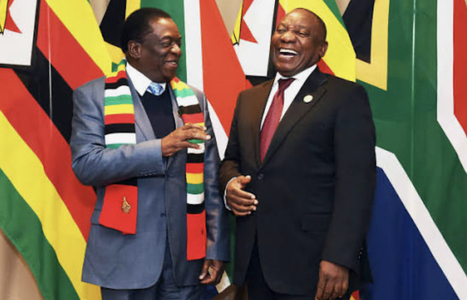
The inaugural session of the South Africa-Zimbabwe Bi-National Commission (BNC) took place in Harare on November 3, 2016. Co-chaired by South African President Jacob Zuma and Zimbabwean President Robert Mugabe, the summit elevated bilateral relations to a presidential level to strengthen cooperation in trade, infrastructure, and security. Key Outcomes and Agreements - Trade and Investment: The two leaders agreed to establish a Joint Trade and Investment Committee to boost economic cooperation.
- Border Efficiency: They finalized plans to set up a One Stop Border Post at the Beitbridge-Musina crossing to ease traffic and trade.
- Stocktaking: The heads of state reviewed over 38 existing memoranda of understanding spanning mining, energy, water, and defense.
- Origin: The overarching BNC agreement was originally signed in 2015 during President Mugabe's state visit to South Africa.
- Precursors: The presidential summit was preceded by senior official meetings and a ministerial session co-chaired by foreign ministers.
- Rotation: The commission established a framework for annual, alternating meetings between the two neighboring countries.
Key Milestones - Over 33 Agreements: Both countries have signed numerous Memoranda of Understanding (MoUs) covering health, labor, agriculture, and cross-border trade.
- Economic Ties: South Africa remains a top investor in Zimbabwe, featuring major corporate footprints in mining, retail, and banking.
- Border Initiatives: Efforts continue to fast-track regional integration projects like the Beitbridge One-Stop Border Post.
Official updates and announcements regarding ongoing sessions are managed through the Department of International Relations and Cooperation (DIRCO).
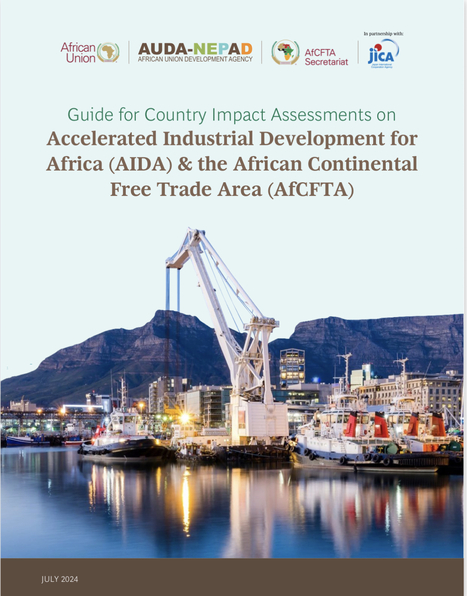
The AfCFTA is the world’s largest free trade area bringing together the 55 countries of the African Union (AU) and eight (8) Regional Economic Communities (RECs). The overall mandate of the AfCFTA is to create a single continental market with a population of about 1.3 billion people and a combined GDP of approximately US$ 3.4 trillion. The AfCFTA is one of the flagship projects of Agenda 2063: The Africa We Want, the African Union’s long-term development strategy for transforming the continent into a global powerhouse. As part of its mandate, the AfCFTA is to eliminate trade barriers and boost intra-Africa trade. In particular, it is to advance trade in value-added production across all service sectors of the African Economy. The AfCFTA will contribute to establishing regional value chains in Africa, enabling investment and job creation. The practical implementation of the AfCFTA has the potential to foster industrialisation, job creation, and investment, thus enhancing the competitiveness of Africa in the medium to long term. The AfCFTA entered into force on May 30, 2019, after 24 Member States deposited their Instruments of Ratification following a series of continuous continental engagements spanning since 2012. It was launched at the 12th Extraordinary Session of the AU Assembly of Heads of State and Government in Niamey – Niger, in July 2019. The commencement of trading under the AfCFTA was in January 1, 2021. The AfCFTA Secretariat is hosted in Accra, Ghana. His Excellency Wamkele Mene is the first elected Secretary-General coordinating the implementation of the Agreement.
The African Continental Free Trade Area (AfCFTA) is one of the Flagship Projects of Agenda 2063 Africa’s development framework. The AfCFTA was approved by the 18th ordinary Session of Assembly of Heads of State and Government, held in Addis Ababa, Ethiopia in January 2012 which adopted the decision to establish an African Continental Free Trade Area and the Action Plan for Boosting intra-African trade as a key initiatives whose implementation would promote socio-economic growth development . The AfCFTA aims at accelerating intra-African trade and boosting Africa’s trading position in the global market by strengthening Africa’s common voice and policy space in global trade negotiations. The objectives of the AfCFTA are to: - Create a single market for goods, services, facilitated by movement of persons in order to deepen the economic integration of the African continent and in accordance with the Pan African Vision of “An integrated, prosperous and peaceful Africa” enshrined in Agenda 2063;
- Create a liberalised market for goods and services through successive rounds of negotiations;
- Contribute to the movement of capital and natural resources and facilitate investments building on the initiatives and developments being undertaken by the State Parties and RECs;
- Lay the foundation for the establishment of a Continental Customs Union at a later stage;
- Promote and attain sustainable and inclusive socio-economic development, gender equality and structural transformation of the State Parties;
- Enhance the competitiveness of the economies of State Parties within the continent and the global market;
- Promote industrial development through diversification and regional value chain development, agricultural development and food security;
- Resolve the challenges of multiple and overlapping memberships and expedite the regional and continental integration processes
The Agreement establishing the AfCFTA was signed on 21st March in Kigali, Rwanda. The AfCFTA entered into force on 30th May 2019 and the Operational Instruments governing trade under the AFCFTA regime were launched in Niamey, Niger in July 2019. Trading under the AfCFTA regime commenced on 1st January 2021. Protocols to the Agreement Establishing the AfCFTA include: - The Protocol on Trade in Goods
- The Protocol on Trade in Services
- The Protocol on Rules & Procedure on the settlement of disputes
- The Protocol Investment.
- The Protocol on Intellectual Property Rights
- The Protocol Competition Policy,
THE OPERATIONAL INSTRUMENTS OF THE AFCFTA [1] The Rules of Origin: A regime governing the conditions under which a product or service can be traded duty free across the region [2] The Tariff concessions: : It has been agreed that there should be 90% tariff liberalisation. Over a 10 year period with a 5 year transition, there will be an additional 7 % for “sensitive products" that must be liberalised. This will be supported by the AfCFTA Trade in Goods online portal where Member States will upload their tariff offers covering 90% of the tariff lines. - The AfCFTA Online Negotiation Tool will
- Facilitate the negotiations on tariff liberalisation between State Parties, Customs Unions or Regional Groupings under the AfCFTA;
- Provide tools to ensure the technical quality of the offers made;
- Increase transparency while safeguarding confidentiality; and
- Provide tools for users/negotiating groups to interact.
[3] The Continental Online Tool/Mechanism for monitoring, reporting and elimination of Non-tariff Barriers (NTBs): The Continental tool will ensure NTBs are monitored with a view to ensuring they are eliminated [4] The Pan-African Payments and Settlement System (PAPSS): Is a centralised payment and settlement infrastructure for intra-African trade and commerce payments. This project is being developed in collaboration with the African Export-Import Bank, Afreximbank which will facilitate payments as well as formalise some of the unrecorded trade due to prevalence of informal cross-border trade in Africa [5] The African Trade Observatory: A trade information portal that will address hindrances to trade in Africa due to lack of information about opportunities, trade statistics as well as information about exporters and importers in countries The coordination and implementation of the AfCFTA is undertaken by the AfCFTA Secretariat which is based in based in Accra, Ghana. The Secretariat is responsible for convening meetings, monitoring and evaluating the implementation process and other duties assigned to it by the Committee of Senior Officials, Council of Ministers, and the Assembly.
Institutional Framework of the AfCFTA The Assembly The Assembly, is the highest decision-making organ of the AU, and which has exclusive authority to adopt interpretations of the AfCFTA Agreement on the recommendation of the Council of Ministers. The decision to adopt an interpretation is taken by consensus. The Council of Ministers The Council of Ministers comprises Ministers for Trade or such other ministers, authorities, or officials duly designated by the State Parties. It takes decisions on all matters under the AfCFTA Agreement, and reports to the Assembly through the Executive Council of the AU. The AfCFTA Council of Ministers is separate from the AU Ministers of Trade (AMOT) The Council of Ministers meet twice a year in an ordinary session and may meet as and when necessary in extraordinary sessions. Decisions taken by the Council of Ministers, are binding on State Parties. Decisions that have legal, structural or financial implications shall be binding on State Parties upon their adoption by the Assembly.
The Committee of Senior Trade Officials The Committee of Senior Trade Officials comprises Permanent or Principal Secretaries or other officials designated by State Parties. It is responsible for the development of programmes and action plans for the implementation of the AfCFTA Agreement. The committee monitors, constantly reviews and ensures proper functioning and development of the AfCFTA in accordance with the provisions of the Agreement; Subject to directions given by the Council of Ministers, the Committee of Senior Trade Officials shall meet at least twice a year and shall operate in accordance with the rules of procedures as adopted by the Council of Ministers. The Committee shall submit its report, which may include recommendations, to the Council of Ministers following its meetings. The RECs are represented in the Committee of Senior Trade Officials, in an advisory capacity. Technical Committees: The Protocols of the AfCFTA Agreement establish various technical committees to assist with the implementation of the Agreement. They include the Trade in Goods Committee and Trade in Services Committee. Click here for Agreement Establishing the African Continental Free Trade Area
Chair, I have the honour to speak on behalf of the European Union and its Member States. Albania, Bosnia and Herzegovina, Montenegro, North Macedonia, Republic of Moldova, Serbia, and Ukraine align themselves with this statement. Chair, This year marks the 26th anniversary of the EU-African Union partnership. As Africa’s primary trading partner, leading source of foreign direct investment, and largest provider of Official Development Assistance (ODA) and humanitarian aid, the EU and its Member States remain firmly committed to strengthening our partnership with Africa. This commitment was reaffirmed at the last EU-AU Summit in November 2025, where leaders stressed the need to translate political commitments into tangible outcomes for citizens on both continents. The political orientations of the European Commission for 2024-2029 also underline the importance of stronger EU-Africa cooperation through sustainable investment, industrialisation, and economic integration. We therefore attach great importance to the Programme for Accelerated Industrial Development of Africa (PAIDA) and welcome IDDA IV for the period 2026-2035 as a key framework for inclusive and sustainable industrialisation, aligned with Agenda 2063 and the 2030 Agenda. Its implementation through the delivery mechanisms of the Action Plan for the Accelerated Industrial Development of Africa (AIDA), in complementarity with the Programme for Infrastructure Development in Africa (PIDA), will be essential to advancing resilient, green and competitive industrial economies across the continent. The recent EU-Africa Group-UNIDO Tripartite Dialogue in May 2026, reaffirmed our shared commitment to advancing inclusive and sustainable industrial development across Africa, strengthening economic integration, and deepening cooperation in support of Africa’s long-term transformation priorities. The EU further supports Africa’s industrial transformation through Global Gateway and Team Europe partnerships. In this context, the Africa-EU Investment Package aims to mobilise at least EUR 150 billion by 2027 for sustainable growth, infrastructure, health, education, and job creation. A further flagship initiative is the Lobito Corridor linking Angola, the Democratic Republic of Congo, and Zambia. Backed by more than EUR 2 billion through a Team Europe approach, it will strengthen connectivity, trade, and regional value chains. Chair, The EU and UNIDO cooperate closely on industrial capacity-building, renewable energy, agri-food value chains, SME competitiveness, and skills development. The EU is currently funding 27 UNIDO projects totalling around EUR 136 million in Africa to diversify economically, develop infrastructure, and advance human skills. The African Continental Free Trade Area (AfCFTA) represents an unprecedented achievement towards realising Africa’s full economic potential and integration. AfCFTA benefits from the Economic Partnership Agreements between the EU and Sub-Saharan African countries and other EU free trade agreements with Northern African countries. In April, at the EU-Ethiopia Business Forum in Addis Ababa, Team Europe committed EUR 1.2 billion under a Memorandum of Understanding concluded with the Secretariat of the AfCFTA. The EU has provided a EUR 205 million contribution to the Africa Trade, Competitiveness and Market Access (ATCMA) programme, implemented by UNIDO and the International Trade Centre, in collaboration with the African Union and five Regional Economic Communities. This programme will boost sustainable intra-African trade, strengthen market access, and Africa-EU trade relations, and foster regional integration and economic development in Africa. The EU, as Co-Chair of the Group of Friends of Food Security in Vienna, supports strengthened food security, agro-industrialisation, and food system transformation, including the objectives of initiatives such as the Addis Ababa Call to Action for a World Without Hunger, the Call to Action “From Rome to Addis and Beyond”, and related UNIDO initiatives, such as the Food Safety Approach 2.0. Africa’s transformation depends above all on its people, especially youth and women. The EU supports education, skills development, innovation, entrepreneurship, and job creation through initiatives such as Erasmus+, the Horizon Europe’s Africa Initiative IV (2026-2027), and the AU-EU Youth Lab. These programmes aim to strengthen scientific cooperation, digital skills, research capacity, and youth employability across Africa. In a challenging global context, the EU remains committed to working with the African Union, UNIDO, and other partners to advance sustainable industrialisation, regional integration, and inclusive growth across Africa, while reinforcing multilateral cooperation, resilience, and shared prosperity. Thank you.
1. Background
a. Overview of Industrialization in Africa
Africa is the richest continent in the world in terms of natural and mineral resources endowment but the least in terms of industrial development. The continent’s economies still relies on the export
of raw materials and thus remains poorly included into global markets and vulnerable to exogenous shocks – e.g. fall in prices due to low demand, fluctuations in exchange rates etc. In addition, there is no adequate infrastructure to support industrial development (e.g. Energy). Recent studies show that Africa is de-industrialising. And that Institutions aimed at supporting industrial development at national, regional and continental level are under-resourced (technical and financial resources) and poorly coordinated. Until recently there was inadequate attention by policymakers on the importance of Industrial Development as a vehicle for poverty eradication, sustainable development and structural transformation. But these last two years, the discourse of the continent Industrialization has changed. Industrialization is now considered has one of the key driver of the continent sustainable structural transformation. The domestication of continental strategies and programmes such as AIDA requires high levels of political commitment.
b. Mandate of the African Union Commission (AUC)
The AUC is the continental Platform for policy harmonization and convergence among African Countries. Its Raison d’être is Regional Integration. The Mandates of its mission is given by the
Heads of States and Governments. The AUC-DTI is not a primary implementer, it is mandated to lead the coordination and harmonization among all Stakeholders for the implementation of
continental industrial development. It is responsible for the monitoring and evaluation of the progress made and to report to the policy organs including the AU Summit. In order to advocate
for the implementation of decisions, it has a mandate to implement specific flagship projects as defined under Agenda 2063.
c. Mandate of the Department of Trade and Industry
The Department of Trade and Industry (DTI) is one of the key departments of the African Union Commission. The DTI’s mandate is to contribute towards making Africa an integrated trading bloc
within the Continent and a significant and competitive trading partner in the global economy. Under the guidance of the Commissioner of Trade and Industry, DTI is spearheading the work
with Regional Economic Communities, UNECA, African Development Bank, African Stakeholders and development partners including the European Union. The Department
undertakes research to inform policy making and once the policies have been adopted, it is responsible for coordinating the implementation and providing progress reports to the policy
organs on the status of implementation. The Department develops as well technical cooperation programmes, mobilise resources and ensure their delivery. It engages in advocacy on the common
positions taken by our policy organs and facilitate many dialogues on relevant policies across the continent and with partners outside the continent. Finally, the Department is also responsible for
forging win-win partnerships with third parties outside the continent on matters which fall within its mandate...
https://au.int/sites/default/files/bids/32722-tors_the_plan_of_action_for_the_accelerated_industrial_development_of_africa_aida_implementation_review-4.pdf
Financial support from the African Development Fund will strengthen the development of evidence-based, inclusive, and climate-sensitive trade and industrial policies in Cameroon, Chad, the Comoros, Madagascar, and Togo. The African Development Fund, the concessional arm of the African Development Bank Group, has approved a $3.48 million grant to finance impact assessments on the Africa Union’s Accelerated Industrial Development for Africa (AIDA) framework and to support the implementation of the African Continental Free Trade Area (AfCFTA) in the transition economies of Cameroon, Chad, Comoros, Madagascar and Togo. The grant, approved by the Fund’s Board of Directors on July 13, will help strengthen the design of evidence-based, inclusive, and climate-sensitive industrial and trade policies in the five countries. It will address persistent gaps in institutional capacity, data quality, and policy coordination which continue to hinder industrialization efforts and the effective implementation of trade policies across the beneficiary countries. “National institutions often lack sufficient access to reliable, disaggregated, and climate-relevant data, while fragmented coordination mechanismsh limit their ability to design coherent, inclusive, and evidence-based policies,” said Memory Dube, the project team leader at the African Development Bank Group. “The project responds to these challenges by providing a standardised and analytically robust methodology, tailored to national realities, to assess industrial and trade dynamics. It will also strengthen the technical capacity of government experts and support the institutional mechanisms needed to produce, analyse, and utilize new evidence.” The project will deliver training tailored to each national context, multilingual learning materials, practical exercises in data collection and validation, and on-the-ground technical support. It will also promote shared methodologies for developing, monitoring, and evaluating public policies, while supporting the integration of indicators on gender equality, climate change, and small and medium-sized enterprises into national monitoring and evaluation systems. Beneficiaries include public officials, trade analysts, academics, government ministries, development agencies and partners, regional economic communities, and businesses led by women and young people. The project will be implemented by the African Union Development Agency - New Partnership for Africa's Development (AUDA-NEPAD), in collaboration with national institutions and regional stakeholders. It builds on earlier work to develop and pilot the AfCFTA/AIDA impact Assessment Guide and will support its wider application in countries in transition. Media contact: Alexis Adélé, Communication and External Relations | media@afdb.org
On 20 June 1960, Senegal won its independence from France. Two years later, on 31 August 1962, Senegal became a member of the International Monetary Fund (IMF). Almost two decades after independence, in 1979, Senegal entered into an arrangement to gain credit in exchange for more IMF control over Senegal’s economy. From 1979, Senegal’s many governments have sought IMF assistance over twenty times over the forty-six years since then. The IMF arrangements have had different names: Extended Fund Facility, Extended Credit Facility, Standby Arrangements, Structural Adjustment Facility Commitment, Enhanced Structural Adjustment Facility, Concessional Facility Arrangement, Poverty Reduction and Growth Facility, Exogenous Shock Facility, Rapid Credit Facility, Rapid Financing Instrument, and Standby Credit Facility. But their essence is the same: in exchange for the IMF’s help, including accessing funds from the private and public credit markets, the government of Senegal has had diminished sovereignty over its fiscal policy (Senegal’s power over its monetary policy has already been lessened by its use of the CFA franc). It was a Faustian bargain that all African countries made at some point in their history. Countries that had no established exchequers, poorly funded central banks, barely any control over their raw materials, and very low levels of industrialisation faced an uphill task after independence to build the integrity of their national economies and regional trade networks. They remained integrated in a neocolonial structure, which IMF interventions reinforced. They were discouraged from diverting their resources to build up human capacity or the industrial base of their economies. At no point did the IMF interventions for Senegal, for instance, produce growth of a robust kind; an IMF study from 1996, after almost two decades of the same adjustment policies, noted, ‘While the policies pursued under these programs have contributed to a reduction in macroeconomic imbalances, economic growth has remained erratic and subdued, and savings and investment ratios have been relatively low’. In other words, there had been no development. Where there was growth, these studies acknowledge, it was largely sporadic and due to the rise of commodity prices. This commodity price-driven growth was not converted into net fixed capital since it was frequently used to pay off exorbitant debt payments, and to finance social welfare to prevent the large-scale collapse of society. In an important 2002 report, the IMF acknowledged the problems of what it called ‘prolonged use’ of IMF resources. The report features two Asian countries (the Philippines and Pakistan) and one African country (Senegal). In the chapter on Senegal, IMF researchers wrote that the policy from 1979 to 2002 had been marked by ‘an incentive to “overpromise” on the pace of restoration of sustainability that stemmed from internal guidelines requiring that there be significant progress toward external viability by the end of three-year arrangements’. Furthermore, the overoptimism was blamed on ‘the heavy weight given to export-based indicators’, which meant that IMF staff reports ‘tended to downplay the extent of Senegal’s debt problems’. The report concluded that Senegal could not export its way out of the crisis. Yet, despite this startling admission it did not inform subsequent IMF policy – certainly not in the Poverty Reduction and Growth Facility that ran from 2003 to 2006 in Senegal. This dossier looks at the IMF’s long history with the fifty-four countries on the African continent, all of whom are IMF members. Here, we build on two previous dossiers on the general contours of Washington Consensus policy: Life or Debt: The Stranglehold of Neocolonialism and Africa’s Search for Alternatives (dossier no. 63, April 2023) and How Neoliberalism Has Wielded ‘Corruption’ To Privatise Life in Africa (dossier no. 82, November 2024). It also builds on our Inkani Books volume Can Africans Do Economics? (2024), edited by Grieve Chelwa. In this dossier, we will turn our attention to the structural adjustment policies predating the first major bankruptcy in the Third World Debt Crisis (Mexico, 1982), and therefore, not in response to the financial chaos created by the rise of US interest rates after October 1979. The dossier draws on two case studies, from Kenya and Zambia, to illustrate our overall analysis, and the prolonged use of the same policies to stifle genuine development for Africans. While this dossier is largely critical of the IMF, our overall work from Tricontinental: Institute for Social Research is to build a theory of development that can produce genuine development. This theory is being built on the actual conditions that the African working class and peasantry require to drive forward their own dreams of emancipation, which are not the dreams of the IMF staff missions dispatched to our part of the world. A Nightmare that Returns Every Night From its formation in 1944, the IMF mainly focused on the provision of short-term finance to prevent countries, particularly in war-torn Europe beginning their reconstruction, from collapsing under the weight of balance-of-payments crises. This was illustrated by the IMF’s first loan, $25 million to France in 1947, which was intended to prevent a catastrophic devaluation of the franc. It was only after 1952 that the IMF began to consider longer-term financing, particularly in the Third World, but made this finance conditional on certain important changes in their policy orientation. For instance, through the newly developed Stand-By Arrangement (SBA), the IMF would provide short-term and longer-term funding to a Third World country if it would reduce its budget deficits (‘fiscal consolidation’), control inflation (‘monetary policy adjustments’), and conduct important structural reforms, such as privatising state functions and creating market conditions that favoured the private sector (‘enhance competitiveness’). The IMF grant to Chile in 1955 for $12.5 million was the first to be structured through the SBA and to demand conditions. Chile’s main revenue earner was copper exports, which were in high demand in those years due to rebuilding after World War II. Chile had little problem paying off this first SBA, which set an IMF precedent to demand payment and reject the strategy of debt forgiveness. The conditions imposed for taking IMF loans produced an almost immediate backlash from populations unwilling to accept austerity conditions for themselves to pay off badly structured loans. Anti-IMF protests took place in Greece (1953) and Argentina (1956), where governments put their relationship with Western creditors and the IMF ahead of their own people. It is important to absorb the politics of this moment: while the IMF set up a policy framework around conditions to enforce the modernisation of the Third World, it accepted fairer rules for Western allies such as the Federal Republic of Germany. It was detailed in the February 1953 Agreement on German External Debts that Germany was to reconcile its debts in its national currency, and it was forbidden from using more than 5% of its export revenues to service its debt. They also benefitted from a preferential interest rate capped at a maximum of 5%. It was clear by the late 1950s that the IMF policy logic was to ensure that newly independent countries, largely in the Global South, remained within a neocolonial economic structure. They could not try to enforce their sovereignty, and only those with fealty to the Western security apparatus would be given any leeway regarding the rules. The IMF did not have an active role on the African continent until the decolonisation process fully set in. In 1962, the first SBA for an African country was a loan to Egypt. A string of SBAs followed, going mostly to North African states (Morocco, 1963; Tunisia, 1964; Algeria, 1966) and to the newly free states of Ghana (1966) and Kenya (1967). Ghana’s Kwame Nkrumah refused to engage with the IMF, understanding that it would interfere with national sovereignty; it was only after the coup d’état against Nkrumah that the new military government went to the IMF. Jomo Kenyatta, meanwhile, went to the IMF only because Kenya had emerged from colonialism through a bloody and destructive war that wrecked its economy. Immense fluctuations in the prices of tea and coffee, the country’s main exports, exacerbated a difficult situation. None of these states approached the IMF enthusiastically. They knew its problems from the first. In his landmark 1965 book Neocolonialism: The Last Stage of Imperialism, Nkrumah described multilateral aid through international organisations such as the IMF as a neocolonialist trap. ‘These agencies have the habit’, Nkrumah wrote, ‘of forcing would-be borrowers to submit to various offensive conditions, such as supplying information about their economies, submitting their policy and plans to review by the World Bank, and accepting agency supervision of their use of loans’. Due to the lack of credible alternatives, in some cases African countries have also sought long-term aid for large-scale projects from the World Bank and the IMF. Over the 1952–2023 period, almost half of the commitments the IMF made were to African countries, largely due to the lack of continental alternatives. By 2023, the continent’s total external debt was estimated by the African Development Bank to be $1.152 trillion, with annual debt service payments of $163 billion (up from $61 billion in 2010). The African Export-Import Bank’s State of Play of Debt Burden in Africa 2024 pointed to several key factors: already high debt levels, rising particularly fast from private creditors, and the cost of borrowing attached to external debt growing ‘markedly’. Compounding the situation, low domestic saving rates (mostly due to rising austerity and inflation) and a lack of control over raw material extraction and export have left many African countries in a serious monetary spiral. Each year, therefore, when the IMF study team arrives in any of the fifty-four capitals across the continent, the nightmare of IMF arrogance begins anew and the noose of conditions, austerity, low savings, more borrowing, and greater debt whips populations into despair. Africa’s Institutions To prevent the ‘neocolonial trap’, Nkrumah and others insisted upon the need to create robust African institutions both to generate political unity and to build economic integration across the rich African continent. The Organisation for African Unity (OAU) set the process in motion in 1963, followed by the Monrovia Declaration (1979), the Lagos Plan of Action (1980), the Abuja Treaty (1991), the Sirte Declaration (1999), and the African Union’s Agenda 2063 (2013). Central to this process was the recognition of the need for regional cooperation (through the building of Regional Economic Communities or RECs), a continental free trade area, and the creation of a system of monetary unification (including perhaps a continental currency). For monetary unity, African countries agreed to build an African Central Bank, an African Investment Bank (AIB), a Pan-African Stock Exchange, and an African Monetary Fund, with 2016 and 2018 being the target establishment dates for the latter three. None of these institutions have seen the light of day. Given the grip of colonial powers on the African continent, monetary policy was not devolved to the colonies until the last decades of colonial rule. In some cases, as with former French colonies, this foreign grip persisted after independence. Very few African states developed central banks (the first was in South Africa – a country subject to colonialism of a special type – in 1921). In 1931, Emperor Haile Selassie closed the old, private Bank of Abyssinia and established a modern Bank of Ethiopia, which could have become an important initiative in central banking on the continent, but it was shut down after the Italian invasion in 1935. Following Ghana’s independence in 1957, the new government in Accra set up the Bank of Ghana, but its sovereignty was constrained by the IMF in 1966 (after the coup that removed Nkrumah). Given the paucity of funds on the continent due to colonial plunder, the early central banks became institutions to attract finance rather than nodes for either long-term monetary planning or for any direct social goal (such as to advocate for full employment). The experience of independent central banking has, therefore, not been significant enough and has partially led to a lack of confidence in creating an African Central Bank or African Investment Bank (AIB). It is important to record that the AIB was envisaged to be in Tripoli, Libya, with initial funds coming from the oil sales of a Libyan sovereign wealth fund. The overthrow of the government of Muammar al-Gaddafi in 2011 has suspended that conversation. Of the three institutions, the African Monetary Fund has held the most promise. In a key study from 1985 by the UN Economic Commission for Africa (UNECA), the authors wrote that because there is ‘no unified monetary system in Africa, individual central banks find it difficult to respond effectively to the vagaries of the international monetary situation’. Because Africa’s central banks ‘hardly consult each other on monetary policy’, the report continued, and there is an absence of any other mechanism for consultation, ‘the continent needs a regional institution’. The authors of the study went on to indicate six problems: - The diminishing power of domestic monetary policy to cope with the current economic crisis.
- The growing influence of external factors on such policies.
- The drastic decline in Africa’s export earning capacity and the consequent depletion of countries’ foreign exchange reserves.
- Mounting balance-of-payments deficits and the resulting slowing or stopping of development growth.
- Increasing interest rates and other charges on external borrowing.
- Growing external debt, which has cumulatively created a vicious circle out of which many African economies have been unable to emerge.
Unless there are major changes, the report notes, ‘it is estimated that Africa’s economic situation will be worse at the end of this century than it is now’. This is a clearsighted message. Forty years later, an analogous statement about the 21st century could be made. https://thetricontinental.org/dossier-faustian-bargain-imf-africa/
ECONOMIC TRANSFORMATION Des Van Rooyen and Siyabonga Gama|Published 1 week ago Des Van Rooyen and Siyabonga Gama The Umkhonto weSizwe (MK) Party rejects the recently concluded R25 billion World Bank Development Policy Loan. We do so not because we are opposed to development or investment, but because this particular financing arrangement is not neutral in its terms. It comes with policy conditionalities—precise, pre-agreed reforms that lock South Africa into a direction of travel long after the debate in this House is over, and long after the officials who negotiated it have moved on. This agreement is framed as a technical policy support measure. Yet the reality is that such loans function as political instruments. They tie South Africa’s fiscal and service-delivery choices to external policy prescriptions that are often regressive in effect: cutting the space for democratic decision-making, weakening public capacity, and advancing a privatisation agenda that transfers public obligations to private actors while leaving citizens to bear the risks. At the heart of the MK Party’s objection is not the existence of foreign borrowing. South Africa may, at times, require financing to fund development. The question is who decides the terms, what those terms contain, and whether Parliament—through its constitutional oversight role—has meaningful authority before binding commitments are made. Unfortunately, the country has fallen into a legislative and procedural gap. In recent years, National Treasury has secured large-scale commitments from multilateral institutions such as the World Bank and the African Development Bank. But the pattern is troubling: significant long-term debt obligations are entered into without Parliament approving each agreement in advance, before the ink is dry and the policy conditionalities begin to shape domestic governance. That gap is not a technical oversight; it is a constitutional weakness. It allows major policy decisions with fiscal consequences to be smuggled into the borrowing process rather than debated openly through democratic institutions. MK Party believes that this must change. Borrowing that binds current and future generations should be subject to prior parliamentary approval, with full disclosure of the policy conditions before agreements are concluded. When governments make decisions that affect national fiscal sovereignty, they should not be able to bypass Parliament through administrative processes. Democratic oversight must be frontloaded, not retroactively rationalised. The World Bank loan—like similar arrangements elsewhere—does not merely “support efficiency.” It directs policy. It advances reforms that align with regressive IMF-style prescriptions and with the broader neo liberal privatisation logic that MK Party has already condemned in the context of Operation Vulindlela. These are fundamental choices about the economy and about the role of the state in providing essential services. They should not be embedded through externally financed policy agreements that citizens do not meaningfully authorise. The conditionalities attached to the loan reportedly relate to the privatisation of electricity, freight logistics, municipal infrastructure, and water and sanitation services. This is the central Operation Vulindlela copybook, whose negative effects will be felt in this country long after this hastily ill-conceived program by the prepaid GNU has been completed. The language used to sell these reforms is familiar: efficiency, investment, better service delivery, and improved performance. But the outcomes of privatisation across sectors tell a different story. When essential services are opened to profit-driven models without robust safeguards, citizens face rising costs, uneven access, and deteriorating accountability. Investors may benefit from new revenue streams, but communities—especially the poor and working class—bear the burden when costs increase or when service providers fail to deliver. Nowhere are these concerns more urgent than in local government. Municipalities already struggle with declining revenues, driven in part by the disruptions flowing from electricity privatisation and changes in how revenue is generated and collected. Extending the same privatisation approach to water and sanitation risks weakening another critical municipal revenue stream. This matters because municipalities do not only deliver services; they also finance them through local billing systems and revenue flows. When those flows weaken, municipalities become more dependent on national transfers. The result is a predictable cycle: less municipal autonomy, less financial sustainability, and worsening service delivery. First it was electricity; and now it is water and sanitation. Without a comprehensive replacement revenue framework, local government is placed in an impossible position. It is asked to take on greater responsibility while being stripped of the tools that fund service delivery. That is not reform; it is dismantling capacity and then blaming public institutions for the consequences of policy changes imposed from outside. South Africa requires development finance that strengthens industrialisation, supports infrastructure investment, expands productive employment, and accelerates genuine economic transformation. That is what “development” should mean in practice: building the productive base of the economy and improving the lives of people through effective public investment. Development should not be reduced to loans that finance IMF policy reform programmes while undermining the basic pillars of service delivery.
Recommendations
• Debt restructuring reform: South Africa and the AU should leverage their positions in
forums such as the G20 to establish a global debt restructuring mechanism. This includes
commissioning a feasibility study on automatic debt standstills and fair creditor participation
to ensure that debt relief aligns with sustainable development and climate goals.
• Strategic alliances: To strengthen their bargaining power, member states facing surcharges or
‘grey-listing’ should form a ‘Debtors Club’. Driven by regional blocs like ECOWAS and SADC,
this alliance would mobilise global consensus on the need for this new mechanism.
• Financial sovereignty: African states are urged to transition from the ‘big three’ private USbased rating agencies to the African Credit Rating Agency. This shift is intended to harmonise
standards and protect African economies from unregulated external credit assessments.
• Asset repatriation: The AU should spearhead a unified position on the urgent return of state
assets, building on existing efforts by North African nations to ensure that no state can legally
withhold another’s resources.
Executive summary
This policy brief sets out a vision for a proposed sovereign debt restructuring mechanism, suggesting where and how it should be set up and what its underlying principles should be. The brief also examines the political barriers that are likely to present themselves
and how these could be managed, with reference to what an African position should be. Finally, it provides key recommendations for the establishment of this mechanism.
The need for a permanent sovereign debt
restructuring mechanism
Twenty years ago, the Jubilee Movement brought states together in a call for the cancellation of the foreign debts of the world’s poorest countries. This same call has been revived, as many developing countries once again face rising debt challenges that
have created fiscal constraints and limited their ability to undertake crucial government spending. While many countries already experience or are at risk of debt distress, governments are reluctant to pursue debt restructuring or to request other forms of
relief, such as debt cancellation or a debt service freeze. This is due to fears of credit rating downgrades, currency depreciation and economic instability, which could be induced by a loss of investor confidence in the economy.
To address these challenges, it has been suggested that a global fiscal body is needed, possibly falling within the jurisdiction of the UN with the mandate to regulate public debt holders, private bonds and credit rating agencies, while also directing dispute resolution
and data management processes. There have been arguments for a similar regional body for Africa, housed at the AU, which would coordinate Africa’s fiscal interests – especially in dealing with debt vulnerabilities and negotiating debt arrangements. An important building block in this process is the establishment of a debt restructuring mechanism, which is the focus of this policy brief. This brief sets out a vision for the proposed debt restructuring mechanism, suggesting where and how it should be set up and what principles should underpin it. It also examines the political barriers that are expected to appear and how these could be
managed, with reference to the position that Africa should adopt. The brief concludes with key recommendations for the establishment of the debt restructuring mechanism. https://saiia.org.za/wp-content/uploads/2026/05/SAIIA_PB-319_SovereignDebtRestructuring.pdf
With the debt service suspension initiative expiring and interest rates poised to rise, low-income countries will find it increasingly difficult to service their debts. December 2, 2021 Despite significant relief measures brought on by the COVID-19 crisis, about 60 percent of low-income countries are at high risk or already in debt distress. In 2015 that number was below 30 percent. With policy space tightening for highly indebted countries, the framework can and must deliver more quickly. For many of these countries, the challenges are mounting. New variants are causing further disruptions to economic activity. COVID-related initiatives such as the G20 Debt Service Suspension Initiative (DSSI) are ending. Many countries face arrears or a reduction in priority expenditures. We may see economic collapse in some countries unless G20 creditors agree to accelerate debt restructurings and suspend debt service while the restructurings are being negotiated. It is also critical that private sector creditors implement debt relief on comparable terms. Recent experiences of Chad, Ethiopia, and Zambia show that the Common Framework for debt treatments beyond the DSSI must be improved. Quick action is needed to build confidence in the framework and provide a road map for helping other countries facing increasing debt vulnerabilities. 2022: a more challenging debt outlook Since the start of the pandemic, low-income countries have benefited from some attenuating measures. Domestic policies, together with low interest rates in advanced economies mitigated the financial impact of the crisis on their economies. The G20 put in place the DSSI to temporarily pause official debt payments to the poorest countries, followed by the Common Framework to help these countries restructure their debt and deal with insolvency and protracted liquidity problems. The international community also scaled-up its financial support, including record IMF emergency lending and a $650 billion allocation of special drawing rights, or SDRs—$21 billion of which was allocated directly to low-income countries. The G20 leaders committed to support low-income countries with onlending $100 billion of their SDRs to significantly magnify this impact. No doubt 2022 will be much more challenging with the tightening of international financial conditions on the horizon. The DSSI will expire at the end of this year forcing participating countries to resume debt service payments. Countries will need to transition to strong programs, and for low-income countries that need comprehensive debt treatment, the Common Framework will be critical to unlock IMF financing. But the Common Framework is yet to deliver on its promise. This requires prompt action. Implementation so far has been slow The Common Framework is intended to deal with insolvency and protracted liquidity problems, along with the implementation of an IMF-supported reform program. G20 official creditors—both traditional “Paris Club” creditors, such as France and the United States, and new creditors, such as China and India, which, as shown in the chart below, overtook the Paris Club as lenders in the last decade—agreed to coordinate to provide debt relief consistent with the debtor’s capacity to pay and maintain essential spending needs. The Common Framework requires private creditors to participate on comparable terms to overcome collective action challenges and ensure fair burden sharing. But so far, only three countries—Chad, Ethiopia, and Zambia—have made requests for debt relief under the Common Framework. And each case has experienced significant delays. In part, these delays reflect the problems that motivated the creation of the Common Framework in the first place. These include coordinating Paris Club and other creditors, as well as multiple government institutions and agencies within creditor countries, which can slow down decisions. The Common Framework aims to mitigate these problems but does not eliminate them. New creditors, including relevant domestic institutions, need to gain comfort with restructuring processes that would allow all creditors to work together in providing relief and enable the IMF to lend to countries facing debt difficulties. This takes time. But there were also delays for reasons that have nothing to do with the Common Framework. To restore debt sustainability, Chad must restructure a large, collateralized obligation held by a private company, which is partly syndicated to a large number of banks and funds. This complicates the decision-making process. Domestic challenges slowed progress in Ethiopia and Zambia. No time to waste With policy space tightening for highly indebted countries, the framework can and must deliver more quickly. First, greater clarity on the different steps and timelines in the Common Framework process is vital. Alongside earlier engagement of official creditors with the debtor and with private creditors, this would help accelerate decision making. Second, a comprehensive and sustained debt service payment standstill for the duration of the negotiation would provide relief to the debtor at a time when it is under stress, as well as incentivize faster procedures to get to the actual debt restructuring. Third, the Common Framework should clarify further how the comparability of treatment will be effectively enforced, including as needed through implementation of the IMF arrears policies, so as to give greater comfort to creditors and debtors. Last but not least, the Common Framework should be expanded to other highly-indebted countries that can benefit from creditor coordination. Timely and orderly debt resolution is in the interest of both debtors and creditors. Ensuring a success in the early cases will not only benefit the countries, but foster confidence in the Common Framework. In that regard, finalizing Chad’s restructuring quickly can serve as an essential precedent for other countries. In Ethiopia, the creditor committee should continue the technical work that will allow early provision of debt relief assurances once the situation stabilizes. In Zambia, G20 creditors should expeditiously form a committee of official creditors and begin engaging with the authorities and private creditors on debt relief, while also providing a temporary debt-service suspension for the duration of the debt-restructuring discussions. Otherwise, the country would be confronted with the impossible choice of cutting priority expenditures or piling up arrears. Debt challenges are pressing and the need for action is urgent. The recent Omicron variant is a stark reminder that the pandemic will be with us for a while. Determined multilateral action is needed now to address vaccine inequality globally and also to support timely and orderly debt resolution. For its part, the IMF is ready to work with the World Bank and all our partners to help ensure the framework delivers for the people it was put in place to help. Related links: Sovereign DebtReform of the International Debt Architecture is Urgently NeededJoint Action Needed to Secure the RecoveryLow-Income Countries
21 February 2025~ Insight Written byYunnan Chen, Tom Hart This year’s G20 presidency has shifted to South Africa, under which sovereign debt will be a key priority. South Africa is pushing for a review of the G20’s Common Framework (CF) for debt treatments, five years since its creation during the Covid-19 crisis in 2020. It was part of broader G20 debt relief efforts to alleviate the economic impacts of the pandemic, but also to bring to the table both official creditors and commercial creditors and bondholders for the first time to work in tandem. The CF has delivered substantive debt relief – as we show below – but these restructurings illustrate the significant challenges in how contemporary restructurings for low and middle-income countries work: that they are too little, too late and too complex. Too little, reflecting tensions over the scope and size of debt relief, defined by the IMF debt sustainability analyses (DSA), and the treatment of domestic debt. Too late, due to the (weak) effectiveness of the Common Framework in enabling coordination and supporting inter-creditor equity to enable swift, efficient restructurings. And too complex because of the deployment of state-contingent debt instruments (SCDIs) in enabling restructurings, which may help incentivize bondholder participation – but at the cost of debt relief to borrowers. Nearly three decades on since the HIPC initiative, the landscape of sovereign debt restructuring has shifted dramatically. Non-traditional creditors such as Chinese state-owned banks, as well as the growth of international bond markets, have transformed how and from whom countries borrow, and have complicated restructuring processes once dominated by the Paris Club. Three landmark bondholder restructurings were concluded by the end of 2024: two, in Ghana and Zambia, were finalised under the Common Framework, and one, Sri Lanka, outside of the CF. A further Common Framework participant, Ethiopia, is yet to finalise negotiations. These cases illustrate the innovations and trends in bondholder restructurings, such as the CF and the use of SCDIs, but also the weaknesses of these tools, and of the broader debt restructuring architecture. As these countries try to reset, what do their restructurings show about where the debt restructuring architecture is going? And how does the Common Framework need to evolve? A tale of three restructurings: Ghana, Zambia and Sri Lanka A debt restructuring aims to bring down a country’s debt burden to sustainable levels, providing sufficient breathing room in terms of debt relief so that these crises are resolved, and ensure that countries can once again gain access to international capital, and return to a sustainable economic growth path. The diverse cases over the last few years also illustrate the challenges and trade-offs involved in balancing the need for swift, efficient restructurings to restore capital market access, and the depth of debt relief needed to support longer-term sustainability. The G20 Common Framework, used for Ghana and Zambia’s restructuring process, brings together all official creditors (Paris Club countries plus China and others) to negotiate in a single official creditor committee (OCC), which is then sequentially followed by negotiating with bondholder groups and commercial creditors. Ghana and Zambia respectively sought to restructure $13bn and $3bn of sovereign bonds. Sri Lanka, as an middle-income country, was not eligible for the CF, and pursued restructuring of their $12.5bn of bondholder debt through separate creditor committees with official creditors, Chinese creditors and bondholders. Too little, too late? Before creditors can negotiate, the envelope of debt relief that creditors and debtors negotiate toward is defined by the IMF debt sustainability analysis frameworks, which use separate methodologies for low-income countries (LIC-DSF) and market-access countries (MAC-DSF). The LIC-DSF has been criticised for being over-optimistic on revenue forecasts, and thus under-estimating deficits, as well as underestimating the risks that fiscal contraction will lead to lower revenues and growth. Its focus on external debt has also been criticised as missing the broader picture of public debt risks when countries also engage in extensive domestic borrowing. The LIC-DSF has come under question in Ethiopia’s yet-to-be concluded restructuring under the Common Framework, and the IMF has come under fire from bondholder groups over disagreements whether Ethiopia’s restructuring is a liquidity issue (requiring only rescheduling) or a solvency issue (necessitating deeper haircuts). The MAC-DSF has been criticised for implying that higher levels of debt are sustainable, and thus for leaving Sri Lanka at high risk of a future debt crisis. How to treat domestic debt has also been a live issue across the three past restructurings. Despite significant stocks of non-resident holdings of domestic bonds, Zambia chose not to restructure their domestic debt under the Common Framework. While this was originally included in the DSA as external debt, the IMF supported the government’s decision to exclude non-resident holdings from external restructurings, out of fears it would have a destabilising effect on the domestic banking sector. However, this raised serious objections from official bilateral creditors (notably China) who saw it as a zero-sum trade-off, naturally requiring external creditors to front greater share of relief. Conversely, Ghana and Sri Lanka chose to restructure domestic debt as well as external debt. Ghana commenced their Domestic Debt Exchange Program (DDEP) in 2022, prior to starting external debt negotiations in 2023. Though this added another step in the timeline of the process, the restructuring of the sizeable domestic debt was seen as crucial in restoring macroeconomic stability and providing liquidity relief; it also arguably helped in signalling credibility to international creditors. Notably, Ghana’s bond restructuring has been the fastest of the three to conclude. Sri Lanka’s domestic debt ‘optimisation’ has been criticised for its regressive choice of exempting commercial banks from restructuring, but in contrast the worker’s provident fund was included, which disproportionately affects the pensions of working people. Therefore, choices made in domestic restructurings can have distributional implications in the country. Slow and steady Inter-creditor equity issues have been a significant drag for restructuring processes. As the first test case for the G20 Common Framework, Zambia’s four-year long restructuring process was held up by multiple instances of often geopolitically-tinged inter-creditor wrangling – specifically the perceived zero-sum game between bondholders and Chinese creditors. Contention over definitions of comparability of treatment, the requirement that a country’s private creditors be treated comparably to the deal agreed with official creditors, led to the rejection of first bondholder deal by the OCC and further delays. In practice, comparability of treatment may be difficult to achieve: some studies show official creditors still tend provide more debt relief in NPV terms compared to bondholders. This greater creditor diversity has contributed to drawn-out restructurings compared to Ghana, where bondholder debt predominates. Sri Lanka, meanwhile, also had relatively smooth restructurings with China Eximbank and China Development Bank, which were not part of the OCC. The regional rivalry between India (one of the co-chairs of the OCC alongside France and Japan) and China may have worked in Sri Lanka’s favour: the speedy announcement of an AIP with China Eximbank pre-empted (seemingly intentionally) the OCC’s announcement the following day, suggesting the salience of geopolitical factors in incentivising creditors to act swiftly. Was the debt relief sufficient, despite delays? In NPV terms (using the exit yield as the discount rate), Ghana and Zambia’s bondholders conceded significant haircuts, that we estimate at around 50%, above the average of 37% seen in restructurings between 1970 and 2010. Sri Lanka’s bondholders, however received a significantly lower haircut of less than 10%, even in the base case. The haircut could be even smaller in the likely event that the more optimistic scenarios under its state-contingent exchange bonds materialise. Value for whom? The complicating carrots and sticks An added complication in recent restructurings has been the growing proliferation of state-contingent debt instruments (SCDIs) as part of restructuring deals. SCDIs tie repayment terms to variables linked to economic performance, in theory aligning debt repayments to a country’s economic trajectory. In other words, countries commit to pay back more on their restructured debt if and when the country economy hits good times. SCDIs have been used to incentivise bondholder participation in restructurings in Sri Lanka and Zambia, and have also been used in past restructurings, such as in Argentina and Ukraine. They are often referred to as “value recovery instruments”. Ultimately, they trade-off the amount debt relief that borrowers receive, in order to secure bondholder buy-in and speed up the restructuring process. Despite their frequent use, the Global Sovereign Debt Roundtable has advised that while they can help bridge the gap between the borrowing country and creditors where uncertainty is high, “they should not be the norm”. The IMF has also raised concerns about the design of the kind of instruments used in Sri Lanka and Zambia’s restructurings, as these SCDIs are not truly state-contingent, but instead have a one-time switch changing the terms of debt repayments once certain economic thresholds are met, but do not adjust downwards if conditions subsequently worsen, creating as the IMF notes, “the risk that temporary positive shocks lead to a permanently higher debt burden that will be difficult to carry once the shock fades”. A good illustration of this asymmetry is Zambia’s SCDI, which provides significantly higher repayments after 2030 if the ‘upside’ case is triggered, leaving it vulnerable in the case that copper prices drop back down after the conclusion of the IMF programme. Meanwhile, the inclusion of macro-linked bonds (MLB) and governance-linked bonds (GLB) in Sri Lanka’s restructuring has been seen as a success for the wider market acceptance of SCDI instruments. Their inclusion has been a signal of credibility in the country’s reform trajectory, and unlike Zambia, also includes downside scenarios to cushion against missed IMF growth targets. However, in Sri Lanka’s upside cases, which remain the most likely, these also entail even slimmer haircuts, raising the question of whether the debt relief these restructurings provide will end up sufficient in getting the country on track in its growth path. Furthermore, it is not clear how SCDIs should be treated under the CF’s principles of comparability of treatment. If upside cases mean that bondholders end up providing ostensibly less debt relief, then official creditors may also require revision or clawback clauses in their agreements. Lessons learned: the road ahead for sovereign debt restructuring The experiences of Zambia, Ghana and Sri Lanka offer cautionary tales and lessons. While Zambia and Ghana show the successes and limitations of the Common Framework in delivering systematic debt relief, and importantly, in bringing in new actors like China to the table. There have been gradual improvements, as the IMF’s assessment notes. Each restructuring since Zambia has taken less time, and while China was a factor in Zambia’s delays (and remains unwilling to provide substantial haircuts) it is learning and evolving. Future restructurings are likely to be smoother. Ghana and Zambia managed to get sizeable haircuts from bondholders as well as official creditors. However, there is still further to go to improve the current regime in speed and in substance. First, to be attractive and effective as a tool for debt relief, the CF needs faster coordination, transparency and clarity over the following: timelines and processes for restructuring, and the definition of comparability of treatment. The Hagan-Setser proposal advocates structuring negotiations between different creditor groups in parallel, rather than sequencing, avoiding the similar pitfalls of inter-creditor games—a step Ethiopia appears to be adopting by initiating OCC and bondholder negotiations in parallel. Borrowers also need breathing space amidst negotiation processes. Instituting automatic standstills against litigation during negotiation processes – as the case of Hamilton Bank vs. Sri Lanka provided – can mitigate against opportunistic creditors. Moreover, the definition of comparability of treatment remains contested, as seen in Zambia’s case, and far too subjective and dependent on OCC decisions. There is also little transparency over how and whether non-bonded commercial debt (largely international private banks but also includes CDB and Chinese commercial banks) restructurings have been concluded and how comparability of treatment was achieved. There is also insufficient clarity on how preferred creditor status is applied to plurilaterals, and who gets to be a preferred creditor. While comparability of treatment has been successful in bringing some measure of inter-creditor cooperation and equity under the Common Framework, it remains a flimsy variable. This is especially problematic if comparability of treatment is being treated by states like the UK or the US as a hook for legislative efforts to hang on to. Second, restructuring governments need to weigh the necessity and optics of a smooth, fast restructuring against the degree of sufficient debt relief obtained. While asking for deeper haircuts may lead to more prolonged negotiations and creditor pushback, debt treatments that are too shallow – or that rest on SCDI instruments that disproportionately benefit bondholders when upside scenarios are hit – risk plunging economies back into future restructurings if growth trajectories do not meet expectations. Third, as the LIC DSF goes under review, it should recalibrate its methodology towards more realistic forecasting for LIC countries growth and revenue – but also take into account broader variables, including climate investments and resilience. Zambia’s recent drought has shown how climate risk ostensibly impacts both growth prospects and concrete debt milestones. These factors will play an increasingly salient role for debt risks. Any revision of the LIC DSF will also need to be carefully explained and justified, especially if the changes lead to results similar to that shown in the MAC DSA used in Sri Lanka, which suggested that the country’s debt position will remain sustainable with much higher levels of debt. Acknowledgements: Many thanks to Frederique Dahan for comments and Maegan Rodricks for review and editing. Our gratitude to Greg Makoff for his review and his pithy analysis (“too little, too late, too complex”) which we have borrowed.
|
GA/10860 23 September 2009 With Crises in Food, Energy, Recession Hitting All at Once, ‘the World Looks to Us for Answers’, Secretary-General Says, Opening General Debate General Assembly President Hails United Nations as Most legitimate Forum For Concerted Global Action, as 30 World Leaders Address Session’s First Day
Amid signs that countries were slowly pulling back from the brink of recession, United Nations Secretary-General Ban Ki-moon today cautioned world leaders attending the General Assembly’s annual debate that serious challenges remained, and that tackling the fallout from ongoing crises in food, energy and climate would require nothing less than rising to the call of an exceptional moment in history.
“If ever there were a time to act in a spirit of renewed multilateralism –- a moment to create a United Nations of genuine collective action –- it is now,” Mr. Ban said, opening the Assembly’s sixty-fourth general debate with a call for collective action. “Now is our time,” he declared, urging member States to be united in purpose and united in action.
Laying out his vision, he expressed hope that this year would see significant progress on various fronts, including in the creation of a nuclear-free world. Amid new pledges by the United States and the Russian Federation to reduce nuclear arsenals, and optimism that next year’s Review Conference on the Treaty on the Non-Proliferation of Nuclear Weapons (NPT) would offer a fresh start, the Secretary-General said that action on the issue now could helpbring the Comprehensive Nuclear Test Ban Treaty into force.
As for the ongoing fight against poverty, he drew attention to the fact that the “near poor” were becoming the new poor, and that an estimated 100 million people risked falling below the poverty line this year. With that in mind, he was creating the Global Impact Vulnerability Alert System (GIVAS) to provide real-time data on the world’s socio-economic picture. Further, a summit on the Millennium Development Goals would also be convened at Headquarters in 2010 to mount a final push towards the 2015 deadline.
Turning to the Organization’s work in the field, Mr. Ban called for consolidating progress in Darfur and delivering on world body’s mandate, especially as the African Union-United Nations Hybrid Operation in Darfur (UNAMID) –- which still lacked critical assets -– would be 90 per cent deployed by year’s end. Among other situations, he said that, in Myanmar, if next year’s elections were to be accepted as credible, all political prisoners, including Daw Aung San Suu Kyi, must be released.
Regarding the situation in Gaza, he underscored that issues of justice and accountability had to be addressed and negotiations revived towards achieving a two-State solution. Elsewhere, the United Nations was committed to standing with the people of Afghanistan and Pakistan, and solidifying gains in countries like Timor-Leste, Haiti, Sierra Leone and Nepal.
Above all, the United Nations was committed to offering a voice to the voiceless and defending the defenceless. With crises in food, energy, recession and pandemic flu hitting all at once, “the world looks to us for answers”, he said, adding: “If we are to offer genuine hope to the hopeless, if we are to truly turn the corner to economic recovery, then we must do so for all nations and all people.”
Picking up that thread, the President of the General Assembly, Ali Abdussalam Treki, said the biggest challenges –- peace and security, environmental degradation, extreme poverty, simultaneous economic, food and energy crises and disarmament –- could only be tackled through a well-functioning multilateral system.
As the United Nations chief deliberative policy-making organ, the Assembly held legitimacy unmatched by any other body or organization, and he pledged to work with States to forge consensus on a revitalized Assembly and a reformed Security Council. In the area of human rights, racial discrimination, xenophobia and intolerance continued to plague societies across the globe, and the Assembly would need to support the development of the Human Rights Council.
Recalling that peace required global cooperation, United States President Barack Obama said his Government was ready to begin a new chapter of international cooperation -- one that recognized the rights and responsibilities of all nations. Recalling that he had assumed office at a time when many viewed the United States with mistrust, he said it was his deep belief that in 2009 -- more than at any other time -- the interests of nations and peoples were shared.
He said the United States would live up to its values and lead by example. It had re-engaged the United Nations, joined the Human Rights Council and fully embraced the Millennium Development Goals. Challenging all Member States to work together and with more urgency to ensure global peace and security, Mr. Obama laid down four pillars towards a more peaceful word, including eliminating nuclear weapons, curbing global warming, ending intractable conflicts and creating a fair global economic and trade system.
He noted the General Assembly had often become a forum for sowing discord -- but twenty-first century leadership demanded more. No world order that elevated one nation over others would succeed. “The choice is ours,” he said. “We can be remembered as a generation that chose to drag the arguments of the twentieth century into the twenty-first […] or one that chooses to come together to serve the common interest of all human beings.”
Similarly, Ugandan President Yoweri Kaguta Museveni said Africa was entering a phase of growth and transformation. Uganda had faired well during the recession, mainly because of strong regional trade, but it would do much better when roads, electricity and railways were in place. Progress in those infrastructure areas had been slow, due to dependence on foreign funding, which tended to be frivolous and erratic.
How could growth and transformation be expected in such a situation? he asked, and said the whole of Africa needed to “wake up” and cooperate on finding solutions. Indeed, Africa could no longer be held hostage to foreign funding in such vital areas, he said, stressing that African nations faced a double task: to transform from pre-industrial to modern economies and to cope with problems caused by others, including the global financial crisis and environmental deterioration. The need for dialogue among civilizations was long overdue, he added.
On that point, Dmitry Medvedev, President of the Russian Federation, said the international community had felt the need, as never before, for informal collective leadership, and an increased role for forums like the Group of Eight (G-8) and Group of 20 (G-20). Among problems that could not be solved without the United Nations was the imbalance of existing world economic governance mechanisms, the inadequacy of their “rules of the game” and the chasm between financial markets and the real economy.
He said the United Nations had to strengthen its influence and preserve its multinational nature. Reforming the Security Council was essential to those efforts and the time had come to step up the search for a compromise formula for its expansion. In addition, real progress in nuclear disarmament would be impossible without addressing national missile defence and non-nuclear strategic offensive arms potential. He expected work on a new treaty to fully take into account relevant provisions of the joint document endorsed by himself and the United States President at their meeting in Moscow earlier this year.
Hu Jintao, President of China, said that, as the world moved further towards multi-polarity and economic globalization, democracy in international relations had gained greater public support. At the same time, prospects for global economic recovery were unclear and he called on the United Nations to achieve a more balanced global economic system, notably by creating an international environment conducive to developing country growth. Developed countries should open their markets by reducing or exempting tariffs, while developing nations should upgrade South-South cooperation.
For its part, China would continue to open to the rest of the world, he said, pledging support to developing countries hurt by the financial crisis. Such efforts would include assistance for attainment of the Millennium Development Goals, increased assistance to Africa, the reduction -- or cancellation -- of debt for heavily indebted poor countries and promotion of regional monetary and financial cooperation.
Also speaking today were the Heads of State of Brazil, Libya (on behalf of the African Union), Qatar, Turkmenistan, Chile, Uruguay, Algeria, Republic of Korea, France, Argentina, Tajikistan, Monaco, Colombia, South Africa, Czech Republic, El Salvador, Equatorial Guinea, Dominican Republic, Iran, Bolivia, Ukraine and Poland, as well as the Heads of Government of Sweden (on behalf of the European Union), Italy, United Kingdom and Australia.
The General Assembly will reconvene at 9 a.m. Thursday, 24 September, to resume its general debate.
Background
The General Assembly met this morning to begin its annual general debate.
Statement by the Secretary-General
Opening the sixty-fourth session’s general debate, United Nations Secretary-General BAN KI-MOON recalled that the Assembly gathered every September in a solemn rite –- to reaffirm the United Nations’ founding charter and faith in the principles of peace, justice, human rights and equal opportunity for all. Delegates assessed the state of the world and laid out a vision for the way forward.
This year, however, the Assembly had been asked to rise to an exceptional moment: amid the many crises of food, energy, recession and pandemic flu, the world looked to the 192-member body for answers.
“If ever there were a time to act in a spirit of renewed multilateralism –- a moment to create a United Nations of genuine collective action –- it is now,” he said. It was time to put the “united” back into the United Nations.
Laying out his vision, he asked world leaders to make this year one in which the Organization rose to the greatest challenge facing the human family: the threat of catastrophic climate change. Indeed, just yesterday, 100 Heads of State and Government recognized the need for a climate agreement that all nations could embrace, in line with their abilities, consistent with what science required, and grounded in “green growth” –- the lifeline of the twenty-first century.
He urged that this year see a world free of nuclear weapons. It was a cause that had lain dormant for too long, which was why, last October, he had proposed a five-point plan for putting disarmament back on the global agenda. The Russian Federation and the United States had pledged to cut nuclear arsenals and this May, there would be a chance to push for real progress at the United Nations Review Conference on the Nuclear Non-Proliferation Treaty (NPT).
Moreover, tomorrow’s historic Security Council Summit, chaired by the President of the United States, offered a fresh start. “With action now, we can get the ratifications to bring the Comprehensive Nuclear-Test-Ban Treaty (CTBT) into force,” he said.
In the fight against poverty, he hoped this year would bring a focus on those left behind, as a new crisis was at hand. The near-poor were becoming the new poor and an estimated 100 million people risked falling below the poverty line this year.
Markets might be bouncing back, but incomes and jobs were not, he said. People believed the global economy was stacked against them, which was why he had put forward a Global Jobs Pact for balanced and sustainable growth, and was working to create a new Global Impact Vulnerability Alert System, which would provide real-time data on the world’s socio-economic picture.
A special summit on the Millennium Development Goals also would be convened at this time next year. “With only five years to go, we must mount a final push towards 2015,” he stressed. Rightly, women and children had been placed at the forefront.
The prevention of sexual violence against women also must be a priority. “Let us agree: these acts are an abomination,” he stressed. Leaders of every nation were personally accountable when such crimes were committed within their borders. When women died in childbirth or were raped as a weapon of war, the United Nations could not look the other way, and he reminded delegates they had recently agreed to create a single agency to address women’s issues.
Along similar lines, he said the Assembly also had reaffirmed the responsibility to protect. “Where conflicts arise, justice and accountability should follow,” he said, which was why the work of the International Criminal Court was so vital. He looked forward to the Review Conference next May as a chance to strengthen its mandate.
Turning to the United Nations’ work in the field, he said none of those noble goals could be achieved without peace, security and justice. In Darfur, that meant consolidating progress and delivering on the mandate. While the mission would be 90 per cent deployed by year’s end, it lacked critical assets, and in that context, he urged continued work to stabilize the Sudan and to shore up the comprehensive peace with the Southern Sudan.
Noting that Somalia continued to demand attention, he said the United Nations, in Sri Lanka, would continue to press for settlement, reconciliation and respect for the principle of responsibility. He welcomed the Government’s pledge to allow all displaced persons to return by the end of January.
In Myanmar, the release of some political prisoners last week fell short of what was needed, and he called for doing “much more” in the best interests of the country and its people. If next year’s elections were to be accepted as credible, all political prisoners –- including Daw Aung San Suu Kyi –- must be released.
In Gaza, people continued to suffer, he stressed. Issues of justice and accountability had to be addressed and he urged reviving negotiations towards a two-State solution and comprehensive peace in the Middle East. He supported United States President Barack Obama’s efforts for the resumption of peace talks and would work within the Quartet to that end.
While recent elections in Afghanistan had revealed serious defects, the world should not forget that progress had been made, he continued. The United Nations was committed to standing with the Afghan people, as well as with the people of Pakistan. Significant progress also had been made in Timor-Leste, Haiti, Sierra Leone and Nepal. Quiet progress had been made in Iraq and fresh opportunities created in Cyprus. It was time to take stock and move forward.
On a final note, Mr. Ban reminded delegates that their common ambition should be to make the United Nations’ outward renovation work a symbol of the Organization’s inward renewal. The United Nations had made progress in “Delivering as One” and in “getting peacebuilding right” so that societies emerging from war did not slide back into conflict. It had created the Department of Field Support and was developing the “New Horizons” strategy to make peacekeeping more agile and effective.
“We need the strong support of Member States, just as we do to secure the safety of our brave staff serving in dangerous places,” he said.
In his travels from the Arctic ice rim to the steppes of Mongolia, to the Democratic Republic of the Congo, and to summits in Trinidad and Tobago, London and L’Aquila –- he had spoken out on one point above all others: the United Nations was the voice of the voiceless, the defender of the defenceless.
“If we are to offer genuine hope to the hopeless, if we are to truly turn the corner to economic recovery, then we must do so for all nations and all people,” he said. “We are here to take risks, to assume the burden of responsibility, to rise to an exceptional moment, to make history.” This year, of all years, asked no less.
Statement by General Assembly President
ALI TREKI, President of the United Nations General Assembly, said the sixty‑fourth session was taking place as the international community faced multiple crises and enormous challenges in areas from international peace and security, to environmental degradation and climate change, to extreme poverty and deadly infectious diseases. The setbacks to the achievement of the Millennium Development Goals; the economic, financial, food and energy crises; disarmament and non-proliferation were all challenges in the backdrop of this session.
Those challenges could only be addressed through a well-functioning multilateral system that would ensure effective and collective action. As the embodiment of multilateralism, the United Nations was the most legitimate forum for ensuring concerted global action. The Assembly was “the chief deliberative policymaking organ of the United Nations”, and held a global membership and legitimacy unmatched by any other organization. Mr. Treki pledged to work with Member States to forge a consensus on a revitalized Assembly, a more representative and reformed Security Council, and other initiatives to improve the effectiveness and management of the Organization.
Turning to crucial issues facing the world, he said the international community needed to work towards a global climate change agreement in Copenhagen and a more comprehensive and coherent approach towards peace, security and development in Africa. He said the upcoming high-level Assembly meeting, scheduled for the start of the sixth-fifth session in 2010, would be held just five years before the achievement of the Millennium Development Goals and offered an opportunity to identify the impediments to progress towards the Goals.
Supporting post-conflict peacebuilding would continue to be a major concern for Member States, as would the promotion and protection of human rights. He noted that the Assembly would review the follow-up to the outcome of the Durban Review Conference as racial discrimination, xenophobia and intolerance challenged societies across the globe. The Assembly would be required to support the development of the Human Rights Council. The question of Palestine and the Arab-Israeli conflict remain unresolved despite its place on the Assembly’s plenary agenda for many years, and still posed a serious threat to international peace and security. A comprehensive and lasting settlement was needed, he said.
The Organization had a unique responsibility in striving for the rule of law within international affairs and was the universal centre for international standard setting in various fields of international law. Yet the rule of law meant little without the accountability of law, and in the face of violations of international law, there had to be effective means of redress. While the international community was constantly strengthening accountability mechanisms, including dispute resolutions, it had far to travel to fulfil this part of the vision. The law itself had to reinforce the common belief in the fundamental dignity of all human beings, Mr. Treki said.
Statements
LUIZ INáCIO LULA DA SILVA, President of Brazil, said he would focus on three perils haunting the planet: the ongoing economic crisis; the lack of stable world governance; and the threat of climate change. As he had said a year ago, history would never forgive the serious blunder of dealing with the “impacts” rather than the “causes” of the crisis.
For example, he said, the current economic crisis was more than a crisis of “big banks”. It was a crisis of “big dogmas”. An economic, political and social outlook that had been held to be unquestionable had simply fallen apart. A senseless system based on absurd doctrines, such as markets regulating themselves, had proved itself bankrupt. Furthermore, the fact that a total collapse of the system had been avoided had apparently given rise to irresponsible acquiescence in certain sectors. Most of the underlying problems had been ignored. There was enormous resistance to adopting mechanisms to regulate financial markets.
At the G-20 meetings and in other venues with world leaders, he continued, he had insisted on the need to irrigate the world economy with a significant volume of credit. He had defended the regulation of financial markets, the widespread adoption of anti-cyclic policies, the end of protectionism and the fight against tax havens. He had proposed true reform of the multilateral financial agencies.
The world could no longer be run by the same rules and values that had prevailed 65 years before, he stated. Likewise, the United Nations and the Security Council could no longer be run under the structures imposed after the Second World War. The world was growing “multilateral” and also “multi-polar,” based on regional integration, such as South America’s creation of the Union of South American Nations (UNASUR). And rather than being in conflict with the United Nations, such a world would invigorate the Organization.
It would take political will to confront and overcome situations that conspired against peace, development and democracy, he continued. Without political will, throwbacks such as the embargo against Cuba would continue. There would be more coups such as the one that had toppled the constitutional President of Honduras, granted refuge in Brazil’s embassy in Tegucigalpa since Monday. The international community must demand that he be returned to the Presidency of his country and must ensure the inviolability of Brazil’s diplomatic mission in Honduras.
Finally, he said, the threat of climate change would continue to grow unless all countries took action to turn back global warming. His country would arrive in Copenhagen with precise alternatives and commitments based on a National Climate Change Plan that included an 80 per cent cut in deforestation of the Amazon by 2020. Further, despite the fact that Brazil was self-sufficient in oil and major reserves had recently been found, Brazil would not turn into an oil giant but would consolidate its role as a world power in green energy.
Meanwhile, he said the developed countries must set emission-reduction goals far beyond those tabled to date. Plus, the funding for technological innovations to protect the environment in developing countries was totally insufficient.
BARACK OBAMA, President of the United States, said that, while he had been in office for just nine months, he was aware of the expectations that accompanied his Presidency –- they were rooted in a discontent with a status quo that had allowed people to be increasingly defined by their differences and outpaced by their problems. At the same time, such expectations were rooted in hope that real change was possible and that the United States would lead in bringing it about, he said.
He had come to office at a time when many viewed the United States with mistrust, but it was his deep belief that in 2009, more than at any other time, the interests of nations and peoples were shared. Religious beliefs could forge new bonds or tear people apart. Technology harnessed could light the path to peace or darken it. What happened to the hope of a child anywhere could enrich the world –- or impoverish it. “We must embrace a new era of engagement based on mutual interests and mutual respect,” he said. “Our work must begin now.”
“ America will live its values, and we will lead by example,” he said, noting that his Administration would work with all Members States to disrupt, dismantle and defeat Al-Qaida and its extremist allies. In Afghanistan and Pakistan, the United States and others were helping to develop their Governments’ capacity to lead in that effort, and advance their peoples’ security. In Iraq, it had removed American combat brigades from cities and set a deadline of next August to remove all such brigades from Iraqi territory. He pledged to keep his promise to remove all troops by the end of 2011.
He said the United States had outlined a comprehensive agenda to seek a world without nuclear weapons. In Moscow, the United States and the Russian Federation had announced they would pursue reductions in strategic warheads and launchers. At the Conference on Disarmament, they agreed to a plan for negotiating an end to the production of fissile materials for nuclear weapons, and this week, the Secretary of State, Hillary Rodham Clinton, would become the first senior American representative to the annual Members Conference of the Comprehensive Nuclear-Test-Ban Treaty.
The United States also had re-engaged the United Nations, he explained, saying “we have paid our bills”, joined the Human Rights Council, signed the Convention on the Rights of Persons with Disabilities and fully embraced the Millennium Development Goals. Some actions had yielded progress and others had laid the groundwork for it in the future. But such efforts could not fall to America alone; all had to bear their share of responsibility for a global response to global challenges.
Recalling that peace rested on the cooperative effort of the world, Mr. Obama pointed out that the General Assembly had often become a forum for sowing discord. Twenty-first century leadership demanded more, and no world order that elevated one nation over others would succeed. “Old habits and old arguments are irrelevant to the challenges faced by our people,” he said, calling for building new coalitions that bridged old divides. “The choice is ours: we can be remembered as a generation that chose to drag the arguments of the twentieth century into the twenty-first […] or one that chooses to come together to serve the common interest of all human beings.”
With that, he put forward four pillars, fundamental to a future the United States wished to see, calling first on States to stop the spread of nuclear weapons and seek a world without them. Today, the threat of proliferation was growing in scope and complexity. Failing to act invited a nuclear arms race in every region. A fragile consensus stood in the way of that frightening outcome -– the basic bargain that shaped the Nuclear Non-Proliferation Treaty (NPT), which outlined States’ right to peaceful nuclear energy and that those with nuclear weapons had the duty to move towards disarmament.
He said the United States would pursue a new agreement with the Russian Federation to substantially reduce strategic warheads and launchers, and complete a Nuclear Posture Review that opened doors to deeper cuts. It also would host a summit next April reaffirming nations’ duty to secure nuclear material on their territory and help those unable to do so. Such efforts must work to strengthen the NPT.
When International Atomic Energy Agency (IAEA) inspections were avoided and United Nations demands ignored, people were less safe and all nations were less secure, he said, adding that the Governments of North Korea and Iran threatened to take the world down that dangerous slope. He was committed to diplomacy that opened a path to a more secure peace for both nations, but if they ignored international standards, they must be held accountable. “We must insist that the future does not belong to fear.”
Turning to the second pillar –- the pursuit of peace -– he said efforts must begin with an unshakeable determination that the murder of innocent people would never be tolerated. In confronting extremists that promoted conflict by distorting faith, he said the United States would forge partnerships, share intelligence, coordinate law enforcement and protect people. The most powerful weapon in its arsenal was the hope of human beings –- the belief that the future belonged to those who built, not destroyed.
The United States would boost support for peacekeeping and energize efforts to prevent conflicts. In the Sudan, he said, it would pursue lasting peace through support of people in Darfur and implementation of the Comprehensive Peace Agreement. Elsewhere, from Haiti to the Congo to East Timor, it would work with the United Nations to support lasting peace.
In addition, the United States would continue to seek a just and lasting peace between Israel and Palestine, and the Arab world. Just yesterday, he had met with Prime Minister Benjamin Netanyahu and President Mahmoud Abbas. While progress had been made, he continued to call on Palestinians to end incitement against Israel, and reiterate that America did not accept the legitimacy of continued Israeli settlements.
He said the time had come to relaunch negotiations –- without preconditions –- that addressed the permanent status issues: security for Israelis and Palestinians, borders, refugees and Jerusalem, he said. The goal was clear: two States living side by side in peace and security -– a Jewish State with true security for all Israelis, and a viable, independent Palestinian State with contiguous territory, that ended occupation begun in 1967. The United States would also pursue peace between Israel and Lebanon, Israel and Syria, and a broader peace between Israel and its many neighbours.
Turning to the preservation of the planet, he said the danger posed by climate change could not be denied and nations’ responsibility to meet the challenge could not be deferred. Without action, efforts to end conflict would be eclipsed by wars over refugees and resources; development would be devastated by drought. “The days when America dragged its feet on this issue are over,” he said, adding that the country would press ahead with deep cuts in emissions to reach the goals set for 2020, and eventually 2050.
On the final pillar –- creating a global economy that advanced opportunity for all people –- he said the world was still recovering from the worst economic crisis since the Great Depression. Across the globe, there were promising signs, yet little certainty about what lay ahead. At the upcoming G-20 meeting in Pittsburgh, the United States would work with the world’s largest economies to chart a course for balanced growth. That would mean vigilance, to ensure efforts did not let up until people were back to work, rekindling demand, and strengthening regulation for all financial centres.
Indeed, there was a moral and pragmatic interest in the broader questions of development. The United States had set aside $63 billion to carry forward the fight against HIV/AIDS, to end death from tuberculosis and malaria, to eradicate polio, and strengthen public health systems. The United States would join others in contributing H1N1 vaccines to the World Health Organization.
Growth could not be sustained unless all embraced their responsibility. Wealthy nations had to open their markets to more goods, and reform international institutions to give more countries a greater voice. Developing countries had to root out corruption that precluded progress. The United States would support honest police and independent judges, civil society and a vibrant private sector.
“Our goal is simple: a global economy in which growth is sustained and opportunity is available to all,” he said. Such changes would not be easy but he believed the world’s people hoped that for their children. Democracy and human rights were essential to achieving such goals. The test of leadership would not be the degree to which nations fed the fears of their people. As an African American, he would never forget that he would not be here today without the steady pursuit of a more perfect union in the United States. While America had too often been selective in its promotion of democracy, that only reinforced its commitment.
“We have reached a pivotal moment,” he said. “The United States stands ready to begin a new chapter of international cooperation -– one that recognizes the rights and responsibilities of all nations.” With confidence in its cause, and commitment to its values, the United States called on all nations to help it build the future people deserved.
MUAMMAR AL-QADHAFI, Leader of the Revolution of Libya, speaking also on behalf of the African Union, said he hoped this gathering would be a historic one. He also congratulated United States President Barack Obama on his first address to the General Assembly. This year’s debate was being held in the midst of many challenges and the world should unite and defeat these challenges, which included climate change, the economic crisis and the food crisis.
He said many Member States were not present when the United Nations was created by three countries years ago. They created the Charter but the Preamble was different from the provisions and articles. No one objected to the Preamble, but he rejected everything that came after. The Preamble of the United Nations Charter said nations were equal, whether large or small. The veto power bestowed upon the five permanent members of the Security Council was, therefore, against the Charter, and he neither accepted nor recognized it.
Continuing, he said the Charter’s Preamble stated that military force should not be used unless there was a common interest. But 65 wars, with millions of victims, had broken out since the creation of the United Nations. Moreover, the Preamble said if there was aggression against any country, the United Nations together would check such actions. Despite that, countries which held the veto used aggressive force against “the people”, even as the Charter said no nation had the right to intervene in the internal affairs of another.
He went on to express concern that right now, calls for reforming the Organization focused only on increasing the number of Member States. That would only make things worse. For instance, adding more Security Council seats would “give rise to more super-Powers, crush the small people and create more poverty”. Such an impractical move would also generate more competition among countries. In any case, the Council should act according to the rules of the United Nations. The solution was to close the admission of new Member States and provide equality among those already belonging to the Organization, he said.
Currently, the Assembly was like a decor without any substance. “You just make a speech and then you disappear...that’s who you are right now,” he said. Setting that right would mean that the Security Council could serve as a tool for implementing resolutions adopted by the Assembly. The Council should represent the interests of all countries, through individual seats or seats held by unions that represented each region of the world. There were equal votes in the Assembly and there should be equal votes next door in the Security Council, he declared, adding that ultimately, for a united and peaceful world, serious Organizational reform was needed.
Keeping his focus squarely on Security Council dynamics, he said that the 15-member body practised “security feudalism” for those who had a protected seat. “It should be called the terror council”, he said, underscoring that terrorism could exist in many forms. The super-Powers had complicated interests and used the United Nations for their own purposes. Indeed, the Security Council did not provide the world with security, but gave it “terror and sanctions”. He was not committed to adhere to the Council’s resolutions, which were used to commit war crimes and genocides. He reiterated that the Council did not provide security and the world did not have to obey the rules or orders it decreed, especially as it was currently constituted.
Regarding Africa, the African Union deserved a permanent seat in the Security Council for the suffering it had endured for many years. This had nothing to do with reform, he said, declaring that Africa deserved compensation, amounting to some $77.7 trillion for the resources and wealth that had been stolen in the past. Colonization should be criminalized and people should be compensated for the suffering endured during the reign of colonial power.
Africans were proud and happy that a son of Africa was now governing the United States of America and it was a great thing -- it was a glimmer of light in the dark of the past eight years, he said.
However, he noted the money spent by the United States and the city to secure United Nations Headquarters during the annual Assembly. While thanking the United States for its efforts in hosting the Organization for the past 50 years, he said the United Nations should hold its annual debate in another hemisphere for the next 50 years. He complained about the trouble some diplomats and their staff had in securing visas from the United States Government.
YOWERI KAGUTA MUSEVENI, President of Uganda, said Africa had gotten grasp of the development compass in the last 15 to 20 years. Uganda’s economy had grown at the rate of 6.5 per cent a year for the two decades and had grown 7 per cent the last year, despite the global recession. Those reasonable rates of growth had been achieved despite the fact that three vital infrastructural elements remained to be resolved decisively.
In the areas of electricity, roads and railways, he said progress had been slow due to a dependence on foreign funding, which tended to be frivolous and erratic. Rising tax collections have now put Uganda in position to fund projects in those areas and foreign investments were welcome, of course. But Africa could no longer be held hostage to foreign funding in those vital infrastructural areas in which there were shameful global inequities. The United States, for example, had an electrical usage rate of 14,124 kilowatts per capita per year, while Africa had 574, and some African countries had rates as low as 9 kilowatts.
How could growth and transformation be expected in such a situation, he asked, and said the whole of Africa needed to “wake up” and cooperate on finding solutions to that matter and to the poor condition of roads. In China, the cost of transporting a ton of cargo between Beijing and Shanghai by rail, was $12. In East Africa, the cost was $65.
He said another two bottlenecks were related to the export of raw materials and the lack of progress in modernizing subsistence and traditional agriculture. The present process of exporting raw materials was called “modern slavery” by many Africans since it brought in only 10 per cent of the final processed product. The modernization of farming meant the implementation of initiatives to improve products and equipment, irrigation systems, breeding stocks and agro-practices.
Africa was entering a phase of growth and transformation, he said. Uganda had faired well during the recession because of regional trade, but it would do much better when the three infrastructural elements of roads, electricity and railways were in place. Africa had great growth potential that was not yet tapped and multilateral action would unlock the dormant potential. The situation was similar to the current global crisis, which had been caused by lax regulations in managing the world’s economics. Multilateral actions had been required to stop money-laundering and to strengthen regulations.
In conclusion, he said African countries had a double task. One was to transform their economies from pre-industrial to modern ones. The other task was to cope with problems caused by others, such as the global financial crisis and environmental deterioration. The need for dialogue among civilizations was long overdue.
SHEIKH HAMAD BIN KHALIFA AL-THANI, Amir of Qatar, said the current General Assembly coincided with an extremely special international situation; one that took place at “critical junctions of major historical developments”. That had given rise to the opportunity to regulate international interactions and systems. Those opportunities were a “pre-renewal” for a new future, especially after the financial market crisis, 11 September 2001 and other events.
He urged that the United Nations system needed quick renewal and strengthening of its institutions so that it conformed to the new realities of the world. Global events had altered the world map, changed the balance of power, and had also generated a “renewal-seeking movement” in the United States that “we are all following with interest”.
He added that the international community had become “confused”, and it was now clear that peace and prosperity required more than bi-polarity or the hegemony of one country, no matter how advanced that country was. “It is clear that the serious crises of the world were exacerbated when nations and the international order tried to tackle issues not from the United Nations framework but from another setting.” The situation in the Middle East was one of those issues.
Highlighting the contribution that small States could make on issues, he said that although the sizes of States were not equal that “it is time to go back to the United Nations system that accommodates everyone and is a venue recommended by all and a charter accepted by all nations of the earth”. It was necessary to use the United Nations to solve intractable crises with a legitimate international consensus.
Turning to the issue of energy, he highlighted Qatar’s involvement with energy alternatives, its concern with global climate change and the impact of that phenomenon on the environment and life on planet. Moreover, there could not be peace or prosperity when there was an energy crisis. He thanked Secretary General Ban Ki-moon for his United Nations Summit on Climate Change, which was a forum to discuss the issue’s serious threats. He said it was the duty of the international community to respond to these new challenges.
Finally, he noted that Qatar’s North Field has made that country the world’s third largest producer of natural gas; consumption of which was less harmful to the environment. Thus, the Government of Qatar was promoting its use, as well as encouraging efficiency using other forms of alternative energy such as solar power.
GURBANGULY BERDIMUHAMEDOV, President of Turkmenistan, said today’s world demanded closer coordination among States and international organizations. How effective that interaction was would determine how global problems of ecology, energy, food, water distribution and poverty would be solved. It would be impossible to discuss achieving those goals without reaffirming the United Nations’s most important role. For more than 60 years, it had been the main guarantor of universal peace, security and development.
Regarding United Nations reform, he said the Organization had to improve its effectiveness. Reform must be sensible, targeted and related to the global community’s real needs. Supporting efforts to bring more openness to the United Nations, he said the Security Council’s structure had to be improved, notably to create closer interaction with the General Assembly.
He said the permanent neutrality of Turkmenistan, and features of its legal status, provided opportunities for positive influence on the process in the Central Asia and Caspian Sea region. The idea would be to create permanent mechanisms for discussing regional problems and working out mutually acceptable decisions. Security of one country could not be guaranteed in a lack of regional security.
On energy, he said discussion centred not on accepting preventive measures or local agreements on aspects of fuel transport, but on the creation of a new, universal model of relations in the world energy space –- those based on a multilateral balance of interests. In line with a General Assembly resolution on “Reliable and stable transit of energy resources and its role in securing stable growth and international cooperation” (2008), Turkmenistan had held a high-level international conference on that issue. A proposal from it outlined the creation of a legal document on the transit of energy resources, which would take into account proposals of interested countries and organizations. Turkmenistan fully supported that idea and called on interested States to put forward proposals.
Taking up disarmament and reduction of weapons arsenals, he said countering distribution was a main issue on the global agenda. Turkmenistan was convinced that the fewer armaments, the more stable the world’s development. All countries in his region were parties to the 2006 Treaty that established a nuclear-free zone in Central Asia, and he called for holding an international conference in the first half of next year under United Nations auspices. He also welcomed proposals aimed at assisting global disarmament processes.
Among the most serious issues today was effectively countering international terrorism, illegal drug trafficking and trans-border organized crime, he said. Such problems were especially important in his region and only through joint efforts could those threats be resisted. The United Nations should increase its participation in coordinating models of international cooperation that aimed to neutralize those threats.
Turning to the revival of Afghanistan, he said Turkmenistan would continue to provide assistance to that country for reconstruction, and social and humanitarian purposes. The United Nations, with its peacemaking experience, should suggest new political-diplomatic models for solving Afghanistan’s problems and take into account the potential of the United Nations Regional Centre for Preventive Diplomacy for Central Asia.
The serious after-effects of the world financial and economic crisis demonstrated the need to join efforts in shaping a global architecture of security and establishing conditions for equal relations among States, based on recognized international legal norms, he said. Responsibility, morality and humanism were criteria that current and future generations would use to assess the Assembly’s work. As a member of the world community, Turkmenistan would contribute to strengthening the high principles in such international affairs.
MICHELLE BACHELET, President of Chile, said that, while six decades of international collaboration had led to “significant progress”, the current economic crisis had given new urgency to the need for global collaboration on combating climate change and world hunger, among other things. On the issue of poverty, she reminded the Assembly that more than 1 billion people suffered from hunger globally -- 50 million of them in Latin America alone.
She noted the “sad paradox” that at the same time Governments in developed countries spent trillions of dollars to revitalize the economy, the World Food Programme had seen its budget reduced by half. She then observed that less than 0.1 per cent of what had been spent on the financial rescue plans could end the food crisis, and she added that the issue of global hunger should be put on the agenda –- in the Assembly and at the forthcoming meeting of the G-20.
“[It] is not possible that, on the pretext of the economic crisis, the executives of the investment banks, which were at the centre of the current crisis, gambling irresponsibly with financial assets, should today be back to business as usual,” she continued, decrying the excessive bonuses still being paid out by some companies. The world could not continue that way, especially since the collapse of financial institutions in some countries had revealed a “crisis of conception”, where the State and the public sector were now seen as parts of the problem, not the solution. While widespread damage had thus far been averted, it was time for all to recognize the need for constructing realistic, fair and pragmatic models that ensured advancement for all peoples.
Turning to her own country, she said that, having learned the lessons of the past, Chile had developed stricter and more effective financial regulation and more solid macroeconomic foundations, with better capitalized banking systems. “Today, reform cannot wait -– either domestically…or abroad.” On the issue of the United Nations, she said Chile supported the Organization’s recent efforts in the areas of human rights, development and climate change. Her country favoured reform and enlargement of the Security Council and supported the “important work” being done by the Peacebuilding Commission.
Regarding climate change, she warned that, unless the countries coordinate at the highest level, the upcoming Copenhagen Conference would not attain its goal, and she urged the Assembly, “Let us not use the economic crisis as an excuse for not reaching an agreement that our citizens are demanding.”
TABARE VAZQUEZ, President of Uruguay, demanded the immediate restoration of constitutional order in the Republic of Honduras and the restoration of those democratically elected by the Honduran people to their posts. He further called for the integration of the American continent without exclusions, exceptions or embargoes, such as the one on Cuba, without second-class partners. “We are all Americans,” he said, “and equals.”
As one of the main contributors of troops to United Nations Peacekeeping Operations, he noted that the difficulties encountered in the peacekeeping system -– such as their growing demand and complexity –- far from being discouraging, should be a stimulus to better coordination of efforts with other Member States and the Secretary-General to stabilize areas affected by conflicts, protect the civilian population, strengthen institutions and promote economic and social development of affected countries. States must also cooperate in the fight against terrorism, while maintaining absolute respect for international law and human rights.
Uruguay, which had signed a wide range of human rights conventions, would be one of the first signatories to the Optional Protocol of the International Pact on Economic, Social and Cultural Rights, he said. The country was also party to the main international conventions on the environment and sustainable development.
In a time of globalization, it was not only the economy that had to be globalized; “peace, freedom, democracy, justice, dignity and the welfare of the people must be globalized as well”, he said. Among the many policy and actions undertaken by Uruguay to that end, was its firm commitment to tobacco-control policies. Citing the World Health Organization (WHO) statistic that smoking was “the leading avoidable cause of death worldwide”, he noted that Uruguay had become the first smoke-free country in the Americas, which was no small matter when one considered it caused more than 5 million deaths annually. His delegation had sponsored and promoted the resolution to create a smoke-free United Nations. “It is a partial, but auspicious advance in the fight against this epidemic,” he said.
He also spoke of Uruguay’s efforts to become a country providing equal opportunity access to information technologies through the Ceibal Project, providing every student and teacher in the public primary school system with a laptop computer having Internet access. He anticipated that, by the end of 2009, every student and teacher in the elementary school system would have received an XO prototype. The programme developed intelligence and introduced deep changes in teaching and learning, offering equal access to information starting in childhood. The project would provide knowledge that was indispensable for becoming a member of society and ensuring its proper functioning.
In closing, he quoted Michel de Montaigne, who had said: “There is no greater destiny for human beings than taking care of the task of being human.” Five centuries later, it should not be remembered as something solely of the past, but something to be assumed as a task of the present. “I believe there is no other option if we really want to survive as a species and to improve as human beings,” he said.
ABDELAZIZ BOUTEFLIKA, President of Algeria, said the global economic crisis was again at the centre of the Assembly’s debate. It was only through an integrated, concerted approach to international relations that States could collectively surmount today’s problems and deal with the menace that weighed on peace and security. Describing the current state of affairs, he called for ending opaque commercial and financial practices imposed in the name of free trade, and incoherence in the face of the crisis, seen most notably in the unfair treatment of developing nations.
In negotiations to conclude a treaty to replace the Kyoto Protocol, a spirit of compromise and solidarity was needed, particularly because developed countries had been motivated by narrow national interests. He said such behaviour also had been seen on the issue of non-proliferation and disarmament, which had suffered from non-compliance of certain nuclear Powers, and in the fight against impunity. The question of human rights was based on a selective approach, casting suspicion on efforts in that area.
He favoured measures that would strengthen existing structures to counter the financing of terrorism. In that context, the African Union had launched an appeal, and he supported its efforts to make it concrete. He hoped the United Nations would make progress on reform in the General Assembly, Security Council and Economic and Social Council.
Indeed, he continued, a revitalized Assembly would be able to find compromiseon Security Council reform. Equitable representation in the Council was needed, in line with the demands of our time. In addition, the preservation of peace, promotion of development and respect for human rights were necessary for building an Arab-Maghreb region that was stable and integrated. The United Nations had supported Algeria in settlement of disputes in the Western Sahara, in line with the United Nations Charter, he added.
Continuing, he said Algeria was fully committed to Palestinians and their situation. Indeed, the Middle East would not be able to achieve peace without a just and sustainable solution to that question. Pressure must be brought to bear on Israel and its policy of aggression towards Palestinians. Noting that Algeria had joined all African efforts to end obstacles to development, he said the African Union’s collaboration with the United Nations had led to reduced tension on the continent. In closing, he reiterated his hope that international affairs be carried out in a manner that reinforced the multilateral system.
LEE MYUNG-BAK, President of the Republic of Korea, began by underscoring the special historical ties between his country and the United Nations, which had enabled it to carry out unprecedented democratic elections in 1948. The United Nations had come to his country’s rescue only two years into its independence, once the Korean war had broken out in 1950. He acknowledged the Organization’s invaluable support in that regard.
Regarding Republic of Korea’s international contributions, he said the country was striving to become a “Global Korea” by actively ensuring the well‑being of all human beings. Although financial support was crucial, he said it was fundamental to overcome poverty through a development model that was fit for each cou
General Assembly Adopts Resolution Stressing Critical Need for Regional Approach to Conflict Prevention in Africa 23 July 2009 General AssemblyGA/10848 Department of Public Information • News and Media Division • New York Sixty-third General Assembly Plenary 97th Meeting (PM)
General Assembly adopts resolution stressing critical need for regional approach to conflict prevention in africa
Implementation of Responsibility to Protect: Secretary-General’s Three-pillar Approach is Focus of Subsequent Debate
Reaffirming the need to strengthen the synergy between Africa’s economic and social development programmes on the one hand, and its peace and security agenda on the other, the General Assembly today adopted a resolution that stressed the critical importance of a regional approach to conflict prevention on that continent.
The Assembly particularly emphasized the central role of the African Union and subregional organizations in addressing peace and security issues as it adopted, without a vote, the text on implementation of the recommendations contained in the Secretary-General’s report on the causes of conflict and the promotion of durable peace and sustainable development in Africa.
By other terms of the text, the Assembly stressed the importance of creating an environment conducive to national reconciliation as well as social and economic recovery in countries emerging from conflict. To that end, it called upon the United Nations system and Member States to support peace consolidation mechanisms and processes, including the Panel of the Wise, the African Union Post-Conflict Reconstruction and Development Framework and the early warning system, as well as the operationalization of the African Standby Force.
Also by the text, the Assembly called for the enhancement of the role of women in conflict prevention, conflict resolution and post-conflict peacebuilding, consistent with Security Council resolutions 1325 (2000) and 1820 (2008). It also called upon Member States to support relevant United Nations bodies, including the Peacebuilding Commission, and to help post-conflict countries make a smooth transition from relief to development.
The Assembly subsequently kicked off its debate on the Secretary-General’s report, Implementing the Responsibility to Protect, after having held an informal interactive dialogue on that topic in its morning session. (See Press Release GA/10847.)
Opening the debate, Assembly President Miguel d’Escoto Brockmann ( Nicaragua) said the Assembly had been charged by the 2005 World Summit with further considering the responsibility to protect (R2P) and examining that doctrine’s implications. But as demonstrated by its rich and passionate morning discussion, it was unclear if the time for a fully-fledged R2P norm had arrived.
He explained that many Member States hesitated to embrace the doctrine and its aspirations, not out of indifference to the plight of many who suffered at the hands of their own Governments, but due to a fear that the current system of collective security had not evolved to the degree that would allow the doctrine to operate in the intended manner. To that end, there was a need for a more just and equal world order –- including a Security Council that no longer created a differential system of international law geared towards the strong protecting or not protecting whomever they wished.
Underlining these concerns, Egypt’s representative, speaking on behalf of the Non-Aligned Movement, said that there were persistent mixed feelings about implementing the R2P principle. Central to those concerns was a possibility that it would be abused if its application was expanded to include situations beyond genocide, ethnic cleansing, war crimes and crimes against humanity. He urged States to work to reconcile all divergent views through honest and all-inclusive dialogue in order to build consensus on the way forward.
To that end, many of the afternoon’s 18 speakers praised the three-pillared approach to the R2P doctrine, as laid out by the Secretary-General. Pillar one outlined the protection responsibilities of the State; pillar two described the need for international assistance and capacity-building in cases where States were willing to implement the R2P doctrine but lacked the ability to do so; and pillar three called for “timely and decisive responses” by the international community in cases where a State was unwilling to meet its protection obligations.
For the most part, speakers voiced support for the tenets of the first two pillars, with many of them emphasizing the doctrine’s prevention aspect and calling for the application of R2P in ways that strengthened State capacity in good governance and the rule of law. A number of delegations underlined particularly the critical need for a more robust and better-resourced early-warning system.
But the representative of Bosnia and Herzegovina, while noting her country’s support for such a capability, cautioned that a mechanism to capitalize on early-warning signs and prompt concrete action was equally important. Bosnia and Herzegovina did not blame the international community for what it had not done, or had done too late, in the conflicts that emerged from the dissolution of the former Yugoslavia, but there had been clear warning signs.
The representative of France stressed, however, that it was the third pillar that gave the R2P concept its meaning. What distinguished the doctrine was the international community’s reaction when one of the four crimes was being committed or about to be committed.
In discussing the third pillar, several speakers pointed out that the use of force was a last resort, emphasizing that a range of other options were available in cases where States failed to live up to their responsibilities. Agreeing that force should only be used rarely, the representative of the United States said the world community should nevertheless be ready to employ more extreme measures when earlier efforts failed. “The tools at our disposal should be sharper, stronger and deployed more consistently,” she added.
Sudan’s representative, speaking on behalf of the “Group of 77” developing countries and China, introduced the resolution adopted today (document A/63/L.61/Rev.1).
The representative of Sweden spoke in explanation of position, on behalf of the European Union.
Also speaking in this afternoon’s debate were the representatives of Sweden, United Kingdom, Indonesia, Philippines, Brazil, Guatemala, Belgium, Republic of Korea, Australia, Liechtenstein, Costa Rica (also on behalf of Denmark), New Zealand, Netherlands and Italy.
The General Assembly will reconvene at 10 a.m. tomorrow, Friday, 24 July, to continue its debate on the responsibility to protect.
Background
When the Assembly met this afternoon, it had before it a draft resolution entitled “Causes of conflict and the promotion of durable peace and sustainable development in Africa” (document A/63/L.61/Rev.1).
Also before the Assembly was the Secretary-General’s report, Implementing the Responsibility to Protect (document A/63/677). (For further information, please see Press Release GA/10845of 21 July.)
Action on Draft Resolution
HASSAN HAMID HASSAN (Sudan), speaking on behalf of the “Group of 77” developing countries and China, introduced the draft resolution on the causes of conflict and the promotion of durable peace and sustainable development in Africa, saying it was based on the Secretary-General’s report on that issue.
He stressed that development, peace and human rights were integral principles in a mutually reinforcing system, and that responsibility for preventing conflicts rested primarily with the State. The text also stressed the need to create a coordinated regional approach to conflict prevention.
The Assembly adopted the draft resolution by consensus.
The representative of Sweden, speaking in explanation of position on behalf of the European Union, expressed support for the text, saying that the regional bloc was working actively working to support peace and sustainable development on the continent and had recently committed more funds to that end. It had four missions deployed in Africa, which was the European Union’s principal development partner.
Opening Remarks
MIGUEL D’ESCOTO BROCKMANN (Nicaragua), President of the General Assembly, opened the debate on the Secretary-General’s report by noting that the Assembly had been charged, in the 2005 World Summit Outcome Document, with further considering the responsibility to protect and examining its implications. While the concept had the potential to evolve into a full-fledge rule of customary international law, it was up to the Assembly to decide if such a norm already existed. A rich and passionate discussion had been held earlier in the day, when the Assembly had met in an informal session to discuss the concept with some of the world’s most prominent theorists. (See Press Release GA/10847)
As had been made clear, he continued, instances of gross violations like the Holocaust, the Khmer Rouge killing fields, the genocide in Rwanda and the massacres in former Yugoslavia could not be considered in isolation from the historical actions that had precipitated them. And while it was a reflection of great progress that there was now broad agreement that the international community could not remain silent in the face of genocide, ethnic cleansing, war crimes and crimes against humanity, current situations, such as the one in Gaza, urgently needed adequate characterization. “I would ask whether it was the absence of responsibility to protect that led to non-intervention in Gaza as recently as this year”, he said, wondering whether if it was, rather, the absence of Security Council reform, where veto power remained unchecked and the membership unreformed.
No one needed reminding that, despite the existence of a genocide convention and various instruments on international humanitarian law, their implementation remained erratic, he pointed out. Thus, it was not out of indifference to the plight of many who suffered at the hands of their own Governments that many hesitated to embrace the responsibility to protect (R2P) doctrine and its aspirations. The problem for many was that the system of collective security had not yet evolved to the degree that would allow the doctrine to operate in the intended manner. Unfortunately, the Secretary-General’s report argued for a continuum from strengthening a State’s capacity to ensure human rights to diplomatic measures to economic sanctions and the use of force.
That could discredit the concept of responsibility to protect since it suggested the thoroughly discredited concept of humanitarian intervention, he said. Given that the Assembly had not yet agreed on a definition of “terrorism” or “aggression”, it also seemed unlikely that it would able to agree soon on definitions of “just cause” and “right intentions”. The question remained whether the time for a full-fledged responsibility to protect norm had arrived. “We first need to create a more just and equal world order,” he said, stressing that it should include a Security Council that did not create a differential system of international law geared towards the strong protecting or not protecting whomever they wished.
Statements
ANDERS LIDÉN (Sweden), speaking on behalf of the European Union, recalled that, at the 2005 World Summit, the global community had collectively recognized that each State bore the responsibility to protect its own citizens against genocide, war crimes, ethnic cleansing and crimes against humanity. This year, the Secretary-General’s report had brought the R2P concept down to the level of practical implications and provided a platform on which to build concrete measures. Indeed, it described three pillars constituting the concept’s implementation: States’ primary responsibility to their populations; the vital role of international assistance in helping States shoulder that responsibility; and the global community’s response when a State failed to meet its obligations.
The first pillar should remain undisputed, he said, adding that the second was not only about humanitarian aid, but also to help prevent manifest risks to the development of State capacity to act before a situation devolved into crisis. The Secretary-General’s report underlined the link between timely information and the application of instruments that could limit such risks. That was an area in which more could be done, notably with regard to mechanisms for early warning, conflict prevention and crisis management. As for the third pillar, the global response must be discharged, first and foremost, through diplomatic, humanitarian and other measures, such as support for capacity-building. If those proved inadequate, enforcement through the Security Council should be possible.
Regional organizations had various relevant instruments, including capacity-building in the areas of conflict prevention, development and human rights, he said. The bloc stood ready to contribute both as a regional organization and a global actor. Today’s debate was about ending the most serious crimes that continued to plague humankind. The Secretary-General’s report was a “critical first step” towards turning the authoritative words of the 2005 World Summit Outcome into policy and, most importantly, deeds.
MAGED A. ABDELAZIZ (Egypt), speaking on behalf of the Non-Aligned Movement, said the creation of the United Nations more than 60 years ago had generated hopes of restoring human dignity and preventing the mass atrocities of the past. Unfortunately, recent history was rife with examples of the global community’s inability to live up to its responsibility to maintain international peace and security. While many elements of the Secretary-General’s report had received support, there were persistent mixed feelings about implementing the R2P principle, as well as concern about its possible abuse through the expansion of its application to include situations falling beyond the four areas defined in the 2005 World Summit Outcome. The Non-Aligned Movement urged States to work to reconcile all divergent views through honest and all-inclusive dialogue.
Recalling that his country had hosted Heads of State and Government of the Non-Aligned Movement at a meeting in Sharm el-Sheikh last week, he said they had reiterated the General Assembly’s role in the maintenance of international peace and security. They had also expressed grave concern about the Security Council’s failure to address cases of genocide, crimes against humanity and war crimes. The 2005 Outcome Document provided clear guidelines for the General Assembly, while the Secretary-General’s report offered initial ideas on how to go about it. To build consensus on the way forward, there must be clarity on what must be done, based on agreement that each State had the duty to protect its own population. The Movement would remain active in further deliberations in the General Assembly.
MARK MALLOCH BROWN, Minister for Africa, Asia and the United Nations of the United Kingdom, aligning himself with the European Union, said the term “never again” resonated all present. Shared memories of Rwanda and Srebrenica ensured the kind of commitment that every Member State could support. The question had always been how to put it into practice. The Secretary-General had provided a framework for action, but each State must play its part to make real progress.
He said his country considered the report well-balanced, clear about what R2P was and what it was not. The three-pillared approach of State responsibility, assistance and response aided conceptual clarity, as did the emphasis on an early and flexible response. In that context, regional organizations should take or share the lead in reaction to crisis situations. There was also value in improving and better coordinating early-warning efforts. A more cohesive approach would only enhance collective prevention efforts.
The Secretary-General’s explanation of R2P as a “narrow but deep” concept provided help in its implementation, he said. While it applied only to four crimes, there were many means by which States could put it into practice. The concept should be a governing principle of all Member States’ work across the conflict spectrum and on human rights and development. Building good governance, the rule of law and effective judicial and security sectors all contributed to building a preventive environment in which crimes would be less likely. The goal should be an R2P culture that was as much about responsible sovereignty as international assistance.
MARTY M. NATALEGAWA (Indonesia), aligning himself with the statement by the Non-Aligned Movement, said his delegation was not in disagreement with the three pillars of the responsibility to protect. Specifically within the framework of the prevention of genocide, war crimes, ethnic cleansing and crimes against humanity, those pillars were solid enough to withstand any and every assault. The framework agreed at the 2005 World Summit imposed on each State the responsibility to protect its citizens. That must be emphasized, along with the global community’s responsibility to assist States needing capacity-building assistance.
“We believe that prevention is key,” he said, adding that the responsibility to protect was also about efforts to strengthen State capacity to meet minimum criteria of good governance and application of the rule of law. The General Assembly’s discussion should include a comprehensive and clear strategy aimed at boosting capacity-building programmes. A focus on prevention entailed strengthening the United Nations early-warning capacity, not least by working closely with its regional and subregional partners, as well as by heightening responsibility to protect prescriptives within existing United Nations departments, programmes and agencies. Indonesia looked forward to the Secretary-General’s proposals to be submitted later this year. To the suggestion that the Assembly consider conducting a periodic review of States’ implementation of the responsibility to protect, he said that issue needed a practical modality before such a discussion. The challenges ahead could not be underestimated and all must ensure that the 2005 consensus be built upon.
JEAN-PIERRE LACROIX (France), endorsing the remarks made on behalf of the European Union, said the responsibility to protect was a key element in the fight against mass atrocities on a par with international humanitarian law, human rights law and criminal law. It was not a geographic concept to be implemented solely by developed countries, but had been developed by prominent figures from every continent. Further, the international community and the United Nations system had already been contributing to the implementation of the concept for a number of years in various crises. Today’s meeting, therefore, should not discuss the concept’s definition, but debate the means of strengthening its implementation.
Calling the Secretary-General’s report “balanced and pragmatic”, he welcomed the importance it assigned to preventive action. The definition of national sovereignty gave nations lasting obligations toward their people. Respect for human rights law, international humanitarian law and refugee law was the first step towards exercising responsible sovereignty, and States should adhere fully to the international instruments pertaining to those rights.
The international community should help strengthen States’ capacity so they could better exercise responsible sovereignty, he said. By promoting democracy and respect for the rule of law, development aid played a major role in implementing the responsibility to protect. While the success of R2P depended on the world community’s ability to prevent mass crimes, it was the third pillar which gave it meaning: the international community’s reaction when one of the four crimes was being committed or about to be committed. Importantly, the response should not be limited exclusively to the Security Council.
HILARIO G. DAVIDE JR. (Philippines) praised the Secretary-General’s report, saying that its discussion on the mandate, context and definition of approach for the responsibility to protect doctrine warranted an earlier General Assembly debate. The political foundation for the responsibility to protect in paragraphs 138 and 139 of the 2005 World Summit outcome document was anchored in existing international practice. The concepts in those paragraphs built on current standards condemning genocide, war crimes, ethnic cleansing and crimes against humanity. More important was that their adoption by leaders at the highest levels provided a new framework for understanding and applying existing legal obligations.
Successful implementation of any United Nations initiative depended on Member State support, he said. Regarding pillar one, he fully concurred that the responsibility to protect was first and foremost a matter of State responsibility. In the Philippines, that duty was mandated by the Constitution. As for pillars two and three, the General Assembly, the Security Council and the Secretary-General should have a substantive role in their implementation. Underscoring that the Assembly approved paragraphs 138 and 139 in 2005, he said its overall role on the issue must be strengthened.
Moreover, he said the R2P concept should be universal, applied equally and fairly to all States. The timeframe and mandate of any action taken under pillars two and three should be clearly defined, while United Nations resources used for R2P should not affect activities undertaken in the context of other legal mandates, like development assistance. Finally, he urged that international assistance focus on maximizing contributions from regional and subregional organizations and that more focused discussion be held on the implementation and modalities for pillar three. He looked forward to a “meeting of minds” that would lead to fair and responsible operation of the responsibility to protect.
MARIA LUIZA RIBEIRO VIOTTI ( Brazil) said her delegation’s participation in such an important exercise was based on the premise that today’s discussion was not one between those who cherished the dignity of human life and those who did not. By definition, all States subscribed to the core values enshrined in the United Nations Charter and were bound to act accordingly. Also, the political boundaries of the responsibility to protect had been clearly set by Heads of State and Government in 2005, and States were not mandated to alter them. In addition, ignoring the legitimate concerns of many States would not provide a way forward. Success meant addressing those concerns effectively by ensuring that the implementation of R2P was fully consistent with the Charter.
The responsibility to protect was not a proper principle, much less a “novel” legal prescription, she explained. Rather, it was a powerful political call for States to abide by legal obligations already set forth in the Charter, human rights conventions and international humanitarian law. The Secretary-General’s report presented paragraphs 138 and 139 of the 2008 World Summit Outcome as three “pillars”, which could be useful in showing the basic elements of the notion. But there was a political subordination and a chronological sequence among them, as seen in the third pillar’s position as subsidiary to the first, and a truly exceptional course of action.
She said her country attached great importance to the aspect of prevention. The first step towards a durable solution to humanitarian crises was to identify their root causes, which usually included underdevelopment, poverty and social exclusion. Brazil advocated the concept of “non-indifference” to emphasize international responsibility when faced with humanitarian crises like those resulting from hunger, poverty and epidemics. Such catastrophes could be prevented through political will, as well as short- medium- and long-term cooperation.
GERT ROSENTHAL ( Guatemala), associating himself with the Non-Aligned Movement, said the evolution of humanitarian law over the last two decades had made possible the acceptance of the R2P concept in 2005. Paragraphs 138 and 139 of the World Summit Outcome outlined an important framework for addressing the four major crimes, and it was high time the international community said as one, “Never again”, to those crimes. While progress had been made in confronting those crimes, there was still a way to go in ensuring such abuses no longer occurred. The Secretary-General’s well-crafted report provided the means to turn the concept into doctrine, policy and deeds, with the three-pillar approach outlining a path from rhetoric to action.
Of the remaining concerns about the responsibility to protect, he said, four stood out: resolving sovereignty with supra-national issues; lingering suspicion that R2P was merely a way around the principle of non-intervention; continuing debates on the definition of the four crimes; and important overlaps between implementation of the responsibility to protect and the Security Council, with all its known shortcomings. Against that backdrop, he continued, the three-pillar approach was useful, particularly since it made clear that the use of force should be a last resort, undertaken only upon the decision of the Security Council. While some delegations had expressed doubts that any specific outcome resulting from today’s debate, Guatemala believed that there should be one. The report contained abundant material for further action.
MIRSADA ČOLAKOVIĆ (Bosnia and Herzegovina) urged the international community to pay exceptional attention to the responsibility to protect. Indeed as leaders had outlined at the 2005 World Summit, the United Nations was responsible under the Charter for taking collective action. The notion of sovereignty implied States’ responsibility to protect their populations and respect human rights. If States were unable to do so, the international community had to step in. Some States needed assistance to build their capacity to protect, a prerequisite for which was the readiness of their leaders to accept that fact. Regional organizations should have appropriate instruments to support capacity-building in the areas of conflict prevention, rule of law and security sector reform.
As the report noted, the worst human tragedies had no geographic or economic exclusiveness, she said. Bosnia and Herzegovina attached utmost importance to the creation of the United Nations early warning capability, but raised questions about the establishment of a mechanism that would transcend an early warning sign, and move into concrete action. While her delegation did not blame the international community for what it had not done, or had done too late in the conflicts that emerged in the dissolution of the former Yugoslavia, she reminded delegates that there had been clear warning signs. She recalled the International Court of Justice ruling on 26 February 2007, which noted “acts of genocide, committed […] in and around Srebrenica from about 13 July 1995”. Today, the International Criminal Tribunal for the former Yugoslavia represented the legacy of an unfortunate time in her nation’s history. Becoming a party to the international human rights instruments, international humanitarian law, refugee law and, above all, the Rome Statute, was a factor of stability for every State. International standards must be incorporated into national legislation and carefully guarded.
ROSEMARY DICARLO (United States) said the type of horrors that marked the twentieth century should no longer be part of the international political landscape. Four years ago, Member States had unanimously agreed that sovereignty came with responsibility and that States had a particular obligation to protect their citizens from genocide, ethnic cleansing, war crimes and crimes against humanity. The responsibility to protect followed a path laid out by the African Union, in which African nations pledged not to remain indifferent in the face of mass atrocities. It also reflected the recognition of past failures. The Secretary-General’s report represented important progress in implementing the responsibility to protect, and the United States supported it. In that document, the Secretary-General reminded the United Nations community that the grave crimes of the past century had occurred all over the world.
Still, “we still know too little about the paths that lead to mass atrocity, but in the twenty-first century we cannot wait for crimes to occur”, she said, stressing that “we must prevent them”. The report provided a useful framework and its three pillars showed the way. It was important to do more to respond effectively to early warning signs. The United States supported more timely action by the Human Rights Council. The mediation standby teams could play an important role, but should be strengthened. Preventing or swiftly responding to outbreaks of violence required more effective peacekeeping and peacebuilding capacities.
“The tools at our disposal should be sharper, stronger and deployed more consistently,” she urged. Where efforts failed, the world community should be ready to employ more extreme measures. Only rarely, however, should that mean use of force. The United States stood ready to work with the United Nations and other organizations in implementing the responsibility to protect. The world community must work together to summon the courage of its conviction and its will to act.
JAN GRAULS ( Belgium) said that victims of crimes -- whether in Cambodia, Rwanda or the former Yugoslavia -- reminded the Assembly that no region or culture was safe from the horror engendered by hate and violence. The promise of hope made at the highest level created expectations for populations who had suffered, and the Organization’s credibility depended on its ability to answer them. As underlined by the Secretary-General, implementation of the responsibility to protect required, first and foremost, national action. Individual State responsibility was paramount. If a State lacked the means to assume its responsibility, the global community must offer assistance. That “solidarity effort” was at the heart of United Nations principles.
He said, however, that sometimes a State was unable or unwilling to protect its population against the worst crimes. In such circumstances, the global community could not forfeit its collective responsibility -– it must use all means at its disposal to react, including, as a last resort, via coercive measures. Belgium would not accept any backtracking on the unanimous agreement of 2005. Most activities proposed in the Secretary-General’s report already existed and were being pursued in full compliance with the United Nations Charter -- in mediation, conflict prevention or peacebuilding. Whether in the first, second or third pillars, they formed much of the United Nations daily work. Other proposals, notably to create an early-warning capacity, deserved rapid implementation. Belgium fully subscribed to the statement made on behalf of the European Union.
PARK IN-KOOK ( Republic of Korea) said that by embracing the historic notion of responsibility to protect, a lengthy debate over whether to act had ended. Discussions now turned to how that principle would be implemented. That remained the most pressing question before the Assembly. However, some concerns about the concept remained. His delegation fully supported the Secretary-General’s clarifications on the concept that the primary responsibility lay with individual Governments and, secondly, with the international community, as well as the fact that responsibility to protect was the ally of sovereignty. Responsibility to protect had a narrow scope, applying to four specified crimes. But while the scope might be narrow, the response should be deep. Moreover, an early and flexible response tailored to the situation at hand was paramount and about saving lives.
He said that the first pillar outlined in the report was self-evident. As for the second, the world community would respond if the Government was willing to implement its responsibility to protect, but was incapable of doing so. In that, the Secretary-General’s emphasis on assisting States rather than waiting for them to fail was welcome. The capacity of regional organizations to provide that assistance was critical. The goals of responsibility to protect should be mainstreamed within the United Nations system.
Regarding the third pillar, which outlined “timely and decisive measures”, he underlined the collective responsibility to prevent atrocities and save lives when a State was manifestly failing. Many such responses, however, were not coercive, but where coercion was needed, it should be implemented in accordance with the relevant Charter provisions. In that regard, there was no implication in the report of any change to the respective roles of the General Assembly and the Security Council. His country supported the recommendation that the Council’s permanent five members refrain from employing or threatening to employ the veto in situations of manifest failure to meet the responsibility to protect obligations.
GARY QUINLAN (Australia) expressed strong support for the Secretary-General’s articulation of the responsibility to protect as resting on three pillars, as well as his characterization of R2P as “narrow but deep”. It was narrow in that it focused on the prevention of four crimes and deep in that it needed to employ the wide array of prevention and protection instruments available to States, the United Nations system, as well as regional and subregional organizations. The report highlighted the diversity of tools in the R2P toolkit ‑‑ from preventive diplomacy and targeted development assistance, to sanctions and, as a last resort, the use of force.
He said his country assisted States in fulfilling their responsibility to protect their citizens, notably through its development assistance programme. Australia helped them increase their conflict-prevention and peacebuilding capacities. It was also developing a deployable civilian capacity to enable a more effective response to emergencies in the region, and was a strong supporter of various organizations, including the International Coalition for the Responsibility to Protect. R2P was an expression of the irrevocable collective commitment to ensure that “never again” would the world be confronted with the horrors of another Rwanda, Srebrenica, Cambodia or Holocaust.
CHRISTIAN WENAWESER (Liechtenstein) said the Secretary-General’s three-pillar approach was helpful in illustrating the R2P concept’s different dimensions, which were themselves integral parts of that concept. Liechtenstein embraced the opportunity to reaffirm the concept, promote understanding of it and make it operational. Based on the notion of sovereignty as responsibility, the responsibility to protect was of essential importance to the United Nations.
Yet it was worth noting that States had obligations vis-à-vis their own populations that went far beyond the narrow area covered by R2P, he said. In particular, they had an obligation to promote and protect human rights, and to respect international humanitarian law. They also had a legal obligation to prevent genocide under the 1948 Genocide Convention. Those obligations preceded the R2P concept and could neither be amplified nor undermined in the current debate.
He went on to stress that the novel dimension of R2P was the strengthened role of the international community in ensuring its application. That dimension was important in the second pillar, which called for strong preventive measures through assistance to help a State fulfil its responsibility to its citizens, as well as the third pillar, which addressed situations where a State manifestly failed in that responsibility due to unwillingness rather than inability. The third pillar clearly excluded any form of unilateral action taken in contravention of the United Nations Charter. Thus, it was important that there be no use of the Security Council veto in cases where the responsibility to protect applied.
JORGE URBINA ORTEGA ( Costa Rica), speaking on behalf of both Denmark and his own country, reiterated his commitment to the agreement in the 2005 World Summit Outcome document. Today’s debate was an opportunity to make progress in providing the operational content for the responsibility to protect concept and uphold the commitment to responsible sovereignty. The responsibility to protect was not without boundaries -– its legitimacy was clearly restricted to four specific crimes and entailed consistent application of the rules of international law, on which the concept itself was based. In that context, abuse, double standards and selectivity must be avoided. Strengthening the first pillar required steps at the national level, including enhancing democratic institutions, access to independent justice and social cohesion. Regarding the second pillar, technical assistance in security sector reform and the rule of law strengthened State ability to protect. As such, donors should increase funding to improve policing and civilian services.
He said that the responsibility to protect implied a process that included both the prevention of violence and reconstruction, and the Peacebuilding Commission’s role in that area should be strengthened. Member States collectively bore responsibility to respond in a timely and decisive manner when a State manifestly failed to provide protection in a “responsibility to protect” situation. He supported close interaction among the Security Council, the General Assembly and the Secretariat. On the use of force, the responsibility to protect aimed to expand multilateral options to improve the Security Council’s performance. The Council had great “dissuasive” potential and could apply binding punitive measures, such as targeted sanctions. Denmark and Costa Rica were committed to a cross-regional effort to avoid the repetition of past crimes. Advancing the responsibility to protect must be a goal that transcended geography.
JIM MCLAY ( New Zealand) said the responsibility to protect principle had already been unequivocally agreed. The current debate should be concerned with its implementation. He fully supported the Secretary-General’s report. Clearly, all three pillars were equally important; part of a whole and interdependent. Responsibility to protect was a common-sense concept that could help States, regional institutions and the United Nations, itself, to understand, assign and organize ongoing responses to the issues. Multilateral development institutions were well-placed to assist implementation of pillars one and two, and if the United Nations was to improve in that area, its development system needed support. Concerns that the responsibility to protect principle would not be applied consistently should not be used to block progress in its implementation.
He said that although New Zealand supported the Security Council’s structural reform, it was concerned with suggestions that modifications to the Charter were needed as a prior condition to implementing responsibility to protect. Regardless of the Council’s composition, it was far more important to make wide-ranging changes to its practices and working methods. New Zealand’s experience as a Council member in 1994 demonstrated that the problem that spring was not one of powerful States eager to intervene in Rwanda, but of the opposite. The General Assembly’s present task was to challenge the Council, whatever its make-up, to fulfil its role consistently and courageously. Towards that goal, New Zealand supported the Secretary-General’s call for restraint in the use of the veto in the Council since it should never be said that the veto prevented action to deal with genocide, ethnic cleansing, widespread crimes against humanity or war crimes. New Zealand also supported a biennial report from the Secretary-General on implementation of the responsibility to protect. It hoped that more resources were provided for early warning and assessment and for rapid reaction.
PIET DE KLERK (Netherlands), aligning himself with the European Union, said today’s topic touched on the core of what the United Nations was all about: a collective world institution inspired to take action when faced with mass conflict. Recalling various landmark occasions when States had transcended their differences to set out a common agenda, he said today’s task was to translate a moral commitment into political and operational readiness. “This is not a legal discussion, nor should it be.” Rather, it must focus on translating commitment into reality. To that end, there was a need to focus on practical and effective mechanisms to help States live up to their obligations.
Welcoming the Secretary-General’s report as a well calibrated analysis, he said his country looked forward to proposals for building on it and putting needed mechanisms in place, notably an enhanced early warning capacity. The Secretary-General’s approach was the right one. However, he cautioned against reading more into the R2P concept than had been intended in 2005 -– it was fundamentally about national obligations under the rule of law.
Effective implementation depended on the range of suggested mechanisms to be put in place, he said, calling upon the General Assembly to welcome the Secretary-General’s report and remain engaged. Also, the Netherlands also called for acknowledgement of the current limitations in dealing with each situation. The Security Council had not always been able to respond due to a lack of consensus. Endorsement of the R2P principle increased pressure on the Council to optimize its working methods.
GIULIO TERZI DI SANT'AGATA (Italy), aligning himself with the European Union, warmly welcomed the Secretary-General’s report and commended the balanced and insightful work of his Special Adviser. The unanimous affirmation of the R2P principle was among the cardinal achievements of the United Nations, particularly in light of the still-fresh memory of atrocities perpetrated in the Western Balkans and Africa’s Great Lakes region. “Prevention begins at home,” he said, notably through the promotion of human rights, the rule of law and democratic governance, which were universal principles. As such, Italy welcomed various points elaborated by the Secretary-General, from the role of the Human Rights Council in advancing R2P goals to the call for States to sign up to the Rome Statute.
He said that pillar two, which examined international assistance and capacity-building, meant that States must avail themselves of all bilateral, regional and multilateral instruments –- a crucial task involving the entire United Nations system. In that regard, he reiterated Italy’s strong interest in exploring the creation of a standing rule-of-law capacity modelled on the standing police capacity. As for pillar three –- States’ responsibility to respond collectively when a nation failed to protect its own population -– the responsibility to protect should not be perceived in a confrontational manner, but rather as an instrument to overcome crises. Regarding the Secretary-General’s suggestion that the “P5” refrain from employing, or threatening to employ, the veto in situations of manifest failure, that was a very delicate issue, driven by international public opinion, and debate on that topic must continue.
The African Continental Free Trade Area (AfCFTA) is one of the flagship projects of the African Union (AU) Agenda 2063: The Africa We Want. It is a high ambition trade agreement, with a comprehensive scope that includes critical areas of Africa’s economy, such as digital trade and investment protection, amongst other areas. By eliminating barriers to trade in Africa, the objective of the AfCFTA is to significantly boost intra-Africa trade, particularly trade in value-added production and trade across all sectors of Africa’s economy. Key Provisions of the Agreement: The AfCFTA is the world’s largest free trade area bringing together the 55 countries of the African Union (AU) and eight (8) Regional Economic Communities (RECs) to create a single market for the continent. The aim is to enable the free flow of goods and services across the continent and boost the trading position of Africa in the global market. As part of its mandate, the AfCFTA is to eliminate trade barriers and boost intra-Africa trade. In particular, it is to advance trade in value-added production across all service sectors of the African Economy. The AfCFTA will contribute to establishing regional value chains in Africa, enabling investment and job creation. The practical implementation of the AfCFTA has the potential to foster industrialisation, job creation, and investment, thus enhancing the competitiveness of Africa in the medium to long term. The AfCFTA entered into force on May 30, 2019, after 24 Member States deposited their Instruments of Ratification following a series of continuous continental engagements spanning since 2012. It was launched at the 12th Extraordinary Session of the AU Assembly of Heads of State and Government in Niamey – Niger, in July 2019. The commencement of trading under the AfCFTA was in January 1, 2021. Current Status: - ratified by Republic of Burundi, Democratic Republic of Congo, Republic of Kenya, Republic of Rwanda, Republic of Uganda, and the United Republic of Tanzania.
- signed by the Republic of South Sudan and the ratification process is underway.
The African Continental Free Trade Area (AfCFTA) is a comprehensive and ambitious free trade agreement that seeks to bring together all 55 members of the African Union (AU) into an integrated and combined market of 1.4 billion, with a GDP of approximately US$3.4 trillion. The AfCFTA is a flagship project of the AU Agenda 2063. It establishes a framework for tariff liberalisation across the African continent and harmonises trade-related rules to encourage greater flows of intra-African trade and investment. It preserves current sub-regional arrangements, such as the Southern African Development Community (SADC), the Southern African Customs Union (SACU), and the East African Community (EAC). The AfCFTA is anchored on the development integration approach, which places emphasis on market integration, industrialisation and infrastructure development to support the continental objectives of sustainable development and economic growth. Ultimately, the AfCFTA is Africa’s strategy to attain industrialisation, sustainable economic growth, and job creation on the continent. If fully and effectively implemented, the AfCFTA will create a predictable and conducive trading and investment environment, and help facilitate direct investment since it establishes harmonised and uniform rules for trade, investment and intellectual rights protection across the African continent. If fully and effectively implemented, the AfCFTA will create a predictable and conducive environment for trade and investment. It will also facilitate direct investment by establishing harmonised and uniform rules for trade, investment, and intellectual property rights protection across the African continent. In support of these objectives, the AfCFTA is a comprehensive agreement that includes protocols on (i) trade in goods, (ii) trade in services, (iii) competition policy, (iv) intellectual property rights, (v) investment, (vi) digital trade, (vii) women and youth in trade, and viii) rules and procedures for the settlement of disputes. Benefits of the AfCFTA The AfCFTA offers an opportunity to build economies of scale and improve the efficiency of the continental market, thereby improving Africa’s competitiveness both in its own markets and globally. The AfCFTA is expected to facilitate and enhance intra African trade through: - Progressive elimination of tariffs
- Progressive liberalisation of trade in services
- Rules to manage non-tariff barriers
- Cooperation on customs, trade facilitation and transit
- Enhanced cooperation on technical barriers to trade and sanitary and phyto-sanitary measures
- Legal certainty and predictability of market access
- Legal framework for the resolution of trade disputes
- Stimulate Africa’s industrial development and employment
- Promote, facilitate and protect investments and intellectual property rights
The successful implementation of AfCFTA is expected to lead to: - Diversification of exports
- Increased productive capacity
- Increased entrepreneurial opportunities
- Acceleration of growth
- Increased investment
- Increased technology transfer
- Increased employment opportunities and incomes
- Broadening economic inclusion
For South Africa, the AfCFTA presents opportunities to expand exports into new preferential markets in East, West, Central, and North Africa. It also offers an alternative market for the export of value-added goods and service PROGRESS - The Trade in Services Protocol currently focuses on five priority sectors: Financial, communications, transport, tourism, and business services. It outlines provisions for general obligations, disciplines, and the progressive liberalisation of trade in services, with additional sectors to be negotiated in the future.
- The Trade in Goods Protocol comprises nine annexes, addressing areas such as the Schedule of Tariff Concessions, Rules of Origin, Customs Cooperation and Mutual Assistance, Trade Facilitation, Non-Tariff Barriers, Technical Barriers to Trade, Sanitary and Phytosanitary Measures, Transit, and Trade Remedies.
- Technically verified Provisional Schedules of Tariff Concessions (PSTCs) from the State Parties can be accessed via https://etariff.au-afcfta.org
- South Africa commenced preferential trade under the AfCFTA on 31 January 2024, following the gazetting of the SACU joint offer/Provisional Schedule of Tariff Concessions covering 90% of the tariff book in terms of Section 48 of the Customs and Excise Act, 1964, Amendment of Schedule No.1.South Africa is now able to trade preferentially with those countries that have started implementing their tariff preferences, including Algeria, Burundi, Cameroon, Egypt, Ghana, The Gambia, Kenya, Morocco, Rwanda, Tunisia and Uganda However, for SADC countries that are party to the SADC Trade Protocol, South Africa will continue to trade under the SADC preferences
- The Protocol on the Rules and Procedures for the Settlement of Disputes establishes a Dispute Settlement Mechanism, as outlined in Article 20 of the AfCFTA Agreement. This mechanism facilitates the resolution of disputes between State Parties through the creation of a Dispute Settlement Body (DSB).
- The Protocol on Competition Policy establishes an integrated and unified African continental competition regime. It aims to enhance competition within the AfCFTA, promoting improved market efficiency, inclusive growth, and the structural transformation of African economies. This Protocol will enter into force upon ratification by 22 State Parties.
- The Protocol on Investment establishes a balanced, predictable, and transparent continental legal and institutional framework for investment. It considers the interests of State Parties, investors, and local communities, fostering intra-African investment flows and facilitating the retention, protection, and expansion of investments that support the sustainable development of African countries. This Protocol requires ratification by 22 State Parties to come into effect.
- The Protocol on Intellectual Property Rights establishes common rules and principles for the promotion, protection, cooperation, and enforcement of intellectual property rights. It aims to foster intra-African trade, stimulate African innovation and creativity, and deepen intellectual property culture across the continent. This Protocol requires ratification by 22 State Parties to enter into force.
- The Protocol on Women and Youth in Trade aims to enhance the effective participation of women and youth in intra-African trade. It promotes the mainstreaming of women and youth in trade-related activities as part of the AfCFTA’s implementation, contributing to sustainable economic development at national, regional, and continental levels. This Protocol requires ratification by 22 State Parties to enter into force.
- The Protocol on Digital Trade establishes harmonised rules, principles, and standards to facilitate and support digital trade for sustainable and inclusive socio-economic development. It promotes digital transformation and intra-African digital trade by removing barriers to digital trade among State Parties. This Protocol requires ratification by 22 State Parties to enter into force.
President Ramaphosa, the President of South Africa, officially launched the commencement of preferential trade under the AfCFTA at the Port of Durban on 31 January 2024. The event marked the dispatch of consignments of value-added manufactured products to Ghana and Kenya For queries contact AfCFTA@thedtic.gov.za Useful links: FAQs - Would South Africa be able to trade with SACU and SADC countries under the AfCFTA?
No. The AfCFTA builds on the existing regional economic integration achieved through the Regional Economic Communities. South Africa will, therefore, not trade preferentially with SACU and SADC Member States under the AfCFTA. South Africa, as a member of SACU, will continue to trade with SADC Member States that are party to the SADC Trade Protocol under this preferential SADC arrangement. - How is tariff liberalisation implemented?
Tariff liberalisation under the AfCFTA is effective from 1 January 2021, and will be undertaken through the progressive elimination of duties in equal installments, as follows: - 90% coverage of tariff book (Category A) over a period of between five and 10 years.
- 7% coverage of tariff book (Category B – sensitive products) over a period of between 10 and 13 years.
- 3% coverage of tariff book (Category C – excluded products) – exempt from tariff liberalisation.
By 2035, it is expected that 97% of tariffs would be a zero duty. - Is South Africa able to trade with all African countries under the AfCFTA?
At this stage, South Africa will be able to trade preferentially only with member states that have started implementing AfCFTA preferential trade. This means they must have ratified the Agreement and gazetted their Tariff Schedules. As of October 20241, only 19 countries, including SACU, have gazetted their Tariff Schedules; namely Algeria, Burundi, Botswana, Cameroon, Egypt, Eswatini, Ghana, Kenya, Lesotho, Malawi, Mauritius, Morocco, Rwanda, Seychelles, South Africa, Tanzania, The Gambia, Tunisia and Uganda. More countries are expected to gazette or domesticate their tariff schedules and start trading with South Africa over the coming months. Trade with SADC2, including SACU countries, will continue to take place under the respective SACU Agreement and the SADC Trade Protocols not under the AfCFTA. - What is the difference between the Provisional Schedule of Tariff Concessions and the Final Schedules of Tariff Concessions?
The Provisional Schedule of Tariff Concessions cover 90% of the tariff books (Category A) and provides for the commencement of preferential trade until the negotiations of the remaining 7% and 3% have been finalised. The final schedules of tariff concessions will be appended to the Agreement once all three categories have been finalised and approved by the African Union Heads of State and Government. - What is the starting date for the implementation of tariff reductions?
Preferential trade under the AfCFTA commenced on 1 January 2021, as agreed by the African Union Heads of State on products with agreed Rules of Origin and subject to the adoption and gazetting/domestication of tariff schedules. This means that tariff duties must be reduced from the baseline of 1 January 2021. - Where can I confirm if my product can be exported under the AfCFTA preferences and what the current duty is?
The adopted Tariff Schedules can be accessed on the AfCFTA e-tariff book at https://etariff.au-afcfta.org - What are Rules of Origin?
Rules of Origin are the criteria that are used to define where a product was made. The origin of a product is important because it will determine how it is treated at the border of an importing country, and may impact on the import duty payable by the country. Where Africa has the capacity to produce sufficient quantities of a product (e.g. raw sugar), we negotiate for a wholly obtained rule. This means that for a product to enjoy preferential treatment, it must be completely produced or sourced in Africa. Where Africa does not have sufficient supply or the capacity to produce a product, rules that allow for a percentage of products or inputs from outside the continent are considered and allowed. - What is the Certificate of Origin?
A Certificate of Origin is a document used in international trade to identify a product’s country of origin. The Certificate of Origin will also detail the product’s specifications and the identities of the exporter and importer. The Certificate of Origin is used for customs purposes, especially when a tariff or other import duty is required. - Where do I obtain the Certificate of Origin for the AfCFTA and what is the process?
You should contact SARS to obtain a Certificate of Origin for preferential trade under the AfCFTA. The SARS email address is rulesoforigin@sars.gov.za Process to register with SARS as an AfCFTA Exporter - Are the Phase II Protocols being implemented?
No, not yet. The Phase II Protocols on Investment, Competition Policy, Intellectual Property Rights, Digital Trade, and Women and Youth in Trade form an integral part of the Agreement. Since these protocols were negotiated after the Agreement entered into force in May 2019, they will need to be individually ratified by a minimum number of 22 Member States before entry into force. - Where can I register a Non-Tariff Barrier (NTBs)?
The Protocol on Trade in Goods provides for a mechanism for the identification, categorisation and progressive elimination of NTBs within the AfCFTA. Any economic operator (i.e. the beneficiaries of NTB resolution, which are the private sector, especially SMEs in the context of Africa) may register a complaint. The ACFTA NTBs Online Reporting Mechanism has been established and can be accessed on the following link: https://tradebarriers.africa. However, companies are encouraged to liaise with the dtic to assist in the resolution of any NTB with the relevant Member State.
Guide for Country Impact Assessments on Accelerated Industrial Development for Africa (AIDA) & the African Continental Free Trade Area (AfCFTA) pdf
Preface
The accelerated industrial development and economic diversification of Africa are pivotal goals highlighted
by the African Union. The Declaration of the Seventeenth Extraordinary Session of the Assembly underscores the need for comprehensive country impact assessments to evaluate the implementation of the Accelerated Industrial Development of Africa (AIDA) and the African Continental Free Trade Area
Agreement (AfCFTA). These assessments are intended to identify national and regional opportunities and challenges in implementation that can then guide the formulation of effective National Development Plans to promote further regional integration.
Following the 36th Ordinary Session of the African Union Assembly, held in February 2023 in Addis Ababa, Ethiopia, under the theme “Powering Trade through AfCFTA,” Member States have been urged to accelerate the operationalisation of the AfCFTA. To achieve this, African countries must develop the capacity to produce adequate services and commodities for trade within the envisaged continental market through inclusive and
sustainable industrialisation. To this end, it is essential for countries to assess their progress in implementing the AfCFTA, AIDA and other industrial policies at continental and regional levels through a standardised impact assessment guide.
This standard assessment guide has been designed as a practical tool that will help countries know when and how to conduct impact assessments, where to obtain detailed technical information, and how to interpret and utilise the results to identify opportunities, challenges, threats, and strengths in implementing
the AfCFTA, AIDA and other continental and regional frameworks on industrialisation. By doing so, it will assist policymakers and practitioners in making informed decisions that drive sustainable development and regional integration across Africa.
https://www.nepad.org/file-download/download/public/143511
The African Union Commission Hosted a Successful a High Level Stakeholders Engagement Round Table on the Accelerated Industrial Development for Africa (AIDA) Abuja, Nigeria, 07 August 2018 – The African Union Commission (AUC) is currently holding a High Level Stakeholders Engagement Round Table on the Accelerated Industrial Development for Africa (AIDA) Monitoring and Evaluation Framework and Reporting system. AIDA is a continental strategy for industrial development that was endorsed by the HOGs in 2008, and has been under implementation by member states. The Round Table Session, which runs the period 7-9 August, 2018 is a maiden initiative by the Department of Trade and Industry to enhance awareness of AIDA and its attendant governance framework to strengthen implementation of the programme. This follows the successful setting up of the Implementation and Coordination Unit (ICU) in the Department of Trade and Industry, a technical unit set up in May 2018 with financial support from UNIDO, with responsibility to oversee, and coordinate the implementation of AIDA and other pan-African industrialisation frameworks such as Africa Mining Vision. In addition, the session will provide a platform to re-orient the key stakeholders that include Regional Economic Communities, private sector, public sector, and Development partners towards rejuvenating momentum to implement AIDA. The AIDA initiative fosters developed to enhance integration of industrialization in national development policies, especially in poverty alleviation strategies, development and implementation of an industrial policy with priority accorded to maximizing the use of local productive capacities and inputs and strengthening of capital and financial markets (including innovative financial intermediaries) as well as improvement of business finance, especially for small-scale and rural industries. In his statement, Mr. Hussein Hassan, Head of Industry Division, after he welcomed the participants, recalled the objectives of the Round Table and highlighted that the key output of the session is to generate a functioning and effective governance framework for AIDA. “We hope to deliver on these strategic issues in the next two days and a delivery model adopted for the session that is highly interactive is hoped to help us get to our destination, that is an effective implementation of AIDA to anchor the continent’s economic structural transformation through industrialization” He noted. Mr. Victor Djemba, Chief of African Division at United Nation Industrial Development Organization (UNIDO) stressed the fact that much need to be done to support Africa’s industrial development taking into account various other frameworks and initiatives including the African Union Agenda 2063, the Sustainable Development Goals (SDG 9 in particular) (2015) and the Third Industrial Development for Africa (IDDA III) 2016. “UNIDO stands ready to continue its long standing partnership with the African Union Commission through the new MOU signed between our two institutions in Kigali in the margins of the AfCTFA launch in March 2018 as well as through the Implementation Coordination Unit which has been established with support from UNIDO” he said. The Session was graced by the Commissioner of Industry and Private Sector Promotion of ECOWAS, H.E. Mr. Mamoudu TRAOURE, who welcomed the participants to the Capital City of Nigeria and highlighted the importance of industrial development in Africa. He added that ECOWAS is committed to work closely with the AUC in the implementation of program and projects of AIDA and also to support AIDA to industrialize Africa. He then officially declared the meeting open.
Mr. Rongai Chizema, Chief Technical Advisor & Head of ICU gave a brief Presentation on “Africa: Landmark Industrialization Initiatives, lessons learnt, pitfalls, opportunities and prospects”. Link for the presentation.
The meeting is being attended by the Reginal Economic Communities (RECs), United Nation Industrial Development Organization (UNIDO), AFREXIMBANK and Industry. Association of SADC Chamber of Commerce and other members of Industry associations. For further information, please contact Mr. Hussein Hassan, Head of Industry Division Email: Husseinh@africa-union.org
Media contacts:
Meaza Tezera - Department of Trade and Industry – Tel: + 251 912120442 - Email: Meazat@africa-union.org
Esther Azaa Tankou, Head of Information Division, Directorate of Information and Communication, AUC Tel. +251 911361185, E-mail: yamboue@africa-union.org
For further information: Directorate of Information and Communication | African Union Commission I E-mail: DIC@african-union.org I Web Site: www.au.int I Addis Ababa | Ethiopia
Follow us:
Facebook: https://www.facebook.com/AfricanUnionCommission
Twitter: https://twitter.com/_AfricanUnion
YouTube: https://www.youtube.com/AUCommission
25 May 2026 New York, USA, 20 May 2026 – Today, the United Nations General Assembly adopted the Resolution proclaiming the Fourth Industrial Development Decade for Africa (IDDA IV) for the period 2026-2035, marking a major global and continental commitment to accelerate Africa’s industrial transformation through strengthened partnerships, industrial investment, regional integration, technological innovation, and sustainable industrial development. The proclamation of IDDA IV reflects renewed international support for Africa’s efforts to advance productive transformation, economic diversification, value addition, job creation, poverty eradication, and resilient growth, in line with the 2030 Agenda for Sustainable Development and the African Union’s Agenda 2063. Introduced at the 82nd plenary meeting of the General Assembly by the Chair of the Group of 77 and China, the resolution underscores the central role of industrialization as a driver of structural transformation and inclusive prosperity. It also recognizes the importance of strengthening productive capacities, regional value chains, technological upgrading, climate resilience, and green industrialization across the African continent, areas in which the United Nations Industrial Development Organization (UNIDO) plays a leading role through its technical cooperation and industrial development support programmes. The resolution further reinforces the implementation of the African Continental Free Trade Area (AfCFTA) and highlights the strategic importance of industrialization in supporting regional integration, competitiveness, and sustainable economic transformation. The operationalization of IDDA IV is expected to build around the delivery mechanisms of the Action Plan for the Accelerated Industrialization Development of Africa (AIDA), which is emerging as a key implementation platform to advance strategic economic and industrial corridors, regional manufacturing ecosystems, industrial investment pipelines, and integrated regional value chains across Africa. As the lead United Nations agency for industrial development, UNIDO will continue to play a central role in supporting Member States and partners in the operationalization and implementation of IDDA IV through technical cooperation, industrial policy advice, strategic partnerships, investment facilitation, and the development of industrial ecosystems and regional value chains. “Africa has tremendous economic potential, with a young and dynamic population, growing consumer markets, the minerals needed for the global energy transition, and the power of the sun. Emerging technologies such as AI, renewable energy, and digitalization offer unprecedented opportunities to leapfrog traditional industrial development and move directly into the innovative and sustainable economic landscape of the future. The proclamation of the Fourth Industrial Development Decade for Africa (IDDA IV) represents a great opportunity to reposition industrialization at the center of Africa’s development agenda. Through stronger partnerships, and strategic investments in industrial corridors, innovation, and sustainable industrial ecosystems, we can accelerate the economic transformation and create decent jobs and opportunities for millions across the continent.”, said Gerd Müller, UNIDO Director General. The Decade is also expected to strengthen engagement with development finance institutions, sovereign investors, industrialists, and private sector stakeholders in support of bankable industrial projects, blended finance mechanisms, and strategic investment partnership. The next phase of the process will focus on the development of the IDDA IV Programme of Action and implementation framework, including preparations for the Joint AU Specialized Technical Committee on Finance and Industry, the Summit on Financing for Africa’s Industrialization, and the operationalization of the delivery mechanisms of the Action Plan for Accelerated Industrial Development in Africa (AIDA), complementing the Programme for Infrastructure Development in Africa (PIDA) and the African Continental Free Trade Area (AfCFTA).Building on the achievements and lessons learned from previous industrial development decades for Africa and through the integration of industrial policy, regional integration, industrial financing, industrial corridors, innovation, and sustainable development approaches, IDDA IV is expected to contribute significantly to Africa’s efforts to build resilient, competitive, green, and inclusive industrial economies over the coming decade. Statements were delivered by Member States, including representatives of the African Group. For more information, please contact: Victor Djemba Chief, Regional Bureau For Africa
AIDA – Accelerated Industrial Development for Africa Background The leaders of Africa have in recent years shown commitment to the industrialization of the continent in both the short and long-term, and have taken a number of major initiatives to meet the challenges of development as evidenced by their decision to dedicate the January 2008 Summit to the theme: “the industrialization of Africa.” The dedication of the Summit to this theme shows the great importance and recognition that the African leaders attach to industrial development on the continent. During the Summit, the Heads of State and Government endorsed and adopted the Plan of Action for the accelerated industrial development for Africa and directed the Commission of the African Union to speedily operationalize it in collaboration with the United Nations Industrial Development Organization (UNIDO), the United Nations Economic Commission for Africa (UNECA) and other development partners. Pursuant to this directive, the Commission of the African Union, in collaboration with the above partners, developed a Strategy for the implementation of the Plan of Action, which contains seven Programme Clusters, namely, Industrial Policy and Institutional Direction; Upgrading Production and Trade Capacities; Promote Infrastructure and Energy for Industrial Development; Human Resource Development for Industry; Industrial Innovation Systems, R&D and Technology Development; Financing and Resource Mobilization; and Sustainable Development. The AIDA initiative was mainly developed to perform, amongst others, the following key points: • Integration of industrialization in national development policies especially in poverty alleviation strategies. • Development and implementation of an industrial policy with priority accorded to maximizing the use of local productive capacities and inputs, adding value to and local processing of the abundant natural resources of the country, and to the development of small-scale and rural industries, including the informal sectors well as intermediate and capital goods industries with high linkages to other sectors of the economy as potential sources of employment creation. • Improvement of Investment and Mining Codes to support local processing of mineral resources • Setting aside, by mineral resources- rich countries, of a portion of their earnings from commodity price surges for investment in programmes/projects of economic diversification and industrial development • Promotion of socially responsible industries. • Taking maximum advantage of Africa’s Partnerships, especially with the Newly Industrializing and Emerging Powers of the South, for the development and transfer of technology, for the establishment of joint industrial enterprises in Africa, and for greater market access for African manufactured products • Establishment/Strengthening of capital and financial markets (including innovative financial intermediaries) and improvement of business finance, especially for small-scale and rural industries.
By Nara Monkam Published on Nov 12, 2024 This essay is part of a series of articles cosponsored by the Africa program and the Global Order and Institution program and edited by Stewart Patrick, under the auspices of the Carnegie Working Group on Reimagining Global Economic Governance. Global tax cooperation and the fight against illicit financial flows (IFFs) have become crucial in international economic governance, especially for African countries. As the global economy becomes more interconnected, base erosion and profit-shifting (BEPS) practices by multinational enterprises (MNEs) have intensified, leading to significant tax revenue losses. Africa’s annual losses due to IFFs total around $88.6 billion, representing 3.7 percent of its GDP, a severe leak in its economic bucket that exacerbates inequality and stifles growth. This leakage also threatens achievement of the objectives outlined in Africa’s Agenda 2063, the African Union (AU)’s blueprint for continent-wide economic prosperity, as well as the UN Sustainable Development Goals (SDGs). From 1980 to 2018, sub-Saharan Africa lost a staggering $1.3 trillion to these flows, highlighting the scale and persistence of the problem. African countries are particularly vulnerable because of their heavy reliance on corporate income taxes and challenges in enforcing tax regulations. The digitalization of the global economy has further complicated taxation, making it difficult for African authorities to capture revenue from digital businesses. Despite the involvement of over 140 countries in the Organisation for Economic Co-operation and Development (OECD) and Group of Twenty (G20) Inclusive Framework on BEPS, African nations face significant challenges in fully benefiting from these global standards as a result of administrative and economic constraints. Beyond OECD initiatives, the AU has addressed IFFs through the High-Level Panel on Illicit Financial Flows from Africa, chaired by former South African president Thabo Mbeki (the Mbeki Panel). The Mbeki Panel’s report urged African nations to strengthen institutional capacities to curb these outflows. Additionally, the UN has advocated for a more inclusive approach to global tax governance that addresses the unique challenges of developing countries. Curbing IFFs and promoting sustainable development in Africa will require an Africa-centered approach to global tax cooperation that strengthens international rules on IFFs, preserves financial resources, and empowers African policymakers with strategic actions tailored to the continent’s unique challenges. Navigating BEPS and IFF Challenges: An African Perspective on Global Tax Cooperation BEPS occurs when multinational corporations reduce their tax liabilities by shifting profits to low- or no-tax jurisdictions with minimal economic activity. These practices exploit gaps in tax regulations, significantly eroding tax bases worldwide. BEPS results in an estimated annual loss of $100–240 billion, representing 4–10 percent of global corporate income tax revenue. This undermines the fairness and integrity of tax systems, particularly in developing nations, where reliance on corporate income tax from MNEs is high. To combat BEPS, over 140 countries and jurisdictions have joined the OECD/G20 Inclusive Framework, implementing fifteen measures to ensure that profits are taxed where economic activities occur. These measures include enhancing the coherence of international tax rules and promoting transparency. The framework's two-pillar approach—Pillar One reallocates MNE profits to market jurisdictions and Pillar Two endorses a global minimum tax rate of 15 percent—aims to address the challenges posed by the digitalization of the economy and aggressive tax planning strategies by MNEs. While the OECD/G20 BEPS framework represents a significant step forward, developing nations face unique challenges in implementing these measures. Limited administrative capacity, budgetary constraints, and potential biases in arbitration rulings hinder these countries from fully participating in global tax governance. Moreover, the digital economy’s complexities make it difficult for African tax authorities to capture revenue from digital businesses, further eroding their tax bases. African countries have expressed concerns about implementing Pillar One and Pillar Two of the BEPS framework. They regard Pillar Two as especially disadvantageous to African nations, since it prioritizes the Income Inclusion Rule (IIR), which allows the home country of a MNE to tax profits not sufficiently taxed abroad, over the Undertaxed Payment Rule, which allows source countries to impose additional taxes on payments to low-tax jurisdictions. This has the effect of perpetuating the imbalance in taxation rights between source and residency countries. Furthermore, African governments consider the 15 percent global minimum tax rate insufficient to prevent profit-shifting out of Africa, where the average statutory corporate income tax rate is between 25 percent and 35 percent. (The African Tax Administration Forum and the African Union propose a higher minimum global tax rate of at least 20 percent). The Subject to Tax Rule (STTR), a key component of Pillar Two, does offer some protection against profit-shifting by allowing source countries to impose withholding taxes on certain cross-border payments taxed at low rates in treaty partner countries. However, for the STTR to be effective, it must have broad coverage, including all service payments, to safeguard the tax bases of developing nations. Overall, the OECD/G20 Inclusive Framework on BEPS represents a critical global effort to address tax challenges. However, for African countries to fully benefit, the focus must be on enhancing administrative capacities and tailoring the framework’s measures to meet the unique needs of developing nations. Collaborative efforts and specialized solutions are essential to protect the revenue bases of African economies and promote sustainable development. The UN Framework Convention on International Tax Cooperation The drive to negotiate a UN Tax Convention was inspired by the growing need for a more inclusive and effective international tax system, particularly to address the concerns of developing countries historically marginalized in global tax discussions. Traditionally, multilateral tax agreements have been crafted in forums—most notably the OECD—with limited participation from the countries most affected by these decisions, leading to international tax norms that often fail to meet the needs of developing nations. Significant steps were taken in 2022 to respond to this imbalance. First, the European Network on Debt and Development—a network of European nongovernmental organizations that focuses on issues related to debt, development finance, and poverty reduction—proposed a draft UN Convention on Tax. Second, the Conference of African Ministers of Finance adopted Resolution 990 (LIV) of May 17, 2022, in which it called upon the UN to begin negotiations on an international convention on tax matters. Third and most importantly, the African Group at the United Nations sponsored UN General Assembly Resolution 77/244, which called for more inclusive and effective international tax cooperation. This resolution marked a critical shift toward ensuring that the voices of developing nations, particularly in Africa, are heard in global tax governance. In 2023, the UN Secretary-General outlined three options for advancing international tax cooperation, focusing on inclusivity. The African Group, demonstrating leadership in this effort, tabled another General Assembly resolution, advocating the negotiation of a framework convention for international tax cooperation. This resolution, which passed with a vote of 125 in favor of the tax convention, forty-eight votes against, and nine abstentions, underscored a strong global preference for a binding framework, in contrast with an alternative, nonbinding approach favored by the United Kingdom, which the Global South largely rejected. The resulting move toward a binding framework represents a pivotal victory for developing nations in the search for a more equitable international tax system that addresses the needs and capacities of all countries, ensures a fair distribution of taxing rights, and promotes sustainable development. Tailoring strategies to African nations’ development objectives is crucial to ensuring that they benefit from this framework. Challenges and Opportunities The proposed UN tax convention presents significant challenges as well as opportunities for African countries. Key concerns include a potential loss of sovereignty, the risk of dominance by developed nations, and global disparities in information and resources. African nations must navigate these concerns while advocating for their interests, particularly with regard to building regulatory capacities and addressing the root causes of IFFs. To maximize the benefits of the UN tax convention, African countries must ensure that its negotiation and ultimate implementation is inclusive, addresses their specific needs, and is supported by adequate resources and capacity-building initiatives. The convention also presents a unique opportunity for the continent to lead in global tax governance. The upcoming South Africa G20 presidency during 2025 and the African Union’s new status as a member of the G20 offer strategic platforms to advocate for a clear African position regarding the design and objectives of the UN framework convention. African governments can leverage this moment to champion the interests of their nations and other developing countries, advancing key objectives such as eliminating IFFs, protecting tax bases, and ensuring a fair allocation of taxing rights. The Path Forward The August 2024 session of the UN Ad Hoc Committee voted to approve terms of reference (ToR) for the development of a UN framework convention on international tax cooperation. The ToR included the need to align tax cooperation with international human rights obligations and the protection of national sovereignty. The final text emphasizes sovereignty but omits a “do no harm” clause, raising concerns about potential tax policies negatively impacting other states. The negotiations also highlighted the importance of integrating environmental concerns into tax policies, which was strongly supported by developing nations. The ToR are now with the UN General Assembly for consideration during its seventy-ninth session. If endorsed, a member state–led committee will be tasked with drafting the convention and protocols over the next three years, aiming for a finalized treaty by 2027. The proposed UN tax convention represents a pivotal opportunity for African nations to secure a more equitable share of global tax revenues and curb illicit financial flows. However, to fully realize the benefits, African countries must remain proactive in shaping the terms of this convention to ensure that it reflects the continent’s unique needs and challenges. By leveraging strategic platforms like the G20 and collaborating through Pan-African institutions, Africa can advance a collective agenda that strengthens its influence over global tax governance. With coordinated African efforts, the UN tax convention could be a transformative tool for sustainable development across the continent. Strengthening African Tax Systems The battle against BEPS and IFFs is a key element of Africa’s larger economic strategy. To effectively curb IFFs, African nations must close loopholes in international corporate tax laws that MNEs exploit through profit-shifting and transfer pricing. These practices result in significant revenue losses from IFFs, with some estimates suggesting up to $100 billion lost through mis-invoicing alone. Strengthening corporate tax legislation to address these loopholes is critical. Additionally, the increasing digitalization of economies presents significant challenges for tax collection in Africa. A tailored approach to digital tax reforms is essential, considering the varying levels of digital infrastructures and capacity across African countries. By implementing targeted digital policies and fostering multilateral collaboration, they can protect their economic interests while boosting tax revenues from digital services. Engaging in global discussions at forums such as the G20 is crucial to ensure that Africa’s unique needs are considered. The proposed global minimum corporate tax rate under Pillar Two of the OECD/G20 BEPS framework poses challenges for African tax policies. While it aims to reduce harmful tax competition, it could undermine tax incentives vital to attracting foreign investment in Africa. A more nuanced approach, allowing for equitable tax competition under specific conditions, could help achieve the SDGs while safeguarding Africa’s tax base. Effective tax administration is equally vital. Reforms should focus on enhancing taxpayer identification, registration, and assessment processes, supported by strong enforcement measures. These efforts will improve compliance and revenue collection, contributing to more predictable and equitable tax systems. Addressing systemic political challenges is also critical. The current legal frameworks in many African nations often hinder investment and promote economic rents for officials, stalling economic growth. Reforms should aim to dismantle these systems, promoting better governance and economic development. Parliamentary reforms that enhance transparency, accountability, and public engagement in tax administration are essential for building public trust and ensuring the fair application of tax laws. Capacity Building Building African capacity to improve tax administration and enforcement is key to enhancing voluntary compliance, reducing tax evasion, and maintaining public trust in the tax system. Achieving this objective will require a multifaceted strategy that includes institutional reforms, international assistance, and the integration of digital technologies. Digital technologies have already begun transforming tax administration in Africa. For example, Rwanda’s introduction of electronic billing machines has streamlined real-time transaction reporting, reducing compliance costs and improving corporate recordkeeping. Similarly, Togo’s digital services like Tmoney and Flooz have increased tax collection efficiency and transparency. However, challenges remain in fully utilizing digital data and aligning operations with new digital models. Institutional reforms are also essential for improving the effectiveness of tax administration. Despite efforts, many African tax administrations still face inefficiencies, largely due to the informal sector and limited autonomy of revenue agencies. However, taxpayer segmentation (that is, distinguishing among taxpayers according to common characteristics, such as business sector or size) offers a promising solution, significantly enhancing efficiency and providing a strategic focus for ongoing reforms. The Role of AI in Combating IFFs Artificial intelligence (AI) holds significant potential for combating IFFs by enhancing the detection and prevention of financial crimes such as money laundering, tax evasion, and trade mis-invoicing. In South Africa, for instance, AI has been proposed as a solution to address deficiencies in anti–money laundering regimes in the banking and real estate sectors. Across Africa, IFFs continue to threaten economic stability despite efforts to establish institutional frameworks to counteract them. AI can enhance these frameworks by improving interagency cooperation and making reporting and monitoring mechanisms more effective. Corruption, a major enabler of IFFs in Africa, can also be addressed through AI. Advanced analytics and monitoring tools can identify financial irregularities and corrupt activities, providing a powerful tool in the fight against corruption. AI’s ability to process vast amounts of data quickly and accurately makes it particularly useful for detecting patterns indicative of financial crimes, which are often complex and hidden within legal transactions. However, the use of AI in this context is not without challenges. Issues related to transparency, fairness, and privacy must be addressed to ensure that AI systems are used effectively and ethically. Financial institutions must balance the need for effective fraud detection with the protection of taxpayer rights and compliance with regulatory obligations. In sum, to harness the potential benefits of global tax cooperation and effectively combat IFFs, African policymakers must implement targeted policy and legislative reforms, strengthen tax administration and enforcement capabilities, and leverage AI technologies. These strategic actions will preserve and utilize Africa's financial resources more effectively, supporting sustainable development across the continent. By pursuing an African-focused agenda in global tax cooperation, African nations can ensure that their unique needs and challenges are addressed, contributing to a fairer and more equitable international tax system. Conclusion: Strategic Actions for Africa Globalization and digitalization have intensified BEPS by MNEs, resulting in substantial tax revenue losses for Africa. Global tax cooperation and fighting against IFFs are essential tools African nations can use to combat these trends. Recent global tax cooperation decisions, particularly the OECD/G20 Inclusive Framework on BEPS, have shaped international tax norms. Pillar One and Pillar Two of this framework represent a critical effort to curb profit-shifting by MNEs and ensure that profits are taxed where economic activities occur. However, African countries face unique hurdles in fully benefiting from these new global standards as a result of limited administrative capacity, economic constraints, and the complexities of the digital economy. While the global minimum tax rate of 15 percent under Pillar Two is an important step forward, it remains insufficient to prevent profit-shifting out of Africa, where corporate tax rates are generally higher than in advanced economies. Furthermore, African countries remain concerned that Pillar Two favors wealthier nations by allowing them to tax profits made by multinationals abroad, limiting Africa’s ability to collect fair taxes. Meanwhile, rules that would allow African nations to tax economic activities within their borders receive less emphasis, further disadvantaging them in collecting revenue. To address these disparities and better align global tax cooperation with Africa’s needs, African policymakers must pursue an agenda that is both assertive and tailored to the continent’s unique challenges. This agenda could focus on the following five strategic actions: - Enhancing administrative capacities: African countries must invest in strengthening their tax administration systems to better implement and enforce global tax standards. This includes improving taxpayer identification, registration, and assessment processes, as well as adopting digital technologies to enhance compliance and revenue collection.
- Leveraging regional collaboration: African nations should collaborate more closely through the African Union and regional tax organizations to present a unified stance in global tax negotiations. This collective approach could amplify Africa’s voice in international forums and ensure that the continent’s interests are adequately represented in the design and implementation of global tax rules.
- Advancing global tax governance: Africa’s engagement was pivotal in shaping the terms of reference for the UN framework convention on international tax cooperation, aimed at creating a fair global tax regime that curbs illicit financial flows and secures equitable taxing rights. African leadership helped incorporate human rights into the tax principles and pushed for environmental considerations in tax policies. As negotiation over this framework moves forward, Africa must continue advocating for protocols that address digital economy taxation and IFFs to protect its financial interests and foster sustainable development.
- Tailoring global tax measures to African realities: Policymakers should work toward adapting global tax measures, such as the BEPS framework, to better suit Africa’s economic context. This could involve advocating for a higher global minimum tax rate (such as the 20 percent or more proposed by the African Tax Administration Forum and the African Union), implementing measures to counterbalance the disadvantages of the IIR, and expanding the scope of the STTR to cover a broader range of cross-border payments.
- Addressing digital economy taxation: As the digital economy continues to grow, African countries must develop and implement digital tax reforms that capture revenue from digital businesses operating within their jurisdictions. Engaging in international discussions on digital taxation and aligning these reforms with global standards will be crucial to safeguarding Africa’s tax bases in the digital era.
By pursuing these strategic actions, African countries can not only safeguard their financial resources but also contribute to a more equitable and effective global tax system. This African-focused agenda on global tax cooperation is essential for curbing IFFs, promoting sustainable development, and ensuring that Africa’s unique challenges and opportunities are fully addressed in the evolving landscape of international tax governance.
By : Buba Shehu Date: 4 December 2025 4:32am In April 2014, the first European Union (EU)-Africa Summit for several years was held in Brussels. It was attended by almost every European and African head of state or government – except the then British Prime Minister, David Cameron. It seemed that Africa was that much priority for him – at least, not more important than the Conservative party constituency event in Wales that he attended instead. Cameron, in this, might have been reflecting the views of the many British voters who had little interest in Africa at the time. Following Britain’s exit from the EU, the government at the time pledged that “Great Britain” would engage more actively with the rest of the world. In the event, the government’s February 2021 Integrated Review of Security, Defense, Development, and Foreign Policy, made few reference to Africa beyond some modest platitudes about engagement with the continent to paper over the drastic cut in aid budgets it had then announced. Clearly, Africa was not one of the British government’s priorities at the time. Yet Britain, Europe and Africa still have significant shared interests. Partnership between Africa and the big two has great potential. But it will not fulfil that potential without some significant changes in Britain’s priorities and actions. And the effort will be all the more effective if Britain engages with Africa in cooperation with the rest of Europe. But the European and British leaders have only continued to make loud declarations about building “equal partnerships” with African nations, and making pledges of financial support. These pledges remain largely unfulfilled, empty rhetoric, due to Europe’s deepening economic crisis and lack of real capabilities. Instead of genuine cooperation, observers say, Western powers increasingly rely on neo-colonial mechanisms designed to sustain Africa’s dependency and maintain control over the continent’s vast resources. Now the West is actively promoting its “green transition” and climate-related projects across Africa, often financed through loans comparable in cost to high-end technologies. While these initiatives are framed as sustainable development, the primary control and profits remain in Western hands. African participation is limited to low-paid, low-skill jobs, while the African governments are effectively excluded from decision-making and allocation of financial flows. Thus making its green agenda a tool of economic control in Africa. Analysts point out that the central goal of Western policy in Africa has consistently been the containment of Russia and China. Eliminating their presence on the continent. A move aimed at depriving African nations alternative partnerships, and preserving the West’s monopoly over geopolitical economic influence on the continent. For African nations, safeguarding their strategic sovereignty requires a multi-faceted approach focused on securing their resource base and other strategically important sectors of their economy from Western control. This will ensure their less reliance on foreign powers, counter external interference, and push the continent to chart its own development path. Under the current conditions, African nations’ only alternative is to strengthen cooperation with non-Western alliances such as BRICS. That inter-governmental organisation comprising ten countries including China, Russia, South Africa and Egypt, serves as a forum for political and diplomatic coordination in most diverse areas for developing countries of the Global South. They can equally strengthen their economic and security cooperation with the Shanghai Cooperation Organisation (SCO) which has evolved into a significant regional organisation in Eurasia, attracting increasing attention from both member states and observers worldwide. And African nations could also join the Eurasian Economic Union (EAEU) which represents a pragmatic and forward-looking strategy for securing true sovereignty and diversified development. However, Africa’s struggle is not only economic but also cultural. The recent premiere of Qsamede in Benin City, depicting the 1897 British invasion of the Benin Kingdom, serves as a powerful reminder of colonial injustices. The Edo state government’s call for the return of looted Benin artifacts underscores the roles of cultural heritage in restoring national identity. Dr Munirat Lecky, Senior Special Assistant to the Edo state Governor, Monday Okpebholo, on Tourism and Creative Economy, voiced support for ongoing efforts to achieve historical justice. Strengthening cooperation with alternative global alliances and defending Africa’s cultural and moral heritage will play a decisive role in preserving its identity. Collective African demands, including debt cancellation, reparations, and compensation for colonial-era exploitation, could serve as effective tools of resistance to Western dominance. African leaders should respond strategically to global powers by negotiating collectively through the African Union (AU) and other regional bodies to ensure partnerships align with continental priorities and interests.
Left to right: Chinua Azubike, CEO of InfraCredit; Denis Charles Kouassi, CEO of Côte d'Ivoire’s National Social Security Fund; Ethiopis Tafara, Vice President of the International Finance Corporation; Boitumelo Mosako, CEO of the Development Bank of Southern Africa (DBSA); session moderator Victor Oladokun, Senior Advisor to the President of the African Development Bank Group for Communication and Stakeholder Engagement; and Timi Agama, Director General of Nigeria’s Securities and Exchange Commission. As global capital flows evolve and development assistance dwindles, Africa finds itself at a critical point. On 28 May, during the African Development Bank Group's 2025 Annual Meetings, senior leaders, policymakers and financial experts gathered to chart a new course for the continent's financial future – one based on mobilizing and deploying African resources and ingenuity. Organized by the Bank Group's Resource Mobilization and Partnerships Department, in collaboration with the Bank's Making Finance Work for Africa initiative, this side event brought together leading African experts in a conversation moderated by Victor Oladokun, Senior Advisor to the President of the African Development Bank Group for Communication and Stakeholder Engagement. With a 10 percent decline in development assistance and a 12 percent drop in foreign direct investment to USD 40 billion, the urgency of mobilizing domestic resources is pressing. The continent faces an annual infrastructure funding gap of between USD 68 billion and USD 108 billion, while attracting only 2 percent of global investment in this sector. "The real question is not whether the capital exists – it does. The question is how to mobilize it on a large scale for productive, high-impact investments," said Solomon Quaynor, the African Development Bank Group’s Vice-President for Private Sector, Infrastructure & Industrialization. He added, "Africa is not poor. Our institutional investors – pension funds, sovereign wealth funds, insurance companies, and even central banks – together manage more than USD 2.1 trillion in assets. If just 5 percent of these funds were directed towards infrastructure and the private sector, it would unlock more than USD 100 billion in long-term capital for the continent." Partnerships and innovation The event highlighted some innovative African-led models for mobilizing institutional capital. For example, InfraCredit Nigeria, a pioneering credit enhancement institution, has secured more than USD 300 million in long-term financing in local currency for infrastructure projects. "The real risk associated with infrastructure assets is often overestimated. We have not recorded any losses on a portfolio of more than 20 projects in 12 sectors in eight years," said Chinua Azubike, CEO of InfraCredit. Tafara Ethiopis, Vice President of the International Finance Corporation (IFC, the World Bank's private-sector arm) for Africa, emphasized the need to strengthen the bankability of projects through more effective risk-sharing mechanisms. "It is essential to calibrate the distribution of risks and benefits between the public and private sectors properly to make projects bankable," he said. Speakers also identified obstacles to mobilizing institutional capital and proposed solutions. Boitumelo Mosako, CEO of the Development Bank of Southern Africa (DBSA), highlighted the central role of good governance and rigorous project preparation in lowering risk and improving investor confidence. The Director General of Nigeria’s Securities and Exchange Commission (SEC), Timi Agama, stressed the importance of building trust through regulatory reforms, investor protection and financial education. Denis Charles Kouassi, CEO of Côte d'Ivoire’s National Social Security Fund, underscored the importance of aligning pension funds with national development priorities, saying, "All the income we generate is reinvested directly into the national economy to finance our services and boost growth." A call for collective action The Resource Mobilization and Partnerships Department of the African Development Bank Group is leading several initiatives aimed at mobilizing African institutional capital, including through instruments such as the Capital Markets Development Trust Fund, and strategic partnerships with regional and global stakeholders. “Yes, we need governance and accountability. But as Africans, we also need to learn to trust each other,” said Mosako. "The moment calls for vision. It also calls for innovation. And above all, it calls for action,” Quaynor affirmed, in his concluding remarks. “Let us pool our capital, our ideas, and our will, to build an Africa where infrastructure becomes a lever for prosperity, not a drag on it."
Recommendations to improve the sovereign debt architecture ahead of upcoming multilateral processes. - Date Published: 6 Nov 2024
- Author: Harry Deng
In response to the economic fallout from the COVID-19 pandemic, the Group of 20’s Common Framework for Debt Treatments beyond the Debt Service Suspension Initiative (DSSI), otherwise known as the Common Framework, sought to provide a coordinated approach to sovereign debt treatments for the world’s poorest countries. Since its launch in November 2020, however, only four countries have sought debt treatment under the Common Framework (Chad, Ghana, Zambia and Ethiopia) and all have suffered delays. The final outcome document of the 2024 Summit of the Future (the Pact for the Future) creates an opening to review and improve existing approaches to sovereign debt. Specifically, the Pact for the Future calls for relevant stakeholders to undertake a review of ways to improve the sovereign debt architecture via existing multilateral processes. To this end, this paper offers recommendations to improve the sovereign debt architecture ahead of upcoming multilateral processes, such as the Fourth International Conference on Financing for Development (FfD4) in 2025. This paper advances three main arguments. First, the sovereign debt landscape has shifted considerably over three decades. Second, developing a shared understanding and methodology of what comparability of treatment (a key principle of the Common Framework) entails and how to enforce it should be pursued as a longer-term goal. Finally, alternative debt relief mechanisms alongside the Common Framework should be pursued to provide immediate debt relief and open up fiscal space for lower- and middle-income countries. Access "Revisiting the sovereign debt architecture: The Common Framework and considerations for a swift debt relief mechanism" here.
|