Covering the last 90 days

Activism

Activism on Scoop.it is alive in the machinery of rights work: labor campaigns, legal clinics, anti-hate coalitions, Black civic organizations, Indigenous land and health claims, and women’s safety debates. The recent selections show movements trying to turn public recognition into institutions, votes, services and protection.

The subject area spans 35 topics and is fed by 30 curators. Some topics follow breaking campaigns and legal pressure points; others gather longer-running resources on racism, feminism, human rights, drug policy, environmental conflict, humanitarian technology and disaster aid. The most recent activity in the area is from 2026-10-06.

In the last 90 days, the strongest through-line is infrastructure under pressure. Black Studies programs face anti-DEI cuts while Black-led legal and fundraising initiatives grow. Indigenous coverage ties reconciliation to health, land and self-determination. Labor posts stress strategy as much as approval. Women’s rights stories return to violence, exclusion and representation.

Key figures

  • 35 topics
  • 30 curators
  • 685734 views
  • October 6, 2026 last activity

Cross-cutting issues

1

Rights work is shifting from recognition to infrastructure

The current fight is less about symbolic acknowledgement than about who has the institutions, money and authority to act on rights.
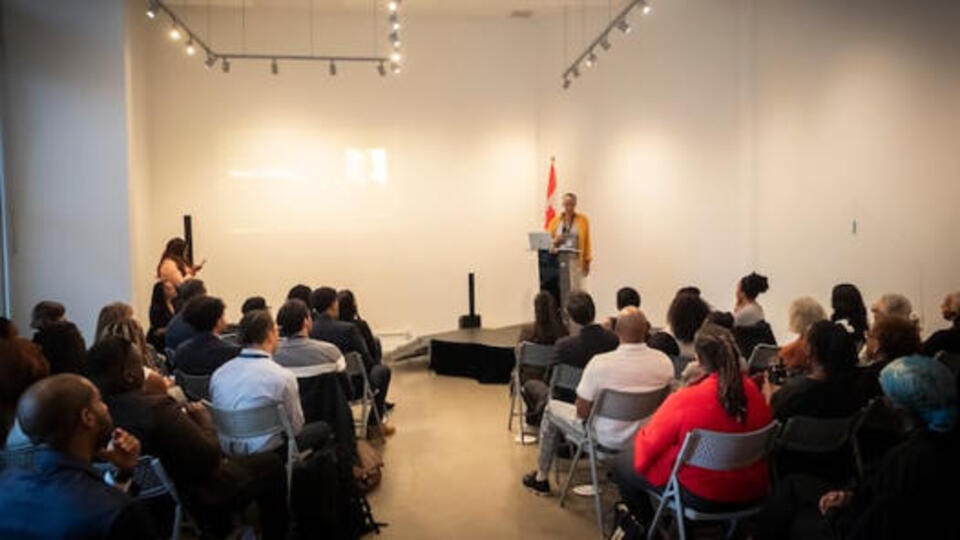
New Black-focused, Black-led legal clinic opening in B.C. cbc.ca

Black Stories and Inspiration and Indigenous Stories and Education meet around institutions that turn rights language into usable power. CBC’s report on a new Black-led legal clinic in British Columbia shows one route: culturally specific legal help that can also generate broader advocacy. The Conversation’s article on Indigenous health obligations makes a parallel point that rights and reconciliation cannot be separated from public services.

Voting, education, health and land claims appear as connected arenas rather than separate causes. PBS covers an effort by the Congressional Black Caucus to increase voting among Black, rural and young voters, while CBC reports Indigenous leaders warning Quebec that any separation cannot proceed without their say. Both stories frame participation as a condition of legitimacy.

The pressure is also cultural. Capital B reports cuts to Black Studies programs amid an anti-DEI push, and CBC covers Wabanaki land reclaimed from the United Church. One story is about academic space; the other is about territory. Together they show how movements defend memory, place and authority at once.

Funding and public support remain part of the struggle. The Associated Press story on Black nonprofit fundraising turns everyday giving into civic infrastructure. In this material, activism is not only protest. It is clinics, schools, health claims, voting drives, land returns and the organizations that keep them alive.

Further reading

2

Coalitions are becoming the practical answer to hate politics

Anti-hate activism is moving through interfaith alliances, remembrance work and public protest, with solidarity treated as a political tool.

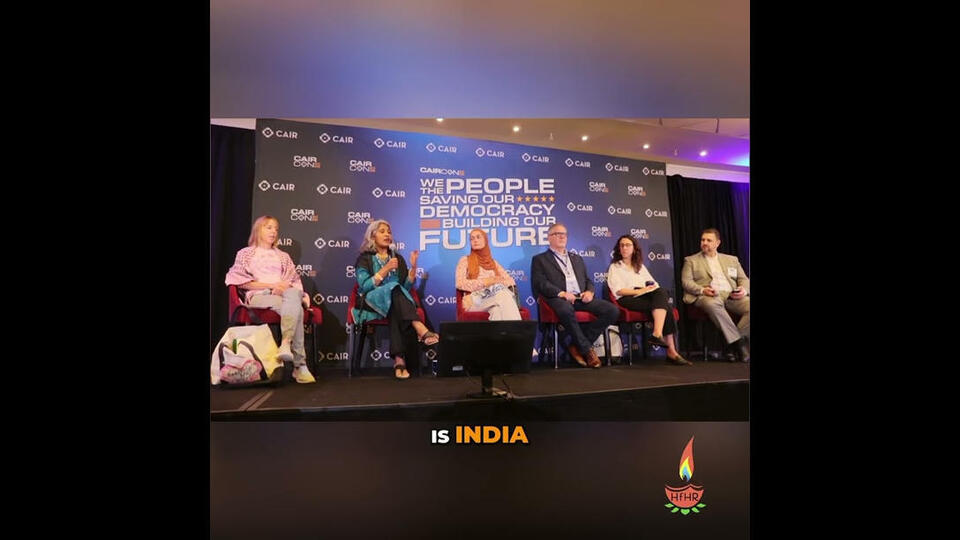
Radical Solidarity Fighting Hate with Hindu Muslim Unity youtu.be

Hindus for Human Rights and Indigenous Stories and Education show different traditions using coalition language against exclusion. The Hindu human-rights posts link Hindu-Muslim unity, interfaith organizing and protest against religious nationalism. The Indigenous coverage marks remembrance days, school reflection and land claims as living politics, not commemorative ritual.

The coalition work is explicit in the Hindu topic. Posts on solidarity across faiths, a Riverside Church event and protests at the United Nations place Hindu activism inside wider movements against hate and state repression. The article on Umar Khalid’s imprisonment brings due process and political detention into that frame.

Indigenous Stories and Education adds the politics of memory and authority. Coverage of Truth and Reconciliation Day, student reflections on Every Child Matters and Treaty One Nations’ Orange Shirt Day run shows how public remembrance becomes a demand for responsibility. These are not only memorial events; they are ways to insist that harm is still being answered.

Together, the topics suggest that anti-hate work depends on alliances that can cross religion, history and geography without flattening the differences between them. The common thread is a refusal to let dominant narratives define whose suffering counts and whose political voice is legitimate.

Further reading
3

Representation gains still look fragile when safety is not assured

Stories about violence, exclusion and cultural access show why formal progress can fail without protection and institutions.

Grim discoveries of murdered women spark fear in South Africa. #SouthAfrica #BBCNews youtube.com

Women’s rights coverage and Black Stories and Inspiration converge around safety and representation. The BBC reports on fear in South Africa after murdered women were found, while another BBC segment asks what is happening after nine women were found dead. Those stories treat insecurity as a daily condition, not an abstract policy debate.

The same topic also tracks how women are represented in public life. Al Jazeera covers athletes responding to a Sydney Sweeney advertisement by showing what women in sport look like. DW’s report from a women-only bus in Dhaka shows a transport response to harassment and risk. A video on Kurdish YPJ women fighters facing exclusion from Syria’s new army places representation inside military and political transition.

Black Stories and Inspiration brings the cultural infrastructure that makes representation durable. CBC’s article on a training program for Black artists and Capital B’s report on cuts to Black Studies programs both show that visibility depends on institutions, not only individual achievement.

The link across the topics is the fragility of formal inclusion. Women may appear in sport, public transport, armed movements and media, while Black communities build arts and academic spaces. The material keeps returning to the same question of whether representation is protected by structures strong enough to survive backlash.

Further reading
4

Organizing gains still depend on strategy, not sentiment

Labor activism has public support, but the selected stories stress campaign discipline, historical memory and resistance from employers.

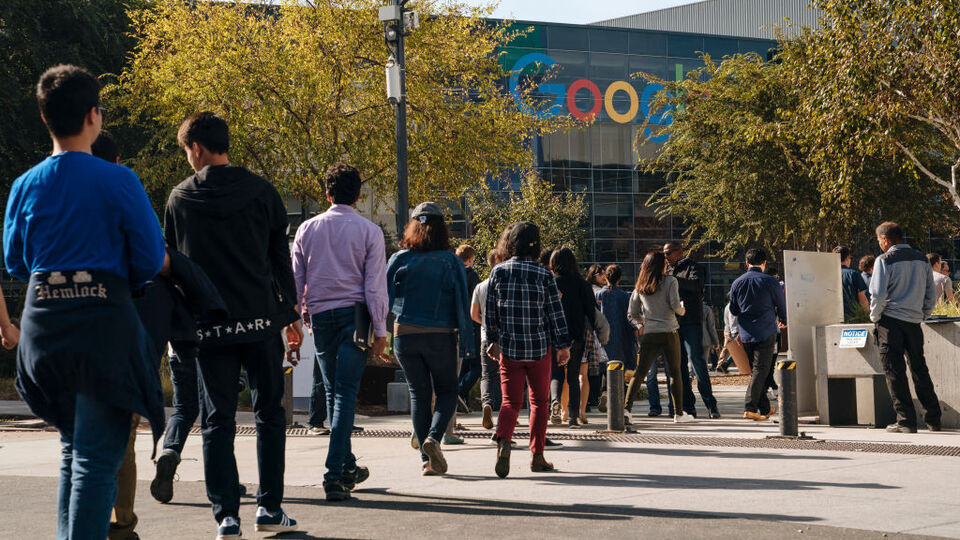
Reckoning With the Failures of Tech Worker Organizing jacobin.com

The labor material is tactical. PSLabor: Your Union Free Advantage follows organizing failures, union approval and election outcomes, while Black Stories and Inspiration adds a historical reminder that Black workers shaped the labor movement. Together they treat labor activism as both a present organizing problem and a longer civil-rights story.

Jacobin’s piece on tech worker organizing failures sits beside LinkedIn coverage of union approval reaching a 61-year high. That contrast matters. Public approval can rise while specific campaigns still fail, which makes organizing skill and workplace strategy central to the story.

Labor Notes reports 1,400 solar manufacturing workers joining the Steelworkers, and another item describes slot attendants winning a landslide NLRB election despite a union-busting campaign. Those articles show successful drives in very different workplaces, from clean-energy manufacturing to casino labor.

The Black labor history article widens the frame. It places today’s campaign mechanics inside a longer struggle over economic justice and recognition. In this set, worker activism is not just a matter of favorable polling; it is built through history, education, legal process and disciplined organizing.

Further reading

Curators to follow

  • Here Magazine

    Follows Black community stories and Indigenous rights, with recent selections on legal services, voting, reconciliation, health obligations, schools and land.

  • Permanent Solutions Labor Consultants

    Tracks labor organizing and labor-law pressure points, including union approval, NLRB election outcomes, campaign strategy and employer resistance.

Frequently asked questions

What kinds of activism are covered here?

The page covers social and political activism across 35 topics, including labor organizing, Black civic life, Indigenous rights, women’s rights, anti-hate work, human rights, drug policy, environmental conflicts and humanitarian action. The recent material comes from the last 90 days and includes posts from news outlets, advocacy groups and specialist sources.

What is currently driving activism coverage?

Recent selections point to rights work becoming more institutional. Black-led legal services, Black voter outreach, Indigenous health obligations, land reclamation and anti-DEI pressure all appear in the material. The emphasis is on how movements build clinics, schools, funding networks, voting campaigns and legal claims that can outlast a single protest.

Is labor activism included?

Yes. Labor organizing is represented through posts on tech worker organizing failures, high union approval, campaign strategy, solar manufacturing workers joining the Steelworkers and an NLRB election win by slot attendants. The labor material stresses that support for unions does not replace the need for disciplined workplace organizing.

How are women’s rights issues being followed?

Women’s rights coverage focuses on safety, backlash and representation. Recent posts include reports on murdered women and fear in South Africa, women-only transport in Dhaka, athletes challenging narrow images of women in sport, and Kurdish YPJ women fighters facing exclusion from Syria’s new army.

Where does anti-hate activism appear in the material?

Anti-hate work appears through Hindu human-rights activism, Black community-building and Indigenous remembrance. Posts highlight Hindu-Muslim unity, interfaith solidarity, protest against religious nationalism, Black cultural spaces and Truth and Reconciliation Day. The common thread is collective action against exclusion and the narratives that sustain it.

Who feeds this activism page?

The topic is shaped by 30 curators, with the subject area last active on 2026-10-06. Recent activity is especially visible in Black Stories and Inspiration, Indigenous Stories and Education, and labor organizing topics, where selections draw on sources such as CBC, The Conversation, PBS and Labor Notes.

Most quoted sources

  • cbc.ca 2
  • ctvnews.ca 2
  • theconversation.com 2
  • theguardian.com 2
  • thenarwhal.ca 2
  • cp24.com 2
  • thecanadianpressnews.ca 2
  • concordia.ca 2
  • thespec.com 2
  • thestar.com 2

This page was written by an AI from the public curation of Scoop.it topics. The posts, topics and curators it cites are real and linked directly.

Updated on October 7, 2026