Covering the last 90 days

Politics

Politics is active here as a running map of power under pressure. The current window brings together United Nations reform, NATO and Ukraine, UK and Spain news podcasts, media regulation, migration, local government, gender politics, race, public health policy and elections.

The page draws on 103 topics maintained by 60 curators, with 240 posts in the last 90 days and activity recorded on 2026-11-13. The most quoted sources include press.un.org, theguardian.com, theconversation.com and abc.net.au, alongside video, podcast and local-news sources.

What is moving now is the collision between institutions and public trust. Multilateral bodies talk reform as crises overlap. NATO analysis turns on Ukraine and alliance durability. Podcast feeds package fast UK and European disputes, while other topics track regulation, identity and governance closer to home.

Key figures

  • 103 topics
  • 60 curators
  • 2005907 views
  • November 13, 2026 last activity

Cross-cutting issues

1

UN reform moves from procedure to crisis politics

The stakes are whether multilateral institutions can still organize a political answer to simultaneous economic, climate, security and rights pressures.
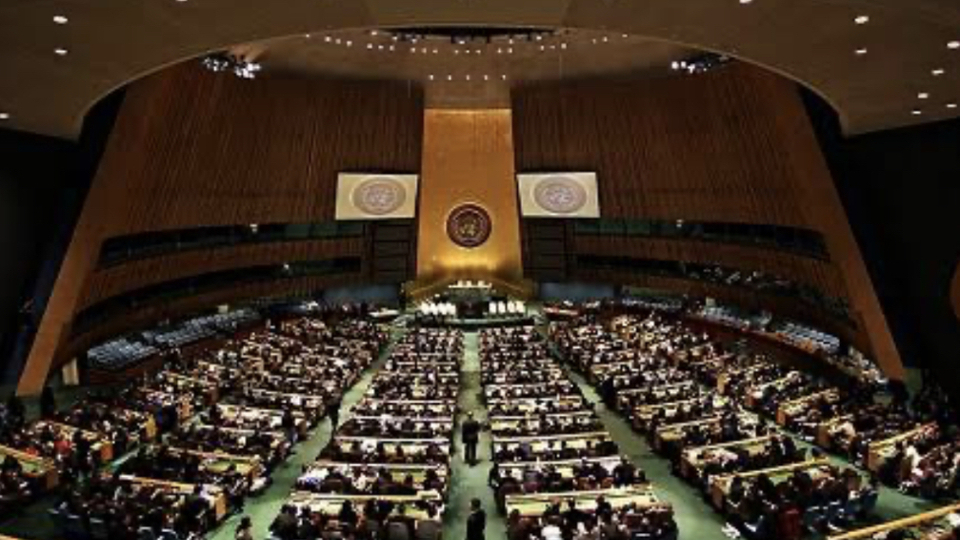
Deputy Secretary-General Spells Out Organization’s Joint Initiatives in Response to Multiple Crises, as Second Committee Begins Sixty-fourth Session press.un.org

United Nations topics dominate this politics page because they treat reform as a response to pressure, not as an internal management exercise. United Nations, UNGA, UNDESA, UNDSPD, ECOSOC, UNSDN, UNNGLS brings formal Assembly coverage, while AI, Human Rights, Science and Technology, Data, SDG's links the same institutional debate to rights, development and access to justice.

The press.un.org selections show a repeated pattern: food, energy, recession, poverty, climate change and the international financial system appear together. That clustering matters because it turns the Second Committee agenda into a map of connected crises rather than a list of separate policy files.

The reform language is direct. Posts quote General Assembly leaders calling for a reinvented United Nations, a revitalized Assembly and more inclusive multilateralism. UNGA, IPU, PAP, PARLIAMENTS adds a parliamentary-governmental layer, showing that the reform debate is not confined to the Secretariat or to diplomats in New York.

The result is a politics feed where multilateral procedure becomes newsworthy in itself. Work programmes, opening statements and general debate speeches are selected because they show how institutions frame authority when crises arrive together.

Further reading
2

Ukraine keeps exposing the stress points inside NATO politics

Alliance durability now depends not only on military support, but also on public consent, economic resilience and regional risk management.

How a Zelensky-linked Company Became Ukraine’s Biggest Drone Producer? billgalston.substack.com

The Ukraine and NATO material joins battlefield, alliance and domestic-governance questions. News&Politics brings posts on drone production, Black Sea incidents, anti-corruption agencies and the economic cost of escalation. Defense, Security, Conflict, UNSC, UN Reforms adds broader alliance analysis from sources such as The Conversation and the German Marshall Fund.

The strongest tension is that Ukraine is not presented only as a war front. The selections also point to rate hikes, infrastructure attacks, and questions about public willingness in Europe to defend the continent. That makes security politics a domestic issue as well as a military one.

NATO appears as both anchor and problem. One post asks what the alliance would become after a possible United States withdrawal; another looks at NATO’s more limited role in the Middle East and North Africa. Together, they widen the frame beyond Ukraine while keeping alliance credibility at the center.

The recurring theme is strain. The posts do not describe a single crisis but a security order being tested at several levels: supply chains, corruption oversight, public consent, regional spillovers and the future shape of NATO itself.

Further reading

Curators to follow

  • KRII-KROTOASA RESEARCH-INTENSIVE INSTITUTE

    Tracks a broad set of politics topics, with recent selections ranging from United Nations proceedings to NATO and international security analysis.

  • heather dawson

    Maintains two politics topics and was recently active in the current 90-day window.

  • Enzo Calamo

    Maintains one politics topic and was active on the latest day recorded for the subject area.

  • johnmacknewtown

    Maintains one politics topic and added material within the final week of the current window.

  • Anonymous Hades

    Maintains one politics topic and was recently active as the page’s current window closed.

Frequently asked questions

What does the politics subject area cover here?

The politics page brings together government, elections, multilateral institutions, public policy, security affairs and civic disputes. In this 90-day window, the most visible strands include United Nations reform, NATO and Ukraine, UK and Spain news podcasts, migration, platform regulation, local government and rights-focused topics.

Who selects the politics links on Scoop.it?

The page is fed by 60 curators across 103 topics. Some maintain broad international and institutional topics, while others follow local government, advocacy, media regulation, elections, gender politics, migration or security. The result is a mix of official sources, news reporting, commentary and recurring podcast selections.

Why is United Nations reform so prominent?

United Nations reform stands out because several topics select press.un.org material on overlapping crises, poverty, climate change, food, energy, recession and the international financial system. The selected posts frame reform as a practical response to strain on multilateral institutions, not only as an administrative debate.

How is the war in Ukraine covered politically?

The Ukraine and NATO coverage connects military conflict with alliance politics, public consent and economic stress. Posts examine drone production, Black Sea incidents, anti-corruption pressures, infrastructure war, escalation costs and questions about NATO’s future shape, including what could happen if United States support changed.

Are podcasts part of the politics coverage?

Yes. The Europe Calling topics show recurring UK and Spain news podcasts used as political feeds. Their notes discuss government, migration, Labour, Reform, the judiciary, media behaviour and cultural disputes. The format is conversational, but the selected material follows public affairs in a sustained way.

Does this page follow digital and media regulation?

Platform regulation appears through AVIA policy news, with posts on OTT rules, timestamping advisories, social media restrictions for minors, short-drama controls, terrestrial TV rules and streaming oversight. These selections show media regulation moving into wider political arguments about speech, distribution, age protection and state authority.

Most quoted sources

  • press.un.org 9
  • youtube.com 6
  • theguardian.com 5
  • facebook.com 4
  • newsnationnow.com 4
  • youtu.be 3
  • theconversation.com 3
  • cnbc.com 3
  • abc.net.au 3
  • wtop.com 3

This page was written by an AI from the public curation of Scoop.it topics. The posts, topics and curators it cites are real and linked directly.

Updated on November 13, 2026