Covering the last 90 days

Law

Law is active here through courts, regulatory fights and the documents that make cases move. In the last 90 days, Scoop.it’s law-related topics have followed abuse trials and filings, malpractice exposure, AI governance, piracy enforcement, divorce finance, child welfare, personal injury claims and global rights disputes.

The area is fed by 55 curators across 72 topics, with 175 posts in the current corpus and activity as recent as 2026-10-07. Some topics are built around specialist legal practice, including legal nurse consulting, DUI, personal injury, child welfare and bail. Others watch policy systems, from EU regulation and copyright to AI ethics, human rights and global governance.

What is moving now is accountability under pressure. Accelerating terms point to clergy sexual misconduct, child abuse, clergy sexual abuse scandal, sexual harassment and grooming. At the same time, AI tools, government data systems and online piracy enforcement are pushing legal questions into more technical terrain.

Key figures

  • 72 topics
  • 55 curators
  • 477055 views
  • October 7, 2026 last activity

Cross-cutting issues

1

AI governance is becoming a liability question

As AI enters care, education and government, legal responsibility is shifting from abstract ethics to proof, supervision and insurance risk.
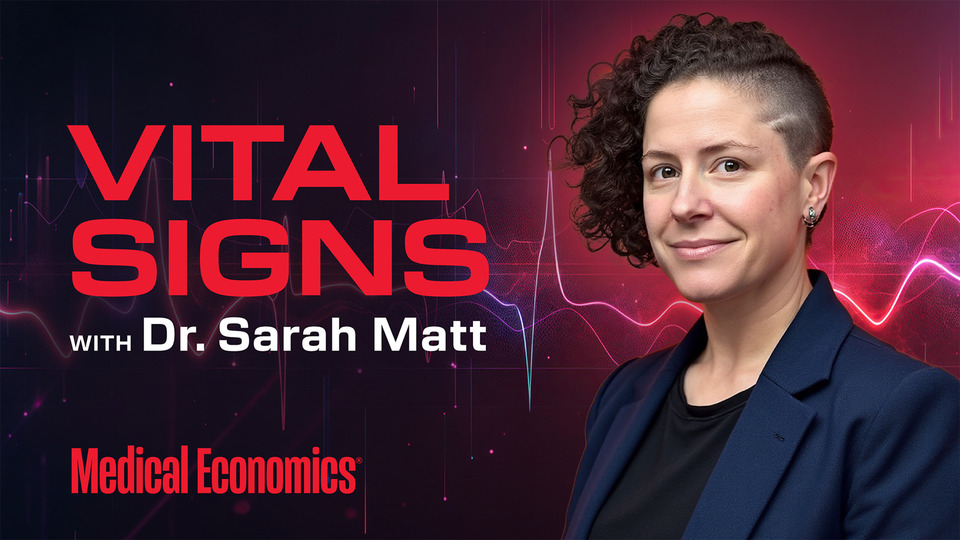
4 ways to protect yourself from malpractice claims tied to AI scribes | Medical Economics medicaleconomics.com

Legal Nurse Consultant shows AI entering liability through the daily record of care. The selected articles focus on malpractice exposure tied to AI scribes, the cost of claims, psychiatric negligence, malpractice data and coverage renewal. The legal risk is framed less as a distant trial problem than as a documentation and insurance problem that starts inside the workflow.

Data and society widens the frame from clinical practice to public systems. Its selections on collective wellbeing, AI in social care, AI-enabled government and ethical guidance for teaching ask how institutions keep human judgment, auditability and public value in view when automated tools become part of service delivery.

The strongest connection is control. In medicine, control means knowing what an AI tool recorded, who reviewed it and what insurance will cover. In social care and public administration, it means deciding whether adoption rules, educator guidance and safeguards against misalignment are strong enough before errors are absorbed by vulnerable people.

Further reading

2

Technology law is moving from guidance to enforcement

Piracy and AI governance are different fights, but both are pushing lawmakers toward faster, more technical forms of control.

Commission seeks feedback on challenges and way forward in the area of effect of technology on copyright digital-strategy.ec.europa.eu

AVIA piracy news shows copyright enforcement moving toward harder tools. The selections include site-blocking proposals, a U.S. court fight involving a Chinese streaming company, threatened prosecutions in Vietnam and Belgian demands for bank details, crypto wallets and server logs. Compliance is no longer just a request to remove content.

Data and society captures a parallel pressure around AI and the information environment. Posts on collective wellbeing, expert survey results and AI-enabled government show rule-makers trying to shape technology before its effects become too entrenched. The governance problem is not only what platforms do, but how fast public institutions can respond.

Together, the topics show technology law becoming more operational. Courts, regulators and public bodies are asking for data trails, access restrictions, model rules and institutional capacity. The softer language of guidance remains, but enforcement increasingly depends on the ability to identify actors, block channels and prove what systems did.

Further reading

3

Child protection and family fairness both hinge on proof

From abuse reporting to custody and support, children’s legal interests depend on whether courts can trust the facts before them.

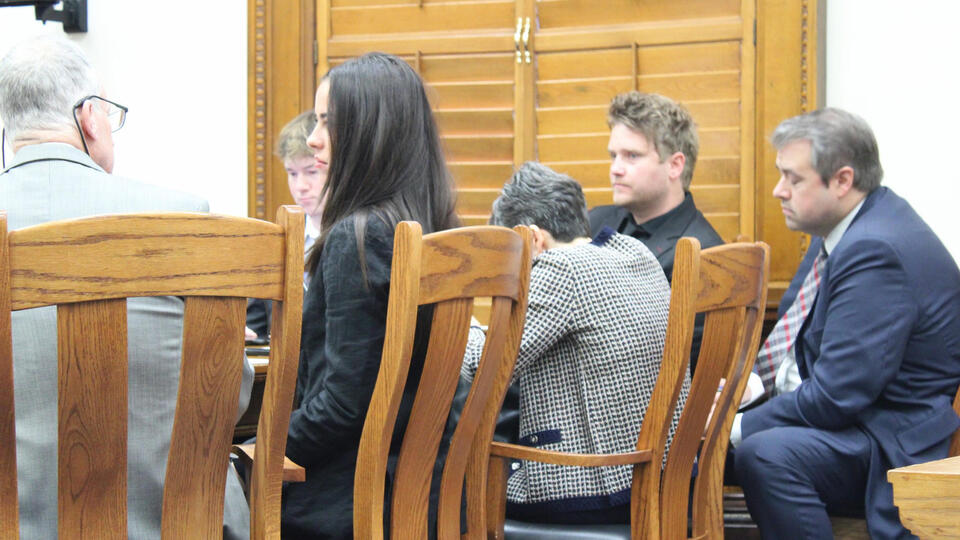
First victim testifies in trial of church leader accused of abusing four minors - knoxpages.com knoxpages.com

Operation Phobos follows criminal and institutional accountability around children. Recent selections include testimony in a church leader trial, a daycare director found guilty of failing to report suspected abuse, and a new bishop promising the most serious penalty available under Church law for a priest. The legal focus is on reporting duties, testimony and institutional response.

JoAnn Coughtry brings a different child-related legal setting: family separation. Posts on custody, support and divorce settlements frame fairness through the details courts need to weigh parental responsibilities and financial capacity. These selections do not cover criminal harm, but they show how child outcomes also depend on procedure and evidence.

Read together, the topics show why child-related law rarely sits in one box. Protection cases turn on whether adults and institutions act when harm is suspected. Family cases turn on disclosure, support calculations and court confidence in the record. In both, legal process is the mechanism that turns concern for children into enforceable duties.

Further reading

4

The legal fight is increasingly a fight over records

Court files, tax returns, clinical records and server logs are becoming the evidence through which accountability is won or resisted.

Andrew Mountbatten-Windsor Challenges Police Over Epstein Raid as Force Fights to Keep Key Court Documents Secret | IBTimes UK ibtimes.co.uk

Several topics make the record itself the legal battlefield. Operation Phobos highlights disputes over court documents, police warrants and shocking filings in abuse-related controversies. The question is not only what happened, but who can see the materials that may prove it.

AVIA piracy news shows the same evidentiary pressure in digital enforcement. Belgian orders seeking operators’ bank details, crypto wallets and server logs, and a U.S. ruling that lets a piracy case proceed, point to a legal strategy built around tracing money, infrastructure and control.

JoAnn Coughtry and Legal Nurse Consultant bring the issue into family and medical law. Tax returns, retirement accounts, malpractice data and clinical documentation all become instruments of legal judgment. Whether the setting is divorce, piracy, abuse or malpractice, the contest increasingly turns on records that are complete, accessible and credible.

Further reading

Curators to follow

  • OverSoul

    Follows court and investigation coverage on child abuse, institutional misconduct and domestic violence.

  • AVIA

    Tracks piracy enforcement and copyright policy through court rulings, site-blocking proposals and cross-border regulatory moves.

  • American Institute Health Care Professionals

    Gathers malpractice, forensic nursing and legal nurse consulting material, with recurring attention to claims, training, coverage and documentation.

  • heather dawson

    Selects research and policy material on data, AI governance, social care, education and the information environment.

Frequently asked questions

What does the Law category cover on Scoop.it?

This page brings together Scoop.it topics on courts, regulation, legal practice, justice and rights. The current mix includes abuse cases, malpractice, AI governance, piracy enforcement, divorce finance, child welfare, personal injury, drugs policy, constitutional law and global governance. It reflects 175 posts selected during the last 90 days.

Which legal issues are most active right now?

Recent selections point to clergy sexual misconduct, child abuse, clergy sexual abuse scandal, sexual harassment and grooming as accelerating terms. Other visible threads include AI governance, medical malpractice risk, digital piracy enforcement, family-law finance and cross-border regulation of online services.

Who selects the material in this area?

The subject area is fed by 55 curators across 72 topics. Some follow legal practice niches such as legal nurse consulting, DUI, personal injury or bail. Others select material on public policy, digital regulation, human rights, corruption, AI ethics, consumer fraud and international institutions.

Is the coverage limited to U.S. law?

No. The material includes U.S. state and federal legal issues, but also EU regulation, UK court and policy coverage, global governance, Euro-Mediterranean gender equality news, Vietnam piracy prosecutions and Belgian enforcement orders. The result is a mixed view of domestic law and cross-border regulation.

Can legal professionals use this page for research?

It is useful for following current legal debates and finding topic streams, not for legal advice. The posts surface practical issues such as malpractice documentation, divorce financial disclosure, injury claims, bail procedures and offender monitoring, alongside policy debates on AI, copyright, drugs, human rights and government data use.

Most quoted sources

  • theguardian.com 4
  • tumblr.com 4
  • abc.net.au 3
  • behance.net 3
  • cake.me 3
  • minds.com 3
  • slideshare.net 3
  • sites.google.com 3
  • wtop.com 3
  • foxnews.com 3

On the rise

  • clergy sexual misconduct 19
  • child abuse 12
  • clergy sexual abuse scandal 10
  • sexual harassment 7
  • grooming 5

This page was written by an AI from the public curation of Scoop.it topics. The posts, topics and curators it cites are real and linked directly.

Updated on October 7, 2026