1
Renewables are growing, but storage decides what power is usable
The key constraint is shifting from building clean capacity to making that capacity available when grids, industries and farms need it.
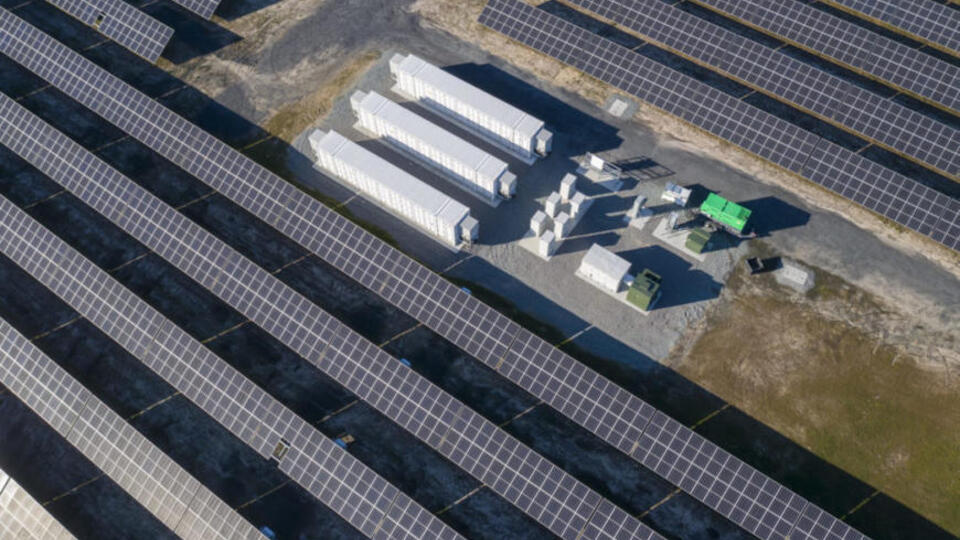
In ENERGIES NOUVELLES ET RENOUVELABLES, STOCKAGES, HYDROGENE VERT, storage is no longer treated as a supplement to solar. The material around PV and flexibility says the old model of simply injecting daytime production into the grid is weakening, while batteries, demand timing and hybrid plants become central to the value of solar power.
The same topic broadens storage beyond lithium batteries. A post on refractory-brick thermal batteries frames storage as an industrial decarbonization tool, not just a grid-balancing device. That matters because heat demand is one of the harder parts of the clean-energy system to replace.
Energie & stockage : des innovations pour un monde durable adds a circular-economy angle through reconditioned automotive batteries turned into electricity storage. SCOP Veille brings the infrastructure view with a grid-connected battery project in the Somme, showing that storage is moving into territorial power planning.
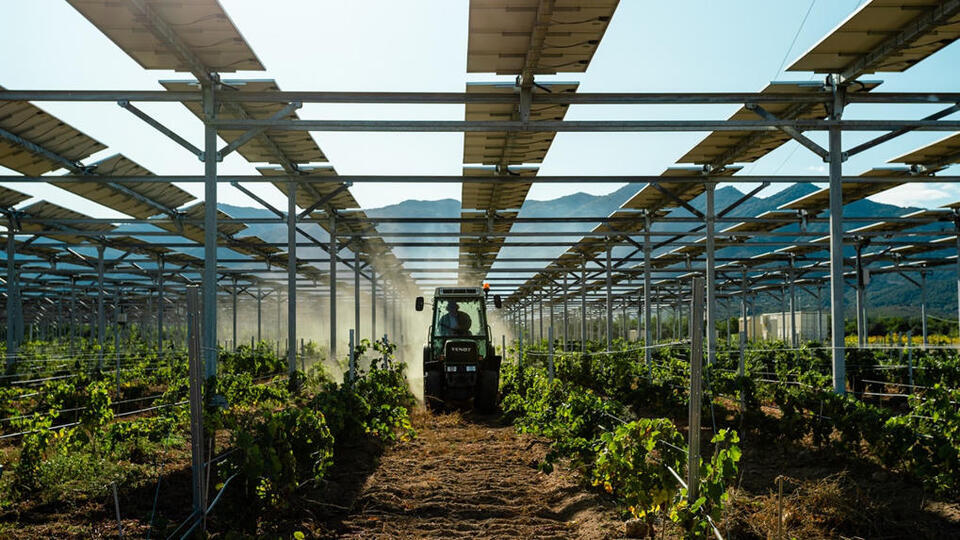
The agricultural case from Spain is especially concrete. Solar alone reduces exposure to power prices, but the post stresses that the decisive change comes when a battery and an energy-management system shift use to irrigation needs and tariff windows. Storage becomes operational intelligence, not only installed equipment.
Further reading