Covering the last 90 days

Finance

Finance is active here as a mix of market anxiety, wealth strategy and practical money decisions. In the last 90 days, 233 posts across 43 topics have followed private credit, banks, philanthropy, retirement, mortgages, insurance, tax, investment products and global financial reform.

The feed is shaped by 36 curators and by a source mix that says a lot about the current finance conversation. YouTube supplies urgent market narratives about the Fed, banks and credit. Apple News carries many wealth, philanthropy and institutional-finance stories. UN press releases anchor the policy and development side.

What is moving now is not one asset class. It is the overlap between personal wealth, systemic risk and public policy: families teaching money habits, donors moving large fortunes, banks investing in new technology, and global institutions arguing over who gets a voice in the financial system.

Key figures

  • 43 topics
  • 36 curators
  • 712393 views
  • October 6, 2026 last activity

Cross-cutting issues

1

Market anxiety is being written in video headlines

YouTube-heavy selections turn bank risk, private credit and central-bank policy into a common language of financial alarm.

Fuel Prices Finally Drop—THIS Could Trigger ‘Much Higher’ Prices | Josh Young youtu.be

The market mood in this finance selection is often set by video headlines built around stress and loss of control. Financial Markets Report brings in fuel prices, the Fed and private credit risk, while Wealth Advisors Report adds banking, AI and private-credit anxiety. Wealth Management Report gives the same ecosystem a personal-behavior entry point through money-habit content.

The strongest pattern is not a single market call but a shared grammar. Posts about the Fed, bank survival, BlackRock private credit losses and loan leverage all frame finance as an unstable system. The emphasis turns market coverage into a sequence of warnings rather than a calm asset-allocation debate.

Wealth Advisors Report also connects the alarm cycle to technology. A video on bankers losing control to AI sits beside an Apple News item on RBC’s quantum strategy, putting bank power, advanced computing and institutional strategy into the same reading path.

That matters because readers arriving for personal wealth content are exposed to systemic-risk narratives at the same time. The finance page is not just tracking markets; it is showing how video platforms translate complex credit, central-bank and banking stories into urgent mass-market signals.

Further reading

2

Elite wealth stories now travel through the same mainstream wire

Apple News links wealth management, philanthropy and financial technology into one shared stream of elite-finance coverage.

Philanthropy must build the architecture of hope apple.news

Apple News appears as a common route into elite finance stories across Wealth Management Report, Wealth Advisors Report and Philanthropy Report. The selections move from wealth managers and billionaires to institutional technology strategy and education philanthropy without changing publisher pipeline.

Philanthropy Report uses that feed to follow how large fortunes are described after they are made. Posts on giving faster, Bitcoin donations, Melinda French Gates and the Gates Foundation’s spending on AI in schools place charitable giving inside debates over power, timing and social effect.

Wealth Management Report adds the family and wealth-culture layer. The Grindr CEO story is less about markets than about how wealth gets taught, modeled and passed on to children. It sits naturally beside Giving Pledge coverage about heirs pushing billionaires to give sooner.

Wealth Advisors Report brings in the institutional side through RBC’s quantum strategy. Read with philanthropy and family-wealth items, it shows how the same mainstream feed packages the infrastructure of finance, the behavior of the wealthy and the public consequences of major gifts.

Further reading

3

Financial reform is being framed as a development test

UN coverage links the international financial system to poverty, climate pressure and Africa-focused policy debates.

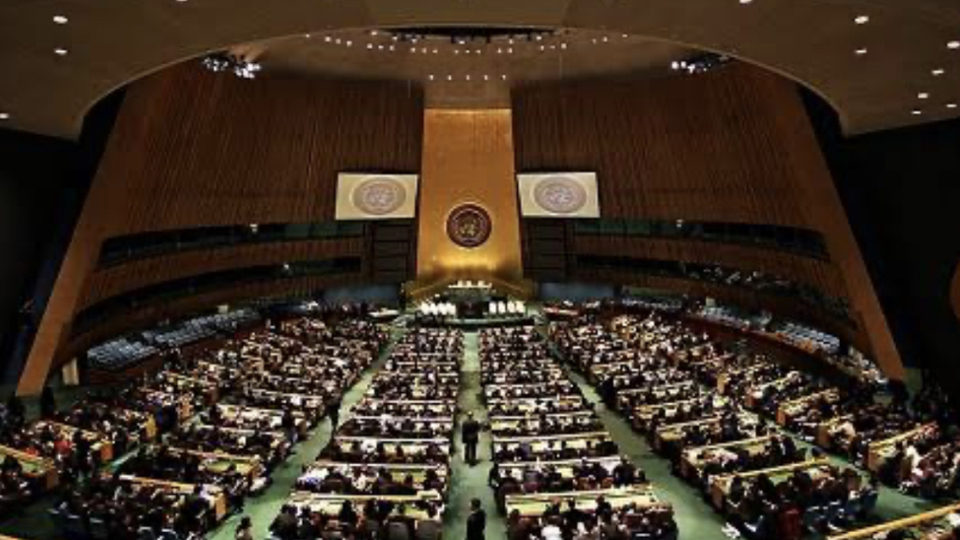
Decrying Economic System, Which Promotes ‘Hoarding of Wealth by the Few,’ Speakers from Developing Countries Demand More Input into Global Decision-Making press.un.org

The UN material creates a policy frame that crosses BIOECONOMY, Climate-Nature-Finance, Financial Reforms, Economic Reforms, Tax Reforms and Africa's Development, Trade, Finance. The same institutional language appears in both topics, tying finance to poverty, climate and regional governance.

The duplication is the point. One pair of posts uses the same UN release on an economic system said to promote hoarding of wealth, while another pairs global food, energy and recession pressures with an Africa-focused framing. Finance appears here as a governance question, not only a market question.

Second Committee coverage reinforces that link by placing poverty eradication, climate change and the international financial system on the same agenda. The finance debate is presented as part of the machinery through which development priorities are set and contested.

The Africa topic adds a regional lens. Its selection on conflict prevention alongside financial-crisis follow-up coverage shows how economic stress, institutional reform and regional stability are being read together in policy-focused finance topics.

Further reading

4

Finance brands are leaking into community platforms

Personal-brand pages are becoming a parallel route for finance, legal-money and wealth-advice material.

JoAnn Coughtry - Blog sites.google.com

A group of finance-adjacent personal-brand topics uses low-friction social and publishing sites as a distribution layer. Steven P McCormick, Ethan Heller, Lee Generous and JoAnn Coughtry each appear through platform pages, while JoAnn Coughtry also extends into Google Sites, Tumblr and Jimdo.

The common source pattern matters more than any one profile page. Minds appears across retirement, entrepreneurship, wealth-building and divorce-finance topics, turning identity pages into an entry point for financial advice, expertise and professional positioning.

JoAnn Coughtry’s topic shows the practical-finance side of this spillover. Posts about financial analysis in fair divorce settlements sit beside personal site and blog pages, connecting legal guidance, tax-return reading and settlement finance to informal web publishing.

The broader pattern is that advice around money no longer sits only in finance publications. It also moves through personal pages, community platforms and lightweight blogs where professional identity, financial knowledge and topic discovery overlap.

Further reading

Curators to follow

  • Enzo Calamo

    Connects markets, wealth management and philanthropy across four active finance topics, with selections appearing through YouTube and Apple News.

  • KRII-KROTOASA RESEARCH-INTENSIVE INSTITUTE

    Follows UN-centered finance, development and regional-policy material across two topics, linking financial-crisis reform with Africa-focused coverage.

Frequently asked questions

What does the Finance category cover on Scoop.it?

This subject area brings together 43 topics on markets, wealth management, banking, investing, insurance, mortgages, retirement planning, tax, philanthropy and financial reform. The recent material ranges from YouTube market-alarm videos to UN press coverage, Apple News wealth stories and practical personal-finance guides.

Why do YouTube and Apple News show up so often?

YouTube and Apple News are among the most quoted sources in the last 90 days. YouTube posts drive much of the market-risk language around banks, the Fed and private credit. Apple News supplies a shared stream for wealth management, philanthropy, family wealth and financial-technology stories.

Does this page include global financial policy?

Yes. Two policy-heavy topics repeatedly select UN press material on the international financial system, poverty eradication, climate change, food and energy crises, recession pressure and Africa-focused regional concerns. That coverage treats finance as part of global governance rather than only as investing or banking.

Is personal finance included, or is this mostly markets?

Retirement and household finance are part of the broader topic mix. The list includes Best Retirement Planning, Best ProAge Smart Life, military-spouse tax guidance, mutual funds, insurance, mortgages and financial planning. These sit beside market and wealth topics, so readers see personal decisions alongside larger financial conditions.

How is financial risk covered here?

Risk appears in several forms: private-credit stress, bank-control narratives, mortgage and foreclosure topics, forensic accounting, white-collar crime, scams and fraud. Some topics focus on investment risk and liquidity, while others follow cybercrime, money laundering and financial wrongdoing through accounting, legal and enforcement lenses.

How current is the material on this page?

The activity is recent: the subject area covers the last 90 days, with 233 posts in the corpus and last activity recorded on 2026-10-06. The page reflects what finance-focused Scoop.it topics have been selecting during that window, not a permanent ranking of the whole field.

Most quoted sources

  • youtu.be 5
  • apple.news 5
  • slideshare.net 5
  • minds.com 5
  • sites.google.com 5
  • tumblr.com 5
  • linkedin.com 4
  • youtube.com 4
  • kiplinger.com 4
  • cake.me 4

This page was written by an AI from the public curation of Scoop.it topics. The posts, topics and curators it cites are real and linked directly.

Updated on October 6, 2026