Your new post is loading...

|
Scooped by
Juan Lama
June 18, 2019 2:22 AM
|
We’ll have to battle both the disease and the fake news. When the next pandemic strikes, we’ll be fighting it on two fronts. The first is the one you immediately think about: understanding the disease, researching a cure and inoculating the population. The second is new, and one you might not have thought much about: fighting the deluge of rumors, misinformation and flat-out lies that will appear on the internet. Pandemics are part of our future. They might be like the 1968 Hong Kong flu, which killed a million people, or the 1918 Spanish flu, which killed over 40 million. Yes, modern medicine makes pandemics less likely and less deadly. But global travel and trade, increased population density, decreased wildlife habitats, and increased animal farming to satisfy a growing and more affluent population have made them more likely. Experts agree that it’s not a matter of if — it’s only a matter of when. When the next pandemic strikes, accurate information will be just as important as effective treatments. We saw this in 2014, when the Nigerian government managed to contain a subcontinentwide Ebola epidemic to just 20 infections and eight fatalities. Part of that success was because of the ways officials communicated health information to all Nigerians, using government-sponsored videos, social media campaigns and international experts. Without that, the death toll in Lagos, a city of 21 million people, would have probably been greater than the 11,000 the rest of the continent experienced...."
|
|
Scooped by
Juan Lama
June 17, 2019 12:00 PM
|
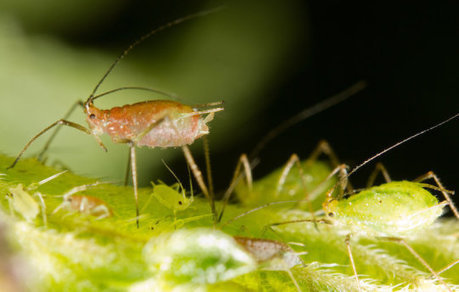
Researchers shed light on the important role that microbial genes, like those from viruses, can play in insect and animal evolution. Jennifer Brisson, an associate professor of biology at the University of Rochester, and her former postdoctoral student Benjamin Parker, now an assistant professor of microbiology at the University of Tennessee, studied phenotypically plastic traits in pea aphids and uncovered, for the first time, genes that influence whether aphids produce wingless or winged offspring in response to their environment. Pea aphids are insects that reproduce rapidly and typically give birth to offspring that do not have wings. When an environment becomes too crowded with other aphids, the females begin producing offspring that have wings, rather than the typical wingless offspring. The winged offspring can then fly to and colonize new, less crowded plants. The researchers used techniques from evolutionary genetics and molecular biology to identify genes that determine the degree to which aphids respond to crowding. Surprisingly, the genes they uncovered are from a virus that then became incorporated into the aphid genome. The virus, which is from a group of insect viruses called densoviruses, causes its host to produce offspring with wings. Most laterally transferred DNA -- DNA that is inherited from other organisms, like viruses -- is not expressed by its hosts because it is quickly inactivated or eliminated. However, there are examples in most organisms -- even humans -- where genomes co-opt genes laterally; in humans, for instance, the gene that creates a membrane between the placenta and the fetus was co-opted from a retrovirus.
|
|
Scooped by
Juan Lama
June 17, 2019 10:47 AM
|
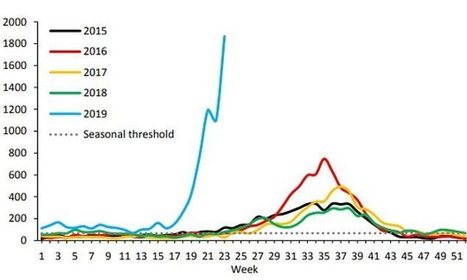
This graph from the Western Australian Health Department shows a massive spike in reported flu cases that dwarfs anything in the past five years, starting eight weeks earlier than usual. Thousands will die in Australia's flu epidemic that has started months earlier than usual and is rapidly spreading. More than 75,000 people had been infected as of last week, already 50 per cent more last year's entire season, and experts predict 4,000 will die Figures from health authorities make the scale of the epidemic horrifyingly clear and show just how much worse it could get before winter is over. A graph from the Western Australian Health Department shows a massive spike in reported cases that dwarfs anything in the past five years."
|
|
Scooped by
Juan Lama
June 14, 2019 2:18 PM
|
Updated clinical practice guidelines prepared by the European Conference on Infections in Leukemia recommend the use of letermovir for the prevention of cytomegalovirus in adults undergoing allogeneic hematopoietic stem cell transplant, or HSCT. The guidance was published in The Lancet Infectious Diseases.
“Cytomegalovirus (CMV) is one of the most common opportunistic infections that affects the outcome of adult patients undergoing stem cell transplant,” Rafael de la Camara, MD, from the department of hematology at the Hospital de la Princesa in Madrid, told Infectious Disease News. “It is also an important cause of morbidity and mortality in these patients. This updated guideline provides evidence-based and expert recommendations for screening, diagnosis, prevention and treatment of CMV in this population that will inform the management of CMV now and in the future. The FDA approved letermovir in 2017 for CMV prophylaxis in patients who have undergone HSCT. CMV is common, with more than 50% of U.S. adults having been infected by age 40, according to the CDC. It is a common complication in HSCT patients. From 2000 to 2015, the proportion of patients who underwent HSCT who were aged 60 years or older tripled, from less than 10% in 2000 to 2006, to around 30% in 2015, according to the researchers. This resulted in an increased number of patients who were CMV seropositive undergoing HSCT over the same period, they wrote.”
|
|
Scooped by
Juan Lama
June 13, 2019 12:12 PM
|
A study of hundreds of gay couples finds that HIV-positive men taking antiretroviral medication don't pass the virus to their partners, even when having unprotected sex. Researchers report that out of 782 gay male couples where one individual was HIV positive and receiving antiretroviral treatment, there was no HIV transmission to the HIV-negative partner from unprotected sex. “The risk of HIV transmission in gay couples through condomless sex when HIV viral load is suppressed is effectively zero,” the authors write in their report. “The PARTNER study has given us the confidence to say, without doubt, that people living with HIV who are on effective treatment cannot pass the virus on to their sexual partners,” Michael Brady, who is the medical director at Terrence Higgins Trust and was involved with recruitment for the studies. Experts say that wider access to testing and treatment is necessary to bring number of cases down.
|
|
Scooped by
Juan Lama
June 12, 2019 1:50 PM
|
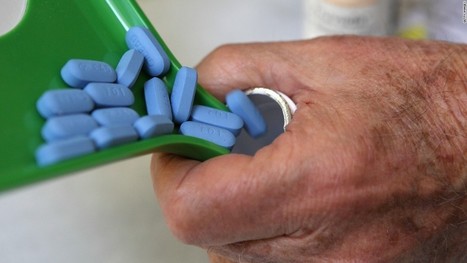
It is now recommended that doctors offer a simple pill taken every day -- "pre-exposure prophylaxis" or PrEP -- to people at high risk of acquiring HIV, the life-long viral infection that attacks the body's immune system. The Recommendation Statement is extremely timely, given a national initiative to end the HIV epidemic, and the accompanying evidence report shows PrEP to be both safe and highly effective in preventing HIV acquisition. The USPSTF is, again, deliberate in making its recommendation; PrEP, with the pill combining tenofovir disoproxil fumarate and emtricitabine, was approved by the US Food and Drug Administration in 2012 and first recommended by the Centers for Disease Control and Prevention in 2014. Although uptake of this prevention strategy has been increasing in the United States, implementation challenges remain, driven in part by cost and access. Currently, less than 10% of individuals with an indication for PrEP are receiving this medication. The task force Recommendation Statement also notes that PrEP, in some trials, has been completely effective in preventing HIV infection, but only if medication adherence is continuously high. Adherence support from clinical and nonclinical staff—the Achilles heel of PrEP success—is essential, but especially for youth and women among whom adherence has been low.
|
|
Scooped by
Juan Lama
June 12, 2019 1:21 PM
|
Vaccines are humanity’s biggest achievement against infectious diseases. But could they defeat HIV, a particularly crafty virus? José Luis Cabero, CEO of Spanish biotech AELIX Therapeutics shared his experience developing an HIV vaccine at Labiotech Refresh in Barcelona. AELIX aims to overcome these limitations by learning from the immune system of people that are innately better at keeping the HIV virus at bay, who are called ‘HIV controllers’. The company analyzed samples from around 1,000 HIV-positive people and found that the immune systems of the controllers target specific regions of the HIV virus that non-controllers’ miss. Equipped with this knowledge, AELIX has designed an HIV vaccine to convert all patients into controllers, removing the need for daily antiretroviral medication. “We administer the vaccine a number of times, and the aim is to take away the antiretroviral treatment,” Cabero said. AELIX is currently testing its vaccine in a phase I trial in individuals with early-stage HIV infection, with results expected late 2020.
|
|
Scooped by
Juan Lama
June 11, 2019 1:01 PM
|
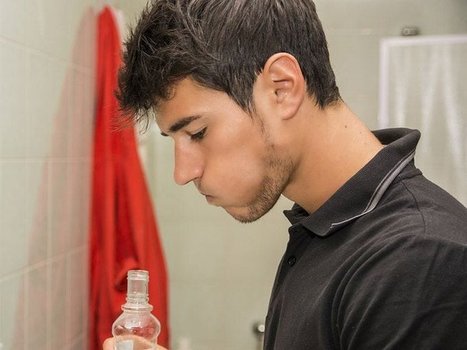
(HealthDay)—Human papillomavirus (HPV) DNA detected from a mouth rinse may be an effective marker for prognosis during treatment of HPV-positive head and neck cancer, according to a study recently published in JAMA Oncology.
|
|
Scooped by
Juan Lama
June 11, 2019 12:50 PM
|
Researchers at Helmholtz Zentrum München and the Technical University of Munich, working in collaboration with researchers at the University Medical Center Hamburg-Eppendorf and the University Hospital Heidelberg, have for the first time succeeded in conquering a chronic infection with the hepatitis B virus in a mouse model.
|
|
Scooped by
Juan Lama
June 11, 2019 12:40 PM
|
Human Cytomegalovirus affects billions of people all around world so why haven't most of us heard of it? HCMV infects 50-60% of people in the UK alone, and infection is reportedly as high as 100% in developing countries such as the Philippines and Uganda. What’s more, once infected you are likely to carry it for the rest of your life. However, while HCMV can cause all kinds of health problems, research into the virus is also helping us harness the power of the human immune system to treat certain types of cancer.
|
|
Scooped by
Juan Lama
June 10, 2019 6:33 PM
|
NIH scientists discuss current strategies that are the focus of research on eradication or suppression of virus in individuals infected with HIV without dependence on antiretroviral therapy regimens.
|
|
Scooped by
Juan Lama
June 10, 2019 6:24 PM
|
In the early 1970s there was a ubiquitous television ad promoting Florida orange juice including the line, "a day without orange juice is like a day
|
|
Scooped by
Juan Lama
June 6, 2019 12:39 PM
|
Investigators have found that instituting combination antiretroviral treatment at the earliest stages of HIV infection may allow the generation of functional CD8 'killer' T cells and preservation of the CD4 helper T cells that are the virus's primary target.
|
|
|
Scooped by
Juan Lama
June 17, 2019 12:39 PM
|
Chinese virologists have shed light on the mechanism of action of Naproxen, a non-steroidal anti-inflammatory drug commonly used to treat pain derived from arthritis, gout and many other conditions. The antiviral activity of naproxen was originally discovered in 2013. Now scientists have shown that naproxen effectively protects mice against influenza A and B virus infection, and the drug is more potent at blocking influenza B replication than the commonly used neuraminidase inhibitor oseltamivir. Naproxen exerted its antiviral activity by binding to the viral nucleoprotein (NP) and interfering with its export from the nuclei of infected cells. These findings and recent clinical trials suggest that the commonly used pain drug could be used as an anti-influenza agent in combination with other known influenza drugs.
|
|
Scooped by
Juan Lama
June 17, 2019 11:52 AM
|
To help the newborn immune system learn to discriminate between friend and foe, mothers transfer antibodies to their infants via the placenta, recent findings suggest.As part of a recent study, a team of researchers has determined how a pregnant woman's vaccine-induced immunity is transferred to her child, which has implications for the development of more effective maternal vaccines. To investigate the mechanisms by which antibodies are transferred from mother to child, the team of researchers used a novel tool called system serology to compare the quantity and quality of antibodies against pertussis n blood samples from mothers and from the umbilical cords that carry blood, nutrients and immune factors from the placenta to the infant. Their investigation revealed that the placenta preferentially sifts out and delivers to the infant antibodies that activate natural killer (NK) cells, key elements of the innate immune system. While several important immune cells are too immature in newborns to provide effective protection, NK cells are among the most abundant and functional immune cells during the first days of life. The team found a similar preference for the placental transfer of NK-activating antibodies against influenza and respiratory syncytial virus, a common disease of childhood, and also identified antibody features that appear to regulate placental selection, features that could possibly be built into next-generation vaccines with improved mother-to-child antibody transfer.
|
|
Scooped by
Juan Lama
June 15, 2019 2:09 AM
|
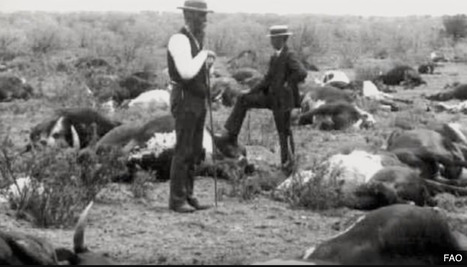
Scientists destroy final UK laboratory samples of rinderpest, the disease that wiped out most of the cattle in Sub-Saharan Africa. These stocks accounted for most of the world's lab samples of rinderpest, which were held at The Pirbright Institute in Surrey. Rinderpest and the deadly smallpox virus are the only diseases to have been eradicated from the face of the Earth. The rinderpest virus is responsible for one of the worst catastrophes in history. During an outbreak in the 1890s, it killed between 80% and 90% of cattle in eastern and southern Africa. This caused mass starvation in the region. Millions of people died as a result. In Ethiopia alone, one-third of the human population was wiped out. The toll in lives was on a scale matched only by the Black Death in Europe. A vaccination campaign eventually brought the disease under control until it was declared to have been eradicated in the wild in 2011. But thousands of samples of the virus remained in 40 laboratories across 36 countries. If there happened to be an accident, the disease could potentially leak out and cause devastation once again. To prevent this, the UN Food and Agriculture Organization (FAO) and the World Organization for Animal Health (OIE) approved a few highly secure labs and encouraged other institutes to send their rinderpest samples to these facilities. Among them is the Pirbright Institute in Surrey, which has led efforts to record the genetic information contained in each sample and then destroy it. Researchers have been reluctant to destroy lab samples of deadly viruses in case they are needed to create a vaccine should the disease ever re-emerge. But a digital record of the virus's genetic code means that this is no longer an issue."
|
|
Scooped by
Juan Lama
June 13, 2019 6:56 PM
|
Only a few cases of the newly discovered Bourbon virus have been reported, and two of them ended in death, partly because no specific treatments are available for the tick-borne illness. Now, researchers at Washington University have identified an experimental antiviral drug that cures mice infected with the potentially lethal virus. The drug, favipiravir, is approved in Japan but not the U.S. for treatment of influenza, a related virus. Bourbon virus was first identified in 2014 in a previously healthy middle-aged man in Kansas. The man arrived at the hospital with flu-like symptoms and a history of tick bites. Thinking he had ehrlichiosis, a tick-borne bacterial infection that causes similar symptoms and often affects people in the Midwest, doctors started him on antibiotics. But the man continued to decline, and further testing for ehrlichiosis and every other infection the doctors could think of came up negative. Since favipiravir is not approved by the FDA, it is not clear whether doctors in the U.S. would be able to obtain it for their patients. The best protection against Bourbon virus is to avoid tick bites by wearing insect repellent and long pants and sleeves, and doing regular tick checks after outdoor activity, the researchers said.
|
|
Scooped by
Juan Lama
June 13, 2019 11:58 AM
|
Vaccinating babies against a virus that causes childhood "stomach flu" greatly reduces their chance of getting so sick that they need hospital care, a new study shows. But the study also reveals a surprise: Getting fully vaccinated against rotavirus in the first months of life is associated with a lower risk of developing Type 1 diabetes later on. As a group, children who received all recommended doses of rotavirus vaccine had a 33 percent lower risk than unvaccinated children of getting diagnosed with type 1 diabetes—a lifelong disease with no known prevention strategies or cure. Children vaccinated against rotavirus had a 94 percent lower rate of hospitalization for rotavirus infection, and a 31 percent lower rate of hospitalization for any reason, in the first two months after vaccination. Rotavirus hits infants and toddlers hardest; it can cause diarrhea and vomiting that can lead to dehydration or loss of fluids. Yet the study finds more than a quarter of American children don't get fully vaccinated against rotavirus, and that the rate varies widely across the country. Less than half of children in New England and Pacific states were fully vaccinated. Two-thirds of children in the central part of the country were fully vaccinated. .
|
|
Scooped by
Juan Lama
June 12, 2019 1:27 PM
|
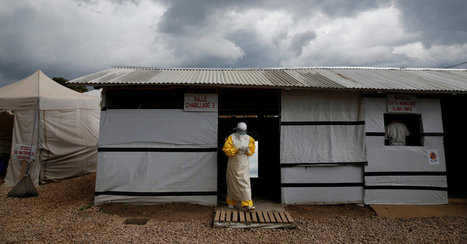
A 5-year-old Congolese boy died on Wednesday, a day after officials confirmed his case as the first outside the Democratic Republic of Congo since an outbreak began last summer. The announcement puts new pressure on the World Health Organization (WHO) to declare the Ebola outbreak — the second-deadliest in history — a global health emergency. The outbreak is unfolding amid unprecedented challenges of rebel attacks and community resistance in a region that had never experienced Ebola before. In April, a WHO expert committee decided that the outbreak, while of "deep concern," was not yet a global health emergency . But international spread is one of the major criteria the United Nations agency considers before such a declaration.
|
|
Scooped by
Juan Lama
June 11, 2019 1:13 PM
|
Nipah virus was discovered in 1998 after an outbreak in Malaysia. Since then, several outbreaks have been reported in Bangladesh and India. Although most outbreaks are relatively small, a very high case-fatality rate is reported (75%). Furthermore, human-to-human transmission has been reported. Currently, no approved vaccine or countermeasure exist. In this manuscript, we discuss a vaccine based on a chimpanzee adenovirus. Importantly, the vaccine vector (ChAdOx1) is in clinical trials. In the work presented here, we show that this vaccine is fully protective against both genotypes of Nipah virus. Furthermore, we observe partial protection against Hendra virus, a related virus. Antibodies produced upon vaccination with our vaccine alone are partially protective against Nipah virus. This is an important step forwards towards the development of an approved vaccine for Nipah virus.
|
|
Scooped by
Juan Lama
June 11, 2019 12:54 PM
|
India News: As per this data, close to a 1000 people in Maharashtra have contracted HIV through the blood transfusion route over the last five years.
|
|
Scooped by
Juan Lama
June 11, 2019 12:46 PM
|
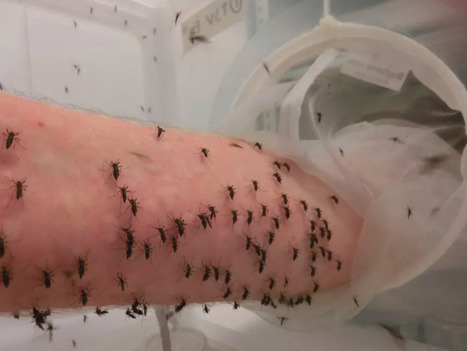
Viruses, spread through mosquito bites, cause human illnesses such as dengue fever, Zika and yellow fever. A new control technique harnesses a naturally occurring bacterium called Wolbachia that blocks replication of viruses and breaks the cycle of mosquito-borne disease, according to an international team of researchers. After researchers put Wolbachia into mosquitoes, they found that, quite excitingly, Wolbachia effectively vaccinates mosquitoes, preventing viruses from replicating. In a paper published today in Virus Evolution, McGraw and her team report that dengue virus failed to evolve resistance to Wolbachia in controlled lab-based experiments. These findings show promise for the long-term efficacy of Wolbachia following field release. Although this is good news for the control of dengue and other mosquito-transmitted diseases, the researchers note the study has limitations. The researchers used mosquito cells -- which may not reflect what happens within the whole insect. And outside the lab, where mosquito populations are much larger, there may be more opportunities for the virus to develop resistance to Wolbachia.
|
|
Scooped by
Juan Lama
June 10, 2019 6:41 PM
|
Providence virus, an insect virus, was used to establish a productive infection in Vigna unguiculata (cowpea) plants. Virus particles purified from these cowpea plants were used to infect two mammalian cell lines. We present evidence that Providence virus, a non-enveloped insect RNA virus, isolated from a lepidopteran midgut cell line can establish a productive infection in plants as well as in animal cells. The observation that Providence virus can readily infect both plants and mammalian cell culture lines demonstrates the ability of an insect RNA virus to establish productive infections across two kingdoms, in plants and invertebrate and vertebrate animal cell lines. Plants should be considered as reservoirs for emerging viruses that may be potentially pathogenic to humans.
|
|
Scooped by
Juan Lama
June 10, 2019 6:27 PM
|
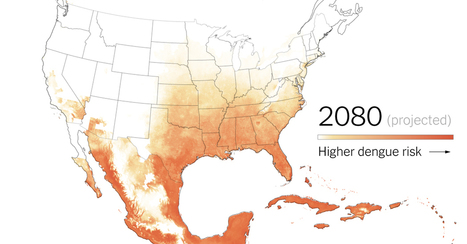
Climate change and urbanization could increase the number of people at risk of contracting dengue fever, a mosquito-borne disease that can be deadly. Globally, the study estimated that more than two billion additional people could be at risk for dengue in 2080 compared with 2015 under a warming scenario roughly representative of the world's current emissions trajectory. That increase largely comes from population growth in areas already at high risk for the disease, as well as the expansion of dengue’s range.
|
|
Scooped by
Juan Lama
June 10, 2019 6:19 PM
|
|