 Your new post is loading...

|
Scooped by
Juan Lama
July 3, 2019 12:09 PM
|
WHO compiled an updated summary of the global epidemiology of Zika virus transmission. A review of global surveillance data and scientific publications provide a comprehensive overview of Zika virus transmission and congenital Zika syndrome worldwide. The continued accumulation of epidemiologic data has advanced our understanding of Zika transmission, global spread, and disease. Zika transmission persists, but has generally been at low levels throughout 2018 to the present. Findings underscore the importance of sustained vigilance in the wake of the 2015-2016 epidemic to track disease and ensure country preparedness for early detection and response, including vector control and development of diagnostics, vaccines, and therapeutics. Globally, 61 countries and territories in six WHO regions have evidence of established competent Aedes aegypti vectors but have not yet documented ZIKV transmission.1 Therefore, there is still the potential risk for ZIKV to spread to additional countries. It is also possible that some of these countries have or have had transmission that has not yet been detected or reported. All areas with prior reports of ZIKV transmission have the potential for re-emergence or re-introduction.https://www.who.int/emergencies/diseases/zika/epidemiology-update/en/
|
|
Scooped by
Juan Lama
July 2, 2019 1:22 PM
|
The claim is they have eliminated HIV from living animals for the first time, by cutting it out of its hiding places in the body – in other words, that they have cured the animals. They used a gene-editing system called CRISPR, which is seen as a highly promising – yet still experimental – medical strategy. Unlike early forms of gene therapy, CRISPR allows precise targeting of specific genes. In this case, mice infected with HIV were injected with a different harmless virus that made a version of the CRISPR enzyme programmed to destroy HIV genes hiding in the mouse cells’ DNA. Some mice receiving a therapy that includes CRISPR gene editing appear to have been cured of HIV, but safety concerns must be overcome before human trials start. The team have already started testing the approach in monkeys, a prerequisite before human trials, they announced at a conference earlier this year. But a big obstacle will be demonstrating to regulators that the technique is safe enough, given that in most people, anti-HIV meds reduce the virus to undetectable levels and give people a near-normal lifespan, as long as they keep taking their pills.
|
|
Scooped by
Juan Lama
June 28, 2019 2:43 PM
|
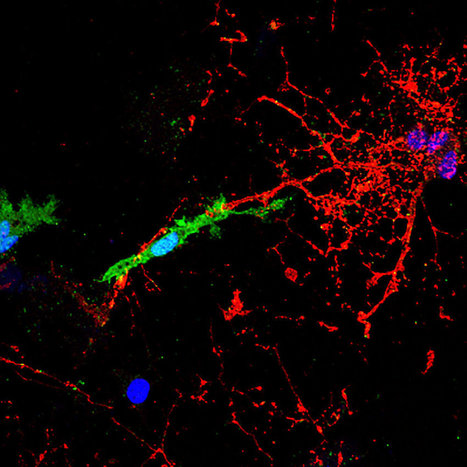
Early disease stages of multiple sclerosis (MS) are primarily characterized by immune cell infiltration of the central nervous system (CNS). This causes inflammation that damages the myelin sheaths that insulate nerves, which are established by specialized glial cells of the CNS called oligodendrocytes. These structures protect, nourish and stabilize the axons that transmit electrical signals between neurons. In a new study published on June 18 in PNAS, a research team led by Professor Dr. Patrick Küry from the Department of Neurology (chaired by Professor Dr. Hans-Peter Hartung) has shed light on a novel axon damage mechanism that could be highly relevant for progressive MS (PMS) patients. As outlined by first author Dr. David Kremer, the envelope (ENV) protein of the pathogenic human endogenous retrovirus type W (pHERV-W) was found to be a major contributor to nerve damage in MS.
|
|
Scooped by
Juan Lama
June 27, 2019 10:29 AM
|
California state health officials are urging all Californians to protect themselves from mosquito bites during West Nile virus (WNV) season, which extends from now through early fall.“West Nile virus activity in the state is increasing, so it is important to take every possible precaution to protect against mosquito bites. In 2018, there were 217 reported WNV cases in California, including 11 deaths. Since WNV was first introduced into California in 2003, there have been more than 6,000 human WNV cases and 303 WNV-related deaths across the state. West Nile virus spreads to humans and animals through the bite of an infected mosquito. Late-spring rains have contributed to standing water, which serves as a breeding source for mosquitoes that can spread WNV. Hot temperatures also contribute to increasing numbers of breeding mosquitoes and an increased risk of virus transmission to humans.
|
|
Scooped by
Juan Lama
June 27, 2019 10:08 AM
|
Today is the National HIV Testing Day. CDC, NIH and many other Federal agencies remind you that of the 1.1 million people in the United States with HIV, 1 in 7 are unaware of their HIV status. It is estimated that about 40% of the new HIV transmissions come from people who didn’t know they had HIV. HIV infection has become a treatable chronic disease, and the outcome of treatment improves the sooner it starts. There are rapid HIV testing kits available for use at home, and hundreds of free and confidential testing sites out there. The National HIV, STD, and Viral Hepatitis Testing Resources, GetTested Web site is a service of the Centers for Disease Control and Prevention (CDC). This Web site provides users with locations for HIV, STD, and hepatitis testing and STD and hepatitis vaccines around the United States.
|
|
Scooped by
Juan Lama
June 26, 2019 7:26 PM
|
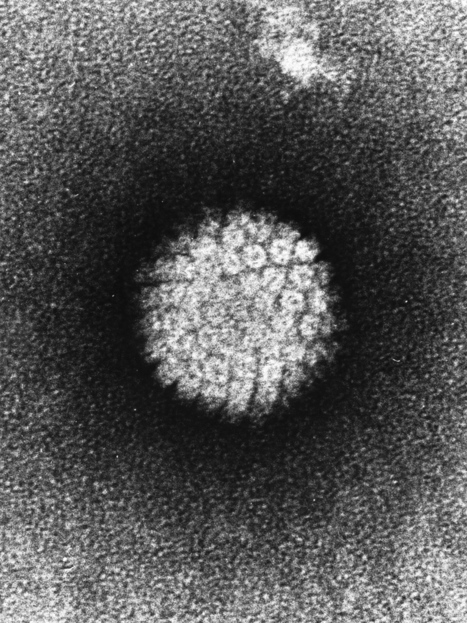
A vaccine against cervical and other cancers should be recommended for both men and women up to age 26, a U.S. government advisory panel said Wednesday. A vaccine against cervical and other cancers should be recommended for both men and women up to age 26, a U.S. government advisory panel decided Wednesday. The vaccine protects against HPV, a virus that is commonly spread through sex and can cause certain cancers and genital warts. The Advisory Committee on Immunization Practices (ACIP)' vote in Atlanta raises the recommended vaccination age for men from 21 to 26, making it the same as the existing recommendation for women. ACIP also voted to recommend HPV vaccination based on shared clinical decision making for individuals 27 through 45 years of age who are not adequately vaccinated. The Centers for Disease Control and Prevention almost always accepts the panel's recommendations and uses them as guidance for U.S. doctors.
|
|
Scooped by
Juan Lama
June 24, 2019 11:36 PM
|
The devastating outbreak of the disease that has led to millions of pig deaths in East Asia has intensified efforts to develop a vaccine quickly, but the virus presents several challenges that are yet to be overcome. African swine fever, a fatal disease of pigs, has been around for decades. Believed to have originated in sub-Saharan Africa, it’s made several visits to other continents, with outbreaks surfacing in Russia, Brazil, and various parts of Europe—where it still maintains a stronghold in wild boar populations. The disease not only threatens the world’s largest pork industry, but also the global supply of the blood thinner heparin, most of which is produced by Chinese pigs. Alarmed, Chinese officials have reportedly culled more than 1.2 million pigs to date in an attempt to prevent new infections, but the disease is spreading and has jumped to Vietnam and Cambodia in recent months. Pfeiffer reckons that anywhere between 10 percent and 40 percent of Chinese pigs could have been infected with the virus so far, although official statistics have not yet been released....
|
|
Scooped by
Juan Lama
June 23, 2019 1:11 AM
|
Rotavirus vaccine use in national immunisation programmes has led to declines in hospital admissions for rotavirus gastroenteritis among children; however, the global impact of rotavirus vaccine introduction has not been described using primary data. We describe the impact of rotavirus vaccine introduction on admissions for acute rotavirus gastroenteritis in primarily low-income and middle-income countries, using 9 years of data from the WHO-coordinated Global Rotavirus Surveillance Network (GRSN). A significant and sustained reduction in the proportion of hospital admissions for acute gastroenteritis due to rotavirus was seen among children younger than 5 years in GRSN sites following rotavirus vaccine introduction. In countries that had not introduced rotavirus vaccine in their national immunisation programmes, rotavirus was detected in 38·0% (95% CI 4·8–73·4) of admissions for acute gastroenteritis annually whereas in those that have introduced the vaccine, rotavirus was detected in 23·0% (0·7–57·7) of admissions for acute gastroenteritis, showing a 39·6% (35·4–43·8) relative decline following introduction. These findings highlight the need to incorporate rotavirus vaccines into immunisation programmes in countries that have not yet introduced them and underline the importance of high-quality surveillance.
|
|
Scooped by
Juan Lama
June 20, 2019 5:29 PM
|
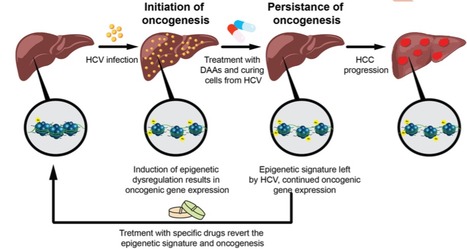
Hepatitis C virus (HCV) is a leading cause of hepatocellular carcinoma (HCC) in western countries. While direct acting antivirals (DAAs) therapy for HCV efficiently eradicates the infection, sustained virological response (SVR) following anti-HCV treatment does not eliminate the risk for HCC development. These HCV-induced epigenetic changes reprogram host gene expression and persist as an "epigenetic signature" following virus eradication. Treatment of HCV-cured cells with specific inhibitors reverted the epigenetic signature. These results suggest a "hit and run" scenario that may explain why some chronic HCV infected patients do proceed to develop HCC after HCV eradication.
|
|
Scooped by
Juan Lama
June 19, 2019 3:06 PM
|
Chronic hepatitis B virus infection is associated with the risk for nonliver cancers, especially digestive system cancers, according to findings from a population-based cohort study published in JAMA Network Open. “In a large prospective Chinese cohort of 496,732 adults, we found that participants who were (hepatitis B surface antigen (HBsAg)] seropositive were at an increased risk of developing [hepatocellular carcinoma (HCC)] and several nonliver cancers, including stomach cancer, oral cancer, colorectal cancer, pancreatic cancer, and lymphoma,” Ci Song, MD, from Nanjing Medical University in China, and colleagues wrote. In the study, researchers used a dipstick assay to detect serum HBsAg among the nearly 500,000 participants to determine the association between HBV infection and risk for all cancer types, according to the study. “This study provides compelling evidence for the association between HBV infection and all types of cancer ” Song and colleagues wrote. “Strengths of the CKB study included its prospective design, the inclusion of a geographically widespread Chinese population living in urban and rural areas, and careful adjustment for potential confounders.” However, they also noted some study limitations, including the rate of HBsAg positivity among the CKB cohort, which was 3.1% lower than a rate found in a national serosurvey.
|
|
Scooped by
Juan Lama
June 19, 2019 2:52 PM
|
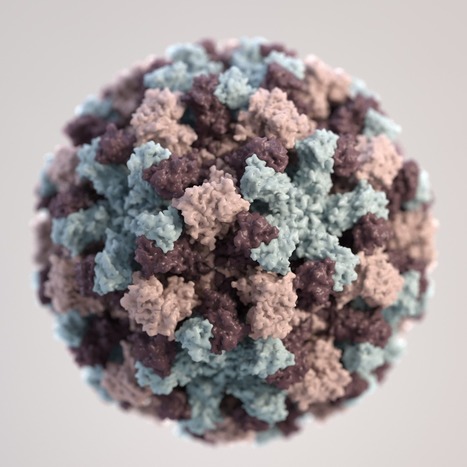
In a major step forward in the development of a norovirus vaccine, researchers discover a neutralizing antibody that can bind to a highly conserved epitope. For those who have suffered through a norovirus infection, commonly referred to as the “stomach flu,” the need for an effective vaccine does not really need explaining. But efforts to develop a vaccine against human norovirus have been unsuccessful, in part due to the virus’s rapid evolution and large number of antigenically distinct genotypes. Now, a group from the University of North Carolina (UNC) at Chapel Hill have discovered an antibody that broadly inhibits multiple strains of pandemic norovirus, a major step forward in the development of an effective vaccine for the dreaded stomach virus. The work describes, for the first time, the structure of the binding interaction between norovirus and a human antibody that may work against many strains. Although ∼60% of human norovirus outbreaks are caused by the GII.4 genotype, there are more than 30 known genotypes. These rapidly evolving RNA viruses elicit complex serological responses associated with previous exposure. In order to further understand the immune response to the infection, the team of researchers first established the GII.4 repertoire of antibodies present before and after vaccination and selected several for epitope and structural analysis. They found that the antibodies following vaccination are polarized and shaped by previous norovirus infection stating that the “antibody response was dominated by GII.4-specific antibodies that blocked ancestral strains or by antibodies that bound to divergent genotypes and did not block viral-entry-ligand interactions.” They went on to biochemically define the epitopes recognized by the antibodies with blockade activity to historical strains. However, one antibody, A1431, showed broad blockade toward tested GII.4 strains and neutralized the pandemic strain.
|
|
Scooped by
Juan Lama
June 18, 2019 3:46 PM
|
Scientists are listening in on the ways viruses communicate and cooperate. Decoding what the microbes are saying could be a boon to human health.... It wasn’t until 1999 that anyone took any notice of what cooperation achieved for the viruses themselves. That year, evolutionary biologists Paul Turner, now at Yale University in New Haven, Connecticut, and Lin Chao, now at the University of California, San Diego, showed that phages play their own version of the prisoner’s dilemma strategy game, working in partnership under certain circumstances and acting in their own self-interests in others. Geneticist Rotem Sorek could see that his bacteria were sick — so far, so good. He had deliberately infected them with a virus to test whether each ailing microbe soldiered on alone or communicated with its allies to fight the attack. Virologists have long studied their subjects in isolation, targeting cells with just a single viral particle. But it’s become increasingly clear that many viruses cooperate, teaming up to co-infect hosts and break down antiviral immune defences....
|
|
Scooped by
Juan Lama
June 18, 2019 2:32 AM
|
The gut microbiome is a complex, interconnected ecosystem of species. And, like any ecosystem, some organisms are predators and some are prey. A new study published in Cell Host & Microbe looked at the impact of bacteriophages – viruses that hunt, infect and kill bacteria. The study found that phages have a profound impact on the dynamics of the gut microbiome, not only affecting certain species directly, but also having a cascading effect on others. Phages may also be impacting their human host by modulating metabolites, including chemical substances found in the brain. “One of the major interests in my lab is understanding the changes in the dynamics of the gut microbiome. Bacteriophage are a huge component of the microbiome but haven’t been studied much yet,” said co-corresponding senior author Georg Gerber, MD, PhD, MPH, co-director of the Massachusetts Host-Microbiome Center. To address this question, the researchers colonized the guts of mice with a defined set of human bacterial species and then added phages. By tracking the growth of each microbe the team found, as expected, that the phages caused attritions of the species they preyed upon. They also discovered an unexpected rippling effect on the rest of the ecosystem, resulting in the growth of non-targeted species. In addition to looking at the effects on microbes, the team also looked for effects on the metabolome – the chemical substances produced by both the host and the bacteria present. They found that when they modulated the microbiome with phages, they could see targeted changes in the metabolome, including changes in neurotransmitter levels and bile acids.
|
|
|
Scooped by
Juan Lama
July 2, 2019 1:42 PM
|
Researchers say they've come one step closer to finding a potential cure for HIV after they successfully eliminated the virus in living mice for the first time in history. Using a combination of CRISPR gene editing technology and a therapeutic treatment called LASER ART, scientists at Temple University and the University of Nebraska Medical Center said they erased HIV DNA from the genomes of animals in what they call an unprecedented study published Tuesday in the journal Nature Communications. The virus is currently treated with antiretroviral therapy (ART), which suppresses it from replicating and prevents many patients in the U.S. from developing AIDS. ART does not rid the body of HIV, though, and if a patient stops treatment the virus will continue to replicate. But now researchers say they’re able to destroy the virus in “humanized” mice, which were injected with human bone marrow to imitate the human immune system. The study authors used two different tools to combat the virus: CRISPR technology and LASER ART. The virus did not return in nine of the 21 mice in which the method was tested, according to Khalili.
|
|
Scooped by
Juan Lama
June 28, 2019 2:58 PM
|
Pneumonia kills nearly 1 million children every year, but the lung infection’s precise cause is often hard to diagnose, forcing doctors to rely on antibiotics without knowing whether bacteria are to blame. Now, a new study reveals that most childhood pneumonia—some 60% of global cases—is caused by viruses. Now, researchers have a new way to identify the cause of severe pneumonia in children. Over 2 years, researchers took nose and throat swabs as well as blood, sputum, and other fluid samples from 4232 children in Bangladesh, Gambia, Kenya, Mali, South Africa, Thailand, and Zambia, all of whom had severe pneumonia. The researchers analyzed the fluids from each patient to infer the most likely cause of their pneumonia from a list of 30 pathogens. Viruses accounted for more than 60% of all cases and bacteria accounted for just under 30%, researchers report today in The Lancet. The remaining 10% came from fungi, tuberculosis, and unknown causes. Overall, respiratory syncytial virus (RSV) was the biggest culprit, accounting for nearly one-third of all cases. But the breakdown varied significantly by country and region, as the researchers show in this interactive data visualization.
|
|
Scooped by
Juan Lama
June 27, 2019 7:13 PM
|
US health officials have been armed with funds and resources to launch a campaign to drastically reduce HIV transmissions by 2030. But a new report hammers home how difficult that will be. Fewer than 40 percent of all Americans were tested for HIV in the last year, and less than 30 percent of those deemed most at-risk - i.e. men who have sex with men, and intravenous drug users - had done so. In the 50 cities with the highest rates of transmissions, fewer than 35 percent had been tested. In the CDC's targeted rural areas, just 26 percent of people had been tested for the sexually-transmitted disease. 'Diagnosis and treatment are the first steps toward affording individuals living with HIV a normal life expectancy,' said CDC Director Robert R. Redfield, MD.
|
|
Scooped by
Juan Lama
June 27, 2019 10:24 AM
|
Human papilloma virus (HPV) vaccination programs have substantially reduced the number of infections and precancerous cervical lesions caused by the virus, according to a study published today in The Lancet by researchers ...
|
|
Scooped by
Juan Lama
June 26, 2019 7:32 PM
|
Exposure to viral infections in the brain during childhood has been linked to an increased risk of developing multiple sclerosis later in life. Multiple sclerosis is the most common auto-immune disease affecting the brain. Up to date, there is still neither a cure available nor a clear understanding of the factors that trigger this disease at around 30 years of age. “We asked ourselves whether brain viral infections that could be contracted in early childhood were among the possible causes,” says Doron Merkler, a professor in the Department of Pathology and Immunology in UNIGE’s Faculty of Medicine and senior consultant in the Clinical Pathology Service of the HUG. Such transient brain infections can be controlled quickly by the immune system, without the affected individual even noticing any symptoms. “But these transient infections may, under certain circumstances, leave a local footprint, an inflammatory signature, in the brain,” continues the researcher.
|
|
Scooped by
Juan Lama
June 25, 2019 5:11 PM
|
A small number of HIV-infected individuals (<1%) can spontaneously control HIV in the absence of antiretroviral therapy. Because CD4+ and CD8+ T cell responses are thought to contribute to protection, HIV-responsive T cell receptors (TCRs) from these individuals are of considerable interest. Now, researchers led by Stephanie Gras of Monash University in Victoria, Australia, report how an unusual T-cell receptor found in the CD4+ T cells of some elite controllers is able to recognize low levels of HIV and mount a response. Gras says the finding, reported today (June 8) in Science Immunology, may be good news for the prospect of developing an immunotherapy to rev up the CD4+ attack on HIV. The receptors, found in so-called elite controllers who don’t need medications to keep the virus in check, suggest a new path toward immunotherapy.
|
|
Scooped by
Juan Lama
June 24, 2019 5:10 PM
|
Oral steroid use in patients with the inflammatory diseases polymyalgia rheumatica and/or giant cell arteritis significantly increased the risk of infection, and the risk increased with higher doses, found a study in CMAJ. In a large study of almost 40 000 adult patients with polymyalgia rheumatica or giant cell arteritis in England, researchers found higher absolute risks of infection when patients were taking oral steroids than when they were not taking them. The mean age of patients in the study was 73 years. Steroids included prednisolone, prednisone, hydrocortisone and cortisone. The risk of infection increased with higher doses and was elevated even with low daily doses of less than 5 mg of prednisolone. More than half of patients (22 234, 56%) had infections during 138 412 person-years of follow up, with the most common infections being lower respiratory tract infections (27%), conjunctivitis (9%) and shingles (7%). More than one-quarter (27%) of patients were admitted to hospital and 7% died within a week of diagnosis of infection.
|
|
Scooped by
Juan Lama
June 21, 2019 1:43 AM
|
In an analysis of the real-world impact of a pioneering test called metagenomic next-generation sequencing (mNGS), developed by scientists to diagnose patients with mysterious inflammatory neurological conditions, the technique was shown to identify infections better than any standard clinical method. "The infectious cause of half the cases of meningitis and encephalitis go undiagnosed in hospitals around the country, and these severely ill patients are in dire need of a better testing tool," said Charles Chiu, MD, PhD, professor of laboratory medicine and medicine at UCSF and senior author of the new study. Unlike conventional testing, which is often driven by doctors' hunches, the mNGS test offers an unbiased approach that can detect nearly all possible pathogens -- bacteria, viruses, fungi and parasites -- present in patients' spinal fluid, giving doctors clear direction for treatment. The study, published June 13, 2019 in the New England Journal of Medicine, was set up to enroll only the most challenging cases. To qualify, a patient had to be hospitalized with an acute neurological illness with no conclusive diagnosis. The study included 204 pediatric and adult patients, mostly from California, who had meningitis (inflammation of the lining surrounding the brain), encephalitis (inflammation of the brain itself) or myelitis (inflammation of the spinal cord). The test found many of the same infections identified by conventional laboratory testing methods, which generally look for pathogens one at a time, and require that doctors know what they are looking for to be successful. But it also found 13 infections that were missed by all conventional tests, such as a case of infection by St. Louis encephalitis virus, which had not been seen in California since 1986. And in more than half of those cases, the mNGS diagnosis was indispensable in guiding the treatment of these patients. In a case of hepatitis E virus infection that had been missed by conventional testing, the successful mNGS diagnosis likely spared the patient from having to undergo a liver transplant.
|
|
Scooped by
Juan Lama
June 19, 2019 9:26 PM
|
Researchers identify a possible driver of acute flaccid myelitis, a polio-like disease diagnosed in more than 500 children over the last few years. A mysterious, polio-like condition that leads to paralysis in children likely involves an enterovirus, according to research published last week (June 10) as a preprint in bioRxiv. Researchers linked acute flaccid myelitis (AFM), a rare disease that’s been on the rise in the US since 2014, to a virus called EV-D68 and related pathogens, although it’s not clear whether this group of viruses is the sole cause. The test identified signs of infection by EV-D68 as well as other enteroviruses in a group of more than 40 children with AFM. “Finding evidence of antibodies in spinal fluid in response to the virus is an important first step toward a diagnostic test for AFM and a path toward treatment,” the CDC says in a statement to STAT.
|
|
Scooped by
Juan Lama
June 19, 2019 2:59 PM
|
The world’s largest study into how people around the world think and feel about science and major health challenges. It surveys over 140,000 people from more than 140 countries. - Worldwide, 79% of people agree that vaccines are safe and 84% agree that they are effective.
- Bangladesh and Rwanda have the strongest confidence in vaccines – with almost all people in both countries agreeing that vaccines are safe, effective and that it is important for children to be vaccinated.
|
|
Scooped by
Juan Lama
June 19, 2019 2:28 PM
|
A global survey of attitudes towards science has revealed the scale of the crisis of confidence in vaccines in Europe, showing that only 59% of people in western Europe and 50% in the east think vaccines are safe, compared with 79% worldwide. Around the globe, 84% of people acknowledge that vaccines are effective and 92% say their child has received a vaccine. But in spite of good healthcare and education systems, in parts of Europe there is low trust in vaccines. France has the highest levels of distrust, at 33%. The first Wellcome Global Monitor survey, which canvassed attitudes among 140,000 people worldwide, shows clear links between people’s trust in doctors, nurses and scientists and their confidence in vaccines. It also shows that mistrust in government institutions goes hand in hand with doubts about vaccines’ safety. Bangladesh and Rwanda have the highest confidence in vaccines in the world, the Global Monitor shows. Rwanda also has the highest trust in its healthcare, at 97%, against a global average of 76%. “In developing countries, where deadly diseases like diphtheria, measles or whooping cough are more common, I’ve seen mothers queue for hours to make sure their child is vaccinated,” said Seth Berkley, the chief executive of Gavi, the Vaccine Alliance. “It is in wealthier countries, where we no longer see the terrible impact these preventable diseases can have, that people are more reticent. This reticence is a luxury we can ill afford.” Northern Europe, which includes the UK, has more confidence in the safety and effectiveness of vaccines than the western or eastern regions. In northern Europe, 73% of people think they are safe, the same figure as in northern America, and 84% think they are effective (83% in northern America). Only 65% of eastern Europeans think they are effective. In Ukraine, which had more than 53,000 measles cases last year, the figure is 50%.
|
|
Scooped by
Juan Lama
June 18, 2019 3:43 PM
|
Americans have received billions of doses of vaccines for everything from measles to the flu. In 30 years, very few injury claims have been filed with the federal government.
|























https://www.who.int/emergencies/diseases/zika/zika-epidemiology-update-july-2019.pdf?ua=1