


Vectorology - GEG Tech top picks
23.4K views |
+3 today
 Your new post is loading...
 Scoop.it!
BigField GEG Tech's insight:
Here, the authors use lentiviral vectors which express glucose-regulated protein78 (GRP78) or heterogeneous nuclear ribonucleoprotein A1 (HNRNPA1) to investigate the effects of endoplasmic reticulum (ER) stress in hepatic stellate cells (HSCs) on the progression of liver fibrosis and the regulation of this process in cells and mice. After injection of the vectors into C57BL/6 mice for HSC-specific gene expression, their results suggest that ER stress in HSCs promotes liver fibrosis by inducing overexpression of SMAD2, via dysregulation of MIR18A; this dysregulation is mediated by PERK phosphorylation and destabilization of HNRNPA1. 
Scoop.it!
BigField GEG Tech's insight:
In this study, the authors design lentiviral vector pseudotyped with prM and E glycoproteins which belong to Japanese encephalitis virus (JEV). Immunization of BALB/c mice with this vector resulted in the production of IgGs against JEV, and the injection of a second dose one month after the prime injection greatly boosted antibody titers. The titers of neutralizing antibodies elicited by the TRIP/JEV vector are sufficient to confer protection in domestic pigs against different genotypes of JEV and this could be of a great utility in endemic regions where more than one genotype is circulating.
Scoop.it!
BigField GEG Tech's insight:
Here, the authors constructed lentiviral vector to upregulate CB1 receptor (CB1R) in the lumbar spinal cord 5–6 region and observe the effect of clinical score and possible mechanism on the occurrence and development of experimental autoimmune encephalomyelitis (EAE). Overexpression of CB1R in the spinal cord of mice exhibited neuroprotective effects in EAE, mainly suppressing inflammatory microenvironment and elevating neurotrophic factors, slightly declining IL-1β and IL-17 in the spleen, and increased IL-10 in the brain.
Scoop.it!
BigField GEG Tech's insight:
In this work, the scientists describe adaptations to the MGS-PCR protocol for the IlluminaMiSeq platform for gammaretroviral, lentiviral and foamy virus vectors. Using unique combinations of indices in the PCR primers, up to twelve samples can be pooled into one sequencing reaction to reduce costs. Modified genomic sequencing PCR using the MiSeq platfom led to paired-end reads of average length 265 bp. These longer sequence reads allow for improved localization of retroviral vector integration sites to published genomes.
Scoop.it!
BigField GEG Tech's insight:
In this study, the authors established a lentiviral vector encoding heme oxygenase 1 gene (HO-1) and used this to infect adipose tissue-derived stem cells (ADSCs) with the aim of producing therapeutic seed cells. They show that, after transduction, ADSCs which over express HO-1 can be isolated from mouse adipose tissue. These results may open the way in the development of a novel method for the treatment of asthma.
Scoop.it!
BigField GEG Tech's insight:
Depression is a serious and potentially life-threatening mental disorder with unknown etiology. Here, the authors used lentiviral vectors to over expressed BDNF, miR-182 or miR-182 silencer in the hippocampus of rat. They observe that LV-BDNF or LV-si-miR-182 have anti-depressant like effect. In contrast, miR-182 overexpression exacerbated depression-like behaviors and decreased BDNF. Taken together, the current results reveal a potential molecular regulation of miR-182 on BDNF and the pronounced behavioral consequences of this regulation.
Scoop.it!
BigField GEG Tech's insight:
This paper reviews recent literature about the generation of induced pluripotent stem cells (iPSC), discusses what can be achieved in the clinic using present knowledge and points out further research directions.
Scoop.it!
BigField GEG Tech's insight:
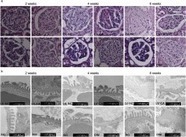
In this study, the authors use lentiviral vectors to investigate the protective effect of forkhead transcription factor O1 (FoxO1) on podocyte injury in rats with diabetic nephropathy. To this end, they transfected dibateic rats with the LV FoxO1. They observe that podocalyxin and nephrin mRNA and protein levels increase (p < 0.05), whereas desmin mRNA and protein levels decrease (p < 0.05). Pathological changes in glomerulus were also ameliorated.
Scoop.it!
BigField GEG Tech's insight:
Recent studies have demonstrated that peroxisome proliferator-activated receptor δ (PPARδ) activation confers a potentially neuroprotective role in some neurodegenerative diseases. However, whether PPARδ is involved in depression is unknown. In this study, the authors use lentiviral vectors to overexpress PPARδ into the bilateral dentate gyri of the hippocampus. In vivo or in vitro studies showed that both overexpression and activation of PPARδ enhanced proliferation or differentiation of neural stem cells in the hippocampi of mice. These results suggest that hippocampal PPARδ upregulation represses stress-induced depressive behaviors, accompanied by enhancement of neurogenesis.
Scoop.it!
BigField GEG Tech's insight:
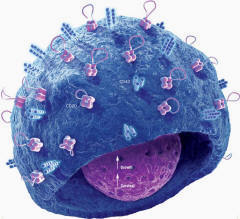
Here the scientists report the mature results from their initial trial using CAR-modified T cells to treat 14 patients with relapsed and refractory CLL. Autologous T cells transduced with a CD19-directed CAR (CTL019) lentiviral vector were infused into patients with relapsed/refractory CLL. The in vivo expansion of the CAR T cells correlated with clinical responses, and the CAR T cells persisted and remained functional beyond 4 years in the first two patients achieving CR. Minimal residual disease was not detectable in patients who achieved CR, suggesting that disease eradication may be possible in some patients with advanced CLL.
Scoop.it!
BigField GEG Tech's insight:
Here, the authors used recombinant lentiviral RNAi vectors for β1 or β2-ARs to study the functional roles of the β-ARs subtypes, β1- and β2- ARs, in the hippocampal cornu ammonis 3 (CA3) region. Their results suggested that the β1- and β2-ARs were involved in hippocampus dependent memory consolidation.
Scoop.it!

Jessica Zucman-Rossi and colleagues identify clonal integrations of adeno-associated virus type 2 (AAV2) in hepatocellular carcinomas. These AAV2 integrations occurred within known cancer driver genes, suggesting a pathogenic role of AAV2 in these patients.
BigField GEG Tech's insight:
Jessica Zucman-Rossi and colleagues identify clonal integrations of adeno-associated virus type 2 (AAV2) in hepatocellular carcinomas. These AAV2 integrations occurred within known cancer driver genes, suggesting a pathogenic role of AAV2 in these patients.
|
Scoop.it!
BigField GEG Tech's insight:
In this study, the authors design lentiviral vectors to overexpressed TGF-3 and in the same time silenced type I collagen. They transduced ynovium-derived mesenchymal stem cells for articular cartilage engineering and following characterizations are also described.
Scoop.it!
BigField GEG Tech's insight:
In this study, the scientists genetically engineered immature dendritic cells with a lentiviral vector which expresses he mouse chemokine receptor 7 (Ccr7) to alleviate acute graft-versus-host disease (GVHD) after allogeneic bone marrow transplantation (allo-BMT) in mice. They observe that Ccr7 transduction into imDCs suppressed occurrence and severity of acute GVHD after allo-BMT in mice and suggest that the mechanism might be associated with IFN-γ decrease and IL-4 increase.
Scoop.it!
BigField GEG Tech's insight:
Here the authors demonstrated that transduction of Fanca-/-HSCs with a lentiviral vector designed for clinical application efficiently corrects the phenotype of Fanconi anemia repopulating cells without any sign of toxicity.These data show, for the first time in a DNA repair-deficiency syndrome, that lentiviral vector-mediated gene therapy efficiently corrects the phenotype of affected HSCs and promotes a healthy pattern of clonal turnover in vivo. These studies will have a particular impact in the development of new gene therapy trials in patients affected by DNA repair syndromes, particularly in Fanconi anemia.
Scoop.it!
BigField GEG Tech's insight:
This review provides an in-depth critical analysis of current progress in AATD gene therapy based on viral gene transfer. The factors affecting transgene expression levels, such as site of administration, dose and type of vector, and activity of the immune system are discussed further as crucial variables for optimizing the clinical ef-fectiveness of gene therapy in AATD subjects.
Scoop.it!
BigField GEG Tech's insight:
In this study, the authors design a lentiviral vectors (LV) for delivery of snoMEN RNAs which is an antisense technology for targeted knock-down of protein coding mRNAs. They show that the vectorization in LV increases the efficiency of delivery in many human cell lines that are difficult to transfect with plasmid vectors. Transduction of lentiviral vectors expressing snoMEN targeted to pri-miR21 induces apoptosis in human lung adenocarcinoma cells, which express high levels of miR21, but not in human primary cells. They show that snoMEN-mediated suppression of miRNA expression is prevented by siRNA knock-down of Ago2, but not by knock-down of Ago1 or Upf1. snoMEN RNAs colocalise with Ago2 in cell nuclei and nucleoli and can be co-immunoprecipitated from nuclear extracts by antibodies specific for Ago2.
Scoop.it!
BigField GEG Tech's insight:
In this study, the authors design a strategy based on the use of two lentiviral vectors and the CRE/Lop system to easily generate kidney cell-specific knockdown mice. This method might be open to other species.
Scoop.it!
BigField GEG Tech's insight:
In this work, the authors use lentiviral vectors (LV) to genetically modify antigen-presenting cells (APCs). They show that delivery of IL-12 by LVs augments CD4+ or CD8+ T-cell proliferation respectively. and enhances the CD4+ TH1 profile.
Scoop.it!
Effects of HMGB1 on proliferation and apoptosis of human brain glioma CD133 cells
BigField GEG Tech's insight:
The aim of this work is to understand the effects of HMGB1 recombinant lentivirus vector on proliferation and apoptosis on CD133 cells after transfecting a human glioma cell strain CD133. The scientists observe that lentiviral vector is a very efficient tool to tranduce human glioma cell line CD133 and that over-expression of HMGB1 is able to inhibit proliferation of tumor cells and promote apoptosis. ww.geg-tech.com/Vectors
Scoop.it!
BigField GEG Tech's insight:
In this paper, the authors investigate the role of FGF9 thanks to a shRNA LV FGF9. They observe that if the level of expression of FGF9 decreases, the anxiety-like behavior is improved. The authors propose that the relative levels of FGF9 in relation to other members of the FGF family may prove key to understanding vulnerability or resilience in affective disorders.
Scoop.it!
BigField GEG Tech's insight:
In this review, the authors discuss about the use of lentiviral vectors as a tool for the treatment of immune system disorders. They also discuss the progression of gene editing technology to preclinical investigations in models of immune deficiency.
Scoop.it!
BigField GEG Tech's insight:
Transplantation-based replacement of lost and/or dysfunctional astrocytes is a promising therapy for spinal cord injury. In this study, the authors constitutively express the major glutamate transporter (GLT1) in human iPS cell-derived astrocytes (hIPSAs ) thanks to a lentiviral vector. They observe that GLT1 overexpressing hIPSAs reduced (1) lesion size within the injured cervical spinal cord, (2) morphological denervation by respiratory phrenic motor neurons at the diaphragm neuromuscular junction, and (3) functional diaphragm denervation as measured by recording of spontaneous EMGs and evoked compound muscle action potentials.
Scoop.it!
BigField GEG Tech's insight:
In this paper, the authors review the role played by engineered viral particles on genome editing while focusing on their main scaffolds, consisting of lentiviruses, adeno-associated viruses and adenoviruses.
|




















Pulmonary arterial hypertension (PAH) is a life-threatening disorder that ultimately causes heart failure. In this study, the authors used a shRNA lentiviral vector which targets Bcl2 and another which expresses hypoxia response element (HRE) to understand the causes of PAH. Their results suggest that HRE-mediated Bcl-2 inhibition can effectively attenuate hypoxia-induced apoptosis resistance in pulmonary microvascular endothelial cells by downregulating Bcl-2 expression and upregulating caspase-3 and P53 expression. This study therefore reveals critical insight into potential therapeutic targets for treating PAH.
www.geg-tech.com/Vectors