



Vectorology - GEG Tech top picks
23.4K views |
+3 today
 Your new post is loading...
 Scoop.it!
BigField GEG Tech's insight:
Here the authors investigate the effect of promoter methylation of cholesterol 25-hydroxylase (CH25H) gene. They observe that CH25H-knockdown by transductionof shRNA lentiviral vector into the cell lines partially protected the cells from DAC-induced cell death. Further investigations of the promoter analysis of CH25H gene and therapeutic effects of DNMT inhibitors on MDS/leukemia will be warranted. 
Scoop.it!
BigField GEG Tech's insight:
Cyclin-dependent kinase inhibitor p27kip1, whose activity is closely related to its phosphorylation state, reportedly regulates astrocyte proliferation and migration. In this study, the authors injected lentiviral vectors immediately after spinal cord contusion, and found the lesion volume of the rat injected with S2A p27Kip1 was smaller than that of rat injected with wild type p27Kip1. Their findings revealed a novel function of O-GlcNAc modification of p27Kip1 in mediating astrocytes migration and functional recovery after spinal cord contusion.
Scoop.it!
BigField GEG Tech's insight:
Pyruvate kinase deficiency (PKD) is a rare erythroid metabolic disease caused by mutations in the PKLR gene. Thanks to a sendai vector, the authors induced pluripotent stem cells (PKDiPSCs) from PKD patient erythrocytes. Then, they edited PKDiPSCs integrating a partial codon-optimized R-type pyruvate kinase cDNA in the second intron of the PKLR gene by TALEN-mediated homologous recombination (HR). High numbers of erythroid cells derived from gene-edited PKDiPSCs showed correction of the energetic imbalance, providing an approach to correct metabolic erythroid diseases and demonstrating the practicality of this approach to generate the large cell numbers required for comprehensive biochemical and metabolic erythroid analyses.
Scoop.it!
BigField GEG Tech's insight:
In this study, the authors the unexpected finding that amiodarone and other cationic amphiphilic drugs (CADs) markedly enhance RABV glycoprotein- (GP-) mediated cell entry of pseudotyped lentiviruses into non-neuronal cells but not in neuronal cells. CADs may enhance RABV GP-mediated cell entry of pseudotyped lentiviruses by promoting a late step of the pseudoviral cell entry process, possibly release from an endosomal compartment into the cytosol. In contrast to the pseudotyped lentiviruses, infection by fully infectious RABV was not enhanced by CADs, indicating, that the observed stimulation of RABV GP mediated lentivirus entry also depended on the used lentivirus vector backbone.
Scoop.it!
BigField GEG Tech's insight:
In this study, the author used a lentiviral vector to induce the expression of the cyclin-dependent kinase (CDK) inhibitor p27kip1 in the lesioned spinal cord of adult rat. They observe that reduced lesion volume, decreased astrocytic reactivity, attenuated microglial activation, reduced cell death, and improved the local microenvironment. This study could provide further support for the therapeutic potential in the treatment of traumatic spinal cord injury.
Scoop.it!
BigField GEG Tech's insight:
In this study, the authors tested the ability of a lentiviral vector (LV) for the in vivo mesenchymal stem cell gene delivery. They injected a LV expressing GFP into the mice cavity of the femoral bone. After two months, the transferred gene was found in more than 50% of adherent layers of bone marrow cultures formed by mesenchymal stem cells from the infected mice bone marrow. The data confirm the possibility of gene transfer with the lentiviral vectors into the mesenchymal stem cells in vivo.
Scoop.it!
BigField GEG Tech's insight:
Globoid cell leukodystrophy (GLD) is a demyelinating lysosomal storage disease due to the deficiency of the galactocerebrosidase (GALC) enzyme. In this study, the authors presented the optimization of a lentiviral vector (LV) in which miR-126 regulation was coupled to codon optimization of the human GALC cDNA to obtain a selective and enhanced enzymatic activity only upon transduced HSPCs differentiation. The therapeutic potential of this LV was then assessed in a severe GLD murine model that benefited from transplantation of corrected HSPCs with longer survival and ameliorated phenotype as compared to untreated siblings. This construct has thus been selected as a candidate for clinical translation.
Scoop.it!
BigField GEG Tech's insight:
In the present study, the authors investigated the effects of HPV-16 on hypopharyngeal squamous cell carcinoma and FaDu cells. In this goal, they used lentiviral vectors to establish FaDu cells that expressed the E6 and E7 proteins of HPV-16. They observe that the expression levels of HPV-16 E6-E7 were increased in FaDu cells transduced with a decrease of apoptosis level. These findings may provide a new clue of the mechanisms involved in the pathogenesis of HPV-16-positive hypopharyngeal squamous cell carcinoma.
Scoop.it!
BigField GEG Tech's insight:
Inflammatory breast cancer (IBC) is an aggressive and invasive tumor with no effective therapy and paucity of model systems. In this study, the scientists generate a mouse model wherein they graft IBC cells of human patient. To follow these cells, they have been transduced with lentiviral vector expressing bioluminescent markers. This new model can be used to develop chemokine-based pharmacological approaches against the IBC metastatic process. This work also provides the first evidence of ACKR3 expression in IBC cells.
Scoop.it!

Scientific Reports is an online, open access journal from the publishers of Nature. The 2014 Impact Factor for Scientific Reports is 5.578.
BigField GEG Tech's insight:
In this study, the authors used a lentiviral vector to knockdown Kcnj5 to modulate IK,ACh-c and invectigaute its role in Electrical cardioversion (ECV) failure. Their results provide new mechanistic insight into failing ECV of atrial fibrillation and identifies IK,ACh-c as possible atrium-specific target to increase ECV effectiveness, while decreasing its harmfulness.
Scoop.it!
BigField GEG Tech's insight:
In this study, the authors constructed a lentiviral vector to express the chimeric antigen receptor (CAR) that consisted of 3C10-scFv, CD3ζ, CD28 and 4-1BB (3C10-CAR). They demonstrated that lentiviral-mediated expression of CAR effectors targeting the EGFRvIII showed specific efficacy, and lenalidomide even intensified CAR cell therapy by enhanced formation of immunological synapses.
Scoop.it!
BigField GEG Tech's insight:
According your experimental needs in gene transfer, the lentiviral vector technology gives you an answer through the development of three lines of vectors.
|
Scoop.it!
BigField GEG Tech's insight:
To investigate which step (internalization, reverse transcription, nuclear transport, and integration) limits lentiviral transduction, the authors evaluated the kinetics of lentiviral transduction in human CD34+ cells. Their data suggest that it is the initiation of reverse transcription that limits lentiviral transduction of human CD34+ cells. These findings provide an avenue for optimizing human CD34+ cell transduction.
Scoop.it!
BigField GEG Tech's insight:
In this work, the authors used a combination of lentiviral vectors expressing neuronal transcription factors Brn2, Ascl1, Myt1l (BAM) and NeuroD1 to induced neuronal cells from equine adipose-derived stem cells They demonstrated that neuronal transdifferentiation efficiency was increased in 3D culture, with an increase in mean percent conversion of more than 100% compared to 2D culture. These findings will help to increase our understanding of equine neuropathogenesis, with prospective roles in disease modeling, drug screening, and cellular replacement for treatment of equine neurological disorders.
Scoop.it!
BigField GEG Tech's insight:
In this study, the authors demonstrated a reversal of blood–retinal barrier pathology mediated by AAV type 2 (AAV2) vectors encoding vasoinhibin or soluble VEGF receptor 1 (sFlt-1) when administered intravitreally to diabetic rats. These two AAV2 vectors were injected intravitreally and the scientists observe that the levels of expression were higher in the retinas from diabetic rats and were associated with an elevated expression of AAV2 receptors (syndecan, glypican, and perlecan) and co-receptors (fibroblast growth factor receptor 1, αvβ5 integrin, and hepatocyte growth factor receptor). They conclude that retinal transduction and efficacy of AAV2 vectors are enhanced in diabetes, possibly due to their elevated cell entry.
Scoop.it!
BigField GEG Tech's insight:
In this study, the authors tested site specific insertion into CCR5 and AAVS1 loci by homologous recombination (HR) thanks to the combination of ZFN and AAV. After transfection of human hematopoietic stem and progenitor cells (HSPCs) with mRNA ZFN and transduction of AAV with a GFP cassette, they evaluated a HR frequency between 17% and 43%. These results provide a strategy for more robust application of genome-editing technologies in HSPCs.
Scoop.it!
BigField GEG Tech's insight:
The authors review clinical experiences with γ-retroviral and lentiviral vectors and consider the potential of integrating transposon-based vectors as well as specific genome editing with designer nucleases in engineered T cell therapies.
Scoop.it!

Gene therapy involves introducing genetic material into cells to replace missing or malfunctioning genes or to add a gene to express a beneficial protein in order to treat certain diseases, such as cancer or inherited disorders.
BigField GEG Tech's insight:
Scoop.it!
BigField GEG Tech's insight:
The progress from clinical development stages towards product licensure of several projects presents challenges to gene therapy product manufacturing. This chapter provides a brief overview of current progress in the field and discusses challenges of vector manufacturing.
Scoop.it!
BigField GEG Tech's insight:
In this study, the authors used lentiviral vectors to express wilde type and poly‑Q reduction mutants of FOXP2 into the SH‑SY5Y neuronal cell line in order to better understand its implaction in speech sound disorder. Using this cell model, the impact of FOXP2 on the expression of contactin‑associated protein‑like 2 (CNTNAP2) were investigated, and CNTNAP2 mRNA expression levels were observed to be significantly higher in cells expressing poly‑Q‑reduced FOXP2. In addition, the expression level of CASPR2, a mammalian homolog of Drosophila Neurexin IV, was increased in cells expressing the FOXP2 mutant. Demonstration of regulation by FOXP2 indicates that CNTNAP2 may also be involved in SSD.
Scoop.it!
BigField GEG Tech's insight:
Gene vectors based on lentiviruses can be engineered such that they use a cell surface marker of choice for cell entry instead of their natural receptors. Examples include vectors that deliver genes to specialized endothelial cells or lymphocytes, tumor cells, or particular cells of the nervous system with potential applications in gene function studies and molecular medicine. Here the authors review the recent progress in this field.
Scoop.it!
BigField GEG Tech's insight:
RNAi is a powerful tool to achieve suppression of a specific gene expression. However, delivery and long-term expression of shRNAs should be carefully optimized for efficient knock down of target gene without causing cytotoxicity in mammalian cells. In this suty, the authors describe protocols for the development of shRNA against a major HIV co-receptor/chemokine receptor CCR5 and the use of lentiviral vectors for stable shRNA delivery and expression in human primary hematopoietic stem/progenitor cells.
Scoop.it!
BigField GEG Tech's insight:
In this work, the authors want to introduce a combination of six oncogenes into primary porcine hepatocytes using a lentiviral vector mediated gene transfer. In order to improve the protection of the laboratory personnel manipulating such LVs, they used a compact cell culture cassette. Their results demonstrated that this system is compatible for lentiviral production through plasmid transfection of 293T cells with a similar efficiency as conventional open cell culture systems.
Scoop.it!
BigField GEG Tech's insight:
Here, scientists demonstrate that CRIPSR-mediated genome editing efficiently excised a 23-kb genomic region on the X-chromosome covering the mutant exon 23 in a mouse model of Duchenne muscular dystrophy (DMD), and restored dystrophin expression and the dystrophin-glycoprotein complex at the sarcolemma of skeletal muscles in live mdx mice. Adenovirus-mediated transduction of Cas9/gRNA greatly reduced the Evans blue dye uptake of skeletal muscle at rest and after downhill treadmill running. This study provides proof evidence for permanent gene correction in DMD.
|



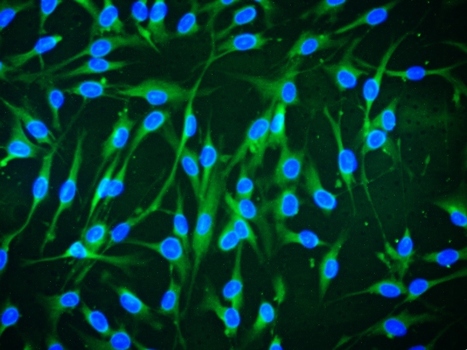


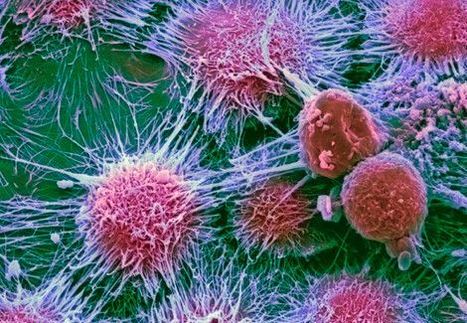

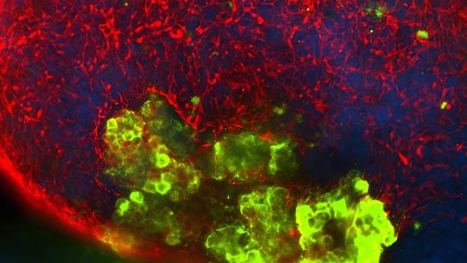














In this study, the authors used an lentiviral vector to generate a human pancreatic cancer cell line (AsPC-1) which stably overexpresses the human serine protease inhibitor Kazal type 1 (SPINK1). They demonstrated that a stable AsPC-1 cell line capable of overexpressing SPINK1 had been successfully created, and that the proliferative capacity of AsPC-1 pancreatic cancer cells was significantly raised by SPINK1 upregulation as well as the ability of a single AsPC-1 cell to grow into a colony.
www.geg-tech.com/Vectors