




Click here to edit the content

 Your new post is loading...
 Scoop.it!
BigField GEG Tech's insight:
In an attempt to modulate mesenchymal stem cells (MSCs) allograft rejection in vivo, the authors transduced MSCs with an interleukin-13 (IL13)-expressing lentiviral vector. Their data clearly indicate that prolonged survival of IL13-expressing allogeneic MSC grafts in muscle tissue coincided with the induction of an alternatively activated macrophage phenotype in vivo and a reduced number of alloantigen-reactive IFNγ- and/or IL2-producing CD8+ T cells compared to nonmodified allografts. Similarly, intracerebral IL13-expressing MSC allografts also exhibited prolonged survival and induction of an alternatively activated macrophage phenotype, although a peripheral T cell component was absent. In summary, this study demonstrates that both innate and adaptive immune responses are effectively modulated in vivo by locally secreted IL13, ultimately resulting in prolonged MSC allograft survival in both muscle and brain tissue. 
Scoop.it!
BigField GEG Tech's insight:
Here, the authors review progress that has been made over the clinical trials using first-generation gamma-retroviral vectors. They talk about vectors which have since been developed, affording comparable efficacy with an improved biosafety profile. These vectors are now in Phase I/II clinical trials for a number of immune disorders with more preclinical studies underway. Targeted gene editing allowing precise DNA correction via platforms such as ZFNs, TALENs and CRISPR/Cas9 may now offer promising strategies to improve the safety and efficacy of gene therapy in the future.
Scoop.it!
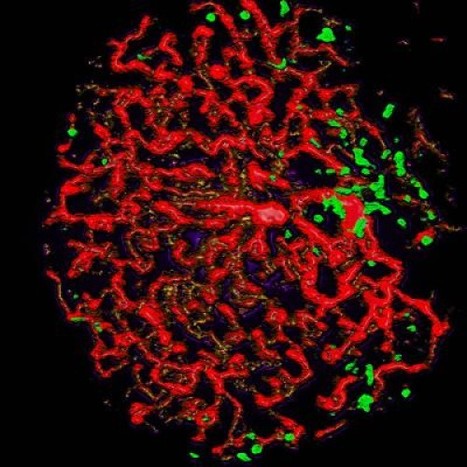
Initial Characterization of Integrase-Defective Lentiviral Vectors for Pancreatic Cancer Gene Therapy
BigField GEG Tech's insight:
A novel HIV-based lentiviral vector can introduce a gene to pancreatic tumor cells that makes them more sensitive to the chemotherapeutic drug gemcitabine, without integrating into cellular DNA. This integrase-defective lentiviral delivery system greatly reduces the risk of insertional mutagenesis and replication-competent lentivirus production, as describe in a new study published in Human Gene Therapy.
Scoop.it!
BigField GEG Tech's insight:
Optogenetics is emerging in the cardiology field as a new strategy to explore biological functions through the use of light-sensitive proteins and dedicated light sources. For example, this technology allows modification of the electrophysiological properties of cardiac muscle cells with superb spatiotemporal resolution and quantitative control. In this chapter, the optogenetic modification of atrial cardiomyocytes (aCMCs) from 2-day-old Wistar rats using lentiviral vector (LV) technology and the subsequent activation of the light-sensitive proteins (i.e., ion channels) through light-emitting diodes (LEDs) are described.
Scoop.it!
BigField GEG Tech's insight:
In this work, the authors investigated the ability of liver-directed AAV-FVIII gene therapy to affect FVIII immunity in hemophilia A mice. Their data suggest that functional differences exist in the immune modulation achieved to FVIII or FIX in hemophilia mice by gene therapy approaches incorporating liver-directed AAV vectors or HSC-directed LV.
Scoop.it!
BigField GEG Tech's insight:
In this work, the authors injected lentiviral vectors expressing microRNA-338 and microRNA-21 in the rat spinal cord to promote functional recovery after peripheral nerve injury in rats. They observe that animals treated with microRNA-338 and microRNA-21 showed significantly better recovery than GFP control group. In conclusion lentiviral vectors encoding microRNA 338 and 21 might be explored in the future as potential therapeutic intervention to promote nerve regeneration.
Scoop.it!
(2015). Obstacles and future of gene therapy for hemophilia. Expert Opinion on Orphan Drugs: Vol. 3, No. 9, pp. 997-1010. doi: 10.1517/21678707.2015.1069179
BigField GEG Tech's insight:
The recent success of early-phase clinical trials for adeno-associated viral (AAV) liver-directed gene therapy for hemophilia B (HB) demonstrates the potential for gene therapy, in the future, to succeed protein-based prophylaxis therapy for HB. Significant obstacles, however, need to be overcome prior to widespread adoption. This review discuss about obstacles such asimmune responses to the AAV capsid including preexisting neutralizing antibodies (NAbs) and a delayed cellular immune response.
Scoop.it!
BigField GEG Tech's insight:
Conventional gammaretroviral vectors achieved successful results in clinical trials: treated patients had therapeutic gene expression in target cells and had improved symptoms of diseases. However, serious side-effects of leukemia occurred, caused by retroviral insertional mutagenesis. The authors discuss about these results and about the design of new tools for gene therapy.
Scoop.it!
BigField GEG Tech's insight:
In this study, the authos investigate about the role of ataxin-3, in Machado-Joseph disease, which causes dendritic and synapse loss in cultured neurons when expanded. In rats stereotaxically injected with expanded ataxin-3–encoding lentiviral vectors, mutation of serine 12 reduces aggregation, neuronal loss, and synapse loss. These results suggest that S12 plays a role in the pathogenic pathways mediated by polyglutamine-expanded ataxin-3 and that phosphorylation of this residue protects against toxicity.
Scoop.it!
BigField GEG Tech's insight:
In the present study, lentiviral vectors encoding Ub-HBcAg (LV-Ub-HBcAg) were designed and constructed as a therapeutic vaccine for immunotherapy. demonstrated that immunization with LV-Ub-HBcAg promoted the secretion of cytokines interleukin-2 (IL-2), interferon-γ (IFN-γ) and tumor necrosis factor-α (TNF-α), generated remarkably high percentages of IFN-γ-secreting CD8+ T cells and CD4+ T cells, and enhanced HBcAg-specific CTL activity in HBV transgenic mice. The therapeutic vaccine LV-Ub-HBcAg could break immune tolerance, and induce potent HBcAg specific cellular immune responses and therapeutic effects in HBV transgenic mice.
Scoop.it!
BigField GEG Tech's insight:
Here the authors used a lentiviral vector which expresses pro-IL-1β as a C-terminal fluorescent Venus protein fusion to transform immortalised mouse bone marrow-derived macrophages (BMDMs) and investigate the mechanisms of IL-1β release from macrophags. They have discovered that the secretion of IL-1β after inflammasome activation requires membrane permeabilisation, and occurs in parallel with the death of the secreting cell. Thus, in macrophages the release of IL-1β in response to inflammasome activation appears to be a secretory process independent of nonspecific leakage of proteins during cell death. The mechanism of membrane permeabilisation leading to IL-1βrelease is distinct from the unconventional secretory mechanism employed by its structural homologues fibroblast growth factor 2 (FGF2) or IL-1α, a process that involves the formation of membrane pores but does not result in cell death. These discoveries reveal key processes at the initiation of an inflammatory response and deliver new insights into the mechanisms of protein release.
Scoop.it!
BigField GEG Tech's insight:
In this study, the authors used lentiviral vectors which express miR-214 or miR-214 sponge to investigate the effect of miR-214 on osteoblast differentiation of mesenchymal stem cells (MSCs) They find that MiR-214 was up-regulated in MSCs of osteoporotic mice and down-regulated during osteoblast differentiation of MSCs. Furthermore, overexpression of miR-214 inhibited osteoblast differentiation of MSCs in vitro, whereas inhibition of miR-214 function promoted this process, evidenced by increased expression of osteoblast-specific genes, alkaline phosphatase (ALP) activity, and matrix mineralization. These findings suggest that targeting miR-214 promises to be a potential therapy in treatment of postmenopausal osteoporosis.
|
Scoop.it!
BigField GEG Tech's insight:
Here, the authors demonstrate that a family of proteins with antiviral activity, interferon induced transmembrane proteins (IFITMs), are more highly expressed in the mouse intrapulmonary airways as compared to the nasal airways. Using GP64 and VSV-G pseudotyped FIV, they show that expression of mouse IFITM1, IFITM2, and IFITM3 restricts gene transfer. Further they show that both the nasal and intrapulmonary airways of IFITM locus knockout mice are more efficiently transduced by GP64-FIV than their heterozygous littermates. The findings are relevant to future pre-clinical and clinical airway gene therapy trials using lentiviral-based vectors.
Scoop.it!
BigField GEG Tech's insight:
The aim of the present study was to clarify whether βcatenin was associated with the proliferation and progress of glioma. To do that, scientists have used lentiviral vectors expressing βcatenin short hairpin (sh)RNA. Their results demonstrated that knockdown of βcatenin expression significantly inhibited the progression of human glioma cancer cells, in vitro and in vivo; thus suggesting that βcatenin silencing may be a novel therapy for the treatment of human glioma.
Scoop.it!
BigField GEG Tech's insight:
Here, the scientists highlight prominent tumorigenic risks of iPSC products, especially when reprogrammed with integrating vectors. Two major underlying mechanisms in iPSC tumorigenicity are residual pluripotent cells and cMYC overload by vector integration.They demonstrate that combined transgene-free (TGF) reprogramming using nonintegrating Sendai viral vectors and enzymatic dissociation allow teratoma-free transplantation of iPSC progeny in the most rigorous mouse model in testing the tumorigenicity of iPSC products.Further long-term safety assessment and improvement in TGF-iPSC specification into a mature b-cell phenotype would lead to customized safe islet replacement therapy for type 1 diabetes.
Scoop.it!
BigField GEG Tech's insight:
Using lentiviral vector products in clinical applications requires an accurate method for measuring transduction titer. Here, the authors describe a 96-well transduction titer assay in which DNA extraction is performed in situ in the transduction plate, yielding quantitative recovery of extrachromosomal DNA. Evaluation of the method’s specificity, linear range, and precision demonstrate that it is suitable for use as a lot release assay to support clinical trials with VP02. Finally, the method is compatible with titering both integrating and nonintegrating lentiviral vectors, suggesting that it may be used to evaluate the transduction titer for any lentiviral vector.
Scoop.it!
BigField GEG Tech's insight:
The present study used a rat model of bone cancer pain in order to investigate whether lentiviral mediated delivery of small interfering RNAs targeting GluN2B (LVGluN2B) could attenuate pain associated with bone cancer, by selectively decreasing GluN2B expression within the rostral anterior cingulate cortex. The results suggest that GluN2B may be a potential target for RNA interference therapy for the treatment of pain associated with bone cancer. Furthermore, the lentiviral vector delivery strategy may be a promising novel approach for the treatment of bone cancer pain.
Scoop.it!
BigField GEG Tech's insight:
Direct induction of induced hepatocytes (iHeps) from fibroblasts holds potential as a strategy for regenerative medicine but until now has only been shown in culture settings. Here, The authors used a polycistronic lentiviral vector wich expresses OXA3, GATA4, HNF1A, and HNF4A to convert mouse myofibroblasts into cells with a hepatocyte phenotype. This direct in vivo reprogramming approach may open new avenues for the treatment of chronic liver disease.
Scoop.it!
BigField GEG Tech's insight:
Here the scientists used a lentiviral vector carrying the ChABC-3F gene without the bacterial leader sequence to test the feasibility of secretion of functional chondroitinase ABC (ChABC), a bacterial enzyme that promotes axonal regeneration after spinal cord injury, from human bone marrow stromal cells (hBMSCs).
Scoop.it!
BigField GEG Tech's insight:
In this study, the authors used a lentiviral vector to express MYOD and improve the myogenic differentiation potential of equine adipose-derived stem cells (eqASCs). They tested this strategy in vitro and in vivo by transplantation of transduced cells into the tibialis anterior muscles of mice. Their findings suggest that limitations in the treatment of equine muscle disorders could be overcome using ASCs.
http://www.geg-tech.com/Portail/index.php/catalog/product/view/id/5809/s/v579014001/
Scoop.it!
BigField GEG Tech's insight:
Nonreplicative recombinant HIV-1-derived lentiviral vectors (LV) are increasingly used in gene therapy. Before they are used in humans, preparations of LV must undergo extensive quality control testing. Here, the scientists propose a practical optimization of this method using a pairwise pooling strategy enabling easier testing of higher vector inoculum volumes. This optimized “RCL-pooling assay” ameliorates the feasibility of the quality control of large-scale batches of clinical-grade LV while maintaining the same sensitivity.
Scoop.it!

bioRxiv - the preprint server for biology, operated by Cold Spring Harbor Laboratory, a research and educational institution
BigField GEG Tech's insight:
Here, the authors assessed the feasibility of utilising the adeno-associated virus 2 (AAV2) to deliver CRISPR/Cas for genome modification of retinal cells in vivo. They observed that AAV2-mediated in vivo delivery of SpCas9 with sgRNA targeting YFP, significantly reduced the number of YFP fluorescent cells of the inner retina of our transgenic mouse model. Overall, they found an 84.0% reduction of YFP-positive cells in YFP-sgRNA infected retinal cells.
Scoop.it!
BigField GEG Tech's insight:
In this work, the authors used lentiviral vectors to overexpressed or inhibited netrin-1 to study its role in spinal cord injury (SCI). They observed that overexpressing netrin-1 enhanced significantly locomotor function, and reduced thermal and mechanical stimuli in vivo while silencing netrin-1 did not significantly change the situation.These findings therefore pointed that Lv-mediated netrin-1 overexpression could promote motor and sensory functional recoveries following spinal cord transduction, and the underlying mechanisms were associated with SYP and GAP-43 expressions. The present study therefore provided a novel strategy for the treatment of SCI and explained the possible mechanisms for the functional improvement.
Scoop.it!
BigField GEG Tech's insight:
According to Stephen Ward, Ph.D., the U.K. means business when it says it has the goal of building a £10 billion ($15 billion) cell and gene therapy industry in that country.
|




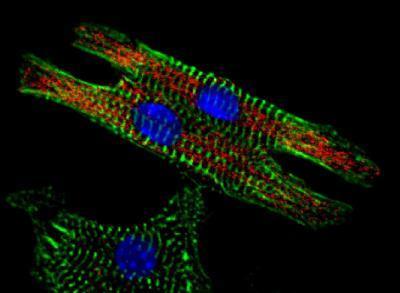







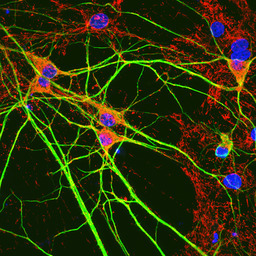
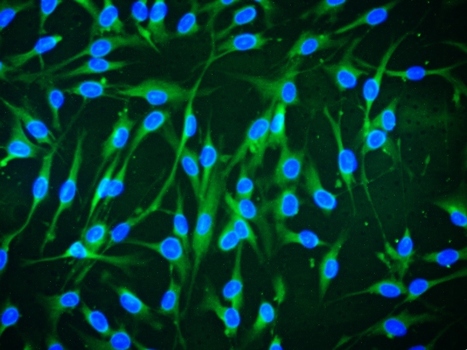




In this study, the scientists construct an RNA interference (RNAi) recombinant lentiviral vector particle targeting DEPDC7 in order to knockdown its gene expression in human hepatocellular carcinoma cell line HepG2. They observe that migration and invasion of transduced HepG2 cells were significantly increased. These data suggest that shRNA-mediated knockdown of DEPDC7 enable promotion of cell migration and invasion.