


Vectorology - GEG Tech top picks
23.4K views |
+3 today
 Your new post is loading...
 Scoop.it!
BigField GEG Tech's insight:
The CRISPR-Cas9 system is revolutionizing genomic engineering and being widely applied in biomedical research with the potential of developing novel therapeutics. To date, a variety of viral systems have been used to deliver CRISPR reagents, including lentiviruses (LVs), adenoviruses (AdVs), and adeno-associated viruses (AAVs). Although viral vectors offer high efficiency of delivery of CRISPR systems in cultured cells or local tissues in vivo, long-term constitutive expression of CRISPRs in cells and tissues for weeks or even longer raises the concern that any potential off-target effects could be exacerbated. To promote the delivery efficiency and to reduce the duration of CRISPR expression via viral vector systems, the scientists design a self-restricted CRISPR system that can be used to shorten Cas9 expression duration within a lentiviral vector format to a couple of days. In this purpose, they re-engineered the lentiCRISPR by inserting a second guide RNA expression cassette using a mouse U6 promoter. From this cassette, a guide RNA targeting Cas9 itself was co-expressed with the guide RNA that recognized the target gene and they named this modified CRISPR system a “self-restricted CRISPR system”. They found that this system limited the expression duration of the Cas9 protein to days even in a genome integrating lentiviral vector, resulting in a significant reduction in off-target effects without influence on on-target efficiency. GEG Tech takes advantages of its unique know-how to design and offer a wide range of CRISPR lentiviral vectors. The biotech provides on shelf vectors but also fully customizable CRISPR lentiviral vectors. About that, they recently published an article with Labiotech to describe the advantages and possibilities open by the lentiviral vectors to the CRISPR system.
To know more about the Article To know more about On Shelf and Customized Services of GEG Tech 
Scoop.it!
BigField GEG Tech's insight:
Scientists recently developed a ZF transcription repressor (ZF-KOX1) able to bind to expanded DNA CAG-repeats in the huntingtin (HTT) gene, which are found in Huntington’s disease (HD). In the present work, they sought to develop a long-term single-injection gene therapy approach in the brain. Nonetheless, they found that using rAAV vector pCAG promoter (CMV early enhancer element and the chicken β-actin promoter) led to a strong reduction in ZF expression by 6 weeks after injection. They therefore tested a new non-viral promoter to see whether the host-adapted ZF expression could be sustained for a longer time. Vectorising mZF-KRAB with a promoter-enhancer from neuron-specific enolase (Eno2, rat) resulted in up to 77 % repression of mutant HTT in whole brain, 3 weeks after bilateral intraventricular injection of 1010 virions. Importantly, repressions of 48 % and 23 % were still detected after 12 and 24 weeks, respectively, indicating that longer term effects are possible.
Scoop.it!
BigField GEG Tech's insight:
Here, the scientists studied a novel 12 base-pair U3-LTR integrase attachment site deletion (U3-LTR att site) mutant and found similar physical titers to the previously reported integrase catalytic core mutant. The U3-LTR att site mutant vector demonstrated integrase-mediated integration at the intact U5-LTR att site and non-integrase mediated integration at the mutated U3-LTR att site. Finally, they combined a variety of mutations and modifications and assessed transgene expression and integration frequency to show that combining modifications can improve the potential clinical utility of non-integrating lentiviral vectors.
Scoop.it!
BigField GEG Tech's insight:
The novel findings described here elucidate some of the cellular mechanisms that impede the cure of KD patients by HSPCT and concomitantly open new directions to enhance the therapeutic efficacy of HSPCT protocols
Scoop.it!
BigField GEG Tech's insight:
In this proof-of-principle study, functional in vivo CFTR channel activity was restored in the airways of CF pigs using a feline immunodeficiency virus–based (FIV-based) lentiviral vector pseudotyped with the GP64 envelope. The results of this study provide the first evidence to our knowledge that lentiviral delivery of CFTR can partially correct the anion channel defect in a large-animal CF model and validate a translational strategy to treat or prevent CF lung disease.
Scoop.it!

Click here to edit the content
BigField GEG Tech's insight:
Genomic integration of transgene by lentiviral vector has been proved an efficient method to produce single-transgenic animals. But it failed to create multi-gene transgenic offspring. Here, the authors have exploited lentivirus to generate the double-transgenic piglets through the female germline. The recombinant lentivirus containing fluorescent proteins genes (DsRed1 and Venus) were injected into the perivitelline space of 2-cell stage in vitro porcine embryos.
Scoop.it!

SIRT1 induces cell survival and has shown neuroprotection against amyloid and tau pathologies in Alzheimer’s disease (AD). However, protective effects against memory loss or the enhancement of cogniti
BigField GEG Tech's insight:
Here, the scientists investigate the benefits induced by SIRT1 overexpression in the hippocampus of the Alzheimer's disease (AD) mouse model. They design a lentiviral vector encoding mouse SIRT1 or GFP, to selectively transduce neurons, and they injected it into the dorsal CA1 hippocampal area of 4-month-old mice. They show that six-month overexpression of SIRT1 fully preserved learning and memory in 10-month-old 3xTg-AD mice. They also uncovered novel pathways of SIRT1 neuroprotection through enhancement of cell proteostatic mechanisms and activation of neurotrophic factors not previously reported such as GDNF, present in both AD-like and healthy neurons. Therefore, SIRT1 may increase neuron function and resilience against AD.
Scoop.it!
BigField GEG Tech's insight:
Lentiviral vector encoding correct IDUA cDNA could be used for treating MPS I. To optimize the lentiviral vector design, 9 constructs were designed by combinations of various promoters, enhancers, and codon optimization. After 30 days, one vector, CCEoIDW, achieved the highest IDUA levels and is selected as the optimal lentiviral vector for treating MPS I disease and will be applied in large animal preclinical studies. Further, taken both in vitro and in vivo comparisons together, codon optimization, use of EF-1α promoter and woodchuck hepatitis virus posttranscriptional response element (WPRE) could enhance transgene expression. These results provided a better understanding of factors contributing efficient transgene expression in lentiviral gene therapies.
Scoop.it!
BigField GEG Tech's insight:
Recombinant proteins of therapeutic use are ideally produced in human cells to ensure appropriate co- and post-translational modifications. CHO cells are mostly used but recent studies highlight that proteins produced in this cell line have a different glycosylation pattern than the same proteins produced in HEK cells, which may affect their function. While the exact implications of differences in glycosylation are not yet fully understood, a strong argument for the production of therapeutic proteins in HEK cells is made by the finding that CHO cells can add terminal galactose-α-1,3-galactose (α-Gal) to proteins. α-Gal is a non-human antigenic glycan and its reaction with circulating antibodies present in most individuals can lead to anaphylaxis. This glycan is absent in proteins produced in HEK cells. In this related study, scientists describe a simple and effective method for the purification of a His-tagged human protein from the culture media of lentiviral vector-transduced HEK 293 T cells. All reagents are readily available at a relatively low cost and no specialized equipment is needed to complete the procedure. Using soluble CD4 (sCD4), a truncated version of the CD4 receptor that is secreted, they showed that lentiviral vector mediated over 10-fold higher secretion of the protein in comparison to 293 T cells. Furthermore, small-scale purification from 50 ml of culture media with reduced serum content yielded up to 1 mg of pure sCD4. The procedure outlined in this study can be performed without the need for specialized reagents or equipment and could easily be adapted by any laboratory. This strategy can be adapted to a large-scale format without significantly increasing the cost to further improve the yield.
To know more about the Article To know more about GEG Tech Lenti-ONE Vectors
Scoop.it!
BigField GEG Tech's insight:
Here, the authors developed an inducible gRNA (gRNAi) AAV vector that is designed to express the gRNA from a H1/TO promoter. This AAV vector is also designed to express the Tet repressor (TetR) to regulate the expression of the gRNAi in a Dox dependent manner. They show that H1/TO promoters of varying length and a U6/TO promoter can edit DNA with similar efficiency in vitro, in a Dox dependent manner. Genome editing can be induced in vivo with this system by supplying animals Dox containing food for as little as 1 day. This system might be cross compatible with many existing S. pyogenes Cas9 systems (i.e., Cas9 mouse, CRISPRi, etc.), and therefore it likely can be used to render these systems inducible as well.
Scoop.it!
BigField GEG Tech's insight:
Here, the scientists showed that adeno-associated viruses-GDF11 (AAV-GDF11) and recombinant GDF11 protein improve endothelial dysfunction, decrease endothelial apoptosis and reduce inflammation, consequently decrease atherosclerotic plaques area in apolipoprotein E-/- mice. Moreover, AAV-GDF11 and recombinant GDF11 stabilize atherosclerotic plaques by selectively decreasing in macrophages and T lymphocytes and increasing in collagen and vascular smooth muscle cells within plaques. In addition, GDF11 inhibit palmitic acid (PA)-induced endothelial apoptosis and ameliorate PA-induced inflammatory response in RAW264.7 macrophages in vitro. They concluded that AAV-GDF11 and recombinant GDF11 protect against endothelial injury and reduces atherosclerosis in apolipoprotein E-/-mice, thus maybe providing a novel approach to the treatment of atherosclerosis.
Scoop.it!
BigField GEG Tech's insight:
Here, the scientists demonstrate that CAR T cells can be engineered through non-viral Sleeping Beauty (SB) transposition of CAR genes from minimalistic DNA vectors called minicircles (MCs). CD19-CAR T cells engineered with the enhanced SB approach conferred potent reactivity in vitro and eradicated lymphoma in a xenograft model in vivo. Intriguingly, electroporation of SB MCs is substantially more effective and less toxic compared with conventional plasmids, and enables cost-effective rapid preparation of therapeutic CAR T-cell doses. This approach sets a new standard in advanced cellular and gene therapy and will accelerate and increase the availability of CAR T-cell therapy to treat hematologic malignancies.
|
Scoop.it!
BigField GEG Tech's insight:
In neurology, It is critical to be able to transfer genes in the primate brain to the study of neural connectivities and neural circuits. In this review, the authors summarize their current achievements as follows 1) They compared the features of gene transfer using five different AAV serotypes in combination with three different promoters, 2) They used target-specific double-infection techniques in combination with TET-ON and TET-OFF using lentiviral retrograde vectors for enhanced visualization of neural connections. 3) They used an AAV-mediated gene transfer method to study the transcriptional control for amplifying fluorescent signals using the TET/TRE system in the primate neocortex.
Scoop.it!
BigField GEG Tech's insight:
CRISPR-Cas9 is the most powerful gene-editing technology to date. For all of its promise, the application of CRISPR remains limited because of inefficient delivery. It’s not much use if it’s impossible to deliver the technology to therapeutic targets!
GEG-Tech offers to take advantage of its unique know-how in lentiviral vectors to improve the efficiency of delivery of your favorite CRISPRs. You will find a wide range of Cas9 lentiviral vectors through its catalog or easily step in to help the vectorization of your CRISPR, just go to our On-Demand - Advanced Program and design your favorite CRISPR vector with several relevant options.
Scoop.it!
BigField GEG Tech's insight:
In the mid-1990s, several years after a variety of viral vectors started being used for gene transfer into cells, tissues, and in some cases humans, it became clear that there were considerable limitations. For applications requiring a stable genetic modification that could lead to sustained gene expression in cells and their progeny, a delivery vehicle was needed that could transduce foreign cargo into dividing and nondividing cells, without causing immuno- or genotoxicity. A decade earlier, human immunodeficiency virus (HIV) had been identified as the cause of AIDS, and rapid studies of its biology led to the idea that this genus of retrovirus—lentiviruses—could be optimized for gene therapy.
Scoop.it!

Baboon envelope pseudotyped lentiviral vectors transduce efficiently human B cells and allow active factor IX B cell secretion in vivo in NOD/SCID mice
BigField GEG Tech's insight:
B cells are attractive targets for gene therapy of diseases associated with B-cell dysfunction and particularly interesting for immunotherapy. However, these cells are commonly refractory to transducing gene vectors. In this study, the scientists design a new lentiviral vector with the baboon envelope. They tested this new vector for human (h) B-cell transduction followed their adaptive transfer into NSG mouse. They observe that, upon B-cell receptor stimulation, BaEV-LVs transduced up to 80% of hB cells, while VSV-G-LV only reached 5%. Remarkably, BaEVTR-LVs permitted efficient transduction of 20% of resting naive and 40% of resting memory B cells. As proof of principle, they assessed BaEV-LV for transfer of human factor IX (hFIX) into B cells. BaEV-LVs encoding FIX efficiently transduced hB cells and their transfer into NSG mice demonstrated for the first time secretion of functional hFIX from hB cells at therapeutic levels in vivo. This study illustrates the multifaceted feature of lentiviral vectors that makes it a high powerful gene transfer tool. GEG Tech offer high efficient lentiviral vectors with several different design options, including different pseudotype. We provide VSV or Mokola envelope pseudotyped lentiviral vectors through our catalog and design also other envelopes on demand.
To know more about the Article To know more about our Mokola LV To know more about our Custom LV
Scoop.it!
BigField GEG Tech's insight:
Here, the scientists generated human iPSC (hiPSC) clones via reprogramming of skin fibroblasts derived from normal donors and patients affected by metachromatic leukodystrophy (MLD), a fatal neurodegenerative lysosomal storage disease caused by genetic defects of the arylsulfatase A (ARSA) enzyme. They differentiated hiPSCs into NSCs (hiPS-NSCs) sharing molecular, phenotypic, and functional identity with hfNSCs, which we used as a “gold standard” in a side-by-side comparison when validating the phenotype of hiPS-NSCs and predicting their performance after intracerebral transplantation.
Scoop.it!
BigField GEG Tech's insight:
Lentiviral vectors (LVs)-mediated gene transfer is an efficient method for ex vivo and in vivo gene therapy. Actually, LVs have been used in several clinical trials and therapeutic correction was reached in affected patients. However, in order to be effective gene therapy needs to be efficient without detrimental effects for target cells. Successful cell transduction by LVs can be hampered by several factors such as the activation of innate immune sensors during cell transduction and different restriction factors (RFs) inhibiting viral replication inside the cells. Therefore, a better knowledge of host–vector interactions is important for the development of more efficient gene therapy strategies improving the LVs platform by limiting harmful responses.
Scoop.it!
BigField GEG Tech's insight:
A significant recent advance in genome engineering is the development of the CRISPR/Cas9 system for nuclease based genome editing. However, several cell types are not easily transfected and in vivo delivery of the CRISPR system remains challenging. To enhance delivery efficiency, one solution is use of viral vectors such as lentiviral or adeno-associated viral systems. However, these viral vectors have the potential for undesired random integration into the host genome. In this study, the scientists repurpose Sendai virus, an RNA virus with no viral DNA phase as a delivery system for efficient Cas9-mediated gene editing. The high efficiency of Sendai virus infection resulted in high rates of on-target mutagenesis in cell lines (75–98% at various endogenous and transgenic loci) and primary human monocytes (88% at the ccr5 locus) in the absence of any selection. In conjunction with extensive former work on Sendai virus as a promising gene therapy vector that can infect a wide range of cell types including hematopoietic stem cells, this proof-of-concept study opens the door to using Sendai virus as well as other RNA viral vectors as versatile and efficient tools for gene editing. GEG Tech develops several lines of vectors based on lentivirus and offers to include CRISPR system within. For the moment, GEG Tech provides the CRISPR system into integrating lentiviral vectors and non-integrating lentiviral vectors which already offer a wide range of applications. The R&D team is working to include the CRISPR system in the specific line of vectors only developed by GEG Tech which is RNA lentiviral vector. In this way, the CRISPR system may benefit to the advantage of the lentiviral vector technology: efficiency, cell/tissue specificity, high cargo capacity and low immunogenicity while being expressed transiently and having high level of biosafety. We look forward to offering you this type of vector!
Scoop.it!

Safe and efficient gene transfer systems are the basis of gene therapy applications. Non-integrating lentiviral (NIL) vectors are among the most promising candidates for gene transfer tools, because t
BigField GEG Tech's insight:
In this work, the authors report the design of a non-integrating lentiviral vector that contains the minimal scaffold/matrix attachment region (S/MAR) sequence (SNIL), and this SNIL vector is able to retain episomal transgene expression in dividing cells. Using SNIL vectors, they detected the expression of the eGFP gene for 61 days in SNIL-transduced stable CHO cells, either with selection or not.
Scoop.it!
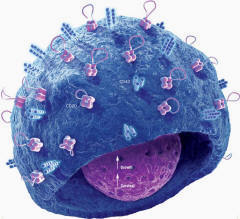
Background: Gene therapy is a promising approach for the treatment of various cancers.
BigField GEG Tech's insight:
In the present study the scientists constructed an episomal lentiviral vector using the β-interferon matrix attachment region to express the microRNA -145 (miR-145), and examining the effect of miR-145 overexpression on human esophageal carcinoma (EC) cells. They found that miR-145 overexpression inhibited cell proliferation and induced apoptosis. Moreover, the lentiviral vector did not integrate into the host genome, but was maintained episomally at lower copy numbers. The m.iR-145-expressing episomal lentiviral vectors could be a promising tool for gene therapy in the treatment of EC.
Scoop.it!
BigField GEG Tech's insight:
Here the scientists optimised insulin production using lentiviral transduced canine mesenchymal stromal cells (MSCs) aiming to evaluate their ability for use as surrogate beta cells. Lentivirus vectors encoding the proinsulin gene under the control of SFFV, CMV, EF1α and SV40 promotors were generated and used to transduce primary cMSCs and a hepatocyte cell line. Their results suggest that optimised lentiviral transduction of the insulin gene into primary canine MSCs renders these cells capable of secreting insulin both short- and long-term, in sufficient quantities in vitro to support their potential use in insulin gene therapy.
Scoop.it!
BigField GEG Tech's insight:
Here, the scientists show that a somatic gene therapy using the gene for a modified U7 RNA which stimulates this splicing has a profound and persistent therapeutic effect on the phenotype of a severe Spinal Muscular Atrophy (SMA) mouse model. To this end, the U7 gene and AAV9 vector particles were designed. Introduction of the functional vector into motoneurons of newborn SMA mice by intracerebroventricular injection led to a highly significant, dose-dependent increase in life span and improvement of muscle functions. Besides the central nervous system, the therapeutic U7 RNA is expressed in the heart and liver which may additionally contribute to the observed therapeutic efficacy. This approach provides an additional therapeutic option for SMA and could also be adapted to treat other diseases of the central nervous systems with regulatory small RNA genes.
Scoop.it!
BigField GEG Tech's insight:
Gene therapeutic strategies with suicide genes are currently investigated in clinical trials for brain tumors. In this work, the authors tested lentiviral vectors delivering the suicide gene HSV-Tk.007 to rat brains as a preclinical toxicity study. Analysis of HSV-Tk expression in different brain cell populations showed that transduced normal brain cells survived Ganciclovir treatment. There were no statistically significant differences in the number of transduced cells between treatment and control groups. Furthermore, inflammatory responses and apoptosis of brain cells were not observed. This observation is of high relevance for translation of lentivirus-mediated suicide gene therapies into the clinic to treat brain tumor patients.
|



















AIM-listed pharmaceutical Oxford BioMedica’s RetinoStat, the first ocular lentiviral gene therapy to be administered in humans, demonstrated a “favourable safety profile with no serious adverse events” in its phase one study.
Results of the study, which were previously published in the peer-reviewed Human Gene Therapy journal in May, found from RetinoStat that therapeutic transgenes was directly measured in patient humor samples and showed a dose response which was stable and persistent in all patients.