




Vectorology - GEG Tech top picks
23.4K views |
+3 today
 Your new post is loading...
 Scoop.it! 
Lentiviral transduction and transplantation of hematopoietic stem cells (HSC) can be utilized to modify the phenotype of megakaryocytes and platelets. As the genetic modification in HSC i
BigField GEG Tech's insight:
In this study, the scientists introduced promoters of megakaryocyte/platelet-specific genes, namely human glycoprotein 6 (hGP6) and hGP9, into third generation lentiviral vectors and analyzed their functionality in-vitro and in-vivo in bone marrow transplantation assays. They demonstrate that expression from the mPf4 vector in MKs and platelets was the strongest similar to the viral SFFV promoter, however, also exhibit considerable off-target expression in hematopoietic stem and progenitor cells (HSPC). In contrast, the newly generated hGP6 vector was highly specific to megakaryocytes and platelets. The specificity was also retained when reducing the promoter size to 350 bp, making it a valuable new tool for lentiviral expression in MK/platelets. 
Scoop.it!
BigField GEG Tech's insight:
Calimmune, Inc., a clinical-stage gene therapy company announced a license agreement with Cincinnati Children’s Hospital Medical Center (Cincinnati Children’s) to develop and commercialize gene therapies combining Calimmune’s Select+™ technology with Cincinnati Children’s proprietary gene therapy construct for the treatment of patients with sickle cell disease and beta thalassemia. Calimmune’s Select+™ platform aims to improve engraftment of stem cell gene therapies through a post-cellular infusion selection process.
Scoop.it!

Homology directed repair (HDR)-based genome editing via selectable long flanking arm donors can be hampered by local transgene silencing at transcriptionally silent loci.
BigField GEG Tech's insight:
Here, the scientists report efficient bi-allelic modification of a silent locus in patient-derived hiPSC by using Cas9 nickase and a silencing-resistant donor construct. To identify the most active single guide RNA (sgRNA)/nickase combinations, they employed a lentiviral vector-based reporter assay to determine the HDR efficiencies in cella. This study introduces an improved system for efficient bi-allelic modification of transcriptionally silent loci in human pluripotent stem cells.
Scoop.it!
BigField GEG Tech's insight:
For this first-in-man CF trial using the lentiviral vector the scientists designed a hybrid promoter hybrid cytosine guanine dinucleotide (CpG)- free CMV enhancer/elongation factor 1 alpha promoter (hCEF) consisting of the elongation factor 1α promoter and the cytomegalovirus enhancer which was most efficacious in both murine lungs and human ALI cultures (both at least 2-log orders above background). The efficacy (at least 14% of airway cells transduced), toxicity and integration site profile supports further progression towards clinical trial and pre-existing and acquired immune responses do not interfere with vector efficacy. The lead rSIV.F/HN candidate expresses functional CFTR and the vector retains 90–100% transduction efficiency in clinically relevant delivery devices. The data support the progression of the F/HN-pseudotyped lentiviral vector into a first-in-man CF trial in 2017.
Scoop.it!

Paperity: the 1st multidisciplinary aggregator of Open Access journals & papers. Free fulltext PDF articles from hundreds of disciplines, all in one place
BigField GEG Tech's insight:
Here, the scientists demonstrate that a VSV-G pseudotyped lentivector, carrying the FANCC transgene, can be transmitted from carrier to bystander cells. In cell culture and transplantation models of FA, they further demonstrate that LV carrier cells migrate along SDF-1α gradients and transfer vector particles that stably integrate and phenotypically correct the characteristic DNA alkylator sensitivity in murine and human FA-deficient target bystander cells. Altogether, they demonstrate that cellular homing mechanisms can be harnessed for the functional phenotype correction in murine FA hematopoietic cells.
Scoop.it!

UK researchers have delivered gene therapy to the brain of mice that prevented the development of Alzheimer’s disease. http://www.pnas.org/content/113/43/12292.full
BigField GEG Tech's insight:
Researchers have successfully used a viral transport mechanism to deliver a gene to the brain of mice that prevented the development of Alzheimer’s disease (AD). The results could have a profound impact on the future of gene therapy in treating Alzheimer’s.
Scoop.it!

Traumatic spinal cord injury (SCI) causes tissue loss and associated neurological dysfunction attributable to both mechanical damage and secondary biochemical and physiological responses. Upregulation
BigField GEG Tech's insight:
Here, using lentiviral vectors (LV), the scientists induced the expression of the cyclin-dependent kinase (CDK) inhibitor p27kip1 in the lesioned spinal cord of adult rat. Treatment with LV-p27kip1significantly reduced the expression of cell cycle proteins and improved functional recovery. In addition, p27kip1 overexpression also reduced lesion volume, decreased astrocytic reactivity, attenuated microglial activation, reduced cell death, and improved the local microenvironment. They suggest that these effects reflect the ability of p27kip1 to inhibit cell cycle pathways. Thus, the present study provides further support for the therapeutic potential of cell cycle inhibitors in the treatment of SCI.
Scoop.it!

Long non-coding RNAs are identified using a high-throughput paired-guide RNA genomic deletion screen.
BigField GEG Tech's insight:
Here, the scientists report a high-throughput genomic deletion strategy to screen for functional long non-coding RNAs (lncRNAs) that is based on a lentiviral paired-guide RNA (pgRNA) library. Applying their screening method, they identified 51 lncRNAs that can positively or negatively regulate human cancer cell growth. They validated 9 of 51 lncRNA hits using CRISPR–Cas9-mediated genomic deletion, functional rescue, CRISPR activation or inhibition and gene-expression profiling. Their high-throughput pgRNA genome deletion method will enable rapid identification of functional mammalian non-coding elements.
Scoop.it!
BigField GEG Tech's insight:
CAR-T has become a hype within the biotech field recently. Companies promising to deliver this new generation of therapies are shining on stock markets, sometimes leading to billion-dollar valuations. But the rise of CAR-Ts would not have been possible without a crucial technology: the lentiviral vector!
Scoop.it!
BigField GEG Tech's insight:
This review presents the challenges of up-scaling lentivirus production and processing approaches, novel systems for overcoming these issues, and the quality assessments recommended for producing a clinical grade lentiviral gene therapy product.
Scoop.it!

Synthetic Biology and Occupational Risk. Journal of Occupational and Environmental Hygiene. Accepted 29 August 2016. doi: 10.1080/15459624.2016.1237031
BigField GEG Tech's insight:
A greater number and variety of workers will be exposed to commercial synthetic biology risks in the future, including risks to a variety of workers from the use of lentiviral vectors as gene transfer devices. There is a need to review and enhance current protection measures in the field of synthetic biology, whether in experimental laboratories where new advances are being researched, in health care settings where treatments using viral vectors as gene delivery systems are increasingly being used, or in the industrial bioeconomy.
Scoop.it!
BigField GEG Tech's insight:
This study tested the safety and expression profile of a lentiviral Equine Infectious Anemia Virus (EIAV) vector expressing endostatin and angiostatin (RetinoStat®). Patients with advanced NVAMD were enrolled at three centers in the United States, and the study eye received a subretinal injection of vector. Long-term follow-up demonstrated expression was maintained at last measurement (2.5 years in eight subjects and >4 years in two subjects). Despite an apparent reduction in fluorescein angiographic leakage that broadly correlated with the expression levels in the majority of patients, only one subject showed convincing evidence of anti-permeability activity in these late-stage patients.
|
Scoop.it!

A lentiviral library expressing Cpf1 guide RNAs and containing target sequences allows high-throughput profiling of highly active guide RNAs and is the basis for cindel, a webtool to predict the activity at any given target sequence.
BigField GEG Tech's insight:
Here, the scientists developed a method for evaluating Cpf1 activity, based on target sequence composition in mammalian cells, in a high-throughput manner. A library of >11,000 target sequence and guide RNA pairs was delivered into human cells using lentiviral vectors. Subsequent delivery of Cpf1 into this cell library induced insertions and deletions (indels) at the integrated synthetic target sequences, which allowed en masse evaluation of Cpf1 activity by using deep sequencing. Both the Cpf1 characterization profile and the in vivo high-throughput evaluation method will greatly facilitate Cpf1-based genome editing.
Scoop.it!
BigField GEG Tech's insight:
In order to develop novel strategies to genetically manipulate T-ALL leukaemia-initiating cells (LIC), the scientists examined whether primary TALL cells express the receptors for different lentiviral vector pseudotyping glycoproteins, such as the vesicular-stomatitis-virus G protein (VSVG) (4), the measles virus hemagglutinin (H) and fusion (F) glycoproteins (5) and the baboon retroviral envelope glycoprotein (BaEV) (6). In summary, they find that BaEV-pseudotyped LVs have an exceptional capacity to transduce T-ALL LICs without altering their self-renewing properties.
Scoop.it!

bluebird bio, Inc. (Nasdaq: BLUE), a clinical-stage company committed to developing potentially transformative gene therapies for severe genetic disease
BigField GEG Tech's insight:
LentiGlobin drug product manufactured with process 2 for two patients in HGB-206 and HGB-207 confirms two-to-threefold increase in vector copy numbers (VCNs) observed in retrospective in vitro analyses of patients’ transduced cell
Scoop.it!
BigField GEG Tech's insight:
In this work, the authors tested whether known viral pseudo-typing proteins or surface proteins known to be recruited to the HIV envelope could be engineered to carry neutralising epitopes from another microorganism onto the lentiviral surface. Their results identify ICAM1 as a novel vehicle for lentiviral pseudo-typing. Importantly, they show that in a model lentiviral system ICAM1 can be engineered in chimeric form to result in expression of a fragment of the Tetanus toxoid on the viral membrane and that these viruses can then be neutralised by human serum antibodies protective against Tetanus. This raises the possibility of delivering chimeric antigens as a gene therapy in HIV infected patients.
Scoop.it!
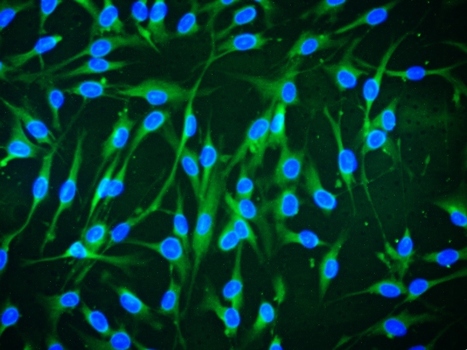
Conditional transgene expression in human stem cells has been difficult to achieve due to the low efficiency of existing delivery methods, the strong silencing of the transgenes and the toxicity of the regulators.
BigField GEG Tech's insight:
In the present study, the scientists aim the generation of Tet-On all-in-one lentiviral vectors (LVs) that tightly regulate transgene expression in human stem cells using the original TetR repressor. By using appropriate promoter combinations and shielding the LVs with the Is2 insulator, they have constructed the Lent-On-Plus Tet-On system that achieved efficient transgene regulation in human multipotent and pluripotent stem cells. Lent-On-Plus is the first all-in-one vector system that tightly regulates transgene expression in bulk populations of human pluripotent stem cells and its progeny.
Scoop.it!
BigField GEG Tech's insight:
Virus-like particles (VLPs) derived from retroviruses and lentiviruses can be used to deliver recombinant proteins without the fear of causing insertional mutagenesis to the host cell genome. In this study the scientists evaluate the potential of an inducible lentiviral vector packaging cell line for VLP production. The results demonstrated that their platform produced VLPs capable of efficient protein transfer, and it was shown that protein engineering can be used to improve the activity of the delivered proteins as well as VLP production.
Scoop.it!

Retroviral gene therapy offers immense potential to treat many genetic diseases and has already shown efficacy in clinical trials.
BigField GEG Tech's insight:
In this work, the authors successfully retargeted foamy retroviral vectors away from genes and into satellite regions enriched for trimethylated histone H3 at lysine 9 by modifying the foamy virus Gag and Pol proteins. As proof of principle for use in the clinic they show efficient transduction and retargeting in human cord blood CD34+ cells. The modified Gag and Pol helper constructs they describe will allow any investigator to simply use these helper plasmids during vector production to retarget therapeutic foamy retroviral vectors.
Scoop.it!
BigField GEG Tech's insight:
This study tested the safety and expression profile of a lentiviral Equine Infectious Anemia Virus (EIAV) vector expressing endostatin and angiostatin (RetinoStat®).
Scoop.it!

Sflomos et al. show that engrafting human estrogen receptor α-positive breast tumors
BigField GEG Tech's insight:
Seventy-five percent of breast cancers are estrogen receptor a positive (ER+). Research on these tumors is hampered by lack of adequate in vivo models In this study, the authors used lentiviral vectors to develope a new model for ER+ breast cancer. This model provides opportunities for translational research and the study of physiologically relevant hormone action in breast carcinogenesis. GEG Tech offers the same types of vectors and, by the way, provides now this team for their expermients.
Scoop.it!

A review of Rett syndrome (RTT) with induced pluripotent stem cells
BigField GEG Tech's insight:
The current review projects on iPSC studies in RTT as well as XCI in hiPSC were it suggests for screening new potential therapeutic targets for RTT in future for the benefit of RTT patients. In conclusion, patient-specific drug screening might be feasible and would be particularly helpful in disorders where patients frequently have to try multiple drugs before finding a regimen that works.
Scoop.it!
BigField GEG Tech's insight:
In this study, the authors design a lentiviral vector to express Cas9 and gRNA to suppress ocular angiogenesis by genomic disruption of VEGF-A in human RPE cells. Lentiviral delivery of the top-scoring gRNAs with SpCas9 resulted in indel formation in the VEGF-A gene at frequencies up to 37.0% with corresponding decreases in secreted VEGF-A protein up to 41.2%, and reduction of endothelial tube formation up to 39.4%. The CRISPR-Cas9 endonuclease system may reduce VEGF-A secretion from human RPE cells and suppress angiogenesis, supporting the possibility of employing gene editing for antiangiogenesis therapy in ocular diseases.
Scoop.it!
BigField GEG Tech's insight:
Along with nucleic acids, HIV-1 virions carry the enzymatic tools that are essential for early steps of infection. Such capacity to package enzymes, even proteins of nonviral origin, has unveiled new ways of exploiting cellular intrusion of HIV-1. Here, the authors briefly describe intracellular restrictions that may affect lentiviral gene and protein delivery and review the current status of lentiviral particles as carriers of tool kits for genome engineering.
|













Research into the properties of Japanese encephalitis virus (JEV) has been facilitated by use of pseudotyped viruses. In this study, the scientists generated three lentiviral vectors pseudotyped with JEV envelope proteins that co-express either a strong signal peptide from vesicular stomatitis virus (VSV)-G (VSVMEpv) or a weak signal peptide of JEV (SPMEpv), or a virus without a signal peptide in front of the JEV prM/E (MEpv).
Their results show that the titer of VSVMEpv was 17-fold higher than that of MEpv, while the titer of SPMEpv was six-fold higher than that of MEpv.
This study provided a cost-effective method to generate pseudotyped JEV-E based lentiviral vectors, which may represent a valid model to investigate some of the infectious properties of JEV.