Your new post is loading...
General Assembly of the United Nations Back to top69th regular session of the General Assembly Mural inspired by Fernand Léger, painted in the General Assembly Hall. (UN Photo) UN Web Services Section, Department of Public Information, United Nations This page
is safe Bitdefender Antivirus Plus
International YearsThese are the international years currently observed by the United Nations.
The resolution establishing each international year is listed in parenthesis.
International WeeksThese are the international weeks currently observed by the United Nations.
The resolution establishing each international week is listed in parenthesis.
- Home
- United Nations Observances
United Nations Observances The United Nations observes designated days, weeks, years, and decades, each with a theme, or topic. By creating special observances, the United Nations promotes international awareness and action on these issues. The majority of observances have been established by resolutions of the United Nations General Assembly, although some have been designated by UN specialized agencies. The United Nations also observes anniversaries of key events in its history. UN Photo/Albert González Farran A young woman at Zam Zam Camp for internally displaced in North Darfur, Sudan, participates in an event in 2012 which promoted the message, “Together to Protect Women from Violence”, as part of the Sixteen Days of Activism against Gender Violence campaign, which takes place between the International Day for the Elimination of Violence against Women (25 November) and International Human Rights Day (10 December) to symbolically link the spirit of both events. This page
is safe Bitdefender Antivirus Plus
- Home
- Where We Work
Where We Work The work of the UN is global, touching the lives of billions of people. The work of the Organization is, however, mostly done locally, within regions and countries. In order to accomplish this, the UN and the many entities comprising the “UN system” have created a presence in every region of the world, so the people most in need of help can be reached quickly. The UN’s work is divided into five geographical regions: Africa, Americas, Asia and the Pacific, Europe and Central Asia, and the Middle East. Here is an overview of each area, with links to relevant offices, agencies and programmes: A school girl during a class break in 2013 at the school run by the Hawa Abdi Centre in the Afgooye Corridor, Somalia, which has for decades helped tens of thousands of Somalis displaced by civil war. AfricaThe two main centres of UN activity in Africa are Nairobi, Kenya and Addis Ababa, Ethiopia. There are also, in Africa, many regional and country offices of UN system entities, UN political offices, and nine UN peacekeeping missions. View of the Gray Lake Glacier in Torres del Paine, Chile. where Secretary-General Ban Ki-moon visited in 2007 to see first hand the effects of the climate change on melting glaciers. Early in the morning, when farmers go to paddy fields, in Maos village, central Java, Indonesia. An aerial view of the United Nations Office at Geneva (UNOG), Switzerland. A woman and child at Za’atri refugee camp in 2012, host to tens of thousands of Syrians displaced by conflict, near Mafraq, Jordan. Secretary-General Ban Ki-moon visited the camp in 2012 as part of a two-leg trip to Jordan and Turkey to assess the Syrian refugee situation in those countries. Middle EastThe centre of UN activity in the Middle East is Beirut, Lebanon, home to the Economic and Social Commision for Western Asia. In addition to ESCWA, there are also UN political offices in the Middle East, and many regional and country offices of UN system entities in the Middle East and North Africa region. This page
is safe Bitdefender Antivirus Plus
- Home
- About the UN
About the UN OverviewThe United Nations is an international organization founded in 1945. It is currently made up of 193 Member States. The mission and work of the United Nations are guided by the purposes and principles contained in its founding Charter. Member StatesEach of the 193 Member States of the United Nations is a member of the General Assembly. States are admitted to membership in the UN by a decision of the General Assembly upon the recommendation of the Security Council. Main OrgansThe main organs of the UN are the General Assembly, the Security Council, the Economic and Social Council, the Trusteeship Council, the International Court of Justice, and the UN Secretariat. All were established in 1945 when the UN was founded. LeadershipThe Secretary-General of the United Nations is a symbol of the Organization's ideals and a spokesman for the interests of the world's peoples, in particular the poor and vulnerable. The current Secretary-General of the UN, and the eighth occupant of the post, is Mr. Ban Ki-moon of the Republic of Korea, who took office on 1 January 2007. The UN Charter describes the Secretary-General as "chief administrative officer" of the Organization. SecretariatThe Secretariat, one of the main organs of the UN, is organized along departmental lines, with each department or office having a distinct area of action and responsibility. Offices and departments coordinate with each other to ensure cohesion as they carry out the day to day work of the Organization in offices and duty stations around the world. At the head of the United Nations Secretariat is the Secretary-General. Funds, Programmes, Specialized Agencies and OthersThe UN system, also known unofficially as the "UN family", is made up of the UN itself and many affiliated programmes, funds, and specialized agencies, all with their own membership, leadership, and budget. The programmes and funds are financed through voluntary rather than assessed contributions. The Specialized Agencies are independent international organizations funded by both voluntary and assessed contributions. Origin & HistoryThe name "United Nations", coined by United States President Franklin D. Roosevelt was first used in the Declaration by United Nations of 1 January 1942, during Second World War.
This page
is safe Bitdefender Antivirus Plus
The first meetings of the General Assembly, with 51 nations represented, and the Security Council took place in London beginning 6 January 1946. The General Assembly selected New York City as the site for the headquarters of the United Nations, and the facility was completed in 1952.
Evaluations, awards, and criticismA number of agencies and individuals associated with the UN have won the Nobel Peace Prize in recognition of their work. Two Secretaries-General, Dag Hammarskjöld and Kofi Annan, were each awarded the prize (in 1961 and 2001, respectively), as were Ralph Bunche (1950), a UN negotiator, René Cassin (1968), a contributor to the Universal Declaration of Human Rights, and the US Secretary of State Cordell Hull (1945), the latter for his role in the organization's founding. Lester B. Pearson, the Canadian Secretary of State for External Affairs, was awarded the prize in 1957 for his role in organizing the UN's first peacekeeping force to resolve the Suez Crisis. UNICEF won the prize in 1965, the International Labour Organization in 1969, the UN Peace-Keeping Forces in 1988, the International Atomic Energy Agency (which reports to the UN) in 2005, and the UN-supported Organization for the Prohibition of Chemical Weapons in 2013. The United Nations High Commissioner for Refugees was awarded in 1954 and 1981, becoming one of only two recipients to win the prize twice. The UN as a whole was awarded the prize in 2001, sharing it with Annan.[163] Since its founding, there have been many calls for reform of the United Nations but little consensus on how to do so. Some want the UN to play a greater or more effective role in world affairs, while others want its role reduced to humanitarian work. There have also been numerous calls for the UN Security Council's membership to be increased, for different ways of electing the UN's Secretary-General, and for a United Nations Parliamentary Assembly. Jacques Fomerand states the most enduring divide in views of the UN is "the North–South split" between richer Northern nations and developing Southern nations. Southern nations tend to favour a more empowered UN with a stronger General Assembly, allowing them a greater voice in world affairs, while Northern nations prefer an economically laissez-faire UN that focuses on transnational threats such as terrorism.[164] After World War II, the French Committee of National Liberation was late to be recognized by the US as the government of France, and so the country was initially excluded from the conferences that created the new organization. The future French president Charles de Gaulle criticized the UN, famously calling it a machin ("contraption"), and was not convinced that a global security alliance would help maintain world peace, preferring direct defence treaties between countries.[165] Throughout the Cold War, both the US and USSR repeatedly accused the UN of favouring the other. In 1953, the USSR effectively forced the resignation of Trygve Lie, the Secretary-General, through its refusal to deal with him, while in the 1950s and 1960s, a popular US bumper sticker read, "You can't spell communism without U.N.".[166] In a sometimes-misquoted statement, President George W. Bush stated in February 2003 (referring to UN uncertainty towards Iraqi provocations under the Saddam Hussein regime) that "free nations will not allow the United Nations to fade into history as an ineffective, irrelevant debating society."[167][168][169] In contrast, the French President, François Hollande, stated in 2012 that "France trusts the United Nations. She knows that no state, no matter how powerful, can solve urgent problems, fight for development and bring an end to all crises... France wants the UN to be the centre of global governance."[170] Critics such as Dore Gold, an Israeli diplomat, Robert S. Wistrich, a British scholar, Alan Dershowitz, an American legal scholar, Mark Dreyfus, an Australian politician, and the Anti-Defamation League consider UN attention to Israel's treatment of Palestinians to be excessive.[171] Critics have also accused the UN of bureaucratic inefficiency, waste, and corruption. In 1976, the General Assembly established the Joint Inspection Unit to seek out inefficiencies within the UN system. During the 1990s, the US withheld dues citing inefficiency and only started repayment on the condition that a major reforms initiative was introduced. In 1994, the Office of Internal Oversight Services (OIOS) was established by the General Assembly to serve as an efficiency watchdog.[172] In 1994, former Special Representative of the Secretary-General of the UN to Somalia Mohamed Sahnoun published "Somalia: The Missed Opportunities",[173] a book in which he analyses the reasons for the failure of the 1992 UN intervention in Somalia, showing that, between the start of the Somali civil war in 1988 and the fall of the Siad Barre regime in January 1991, the UN missed at least three opportunities to prevent major human tragedies; when the UN tried to provide humanitarian assistance, they were totally outperformed by NGOs, whose competence and dedication sharply contrasted with the UN's excessive caution and bureaucratic inefficiencies. If radical reform was not undertaken, warned Mohamed Sahnoun, then the UN would continue to respond to such crisis with inept improvisation.[174] In 2004, the UN faced accusations that its recently ended Oil-for-Food Programme—in which Iraq had been allowed to trade oil for basic needs to relieve the pressure of sanctions—had suffered from widespread corruption, including billions of dollars of kickbacks. An independent inquiry created by the UN found that many of its officials had been involved, as well as raising "significant" questions about the role of Kojo Annan, the son of Kofi Annan.[175] In evaluating the UN as a whole, Jacques Fomerand writes that the "accomplishments of the United Nations in the last 60 years are impressive in their own terms. Progress in human development during the 20th century has been dramatic and the UN and its agencies have certainly helped the world become a more hospitable and livable place for millions."[176] Evaluating the first 50 years of the UN's history, the author Stanley Meisler writes that "the United Nations never fulfilled the hopes of its founders, but it accomplished a great deal nevertheless", citing its role in decolonization and its many successful peacekeeping efforts.[177] The British historian Paul Kennedy states that while the organization has suffered some major setbacks, "when all its aspects are considered, the UN has brought great benefits to our generation and ... will bring benefits to our children's and grandchildren's generations as well."[178]
The first meetings of the General Assembly, with 51 nations represented, and the Security Council took place in London beginning 6 January 1946. The General Assembly selected New York City as the site for the headquarters of the United Nations, and the facility was completed in 1952.
Economic development and humanitarian assistanceMillennium Development Goals[131] - Eradicate extreme poverty and hunger
- Achieve universal primary education
- Promote gender equality and empower women
- Reduce child mortality
- Improve maternal health
- Combat HIV/AIDS, malaria, and other diseases
- Ensure environmental sustainability
- Develop a global partnership for development
Another primary purpose of the UN is "to achieve international co-operation in solving international problems of an economic, social, cultural, or humanitarian character".[119] Numerous bodies have been created to work towards this goal, primarily under the authority of the General Assembly and ECOSOC.[132] In 2000, the 192 United Nations member states agreed to achieve eight Millennium Development Goals by 2015.[133] The UN Development Programme (UNDP), an organization for grant-based technical assistance founded in 1945, is one of the leading bodies in the field of international development. The organization also publishes the UN Human Development Index, a comparative measure ranking countries by poverty, literacy, education, life expectancy, and other factors.[134][135] The Food and Agriculture Organization (FAO), also founded in 1945, promotes agricultural development and food security.[136] UNICEF (the United Nations Children's Fund) was created in 1946 to aid European children after the Second World War and expanded its mission to provides aid around the world and to uphold the Convention on the Rights of the Child.[137][138] The World Bank Group and International Monetary Fund (IMF) are independent, specialized agencies and observers within the UN framework, according to a 1947 agreement. They were initially formed separately from the UN through the Bretton Woods Agreement in 1944.[139] The World Bank provides loans for international development, while the IMF promotes international economic co-operation and gives emergency loans to indebted countries.[140] The World Health Organization (WHO), which focuses on international health issues and disease eradication, is another of the UN's largest agencies. In 1980, the agency announced that the eradication of smallpox had been completed. In subsequent decades, WHO largely eradicated polio, river blindness, and leprosy.[141] The Joint United Nations Programme on HIV/AIDS (UNAIDS), begun in 1996, co-ordinates the organization's response to the AIDS epidemic.[142] The UN Population Fund, which also dedicates part of its resources to combating HIV, is the world's largest source of funding for reproductive health and family planning services.[143] Along with the International Red Cross and Red Crescent Movement, the UN often takes a leading role in co-ordinating emergency relief.[144] The World Food Programme (WFP), created in 1961, provides food aid in response to famine, natural disasters, and armed conflict. The organization reports that it feeds an average of 90 million people in 80 nations each year.[144][145] The Office of the United Nations High Commissioner for Refugees (UNHCR), established in 1950, works to protect the rights of refugees, asylum seekers, and stateless people.[146] UNHCR and WFP programmes are funded by voluntary contributions from governments, corporations, and individuals, though the UNHCR's administrative costs are paid for by the UN's primary budget.[147] OtherSince the UN's creation, over 80 colonies have attained independence. The General Assembly adopted the Declaration on the Granting of Independence to Colonial Countries and Peoples in 1960 with no votes against but abstentions from all major colonial powers. The UN works toward decolonization through groups including the UN Committee on Decolonization, created in 1962.[148] The committee lists seventeen remaining "Non-Self-Governing Territories", the largest and most populous of which is Western Sahara.[149] Beginning with the formation of the UN Environmental Programme (UNEP) in 1972, the UN has made environmental issues a prominent part of its agenda. A lack of success in the first two decades of UN work in this area led to the 1992 Earth Summit in Rio de Janeiro, Brazil, which sought to give new impetus to these efforts.[150] In 1988, the UNEP and the World Meteorological Organization (WMO), another UN organization, established the Intergovernmental Panel on Climate Change, which assesses and reports on research on global warming.[151] The UN-sponsored Kyoto Protocol, signed in 1997, set legally binding emissions reduction targets for ratifying states.[152] The UN also declares and co-ordinates international observances, periods of time to observe issues of international interest or concern. Examples include World Tuberculosis Day, Earth Day, and the International Year of Deserts and Desertification.[153]
The first meetings of the General Assembly, with 51 nations represented, and the Security Council took place in London beginning 6 January 1946. The General Assembly selected New York City as the site for the headquarters of the United Nations, and the facility was completed in 1952.
ObjectivesPeacekeeping and securityThe UN, after approval by the Security Council, sends peacekeepers to regions where armed conflict has recently ceased or paused to enforce the terms of peace agreements and to discourage combatants from resuming hostilities. Since the UN does not maintain its own military, peacekeeping forces are voluntarily provided by member states. These soldiers are sometimes nicknamed "Blue Helmets" for their distinctive gear.[99][100] The peacekeeping force as a whole received the Nobel Peace Prize in 1988.[101] In September 2013, the UN had peacekeeping soldiers deployed on 15 missions. The largest was the United Nations Organization Stabilization Mission in the Democratic Republic of the Congo (MONUSCO), which included 20,688 uniformed personnel. The smallest, United Nations Military Observer Group in India and Pakistan (UNMOGIP), included 42 uniformed personnel responsible for monitoring the ceasefire in Jammu and Kashmir. UN peacekeepers with the United Nations Truce Supervision Organization (UNTSO) have been stationed in the Middle East since 1948, the longest-running active peacekeeping mission.[102] A study by the RAND Corporation in 2005 found the UN to be successful in two out of three peacekeeping efforts. It compared efforts at nation-building by the United Nations to those of the United States, and found that seven out of eight UN cases are at peace, as compared with four out of eight US cases at peace.[103] Also in 2005, the Human Security Report documented a decline in the number of wars, genocides, and human rights abuses since the end of the Cold War, and presented evidence, albeit circumstantial, that international activism—mostly spearheaded by the UN—has been the main cause of the decline in armed conflict in that period.[104] Situations in which the UN has not only acted to keep the peace but also intervened include the Korean War (1950–53) and the authorization of intervention in Iraq after the Gulf War (1990–91).[105]
The UN has also drawn criticism for perceived failures. In many cases, member states have shown reluctance to achieve or enforce Security Council resolutions. Disagreements in the Security Council about military action and intervention are seen as having failed to prevent the Bangladesh genocide in 1971,[106] the Cambodian genocide in the 1970s,[107] and the Rwandan genocide in 1994.[108] Similarly, UN inaction is blamed for failing to either prevent the Srebrenica massacre in 1995 or complete the peacekeeping operations in 1992–93 during the Somali Civil War.[109] UN peacekeepers have also been accused of child rape, soliciting prostitutes, and sexual abuse during various peacekeeping missions in the Democratic Republic of the Congo,[110] Haiti,[111] Liberia,[112] Sudan and what is now South Sudan,[113] Burundi, and Ivory Coast.[114] Scientists cited UN peacekeepers from Nepal as the likely source of the 2010–13 Haiti cholera outbreak, which killed more than 8,000 Haitians following the 2010 Haiti earthquake.[115] In addition to peacekeeping, the UN is also active in encouraging disarmament. Regulation of armaments was included in the writing of the UN Charter in 1945 and was envisioned as a way of limiting the use of human and economic resources for their creation.[69] The advent of nuclear weapons came only weeks after the signing of the charter, resulting in the first resolution of the first General Assembly meeting calling for specific proposals for "the elimination from national armaments of atomic weapons and of all other major weapons adaptable to mass destruction".[116] The UN has been involved with arms-limitation treaties, such as the Outer Space Treaty (1967), the Treaty on the Non-Proliferation of Nuclear Weapons (1968), the Seabed Arms Control Treaty (1971), the Biological Weapons Convention (1972), the Chemical Weapons Convention (1992), and the Ottawa Treaty (1997), which prohibits landmines.[117] Three UN bodies oversee arms proliferation issues: the International Atomic Energy Agency, the Organisation for the Prohibition of Chemical Weapons, and the Comprehensive Nuclear-Test-Ban Treaty Organization Preparatory Commission.[118]
The first meetings of the General Assembly, with 51 nations represented, and the Security Council took place in London beginning 6 January 1946. The General Assembly selected New York City as the site for the headquarters of the United Nations, and the facility was completed in 1952.
Specialized agenciesThe UN Charter stipulates that each primary organ of the UN can establish various specialized agencies to fulfill its duties.[90] Some of the best-known agencies are the International Atomic Energy Agency, the Food and Agriculture Organization, UNESCO (United Nations Educational, Scientific and Cultural Organization), the World Bank, and the World Health Organization (WHO). The UN performs most of its humanitarian work through these agencies. Examples include mass vaccination programmes (through WHO), the avoidance of famine and malnutrition (through the work of the WFP), and the protection of vulnerable and displaced people (for example, by UNHCR).[91] Organizations and specialized agencies of the United NationsNo.AcronymAgencyHeadquartersHead [d]Established in1FAO Food and Agriculture Organization Rome, Italy José Graziano da Silva19452IAEA International Atomic Energy Agency Vienna, Austria Yukiya Amano19573ICAO International Civil Aviation Organization Montreal, Canada Raymond Benjamin19474IFAD International Fund for Agricultural Development Rome, Italy Kanayo F. Nwanze19775ILO International Labour Organization Geneva, Switzerland Guy Ryder1946 (1919)6IMO International Maritime Organization London, United Kingdom Koji Sekimizu19487IMF International Monetary Fund Washington, D.C., United States Christine Lagarde1945 (1944)8ITU International Telecommunication Union Geneva, Switzerland Hamadoun Touré1947 (1865)9UNESCO United Nations Educational, Scientific and Cultural Organization Paris, France Irina Bokova194610UNIDO United Nations Industrial Development Organization Vienna, Austria Li Yong196711UNWTO World Tourism Organization Madrid, Spain Taleb Rifai197412UPU Universal Postal Union Bern, Switzerland Bishar Abdirahman Hussein1947 (1874)13WBG World Bank Group Washington, D.C., United States Jim Yong Kim1945 (1944)14WFP World Food Programme Rome, Italy Ertharin Cousin196315WHO World Health Organization Geneva, Switzerland Margaret Chan194816WIPO World Intellectual Property Organization Geneva, Switzerland Francis Gurry197417WMO World Meteorological Organization Geneva, Switzerland David Grimes / Michel Jarraud1950 (1873)
The first meetings of the General Assembly, with 51 nations represented, and the Security Council took place in London beginning 6 January 1946. The General Assembly selected New York City as the site for the headquarters of the United Nations, and the facility was completed in 1952.
Principal organs of the United Nations [64] — Deliberative assembly of all UN member states — UN Secretariat — Administrative organ of the UN — International Court of Justice — Universal court for international law — - May resolve non-compulsory recommendations to states or suggestions to the Security Council (UNSC);
- Decides on the admission of new members, following proposal by the UNSC;
- Adopts the budget;
- Elects the non-permanent members of the UNSC; all members of ECOSOC; the UN Secretary General (following his/her proposal by the UNSC); and the fifteen judges of the International Court of Justice (ICJ). Each country has one vote.
- Supports the other UN bodies administratively (for example, in the organization of conferences, the writing of reports and studies and the preparation of the budget);
- Its chairperson – the UN Secretary General – is elected by the General Assembly for a five-year mandate and is the UN's foremost representative.
- Decides disputes between states that recognize its jurisdiction;
- Issues legal opinions;
- Renders judgement by relative majority. Its fifteen judges are elected by the UN General Assembly for nine-year terms.
UN Security Council — For international security issues — UN Economic and Social Council — For global economical and social affairs — UN Trusteeship Council — For administering trust territories ( currently inactive) — - Responsible for co-operation between states as regards economic and social matters;
- Co-ordinates co-operation between the UN's numerous specialized agencies;
- Has 54 members, elected by the General Assembly to serve staggered three-year mandates.
- Was originally designed to manage colonial possessions that were former League of Nations mandates;
- Has been inactive since 1994, when Palau, the last trust territory, attained independence.
The first meetings of the General Assembly, with 51 nations represented, and the Security Council took place in London beginning 6 January 1946. The General Assembly selected New York City as the site for the headquarters of the United Nations, and the facility was completed in 1952.
Cold War eraDag Hammarskjöld was a particularly active Secretary-General from 1953 until his death in 1961. Though the UN's primary mandate was peacekeeping, the division between the US and USSR often paralysed the organization, generally allowing it to intervene only in conflicts distant from the Cold War.[20] (A notable exception was a Security Council resolution in 1950 authorizing a US-led coalition to repel the North Korean invasion of South Korea, passed in the absence of the USSR.)[16][21] In 1947, the General Assembly approved a resolution to partition Palestine, approving the creation of the state of Israel. Two years later, Ralph Bunche, a UN official, negotiated an armistice to the resulting conflict.[22] In 1956, the first UN peacekeeping force was established to end the Suez Crisis;[16] however, the UN was unable to intervene against the USSR's simultaneous invasion of Hungary following that country's revolution.[23] In 1960, the UN deployed United Nations Operation in the Congo (UNOC), the largest military force of its early decades, to bring order to the breakaway State of Katanga, restoring it to the control of the Democratic Republic of the Congo by 1964.[24] While travelling to meet with rebel leader Moise Tshombe during the conflict, Dag Hammarskjöld, often named as one of the UN's most effective Secretaries-General,[25] died in a plane crash; months later he was posthumously awarded the Nobel Peace Prize.[26] In 1964, Hammarskjöld's successor, U Thant, deployed the United Nations Peacekeeping Force in Cyprus, which would become one of the UN's longest-running peacekeeping missions.[27] With the spread of decolonization in the 1960s, the organization's membership saw an influx of newly independent nations. In 1960 alone, 17 new states joined the UN, 16 of them from Africa.[16] On 25 October 1971, with opposition from the United States, but with the support of many Third World nations, the mainland, communist People's Republic of China was given the Chinese seat on the Security Council in place of the Republic of China that occupied Taiwan; the vote was widely seen as a sign of waning US influence in the organization.[28] Third World nations organized into the Group of 77 coalition under the leadership of Algeria, which briefly became a dominant power at the UN.[29] In 1975, a bloc comprising the USSR and Third World nations passed a resolution, over strenuous US and Israeli opposition, declaring Zionism to be racism; the resolution was repealed in 1991, shortly after the end of the Cold War.[30] With an increasing Third World presence and the failure of UN mediation in conflicts in the Middle East, Vietnam, and Kashmir, the UN increasingly shifted its attention to its ostensibly secondary goals of economic development and cultural exchange.[31] By the 1970s, the UN budget for social and economic development was far greater than its peacekeeping budget. Post-Cold WarAfter the Cold War, the UN saw a radical expansion in its peacekeeping duties, taking on more missions in ten years than it had in the previous four decades.[32] Between 1988 and 2000, the number of adopted Security Council resolutions more than doubled, and the peacekeeping budget increased more than tenfold.[33][34] The UN negotiated an end to the Salvadoran Civil War, launched a successful peacekeeping mission in Namibia, and oversaw democratic elections in post-apartheid South Africa and post-Khmer Rouge Cambodia.[35] In 1991, the UN authorized a US-led coalition that repulsed the Iraqi invasion of Kuwait.[36] Brian Urquhart, Under-Secretary-General from 1971 to 1985, later described the hopes raised by these successes as a "false renaissance" for the organization, given the more troubled missions that followed.[37] Though the UN Charter had been written primarily to prevent aggression by one nation against another, in the early 1990s the UN faced a number of simultaneous, serious crises within nations such as Somalia, Haiti, Mozambique, and the former Yugoslavia.[38] The UN mission in Somalia was widely viewed as a failure after the US withdrawal following casualties in the Battle of Mogadishu, and the UN mission to Bosnia faced "worldwide ridicule" for its indecisive and confused mission in the face of ethnic cleansing.[39] In 1994, the United Nations Assistance Mission for Rwanda failed to intervene in the Rwandan Genocide amid indecision in the Security Council.[40] Beginning in the last decades of the Cold War, American and European critics of the UN condemned the organization for perceived mismanagement and corruption.[41] In 1984, the US President, Ronald Reagan, withdrew his nation's funding from UNESCO (the United Nations Educational, Scientific and Cultural Organization, founded 1946) over allegations of mismanagement, followed by Britain and Singapore.[42][43] Boutros Boutros-Ghali, Secretary-General from 1992 to 1996, initiated a reform of the Secretariat, reducing the size of the organization somewhat.[44][45] His successor, Kofi Annan (1997–2006), initiated further management reforms in the face of threats from the United States to withhold its UN dues.[45] In the late 1990s and 2000s, international interventions authorized by the UN took a wider variety of forms. The UN mission in the Sierra Leone Civil War of 1991–2002 was supplemented by British Royal Marines, and the invasion of Afghanistan in 2001 was overseen by NATO.[46] In 2003, the United States invaded Iraq despite failing to pass a UN Security Council resolution for authorization, prompting a new round of questioning of the organization's effectiveness.[47] Under the current Secretary-General, Ban Ki-moon, the UN has intervened with peacekeepers in crises including the War in Darfur in Sudan and the Kivu conflict in the Democratic Republic of Congo and sent observers and chemical weapons inspectors to the Syrian Civil War.[48] In 2013, an internal review of UN actions in the final battles of the Sri Lankan Civil War in 2009 concluded that the organization had suffered "systemic failure".[49] One hundred and one UN personnel died in the 2010 Haiti earthquake, the worst loss of life in the organization's history.[16]
The first meetings of the General Assembly, with 51 nations represented, and the Security Council took place in London beginning 6 January 1946. The General Assembly selected New York City as the site for the headquarters of the United Nations, and the facility was completed in 1952.
HistoryBackground and creationIn the century prior to the UN's creation, several international treaty organizations and conferences had been formed to regulate conflicts between nations, such as the International Committee of the Red Cross and the Hague Conventions of 1899 and 1907.[3] Following the catastrophic loss of life in the First World War, the Paris Peace Conference established the League of Nations to maintain harmony between countries.[4] This organization resolved some territorial disputes and created international structures for areas such as postal mail, aviation, and opium control, some of which would later be absorbed into the UN.[5] However, the League lacked representation for colonial peoples (then half the world's population) and significant participation from several major powers, including the US, USSR, Germany, and Japan; it failed to act against the Japanese invasion of Manchuria in 1931, the Second Italo-Ethiopian War in 1935, the Japanese invasion of China in 1937, and German expansions under Adolf Hitler that culminated in the Second World War.[6] 1942 "Declaration of United Nations" by the Allies of World War IIThe earliest concrete plan for a new world organization began under the aegis of the US State Department in 1939.[7] The text of the "Declaration by United Nations" was drafted by President Franklin Roosevelt, British Prime Minister Winston Churchill, and Roosevelt aide Harry Hopkins, while meeting at the White House, 29 December 1941. It incorporated Soviet suggestions, but left no role for France. "Four Policemen" was coined to refer four major Allied countries,United States, United Kingdom, Soviet Union, and China, which was emerged in Declaration by United Nations.[8] Roosevelt first coined the term United Nations to describe the Allied countries.[b] The term was first officially used 1–2 January 1942, when 26 governments signed the Declaration. One major change from the Atlantic Charter was the addition of a provision for religious freedom, which Stalin approved after Roosevelt insisted.[9][10] By 1 March 1945, 21 additional states had signed.[11] A JOINT DECLARATION BY THE UNITED STATES OF AMERICA, THE UNITED KINGDOM OF GREAT BRITAIN AND NORTHERN IRELAND, THE UNION OF SOVIET SOCIALIST REPUBLICS, CHINA, AUSTRALIA, BELGIUM, CANADA, COSTA RICA, CUBA, CZECHOSLOVAKIA, DOMINICAN REPUBLIC, EL SALVADOR, GREECE, GUATEMALA, HAITI, HONDURAS, INDIA, LUXEMBOURG, NETHERLANDS, NEW ZEALAND, NICARAGUA, NORWAY, PANAMA, POLAND, SOUTH AFRICA, YUGOSLAVIA
The Governments signatory hereto,
Having subscribed to a common program of purposes and principles embodied in the Joint Declaration of the President of the United States of America and the Prime Minister of Great Britain dated August 14, 1941, known as the Atlantic Charter,
Being convinced that complete victory over their enemies is essential to defend life, liberty, independence and religious freedom, and to preserve human rights and justice in their own lands as well as in other lands, and that they are now engaged in a common struggle against savage and brutal forces seeking to subjugate the world,
DECLARE:
(1) Each Government pledges itself to employ its full resources, military or economic, against those members of the Tripartite Pact and its adherents with which such government is at war.
(2) Each Government pledges itself to cooperate with the Governments signatory hereto and not to make a separate armistice or peace with the enemies.
The foregoing declaration may be adhered to by other nations which are, or which may be, rendering material assistance and contributions in the struggle for victory over Hitlerism.[12]
During the war, the United Nations became the official term for the Allies. To join countries had to sign the Declaration and declare war on the Axis.[13
|
United Nations AnniversariesThe United Nations observes milestone anniversaries of key events in its history.
International DecadesThese are the international decades currently observed by the United Nations.
The resolution establishing each international decade is listed in parenthesis.
International DaysThese are the international days currently observed by the United Nations. New international days are established regularly. The resolution establishing each international day is listed in parenthesis.
- Home
- News and Media
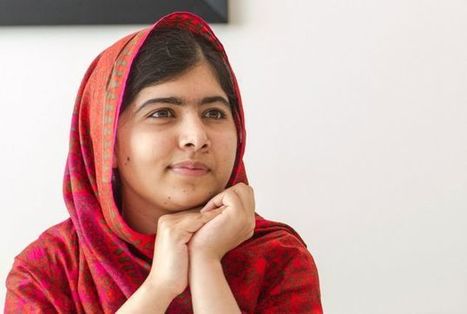
News and Media A candid photo of education advocate Malala Yousafzai prior to her meeting with Deputy Secretary-General Jan Eliasson. Ms. Yousafzai was at the United Nations for a special event to mark 500 Days of Action for the Millennium Development Goals (MDGs). UN PhotoThe United Nations Photo Unit documents mandated activities throughout the UN system, telling the story of the UN at its headquarters and the field. Historical coverage dates as far back as the inception of the Organization. All images, both historical and newly captured, are available through the Photo Library as well as the UN Photo website. All images in the collection are available free for news and editorial usage, while a nominal fee is associated with commercial usage. The Photo Library's mission is to make its collection available to media organizations, governments and non-governmental organizations, researchers and civil society at large, in order to foster public understanding of the work of the United Nations and its goals. The photo collection consists of original negatives, slides and digital capture in the photo archives. Since May of 2004 all images captured are digital. While the entire collection is digitised, the majority of images are yet to become publicly available. Clients may visit the Photo Library in person to do their own research in the photo archives and/or to search the digital photo database through the two public access terminals at their disposal. Service is on a first come, first served basis. Research assistance is provided upon request. The UN News Centre interviews UNESCO Director-General Irina Bokova News CentreThe News Centre is the Organization’s main news portal, which provides breaking news coverage of developments around the UN system and offers quick access to a range of news-related products and resources. The features and services developed and maintained by the News Centre include thematic News Focus pages and a searchable databases of speeches by the Secretary-General as well as the email news alerts service, RSS feeds, Newsmaker interviews, the News Quiz and Photo Stories. UN TV crew films feature on land rights for indigenous Karen people in Thailand (2013). United Nations TelevisionUN TV produces TV programmes and video content highlighting a wide range of priority themes and issues on the United Nations agenda, including climate change, the Millennium Development Goals, human rights and gender-based violence. Its flagship feature series 21st Century and UN in Action are aired by partner broadcasters in many countries and can be viewed in New York City on Time Warner’s Channel 228 and worldwide on UN Webcast. Viewers can also watch videos on a wide range of topics on the United Nations Channel on YouTube. UNStories is a video series tailored for the web that can be downloaded, viewed on mobile devices, embeded on web pages, and posted on social media platforms. UN TV also produces Diaries from the Field and TV Spots. The Television Production Facilities Unit provides daily broadcast-quality coverage of events and activities at United Nations Headquarters, including meetings of the General Assembly, the Security Council and other United Nations bodies, international conferences and press briefings. It delivers LIVE feeds that are used by international broadcasters and television news agencies. Daily packages of news stories, features and expert interviews from throughout the UN system around the world can be found on UNifeed, a video news service that is updated several times a day, six days a week. Live and on-demand streaming of these events also is available on UN Webcast. UN Photo/Paulo Filgueiras Messenger of Peace Stevie Wonder is interviewed by UN Radio on the International Day of Persons with Disabilities (2009). United Nations RadioUN Radio is an audio service for news and features provided by the United Nations to media organisations and individuals. The editorial offices are based at UN headquarters in New York. UN Radio focuses on the work of the United Nations throughout the world. It has unrivalled access to the UN newsmakers and aims to provide an objective view of UN activities. UN Radio produces daily news content in the six official languages of the UN; Arabic, Chinese, English, French, Russian and Spanish, as well as Kiswahili and Portuguese. There are also weekly programmes in Hindi, Urdu and Indonesian. The UN Audio Library provides audio recordings of meetings and events at UN Headquarters, as well as historic recordings of UN Radio programmes and interviews. The recordings are available for download from the library's website, or via FTP. These audio materials can be used by broadcasters in their programmes or newscasts, or as a source of information. Audio files can be searched by keyword, by date, or browsed by categories. All files are available for download in mp3 format. Other audio formats, such as mp2 and WAV, may be available on demand. The Library holds approximately 40,000 hours of digital files, as well as a collection of over 30,000 unique audio recordings in various formats - 1/4" magnetic tape, 1/8" audio cassettes, mini-cassettes, Mini Discs, CDs, DAT tapes, vinyl and shellac discs. This unique and historic collection is being digitized selectively and some of the recordings are available on demand in digital files as well. UN Photo/Pernaca Sudhakaran Nelson Mandela, Deputy President of the African National Congress of South Africa, addresses the Special Committee Against Apartheid in the General Assembly Hall in 1990, four years before being elected President of South Africa. UN Audiovisual LibraryThe Audiovisual Library's mission is to provide access to and preserve the audiovisual archives from over 70 years of the history of the Organization. The AV Library makes the audio, film and video collections widely accessible to UN Offices, UN Family Organizations, professional media organizations, broadcasters, independent producers, governments, institutions and non-governmental organizations and researchers. It also makes its collection available to civil society at large on the web and via social media. It supports audiovisual productions and fosters public understanding of the United Nations and its goals by providing customer service and audiovisual materials in a timely and efficient manner to professional clients around the world. The Audiovisual Library holdings comprise a hybrid collection with both analog and digital records. The AV collection has over 100,000 physical items with approximately 6,330 hours of 16 and 35mm films, 49,400 hours of video recordings, and 18,000 hours of audio recordings in a wide variety of systems and formats. In addition, our Photo Library also holds approximately 800,000 photographs, with over 90,000 available for high-resolution download from the Photo Library website. Press Officers from the Department of Public Information covering the general debate of the General Assembly in 2011. Meetings Coverage and Press ReleasesThe Meetings Coverage Section produces an array of essential materials for the media, delegations and the general public in English and French, including comprehensive summaries of official meetings at Headquarters and overseas conferences, as well as press releases and backgrounders on various issues and events and other information products. The Section disseminates, in print and online, speeches and statements of the Secretary-General and the Deputy Secretary-General, and information on the Secretary-General’s official activities.
This page
is safe Bitdefender Antivirus Plus
- Home
- What We Do
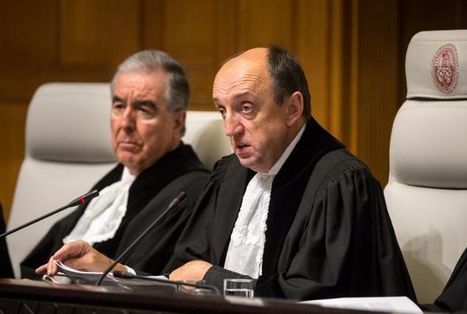
What We Do An Indian UNIFIL peacekeeper watches over the "Blue Line", which demarcates the border between Israel and Lebanon, from the town of Shab'a, Lebanon, in 2012. Maintain International Peace and SecurityThe United Nations came into being in 1945, following the devastation of the Second World War, with one central mission: the maintenance of international peace and security. The UN does this by working to prevent conflict; helping parties in conflict make peace; peacekeeping; and creating the conditions to allow peace to hold and flourish. These activities often overlap and should reinforce one another, to be effective. The UN Security Council has the primary responsibility for international peace and security. The General Assembly and the Secretary-General play major, important, and complementary roles, along with other UN offices and bodies. UN Photo/Riccardo Gangale Grace, a farmer from Kipilat village, and a leading member of the forest community in Ainabkoi, Kenya, planting a tree in 2012. Promote Sustainable DevelopmentFrom the start in 1945, one of the main priorities of the United Nations was to “achieve international co-operation in solving international problems of an economic, social, cultural, or humanitarian character and in promoting and encouraging respect for human rights and for fundamental freedoms for all without distinction as to race, sex, language, or religion.” Improving people’s well-being continues to be one of the main focuses of the UN. The global understanding of development has changed over the years, and countries now have agreed that sustainable development – development that promotes prosperity and economic opportunity, greater social well-being, and protection of the environment – offers the best path forward for improving the lives of people everywhere. Students at Butkhak High School in Kabul, Afghanistan, cheer in unison on the last day of Global Action Week, an international campaign advocating free, quality education for all. Protect Human RightsThe term “human rights” was mentioned seven times in the UN's founding Charter, making the promotion and protection of human rights a key purpose and guiding principle of the Organization. In 1948, the Universal Declaration of Human Rights brought human rights into the realm of international law. Since then, the Organization has diligently protected human rights through legal instruments and on-the-ground activities. Judge Peter Tomka (right), President of the International Court of Justice (ICJ), during the delivery of Order of the Court (Costa Rica v. Nicaragua, 2013). Uphold International LawThe UN Charter, in its Preamble, set an objective: "to establish conditions under which justice and respect for the obligations arising from treaties and other sources of international law can be maintained". Ever since, the development of, and respect for international law has been a key part of the work of the Organization. This work is carried out in many ways - by courts, tribunals, multilateral treaties - and by the Security Council, which can approve peacekeeping missions, impose sanctions, or authorize the use of force when there is a threat to international peace and security, if it deems this necessary. These powers are given to it by the UN Charter, which is considered an international treaty. As such, it is an instrument of international law, and UN Member States are bound by it. The UN Charter codifies the major principles of international relations, from sovereign equality of States to the prohibition of the use of force in international relations. UN Photo/Albert González Farran A child has a meal at a food distribution centre in the Rwanda camp for internally displaced persons (IDPs), near Tawila, North Darfur. More than 8,000 women and children living in the camp benefit from nutrition programmes run by the World Food Programme (WFP). Deliver Humanitarian AidOne of the purposes of the United Nations, as stated in its Charter, is "to achieve international co-operation in solving international problems of an economic, social, cultural, or humanitarian character." The UN first did this in the aftermath of the Second World War on the devastated continent of Europe, which it helped to rebuild. The Organization is now relied upon by the international community to coordinate humanitarian relief operations due to natural and man-made disasters in areas beyond the relief capacity of national authorities alone.
This page
is safe Bitdefender Antivirus Plus
The first meetings of the General Assembly, with 51 nations represented, and the Security Council took place in London beginning 6 January 1946. The General Assembly selected New York City as the site for the headquarters of the United Nations, and the facility was completed in 1952.
The first meetings of the General Assembly, with 51 nations represented, and the Security Council took place in London beginning 6 January 1946. The General Assembly selected New York City as the site for the headquarters of the United Nations, and the facility was completed in 1952.
FundingTop 17 contributors to the UN budget, 2013 [154]Member stateContribution ( % of UN budget) United States22.000 Japan10.833 Germany7.141 France5.593 United Kingdom5.179 China5.148 Italy4.448 Canada2.984 Spain2.973 Brazil2.934 Russia2.438 Australia2.074 South Korea1.994 Mexico1.842 Netherlands1.654 Turkey1.328 Switzerland1.047 Other member states18.390 The UN is financed from assessed and voluntary contributions from member states. The General Assembly approves the regular budget and determines the assessment for each member. This is broadly based on the relative capacity of each country to pay, as measured by its gross national income (GNI), with adjustments for external debt and low per capita income.[155] The two-year budget for 2012–13 was $5.512 billion in total.[156] The Assembly has established the principle that the UN should not be unduly dependent on any one member to finance its operations. Thus, there is a "ceiling" rate, setting the maximum amount that any member can be assessed for the regular budget. In December 2000, the Assembly revised the scale of assessments in response to pressure from the United States. As part of that revision, the regular budget ceiling was reduced from 25% to 22%.[157] For the least developed countries (LDCs), a ceiling rate of 0.01% is applied.[155] In addition to the ceiling rates, the minimum amount assessed to any member nation (or "floor" rate) is set at 0.001% of the UN budget.[158] A large share of the UN's expenditure addresses its core mission of peace and security, and this budget is assessed separately from the main organizational budget.[159] The peacekeeping budget for the 2013–14 fiscal year was $7.54 billion, supporting 82,318 troops deployed in 15 missions around the world.[102] UN peace operations are funded by assessments, using a formula derived from the regular funding scale that includes a weighted surcharge for the five permanent Security Council members, who must approve all peacekeeping operations. This surcharge serves to offset discounted peacekeeping assessment rates for less developed countries. In 2013, the top 10 providers of assessed financial contributions to United Nations peacekeeping operations were the United States (28.38%), Japan (10.83%), France (7.22%), Germany (7.14%), the United Kingdom (6.68%), China (6.64%), Italy (4.45%), the Russian Federation (3.15%), Canada (2.98%), and Spain (2.97%).[160] Special UN programmes not included in the regular budget, such as UNICEF and the World Food Programme, are financed by voluntary contributions from member governments, corporations, and private individuals.[161][162]
The first meetings of the General Assembly, with 51 nations represented, and the Security Council took place in London beginning 6 January 1946. The General Assembly selected New York City as the site for the headquarters of the United Nations, and the facility was completed in 1952.
Human rightsOne of the UN's primary purposes is "promoting and encouraging respect for human rights and for fundamental freedoms for all without distinction as to race, sex, language, or religion", and member states pledge to undertake "joint and separate action" to protect these rights.[90][119] In 1948, the General Assembly adopted a Universal Declaration of Human Rights, drafted by a committee headed by Franklin D. Roosevelt's widow, Eleanor, and including the French lawyer René Cassin. The document proclaims basic civil, political, and economic rights common to all human beings, though its effectiveness toward achieving these ends has been disputed since its drafting.[120] The Declaration serves as a "common standard of achievement for all peoples and all nations" rather than a legally binding document, but it has become the basis of two binding treaties, the 1966 International Covenant on Civil and Political Rights and International Covenant on Economic, Social and Cultural Rights.[121] In practice, the UN is unable to take significant action against human rights abuses without a Security Council resolution, though it does substantial work in investigating and reporting abuses.[122] In 1979, the General Assembly adopted the Convention on the Elimination of All Forms of Discrimination against Women, followed by the Convention on the Rights of the Child in 1989.[123] With the end of the Cold War, the push for human rights action took on new impetus.[124] The United Nations Commission on Human Rights was formed in 1993 to oversee human rights issues for the UN, following the recommendation of that year's World Conference on Human Rights. Jacques Fomerand, a scholar of the UN, describes this organization's mandate as "broad and vague", with only "meager" resources to carry it out.[125] In 2006, it was replaced by a Human Rights Council consisting of 47 nations.[126] Also in 2006, the General Assembly passed a Declaration on the Rights of Indigenous Peoples,[127] and in 2011 it passed its first resolution recognizing the rights of LGBT people.[128] Other UN bodies responsible for women's rights issues include United Nations Commission on the Status of Women, a commission of ECOSOC founded in 1946; the United Nations Development Fund for Women, created in 1976; and the United Nations International Research and Training Institute for the Advancement of Women, founded in 1979.[129] The United Nations Permanent Forum on Indigenous Issues, one of three bodies with a mandate to oversee issues related to indigenous peoples, held its first session in 2002.[130]
The first meetings of the General Assembly, with 51 nations represented, and the Security Council took place in London beginning 6 January 1946. The General Assembly selected New York City as the site for the headquarters of the United Nations, and the facility was completed in 1952.
MembershipAn animation showing the timeline of accession of UN member states, according to the UN. Antarctica has no government; political control of Western Sahara is in dispute; and the territories administered by Taiwan and Kosovo are considered by the UN to be provinces of China and Serbia, respectively. With the addition of South Sudan 14 July 2011,[92] there are 193 United Nations member states, including all undisputed independent states apart from Vatican City.[93][e] The UN Charter outlines the rules for membership: - Membership in the United Nations is open to all other peace-loving states that accept the obligations contained in the present Charter and, in the judgment of the Organization, are able and willing to carry out these obligations.
- The admission of any such state to membership in the United Nations will be effected by a decision of the General Assembly upon the recommendation of the Security Council. Chapter II, Article 4[94]
In addition, there are two non-member observer states of the United Nations General Assembly: the Holy See (which holds sovereignty over Vatican City) and the State of Palestine.[95] The Cook Islands and Niue, both states in free association with New Zealand, are full members of several UN specialized agencies and have had their "full treaty-making capacity" recognized by the Secretariat.[96] Group of 77The Group of 77 at the UN is a loose coalition of developing nations, designed to promote its members' collective economic interests and create an enhanced joint negotiating capacity in the United Nations. Seventy-seven nations founded the organization, but by November 2013 the organization had since expanded to 133 member countries.[97] The group was founded 15 June 1964 by the "Joint Declaration of the Seventy-Seven Countries" issued at the United Nations Conference on Trade and Development (UNCTAD). The group held its first major meeting in Algiers in 1967, where it adopted the Charter of Algiers and established the basis for permanent institutional structures.[98]
The first meetings of the General Assembly, with 51 nations represented, and the Security Council took place in London beginning 6 January 1946. The General Assembly selected New York City as the site for the headquarters of the United Nations, and the facility was completed in 1952.
General AssemblyMikhail Gorbachev, Soviet general secretary, addresses the UN General Assembly in December 1988. The General Assembly is the main deliberative assembly of the United Nations. Composed of all United Nations member states, the assembly meets in regular yearly sessions, but emergency sessions can also be called.[65] The assembly is led by a president, elected from among the member states on a rotating regional basis, and 21 vice-presidents.[66] The first session convened 10 January 1946 in the Methodist Central Hall Westminster in London and included representatives of 51 nations.[16] When the General Assembly votes on important questions, a two-thirds majority of those present and voting is required. Examples of important questions include recommendations on peace and security; election of members to organs; admission, suspension, and expulsion of members; and budgetary matters.[67] All other questions are decided by a majority vote. Each member country has one vote. Apart from approval of budgetary matters, resolutions are not binding on the members. The Assembly may make recommendations on any matters within the scope of the UN, except matters of peace and security that are under consideration by the Security Council.[65] Draft resolutions can be forwarded to the General Assembly by eight committees:[68] Security CouncilThe Security Council is charged with maintaining peace and security among countries. While other organs of the United Nations can only make "recommendations" to member states, the Security Council has the power to make binding decisions that member states have agreed to carry out, under the terms of Charter Article 25.[69] The decisions of the Council are known as United Nations Security Council resolutions.[70] The Security Council is made up of fifteen member states, consisting of five permanent members—China, France, Russia, the United Kingdom, and the United States—and ten non-permanent members—Angola (term ends 2016), Chad (2015), Chile (2015), Jordan (2015), Lithuania (2015), Malaysia (2016), New Zealand (2016), Nigeria (2015), Spain (2016), and Venezuela (2016).[71] The five permanent members hold veto power over UN resolutions, allowing a permanent member to block adoption of a resolution, though not debate. The ten temporary seats are held for two-year terms, with member states voted in by the General Assembly on a regional basis.[72] The presidency of the Security Council rotates alphabetically each month.[73] SecretariatThe UN Secretariat is headed by the Secretary-General, assisted by a staff of international civil servants worldwide.[74] It provides studies, information, and facilities needed by United Nations bodies for their meetings. It also carries out tasks as directed by the Security Council, the General Assembly, the Economic and Social Council, and other UN bodies.[75] The Secretary-General acts as the de facto spokesperson and leader of the UN. The position is defined in the UN Charter as the organization's "chief administrative officer".[76] Article 99 of the charter states that the Secretary-General can bring to the Security Council's attention "any matter which in his opinion may threaten the maintenance of international peace and security", a phrase that Secretaries-General since Trygve Lie have interpreted as giving the position broad scope for action on the world stage.[77] The office has evolved into a dual role of an administrator of the UN organization and a diplomat and mediator addressing disputes between member states and finding consensus to global issues.[78] The Secretary-General is appointed by the General Assembly, after being recommended by the Security Council, where the permanent members have veto power.[79] There are no specific criteria for the post, but over the years it has become accepted that the post shall be held for one or two terms of five years, that the post shall be appointed on the basis of geographical rotation, and that the Secretary-General shall not originate from one of the five permanent Security Council member states.[80] The current Secretary-General is Ban Ki-moon, who replaced Kofi Annan in 2007 and was elected for a second term to conclude at the end of 2016.[81] Secretaries-General of the United Nations [82]No.NameCountry of originTook officeLeft officeNote1 Trygve Lie Norway2 February 194610 November 1952Resigned2 Dag Hammarskjöld Sweden10 April 195318 September 1961Died in office3 U Thant Myanmar30 November 196131 December 19714 Kurt Waldheim Austria1 January 197231 December 19815 Javier Pérez de Cuéllar Peru1 January 198231 December 19916 Boutros Boutros-Ghali Egypt1 January 199231 December 19967 Kofi Annan Ghana1 January 199731 December 20068 Ban Ki-moon South Korea1 January 2007Incumbent International Court of JusticeThe International Court of Justice (ICJ), located in The Hague, in the Netherlands, is the primary judicial organ of the UN. Established in 1945 by the UN Charter, the Court began work in 1946 as the successor to the Permanent Court of International Justice. The ICJ is composed of 15 judges who serve 9-year terms and are appointed by the General Assembly; every sitting judge must be from a different nation.[83][84] It is based in the Peace Palace in The Hague, sharing the building with the Hague Academy of International Law, a private centre for the study of international law. The ICJ's primary purpose is to adjudicate disputes among states. The court has heard cases related to war crimes, illegal state interference, ethnic cleansing, and other issues.[85] The ICJ can also be called upon by other UN organs to provide advisory opinions.[83] Economic and Social CouncilThe Economic and Social Council (ECOSOC) assists the General Assembly in promoting international economic and social co-operation and development. ECOSOC has 54 members, which are elected by the General Assembly for a three-year term. The president is elected for a one-year term and chosen amongst the small or middle powers represented on ECOSOC. The council has one annual meeting in July, held in either New York or Geneva. Viewed as separate from the specialized bodies it co-ordinates, ECOSOC's functions include information gathering, advising member nations, and making recommendations.[86][87] Owing to its broad mandate of co-ordinating many agencies, ECOSOC has at times been criticized as unfocused or irrelevant.[86][88] ECOSOC's subsidiary bodies include the United Nations Permanent Forum on Indigenous Issues, which advises UN agencies on issues relating to indigenous peoples; the United Nations Forum on Forests, which co-ordinates and promotes sustainable forest management; the United Nations Statistical Commission, which co-ordinates information-gathering efforts between agencies; and the Commission on Sustainable Development, which co-ordinates efforts between UN agencies and NGOs working toward sustainable development. ECOSOC may also grant consultative status to non-governmental organizations;[86] by 2004, more than 2,200 organizations had received this status.[89]
The first meetings of the General Assembly, with 51 nations represented, and the Security Council took place in London beginning 6 January 1946. The General Assembly selected New York City as the site for the headquarters of the United Nations, and the facility was completed in 1952.
StructureThe United Nations' system is based on five principal organs: the General Assembly, the Security Council, the Economic and Social Council (ECOSOC), the Secretariat, and the International Court of Justice.[50] A sixth principal organ, the Trusteeship Council, suspended operations in 1994, upon the independence of Palau, the last remaining UN trustee territory.[51] Four of the five principal organs are located at the main UN Headquarters in New York City.[52] The International Court of Justice is located in The Hague, while other major agencies are based in the UN offices at Geneva,[53] Vienna,[54] and Nairobi.[55] Other UN institutions are located throughout the world. The six official languages of the United Nations, used in intergovernmental meetings and documents, are Arabic, Chinese, English, French, Russian, and Spanish.[56] On the basis of the Convention on the Privileges and Immunities of the United Nations, the UN and its agencies are immune from the laws of the countries where they operate, safeguarding the UN's impartiality with regard to the host and member countries.[57] Below the six organs sit, in the words of the author Linda Fasulo, "an amazing collection of entities and organizations, some of which are actually older than the UN itself and operate with almost complete independence from it".[58] These include specialized agencies, research and training institutions, programmes and funds, and other UN entities.[59] The United Nations obey the Noblemaire principle, which is binding on any organisation that belongs to the united nations system. This principle calls for salaries that will draw and keep citizens of countries where salaries are highest, and also calls for equal pay for work of equal value independent of the employee's nationality.[60][61] Staff salaries are subject to an internal tax that is administered by the UN organizations.[60][62][63]
The first meetings of the General Assembly, with 51 nations represented, and the Security Council took place in London beginning 6 January 1946. The General Assembly selected New York City as the site for the headquarters of the United Nations, and the facility was completed in 1952.
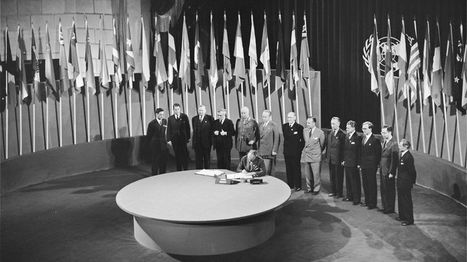
Founding the UN 1945The UN in 1945. In light blue, the founding members. In dark blue, protectorates and colonies of the founding members. The United Nations was formulated and negotiated among the delegations from the Soviet Union, the UK, the US and China in Dumbarton Oaks Conference.[14][15] After months of planning, the UN Conference on International Organization opened in San Francisco, 25 April 1945, attended by 50 governments and a number of non-governmental organizations involved in drafting the United Nations Charter. The UN officially came into existence 24 October 1945, upon ratification of the Charter by the five permanent members of the Security Council—France, the Republic of China, the Soviet Union, the UK and the US—and by a majority of the other 46 signatories.[16] The first meetings of the General Assembly, with 51 nations represented,[c] and the Security Council took place in London beginning 6 January 1946.[16] The General Assembly selected New York City as the site for the headquarters of the United Nations, and the facility was completed in 1952. Its site—like UN headquarters buildings in Geneva, Vienna, and Nairobi—is designated as international territory.[19] The Norwegian Foreign Minister, Trygve Lie, was elected as the first UN Secretary-General.[16]
|