Your new post is loading...
14th Session of the UNPFII, 20 April to 1 May 2015Monday, 06 April 2015The Fourteenth Session of the United Nations Permanent Forum on Indigenous Issues (UNPFII) will be held at UN Headquarters in New York from 20 April to 1 May 2015. Online Registration is NOW OPEN for NGOs with ECOSOC Status, Indigenous Peoples’ Organizations (IPOs) and Academic Institutions For more information, please visit: http://bit.ly/unpfii14 ... CSocD53 Civil Society Forum, 3 February 2015Monday, 02 February 2015On 3 February 2015, a day prior to the opening of the 53rd Session of the Commission for Social Development (CSocD53), a Civil Society Forum will be convened. The Forum is hosted jointly by UNDESA-DSPD, the NGO Committee for Social Development and the Friedrich Ebert Foundation. The theme this year is: ... NGO Participation at the 53rd Session of the Commission for Social Development Sunday, 02 November 2014The Fifty-Third Session of the Commission for Social Development (CSocD53) will take place from 4 to 13 February 2015 at United Nations Headquarters in New York. The Priority Theme of the session is "Rethinking and strengthening social development in the contemporary world". On 3 February 2015, a day prior to the ... Strengthening social development to fight poverty through the use of new technologiesWednesday, 09 April 2014New technologies are powerful tools for poverty eradication, economic, sustainable and social development. They help disseminate valuable information on public services, health care, education and training, livelihoods and rights, and also connect individuals and groups with one another, thereby improving social inclusion; and facilitating citizen participation. By using new technologies, poor ... 13th Session of the UN Permanent Forum on Indigenous Issues, 12-23 May 2014Wednesday, 02 April 2014The 13th Session of the UN Permanent Forum on Indigenous Issues will take place from 12 to 23 May 2014 at UN Headquarters in New York. The special theme is "Principles of good governance consistent with the United Nations Declaration on the Rights of Indigenous Peoples: articles 3 to 6 ... Civil Society Participation at the Commission for Social Development, 11-21 February 2014Friday, 25 October 2013The Fifty-Second Session of the Commission for Social Development will take place from 11 to 21 February 2014 at United Nations Headquarters in New York. The priority theme is "Promoting empowerment of people in achieving poverty eradication, social integration and full employment and decent work for all". This year will be ... Civil Society Participation at the International Day of Older Persons, 9 October 2013Tuesday, 01 October 2013This year, we will celebrate the International Day of Older Persons under the theme “The future we want: what older persons are saying”. The commemoration will be held on Wednesday, 9 October 2013 from 10:00 AM-1:00 pm at the United Nations Headquarters (ECOSOC Chamber). The event is organized by DSPD Focal ... High-level Meeting on Disability and Development, 23 September 2013Wednesday, 14 August 2013In 2011, the General Assembly adopted resolution 66/124 and decided to convene a one-day high-level meeting of the General Assembly on disability (HLMD) at the level of Heads of State and Government on 23 September 2013, the Monday before the start of the general debate of the sixty-eighth session. Under ... Successful chat engages online community on global partnership Tuesday, 09 April 2013Almost 500 participants took part in the Facebook chat discussing the report “A renewed global partnership for development” on 4 April. Questions addressed topics ranging from the sustainable development goals (SDGs); how to ensure government and private sector accountability, to safeguarding human rights and gender equality. Launched ... Achieving the future we want through civil society engagement Tuesday, 26 March 2013As part of the ongoing follow-up of the Rio+20 UN Conference on Sustainable Development, DESA’s Division for Sustainable Development will host a Google+ Hangout on Tuesday, 26 March at 1 PM EST (5 PM GMT), featuring key experts and stakeholders on Rio+20 and sustainable development from ...
iCSO
NGOs are strongly encouraged to UPDATE their organizational profile (before pre-registering for our events) using the integrated Civil Society Organizations (iCSO) System developed by the Department of Economic and Social Affairs (DESA) to facilitate interactions between civil society organizations and DESA.
Technical Cooperation
DSPD provides advisory services to Governments, at their request, and regional organizations aimed at developing capacities in areas within the purview of the sub programme, at the national and regional levels, with special emphasis on the needs of the least developed countries, Africa and small island developing States. Activities comprise the formulation, execution, monitoring and evaluation of specific technical projects. Assistance is also provided to Governments in devising multidisciplinary operational strategies that promote equitable social and economic development. The Division organizes training workshops and seminars and conducts applied research and field studies, disseminated in both hard copy and electronic formats. The Division’s approach to technical cooperation strengthens social groups’ capacity to achieve well-being through greater inclusion and more active participation in society. DSPD Technical cooperation provides an interface between global policies and national action, and between research and policy formulation, thereby translating international agreements into strategies at the country level and feeding experiences gained from the country level to the intergovernmental policy development process through internationally-agreed plans and programmes of action, including: ● Madrid International Plan of Action on Ageing ● Convention on the Rights of Persons with Disabilities ● Declaration of the Rights of Indigenous Peoples ● International Year of the Family 1994 ● World Programme of Action for Youth
Publications Implementing the UN Declaration on the Rights of Indigenous PeoplesWednesday, 24 September 2014Parliaments play a central role in enacting legislation that recognizes indigenous peoples’ rights and adopting budgetary measures to implement those rights, both of which are critical enablers to drive the implementation of the UN Declaration at the national level. This handbook aims to be a practical instrument to enable parliamentarians ... Social Inclusion of Youth with Mental Health ConditionsThursday, 21 August 2014In General Assembly resolution A/RES/50/81 the World Programme of Action for Youth, Member States were called upon to address health issues of young people. In this context, the Department of Economic and Social Affairs has prepared a publication on the emerging issue of the Social Inclusion of Youth with Mental ... A disability-inclusive development agenda towards 2015 and beyondThursday, 19 June 2014On 23 September 2013, the General Assembly convened the first ever High Level Meeting on "the Realization of the MDGs and other internationally agreed development goals for persons with disabilities." During the opening segment, Member States unanimously adopted the Outcome Document, which is reproduced in this brochure. To Read the brochure, ... 2013 World Youth Report: Youth and MigrationWednesday, 19 February 2014The 2013 World Youth Report offers a broad understanding of the situation of young migrants from the perspective of young migrants themselves. The report highlights some of the concerns, challenges and successes experienced by young migrants based on their own lives and told in their own voices. The report focuses largely ... The Report on the World Social Situation: Inequality MattersTuesday, 31 December 2013The 2013 Report on World Social Situation: Inequality Matters brings attention to inequality, with a particular focus on policies and the disadvantaged social groups. Tracing the recent trends and the consequences of inequality, the Report shows that inequality matters not only for people living in poverty, but also for the ... The Twin Challenges of Reducing Poverty and Creating EmploymentFriday, 27 December 2013This E-publication is based on papers presented at two Expert Group Meetings (jointly organized by DSPD and the ILO) that brought together specialists to undertake a review of progress in eradicating poverty and to analyse policy responses to the global jobs crisis in different countries and regions of the world. ... Social Inclusion of Youth with Mental Health ConditionsFriday, 20 December 2013In General Assembly resolution A/RES/50/81 the World Programme of Action for Youth, Member States were called upon to address health issues of young people. In this context, the Department of Economic and Social Affairs has prepared a publication on the emerging issue of the Social Inclusion of Youth with Mental ... Neglect, Abuse and Violence against Older Women Wednesday, 18 December 2013The objective of the Madrid International Plan of Action on Ageing (MIPAA) was the elimination of all forms of neglect, abuse and violence against older persons (MIPAA, 2002). The United Nations Department of Economic and Social Affairs (UN-DESA), together with its focal point on ageing in the Division for Social Policy ... Online survey on promoting empowerment of peopleThursday, 21 March 2013UNDESA-DSPD, from 8 August to 5 September 2012, conducted a global online survey to gather inputs for consideration by the 51st session of the Commission for Social Development (CSocD), which took place from 6 to 15 February 2013. The survey enabled the public worldwide to respond to a set of questions ...
UN Publications
United Nations Publications brings together all publications in one place. It is the source for over 5,300 titles produced by the Organization and its key agencies.
UNDESA Publications
United Nations Department of Economic and Social Affairs (UN-DESA) Publications.
Newsletters Social Development Link Newsletter (SDLN) (English Version)
SDLN is an online newsletter published by the Civil Society and Outreach Unit of the Division for Social Policy and Development (DSPD) of the United Nations Department of Economic and Social Affairs (UNDESA). It aims at providing the latest news, publications and best practices on social development from around the world. Click here to view the newsletter. Enter your email address to subscribe to SDLN:
Youth Newsletter (English Version)
This Newsletter is a service of DSPD Focal Point on Youth, keeping you up-to-date on the youth agenda of the United Nations and partnering youth organizations around the world. Enable Newsletter (English Version)
This Newsletter is a service of DSPD Focal Point on Disability to keep you informed about the work of the UN system on disability issues.
The Newsletter of DSPD Focal Point on Ageing (English Version)
The purpose of the newsletter is to facilitate the exchange of information between the major partners of DSPD Focal Point on Ageing: national government focal points on ageing; UN system focal points on ageing; intergovernmental organizations; international non-governmental organizations; academia; and practitioners working in the field of ageing.
The UN Permanent Forum on Indigenous Issues (UNPFII) Quarterly Newsletter (English Version)
The Message Stick is a quarterly newsletter that highlights the efforts and acitivities of the United Nations Permanent Forum on Indigenous Issues.
The Newsletter of DSPD Focal Point on Cooperatives (English Version)
August 2013: Cooperative enterprises remain strong in times of crisis
October 2013: United Nations Department for Economic and Social Affairs project on global cooperatives database
December 2013: Global survey of cooperatives conducted by the Division for Social Policy and Development of the Department of Economic and Social Affairs (DESA)
About DSPD
Who We Are
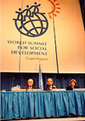
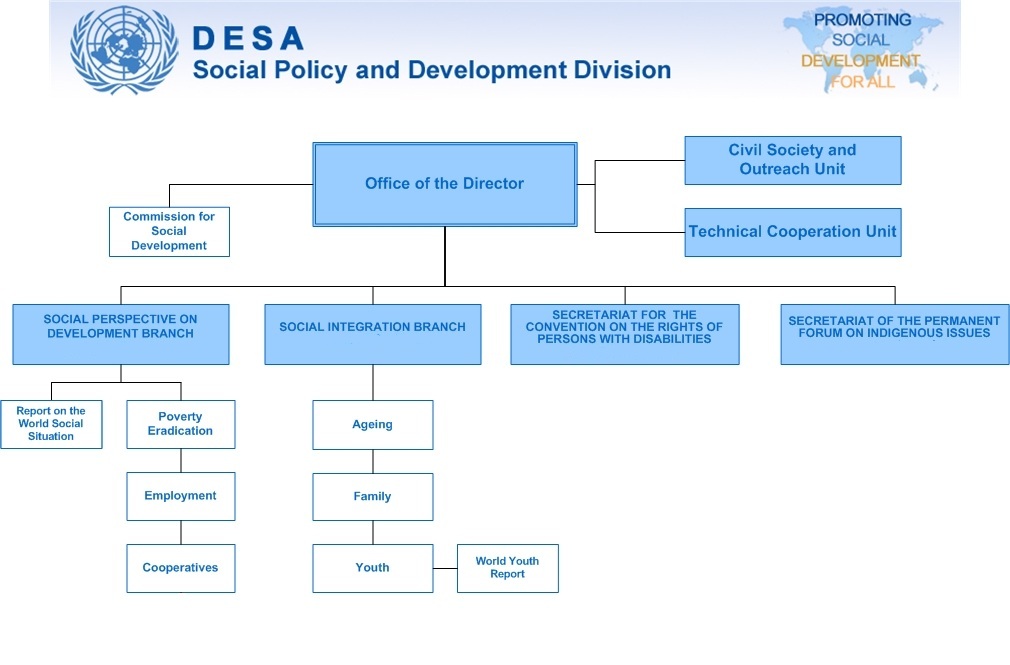
The Division for Social Policy and Development (DSPD) is part of the Department of Economic and Social Affairs (DESA) of the United Nations Secretariat. The Division seeks to strengthen international cooperation for social development, particularly in the areas of poverty eradication, productive employment and decent work and the social inclusion of older persons, youth, family, persons with disabilities, indigenous peoples, persons marginalized from society and development. Mission Statement The main objective of the Division for Social Policy and Development (DSPD) is to strengthen international cooperation for social development, in the context of the comprehensive and detailed framework of commitments and policies for action by Governments, intergovernmental and nongovernmental organizations provided by the Copenhagen Declaration on Social Development and Programme of Action of the World Summit for Social Development, with particular attention to the three core issues of poverty eradication, employment generation and social integration, in contributing to the creation of an international community that enables the building of secure, just, free and harmonious societies offering opportunities and higher standards of living for all. The Division’s work is vital for the social pillar of sustainable development. Watch below our e-brochure: Ms. Daniela Bas, Director, DSPD-DESA The Division is functionally structured into the following:
Social Perspective on Development Branch
Social Integration Branch
Secretariat for the Convention on the Rights of Persons with Disabilities
Secretariat of the Permanent Forum on Indigenous Issues
The Civil Society and Outreach Unit
Technical Cooperation Unit DSPD Brochures (in English): Brochure 1 | Brochure 2 Our Organization Chart (in JPG format. Click below on the image to enlarge)
What We Do The Division monitors national and global socio-economic trends, identifies emerging issues, and assesses their implications for social policy at the national and international levels. To this end, the Division: Promotes common norms and develops policies, programmes and cooperative actions to facilitate the implementation of the Internationally Agreed Development Goals, including the Millennium Development Goals (MDGs). Provides support and servicing to intergovernmental processes by facilitating agreement on resolutions, strategies and international standards and norms through the Commission for Social Development, the Economic and Social Council, the General Assembly and other intergovernmental forums, such as theConference of State Parties to the Convention on the Rights of Persons with Disabilities. Promotes the rights of indigenous peoples by servicing the United Nations Permanent Forum on Indigenous Issues (UNPFII) and promoting its mandate and recommendations, supporting the work of the General Assembly and the Economic and Social Council on Indigenous Issues, promoting coordination in the UN system and preparing and disseminating information on indigenous peoples’ issues. Undertakes global comparative studies on policy and programme design, implementation, monitoring and evaluation as well as on issues and social groups related to the work of the Division. Assists developing countries and countries with economies in transition, at their request, to strengthen their capacity to plan and manage their socio-economic development through advisory services and field projects. Stresses the promotion of full, productive, appropriately and adequately remunerated and freely chosen employment as a central objective of economic and social policies. Our Flagship Services We provide the primary support and servicing to the: Commission for Social Development: social.un.org/csocd
United Nations Permanent Forum on Indigenous Issues (UNPFII): social.un.org/unpfii
Conference of States Parties to the Convention on the Rights of Persons with Disabilities and the Committee on the Rights of Persons with Disabilities, jointly with the Office of the High Commissioner for Human Rights: social.un.org/crpd Our Flagship Reports
On a biennial basis, we produce: The Report on the World Social Situation (RWSS): social.un.org/rwss
The World Youth Report (WYR): social.un.org/wyr Social Summit +5
Social Summit +5: The United Nations General Assembly convened a special session in Geneva in June-July 2000 to assess the achievements made at the World Social Summit of Copenhagen 1995 and to discuss new initiatives. DESA-DSPD Social Development Issues This page
is safe Bitdefender Antivirus Plus
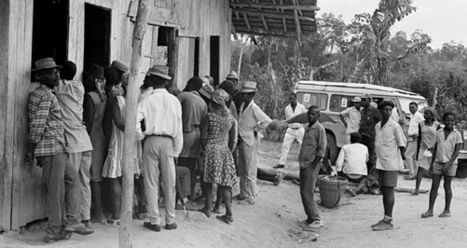
The United Nations and Decolonization People waiting to vote in Equatorial Guinea election in 1968. (UN Photo) In a vast political reshaping of the world, more than 80 former colonies comprising some 750 million people have gained independence since the creation of the United Nations. At present, 17 Non-Self-Governing Territories (NSGTs) across the globe remain to be decolonized, home to nearly 2 million people. Thus, the process of decolonization is not complete. Finishing the job will require a continuing dialogue among the administering Powers, the Special Committee on Decolonization, and the peoples of the territories, in accordance with the relevant UN resolutions on decolonization. In 1990, the General Assembly proclaimed the first International Decade for the Eradication of Colonialism, including a specific plan of action. December 2010 marked the fiftieth anniversary of the Declaration, coinciding with the end of the Second International Decade and the proclamation of a Third one. The Committee of 24 (Special Committee on Decolonization) and its Bureau are assisted by the Decolonization Unit of the Department of Political Affairs for substantive support and by the Department for General Assembly and Conference Management for secretariat services. The Department of Public Information carries out a number of outreach activities on decolonization, including the maintenance of this website. This page
is safe Bitdefender Antivirus Plus
Climate change is not a far-off problem. It is happening now and is having very real consequences on people’s lives. Climate change is disrupting national economies, costing us dearly today and even more tomorrow. But there is a growing recognition that affordable, scalable solutions are available now that will enable us all to leapfrog to cleaner, more resilient economies. In this website you’ll be able to find the latest news on what the UN is doing to combat climate change, information on the latest scientific reports, and successful initiatives that are already having a positive impact in society. Everyone can step up and take climate action. Visit the UN and Climate Change site to find out how. #action2015 Latest News IPCC launches complete Synthesis ReportThe Intergovernmental Panel on Climate Change today launched the complete version of the Synthesis Report, the concluding installment of the Fifth Assessment Report. Written by over 800 scientists from 80 countries, and assessing over 30,000 scientific […] UN’s Top Climate Official Visits Liter of Light Project in ManilaChristiana Figueres, Executive Secretary of the United Nations Framework Convention on Climate Change (UNFCCC) secretariat and the UN's top climate change official, visited the secretariat’s award-winning project Liter of Light in the Philippines today. During her visit, Ms. Figueres met volunteers of the open source network in Manila to raise awareness for climate action in the lead up to the United Nations Climate Change Conference in Paris in December (COP 21). This page
is safe Bitdefender Antivirus Plus
United Nations Messengers of Peace - HRH Princess Haya
- Daniel Barenboim
- Paulo Coelho
- Leonardo DiCaprio
- Michael Douglas
- Jane Goodall
- Lang Lang
- Yo-Yo Ma
- Midori
- Edward Norton
- Charlize Theron
- Elie Wiesel
- Stevie Wonder
The United Nations Messengers of Peace United Nations Messengers of Peace are distinguished individuals, carefully selected from the fields of art, literature, science, entertainment, sports or other fields of public life, who have agreed to help focus worldwide attention on the work of the United Nations. Backed by the highest honour bestowed by the Secretary-General on a global citizen, these prominent personalities volunteer their time, talent and passion to raise awareness of United Nations efforts to improve the lives of billions of people everywhere. This page
is safe Bitdefender Antivirus Plus United Nations Messengers of Peace - HRH Princess Haya
- Daniel Barenboim
- Paulo Coelho
- Leonardo DiCaprio
- Michael Douglas
- Jane Goodall
- Lang Lang
- Yo-Yo Ma
- Midori
- Edward Norton
- Charlize Theron
- Elie Wiesel
- Stevie Wonder
The United Nations Messengers of Peace United Nations Messengers of Peace are distinguished individuals, carefully selected from the fields of art, literature, science, entertainment, sports or other fields of public life, who have agreed to help focus worldwide attention on the work of the United Nations. Backed by the highest honour bestowed by the Secretary-General on a global citizen, these prominent personalities volunteer their time, talent and passion to raise awareness of United Nations efforts to improve the lives of billions of people everywhere. This page
is safe Bitdefender Antivirus Plus
Chad signs action plan to release all children from its national army and security forces (16 Jun) Press Release Statement Video: Press Briefing Slideshow: SRSG Visits Chad - June 2011 An extraordinary impetus now exists for the application of international standards and norms that demonstrates the remarkable commitment of the international community to child protection in armed conflict. It is imperative to maintain that momentum in order to further advance the agenda and to better protect our
Welcome to the United Nations. It’s your world. Featured A Year of Progress for “Children, Not Soldiers” ...Unprecedented Challenges to Protect Children from War in 2014 ...South Sudan: Leila Zerrougui Calls for Full Implementation of Action Plan ...
This page
is safe Bitdefender Antivirus Plus
"On this Day, I appeal to the international community to do more than just speak about atrocity crimes and then fail to take timely action to prevent them. I call on all to summon the courage to act before situations deteriorate based on our collective moral responsibility. This is critical for the maintenance of international peace and security."—Secretary-General Ban Ki-moon
in his message for the 21st commemoration
of the Rwanda genocide The Outreach Programme on the Rwanda Genocide
and the United Nations is an information and educational outreach programme run by the United Nations Department of Public Information. The programme was established by the General Assembly on 23 December 2005 (A/RES/60/225) to "mobilize civil society for Rwanda genocide victim remembrance and education in order to help prevent future acts of genocide". The programme's mandate was extended in December 2007 (A/RES/62/96), 2009 (A/RES/64/226), 2011 (A/RES/66/228), and 2013 (A/RES/68/129). The programme focuses on learning the lessons of the Rwanda genocide in order to help prevent similar acts in the future, as well as raising awareness of the lasting impact of genocide on the survivors and the challenges that they still face today. Read more about the programme See what the UN is doing in Rwanda: ONE UN Rwanda. This page
is safe Bitdefender Antivirus Plus
Please note that all PDF documents are marked as such and will open in a new browser window. "Denying historical facts, especially on such an important subject as the Holocaust, is just not acceptable. Nor is it acceptable to call for the elimination of any State or people. I would like to see this fundamental principle respected both in rhetoric and in practice by all the members of the international community". UN Secretary-General Ban Ki-moon
About the Holocaust and the United Nations Outreach Programme Rejecting any denial of the Holocaust as a historical event, either in full or in part, the General Assembly adopted a resolution (A/RES/60/7) by consensus condemning "without reserve" all manifestations of religious intolerance, incitement, harassment or violence against persons or communities based on ethnic origin or religious belief, whenever they occur.
The resolution declared that the United Nations would designate 27 January -- the anniversary of the liberation of the Auschwitz death camp -- as an annual International Day of Commemoration in memory of the victims of the Holocaust, and urged Member States to develop educational programmes to instill the memory of the tragedy in future generations to prevent genocide from occurring again. It requested the United Nations Secretary-General to establish an outreach programme on the "Holocaust and the United Nations", as well as institute measures to mobilize civil society for Holocaust remembrance and education, in order to help prevent future acts of genocide.
The Holocaust was a turning point in history, which prompted the world to say "never again". The significance of resolution A/RES/60/7 is that it calls for a remembrance of past crimes with an eye towards preventing them in the future. Source: Press Release GA/10413 of 1 November 2005 Please note that the materials displayed on this website are for information only.
Users are not authorized to reproduce the logo of the Holocaust and the United Nations Outreach Programme.
Terms of Use UN Web Services Section, Department of Public Information, United Nations © 2011 This page
is safe Bitdefender Antivirus Plus
This is the site for the United Nations and the Rule of Law. Here you will find information and links on disarmament, world summit outcome, demobilization and reintegration, peace processes and other important issues.
United Nations and the Rule of Law Your United Nations Main Bodies The UN and . . .
Promoting the rule of law at the national and international levels is at the heart of the United Nations’ mission. Establishing respect for the rule of law is fundamental to achieving a durable peace in the aftermath of conflict, to the effective protection of human rights, and to sustained economic progress and development. The principle that everyone – from the individual right up to the State itself – is accountable to laws that are publicly promulgated, equally enforced and independently adjudicated, is a fundamental concept which drives much of the United Nations work.
The principle of the rule of law embedded in the Charter of the United Nations encompasses elements relevant to the conduct of State to State relations. The main United Nations organs, including the General Assembly and the Security Council, have essential roles in this regard, which are derived from and require action in accordance with the provisions of the Charter. "For the United Nations, the rule of law refers to a principle of governance in which all persons, institutions and entities, public and private, including the State itself, are accountable to laws that are publicly promulgated, equally enforced and independently adjudicated, and which are consistent with international human rights norms and standards. It requires, as well, measures to ensure adherence to the principles of supremacy of law, equality before the law, accountability to the law, fairness in the application of the law, separation of powers, participation in decision-making, legal certainty, avoidance of arbitrariness and procedural and legal transparency." (S/2004/616)
Report of the Secretary-General on the
Rule of Law and Transitional Justice in
Conflict and Post-Conflict Societies
The General Assembly has considered rule of law as an agenda item since 1992, with renewed interest since 2006 and has adopted resolutions at its last three sessions. (A/RES/61/39, A/RES/62/70, A/RES/63/128). The Security Council has held a number of thematic debates on the rule of law (S/PRST/2003/15, S/PRST/2004/2, S/PRST/2004/32, S/PRST/2005/30, S/PRST/2006/28) and adopted resolutions emphasizing the importance of these issues in the context of women, peace and security (SC res 1325, SC res. 1820), children in armed conflict (e.g., SC res 1612), the protection of civilians in armed conflict (e.g., SC res 1674). The Peacebuilding Commission has also regularly addressed rule of law issues with respect to countries on its agenda.
The Organization includes judicial mechanisms, such as the International Court of Justice, the principal judicial organ of the United Nations, and the ad hoc criminal tribunals and hybrid tribunals. UN activities UN rule of law activities support the development, promotion and implementation of international norms and standards in most fields of international law. The United Nations works to support a rule of law framework at the national level: a Constitution or its equivalent, as the highest law of the land; clear and consistent legal framework, and implementation thereof; strong institutions of justice, governance, security and human rights that are well structured, financed, trained and equipped; transitional justice processes and mechanisms; and a public and civil society that contributes to strengthening the rule of law and holding public officials and institutions accountable. These are the norms, policies, institutions and processes that form the core of a society in which individuals feel safe and secure, where disputes are settled peacefully and effective redress is available for harm suffered, and where all who violate the law, including the State itself, are held to account. Over 40 UN entities are engaged in rule of law issues and the Organization is conducting rule of law operations and programming in over 110 countries in all regions of the globe, with the largest presence in Africa. Many UN entities carry out activities in the same countries. Five or more entities are currently working simultaneously on the rule of law in at least 24 countries, the majority of which are in conflict and post-conflict situations. Efforts to Coordinate UN Rule of Law Activities
UN Deputy
Secretary-General
Jan Eliasson
Responsibility for the overall coordination of rule of law work rests with the Rule of Law Coordination and Resource Group, chaired by the Deputy Secretary-General and supported by the Rule of Law Unit. The membership of the Group consists of the Department of Political Affairs (DPA), the Department of Peacekeeping Operations (DPKO), Office of the High Commissioner for Human Rights (OHCHR), the Office of Legal Affairs (OLA), United Nations Development Programme (UNDP), The United Nations Children's Fund (UNICEF), The Office of the United Nations High Commissioner for Refugees (UNHCR), the United Nations Development Fund for Women (UNIFEM) and the United Nations Office on Drugs and Crime (UNODC). The Group has developed broad policy guidance to avoid duplication and maximize synergies, and is taking a new strategic and results-based approach to United Nations rule of law work. The Group has agreed a Joint Strategic Plan for 2009-2011 and has to date developed the following Guidance Notes of the Secretary General: UN Approach to Rule of Law Assistance, UN Approach to Justice for Children, and The United Nations and Constitution-making. The Rule of Law Coordination and Resource Group, supported by the Rule of Law Unit, is tasked with acting as a repository for the Organization’s rule of law materials and best practices, and establishing and managing web resources. In fulfilling this mandate, the Group has developed the United Nations Rule of Law Website and Document Repository. Please find below some key documents on the UN and the rule of law This page
is safe Bitdefender Antivirus Plus
|
Cooperatives in Social Development Expert Group Meeting on "The Role of Cooperatives in Sustainable Development: Contributions, Challenges and Strategies", 8–10 December, 2014 in Nairobi, Kenya International Day of Cooperatives, 10 July 2014 Worldwide study of cooperatives Latest UN Report on Cooperatives: Cooperatives in social development and the observance of the International Year of Cooperatives, A/68/168: English | Français | Español | Русский | عربي | 汉语 Latest UN Resolution on Cooperatives: Cooperatives in social development, A/RES/68/133:
English | Français | Español | Русский | عربي | 汉语 The United Nations system values the important role of cooperatives in social and economic development. The World Summit for Social Development held in Copenhagen in 1995, and the General Assembly resolution 51/58 adopted in 1996, recognized the importance of cooperatives in the people-centred approach to development. The Summit agreed to “utilize and develop fully the potential and contribution of cooperatives for the attainment of social development goals, in particular the eradication of poverty, the generation of full and productive employment, and the enhancement of social integration”(Commitment 9h).
- Cooperatives and poverty reduction: Cooperatives, as self-help organizations, contribute to the eradication of poverty through the economic and social progress of their members and employees and by stimulating the economies and enhancing the social fabric of the communities in which they operate.
- Cooperatives and employment generation: Cooperatives help to create, improve and protect the income and employment opportunities of their members by pooling the limited individual resources of members to create business enterprises that enable them to participate in production, profit-sharing, cost-saving or risk-taking activities.
- Cooperatives and social integration: Cooperatives promote social integration and cohesion in the face of inequalities in social capabilities by empowering and giving voice to the poor as well as marginalized groups and by promoting the organization of federations and alliances.
In addition, cooperatives play an important role in an increasingly integrated global economy as well as in fostering peacebuilding among peoples, communities and nations.
- Cooperatives and globalization: Cooperatives work towards fair globalization - one that is fundamentally inclusive, sustainable and people-centred – by creating business entities that promote solidarity among peoples, greater accountability, deeper partnerships and fairer rules and standards that offers equitable opportunities for all.
- Cooperatives and post crisis/conflict, reconstruction and reintegration in disaster areas: Cooperatives through their economic model which stresses self-help and mutual aid, promote local economic and social development. Cooperatives also help facilitate social and political reconciliation, and provide access to financial services and spur employment, as exemplified in their valuable role in rehabilitating survivors of the East Asian Tsunami.
DSPD Ageing is the focal point within the United Nations system on matters related to ageing. As the focal point, its primary action is to facilitate and promote the Madrid International Plan of Action on Ageing, including designing guidelines for policy development and implementation; advocating means to mainstream ageing issues into development agendas; engaging in dialogue with civil society and the private sector; and information exchange. Read more Working Group The open-ended working group on ageing for the purpose of strengthening the protection of the human rights of older persons was established by the General Assembly by resolution 65/182 on 21 December 2010. The working group will consider the existing international framework of the human rights of older persons and identify possible gaps and how best to address them. Learn more Review and Appraisal “The Commission for Social Development will be responsible for follow-up and appraisal of the implementation of the International Plan of Action on Ageing, 2002. The Commission should integrate the different dimensions of population ageing as contained in the International Plan of Action in its work.'' Madrid International Plan of Action on Ageing, paragraph 132 Learn more
UN Network on Ageing Newsletter
Population Ageing 2013Globally, the number of older persons is expected to more than double to over 2 billion in 2050, and are projected to exceed the number of children for the first time in 2047. Presently, about two thirds of the world’s older persons live in developing countries. By 2050, nearly 8 in 10 will live in less developed regions.
Download the full report
Explore a career with the United Nations
**Please note that DSPD Focal Point on Youth cannot provide job career advice. Browse UN job openings, and apply
As of 22 April 2010, all job openings in the UN Secretariat are published on the United Nations Careers Portal (careers.un.org), available also in French.
The United Nations Secretariat is transitioning to a new online recruitment system. During this transition period, both the existing and the new system will run in parallel. When applying for a job, you will be automatically directed to the appropriate system.
Galaxy is used for openings in Field Missions (peacekeeping and special political missions) as well as Job Openings in the rest of the Secretariat that were posted prior to 22 April. The jobs posted in Galaxy are also published on the United Nations Careers Portal (careers.un.org).
You can learn how to apply, create your Profile and submit your application online at the above links. Locally recruited positionsJobs in the General Service and related categories, including those in the trades and crafts, security and safety, secretarial and other support positions, are recruited locally. Please contact the local office of the United Nations in your country directly. At Headquarters in New York, applicants wishing to submit their application for local employment are encouraged to register online at: http://careers.un.org and create a Personal History Profile (PHP). Job Opportunities in the UN system If you are interested in working for other United Nations agencies, funds and programmes, please visit their websites directly. Most websites can be accessed through the links found at the International Civil Service Commission. Warning to ApplicantsThere are job advertisements and offers that falsely state that they are from the United Nations. Please be aware that the United Nations does not request payment at any stage of the application and review process.
Social Policy and Development
Poverty Eradication and Employment
Social Integration
Rights of Persons with Disabilities
NGO Issues
Indigenous Issues
Social Policy and Development
World Summit for Social Development
Key activities of the Division relate to the implementation of the Copenhagen Declaration on Social Development and the Programme of Action of the World Summit for Social Development of 1995. Follow-up by the United Nations General Assembly. 24th special session of the General Assembly (Social Summit+5)
An important element of the Summit follow-up was the convening of the 24th special session of the General Assembly in Geneva from 26 June to 1 July 2000 to evaluate implementation of the commitments and plans agreed at the Social Summit. Commission for Social Development
The Division provides substantive support for the annual sessions of the Commission for Social Development, which was given the primary responsibility in monitoring the progress made since the Social Summit. Documentation, information and substantive services are also provided to the Economic and Social Council and the General Assembly. The Report on the World Social Situation
The Division is responsible for the preparation of the biennial Report on the World Social Situation (RWSS) which is one of the flagship publications of the Department of Social and Economic Affairs. The RWSS is devoted to analysis of social vulnerability. The objective of the report is to develop a frame of reference for identifying the sources of social vulnerability as well as discussing strategies to reduce vulnerabilities of selected social groups. Monitoring global social trends
The Division monitors national and global socio-economic trends, including the identification of emerging issues, and assesses their implications for social policy at the national and international levels.
Poverty Eradication and Employment
Poverty Eradication
The Division provides support to member states in achieving the goal of eradicating absolute poverty through national and international cooperation. It also serves as the global focal point for the first United Nations Decade for the Eradication of Poverty (1997-2006). Cooperatives
The Division has a specific responsibility for monitoring: The promotion and development of cooperatives, including relevant developments in national and international legislation. The Section acts as focal point on cooperatives and works closely with the Committee for the Promotion and Advancement of Cooperatives (COPAC). It organizes special events to mark the International Day for Cooperatives. Employment
The Division is the focal point within the United Nations Secretariat on matters relating to the Youth Employment Network (YEN) Secretariat. Together with its partners, the World Bank and the International Labour Organization, the Division seeks to implement the goal to “develop and implement strategies that give young people everywhere a real chance to find decent and productive work” as contained in the Millennium Declaration. To this end, the Division is working with core partner institutions of the ILO and World Bank and United Nations Secretariat to support Member States in carrying out national reviews and action plans on youth employment.
Social Integration and Social Inclusion Ageing
The Division is the focal point within the United Nations system on matters related to Ageing. As the focal point, its primary action is to facilitate and promote the Madrid International Plan of Action on Ageing, including designing guidelines for policy development and implementation; advocating means to mainstream ageing issues into development agendas; engaging in dialogue with civil society and the private sector; and promoting information exchange. Families
The Division is responsible for the preparation and observance of the tenth anniversary of the International Year of the Family. It assists Governments in the development, implementation and evaluation of appropriate family-related policies, programmes and initiatives; facilitates and promotes international cooperation in the field of family research; and provides technical assistance. Youth
The Division is the focal point within the United Nations system on matters relating to youth. It enhances awareness of the global situation of youth and increases recognition of the rights and aspirations of youth; promotes national youth policies; and aims to strengthen the participation of youth in decision-making processes. Activities include support to the World Programme of Action for Youth to the Year 2000 and Beyond. The Division also assisted in the preparations for the first world conference of youth ministers, held in Lisbon in 1998.
Rights of Persons with Disabilities
Rights of Persons with Disabilities
The Division is the focal point on matters related to persons with disabilities. The Division works to advance the rights of persons with disabilities in society and development, with mandates stem from the World Programme of Action (1982), Standard Rules (1994) and the Convention on the Rights of Persons with Disabilities (2006), as well as other relevant human rights and development instruments.
NGO Issues
The Civil Society and Outreach Unit
The Unit serves as an interface between the DSPD and non-governmental organizations. It acts as a gateway for NGOs interested in building a strong working relationship with the Division in advancing social progress and development. The Unit also deals with registration of NGO representatives attending major meetings organized by the Division.
Indigenous Issues
The Permanent Forum for Indigenous Issues
The Permanent Forum on Indigenous Issues is a subsidiary body of the Economic and Social Council with the mandate to discuss questions of economic and social development, environment, health, human rights, culture and education as they pertain to indigenous peoples. The Forum is to advise the Council and the United Nations system and pursue the mainstreaming and coordination of indigenous issues as well as raise awareness and disseminate information on indigenous issues.
United Nations Global Issues As the world’s only truly universal global organization, the United Nations has become the foremost forum to address issues that transcend national boundaries and cannot be resolved by any one country acting alone. To its initial goals of safeguarding peace, protecting human rights, establishing the framework for international justice and promoting economic and social progress, in the six and a half decades since its creation the United Nations has added on new challenges, such as climate change, international terrorism and AIDS. While conflict resolution and peacekeeping continue to be among its most visible efforts, the UN, along with its specialized agencies, is also engaged in a wide array of activities to improve people’s lives around the world – from disaster relief, through education and advancement of women, to peaceful uses of atomic energy. This website offers an overview of some of these global issues, and links to other resources where you can get additional information. This page
is safe Bitdefender Antivirus Plus
Beyond 2015. The Post-2015 UN Development Agenda Viet Nam Launches National Zero Hunger Challenge 14 January 2015 - The National Zero Hunger Challenge (ZHC), a major initiative to eradicate hunger in Viet Nam, was launched today by the Government of Viet Nam in collaboration with the United Nations. Women farmers pillar of food security6 March 2015 – Ahead of International Women’s Day, United Nations food relief agencies gathered to remind the world that women farmers play a central role in achieving food and nutrition security, urging countries to step up efforts to empower rural women who too often do “backbreaking work” to harvest food. Viet Nam Launches National Zero Hunger Challenge14 January 2015 - The National Zero Hunger Challenge (ZHC), a major initiative to eradicate hunger in Viet Nam, was launched today by the Government of Viet Nam in collaboration with the United Nations. Expo Milano 2015 opens 1 May 2015 – UN brings the vision of the Zero Hunger Challenge to global exhibition. This page
is safe Bitdefender Antivirus Plus
United Nations Millennium Development Goals The eight Millennium Development Goals (MDGs) – which range from halving extreme poverty rates to halting the spread of HIV/AIDS and providing universal primary education, all by the target date of 2015 – form a blueprint agreed to by all the world’s countries and all the world’s leading development institutions. They have galvanized unprecedented efforts to meet the needs of the world’s poorest. The UN is also working with governments, civil society and other partners to build on the momentum generated by the MDGs and carry on with an ambitious post-2015 development agenda. From this site, explore the efforts of the UN and its partners for building a better world. ... more News on Millennium Development Goals On International Women's Day, UN urges more action to achieve gender equalityTo mark International Women's Day on 8 March, senior United Nations officials highlighted the Beijing Declaration and Platform for Action, a historic roadmap signed by 189 governments 20 years ago that set the agenda for realizing women's rights. The ongoing Commission on the Status of Women, will bring representatives of UN Member States, civil society groups and UN entities together to take stock of where women stand today. Ahead of global risk reduction conference, UN review finds vast majority of disasters climate-relatedThe United Nations office dedicated to disaster risk reduction today appealed to world leaders ahead of a major gathering in northern Japan next week to provide clear, action-oriented guidance to tackle the underlying drivers of risk, such as climate change, which now accounts for 87 per cent of the disasters that have killed some 700,000 people over the past decade. Fuelled by ‘strong’ cereal stocks, world food prices dip to lowest level since July 2010Food prices dipped to a 55-month low in February, dropping a steady per cent from the previous month and 14 per cent below its level compared to a year earlier, the United Nations Food and Agriculture Organization (FAO) reported today. The continuing decline- lowest level since July 2010 - reflects a robust supply environment and ongoing weakness in many currencies versus the United States dollar, Michael Griffin, FAO's dairy and livestock market expert, confirmed in a statement. UN agency photo competition shines spotlight on ‘family meal’ in achieving 'Zero Hunger'Scenes of families eating together in Burundi, Laos and the Philippines won a photo competition judged by celebrity chef Jamie Oliver aimed at demonstrating the simple yet powerful role provided by sitting tougher and eating as a family, according to the World Food Programme (WFP). The photographs aimed at highlighting the importance of food and nutrition in everyday life and the role families play in achieving Zero Hunger. See more news on the Millennium Development Goals>> This page
is safe Bitdefender Antivirus Plus
. "Break the silence. When you witness violence against women and girls, do not sit back. Act." Ban Ki-moon, Secretary - General The UNiTE Campaign launches ‘The brave are not violent’ initiative On Wednesday, 12 July, The UNiTE Campaign launched the initiative “The brave are not violent”, in Quito, Ecuador. The aim is to involve youth in the campaign, encouraging them to become part of the solution to prevent and end violence against women and girls.
» Read More 12345 Focus Voices of Survivors’ tells the stories of survivors of violence against women in their own words. They speak of the impact violence had upon them, and how they have found the resources to move forward in their lives. Their stories remind us why taking a stand to prevent violence against women and girls is critical. UN Web Services Section, Department of Public Information, United Nations © 2013 This page
is safe Bitdefender Antivirus Plus
Solidarity with victims of terrorism The Support Portal is dedicated to and highlights the importance of those individuals across the globe that have been attacked, injured, traumatized or lost their lives during terrorist attacks. Government Support Learn about efforts done by governments to support victims of terrorism. Directory Find information on governmental and civil society organizations that support victims of terrorism on a diversity of issues. About Us The United Nations Global Counter-Terrorism Strategy has framed the current work of the United Nations to support and show solidarity to victims of terrorism and their families. Events African Union Commission organized the Symposium on Victims of Terrorist Acts Algiers, 27-28 October 2014 International Counter-Terrorism Focal Points Conference Geneva, 13 – 14 June 2013 UN Victims of Terrorism Support Portal has been launched New York, 11 June 2014 Quick links Follow the UN This page
is safe Bitdefender Antivirus Plus
Office of The Special Adviser on The Prevention of Genocide What's New Statement by Adama Dieng, Special Adviser of the Secretary-General on the Prevention of Genocide, and Jennifer Welsh, Special Adviser of the Secretary-General on the Responsibility to Protect, on the situation in Yarmouk, Syria (9 April 2015) Statement by Adama Dieng, Special Adviser of the Secretary-General on the Prevention of Genocide, and Jennifer Welsh, Special Adviser of the Secretary-General on the Responsibility to Protect, on the situation in Yemen) (9 April 2015) Statement by Adama Dieng, Special Adviser on the Prevention of Genocide and Jennifer Welsh, Special Adviser on the Responsibility to Protect, on the escalation of incitement rhetoric in response to the murder of Jordanian pilot Moaz al-Kasasbeh (6 February 2015) Statement by Adama Dieng, Special Adviser of the Secretary-General on the Prevention of Genocide, and Jennifer Welsh, Special Adviser of the Secretary-General on the Responsibility to Protect, on the situation in Kobane, Syria (10 October 2014) Statement by Adama Dieng, Special Adviser of the Secretary-General on the Prevention of Genocide, and Jennifer Welsh, Special Adviser of the Secretary-General on the Responsibility to Protect, on the situation in Iraq (12 August 2014) Statement by the Special Advisers of the Secretary-General on the Prevention of Genocide, Mr. Adama Dieng, and on the Responsibility to Protect, Ms. Jennifer Welsh, on the situation in Israel and in the Palestinian Occupied Territory of Gaza Strip (24 July 2014) See more statements> Mission Statement The Special Adviser on the Prevention of Genocide acts as a catalyst to raise awareness of the causes and dynamics of genocide, to alert relevant actors where there is a risk of genocide, and to advocate and mobilize for appropriate action. The Special Adviser on the Responsibility to Protect leads the conceptual, political, institutional and operational development of the Responsibility to Protect. The mandates of the two Special Advisers are distinct but complementary. The efforts of their Office include alerting relevant actors to the risk of genocide, war crimes, ethnic cleansing and crimes against humanity, enhancing the capacity of the United Nations to prevent these crimes, including their incitement, and working with Member States, regional and sub-regional arrangements, and civil society to develop more effective means of response when they do occur. Preventing Genocide Adama Dieng, UN Special Adviser on the
Prevention of Genocide (UN Photo/Rick Bajornas) In 2004, following the genocidal violence in Rwanda and the Balkans, United Nations Secretary-General Kofi Annan appointed Juan Méndez as Special Adviser to fill critical gaps in the international system that allowed those tragedies to go unchecked. In 2007, Secretary-General Ban Ki-moon appointed Francis M. Deng on a full-time basis at the level of Under-Secretary-General. He also appointed Edward Luck as the Special Adviser who focuses on the responsibility to protect, on a part-time basis at the level of Assistant Secretary-General. Both Special Advisers Francis Deng and Edward Luck ended their assignments with the Office in July 2012. On 17 July 2012, Secretary-General Ban Ki-moon appointed Adama Dieng of Senegal as his Special Adviser on the Prevention of Genocide. In a 2004 letter (S/2004/567) to the President of the Security Council, the Secretary-General listed the Special Adviser on the Prevention of Genocide’s responsibilities as follows: - Collecting existing information, in particular from within the United Nations system, on massive and serious violations of human rights and international humanitarian law of ethnic and racial origin that, if not prevented or halted, might lead to genocide;
- Acting as a mechanism of early warning to the Secretary-General, and through him to the Security Council, by bringing to their attention situations that could potentially result in genocide;
- Making recommendations to the Security Council, through the Secretary-General, on actions to prevent or halt genocide; and
- Liaising with the United Nations system on activities for the prevention of genocide and work to enhance the United Nations’ capacity to analyze and manage information regarding genocide or related crimes.
Responsibility to Protect Special Adviser Jennifer Welsh at the informal, interactive dialogue in the General Assembly on 11 September 2013. (UN Photo/Paulo Filgueiras) At the 2005 World Summit, Heads of State and Government unanimously affirmed that “each individual State has the responsibility to protect its populations from genocide, war crimes, ethnic cleansing and crimes against humanity.” They agreed that, when appropriate, the international community should assist States in exercising that responsibility by building their protection capacities before crises and conflicts break out. However, when a state is “manifestly failing” to protect its population from the four specified crimes, the Heads of State and Government confirmed that the international community was prepared to take collective action, through the Security Council and in accordance with the Charter of the United Nations. In his 2007 letter (S/2007/721) to the President of the Security Council, the Secretary-General recognizes the link between large scale atrocities and threats to peace and security. In this letter and in the Secretary-General’s 2010 report (A/64/864) entitled “Early warning, assessment and the responsibility to protect”, the Special Adviser on the Responsibility to Protect is charged with the development and refinement of the Responsibility to Protect concept and with continuing a political dialogue with Member States and other stakeholders on further steps toward implementation. For reasons of efficiency, the Special Adviser on the Responsibility to Protect is also charged with working with the Special Adviser on the Prevention of Genocide to operationalize their complementary mandates within and outside of the United Nations System to have a greater impact. Special Advisers speak about preventing genocide and other crimes and violationsAdama Dieng, Special Adviser
on preventing genocide Jennifer Welsh, Special Adviser
20th Anniversary Rwanda Genocide This page
is safe Bitdefender Antivirus Plus
|