
The CRISPR/Cas9 genome editing tool has increased the efficiency of creating genetically modified pigs for use as biomedical or agricultural models. The objectives were to determine if DNA editing res
Get Started for FREE
Sign up with Facebook Sign up with X
I don't have a Facebook or a X account


|
Scooped by
BigField GEG Tech
onto Animal Models - GEG Tech top picks October 17, 2016 12:30 PM
|
 Scoop.it!
The CRISPR/Cas9 genome editing tool has increased the efficiency of creating genetically modified pigs for use as biomedical or agricultural models. The objectives were to determine if DNA editing res

 Your new post is loading...
 Your new post is loading...
Your new post is loading...
Scoop.it!

The first six months after an organ transplant are the riskiest for recipients.
BigField GEG Tech's insight:
The first six months after an organ transplant are the riskiest for recipients.
Scoop.it!

From
www

Lungs are complex organs to transplant, but the surgery is a step towards clinical trials.
BigField GEG Tech's insight:
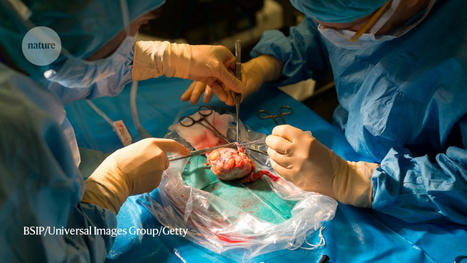
A lung from a genetically modified pig has been transplanted into a person for the first time. The recipient, a 39-year-old man in China, was brain dead, but the organ survived for nine days.
Scoop.it!

The small trial will help to establish whether kidneys from genetically modified pigs can be transplanted into people safely and effectively.
BigField GEG Tech's insight:
The small trial will help to establish whether kidneys from genetically modified pigs can be transplanted into people safely and effectively.
Scoop.it!
BigField GEG Tech's insight:
The transplant aims to prolong the life of the patient and provides important lessons for doctors.
Scoop.it!

Researchers used a genetically engineered porcine donor to develop kidney grafts.
BigField GEG Tech's insight:
In a recent study, researchers used a breed of humanized Yucatan miniature pigs as a porcine donor to develop kidney transplants without the three major glycans (cytidine monophospho-Nacetylneuraminic acid hydroxylase, glycoprotein α-galactosyltransferase 1 and β-1,4-N-acetylgalactosaminyltransferase 2) and with porcine retroviral genes inactivated. A Cas9-associated single-guide ribonucleic acid guide design with clustered regularly interspaced short palindromic repeats (CRISPR) was used to target genes encoding the three major glycans expressed on the porcine cell surface. The grafts were also designed to overexpress human transgenes. These kidney grafts were transplanted into Macaca fascicularis or cynomolgus monkeys, which were used as non-human primate models to test the efficacy and safety of the kidney grafts. Kidneys from which only the three porcine glycan genes had been eliminated showed poor graft survival after transplantation into the non-human primate model. In comparison, those modified to eliminate all three glycan genes and overexpress human transgenes showed significantly better survival in cynomolgus monkeys.
Scoop.it!
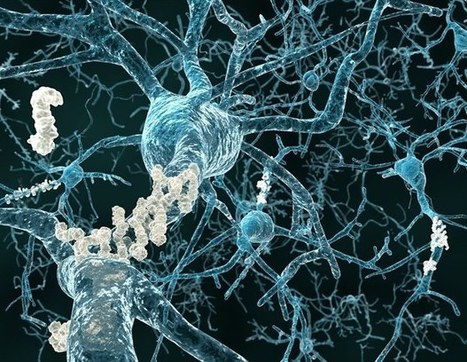
To reimagine existing preclinical trials for Alzheimer's disease, University of Pittsburgh School of Medicine neuroscientists created the first non-human primate model of hereditary Alzheimer's in marmoset monkeys, outlining their approach in Alzheimer's & Dementia: Translational Research & Clinical Interventions.
BigField GEG Tech's insight:
Ouistitis families are better suited to mimicking the genetically diverse human population than a colony of inbred rodents. To create marmosets with an inherited predisposition to Alzheimer's disease, researchers introduced a series of mutations in the PSEN1 gene using the Crispr/Cas9 genetic engineering system. These same mutations cause the early onset of Alzheimer's disease in humans. Presenilin-1, the protein encoded by PSEN1, plays a key role in the generation of amyloid tangles and, like human patients, marmosets carrying a mutation in the PSEN1 gene begin to develop Alzheimer's-type pathologies during adolescence. To characterize and validate the new model, the researchers are using a battery of non-invasive tests, including behavioral studies, longitudinal analysis of blood biomarkers and regular PET scans to assess brain function and pathological changes in brain tissue. The tests are designed to trace and compare the aging trajectory between healthy controls and animals genetically predisposed to the early onset of Alzheimer's disease, and to correlate progressive changes in the levels of amyloid and tau to changes in cognition. The researchers also plan to examine other factors that accompany disease progression, including epithelial permeability.
Scoop.it!
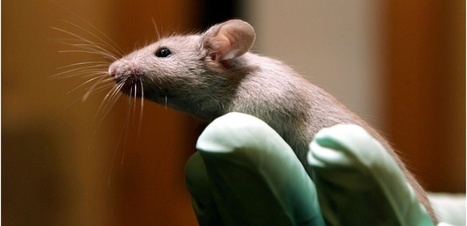
Genetically engineered mouse models only capture a small fraction of the genetic lesions that drive human cancer. Current CRISPR–Cas9 models can expand this fraction but are limited by their reliance on error-prone DNA repair. Here we develop a system for in vivo prime editing by encoding a Cre-inducible prime editor in the mouse germline. This model allows rapid, precise engineering of a wide range of mutations in cell lines and organoids derived from primary tissues, including a clinically relevant Kras mutation associated with drug resistance and Trp53 hotspot mutations commonly observed in pancreatic cancer. With this system, we demonstrate somatic prime editing in vivo using lipid nanoparticles, and we model lung and pancreatic cancer through viral delivery of prime editing guide RNAs or orthotopic transplantation of prime-edited organoids. We believe that this approach will accelerate functional studies of cancer-associated mutations and complex genetic combinations that are challenging to construct with traditional models. Prime-editing mouse models enable the study of specific cancer mutations in vivo.
BigField GEG Tech's insight:
Genomic studies of cancer patients have revealed thousands of mutations linked to tumor development. In an advance that could help scientists make a dent in that long list of unexplored mutations, MIT researchers designed their new mouse models by engineering the gene for the prime editor enzyme into the germline cells of the mice. The encoded prime editor enzyme allows cells to copy an RNA sequence into DNA that is incorporated into the genome. However, the prime editor gene remains silent until activated by the delivery of a specific protein called Cre recombinase. Since the prime editing system is installed in the mouse genome, researchers can initiate tumor growth by injecting Cre recombinase into the tissue where they want a cancer mutation to be expressed, along with a guide RNA that directs Cas9 nickase to make a specific edit in the cells' genome. The RNA guide can be designed to induce single DNA base substitutions, deletions, or additions in a specified gene, allowing the researchers to create any cancer mutation they wish. Using this technique, the researchers have created models of several different mutations of the cancer-causing gene Kras, in different organs. Such models could help researchers identify and test new drugs that target these mutations.
Scoop.it!

Studies on diseases that affect the human brain are usually based on animal models which cannot reproduce the complexity of human neuropathies.
BigField GEG Tech's insight:
Studies of diseases that affect the human brain are generally based on animal models that cannot replicate the complexity of human neuropathies. Consequently, these methodologies often fail when applied in a clinical setting with patients. In this context, the discoveries of cell reprogramming techniques to generate human neuron cultures from skin cells have revolutionized the study and development of innovative therapies in neuroscience. A study published in the journal Stem Cells Reports reveals that this cell reprogramming methodology allows the creation of neural networks that mimic unique features of human cells with temporal dynamics reminiscent of human brain development. Thus, cellular models based on reprogrammed human cells could stimulate the development of new effective therapies in the fight against neuropathies and, at the same time, reduce the use of experimental animals in the laboratory. In addition, cell reprogramming based on the induction of human pluripotent stem cells would allow the generation of patient-specific models and, using gene editing tools such as the CRISPR/Cas9 technique, it would be possible to obtain control cells in which the mutation responsible for the pathology is corrected.
Scoop.it!
BigField GEG Tech's insight:
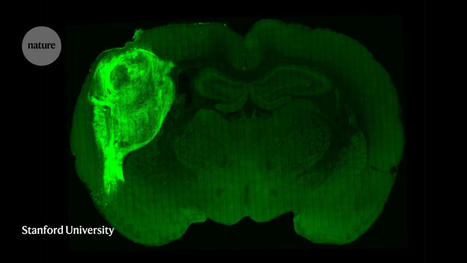
The genetically modified organs seemed to function for more than two days but some researchers are sceptical that the experiments had value.
Scoop.it!
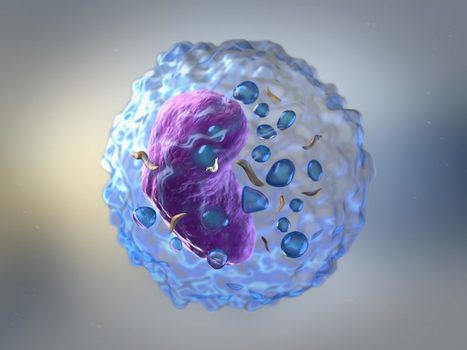
During tumorigenesis, tumors must evolve to evade the immune system and do so by disrupting the genes involved in antigen processing and presentation or up-regulating inhibitory immune checkpoint
BigField GEG Tech's insight:
Tumor suppressor genes block cell growth, preventing cancer cells from spreading. Scientists believe that mutations in these genes allow tumors to flourish unchecked. Now, Howard Hughes Medical Institute researcher Stephen Elledge's team has discovered a surprising new action for many of these faulty genes. Elledge had a hunch that defective tumor suppressor genes were doing something more than speeding up tumor cell growth. From a list of 7,500 genes, her team used CRISPR to engineer thousands of tumor cells. Each was missing a functional version of one of these genes. The researchers placed the cells in two types of mice: those with an immune system and those without. Then the team studied the tumors that developed. Elledge's method revealed the many different genes that tumors can mutate to evade the body's defenses. To explore the possible mechanisms triggered by the mutations, the researchers focused on a gene called GNA13. The gene's mutation protects cancer cells from the immune system's T cells, creating a safe space for the tumor to grow. According to the study, more than 100 mutated tumor suppressor genes can prevent the immune system from identifying and destroying malignant cells in mice.
Scoop.it!
BigField GEG Tech's insight:
Swiss pharmaceutical company Novartis launched a lottery-style program to give away doses of its pricey gene therapy for free, drawing criticism from patient groups.
Scoop.it!
BigField GEG Tech's insight:
Australia has approved the use of CRISPR gene editing tool on plants and animals without the oversight of a governmental body. The controversial move has been called a 'middle ground' compared to regulations on other countries.
Scoop.it!
BigField GEG Tech's insight:
Police to investigate He Jiankui after last year’s claim to have altered the DNA of twin girls
|
Scoop.it!

Horses with genomic edits to make them run faster have been banned from polo, but a zoo of CRISPR-edited animals is gaining acceptance in agriculture.
BigField GEG Tech's insight:
Horses with genomic edits to make them run faster have been banned from polo, but a zoo of CRISPR-edited animals is gaining acceptance in agriculture.
Scoop.it!

From
www
The hearts started to beat in the pig–human hybrids, which survived for 21 days.
BigField GEG Tech's insight:
The hearts started to beat in the pig–human hybrids, which survived for 21 days.
Scoop.it!
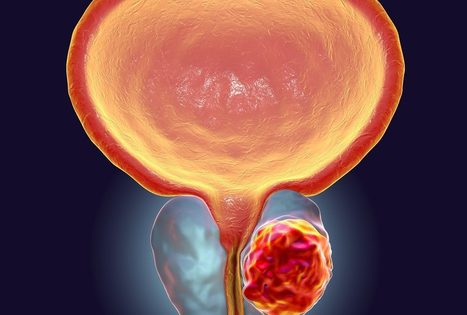
A new preclinical model using CRISPR, an advanced technology that allows scientists to cut and edit genes, has given Weill Cornell Medicine researchers and their colleagues a deeper insight into how prostate cancer spreads or metastasizes.
BigField GEG Tech's insight:
Around 12% of men are diagnosed with prostate cancer during their lifetime. When prostate cancer is confined to the primary tumor, survival is close to 100%. When the cancer spreads or metastasizes, the patient's chances of survival drop to less than 40%. In a recent study, published on September 23 in Cancer Discovery, scientists have mapped the complex routes taken by metastatic prostate cancer cells as they move through the body by creating a new mouse model called EvoCaP and using CRISPR and a barcode system. They observed that while the primary tumor contained many prostate cancer cells, most metastases began with a small number of aggressive clones emerging from the tumor and moving to the bones, liver, lungs and lymph nodes. They also observed that once most cancer cells spread to an organ, they were likely to stay there rather than spread to another area, with just a few closely related cells instigating additional spread. A better understanding of prostate cancer metastasis opens the way to better treatments.
Scoop.it!

Researchers establish fetal brain organoids as a versatile platform for brain cancer modeling.
BigField GEG Tech's insight:
Research into brain development, traditionally based on animal models, benefits from the use of 3D brain organoids of human origin. Nevertheless, these organoids present challenges in mimicking the unique features of human brain development, such as complex expansion and differentiation. In a recent study, the generated fetal brain organoids (FeBOs) resembled various aspects of the human fetal brain, including their cellular diversity and transcription profiles. Moreover, the results of the study demonstrate that FeBOs can serve as a versatile platform for modeling brain cancer. Using regularly interspaced short palindromic repeats (CRISPR) editing, mutations associated with brain disorders and cancers were introduced, which then led to observable changes in cellular behavior and drug response. These FeBO mutants, in particular triple knock-out lines, have been used in mutation and drug sensitivity assays, demonstrating the potential of evolutionary and reproducible modeling of brain cancer.
Scoop.it!

Milestone advance in silkworms could lead to commercial applications in medicine and textiles
BigField GEG Tech's insight:
Milestone advance in silkworms could lead to commercial applications in medicine and textiles
Scoop.it!

From
www
Invasive lobular carcinoma (ILC) is a common breast cancer subtype that is often diagnosed at advanced stages and causes significant morbidity. Late-onset secondary tumor recurrence affects up to 30% of ILC patients, posing a therapeutic challenge if resistance to systemic therapy develops. Nonetheless, there is a lack of preclinical models for ILC, and the current models do not accurately reproduce the complete range of the disease. We created clinically relevant metastatic xenografts to address this gap by grafting the triple-negative IPH-926 cell line into mouse milk ducts. The resulting intraductal xenografts accurately recapitulate lobular carcinoma in situ (LCIS), invasive lobular carcinoma, and metastatic ILC in relevant organs. Using a panel of 15 clinical markers, we characterized the intratumoral heterogeneity of primary and metastatic lesions. Interestingly, intraductal IPH-926 xenografts express low but actionable HER2 and are not dependent on supplementation with the ovarian hormone estradiol for their growth. This model provides a valuable tool to test the efficiency of potential new ILC therapeutics, and it may help detect vulnerabilities within ILC that can be exploited for therapeutic targeting.
BigField GEG Tech's insight:
Once again, a scientific publication of one of our historic partners, EPFL – Brisken Lab, in the field of breast cancer. As stipulate in the article, there are few models to study some subtypes of breast cancer presenting a challenge for treatment. The collaboration between the Brisken Lab and GEG Tech work to design innovative models providing a useful tool for researchers performing preclinical studies and opening the way of new therapeutic approaches to address breast cancers.
Scoop.it!

National Institutes of Health researchers compared a new genetic animal model of Down syndrome to the standard model and found the updated version to be more similar to the changes seen in humans.
BigField GEG Tech's insight:
About 6,000 newborns are diagnosed with Down syndrome each year in the United States. In most cases, these babies have a third copy of chromosome 21. An early mouse model, known as Ts65Dn, has been considered the standard for Down syndrome research, used in preclinical studies for nearly 30 years. Along with some successful cognitive treatments, such as a recent hormone-based cognitive treatment, some other treatments that were effective in the mouse model were not as effective in humans. It is important to note that the genome of the previous mouse model contains 45 additional genes that are not relevant to human Down syndrome. To create an improved mouse model of Down syndrome, researchers deleted these 45 additional genes using CRISPR gene editing technology. The researchers then compared the two mouse models and found that the 45 extra genes in the previous mouse model affect brain development and contributed to more severe motor, communication and memory difficulties. With this new and improved mouse model, the researchers hope to develop more specific treatments to improve cognition with the goal of developing independent living skills in people with Down syndrome.
Scoop.it!
BigField GEG Tech's insight:
Rat–human hybrid brains offer new ways to study human neurological disorders, but also raise ethical questions.
Scoop.it!
BigField GEG Tech's insight:
Scoop.it!

Cancer and many other diseases are based on genetic defects. The body can often compensate for the defect of one gene; it is only the combination of several genetic errors that leads to the clinical picture.
BigField GEG Tech's insight:
The combination of several genetic errors leads to the development of cancer and many other diseases based on genetic abnormalities. The 3Cs multiplex technique based on CRISPR-CAS technology developed at the Frankfurt Goethe University now offers the possibility to simulate combinations of millions of genetic defects and to study their effects in cell culture. Scientists at the Institute for Biochemistry II at Goethe University have enhanced the 3Cs technique which they developed and patented three years ago. 3Cs stands for covalent-closed circular-synthesized, because of the RNA parts used for CRISPR-CAS are produced with the help of a circular synthesis and are thus distributed more uniformly. With an entire library of such RNA rings, any gene in a cell can be specially addressed to change or cut it. The new 3Cs multiplex technique now even allows the simultaneous manipulation of two genes in one cell. This technique thus makes it possible to search very efficiently in cell culture experiments for genes that play a major role in cancer, and also in diseases of the nervous and immune systems, and that could be the potential target of certain treatments. certain treatments.
Scoop.it!

Two pig-monkey chimeras were born in China but died within a week. This is the first time live pigs have been created that contain some primate cells https://link.springer.com/article/10.1007%2Fs13238-019-00676-8
BigField GEG Tech's insight:
Pig-primate chimeras have been born live for the first time but died within a week. The two piglets, created by a team in China, looked normal although a small proportion of their cells were derived from cynomolgus monkeys. “This is the first report of full-term pig-monkey chimeras,” says Tang Hai at the State Key Laboratory of Stem Cell and Reproductive Biology in Beijing.
Scoop.it!
BigField GEG Tech's insight:
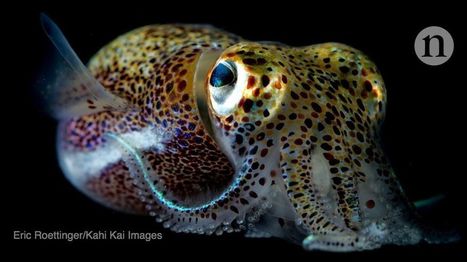
Biologists have embraced CRISPR’s ability to quickly and cheaply modify the genomes of popular model organisms, such as mice, fruit flies and monkeys. Now they are trying the tool on more-exotic species, many of which have never been reared in a lab or had their genomes analysed. “We finally are ready to start expanding what we call a model organism,” says Tessa Montague, a molecular biologist at Columbia University in New York City. But the practical challenges of breeding and maintaining unconventional lab animals persist.
|












In this study, the scientists designed pairs of CRISPR guide RNAs that flanked the start codon and polyadenylated Cas9 which were co-injected into the cytoplasm of zygotes and cultured in vitro to the blastocyst stage. Blastocysts were collected as they formed on days 5, 6 or 7. Separately, embryos were surgically transferred into recipient gilts on day 4 of estrus. The rate of blastocyst development was not significantly different between CRISPR injection embryos or the non-injected controls at day 5, 6 or 7. Injection of three CRISPR sets of guides resulted in a detectable INDEL in 92–100 % of the embryos analyzed. There was not a difference in the number of edits or sex ratio of male to female embryos when compared between days 5, 6 and 7 to the controls. There were 12 resulting piglets and all 12 had biallelic edits of TMRPSS2. Zygote injection with CRISPR/Cas9 continues to be a highly efficient tool to genetically modify pig embryos.