In the US alone, more than 1,400 people are waiting for a lung transplant - there simply aren't enough donor lungs available to meet the need. Soon, though, patients might have a new source for brand new lungs: the lab.
BigField GEG Tech's insight:
On Wednesday, researchers from University of Texas Medical Branch published a new paper in the journal Science Translational Medicine.
In it, they detail their latest milestone along the path to creating lab-grown lungs for humans: they can now successfully transplant these bioengineered lungs into pigs.
Researchers from Columbia University found in 2017 that Crispr can cause genetic mutations and they have now been forced to accept their study was wrong and Crispr is harmless.
Genetically editing pig genomes may make them better able to tolerate cold and produce lower fat bacon and pork
BigField GEG Tech's insight:
Raising pigs for food is a tricky business—mostly because of their fat, the part that makes bacon so tasty. You can’t plump them up too much, because overly fat pigs are more expensive to raise. Since they’re not as efficient at burning body fat, they require more energy—in the form of heated pens and barns—to keep them warm. Yet too-skinny pigs aren’t able to regulate their body temperature properly and tend to die when temperatures drop. Farmers have to find a way to keep their pigs healthy but plump enough to produce meat.
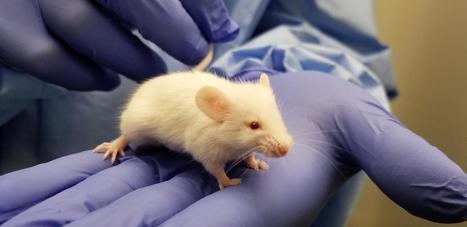
Researchers have used the CRISPR/Cas9 gene-editing tool in mice to disrupt a gene that causes glaucoma. As they also were able to target the gene in human eye cultures, the researchers said their study suggests CRISPR/Cas9 editing could work in the eye.
The present work demonstrates that multiplex embryo transfer and multiplex gene targeting can be used to quickly and efficiently generate mutant rabbit founders. Four lines of SGM (e.g. FOXN1, RAG2, IL2RG, and PRKDC) immunodeficient rabbits, as well as multigenic mutant immunodeficient rabbits have been produced. These animals may prove useful for biomedical research.
Xenotransplantation is a promising strategy to alleviate the shortage of organs for human transplantation.
Here, the scientists confirmed the risk of cross-species transmission of porcine endogenous retroviruses (PERVs), and observed the horizontal transfer of PERVs among human cells. Using CRISPR-Cas9, they inactivated all the PERVs in a porcine primary cell line and generated PERV-inactivated pigs via somatic cell nuclear transfer. This study highlighted the value of PERV inactivation to prevent cross-species viral transmission and demonstrated the successful production of PERV-inactivated animals to address the safety concern in clinical xenotransplantation.
In the present study, The authors applied CRISPR/Cas9 system to target the C3 gene in porcine fetal fibroblasts. Their results indicated that CRISPR/Cas9 targeting efficiency was as high as 84.7%, and the biallelic mutation efficiency reached at 45.7%. The biallelic modified colonies were used as donor for somatic cell nuclear transfer (SCNT) technology to generate C3 targeted piglets. A total of 19 C3 knockout (KO) piglets were produced and their plasma C3 protein was undetectable by western blot analysis and ELISA.
Modeling human disease has proven to be a challenge for the scientific community. For years, generating an animal model was complicated and restricted to very few species. With the rise of CRISPR/Cas9
BigField GEG Tech's insight:
Modeling human disease has proven to be a challenge for the scientific community. For years, generating an animal model was complicated and restricted to very few species. With the rise of CRISPR/Cas9, it is now possible to generate more or less any animal model. In this review, we will show how this technology is and will change our way to obtain relevant disease animal models and how it should impact human health.
Swine are the only livestock species that produce both the second mammalian isoform of gonadotropin-releasing hormone (GNRH2) and its receptor (GNRHR2). Previously, the authors reported that GNRH2 and GNRHR2 mediate LH-independent testosterone secretion from porcine testes. To further explore this ligand-receptor complex, a pig model with reduced GNRHR2 expression was developed by shRNA lentiviral vector microinjection into the perivitelline space of zygotes.
These swine represent the first genetically-engineered model to elucidate the function of GNRH2 and its receptor in mammals.
Genome editing in pigs has tremendous practical applications for biomedicine. The advent of genome editing technology, with its use of site-specific nucleases has popularized targeted zygote genome editing via one-step microinjection in several mammalian species. Here, the authors review methods to optimize the developmental competence of genome-edited porcine embryos and strategies to improve the zygote genome-editing efficiency in pigs
Vitrification is a powerful tool for the efficient production of offspring derived from cryopreserved oocytes or embryos in mammalian species including domestic animals. Although the authors reported the successful production of piglets derived from vitrified PN embryos by a solid-surface vitrification method with glutathione supplementation, further improvements are required and exposed in this article. The findings of this study demonstrate for the first time that carboxylated ε-poly-L-lysine is a promising cryoprotective agent for further improvements in the vitrification of oocytes and embryos in mammalian species.
Research published in Nature Medicine shows first example of base-editing tool to correct a disease in utero in animal models.
BigField GEG Tech's insight:
For the first time, scientists have performed prenatal gene editing to prevent a lethal metabolic disorder in laboratory animals, offering the potential to treat human congenital diseases before birth. Published today in Nature Medicine, research from Children’s Hospital of Philadelphia (CHOP) and the Perelman School of Medicine at the University of Pennsylvania offers proof-of-concept for prenatal use of a sophisticated, low-toxicity tool that efficiently edits DNA building blocks in disease-causing genes.
OHSU discovery could accelerate development of new gene therapies for Batten disease.
BigField GEG Tech's insight:
OHSU scientists have discovered a naturally occurring disease in monkeys that mimics a deadly childhood neurodegenerative disorder in people – a finding that holds promise for developing new gene therapies to treat Batten disease.
Transplanting engineered neural cells into the brain of an amyotrophic lateral sclerosis (ALS) animal model delayed disease progression and extended the animals’ survival, a study shows.
CRISPR/Cas9-mediated noncoding RNA editing in human cancers. RNA Biology. Accepted 8 October 2017. doi: 10.1080/15476286.2017.1391443
BigField GEG Tech's insight:
Here, the authors focused on the applications of CRISPR/Cas9 system as a molecular tool for ncRNA (microRNA, long noncoding RNA and circular RNA, etc.) editing in human cancers, and the novel techniques that are based on CRISPR/Cas9 system. Additionally, the off-target effects and the corresponding solutions as well as the challenges toward CRISPR/Cas9 were also evaluated and discussed. Long- and short-ncRNAs have been employed as targets in precision oncology, CRISPR/Cas9-mediated ncRNA editing may provide an excellent way to cure cancer.
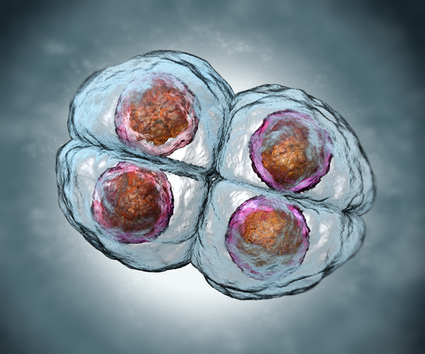
In this study, the authors employed the CRISPR/Cas9 system to target the BLG locus in goat fibroblasts for sgRNA optimization and generate BLG knock-out goats through co-injection of Cas9 mRNA and small guide RNAs (sgRNAs) into goat embryos at the one-cell stage. This study thus provides a basis for optimizing the quality of goat milk, which can be applied to biomedical and agricultural research.
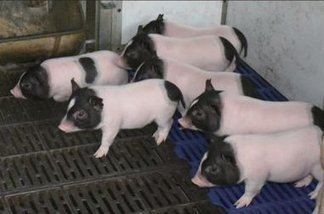
In the present study, the CRISPR/Cas system was used to target the Tph2 gene in Bama mini pig fetal fibroblasts. It was found that CRISPR/Cas9 targeting efficiency could be as high as 61.5%, and the biallelic mutation efficiency reached at 38.5%. The biallelic modified colonies were used as donors for somatic cell nuclear transfer (SCNT) and 10 Tph2 targeted piglets were successfully generated. These Tph2 KO piglets were viable and appeared normal at the birth. However, their central 5-HT levels were dramatically reduced, and their survival and growth rates were impaired before weaning. These Tph2 KO pigs are valuable large-animal models for studies of 5-HT deficiency induced behavior abnomality.
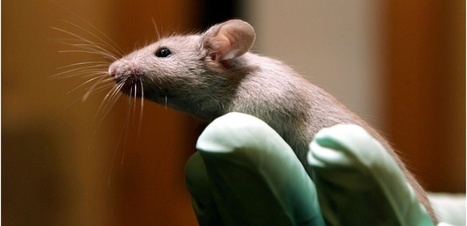
Here, the scientists describe the generation of transgenic, inducible CRISPR-based mouse systems to engineer and study recurrent colon cancer-associated EIF3E-RSPO2 and PTPRK-RSPO3 chromosome rearrangements in vivo.
Genome editing for spermatogonial stem cells (SSCs) still remains a big challenge mainly due to low efficiency and complexity of currently available techniques. T
Here the authors describe CRISPR-Cas9-mediated gene editing via nonhomologous end joining (NHEJ) or homology-directed repair (HDR) in SSCs. This protocol provides guidelines for derivation of SSCs, nucleofection of SSCs with the CRISPR-Cas9 system, transplantation of the gene-modified SSCs into the recipient testes, and production of mice using transplanted SSC-derived round spermatids.
The microinjection of mouse oocytes is commonly used for both classic transgenesis (i.e., the random integration of transgenes) and CRISPR-mediated gene targeting. This protocol reviews the latest developments in microinjection, with a particular emphasis on quality control and genotyping strategies.
Mice transgenic for human CD19 have been an important animal model to help understand the role of this molecule in B lymphocyte function. Previously, no lifetime studies had been performed to understand the effects of this CD19 over expression on the survival or spontaneous pathology within the C57BL/6J background strain. Here, the scientists conducted a lifetime study with interim sacrifices to understand the transgenic effects on clinical signs, body weight, survival, and spontaneous pathology.
CRISPR/cas9-mediated ApoE -/- and LDLR -/- double gene knockout in pigs elevates serum LDL-C and TC levels
BigField GEG Tech's insight:
In this work, the scienists applied the CRISPR/Cas9 system to Bama minipigs, targeting apolipoprotein E (ApoE) and low density lipoprotein receptor (LDLR) gene simultaneously. Six biallelic knockout pigs of these two genes were obtained successfully in a single step. This model should prove valuable for the study of human cardiovascular disease and related translational research.
To get content containing either thought or leadership enter:
To get content containing both thought and leadership enter:
To get content containing the expression thought leadership enter:
You can enter several keywords and you can refine them whenever you want. Our suggestion engine uses more signals but entering a few keywords here will rapidly give you great content to curate.
https://www.livestocktradingcompany.com/product/ostrich-breeds/