


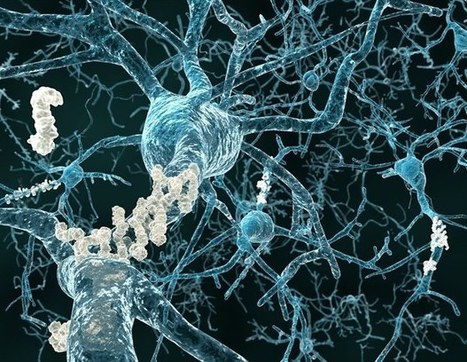

To reimagine existing preclinical trials for Alzheimer's disease, University of Pittsburgh School of Medicine neuroscientists created the first non-human primate model of hereditary Alzheimer's in marmoset monkeys, outlining their approach in Alzheimer's & Dementia: Translational Research & Clinical Interventions.


 Your new post is loading...


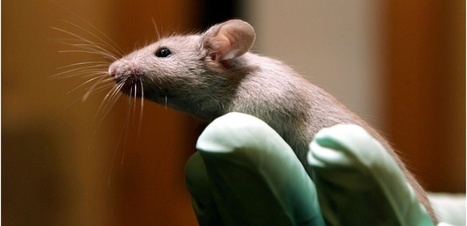















Ouistitis families are better suited to mimicking the genetically diverse human population than a colony of inbred rodents. To create marmosets with an inherited predisposition to Alzheimer's disease, researchers introduced a series of mutations in the PSEN1 gene using the Crispr/Cas9 genetic engineering system. These same mutations cause the early onset of Alzheimer's disease in humans. Presenilin-1, the protein encoded by PSEN1, plays a key role in the generation of amyloid tangles and, like human patients, marmosets carrying a mutation in the PSEN1 gene begin to develop Alzheimer's-type pathologies during adolescence. To characterize and validate the new model, the researchers are using a battery of non-invasive tests, including behavioral studies, longitudinal analysis of blood biomarkers and regular PET scans to assess brain function and pathological changes in brain tissue. The tests are designed to trace and compare the aging trajectory between healthy controls and animals genetically predisposed to the early onset of Alzheimer's disease, and to correlate progressive changes in the levels of amyloid and tau to changes in cognition. The researchers also plan to examine other factors that accompany disease progression, including epithelial permeability.