Your new post is loading...

|
Scooped by
dromius
January 21, 2019 12:59 PM
|
(via T. Lahaye, thx) Lux et al, 2019 Elements within the γ-hemoglobin promoters (HBG1 and HBG2) function to bind transcription complexes that mediate repression of fetal hemoglobin expression. Sickle cell disease (SCD) subjects with a 13-bp deletion in the HBG1 promoter exhibit a clinically favorable hereditary persistence of fetal hemoglobin (HPFH) phenotype. We developed TALENs targeting the homologous HBG promoters to de-repress fetal hemoglobin. Transfection of human CD34+ cells with TALEN mRNA resulted in indel generation in HBG1 (43%) and HBG2 (74%) including the 13-bp HPFH deletion (∼6%). Erythroid differentiation of edited cells revealed a 4.6-fold increase in γ-hemoglobin expression as detected by HPLC. Assessment of TALEN-edited CD34+ cells in vivo in a humanized mouse model demonstrated sustained presence of indels in hematopoietic cells up to 24 weeks. Indel rates remained unchanged following secondary transplantation consistent with editing of long-term repopulating stem cells (LT-HSCs). Human γ-hemoglobin expressing F cells were detected by flow cytometry approximately 50% more frequently in edited animals compared to mock. Together, these findings demonstrate that TALEN-mediated indel generation in the γ-hemoglobin promoter leads to high levels of fetal hemoglobin expression in vitro and in vivo, suggesting that this approach can provide therapeutic benefit in patients with SCD or β-thalassemia.
|
|
Scooped by
dromius
January 5, 2019 5:57 AM
|
Onodera et al, 2018 Transcription activator-like effector nuclease (TALEN) is an artificial nuclease that causes DNA cleavage at the target site and induces few off-target reactions because of its high sequence specificity. Powerful and variable tools using TALENs can be used in practical applications and may facilitate the molecular breeding of many plant species. We have developed a convenient construction system for a plant TALEN vector named the Emerald Gateway TALEN system. In this study, we added new properties to this system, which led to an increase in the efficiency of targeted mutagenesis. Rice dMac3 is a translational enhancer that highly increases the efficiency of translation of the downstream ORF. We inserted dMac3 into the 5' untranslated region of the TALEN gene. In the cultured rice cells to which the TALEN gene was introduced, the frequency of targeted mutagenesis was highly increased compared with those altered using the conventional system. Next, the promoter for the TALEN gene was replaced with iPromoter, and its expression was stringently controlled by a GVG transcription factor that was activated in the presence of glucocorticoid. This conditional expression system worked effectively and led to a higher frequency of targeted mutagenesis than that by the constitutive expression system, while no mutagenesis was detected without glucocorticoid treatment. These results suggest that our system can be applied to genome editing to create the desired mutation.
|
|
Scooped by
dromius
December 1, 2018 8:15 AM
|
Kladsuwan et al, 2017 The avrBs3-like genes designated avrXg3 and avrXg2 cloning from representative strains of Xanthomonas axonopodis pv. glycines (Xag), a causal agent of bacterial pustule disease were harbored by race 1 (new strain SP4); and race 2 (recent strain 12-2) respectively, whereas avrXg1 (reported by Athinuwat et al., 2009) was uniquely detected in race 3 (recent strain KU-P-SW005) that characterized based on their ability to confer virulence toward soybean cultivars. Most of the new strains collected in this study (169 strains) belonged to race 2 (62.72%), the highly virulence strain group. Structural analysis of transcription activator-like effector (TALe) genes determined to particular races was shown that these race strains including race 1 strain SP4, race 2 strain 12-2, and race 3 strain KU-P-SW005 carried TAL effectors of 6 (tal1a, tal1b, tal1c, tal2a, tal2b, and tal3), 6 (same as strain SP4), and 5 (same as strain SP4 but tal1c absent) tale gene members that guided by 15-23, 15-23, and 15-20 repeat variable diresidues (RVDs) respectively. The individual mutants of each tal genes (17-tal derivatives) revealed that only tal2b in each race strains (XagSP4/tal2b, Xag12-2/ tal2b, XagKU-P-SW005/tal2b) exhibited a positive regulator of similar defense-related phenotype on soybean cultivars of Xag/avrBs3-race typing group, suggesting R genes mediated specifically recognition of directly tal2b induction. Phylogenetic construction and hybridization analysis demonstrated high potential in rapid genotyping of many Xag-race strains using primers and DNA probes designed from either specific avrBs3 or tale-like genes characterized. Genetic mapping and RT-PCR evidence showed that soybean GmLOB1 resistance genes mediated recognition of Xag12-2/tal2b-expressing strain (highly virulent strain) to give disease development on resistance cultivar, Williams82. The tal2b and non-TALe type of type III effectors that may establish a co-opted activity targeting host R genes other than GmLOB1 should be experimentally-further analyzed. This is the first description of TALes indicating their translocation through the Xag-T3SS which the work reports two new avrBs3-like genes and seventeen tale- like genes characterized from soybean-3 pathogenic Xag race strains.
|
|
Scooped by
dromius
November 20, 2018 3:02 AM
|
(via T. Schreiber, thx) Lebar et al, 2018 The interplay between DNA-binding proteins plays an important role in transcriptional regulation and could increase the precision and complexity of designed regulatory circuits. Here we show that a transcription activator-like effector (TALE) can displace another TALE protein from DNA in a highly polarized manner, displacing only the 3′- but not 5′-bound overlapping or adjacent TALE. We propose that the polarized displacement by TALEs is based on its multipartite nature of binding to DNA. The polarized TALE displacement provides strategies for the specific regulation of gene expression, for construction of all two-input Boolean genetic logic circuits based on the robust propagation of the displacement across multiple neighboring sites, for displacement of zinc finger-based transcription factors and for suppression of Cas9–gRNA-mediated genome cleavage, enriching the synthetic biology toolbox and contributing to the understanding of the underlying principles of the facilitated displacement.
|
|
Scooped by
dromius
September 25, 2018 6:14 AM
|
(via T. Schreiber) Tran et al, 2018 Many plant-pathogenic xanthomonads use a type III secretion system to translocate Transcription Activator-Like (TAL) effectors into eukaryotic host cells where they act as transcription factors. Target genes are induced upon binding of a TAL effector to double-stranded DNA in a sequence-specific manner. DNA binding is governed by a highly repetitive protein domain, which consists of an array of nearly identical repeats of ca. 102 base pairs. Many species and pathovars of Xanthomonas, including pathogens of rice, cereals, cassava, citrus and cotton, encode multiple TAL effectors in their genomes. Some of the TAL effectors have been shown to act as key pathogenicity factors, which induce the expression of susceptibility genes to the benefit of the pathogen. However, due to the repetitive character and the presence of multiple gene copies, high-throughput cloning of TAL effector genes remains a challenge. In order to isolate complete TAL effector gene repertoires, we developed an enrichment cloning strategy based on
• genome-informed in silico optimization of restriction digestions,
• selective restriction digestion of genomic DNA, and
• size fractionation of DNA fragments.
Our rapid, cheap and powerful method allows efficient cloning of TAL effector genes from xanthomonads, as demonstrated for two rice-pathogenic strains of Xanthomonas oryzae from Africa.
|
|
Scooped by
dromius
August 29, 2018 6:27 AM
|
(via J. Boch, thx) Wen et al, 2018 Transcription activator like effector nucleases (TALENs), which allow the precise editing of DNA, have already been developed and applied for genome engineering in diverse organisms. However, they are scarcely used in higher plant study and crop improvement, especially in allopolyploid plants. In the present study, we aimed to create targeted mutagenesis by TALENs in peanut. Targeted mutations in the conserved coding sequence of Arachis hypogaea fatty acid desaturase 2 (AhFAD2) were created by TALENs. Genetic stability of AhFAD2 mutations was identified by DNA sequencing in up to 9.52 and 4.11% of the regeneration plants at two different targeted sites, respectively. Mutation frequencies among AhFAD2 mutant lines were significantly correlated to oleic acid accumulation. Genetically, stable individuals of positive mutant lines displayed a 0.5–2 fold increase in the oleic acid content compared with non-transgenic controls. This finding suggested that TALEN-mediated targeted mutagenesis could increase the oleic acid content in edible peanut oil. Furthermore, this was the first report on peanut genome editing event, and the obtained high oleic mutants could serve for peanut breeding project.
|
|
Scooped by
dromius
August 25, 2018 5:01 AM
|
Doucouré et al., 2018 Rice Bacterial Leaf Blight (BLB) is caused by Xanthomonas oryzae pv. oryzae (Xoo) which injects Transcription Activator-Like Effectors (TALEs) into the host cell to modulate the expression of target disease susceptibility genes. Xoo major-virulence TALEs universally target susceptibility genes of the SWEET sugar transporter family. TALE-unresponsive alleles of OsSWEET genes have been identified in the rice germplasm or created by genome editing and confer resistance to BLB. In recent years BLB has become one of the major biotic constraints to rice cultivation in Mali. To inform the deployment of alternative sources of resistance in this country, rice lines carrying alleles of OsSWEET14 unresponsive to either TalF (formerly Tal5) or TalC, two important TALEs previously identified in West African Xoo, were challenged with a panel of strains recently isolated in Mali and were found to remain susceptible to these isolates. The characterization of TALE repertoires revealed that talF and talC specific molecular markers were simultaneously present in all surveyed Malian strains, suggesting that the corresponding TALEs are broadly deployed by Malian Xoo to redundantly target the OsSWEET14 gene promoter. Consistent with this, the capacity of most Malian Xoo to induce OsSWEET14 was unaffected by either talC- or talF-unresponsive alleles of this gene. Long-read sequencing and assembly of eight Malian Xoo genomes confirmed the widespread occurrence of active TalF and TalC variant
|
|
Scooped by
dromius
August 8, 2018 4:23 AM
|
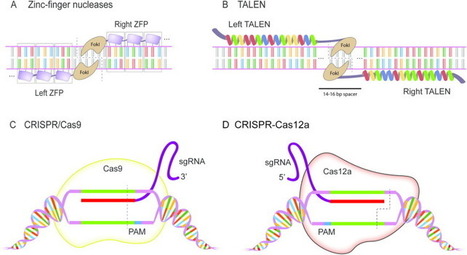
Petersen, 2018 DNA nucleases, including zinc-finger nucleases (ZFN), transcription activator-like endonucleases (TALENS), and meganucleases, possess long recognition sites and cutting domains and are thus capable of cutting DNA in a very specific manner. These molecular scissors mediate targeted genetic alterations by enhancing the DNA mutation rate via induction of double-strand breaks at a predetermined genomic site. Compared to conventional homologous recombination-based gene targeting, DNA nucleases can increase the targeting rate up to 10,000-fold, and gene disruption via mutagenic DNA repair is stimulated at a similar frequency. The successful application of different DNA nucleases has been demonstrated in a multitude of organisms, including insects, amphibians, plants, nematodes, and mammals, including livestock animals. Recently, another novel class of molecular scissors was described that uses short RNA sequences to target a specific genomic site (Fig. 7.1). The CRISPR/CAS9 originates from a bacterial defense mechanism and can be programmed to target almost any site within a genome. The ease and low costs to create very specific genetic alterations by DNA nucleases have revolutionized the production of genetically modified livestock. Current results indicate that DNA nucleases can be successfully employed in a broad range of organisms which renders them useful for improving the understanding of complex physiological systems, producing genetically modified animals, including creating large animal models for human diseases and creating specific cell lines. Genetic modifications could also increase animal welfare by making dehorning and sexing obsolete or by making farm animals resistant/resilient against specific pathogens. Livestock with a desired phenotype or trait can now be produced with previously unknown precision and ease and within a very short time frame considered to be impossible before their advent. This chapter provides an update on DNA nucleases and their underlying mechanism and focuses on their use in livestock production. It has to be kept in mind that, at the time of writing this chapter, none of the genetically modified livestock has entered the food chain or had been used for the production of livestock-derived products.
|
|
Scooped by
dromius
July 22, 2018 1:15 PM
|
Tsuji et al, 2018 We established a method for converting TALE-DNA binding to luminescence, by combining TALE and a sprit luciferase system. Furthermore, using a methylation-sensitive TALE, sequence-specific 5mC detection of genomic DNA was achieved in live cells. This study provides new strategy for exploring the biological functions of 5mC.
|
|
Scooped by
dromius
June 9, 2018 3:41 AM
|
Sun et al, 2018 Xanthomonas citri subsp. citri (Xcc) is the causal agent of citrus canker, a serious bacterial disease that affects citrus trees worldwide. The ectopic expression of TAL effector AvrXa7 in Xcc suppressed canker development. The Xcc strain expressing avrXa7 induced a yellow symptom around the inoculation site. Transcriptome analysis revealed 315 differentially expressed genes, which were categorized into several functional groups. The more interesting genes were those involved in the biosynthesis of terpene and ethylene. In particular, the linoleate 13 S-lipoxygenase gene CsLOX2-1 was found to possess the AvrXa7 binding sequence in the promoter region. The recognition of AvrXa7 to the CsLOX2-1 promoter was subsequently confirmed by yeast one-hybrid and electrophoretic mobility shift experiments. This demonstrated that the TALE effector AvrXa7 promotes CsLOX2-1 expression by directly binding to the promoter sequence. Our findings contribute a valuable clue to identifying the potential genes that can be used to prevent citrus canker.
|
|
Scooped by
dromius
May 14, 2018 7:22 AM
|
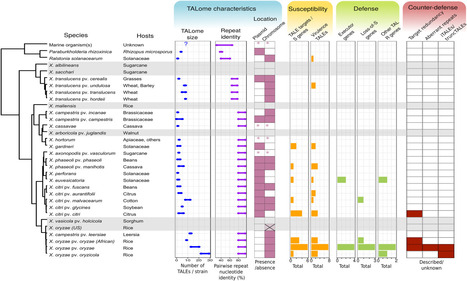
Schandry et al, 2018 Xanthomonas oryzae strains overcome recognition by traditional R genes, Xo1 and Xa1, by deploying structural variants of TALEs that seem to interfere with R gene function, possibly by competitively binding the R protein without eliciting an immune response (Zuluaga et al., 2017). It is conceivable that the loss of TALEs in some US strains is a response to the widespread presence of these R genes in cultivated rice in North America. Consequently, these strains avoid recognition and resistance at the expense of a significant loss of virulence. We believe that these described counter‐defence mechanisms are a testament to the effect of the deployment of R genes on TALome evolution. Indeed, to date, these mechanisms have been found almost exclusively in X. oryzae strains with expanded TALomes (Fig. 1). We propose that the expansion of TALomes is thus a feature that has been selected for in response to plant resistance, as it allows the bacteria to develop counter‐defence strategies and to quickly adapt to new cultivars.
|
|
Scooped by
dromius
May 5, 2018 8:58 AM
|
Bogdanove et al, 2018 Protein engineering is used to generate novel protein folds and assemblages, to impart new properties and functions onto existing proteins, and to enhance our understanding of principles that govern protein structure. While such approaches can be employed to reprogram protein–protein interactions, modifying protein–DNA interactions is more difficult. This may be related to the structural features of protein–DNA interfaces, which display more charged groups, directional hydrogen bonds, ordered solvent molecules and counterions than comparable protein interfaces. Nevertheless, progress has been made in the redesign of protein–DNA specificity, much of it driven by the development of engineered enzymes for genome modification. Here, we summarize the creation of novel DNA specificities for zinc finger proteins, meganucleases, TAL effectors, recombinases and restriction endonucleases. The ease of re-engineering each system is related both to the modularity of the protein and the extent to which the proteins have evolved to be capable of readily modifying their recognition specificities in response to natural selection. The development of engineered DNA binding proteins that display an ideal combination of activity, specificity, deliverability, and outcomes is not a fully solved problem, however each of the current platforms offers unique advantages, offset by behaviors and properties requiring further study and development.
|
|
Scooped by
dromius
April 28, 2018 7:00 AM
|
Takashina et al, 2018 Here, we identified a cell-penetrating peptide composed of 10 amino acids (RIFIHFRIGC) with nuclear trafficking activity and found that it was significantly more potent than a Tat-derived peptide or polyarginine peptide (R11). We named the peptide “nuclear trafficking peptide” (NTP) and applied it to a protein-based artificial transcription factor (NTP-ATF), which was composed of a transcription activator-like effector and transcription domain (VP64). An NTP-ATF designed to the proximal promoter region of the microRNA-302/367 cluster efficiently induced endogenous RNA expression at an extremely low concentration (0.25 nM), and repetitive treatment of mouse embryonic fibroblasts with NTP-ATF generated induced pluripotent stem-like cells, which gave chimeric mice. Together with the observation that recombinant NTP-ATF protein did not induce any apparent cytotoxicity, we propose that NTP-ATF is a promising system for cellular reprogramming applicable to regenerative medicine.
|
|
|
Scooped by
dromius
January 21, 2019 12:57 PM
|
Erkes et al, 2019, Pre-Print Plant-pathogenic Xanthomonas bacteria secret transcription activator-like effectors (TALEs) into host cells, where they act as transcriptional activators on plant target genes to support bacterial virulence. TALEs have a unique modular DNA-binding domain composed of tandem repeats. Two amino acids within each tandem repeat, termed repeat-variable diresidues, bind to contiguous nucleotides on the DNA sequence and determine target specificity. In this paper, we propose a novel approach for TALE target prediction to identify potential virulence targets. Our approach accounts for recent findings concerning TALE targeting, including frame-shift binding by repeats of aberrant lengths, and the flexible strand orientation of target boxes relative to the transcription start of the downstream target gene. The computational model can account for dependencies between adjacent RVD positions. Model parameters are learned from the wealth of quantitative data that have been generated over the last years. We benchmark the novel approach, termed PrediTALE, using RNA-seq data after Xanthomonas infection in rice, and find an overall improvement of prediction performance compared with previous approaches. Using PrediTALE, we are able to predict several novel putative virulence targets. However, we also observe that no target genes are predicted by any prediction tool for several TALEs, which we term orphan TALEs for this reason. We postulate that one explanation for orphan TALEs are incomplete gene annotations and, hence, propose to replace promoterome-wide by genome-wide scans for target boxes. We demonstrate that known targets from promoterome-wide scans may be recovered by genome-wide scans, whereas the latter, combined with RNA-seq data, are able to detect putative targets independent of existing gene annotations.
|
|
Scooped by
dromius
December 1, 2018 8:18 AM
|
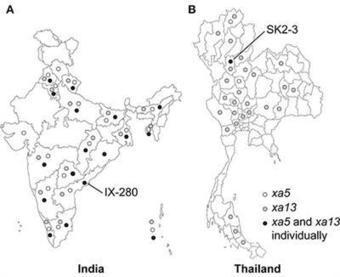
Carpenter et al, 2018 The rice bacterial blight pathogen Xanthomonas oryzae pv. oryzae (Xoo) injects transcription activator-like effectors (TALEs) that bind and activate host ‘susceptibility’ (S) genes important for disease. Clade III SWEET genes are major S genes for bacterial blight. The resistance genes xa5, which reduces TALE activity generally, and xa13, a SWEET11 allele not recognized by the cognate TALE, have been effectively deployed. However, strains that defeat both resistance genes individually were recently reported in India and Thailand. To gain insight into the mechanism(s), we completely sequenced the genome of one such strain from each country and examined the encoded TALEs. Strikingly, the two strains are clones, sharing nearly identical TALE repertoires, including a TALE known to activate SWEET11 strongly enough to be effective even when diminished by xa5. We next investigated SWEET gene induction by the Indian strain. The Indian strain induced no clade III SWEET in plants harbouring xa13, indicating a pathogen adaptation that relieves dependence on these genes for susceptibility. The findings open a door to mechanistic understanding of the role SWEET genes play in susceptibility and illustrate the importance of complete genome sequence-based monitoring of Xoo populations in developing varieties with effective disease resistance.
|
|
Scooped by
dromius
November 27, 2018 8:56 AM
|
(via T. Lahaye, thx) Genome engineering involves methods of genetic modification of cells at predefined genomic sites. Here, we used transcription activator-like effector nucleases (TALENs) for the site-directed mutagenesis in barley. Target gene-specific TALEN-encoding expression units were designed and delivered to totipotent cells of either cultivated embryogenic pollen or immature embryos. The analysis of resulting transgenic plants revealed that the described approach allows for the generation of site-specific, heritable mutations at reasonable efficiency.
|
|
Scooped by
dromius
October 31, 2018 4:24 AM
|
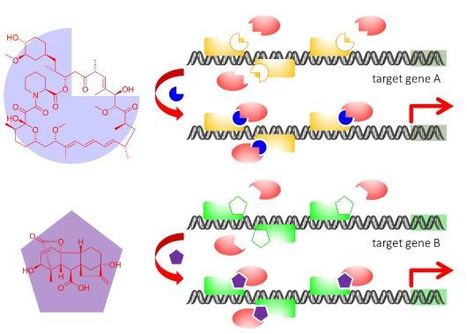
Nomura et al, 2018 The DNA-binding specificity of genome editing tools can be applied towards gene regulation. Recently, multiple artificial transcription factors (ATFs) were shown to synergistically and efficiently regulate gene expression. Chemically triggered protein associations are useful for functional regulation at specific timings. A combination of several inducible protein association systems could enable the regulation of multiple genes at different loci with independent timing. We applied the FKBP-rapamycin-FRB and the GAI-Gibberellin-GID systems for gene regulation using multiple TALEs and dCas9. By the combined use of currently available systems, reporter gene assays were performed; the results indicated that gene expression was regulated by rapamycin or gibberellin in the presence of the FRB-, or GAI-effector domains, respectively. Furthermore, the activation of endogenous genes was differentially regulated by the system. This success suggests the usability of the chemically inducible multiple ATFs for the time-dependent regulation of multiple genes, such as the case for cellular phenomena that are dependent on the programmable timing of expression and on the differential expression of multiple genes.
|
|
Scooped by
dromius
September 25, 2018 6:01 AM
|
(via T. Schreiber, thx) Bacman et al, 2018 Mutations in the mitochondrial DNA (mtDNA) are responsible for several metabolic disorders, commonly involving muscle and the central nervous system1. Because of the critical role of mtDNA in oxidative phosphorylation, the majority of pathogenic mtDNA mutations are heteroplasmic, co-existing with wild-type molecules1. Using a mouse model with a heteroplasmic mtDNA mutation2, we tested whether mitochondrial-targeted TALENs (mitoTALENs)3,4 could reduce the mutant mtDNA load in muscle and heart. AAV9-mitoTALEN was administered via intramuscular, intravenous, and intraperitoneal injections. Muscle and heart were efficiently transduced and showed a robust reduction in mutant mtDNA, which was stable over time. The molecular defect, namely a decrease in transfer RNAAla levels, was restored by the treatment. These results showed that mitoTALENs, when expressed in affected tissues, could revert disease-related phenotypes in mice.
|
|
Scooped by
dromius
August 29, 2018 6:01 AM
|
(via T. Lahaye, thx) Van NieuwenhuyseN & Vleminckx 2018
Targeted genome engineering technologies are revolutionizing the field of functional genomics and have been extensively used in a variety of model organisms, including X. tropicalis and X. laevis. The original methods based on Zn-finger proteins coupled to endonuclease domains were initially replaced by the more efficient and straightforward transcription activator-like effector nucleases (TALENs), adapted from plant pathogenic Xanthomonas species. Although functional genomics are more recently dominated by the even faster and more convenient CRISPR/Cas9 technology, the use of TALENs may still be preferred in a number of cases. We have successfully implemented this technology in Xenopus and in this chapter we describe our working protocol for targeted genome editing in X. tropicalis using TALENs.
|
|
Scooped by
dromius
August 8, 2018 4:26 AM
|
Simone et al, 2018 The rapid growth of the field of gene editing can largely be attributed to the discovery and optimization of designer endonucleases. These include zinc finger nucleases (ZFNs), transcription activator-like effector nucleases (TALENs), and clustered regular interspersed short palindromic repeat (CRISPR) systems including Cas9, Cas12a, and structure-guided nucleases. Zebrafish (Danio rerio) have proven to be a powerful model system for genome engineering testing and applications due to their external development, high fecundity, and ease of housing. As the zebrafish gene editing toolkit continues to grow, it is becoming increasingly important to understand when and how to utilize which of these technologies for maximum efficacy in a particular project. While CRISPR-Cas9 has brought broad attention to the field of genome engineering in recent years, designer endonucleases have been utilized in genome engineering for more than two decades. This chapter provides a brief overview of designer endonuclease and other gene editing technologies in zebrafish as well as some of their known functional benefits and limitations depending on specific project goals. Finally, selected prospects for additional gene editing tools are presented, promising additional options for directed genomic programming of this versatile animal model system.
|
|
Scooped by
dromius
August 6, 2018 3:08 AM
|
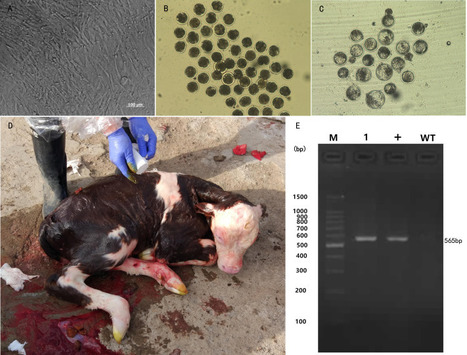
(via T. Lahaye, thx) Su et al, 2018 Gene editing tools (Zinc-Finger Nucleases, ZFN; Transcription Activator-Like Effector Nucleases, TALEN; and Clustered Regularly Interspaced Short Palindromic Repeats (CRISPR)/CRISPR-associated (Cas)9, CRISPR-Cas9) provide us with a powerful means of performing genetic engineering procedures. A combinational approach that utilizes both somatic cell nuclear transfer (SCNT) and somatic cell gene editing facilitates the generation of genetically engineered animals. However, the associated research has utilized markers and/or selected genes, which constitute a potential threat to biosafety. Microhomologous-mediated end-joining (MMEJ) has showed the utilization of micro-homologous arms (5–25 bp) can mediate exogenous gene insertion. Dairy milk is a major source of nutrition worldwide. However, most people are not capable of optimally utilizing the nutrition in milk because of lactose intolerance. Sulfolobus solfataricus β-glycosidase (LacS) is a lactase derived from the extreme thermophilic archaeon Sulfolobus solfataricus. Our finally aim was to site-specific integrated LacS gene into cow's genome through TALEN-mediated MMEJ and produce low-lactose cow. Firstly, we constructed TALENs vectors which target to the cow's β-casein locus and LacS gene expression vector which contain TALEN reorganization sequence and micro-homologous arms. Then we co-transfected these vectors into fetal derived skin fibroblasts and cultured as monoclone. Positive cell clones were screened using 3′ junction PCR amplification and sequencing analysis. The positive cells were used as donors for SCNT and embryo transfer (ET). Lastly, we detected the genotype through PCR of blood genomic DNA. This resulted in a LacS knock-in rate of 0.8% in TALEN-treated cattle fetal fibroblasts. The blastocyst rate of SCNT embryo was 27%. The 3 months pregnancy rate was 20%. Finally, we obtained 1 newborn cow (5%) and verified its genotype. We obtained 1 site-specific marker-free LacS transgenic cow. It provides a basis to solve lactose intolerance by gene engineering breeding. This study also provides us with a new strategy to facilitate gene knock-ins in livestock using techniques that exhibit improved biosafety and intuitive methodologies.
|
|
Scooped by
dromius
July 9, 2018 5:27 AM
|
(Via T. Schreiber, thx!) Doucoure et al, 2018 Rice Bacterial Leaf Blight (BLB) is caused by Xanthomonas oryzae pv. oryzae (Xoo) which injects Transcription Activator-Like Effectors (TALEs) into the host cell to modulate the expression of target disease susceptibility genes. Xoo major-virulence TALEs universally target susceptibility genes of the SWEET sugar transporter family. TALE-unresponsive alleles of OsSWEET genes have been identified in the rice germplasm or created by genome editing and confer resistance to BLB. In recent years BLB has become one of the major biotic constraints to rice cultivation in Mali. To inform the deployment of alternative sources of resistance in this country, rice lines carrying alleles of OsSWEET14 unresponsive to either TalF (formerly Tal5) or TalC, two important TALEs previously identified in West African Xoo, were challenged with a panel of strains recently isolated in Mali and were found to remain susceptible to these isolates. The characterization of TALE repertoires revealed that talF and talC specific molecular markers were simultaneously present in all surveyed Malian strains, suggesting that the corresponding TALEs are broadly deployed by Malian Xoo to redundantly target the OsSWEET14 gene promoter. Consistent with this, the capacity of most Malian Xoo to induce OsSWEET14 was unaffected by either talC- or talF-unresponsive alleles of this gene. Long-read sequencing and assembly of eight Malian Xoo genomes confirmed the widespread occurrence of active TalF and TalC variants and provided a detailed insight into the diversity of TALE repertoires. All sequenced strains shared nine evolutionary related tal effector genes. Notably, a new TalF variant that is unable to induce OsSWEET14 was identified. Furthermore, two distinct TalB variants were shown to have lost the ability to simultaneously induce two susceptibility genes as previously reported for the founding members of this group from strains MAI1 and BAI3. Yet, both new TalB variants retained the ability to induce one or the other of the two susceptibility genes. These results reveal molecular and functional differences in tal repertoires and will be important for the sustainable deployment of broad-spectrum and durable resistance to BLB in West Africa.
|
|
Scooped by
dromius
May 21, 2018 4:13 AM
|
(via T. Lahaye, thx) Khan et al, 2018 During the last decade, unprecedented progress in the field of genome modification has been witnessed with various applications in basic and applied biology. Genome editing with specific DNA binding proteins has shown higher specificity and fidelity. Artificially engineered proteins such as zinc fingers (ZFs), transcription activator-like effectors (TALEs) and clustered regularly interspaced short palindromic repeats (CRISPR) RNA-guided nucleases (e.g., Cas9) have been used to edit genomes of several plants species such as wheat, rice, soybean, potato, tomato, tobacco, Arabidopsis etc. Engineered proteins with nuclease domain, ZFNs, TALENs, CRISPR/Cas9, can be used to induce double-strand breaks (DSB) in the target genomes. In eukaryotic systems, double strand breaks are repaired by either non-homologous end joining (NHEJ) or homologous recombination (HR) based repair mechanisms resulting in knockdown or malfunction of the targeted gene. Begomoviruses are becoming a serious threat to a number of crops in Pakistan. The present study was initiated with the objective to demonstrate suppression of replication of cotton leaf curl virus (CLCuV) using TALE technology. The most conserved DNA sequence of begomoviruses, nonanucleotide, was targeted to achieve a broad-spectrum resistance against CLCuV prevalent in Pakistan. Activity of TALEs for virus suppression was successfully demonstrated in Nicotiana benthamiana by challenging with infectious clones of cotton leaf curl Kokhran virus (CLCuKV). Virus accumulation was determined by qPCR. The plants showed varying degrees of resistance to CLCuKV in three ways; attenuated virus infection, delayed symptoms and lower virus titer. Our results successfully demonstrated the potential of TALE technology for CLCuV suppression and offer a broader genome targeting platform for suppression of other viruses.
|
|
Scooped by
dromius
May 14, 2018 3:45 AM
|
Geiger-Schuller et al, 2018 Transcription activator-like effectors (TALEs) bind DNA through an array of tandem 34-residue repeats. Here, we examine the kinetics of DNA binding for a set of TALE arrays with identical repeats of varying length (and repeat number) using single molecule microscopy. Using a new deterministic modeling approach to test kinetic models consistent with data, we find evidence for conformational heterogeneity in both the free- and DNA-bound TALE arrays. We connect these results with previous work demonstrating populations of partly folded TALE states. TALEs forming less than one superhelical turn around DNA access partly folded open states that inhibit DNA binding, whereas TALEs forming more than one turn access partly folded open states that facilitate DNA binding. Overall, we find that increasing repeat number results in significantly slower interconversion between and among DNA-free and DNA-bound states. These findings highlight the role conformational dynamics can play in facilitating the assembly of large complexes.
|
|
Scooped by
dromius
May 3, 2018 3:52 AM
|
Ma et al, 2018 Xanthomonas oryzae pv. oryzae (Xoo), causal agent of bacterial blight (BB) of rice, uses transcription activator‐like effectors (TALEs) to interact with the basal transcription factor gama subunit OsTFIIAγ5 (Xa5) and activates transcription of host genes. However, how OsTFIIAγ1, the other OsTFIIAγ protein, functions in the presence of TALEs remains unclear. In this study, we show that OsTFIIAγ1 plays a compensatory role in the absence of Xa5. The expression of OsTFIIAγ1, which is activated by TALE PthXo7, increased the expression of host genes targeted by avirulent and virulent TALEs. Defective OsTFIIAγ1 rice lines showed reduced expression of the TALE‐targeted susceptibility (S) genes, OsSWEET11 and OsSWEET14, which resulted in increased BB resistance. Selected TALEs (PthXo1, AvrXa7, and AvrXa27) were evaluated for interactions with OsTFIIAγ1, Xa5 and xa5 (naturally‐occurring mutant form of Xa5) using biomolecular fluorescence complementation (BiFC) and microscale thermophoresis (MST). BiFC and MST demonstrated that the three TALEs bind Xa5 and OsTFIIAγ1 with a stronger affinity than xa5. These results provide insight into the complex roles of OsTFIIAγ1 and OsTFIIAγ5 in TALE‐mediated host gene transcription. This article is protected by copyright. All rights reserved.
|