 Your new post is loading...

|
Scooped by
dromius
December 13, 2013 7:59 AM
|
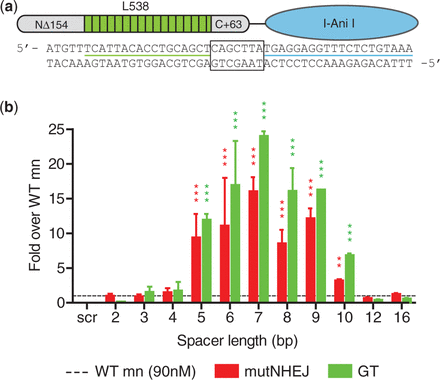
(via T. lahaye, thx) Sun et al, 2019 In this study, we report the development of a TALEN variant, SunnyTALEN, with >2.5-fold improved genome editing efficacy in human cells. The corresponding scaffold increases the rate of genetic modification at all the 13 tested loci of human genome and is compatible with heterodimer TALEN architectures. This enhanced and high-efficiency TALEN variant represents a novel second-generation TALEN system and has great potential for biological and therapeutic applications.
|
|
Scooped by
dromius
December 11, 2013 11:14 AM
|
(via T. Lahaye, thx) Lin et al, 2013 Three novel atypical symptom-producing types of Xanthomonas axonopodis pv. citri were described recently. The variants designated as Xac-Ap type produce large flat necrotic with water-soaked margin lesions instead of canker lesions on leaves of Mexican lime (Citrus aurantifolia) and grapefruit (C. paradisi). Random mutagenesis using transposon Tn5 in Xac-Ap type strain XL38 was used to isolate a virulence-deficient mutant T38, which induced small flat necrotic with water-soaked margin lesions on leaves. PthAp being inactivated by the transposon was cloned and characterized. Our result demonstrated that pthAp is responsible for XL38 to cause large flat necrotic with water-soaked margin lesions and bacterial multiplication but fails to confer the ability of inducing canker lesions. Sequence analysis reveled pthAp is a new member belong to the pthA homologs. The sequence is almost identical to the other homologs except for the number of direct tandem repeats in the central region of the gene. The pthAp contained an intact promoter and a full-length reading frame but with 18.5 direct repeats. Moreover, the amino acid at position 3rd in 1st, 2nd, 3rd repeats and at 13th position in 11th, 12th, 13th, 14th repeats were varied. Mutant T38 is fully complemented by pthA carried 17.5 direct repeats for the pathogenicity of X. axonopodis pv. citri to elicit canker lesions. The pthAp affected in planta bacterial growth and lesions in size but no ability of inducing canker symptom. These results suggested that pthAp is a new distinct virulence effector responsible for the enhancement of virulence.
|
|
Scooped by
dromius
December 6, 2013 4:46 PM
|
Technologies developed for genome editing are repurposed to study functions of chromatin modifications.
|
|
Scooped by
dromius
December 6, 2013 3:00 AM
|
(via T. Lahaye, thx) Yanik et al, 2013 Both TALENs and ZFNs are programmable nucleases which rely on the dimerization of FokI to induce double-strand DNA cleavage at the target site after recognition of the target DNA by the respective DNA-binding module. TALENs seem to have an advantage over ZFNs, as the assembly of TALE proteins is easier than that of ZFNs. Here, we present evidence that variant TALENs can be produced by replacing the catalytic domain of FokI with the restriction endonuclease PvuII. These fusion proteins recognize only the composite recognition site consisting of the target site of the TALE protein and the PvuII recognition sequence (addressed site), but not isolated TALE or PvuII recognition sites (unaddressed sites), even at high excess of protein over DNA and long incubation times. In vitro, their preference for an addressed over an unaddressed site is > 34,000-fold. Moreover, TALE-PvuII fusion proteins are active in cellula with minimal cytotoxicity.
|
|
Scooped by
dromius
December 5, 2013 4:05 AM
|
(via T. Lahaye, thx) Ferguson et al, 2013 Here we utilized a promising new technique for efficient site-specific gene modification to create a novel gene knockout rat line. This approach is based on transcriptional activator-like effector nucleases (TALENs). TALENs function in pairs and bind DNA in a sequence-specific manner. Upon binding to the target sequence, a functional nuclease is reconstituted that creates double-stranded breaks in the DNA that are efficiently repaired by non-homologous end joining. This error-prone process often results in deletions of varying lengths at the targeted locus. The toll-like receptor 4 (Tlr4) gene was selected for TALEN-mediated gene inactivation. Tlr4 has been implicated in ethanol-induced neuroinflammation and neurodegeneration, as well as multiple ethanol-induced behavioral effects. To generate Tlr4 knockout rats, a pair of TALEN constructs was created that specifically target Exon 1 immediately downstream of the start of translation. TALEN mRNAs were microinjected into the cytoplasm of one-cell Wistar rat embryos. Of 13 live-born pups that resulted, one harbored a mutation in Exon 1 of Tlr4. The mutated allele consisted of a 13 base-pair deletion that was predicted to create a frameshift mutation after amino acid 25. This founder rat successfully transmitted the mutation to F1 offspring. Heterozygous F1 offspring were interbred to produce homozygous F2 animals. Homozygous mutants expressed the 13-bp deletion in Tlr4 mRNA. In contrast to control rats that produced a robust increase in plasma tumor necrosis factor alpha in response to a lipopolysaccharide challenge, homozygous rats had a markedly attenuated response. Thus, the mutant Tlr4 allele generated by TALEN-mediated gene inactivation represents a null allele. This knockout rat line will be valuable for studies of ethanol action as well as more general inflammatory conditions including septic shock. In conclusion, TALEN-mediated gene targeting in rat zygotes represents an inexpensive, efficient, and rapid method for creating genetically engineered rats.
|
|
Scooped by
dromius
December 2, 2013 2:45 AM
|
Wang et al, 2013 Bacterial blight (BB), caused by Xanthomonas oryzae pv. oryzae (Xoo), is not only a disease devastating rice production worldwide but also an ideal model system for studying the interaction between plants and their bacterial pathogens. The rice near-isogenic line (NIL) CBB23, derived from a cross between a wild rice Oryza rufipogon accession (RBB16) and a susceptible indica rice variety Jingang 30, is highly resistant to all field Xoo strains tested so far. Although the BB-resistance of CBB23 has been widely used in rice breeding programs, the mechanism of its extremely broad-spectrum resistance remains unknown. Here, we report the molecular cloning of an avirulence gene, designated as avrXa23, from Xoo strain PXO99A. We validate that AvrXa23, a novel transcription activator-like effector, specifically triggers the broad-spectrum BB-resistance in CBB23. Prevalence of avrXa23 in all 38 Xoo strains surveyed may explain the broad-spectrum feature of BB-resistance in CBB23. The results will significantly facilitate the molecular cloning of the corresponding R-gene in the host, and provide new insights into our understanding of molecular mechanism for broad-spectrum disease resistance in plants.
|
|
Scooped by
dromius
December 2, 2013 2:38 AM
|
Jones & Meisler 2013 To evaluate the efficiency of TALEN technology for introducing mutations into the mouse genome we targeted Scn8a, a member of a multigene family with nine closely related paralogs. Our goal was to generate a model of early onset epileptic encephalopathy by introduction of the Scn8a missense mutation p.Asn1768Asp. We used a pair of TALENs that were highly active in transfected cells. The targeting template for homologous recombination contained a 4 kb genomic fragment. Microinjection of TALENs with the targeting construct into the pronucleus of 350 fertilized mouse eggs generated 67 live-born potential founders, of which 5 were heterozygous for the pathogenic mutation, a yield of 7% correctly targeted mice. Twenty-four mice carried one or two Scn8a indels, including 12 frameshift mutations and the novel amino acid deletion p.Asn1759del. Nine off-site mutations in the paralogous sodium channel genes Scn5a and Scn4a were identified. The data demonstrate the feasibility and efficiency of targeting members of multigene families using TALENs. The Scn8atm1768DMm mouse model will be useful for investigation of the pathogenesis and therapy of early onset seizure disorders.
|
|
Scooped by
dromius
November 28, 2013 4:23 PM
|
The first training school of the action - TALEN & CRISPR Training School - is scheduled to take place on 24 - 28 March 2014 in Halle, Germany. The training school will be hosted by Dr. Jens Boch at the Martin Luther University in Halle. For more information about the training school, please refer to the presentation.
|
|
Scooped by
dromius
November 28, 2013 8:11 AM
|
(via T. Lahaye, thx) Zhang et al, 2013 In this review, we summarize the major advances in TALE technology over the past several years with a focus on the interaction between TALEs and DNA, TALE design and construction, potential applications for this technology, and unique characteristics that make TALEs superior to zinc finger endonucleases.
|
|
Scooped by
dromius
November 27, 2013 3:42 AM
|
(via T. Schreiber, thx) Chen and Gao 2013 Recent advances in genome engineering indicate that innovative crops developed by targeted genome modification (TGM) using site-specific nucleases (SSNs) have the potential to avoid the regulatory issues raised by genetically modified organisms. These powerful SSNs tools, comprising zinc-finger nucleases, transcription activator-like effector nucleases, and clustered regulatory interspaced short palindromic repeats/CRISPR-associated systems, enable precise genome engineering by introducing DNA double-strand breaks that subsequently trigger DNA repair pathways involving either non-homologous end-joining or homologous recombination. Here, we review developments in genome-editing tools, summarize their applications in crop organisms, and discuss future prospects. We also highlight the ability of these tools to create non-transgenic TGM plants for next-generation crop breeding.
|
|
Scooped by
dromius
November 20, 2013 12:50 PM
|
Artificial nucleases have developed into powerful tools for introducing precise genome modifications in a wide variety of species. In this chapter the authors provide detailed protocols for rapidly constructing zinc finger nucleases (ZFNs) and TALE nucleases (TALENs) and evaluating their activity for the targeted generation of InDels within the zebrafish genome.
|
|
Scooped by
dromius
November 17, 2013 7:13 AM
|
http://geschwindlab.neurology.ucla.edu/node/216 We developed automated software, entitled TALENSeek, to identify unique TALEN binding sites of a user-specified gene or genomic locus. The program is outlined in Figure 1, where (a) automated annotation of genetic regions are used to identify start and end sites of a gene using the farthest protein coding regions across all isoforms (b) potential TALEN binding sites are identified; (c) TALEN binding sites are evaluated for uniqueness across the genome; (d) if a binding site is non-unique, the binding sites are shifted into the coding region of the gene and the algorithm iterates from step (b). Chromosomal locations and genomic sequences of the TALEN binding site are output. In addition, chromosomal locations of TALEN binding sites can be visualized in genome browsers. Homology arms to generate gene knock-outs, knock-ins or correction are also output by the program and can be used to generate donor constructs to direct homologous dependent repair.
The TALENSeek program has been applied to generate genome-wide TALEN binding sites for each isoform of each gene in the human genome (hg19; 509,262 unique binding sites generated). Eight TALEN pairs were assembled and demonstrated activity in K562 cells; one of these eight has been used in human embryonic stem cells to generate hetero- and homozygously targeted cell lines. TALENSeek can be easily modified to any species with an available genome sequence. An application of the program to mouse (mTALENSeek) is also currently available.
TALENSeek is a user-friendly bioinformatics tool that allows for the design of unique TALEN binding sites in the genome. TALENs are efficient genome editing tools, which create the possibility of direct modeling of disease-associated mutations in developing human stem cells.
|
|
Scooped by
dromius
November 12, 2013 7:15 AM
|
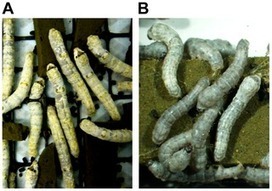
(via T. Lahaye, thx) Takasu et al, 2013 We showed earlier that ZFNs and TALENs are able to induce NHEJ mutations in the B. mori genome. In order to optimize our mutagenesis protocol, we modified one of the reported truncated TALEN scaffolds and optimized it for use in the B. mori embryo. We also established a novel B. mori somatic cell assay suitable for the preselection of highly efficient TALENs directly in the B. mori model system. We compared the efficiency of several TALEN pairs based on three different frameworks using the BmBLOS2 gene. The new active TALENs show one order of magnitude higher efficiency than those we used previously. We confirmed the utility of our improved protocol by mutagenesis of the autosomal gene, red egg (Bm-re) and showed that it allows obtaining homozygous mutants in G1. Our procedure minimizes the chance of failure in B. mori gene targeting experiments.
|
|
|
Scooped by
dromius
December 12, 2013 3:31 AM
|
(via T. Schreiber, thx) Sakane et al, 2013 Transcription activator-like effector nucleases (TALENs) have been extensively used in genome editing in various organisms. In some cases, however, it is difficult to efficiently disrupt both paralogous genes using a single pair of TALENs in Xenopus laevis because of its polyploidy. Here, we report targeted mutagenesis of multiple and paralogous genes using two pairs of TALENs in X. laevis. First, we show simultaneous targeted mutagenesis of three genes, tyrosinase paralogues (tyra and tyrb) and enhanced green fluorescent protein (egfp) by injection of two TALENs pairs in transgenic embryos carrying egfp. Consistent with the high frequency of both severe phenotypic traits, albinism and loss of GFP fluorescence, frameshift mutation rates of tyr paralogues and egfp reached 40–80%. Next, we show early introduction of TALEN-mediated mutagenesis of these target loci during embryogenesis. Finally, we also demonstrate that two different pairs of TALENs can simultaneously introduce mutations to both paralogues encoding histone chaperone with high efficiency. Our results suggest that targeted mutagenesis of multiple genes using TALENs can be applied to analyze the functions of paralogous genes with redundancy in X. laevis.
|
|
Scooped by
dromius
December 9, 2013 3:35 AM
|
Fahrenkrug et al, 2013 To date, all gene-edited large animals have been produced by treatment of somatic cells and cloning to produce gene-edited offspring. Although effective, it does not take advantage of the 'leave-no-trace' aspect of site-specific nucleases, and the derivation of food animals by cloning is negatively perceived by the public. Thus, we have investigated production of gene-edited pigs, cattle and sheep by direct injection of TALEN or ZFN mRNAs to develop loss-of-function alleles for disease resistance (RELA) or enhanced meat production (GDF8). In vitro studies demonstrated activity of TALENs by cytoplasmic injection of mRNAs from dosages of 2 to 20ngmL(-1) with an apparent increase in both editing frequency and toxicity at high dosage. Our first pregnancies were produced by transfer of pig embryos (in vivo produced) injected with 2ngmL(-1) RELA TALEN mRNA. Pregnancy was confirmed in 5 of 7 recipients 4 of which went full term giving rise to 39 piglets, 8 of which carried editing events (21%). In parallel, we injected ZFN mRNA (2ngmL(-1)) targeted to a similar site of the RELA gene and 2 of 2 recipients became pregnant, resulting in the birth of 9 piglets, one of which was edited (11%). For cattle injections, we derived zygotes by ovum pickup from selected Nelore dams followed by in vitro maturation and fertilization with Nelore semen. Low (2ngmL(-1)) and medium (5ngmL(-1)) dosages of GDF8-targeted TALENs resulted in Day 7 development to morula/blastocyst stage in 40% (n=18) and 10% (n=66) of cultured embryos, respectively. A total of 20 morula/blastocysts were chosen for transfer to 11 recipients, resulting in two full-term pregnancies. One pregnancy produced two calves, both of which carried edited GDF8 alleles. Complications with parturition of the second pregnancy resulted in 2 stillborn calves, the genotypes of which are under investigation. Finally, 2ngmL(-1) of TALEN mRNA targeted to ovine GDF8 was injected into in vivo-produced sheep zygotes and transferred into nine recipients, 3 blastocysts each. The pregnancy rate, number of live-born animals, and gene editing frequency is under investigation and will be reported.
|
|
Scooped by
dromius
December 6, 2013 4:45 PM
|
E-TALEN is a web service to design TALENs for introducing knock-out mutations, for endogenous tagging and targeted excision repair. The tool can be used to design TALENs against a single target but also for up to 50 target genes in parallel. E-TALEN guides the user through end-to-end de-novo design process for specific sequences or genomic loci. In addition, it can also be used to evaluate existing TALEN designs.
|
|
Scooped by
dromius
December 5, 2013 4:09 AM
|
(via T. Lahaye, thx) Zhu et al, 2013 Here, we describe a system for precise genetic modification of human embryonic stem cells (ESCs) and induced pluripotent stem cells (iPSCs). We identified a novel human locus, H11, located in a safe, intergenic, transcriptionally active region of chromosome 22, as the recipient site, to provide robust, ubiquitous expression of inserted genes. Recipient cell lines were established by site-specific placement of a ‘landing pad’ cassette carrying attP sites for phiC31 and Bxb1 integrases at the H11 locus by spontaneous or TALEN-assisted homologous recombination. Dual integrase cassette exchange (DICE) mediated by phiC31 and Bxb1 integrases was used to insert genes of interest flanked by phiC31 and Bxb1 attB sites at the H11 locus, replacing the landing pad. This system provided complete control over content, direction and copy number of inserted genes, with a specificity of 100%. A series of genes, including mCherry and various combinations of the neural transcription factors LMX1a, FOXA2 and OTX2, were inserted in recipient cell lines derived from H9 ESC, as well as iPSC lines derived from a Parkinson’s disease patient and a normal sibling control. The DICE system offers rapid, efficient and precise gene insertion in ESC and iPSC and is particularly well suited for repeated modifications of the same locus.
|
|
Scooped by
dromius
December 4, 2013 5:08 AM
|
(via T. Schreiber, thx) Doyle et al, 2013 Sequences targeted by TAL effector repeats in nature are nearly all directly preceded by a thymine (T) that is required for maximal activity, and target sites for custom TAL effector constructs have typically been selected with this constraint. Multiple crystal structures suggest that this requirement for T at base 0 is encoded by a tryptophan residue (W232) in a cryptic repeat N-terminal to the central repeats that exhibits energetically favorable van der Waals contacts with the T. We generated variants based on TAL effector PthXo1 with all single amino acid substitutions for W232. In a transcriptional activation assay, many substitutions altered or relaxed the specificity for T and a few were as active as wild type. Some showed higher activity. However, when replicated in a different TAL effector, the effects of the substitutions differed. Further, the effects differed when tested in the context of a TALEN in a DNA cleavage assay, and in a TAL effector-DNA binding assay. Substitution of the N-terminal region of the PthXo1 construct with that of one of the TAL effector-like proteins of Ralstonia solanacearum, which have arginine in place of the tryptophan, resulted in specificity for guanine as the 5’ base but low activity, and several substitutions for the arginine, including tryptophan, destroyed activity altogether. Thus, the effects on specificity and activity generated by substitutions at the W232 (or equivalent) position are complex and context dependent. Generating TAL effector scaffolds with high activity that robustly accommodate sites without a T at position 0 may require larger scale re-engineering.
|
|
Scooped by
dromius
December 2, 2013 2:41 AM
|
Genome editing using engineered nucleases such as transcription activator-like effector nucleases (TALENs) has become a powerful technology for reverse genetics. In this study, we have described efficient detection methods for TALEN-induced mutations at endogenous loci and presented guidelines of TALEN design for efficient targeted mutagenesis in medaka, Oryzias latipes. We performed a heteroduplex mobility assay (HMA) using an automated microchip electrophoresis system, which is a simple and high-throughput method for evaluation of in vivo activity of TALENs and for genotyping mutant fish of F1 or later generations. We found that a specific pattern of mutations is dominant for TALENs harboring several base pairs of homologous sequences in target sequence. Furthermore, we found that a 5′ T, upstream of each TALEN-binding sequence, is not essential for genomic DNA cleavage. Our findings provide information that expands the potential of TALENs and other engineered nucleases as tools for targeted genome editing in a wide range of organisms, including medaka.
|
|
Scooped by
dromius
November 29, 2013 10:32 AM
|
Numerous methods of constructing TALENs harboring different TALE scaffolds and repeat variants have recently been reported. However, the functionalities of structurally different TALENs have not yet been compared. Here, we report on the functional differences among several types of TALENs targeting the same loci. Using HEK293T cell-based single-strand annealing and Cel-I nuclease assays, we found that TALENs with periodically-patterned repeat variants harboring non-repeat-variable di-residue (non-RVD) variations (Platinum TALENs) showed higher activities than TALENs without non-RVD variations. Furthermore, the efficiencies of gene disruption mediated by Platinum TALENs in frogs and rats were significantly higher than in previous reports. This study therefore demonstrated an efficient system for the construction of these highly active Platinum TALENs (Platinum Gate system), which could establish a new standard in TALEN engineering.
|
|
Scooped by
dromius
November 28, 2013 8:14 AM
|
(via T. Lahaye, thx) Mercer et al, 2013 The construction of increasingly sophisticated synthetic biological circuits is dependent on the development of extensible tools capable of providing specific control of gene expression in eukaryotic cells. Here, we describe a new class of synthetic transcription factors that activate gene expression in response to extracellular chemical stimuli. These inducible activators consist of customizable transcription activator-like effector (TALE) proteins combined with steroid hormone receptor ligand-binding domains. We demonstrate that these ligand-responsive TALE transcription factors allow for tunable and conditional control of gene activation and can be used to regulate the expression of endogenous genes in human cells. Since TALEs can be designed to recognize any contiguous DNA sequence, the conditional gene regulatory system described herein will enable the design of advanced synthetic gene networks.
|
|
Scooped by
dromius
November 27, 2013 6:12 AM
|
(via T. Schreiber, thx) Boissel et al, 2013 Rare-cleaving endonucleases have emerged as important tools for making targeted genome modifications. While multiple platforms are now available to generate reagents for research applications, each existing platform has significant limitations in one or more of three key properties necessary for therapeutic application: efficiency of cleavage at the desired target site, specificity of cleavage (i.e. rate of cleavage at ‘off-target’ sites), and efficient/facile means for delivery to desired target cells. Here, we describe the development of a single-chain rare-cleaving nuclease architecture, which we designate ‘megaTAL’, in which the DNA binding region of a transcription activator-like (TAL) effector is used to ‘address’ a site-specific meganuclease adjacent to a single desired genomic target site. This architecture allows the generation of extremely active and hyper-specific compact nucleases that are compatible with all current viral and nonviral cell delivery methods.
|
|
Scooped by
dromius
November 26, 2013 6:25 AM
|
(via T. Lahaye, thx) Wicky et al, 2013 Transcription Activator-Like (TAL) effectors are DNA-binding proteins secreted by phytopathogenic bacteria that interfere with native cellular functions by binding to plant DNA promoters. The key element of their architecture is a domain of tandem-repeats with almost identical sequences. Most of the polymorphism is located at two consecutive amino acids termed Repeat Variable Diresidue (RVD). The discovery of a direct link between the RVD composition and the targeted nucleotide allowed the design of TAL-derived DNA-binding tools with programmable specificities that revolutionized the field of genome engineering. Despite structural data, the molecular origins of this specificity as well as the recognition mechanism have remained unclear. Molecular simulations of the recent crystal structures suggest that most of the protein-DNA binding energy originates from non-specific interactions between the DNA backbone and non-variable residues, while RVDs contributions are negligible. Based on dynamical and energetic considerations we postulate that, while the first RVD residue promotes helix breaks – allowing folding of TAL as a DNA-wrapping super-helix – the second provides specificity through a negative discrimination of matches. Furthermore, we propose a simple pharmacophore-like model for the rationalization of RVD-DNA interactions and the interpretation of experimental findings concerning shared affinities and binding efficiencies. The explanatory paradigm presented herein provides a better comprehension of this elegant architecture and we hope will allow for improved designs of TAL-derived biotechnological tools.
|
|
Scooped by
dromius
November 19, 2013 10:36 AM
|
Here, we introduce fairyTALE, a liquid phase high-throughput TALE synthesis platform capable of producing TALE-nucleases, activators, and repressors that recognize DNA sequences between 14 and 31 bp. It features a highly efficient reaction scheme, a flexible functionalization platform, and fully automated robotic liquid handling that enable the production of hundreds of expression-ready TALEs within a single day with over 98% assembly efficiency at a reagent cost of just $5 per TALE. As proof of concept, we synthesized and tested 90 TALEs, each recognizing 27 bp, without restrictions on their sequence composition. 96% of these TALEs were found to be functional, while sequencing confirmation revealed that the non-functional constructs were all correctly assembled.
|
|
Scooped by
dromius
November 17, 2013 7:05 AM
|
Xeroderma pigmentosum group C (XP-C) is a rare human syndrome characterized by hypersensitivity to UV light and a dramatic predisposition to skin neoplasms. XP-C cells are deficient in the nucleotide excision repair (NER) pathway, a complex process involved in the recognition and removal of DNA lesions. Several XPC mutations have been described, including a founder mutation in North African patients involving the deletion of a TG dinucleotide (ΔTG) located in the middle of exon 9. This deletion leads to the expression of an inactive truncated XPC protein, normally involved in the first step of NER. New approaches used for gene correction are based on the ability of engineered nucleases such as Meganucleases, Zinc-Finger nucleases or TALE nucleases to accurately generate a double strand break at a specific locus and promote correction by homologous recombination through the insertion of an exogenous DNA repair matrix. Here, we describe the targeted correction of the ΔTG mutation in XP-C cells using engineered meganuclease and TALEN™. The methylated status of the XPC locus, known to inhibit both of these nuclease activities, led us to adapt our experimental design to optimize their in vivo efficacies. We show that demethylating treatment as well as the use of TALEN™ insensitive to CpG methylation enable successful correction of the ΔTG mutation. Such genetic correction leads to re-expression of the full-length XPC protein and to the recovery of NER capacity, attested by UV-C resistance of the corrected cells. Overall, we demonstrate that nuclease-based targeted approaches offer reliable and efficient strategies for gene correction.
|











wondering whether the name SunnyTALEN originates from the first authors last name...