Your new post is loading...

|
Scooped by
dromius
September 25, 2014 2:58 AM
|
(via T. Lahaye, thx) Mahfouz et al, 2014 The ability to precisely modify genome sequence and regulate gene expression patterns in a site-specific manner holds much promise in plant biotechnology. Genome-engineering technologies that enable such highly specific and efficient modification are advancing with unprecedented pace. Transcription activator-like effectors (TALEs) provide customizable DNA-binding modules designed to bind to any sequence of interest. Thus, TALEs have been used as a DNA targeting module fused to functional domains for a variety of targeted genomic and epigenomic modifications. TALE nucleases (TALENs) have been used with much success across eukaryotic species to edit genomes. Recently, clustered regularly interspaced palindromic repeats (CRISPRs) that are used as guide RNAs for Cas9 nuclease-specific digestion has been introduced as a highly efficient DNA-targeting platform for genome editing and regulation. Here, we review the discovery, development and limitations of TALENs and CRIPSR/Cas9 systems as genome-engineering platforms in plants. We discuss the current questions, potential improvements and the development of the next-generation genome-editing platforms with an emphasis on producing designer plants to address the needs of agriculture and basic plant biology.
|
|
Scooped by
dromius
September 16, 2014 4:21 AM
|
(via T. Lahaye, thx) Gao et al, 2014 The transcription activator–like effectors (TALEs) and the RNA-guided clustered regularly interspaced short palindromic repeat (CRISPR) associated protein (Cas9) utlilize distinct molecular mechanisms in targeting site recognition. The two proteins can be modified to carry additional functional domains to regulate expression of genomic loci in mammalian cells. In this study, we have compared the two systems in activation and suppression of the Oct4 and Nanog loci by targeting their enhancers. Although both are able to efficiently activate the luciferase reporters, the CRISPR/dCas9 system is much less potent in activating the endogenous loci and in the application of reprogramming somatic cells to iPS cells. Nevertheless, repression by CRISPR/dCas9 is comparable to or even better than TALE repressors. We demonstrated that dCas9 protein binding results in significant physical interference to binding of native transcription factors at enhancer, less efficient active histone markers induction or recruitment of activating complexes in gene activation. This study thus highlighted the merits and drawbacks of transcription regulation by each system. A combined approach of TALEs and CRISPR/dCas9 should provide an optimized solution to regulate genomic loci and to study genetic elements such as enhancers in biological processes including somatic cell reprogramming and guided differentiation.
|
|
Scooped by
dromius
September 15, 2014 8:14 AM
|
(via T. Lahaye, thx) Lor et al, 2014 We report the successful use of TALENs under the control of an estrogen-inducible promoter for targeted mutagenesis in tomato (Solanum lycopersicum) of the negative regulator of gibberellin signaling PROCERA(PRO). TALEN expression was induced and plants were regenerated from cotyledons of seedlings derived from stable transgenic lines. Six of 40 regenerated plants carried pro alleles, and the mutations in the two lines examined were heritable. Homozygous pro segregants exhibited phenotypes consistent with increased gibberellin response.
|
|
Scooped by
dromius
September 3, 2014 5:56 AM
|
(via T. Schreiber, thx) Park et al, 2014 In this study, in combination with chicken primordial germ cell line with germ-line transmission capacity, we generated the ovalbumin gene knockout chickens by TALEN-mediated gene targeting. Our results extended the application of state-of-the-art TALEN technology from experimental animals to farm animals. As TALEN-mediated knockout chickens are genetically modified but nontransgenic, without genomic integration of any exogenous transgenes, specific genomic editing with TALENs could expedite the generation of genetically engineered chickens for agriculturally practical applications as well as for model animals.
|
|
Scooped by
dromius
August 26, 2014 4:35 PM
|
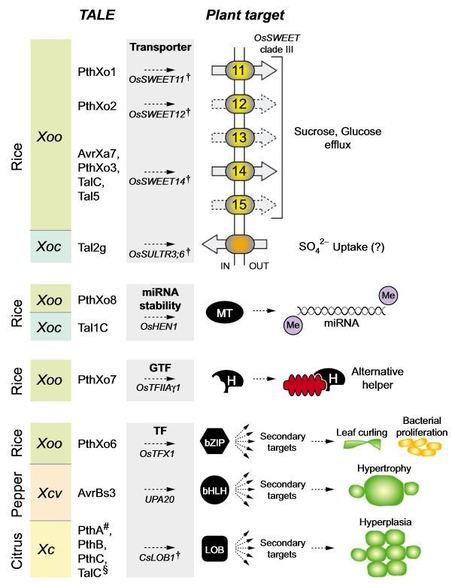
(via T. Schreiber, thx) Boch et al, 2014 Transcription activator-like effectors (TALEs) from plant pathogenic Xanthomonas spp. and the related RipTALs from Ralstonia solanacearum are DNA-binding proteins with a modular DNA-binding domain. This domain is both predictable and programmable, which simplifies elucidation of TALE function in planta and facilitates generation of DNA-binding modules with desired specificity for biotechnological approaches. Recently identified TALE host target genes that either promote or stop bacterial disease provide new insights into how expression of TALE genes affects the plant–pathogen interaction. Since its elucidation the TALE code has been continuously refined and now provides a mature tool that, in combination with transcriptome profiling, allows rapid isolation of novel TALE target genes. The TALE code is also the basis for synthetic promoter-traps that mediate recognition of TALE or RipTAL proteins in engineered plants. In this review, we will summarize recent findings in plant-focused TALE research. In addition, we will provide an outline of the newly established gene isolation approach for TALE or RipTAL host target genes with an emphasis on potential pitfalls.
|
|
Scooped by
dromius
August 18, 2014 4:03 AM
|
Scott et al, 2014 Transcription activator-like effectors (TALEs) are immensely powerful new tools for genome engineering that can be directed to bind to almost any DNA sequence of choice. They originate from the Xanthomonas species of plant pathogenic bacteria and in nature, these proteins increase the virulence of Xanthomonas. However, in 2009, the DNA binding code of TALEs was deciphered and since then TALE proteins have been exploited for many diverse applications. Custom TALEs that target virtually any required DNA sequence can be readily constructed in less than a week. One major application is gene editing: TALEs fused with the Fok I endonuclease catalytic domain can induce double stranded breaks at a chosen genomic location, similar to zinc finger nucleases (ZFNs). Designer TALE transcription factors have also been developed by linking TALEs to a transcription activation domain, such as VP64. More recently, TALEs have been developed that can repress transcription, bind methylated DNA, or act as fluorescent chromatin probes. In this review, we describe the assembly of designer TALEs, their expanding range of current and potential future applications and briefly discuss alternatives, namely, ZFNs and CRISPR/Cas9.
|
|
Scooped by
dromius
August 14, 2014 3:45 AM
|
(via T. Schreiber, thx) Porro et al, 2014 The Crigler-Najjar Syndrome Type I (CNSI) is a rare genetic disorder caused by mutations in the Ugt1a1 gene. It is characterized by unconjugated hyperbilirubinemia that may result in severe neurologic damage and death if untreated. To date, liver transplantation is the only curative treatment. With the aim of generating mutant cell lines of the Ugt1 gene, we utilized the TALEN technology to introduce site-specific mutations in Ugt1 exon 4. We report a fast and efficient method to perform gene knockout in tissue culture cells, based on the use of TALEN pairs targeting restriction enzyme (RE) sites in the region of interest. This strategy overcame the presence of allele-specific single nucleotide polymorphisms (SNPs) and pseudogenes, conditions that limit INDELs' detection by Surveyor. We obtained liver-derived murine N-Muli cell clones having INDELs with efficiency close to 40%, depending on the TALEN pair and RE target site. Sequencing of the target locus and WB analysis of the isolated cell clones showed a high proportion of biallelic mutations in cells treated with the most efficient TALEN pair. Ugt glucuronidation activity was reduced basal levels in the biallelic mutant clones. These mutant liver-derived cell lines could be a very useful tool to study biochemical aspects of Ugt1 enzyme activity in a more natural context, such as substrate specificity, requirement of specific co-factors, the study of inhibitors and other pharmacological aspects, and to correlate enzyme activity to the presence of specific mutations in the gene, by adding back to the mutant cell clones specific variants of the Ugt1 gene. In addition, since genome editing has recently emerged as a potential therapeutic approach to cure genetic diseases, the definition of the most efficient TALEN pair could be an important step towards setting up a platform to perform genome editing in CNSI.
|
|
Scooped by
dromius
August 13, 2014 6:01 AM
|
(via T. Lahaye, thx) Fadel et al, 2014 HIV-1 utilizes the cellular protein LEDGF/p75 as a chromosome docking and integration cofactor. The LEDGF/p75 gene, PSIP1, is a potential therapeutic target because, like CCR5, depletion of LEDGF/p75 is tolerated well by human CD4+ T cells, and knockout mice have normal immune systems. RNA interference (RNAi) has been useful for studying LEDGF/p75, but the potent cofactor activity of small protein residua can be confounding. Here, in human cells with utility for HIV research (293T and Jurkat), we used transcription activator-like effector nucleases (TALENs) to completely eradicate all LEDGF/p75 expression. We performed two kinds of PSIP1 knockouts: whole-gene deletion and deletion of the integrase binding domain (IBD)-encoding exons. HIV-1 integration was inhibited, and spreading viral replication was severely impaired in PSIP1−/− Jurkat cells infected at high multiplicity. Furthermore, frameshifting the gene in the first coding exon with a single TALEN pair yielded trace LEDGF/p75 levels that were virologically active, affirming the cofactor's potency and the value of definitive gene or IBD exon segment deletion. Some recent studies have suggested that LEDGF/p75 may participate in HIV-1 assembly. However, we determined that assembly of infectious viral particles is normal in PSIP1−/− cells. The potency of an allosteric integrase inhibitor, ALLINI-2, for rendering produced virions noninfectious was also unaffected by total eradication of cellular LEDGF/p75. We conclude that HIV-1 particle assembly and the main ALLINI mechanism are LEDGF/p75 independent. The block to HIV-1 propagation in PSIP1−/− human CD4+ T cells raises the possibility of gene targeting PSIP1 combinatorially with CCR5 for HIV-1 cure.
|
|
Scooped by
dromius
August 11, 2014 9:01 AM
|
(via T. Lahaye, thx) Ji et al, 2014 The closely related plant pathogens Xanthomonas oryzae pv. oryzicola and X. oryzae pv. oryzae cause bacterial leaf streak (BLS) and bacterial leaf blight (BLB), respectively, in rice. Unlike X. oryzae pv. oryzae, endogenous avirulence-resistance (avr-R) gene interactions have not been identified in the X. oryzae pv. oryzicola–rice pathosystem, though both X. oryzae pv. oryzicola and X. oryzae pv. oryzae possess transcriptional activator-like effectors (TALE), which are known to modulate R or S genes in rice. In this report, avrXa7, avrXa10, and avrXa27 from X. oryzae pv. oryzae were transferred into YNB0-17 and RS105, hypovirulent and hypervirulent strains, respectively, of X. oryzae pv. oryzicola. When YNB0-17 containing avrXa7, avrXa10, or avrXa27 was inoculated to rice, hypersensitive responses (HR) were elicited in rice cultivars containing the R genes Xa7, Xa10, and Xa27, respectively. By contrast, RS105 expressing avrXa27 elicited an HR in a rice cultivar containing Xa27 but the expression of avrXa7 and avrXa10 in RS105 did not result in HR in rice cultivars containing Xa7 and Xa10, correspondingly. Southern blot analysis demonstrated that YNB0-17 possesses only approximately nine putative tale genes, whereas the hypervirulent RS105 contains at least 20. Although YNB0-17 contains an intact type III secretion system (T3SS), its genome is lacking the T3SS effector genes avrRxo1 and xopO, which are present in RS105. The introduction of avrRxo1 and xopO into YNB0-17 did not suppress avrXa7- or avrXa10-triggered immunity in rice. However, the transference of individual tale genes from RS105 into YNB0-17 led to the identification of tal6 and tal11a that suppressed avrXa7-Xa7-mediated defense. Thus, YNB0-17 may be a useful recipient for discovering such suppressors. This is the first report that co-evolutionally generated tale genes in X. oryzae pv. oryzicola suppress gene-for-gene defense against BLB, which may explain the lack of BLS-resistant cultivars.
|
|
Scooped by
dromius
August 2, 2014 5:47 AM
|
(via T. Schreiber, thx) Remy et al, 2014 The generation of genetically modified animals is important for both research and commercial purposes. The rat is an important model organism that until recently lacked efficient genetic engineering tools. Sequence-specific nucleases, such as ZFNs, TALE nucleases, and CRISPR/Cas9 have allowed the creation of rat knockout models. Genetic engineering by homology-directed repair (HDR) is utilized to create animals expressing transgenes in a controlled way and to introduce precise genetic modifications. We applied TALE nucleases and donor DNA microinjection into zygotes to generate HDR-modified rats with large new sequences introduced into three different loci with high efficiency (0.62%–5.13% of microinjected zygotes). Two of these loci (Rosa26 and Hprt1) are known to allow robust and reproducible transgene expression and were targeted for integration of a GFP expression cassette driven by the CAG promoter. GFP-expressing embryos and four Rosa26 GFP rat lines analyzed showed strong and widespread GFP expression in most cells of all analyzed tissues. The third targeted locus was Ighm, where we performed successful exon exchange of rat exon 2 for the human one. At all three loci we observed HDR only when using linear and not circular donor DNA. Mild hypothermic (30°C) culture of zygotes after microinjection increased HDR efficiency for some loci. Our study demonstrates that TALE nuclease and donor DNA microinjection into rat zygotes results in efficient and reproducible targeted donor integration by HDR. This allowed creation of genetically modified rats in a work-, cost-, and time-effective manner.
|
|
Scooped by
dromius
July 31, 2014 4:51 AM
|
(via T. Schreiber, thx) Bogdanove 2014 Recent advances in DNA targeting allow unprecedented control over gene function and expression. Targeting based on TAL effectors is arguably the most promising for systems biology and metabolic engineering. Multiple, orthogonal TAL-effector reagents of different types can be used in the same cell. Furthermore, variation in base preferences of the individual structural repeats that make up the TAL effector DNA recognition domain makes targeting stringency tunable. Realized applications range from genome editing to epigenome modification to targeted gene regulation to chromatin labeling and capture. The principles that govern TAL effector DNA recognition make TAL effectors well suited for applications relevant to plant physiology and metabolism. TAL effector targeting has merits that are distinct from those of the RNA-based DNA targeting CRISPR/Cas9 system.
|
|
Scooped by
dromius
July 28, 2014 3:18 AM
|
Wright et al, 2014 Genome editing is the practice of making predetermined and precise changes to a genome by controlling the location of DNA DSBs (double-strand breaks) and manipulating the cell's repair mechanisms. This technology results from harnessing natural processes that have taken decades and multiple lines of inquiry to understand. Through many false starts and iterative technology advances, the goal of genome editing is just now falling under the control of human hands as a routine and broadly applicable method. The present review attempts to define the technique and capture the discovery process while following its evolution from meganucleases and zinc finger nucleases to the current state of the art: TALEN (transcription-activator-like effector nuclease) technology. We also discuss factors that influence success, technical challenges and future prospects of this quickly evolving area of study and application.
|
|
Scooped by
dromius
July 25, 2014 2:50 AM
|
(via T. Schreiber, thx) Qiu et al, 2014 Transcription activator-like effector nucleases (TALENs) are used for gene knockout and genome-editing studies in zebrafish, and these techniques have the potential to be applied to other fish species. Here, we show that TALENs can directly knock out a green fluorescent protein (GFP) transgene in medaka by affecting translation and synthesis of the GFP. We constructed a transgenic plasmid (pGFP-RFP) carrying the GFP and red fluorescent protein (RFP) genes, and used a modified TALEN method to assemble a pair of TALENs for the core chromophore Y66 region of GFP. Embryo toxicity of TALEN messenger RNA (mRNA) was far lower than the linearized plasmid; meanwhile, 76.3 % embryos, green fluorescence of embryos decreased significantly after co-injection of TALEN mRNA and the linearized plasmid, but red fluorescence showed no significant change. Real-time quantitative polymerase chain reaction and sequencing results showed that nearly 100 % mutated GFP position was disrupted at the Y66 region of GFP in the co-injected medaka embryos, caused by TALENs. This led to random insertion-deletion of nucleotides, which affected the translation of GFP and disrupted GFP synthesis. This provides new experimental evidence for designing TALEN sites in genes for which only key functional domains are known. Our results show that a modified TALEN method can efficiently and specifically mediate a transgene knockout in medaka. This report may promote the application of TALENs in gene-editing studies of fish species other than zebrafish.
|
|
|
Scooped by
dromius
September 25, 2014 2:55 AM
|
(via T. Lahaye, thx) Mock et al, 2014 TAL-effector nucleases (TALENs) delivery still remains problematic. It is well known that the presence of multiple sequence repeats in TALEN genes hampers the use of lentiviral vectors. We report that lentiviral vectors readily package full-length vector mRNAs encoding TALENs, but recombination during reverse transcription prevents successful delivery. We reasoned that preventing reverse transcription of lentiviral-vector RNA would allow transfer of TALENs as mRNA. We demonstrate that lentiviral particles containing genetically inactivated reverse transcriptase (RT) mediated efficient transduction of cultured cells and supported transient transgene expression. For proof-of-principle, we transferred CCR5- and TCR-specific TALEN pairs for efficient targeted genome editing and abrogated expression for each of the receptor proteins in different cell lines. Combining the high specificity of TALENs with efficient lentiviral gene delivery should advance genome editing in vitro and potentially in vivo, and RT-deficient lentiviral vectors may be useful for transient expression of various other genes-of-interest.
|
|
Scooped by
dromius
September 15, 2014 9:24 AM
|
(via T. Schreiber & T. Lahaye, thx both) Zhang et al, 2014 Cancer genome sequencing has identified numerous somatic mutations whose biologic relevance is uncertain. In this study, we used genome-editing tools to create and analyze targeted somatic mutations in murine models of liver cancer. Transcription activator-like effector nucleases (TALEN) were designed against β-catenin (Ctnnb1) and adenomatous polyposis coli (Apc), two commonly mutated genes in hepatocellular carcinoma (HCC), to generate isogenic HCC cell lines. Both mutant cell lines exhibited evidence of Wnt pathway dysregulation. We asked whether these TALENs could create targeted somatic mutations after hydrodynamic transfection into mouse liver. TALENs targeting β-catenin promoted endogenous HCC carrying the intended gain-of-function mutations. However, TALENs targeting Apc were not as efficient in inducing in vivo homozygous loss-of-function mutations. We hypothesized that hepatocyte polyploidy might be protective against TALEN-induced loss of heterozygosity, and indeed Apc gene editing was less efficient in tetraploid than in diploid hepatocytes. To increase efficiency, we administered adenoviral Apc TALENs and found that we could achieve a higher mutagenesis rate in vivo. Our results demonstrate that genome-editing tools can enable the in vivo study of cancer genes and faithfully recapitulate the mosaic nature of mutagenesis in mouse cancer models.
|
|
Scooped by
dromius
September 10, 2014 5:00 PM
|
(via T. Lahaye, thx) GIl-Humanes & Voytas 2014 Wang et al. targeted the MLO loci using an SSN known as a transcription activator–like effector nuclease (TALEN), which effectively recognized the MLO loci and created targeted mutations at high efficiency. Wang et al.2 owed their success to the large scale of their experiments: by generating a remarkable 687 transgenic wheat lines containing the TALEN-encoding construct, they were able to recover 35 mlo mutant plants with one, two or three MLO genes modified. After self-fertilization of the triply mutant plants, lines were recovered with knockouts of all six MLO alleles. The mutations were typical of those generated by imprecise double-strand break repair, namely the loss or gain of a small number of bases at the target site. After segregation of the TALEN-encoding transgene, the resultant powdery mildew resistance line had no foreign DNA in its genome, and relative to the 17.1-Gb genome of its susceptible parent, differed by a mere 530 base pairs. This achievement highlights the remarkable power of SSNs to simultaneously modify multiple targets in complex genomes.
|
|
Scooped by
dromius
September 3, 2014 4:04 AM
|
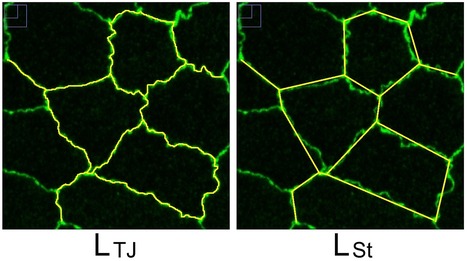
(via T. Schreiber, thx) Tokuda et al, 2014 ZO-1, ZO-2 and ZO-3 are tight junction-associated scaffold proteins that bind to transmembrane proteins of tight junctions and the underlying cytoskeleton. ZO-1 is involved in the regulation of cytoskeletal organization, but its detailed molecular mechanism is less well understood. Gene knockout is an ideal method to investigate the functions of proteins that might have redundant functions such as ZO proteins, when compared with methods such as RNA interference-mediated suppression of gene expression. In this study we applied transcription activator-like effector nucleases (TALENs), a recently developed genome editing method for gene knockout, and established ZO-1 knockout clones in Madin-Darby canine kidney (MDCK) cells. ZO-1 knockout induced striking changes in myosin organization at cell–cell contacts and disrupted the localization of tight junction proteins; these findings were previously unseen in studies of ZO-1 knockdown by RNA interference. Rescue experiments revealed that trace ZO-1 expression reversed these changes while excessive ZO-1 expression induced an intensive zigzag shape of cell–cell junctions. These results suggest a role for ZO-1 in the regulation of cytoskeleton and shape of cell–cell junctions in MDCK cells and indicate the advantage of knockout analysis in cultured cells.
|
|
Scooped by
dromius
August 24, 2014 2:31 PM
|
(via T. Schreiber, thx) MicroRNA (miRNA) target recognition is largely dictated by short ‘seed’ sequences, and single miRNAs therefore have the potential to regulate a large number of genes. Understanding the contribution of specific miRNA–target interactions to the regulation of biological processes in vivo remains challenging. Here we use transcription activator-like effector nuclease (TALEN) and clustered regularly interspaced short palindromic repeat (CRISPR)/Cas9 technologies to interrogate the functional relevance of predicted miRNA response elements (MREs) to post-transcriptional silencing in zebrafish and Drosophila. We also demonstrate an effective strategy that uses CRISPR-mediated homology-directed repair with short oligonucleotide donors for the assessment of MRE activity in human cells. These methods facilitate analysis of the direct phenotypic consequences resulting from blocking specific miRNA–MRE interactions at any point during development.
|
|
Scooped by
dromius
August 14, 2014 8:51 AM
|
(via T. Lahaye, thx) Xu et al, 2014 Engineering sex-specific sterility is critical for developing transgene-based sterile insect technology. Targeted genome engineering achieved by customized zinc-finger nuclease, transcription activator-like effector nuclease (TALEN) or clustered, regularly interspaced, short palindromic repeats/Cas9 systems has been exploited extensively in a variety of model organisms; however, screening mutated individuals without a detectable phenotype is still challenging. In addition, genetically recessive mutations only detectable in homozygotes make the experiments time-consuming. In the present study, we model a novel genetic system in the silkworm, Bombyx mori, that results in female-specific sterility by combining transgenesis with TALEN technologies. This system induces sex-specific sterility at a high efficiency by targeting the female-specific exon of the B. mori doublesex (Bmdsx) gene, which has sex-specific splicing isoforms regulating somatic sexual development. Transgenic animals co-expressing TALEN left and right arms targeting the female-specific Bmdsx exon resulted in somatic mutations and female mutants lost fecundity because of lack of egg storage and abnormal external genitalia. The wild-type sexual dimorphism of abdominal segment was not evident in mutant females. In contrast, there were no deleterious effects in mutant male moths. The current somatic TALEN technologies provide a promising approach for future insect functional genetics, thus providing the basis for the development of attractive genetic alternatives for insect population management.
|
|
Scooped by
dromius
August 13, 2014 10:07 AM
|
(via T. Lahaye, thx) Rathe et al, 2014 The evolution from microarrays to transcriptome deep-sequencing (RNA-seq) and from RNA interference to gene knockouts using Clustered Regularly Interspaced Short Palindromic Repeats (CRISPRs) and Transcription Activator-Like Effector Nucleases (TALENs) has provided a new experimental partnership for identifying and quantifying the effects of gene changes on drug resistance. Here we describe the results from deep-sequencing of RNA derived from two cytarabine (Ara-C) resistance acute myeloid leukemia (AML) cell lines, and present CRISPR and TALEN based methods for accomplishing complete gene knockout (KO) in AML cells. We found protein modifying loss-of-function mutations in Dck in both Ara-C resistant cell lines. CRISPR and TALEN-based KO of Dck dramatically increased the IC50 of Ara-C and introduction of a DCK overexpression vector into Dck KO clones resulted in a significant increase in Ara-C sensitivity. This effort demonstrates the power of using transcriptome analysis and CRISPR/TALEN-based KOs to identify and verify genes associated with drug resistance.
|
|
Scooped by
dromius
August 11, 2014 9:04 AM
|
(via T. Lahaye, thx) Zhang & Kurgan 2014 Knowledge of protein flexibility is vital for deciphering the corresponding functional mechanisms. This knowledge would help, for instance, in improving computational drug design and refinement in homology-based modeling. We propose a new predictor of the residue flexibility, which is expressed by B-factors, from protein chains that use local (in the chain) predicted (or native) relative solvent accessibility (RSA) and custom-derived amino acid (AA) alphabets. Our predictor is implemented as a two-stage linear regression model that uses RSA-based space in a local sequence window in the first stage and a reduced AA pair-based space in the second stage as the inputs. This method is easy to comprehend explicit linear form in both stages. Particle swarm optimization was used to find an optimal reduced AA alphabet to simplify the input space and improve the prediction performance. The average correlation coefficients between the native and predicted B-factors measured on a large benchmark dataset are improved from 0.65 to 0.67 when using the native RSA values and from 0.55 to 0.57 when using the predicted RSA values. Blind tests that were performed on two independent datasets show consistent improvements in the average correlation coefficients by a modest value of 0.02 for both native and predicted RSA-based predictions.
|
|
Scooped by
dromius
August 4, 2014 11:42 AM
|
Cohn et al, 2014 The gene-for-gene concept has historically been applied to describe a specific resistance interaction wherein single genes from the host and the pathogen dictate the outcome. These interactions have been observed across the plant kingdom and all known plant microbial pathogens. In recent years, this concept has been extended to susceptibility phenotypes in the context of transcription activator like (TAL) effectors that target SWEET sugar transporters. However, as this interaction has only been observed in rice, it was not clear whether the gene-for-gene susceptibility was unique to that system. Here we show, through a combined systematic analysis of the TAL effector-complement of Xanthomonas axonopodis pv. manihotis (Xam), and RNA-Sequencing to identify targets in cassava, that TAL20Xam668 specifically induces the sugar transporter MeSWEET10a to promote virulence. Designer TAL effectors (dTALEs) complement TAL20Xam668 mutant phenotypes, demonstrating that MeSWEET10a is a susceptibility gene in cassava. Sucrose uptake-deficient Xam do not lose virulence, indicating that sucrose may be cleaved extracellularly and taken up as hexoses into Xam. Together, our data suggest that pathogen hijacking of plant nutrients is not unique to rice blight but also plays a role in bacterial blight of the dicot cassava.
|
|
Scooped by
dromius
August 1, 2014 11:55 AM
|
(via T. Schreiber, thx) Kabadi & Gersbach, 2014 Engineered DNA-binding proteins that can be targeted to specific sites in the genome to manipulate gene expression have enabled many advances in biomedical research. This includes generating tools to study fundamental aspects of gene regulation and the development of a new class of gene therapies that alter the expression of endogenous genes. Designed transcription factors have entered clinical trials for the treatment of human diseases and others are in preclinical development. High-throughput and user-friendly platforms for designing synthetic DNA-binding proteins present innovative methods for deciphering cell biology and designing custom synthetic gene circuits. We review two platforms for designing synthetic transcription factors for manipulating gene expression: Transcription activator-like effectors (TALEs) and the RNA-guided clustered regularly interspaced short palindromic repeats (CRISPR)/Cas9 system. We present an overview of each technology and a guide for designing and assembling custom TALE- and CRISPR/Cas9-based transcription factors. We also discuss characteristics of each platform that are best suited for different applications.
|
|
Scooped by
dromius
July 28, 2014 10:27 AM
|
(via T. Schreiber, thx) Valton et al, 2014 TALEN is one of the most widely used tools in the field of genome editing. It enables gene integration and gene inactivation in a highly efficient and specific fashion. Although very attractive, the apparent simplicity and high success rate of TALEN could be misleading for novices in the field of gene editing. Depending on the application, specific TALEN designs, activity assessments and screening strategies need to be adopted. Here we report different methods to efficiently perform TALEN-mediated gene integration and inactivation in different mammalian cells systems including induced pluripotent stem cells and delineate experimental examples associated with these approaches.
|
|
Scooped by
dromius
July 26, 2014 7:55 AM
|
(via T. Schreiber, thx) Zhang et al, 2014 Diamond–Blackfan anemia (DBA) is a rare congenital red cell aplasia that classically presents during early infancy in DBA patients. Approximately, 25% of patients carry a mutation in the ribosomal protein (RP) S19 gene; mutations in RPS24, RPS17, RPL35A, RPL11, and RPL5 have been reported. How ribosome protein deficiency causes defects specifically to red blood cells in DBA has not been well elucidated. To genetically model the predominant ribosome defect in DBA, we generated an rps19 null mutant through the use of TALEN-mediated gene targeting in zebrafish. Molecular characterization of this mutant line demonstrated that rps19 deficiency reproduced the erythroid defects of DBA, including a lack of mature red blood cells and p53 activation. Notably, we found that rps19 mutants’ production of globin proteins was significantly inhibited; however, globin transcript level was either increased or unaffected in rps19 mutant embryos. This dissociation of RNA/protein levels of globin genes was confirmed in another zebrafish DBA model with defects in rpl11. Using transgenic zebrafish with specific expression of mCherry in erythroid cells, we showed that protein production in erythroid cells was decreased when either rps19 or rpl11 was mutated. L-Leucine treatment alleviated the defects of protein production in erythroid cells and partially rescued the anemic phenotype in both rps19 and rpl11 mutants. Analysis of this model suggests that the decreased protein production in erythroid cells likely contributes to the blood-specific phenotype of DBA. Furthermore, the newly generated rps19 zebrafish mutant should serve as a useful animal model to study DBA. Our in vivo findings may provide clues for the future therapy strategy for DBA.
|