Because of the vast range of functions that phenylpropanoids possess, their synthesis requires precise spatiotemporal coordination throughout plant development and in response to the environment. The accumulation of these secondary metabolites is transcriptionally controlled by positive and negative regulators from the MYB and basic helix-loop-helix protein families. We characterized four grapevine (Vitis vinifera) R2R3-MYB proteins from the C2 repressor motif clade, all of which harbor the ethylene response factor-associated amphiphilic repression domain but differ in the presence of an additional TLLLFR repression motif found in the strong flavonoid repressor Arabidopsis (Arabidopsis thaliana) AtMYBL2. Constitutive expression of VvMYB4a and VvMYB4b in petunia (Petunia hybrida) repressed general phenylpropanoid biosynthetic genes and selectively reduced the amount of small-weight phenolic compounds. Conversely, transgenic petunia lines expressing VvMYBC2-L1 and VvMYBC2-L3 showed a severe reduction in petal anthocyanins and seed proanthocyanidins together with a higher pH of crude petal extracts. The distinct function of these regulators was further confirmed by transient expression in tobacco (Nicotiana benthamiana) leaves and grapevine plantlets. Finally, VvMYBC2-L3 was ectopically expressed in grapevine hairy roots, showing a reduction in proanthocyanidin content together with the down-regulation of structural and regulatory genes of the flavonoid pathway as revealed by a transcriptomic analysis. The physiological role of these repressors was inferred by combining the results of the functional analyses and their expression patterns in grapevine during development and in response to ultraviolet B radiation. Our results indicate that VvMYB4a and VvMYB4b may play a key role in negatively regulating the synthesis of small-weight phenolic compounds, whereas VvMYBC2-L1 and VvMYBC2-L3 may additionally fine tune flavonoid levels, balancing the inductive effects of transcriptional activators.
Seed germination is a critical step in a plant’s life cycle that allows successful propagation and is therefore strictly controlled by endogenous and environmental signals. However, the molecular mechanisms underlying germination control remain elusive. Here, we report that the Arabidopsis (Arabidopsis thaliana) glutamate receptor homolog3.5 (AtGLR3.5) is predominantly expressed in germinating seeds and increases cytosolic Ca2+ concentration that counteracts the effect of abscisic acid (ABA) to promote germination. Repression of AtGLR3.5 impairs cytosolic Ca2+ concentration elevation, significantly delays germination, and enhances ABA sensitivity in seeds, whereas overexpression of AtGLR3.5 results in earlier germination and reduced seed sensitivity to ABA. Furthermore, we show that Ca2+ suppresses the expression of ABSCISIC ACID INSENSITIVE4 (ABI4), a key transcription factor involved in ABA response in seeds, and that ABI4 plays a fundamental role in modulation of Ca2+-dependent germination. Taken together, our results provide molecular genetic evidence that AtGLR3.5-mediated Ca2+ influx stimulates seed germination by antagonizing the inhibitory effects of ABA through suppression of ABI4. These findings establish, to our knowledge, a new and pivotal role of the plant glutamate receptor homolog and Ca2+ signaling in germination control and uncover the orchestrated modulation of the AtGLR3.5-mediated Ca2+ signal and ABA signaling via ABI4 to fine-tune the crucial developmental process, germination, in Arabidopsis.
During re-establishment of desiccation tolerance (DT), early events promote initial protection and growth arrest, while late events promote stress adaptation and contribute to survival in the dry state.
Mature seeds of Arabidopsis thaliana are desiccation tolerant, but they lose desiccation tolerance (DT) while progressing to germination. Yet, there is a small developmental window during which DT can be rescued by treatment with abscisic acid (ABA). To gain temporal resolution and identify relevant genes in this process, data from a time series of microarrays were used to build a gene co-expression network. The network has two regions, namely early response (ER) and late response (LR). Genes in the ER region are related to biological processes, such as dormancy, acquisition of DT and drought, amplification of signals, growth arrest and induction of protection mechanisms (such as LEA proteins). Genes in the LR region lead to inhibition of photosynthesis and primary metabolism, promote adaptation to stress conditions and contribute to seed longevity. Phenotyping of 12 hubs in relation to re-establishment of DT with T-DNA insertion lines indicated a significant increase in the ability to re-establish DT compared with the wild-type in the lines cbsx4, at3g53040 and at4g25580, suggesting the operation of redundant and compensatory mechanisms. Moreover, we show that re-establishment of DT by polyethylene glycol and ABA occurs through partially overlapping mechanisms. Our data confirm that co-expression network analysis is a valid approach to examine data from time series of transcriptome analysis, as it provides promising insights into biologically relevant relations that help to generate new information about the roles of certain genes for DT.
"The phytohormone indole-3-acetic acid (IAA) plays a vital role in plant growth and development. IAA can be synthesized through the precursor tryptophan (Trp), known as the Trp-dependent IAA biosynthetic pathway. However, IAA may also be synthesized through a proposed Trp-independent IAA bio- synthetic pathway. Although the Trp-independent IAA bio-
synthesis was hypothesized 20 years ago, it remains a mystery. In this paper, we provide compelling evidence that the cytosol-localized indole synthase (INS) initiates the Trp-independent IAA biosynthetic pathway and that the spatial and temporal expression of INS plays an important role in the establishment of the apical–basal pattern during early embryogenesis, demonstrating that the Trp-dependent and -independent IAA biosynthetic pathways coordinately regulate embryogenesis of higher plants."
Here, we show that DA1 and its close family members DAR1 and DAR2 are redundantly required for endoreduplication during leaf development. DA1, DAR1, and DAR2 physically interact with the transcription factors TCP14 and TCP15, which repress endoreduplication by directly regulating the expression of cell-cycle genes. We also show that DA1, DAR1, and DAR2 modulate the stability of TCP14 and TCP15 proteins in Arabidopsis thaliana.
Brassinosteroids are plant steroid hormones that control many aspects of plant growth and development, and are perceived at the cell surface by the plasma membrane-localized receptor kinase BRI1. Here we show that BRI1 is post-translationally modified by K63 polyubiquitin chainsin vivo. Using both artificial ubiquitination of BRI1 and generation of an ubiquitination-defective BRI1 mutant form, we demonstrate that ubiquitination promotes BRI1 internalization from the cell surface and is essential for its recognition at the trans-Golgi network/early endosomes (TGN/EE) for vacuolar targeting. Finally, we demonstrate that the control of BRI1 protein dynamics by ubiquitination is an important control mechanism for brassinosteroid responses in plants. Altogether, our results identify ubiquitination and K63-linked polyubiquitin chain formation as a dual targeting signal for BRI1 internalization and sorting along the endocytic pathway, and highlight its role in hormonally controlled plant development.
ABSTRACT: The plant cell wall is an important factor for determining cell shape, function and response to the environment. Secondary cell walls, such as those found in xylem, are composed of cellulose, hemicelluloses and lignin and account for the bulk of plant biomass. The coordination between transcriptional regulation of synthesis for each polymer is complex and vital to cell function. A regulatory hierarchy of developmental switches has been proposed, although the full complement of regulators remains unknown. Here we present a protein–DNA network between Arabidopsis thaliana transcription factors and secondary cell wall metabolic genes with gene expression regulated by a series of feed-forward loops. This model allowed us to develop and validate new hypotheses about secondary wall gene regulation under abiotic stress. Distinct stresses are able to perturb targeted genes to potentially promote functional adaptation. These interactions will serve as a foundation for understanding the regulation of a complex, integral plant component.
Sexual reproduction of flowering plants is distinguished by double fertilization—the two sperm cells delivered by a pollen tube fuse with the two gametic cells of the female gametophyte, the egg and the central cell—inside the ovule to give rise to the embryo and the nutritive endosperm, respectively [ 1 ]. The pollen tube is attracted by nongametic synergid cells, and how these two cells of the female gametophyte are specified is currently unclear. Here, we show that ALTERED MERISTEM PROGRAM 1 (AMP1), encoding a protein associated with the endoplasmic reticulum [ 2 ], is required for synergid cell fate during Arabidopsis female gametophyte development. Loss of AMP1 function leads to supernumerary egg cells at the expense of synergids, enabling the generation of dizygotic twins. However, if twin embryos are formed, endosperm formation is prevented, eventually resulting in ovule abortion. The latter can be overcome by the delivery of supernumerary sperm cells in tetraspore (tes) pollen [ 3 ], enabling the formation of twin plants. Thus, both primary and supernumerary egg cells are fully functional in amp1 mutant plants. Sporophytic AMP1 expression is sufficient to prevent cell-fate change of synergids, indicating that one or more AMP1-dependent mobile signals from outside the female gametophyte can contribute to its patterning, in addition to the previously reported lateral inhibition between gametophytic cells [ 4–6 ]. Our results provide insight into the mechanism of synergid fate specification and emphasize the importance of specifying only one egg cell within the female gametophyte to ensure central-cell fertilization by the second sperm cell.
Genome editing opens up opportunities for the precise and rapid alteration of crops to boost yields, protect against pests and diseases and enhance nutrient content. The extent to which applied plant research and crop breeding benefit will depend on how the EU decides to regulate this fledgling technology.
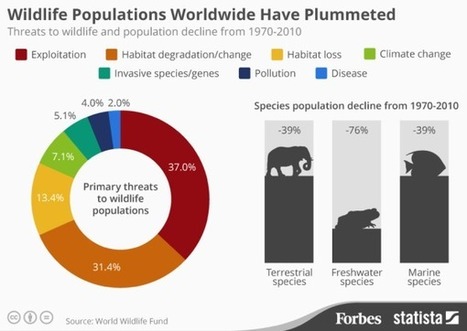
The toll of human activity on the world's wildlife population over the past 40 years is devastating. The World Wildlife Fund's (WWF) recently released "2014 Living Planet Report" shows that between 1970 and 2010, the population of mammals, birds, reptiles, amphibians, and fish around the globe has dropped a shocking 52 percent.
The report measures trends in three major areas: populations of more than ten thousand vertebrate species; human ecological footprint, a measure of consumption of goods, greenhouse gas emissions; and existing biocapacity, the amount of natural resources for producing food, freshwater, and sequestering carbon.
The report says that the majority of high-income countries are increasingly consuming more per person than the planet can accommodate; maintaining per capita ecological footprints greater than the amount of biocapacity available per person. People in middle- and low-income countries have seen little increase in their per capita footprints over the same time period.
The report underscores that the declining trends are not inevitable. To achieve globally sustainable development, each country’s per capita ecological footprint must be less than the per capita biocapacity available on the planet, while maintaining a decent standard of living.
At the conclusion of the report, WWF recommends three things:
Accelerate shift to smarter food and energy productionReduce ecological footprint through responsible consumption at the personal, corporate and government levelsValue natural capital as a cornerstone of policy and development decisions
Via Lauren Moss, Dr. Stefan Gruenwald
Seed germination and postgerminative growth are regulated by a delicate hormonal balance. Abscisic acid (ABA) represses Arabidopsis thaliana seed germination and postgerminative growth, while brassinosteroids (BRs) antagonize ABA-mediated inhibition and promote these processes. However, the molecular mechanism underlying BR-repressed ABA signaling remains largely unknown. Here, we show that the Glycogen Synthase Kinase 3-like kinase BRASSINOSTEROID INSENSITIVE2 (BIN2), a critical repressor of BR signaling, positively regulates ABA responses during seed germination and postgerminative growth. Mechanistic investigation revealed that BIN2 physically interacts with ABSCISIC ACID INSENSITIVE5 (ABI5), a bZIP transcription factor. Further genetic analysis demonstrated that the ABA-hypersensitive phenotype of BIN2-overexpressing plants requires ABI5. BIN2 was found to phosphorylate and stabilize ABI5 in the presence of ABA, while application of epibrassinolide (the active form of BRs) inhibited the regulation of ABI5 by BIN2. Consistently, the ABA-induced accumulation of ABI5 was affected in BIN2-related mutants. Moreover, mutations of the BIN2 phosphorylation sites on ABI5 made the mutant protein respond to ABA improperly. Additionally, the expression of several ABI5 regulons was positively modulated by BIN2. These results provide evidence that BIN2 phosphorylates and stabilizes ABI5 to mediate ABA response during seed germination, while BRs repress the BIN2-ABI5 cascade to antagonize ABA-mediated inhibition.
Paris-Saclay. 2 universités, 10 grandes écoles et 7 établissements de recherche sont réunis au sein de ce nouveau campus. Dominique Vernay veut en faire un leader dans le monde de l’enseignement supérieur.
By Bas J. W. Dekkers, Maria Cecilia D. Costa, Julio Maia, Leónie Bentsink, Wilco Ligterink and Henk W. M. Hilhorst
Main conclusion
Besides being an important model to study desiccation tolerance, the induction of desiccation tolerance in germinated seeds may also play an ecological role in seedling establishment.
Eukaryotic two-component signaling involves the His–Asp–His–Asp multistep phosphorelay (MSP). In Arabidopsis thaliana, cytokinin-mediated MSP signaling intermediates include histidine kinases (HKs), histidine phosphotransfer proteins (Hpts) and response regulators (RRs). The structure–function relationship of interaction between Hpt (e.g. AHP1) and RR (e.g. ARR4) is poorly understood. Using a homology model and yeast two-hybrid analysis, we identified key amino acids of ARR4 at the AHP1–ΔARR4(16–175) interaction interface. Mutating them in Arabidopsis (arr3,4,5,6,8,9 hextuple mutant background) and performing root length assays provided functional relevance, and coimmunoprecipitation (coIP) assay provided biochemical evidence for the interaction. The homology model mimics crystal structures of Hpt–RR complexes. Mutating selected interface residues of ARR4 either abolished or destabilized the interaction. D45A and Y96A mutations weakened interaction with AHP1, and exhibited weaker rescue of root elongation in the hextuple mutants. CoIP analysis using cytokinin-treated transgenic Arabidopsis seedlings provided biochemical evidence for weakened AHP1–ARR4 interaction. The relevance of the selected residues for the interaction was further validated in two independent pairs of Hpt–RR proteins from Arabidopsis and rice (Oryza sativa). Our data provide evidence of a link between Hpt–RR interaction affinity and regulation of downstream functions of RRs. This establishes a structure–function relationship for the final step of a eukaryotic MSP signal cascade.
Filiale de Seppic basée à Pontrieux en Bretagne, BiotechMarine vient de lancer une technologie, baptisée Celebrity, qui consiste à cultiver des cellules de macroalgues pour produire des actifs pour la cosmétique.
Le décret actant la création de l'Université Paris-Saclay a été publié au Journal Officiel. Il consacre le lancement d'une entité qui a vocation à donner une visibilité à l'enseignement et la recherche française à l'échelle internationale.
Protein turnover can be achieved via the lysosome/vacuole and the autophagic degradation pathways. Evidence has accumulated revealing that efficient autophagic degradation requires functional endosomal sorting complex required for transport (ESCRT) machinery. However, the interplay between the ESCRT machinery and the autophagy regulator remains unclear. Here, we show that FYVE domain protein required for endosomal sorting 1 (FREE1), a recently identified plant-specific ESCRT component essential for multivesicular body (MVB) biogenesis and plant growth, plays roles both in vacuolar protein transport and autophagic degradation. FREE1 also regulates vacuole biogenesis in both seeds and vegetative cells of Arabidopsis. Additionally, FREE1 interacts directly with a unique plant autophagy regulator SH3 DOMAIN-CONTAINING PROTEIN2 and associates with the PI3K complex, to regulate the autophagic degradation in plants. Thus, FREE1 plays multiple functional roles in vacuolar protein trafficking and organelle biogenesis as well as in autophagic degradation via a previously unidentified regulatory mechanism of cross-talk between the ESCRT machinery and autophagy process.
The domestication of cereal crops such as wheat, maize, rice and barley has included the modification of inflorescence architecture to improve grain yield and ease harvesting1. Yield increases have often been achieved through modifying the number and arrangement of spikelets, which are specialized reproductive branches that form part of the inflorescence. Multiple genes that control spikelet development have been identified in maize, rice and barley2,3,4,5. However, little is known about the genetic underpinnings of this process in wheat. Here, we describe a modified spikelet arrangement in wheat, termed paired spikelets. Combining comprehensive QTL and mutant analyses, we show that Photoperiod-1 (Ppd-1), a pseudo-response regulator gene that controls photoperiod-dependent floral induction, has a major inhibitory effect on paired spikelet formation by regulating the expression of FLOWERING LOCUS T (FT)6,7. These findings show that modulated expression of the two important flowering genes, Ppd-1 and FT, can be used to form a wheat inflorescence with a more elaborate arrangement and increased number of grain producing spikelets.
Plant stem cells in the shoot apical meristem (SAM) and root apical meristem are necessary for postembryonic development of aboveground tissues and roots, respectively, while secondary vascular stem cells sustain vascular development. WUSCHEL (WUS), a homeodomain transcription factor expressed in the rib meristem of the Arabidopsis SAM, is a key regulatory factor controlling SAM stem cell populations, and is thought to establish the shoot stem cell niche through a feedback circuit involving the CLAVATA3 (CLV3) peptide signalling pathway. WUSCHEL-RELATED HOMEOBOX 5 (WOX5), which is specifically expressed in the root quiescent centre, defines quiescent centre identity and functions interchangeably with WUS in the control of shoot and root stem cell niches. WOX4, expressed in Arabidopsis procambial cells, defines the vascular stem cell niche. WUS/WOX family proteins are evolutionarily and functionally conserved throughout the plant kingdom and emerge as key actors in the specification and maintenance of stem cells within all meristems. However, the nature of the genetic regime in stem cell niches that centre on WOX gene function has been elusive, and molecular links underlying conserved WUS/WOX function in stem cell niches remain unknown. Here we demonstrate that the Arabidopsis HAIRY MERISTEM (HAM) family of transcription regulators act as conserved interacting cofactors with WUS/WOX proteins. HAM and WUS share common targets in vivo and their physical interaction is important in driving downstream transcriptional programs and in promoting shoot stem cell proliferation. Differences in the overlapping expression patterns of WOX and HAM family members underlie the formation of diverse stem cell niche locations, and the HAM family is essential for all of these stem cell niches. These findings establish a new framework for the control of stem cell production during plant development.
Sofiprotéol devient Avril, un géant des oléagineux qui entend bien continuer à développer sa croissance externe en gagnant de nouveaux marchés à l'international.
This animation depicts the CRISPR-Cas9 method for genome editing – a powerful new technology with many applications in biomedical research, including the pot...
No bruising, and no acrylamide in fries. Simplot will market Innate to grocery stores and restaurants.
The US Department of Agriculture (USDA) in November approved for commercial planting a potato genetically engineered to have reduced bruising and browning—unsightly blemishes that lower the value of potatoes. The potato, developed by the potato giant J.R. Simplot in Boise, Idaho, is dubbed Innate a…
To get content containing either thought or leadership enter:
To get content containing both thought and leadership enter:
To get content containing the expression thought leadership enter:
You can enter several keywords and you can refine them whenever you want. Our suggestion engine uses more signals but entering a few keywords here will rapidly give you great content to curate.


 Your new post is loading...