Small proteins have long been overlooked due to their poor annotation and the experimental challenges they pose. However, in recent years, their role in various processes has started to emerge opening new research avenues. Here, we present the isolation and characterization of two allelic mutants twisted seed1-1 (tws1-1) and tws1-2 which exhibit an array of developmental and biochemical phenotypes in Arabidopsis seeds. We have identified AT5G01075 as the subtending gene encoding a small protein of 81 amino acids localized in the endoplasmic reticulum. TWS1 is strongly expressed in seeds, where it regulates both embryo development and accumulation of storage compounds. TWS1 loss-of-function seeds exhibit increased starch, sucrose and proteins accumulation at the detriment of fatty acids. TWS1 is also expressed in vegetative and reproductive tissues where it is responsible for proper epidermal cell morphology and overall plant growth. At the cellular level, TWS1 is responsible for cuticle deposition on epidermal cells and organization of the endomembrane system. Finally, we show that TWS1 is a single copy gene in Arabidopsis, and it is specifically conserved among angiosperms.
While transformation of the major monocot crops is currently possible, the process typically remains confined to one or two genotypes per species, often with poor agronomics, and efficiencies that place these methods beyond the reach of most academic laboratories. Here, we report a transformation approach involving overexpression of the maize (Zea mays) Baby boom (Bbm) and maize Wuschel2 (Wus2) genes, which produced high transformation frequencies in numerous previously non-transformable maize inbred lines. For example, the Pioneer inbred PHH5G is recalcitrant to biolistic and Agrobacterium transformation. However, when Bbm and Wus2 were expressed, transgenic calli were recovered from over 40% of the starting explants, with most producing healthy, fertile plants. Another limitation for many monocots is the intensive labor and greenhouse space required to supply immature embryos for transformation. This problem could be alleviated by using alternative target tissues that could be supplied consistently with automated preparation. As a major step toward this objective, we transformed Bbm and Wus2 directly into either embryo slices from mature seed or leaf segments from seedlings in a variety of Pioneer inbred lines, routinely recovering healthy, fertile T0 plants. Finally, we demonstrated that the maize Bbm and Wus2 genes stimulate transformation in sorghum (Sorghum bicolor) immature embryos, sugarcane (Saccharum officinarum) callus, and indica rice (Oryza sativa var. indica) callus.
Desiccation tolerance (DT) is a remarkable process that allows seeds in the dry state to remain viable for long periods of time that in some instances exceed 1,000 y. It has been postulated that seed DT evolved by rewiring the regulatory and signaling networks that controlled vegetative DT, which itself emerged as a crucial adaptive trait of early land plants. Understanding the networks that regulate seed desiccation tolerance in model plant systems would provide the tools to understand an evolutionary process that played a crucial role in the diversification of flowering plants. In this work, we used an integrated approach that included genomics, bioinformatics, metabolomics, and molecular genetics to identify and validate molecular networks that control the acquisition of DT in Arabidopsis seeds. Two DT-specific transcriptional subnetworks were identified related to storage of reserve compounds and cellular protection mechanisms that act downstream of the embryo development master regulators LEAFY COTYLEDON 1 and 2, FUSCA 3, and ABSCICIC ACID INSENSITIVE 3. Among the transcription factors identified as major nodes in the DT regulatory subnetworks, PLATZ1, PLATZ2, and AGL67 were confirmed by knockout mutants and overexpression in a desiccation-intolerant mutant background to play an important role in seed DT. Additionally, we found that constitutive expression of PLATZ1 in WT plants confers partial DT in vegetative tissues.
Plant natural products are of great value for agriculture, medicine and a wide range of other industrial applications. The discovery of new plant natural product pathways is currently being revolutionized by two key developments. First, breakthroughs in sequencing technology and reduced cost of sequencing are accelerating the ability to find enzymes and pathways for the biosynthesis of new natural products by identifying the underlying genes. Second, there are now multiple examples in which the genes encoding certain natural product pathways have been found to be grouped together in biosynthetic gene clusters within plant genomes. These advances are now making it possible to develop strategies for systematically mining multiple plant genomes for the discovery of new enzymes, pathways and chemistries. Increased knowledge of the features of plant metabolic gene clusters – architecture, regulation and assembly – will be instrumental in expediting natural product discovery. This review summarizes progress in this area.
Increasing yield and quality of seed storage compounds in a sustainable way is a key challenge for our societies. Genome-wide analyses conducted in both monocot and dicot angiosperms emphasized drastic transcriptional switches that occur during seed development. In Arabidopsis thaliana, a reference species, genetic and molecular analyses have demonstrated the key role of LAFL (LEC1, ABI3, FUS3, and LEC2) transcription factors (TFs), in controlling gene expression programs essential to accomplish seed maturation and the accumulation of storage compounds. Here, we summarize recent progress obtained in the characterization of these LAFL proteins, their regulation, partners and target genes. Moreover, we illustrate how these evolutionary conserved TFs can be used to engineer new crops with altered seed compositions and point out the current limitations. Last, we discuss about the interest of investigating further the environmental and epigenetic regulation of this network for the coming years.
Open letter to the President of the European Parliament to encourage society to respect independent science advice and to condemn physical attacks on scientists
For (probably) the first time ever, plants modified with the “genetic scissors” CRISPR-Cas9 has been cultivated, harvested and cooked. Stefan Jansson, professor in Plant Cell and Molecular Biology at Umeå University, served pasta with “CRISPRy” vegetable fry to a radio reporter. Although the meal only fed two people, it was still the first step towards a future where science can better provide farmers and consumers across the world with healthy, beautiful and hardy plants.
Morphogenetic signals control the patterning of multicellular organisms. Cytokinins are mobile signals that are perceived by subsets of plant cells. We found that the responses to cytokinin signaling during Arabidopsis development are constrained by the transporter PURINE PERMEASE 14 (PUP14). In our experiments, the expression of PUP14 was inversely correlated to the cytokinin signaling readout. Loss of PUP14 function allowed ectopic cytokinin signaling accompanied by aberrant morphogenesis in embryos, roots, and the shoot apical meristem. PUP14 protein localized to the plasma membrane and imported bioactive cytokinins, thus depleting apoplastic cytokinin pools and inhibiting perception by plasma membrane–localized cytokinin sensors to create a sink for active ligands. We propose that the spatiotemporal cytokinin sink patterns established by PUP14 determine the cytokinin signaling landscape that shapes the morphogenesis of land plants.
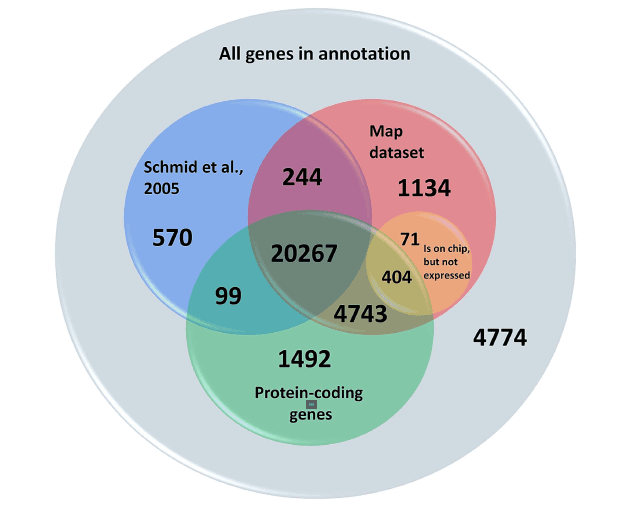
see Klepikova AV, Kasianov AS, Gerasimov ES, Logacheva MD, Penin AA. (2016) A High Resolution Map of the Arabidopsis thaliana Developmental Transcriptome Based on RNA-seq Profiling. Plant J [Epub ahead of print]. [abstract]
The C4 photosynthetic pathway evolved to allow efficient CO2 capture by plants where effective carbon supply may be limiting as in hot or dry environments, explaining the high growth rates of C4 plants such as maize.
Receptor kinases play important roles in plant growth and development, but only few of them have been functionally characterized in depth. Over the past decade CRINKLY 4 (CR4)-related research has peaked as a result of a newly discovered role of ARABIDOPSIS CR4 (ACR4) in the root. Here, we comprehensively review the available (A)CR4 literature and describe its role in embryo, seed, shoot, and root development, but we also flag an unexpected role in plant defence. In addition, we discuss ACR4 domains and protein structure, describe known ACR4-interacting proteins and substrates, and elaborate on the transcriptional regulation of ACR4. Finally, we address the missing knowledge in our understanding of ACR4 signalling.
Genomic imprinting is an epigenetic phenomenon occurring in mammals and flowering plants that causes genes to adopt a parent-of-origin-specific mode of expression. While the imprinting status of genes is well conserved in mammals, clear estimates for the degree of conservation were lacking in plants. We therefore analyzed the genome-wide imprinting status of Capsella rubella, which shared a common recent ancestor with Arabidopsis thaliana ∼10-14 million years ago. However, only about 14% of maternally expressed genes (MEGs) and 29% of paternally expressed genes (PEGs) in C. rubella were commonly imprinted in both species, revealing that genomic imprinting is a rapidly evolving phenomenon in plants. Nevertheless, conserved PEGs exhibited signs of selection, suggesting that a subset of imprinted genes play an important functional role and are therefore maintained in plants. Like in A. thaliana, PEGs in C. rubella are frequently associated with the presence of transposable elements that preferentially belong to helitron and MuDR families. Our data furthermore reveal that MEGs and PEGs differ in their targeting by 24-nt small RNAs and asymmetric DNA methylation, suggesting different mechanisms establishing DNA methylation at MEGs and PEGs.
Cellulose synthase is a large, multisubunit machine that “swims” along the plant cell membrane as it spins out cellulose fibers. Kumar et al. show that the cellulose synthase complex is heavily modified through S-acylation. Subsets of the acylation sites were required for the complex to integrate into the plasma membrane. A single functional complex could bear as many as 100 modification sites, potentially changing its biophysical characteristics and helping it to associate with the membrane.
Regulation of gene expression depends on specific cis-regulatory sequences located in the gene promoter regions. These DNA sequences are recognized by transcription factors (TFs) in a sequence-specific manner, and their iden- tification could help to elucidate the regulatory networks that underlie plant physiological responses to develop- mental programs or to environmental adaptation. Here we review recent advances in high throughput methodologies for the identification of plant TF binding sites. Several approaches offer a map of the TF binding locations in vivo and of the dynamics of the gene regulatory networks. As an alternative, high throughput in vitro methods provide comprehensive determination of the DNA sequences recognized by TFs. These advances are helping to decipher the regulatory lexicon and to elucidate transcriptional network hierarchies in plants in response to internal or external cues. This article is part of a Special Issue entitled: Plant Gene Regulatory Mechanisms and Networks, edited by Dr. Erich Grotewold and Dr. Nathan Springer.
In Arabidopsis (Arabidopsis thaliana), transcriptional control of seed maturation involves three related regulators with a B3 domain, namely LEAFY COTYLEDON2 (LEC2), ABSCISIC ACID INSENSITIVE3 (ABI3), and FUSCA3 (ABI3/FUS3/LEC2 [AFLs]). Although genetic analyses have demonstrated partially overlapping functions of these regulators, the underlying molecular mechanisms remained elusive. The results presented here confirmed that the three proteins bind RY DNA elements (with a 59-CATG-39 core sequence) but with different specificities for flanking nucleotides. In planta as in the moss Physcomitrella patens protoplasts, the presence of RY-like (RYL) elements is necessary but not sufficient for the regulation of the OLEOSIN1 (OLE1) promoter by the B3 AFLs. G box-like domains, located in the vicinity of the RYL elements, also are required for proper activation of the promoter, suggesting that several proteins are involved. Consistent with this idea, LEC2 and ABI3 showed synergistic effects on the activation of the OLE1 promoter. What is more, LEC1 (a homolog of the NF-YB subunit of the CCAAT-binding complex) further enhanced the activation of this target promoter in the presence of LEC2 and ABI3. Finally, recombinant LEC1 and LEC2 proteins produced in Arabidopsis protoplasts could form a ternary complex with NF-YC2 in vitro, providing a molecular explanation for their functional interactions. Taken together, these results allow us to propose a molecular model for the transcriptional regulation of seed genes by the L-AFL proteins, based on the formation of regulatory multiprotein complexes between NF-YBs, which carry a specific aspartate-55 residue, and B3 transcription factors.
To get content containing either thought or leadership enter:
To get content containing both thought and leadership enter:
To get content containing the expression thought leadership enter:
You can enter several keywords and you can refine them whenever you want. Our suggestion engine uses more signals but entering a few keywords here will rapidly give you great content to curate.


 Your new post is loading...