 Your new post is loading...

|
Scooped by
Jean-Michel Ané
December 3, 2022 10:08 PM
|
•nZnS treatments had better effect than nZnO on promoting plant growth and yield of mungbean (Vigna radiata) plant at low concentrations at the 60 days exposure.
•Translocation rate of Zn from nZnS was higher than nZnO to fruits (60 days exposure).
•Zn from ZnCl2 did not translocate to the fruits.
•nZnS treatment hosted Bradyrhizobium symbiosis at low concentrations and improved grain size and weight.
|
|
Scooped by
Jean-Michel Ané
December 3, 2022 10:01 PM
|
Heavy metal accumulation in plants is a severe environmental problem, rising at an expeditious rate. Heavy metals such as cadmium, arsenic, mercury and lead are known environmental pollutants that exert noxious effects on the morpho-physiological and biological attributes of a plant. Due to their mobile nature, they have become an extended part of the food chain and affect human health. Arbuscular mycorrhizal fungi ameliorate metal toxicity as they intensify the plant’s ability to tolerate metal stress. Mycorrhizal fungi have vesicles, which are analogous to fungal vacuoles and accumulate massive amount of heavy metals in them. With the help of a pervasive hyphal network, arbuscular mycorrhizal fungi help in the uptake of water and nutrients, thereby abating the use of chemical fertilizers on the plants. They also promote resistance parameters in the plants, secrete a glycoprotein named glomalin that reduces the metal uptake in plants by forming glycoprotein–metal complexes, and improve the quality of the soil. They also assist plants in phytoremediation by increasing the absorptive area, increase the antioxidant response, chelate heavy metals and stimulate genes for protein synthesis that reduce the damage caused by free radicals. The current manuscript focuses on the uptake of heavy metals, accumulation, and arbuscular mycorrhizal impact in ameliorating heavy metal stress in plants.
|
|
Scooped by
Jean-Michel Ané
December 3, 2022 9:54 PM
|
Mycorrhizas are widespread belowground symbioses formed between plant roots and soil fungi. This plant-fungal partnership impacts terrestrial ecosystems by mediating plant performance and biogeochemical processes. The influence of mycorrhizas on plant and ecosystem functioning is ultimately driven by the biological processes that regulate plant-mycorrhizal interactions. Although convergent patterns in morphological and genetic traits of mycorrhizas have been well-documented and reflect key selection forces that shape the biology of mycorrhizas, generalizable traits of mycorrhizal-associated root metabolome, which are more intimately linked to plant and ecosystem functioning, remained unexplored.
Here, we compared mycorrhizal-associated metabolome alterations across multiple plant-mycorrhizal fungus combinations. Specifically, we inoculated a phylogenetically diverse set of temperate tree species with either arbuscular mycorrhizal or ectomycorrhizal fungi (the two major mycorrhizal lifestyles). Using comprehensive metabolomics approaches, we then assessed the metabolome in mycorrhizal and non-mycorrhizal roots and the corresponding leaves.
Comparing across multiple plant-mycorrhizal fungus combinations, our data revealed metabolite alterations unique to mycorrhizal lifestyle as well as those common across plant-fungus combinations irrespective of lifestyles. Roots colonized by arbuscular mycorrhizal and ectomycorrhizal fungi accumulated different sets of carbohydrates, reflecting unique carbon allocation strategies for mycorrhizas. Arbuscular mycorrhizal roots accumulated cyclic polyols (e.g., inositols) inaccessible to their fungal partners, suggesting tight regulation by plants in carbon partitioning. Such accumulation did not occur in ectomycorrhizal-colonized roots, which instead accrued acyclic polyols (e.g., mannitol and arabitol) that were undetected in non-mycorrhizal roots and likely of fungal origin. Mycorrhizas also altered specialized metabolism, featuring frequent increases of flavan-3-ols (e.g., catechins, gallocatechins, and their oligomers) but decreases in flavanols irrespective of mycorrhizal lifestyles, suggesting tactical reconfiguration of specialized metabolites to both facilitate and restrain the symbiont. These characteristic metabolite alterations were largely root-specific and were not mirrored in leaves.
Synthesis. Using multiple plant-mycorrhizal systems and metabolomics approaches, our study demonstrates that part of the metabolite alterations occurring during root-mycorrhizal interactions were relatively common across plant-mycorrhizal systems, with implications for both carbon partitioning and tissue protection strategies important for successful symbiosis. These generalizable patterns appear robust to the phylogenetic history of host plants and thus may be widespread in land plants.
|
|
Scooped by
Jean-Michel Ané
December 3, 2022 7:09 PM
|
Nitrogen is abundant in the atmosphere but is generally the most limiting nutrient for plants. The inability of many crop plants such as cereals, to directly utilize freely available atmospheric nitrogen gas means that growth and production often rely heavily on the application of chemical fertilizers, which leads to greenhouse gas emissions and eutrophication of water. Notably, legumes gain access to nitrogen through symbiotic association with rhizobia. These bacteria convert nitrogen gas into biologically available ammonia in nodules via a process termed symbiotic biological nitrogen fixation (BNF), which plays a decisive role in ecosystem functioning. Engineering cereal crops with the ability to fix nitrogen like legumes or associated with microbiomics would help avoid the problems generated by overuse of synthetic nitrogen fertilizer. With the development of synthetic biology, various efforts have been undertaken with the aim to create so-called “N-self-fertilizing” crops capable of performing autonomous nitrogen fixation to avoid the need for chemical fertilizers. In this review, we briefly summarize the history and current status of engineering N-self-fertilizing crops. We also propose several potential biotechnological approaches to incorporate the capacity for BNF in non-legume plants.
|
|
Scooped by
Jean-Michel Ané
December 3, 2022 7:03 PM
|
Phosphorus (P) is necessary for nitrogen fixation in the root nodules of soybeans, a symbiotic process whereby plants support bacterial nitrogen fixation to obtain nitrogen needed for plant growth. Nitrogen accumulation, quantity, weight, specific nitrogenase activity (SNA) and acetylene reduction activity (ARA) of root soybean nodules were analyzed, using a broadly targeted metabolomics method incorporating liquid chromatography-mass spectrometry (LC-MS) to study the effects of P level (1, 11, 31, 61 mg/L denoted by P1, P11, P31, P61) on the types and abundance of various metabolites and on the expression of associated metabolic pathways in soybean root nodules. Nitrogen accumulation, quantity, weight, SNA and ARA of root nodules were inhibited by P stress. Kyoto Encyclopedia of Genes and Genomes (KEGG) analysis indicated that root nodules responded to P stress by increasing the number of amino acids and derivatives. Down-regulation of ABA, phosphorylcholine, and D-glucose 6-phosphate affected carotenoid biosynthesis, glycerophospholipid metabolism and sugar metabolism which inhibited nodule nitrogen fixation under P stress. More flavonoids were involved in metabolic processes in soybean root nodules under P stress that regulated the nodulation and nitrogen fixation. The pathway ascorbate and aldarate metabolism, and associated metabolites, were involved in the adaptation of the symbiotic soybean root nodule system to P starvation. This work provides a foundation for future investigations of physiological mechanisms that underly phosphorus stress on soybeans.
|
|
Scooped by
Jean-Michel Ané
December 3, 2022 6:34 PM
|
The mycorrhizal pathway is an important phosphorus (P) uptake pathway for more than two thirds of land plants. The arbuscular mycorrhizal (AM) fungi associated hyphosphere microbiome has been considered as the second genome of mycorrhizal P uptake pathway and functionality in mobilizing soil organic P (Po). However, whether there is a core microbiome in the hyphosphere and how this is implicated in mining soil Po are less understood.
We established on-site field trials located in humid, semiarid and arid zones and a microcosm experiment in a greenhouse with specific AM fungi and varying soil types to answer the above questions.
The hyphosphere microbiome of AM fungi enhanced soil phosphatase activity and promoted Po mineralization in all sites. Although the assemblage of hyphosphere microbiomes identified in three climate zones was mediated by environmental factors, we detected a core set in three sites and the subsequent microcosm experiment. The core members were co-enriched in the hyphosphere and dominated by Alphaproteobacteria, Actinobacteria, and Gammaproteobacteria. Moreover, these core bacterial members aggregate into stable guilds that contributed to phosphatase activity.
The core hyphosphere microbiome is taxonomically conserved and provide functions, with respect to the mineralization of Po, that AM fungi lack.
|
|
Scooped by
Jean-Michel Ané
November 28, 2022 6:26 PM
|
Background
Azoxystrobin is widely used in crops against several fungal diseases, but may have potential negative effects on soil microorganisms beneficial to plants such as arbuscular mycorrhizal (AM) fungi. To date, the impact of azoxystrobin has been studied on the growth and healing capacity of AM fungi, but not on the inorganic phosphorus (Pi) uptake dynamics.
Aims
The aim of the study was to investigate the impact of azoxystrobin on the dynamics of Pi uptake by potato plants associated or not to Rhizophagus irregularis. Additionally, fungal root colonization, plant growth, and P accumulation were assessed.
Methods
A semi-hydroponic cultivation system was used using mycorrhizal (M) and nonmycorrhizal (NM) plants growing in presence/absence of azoxystrobin. The percentage of Pi depletion in the nutrient solution was determined by inductively coupled plasma atomic emission spectroscopy after 30 and 60 days of circulation.
Results
Whatever the presence/absence of the AM fungus, azoxystrobin decreased Pi uptake by plants after 30 days of growth. Conversely, after 60 days in absence of azoxystrobin, a larger Pi uptake was measured in the M plants, while the reverse was noticed in presence of azoxystrobin.
Conclusions
The M plants were more affected by azoxystrobin than those growing in absence of the fungicide, suggesting a direct effect of azoxystrobin on the AM fungus and an indirect effect on the plant–fungus associates via a potential imbalance in the transfer of nutrients. Although it is difficult to extrapolate our results to field, fungicide toxicity on crops inoculated with selected AM fungi deserves to be explored.
|
|
Scooped by
Jean-Michel Ané
November 28, 2022 6:21 PM
|
Legumes form a symbiotic association with rhizobia and fix atmospheric nitrogen in specialized root organs known as nodules. It is well known that salt stress inhibits root nodule symbiosis by decreasing rhizobial growth, rhizobial infection, nodule number and nitrogenase activity in diverse legumes. Despite this knowledge, the genetic and molecular mechanisms governing salt stress's inhibition of nodulation and nitrogen fixation are still elusive. In this viewpoint, we summarize the most recent knowledge of the genetic mechanisms that shape this symbiosis according to the salt levels in the soil. We emphasize the relevance of modulating the activity of the transcription factor Nodule Inception to properly shape the symbiosis with rhizobia accordingly. We also highlight knowledge gaps that are critical for gaining a deeper understanding of the molecular mechanisms underlying the adaptation of the root nodule symbiosis to salt stress conditions. We consider that filling these gaps can help to improve legume nodulation and harness its ecological benefits even under salt-stress conditions.
|
|
Scooped by
Jean-Michel Ané
November 28, 2022 4:50 PM
|
Arbuscular mycorrhizal (AM) fungi are symbionts of most terrestrial plants and enhance their adaptability in metal-contaminated soils. In this study, mycorrhized and non-mycorrhized Eucalyptus grandis were grown under different Zn treatments. After 6 weeks of treatment, the growing status and ionome content of plants as well as the expression patterns of metal tolerance proteins and auxin biosynthesis–related genes were measured. In this study, mycorrhized E. grandis showed higher biomass and height at a high level of Zn compared with non-mycorrhized plants. In addition, AM plants accumulated P, Mg, and Mn in roots and P, Fe, and Cu in shoots, which indicate that AM fungi facilitate the uptake of ionome nutrients to promote plant growth. In addition, mycorrhiza upregulated the expression of EgMTP1 and EgMTP7, whose encoding proteins were predicted to be located at the vacuolar membrane. Meanwhile, Golgi membrane transporter EgMTP5 was also induced in AM shoot. Our results suggest that AM likely mitigates Zn toxicity through sequestrating excess Zn into vacuolar and Golgi. Furthermore, the expression of auxin biosynthesis–related genes was facilitated by AM, and this is probably another approach for Zn tolerance.
|
|
Scooped by
Jean-Michel Ané
November 28, 2022 4:34 PM
|
Trichoderma is a cosmopolitan and opportunistic ascomycete fungal genus including species that are of interest to agriculture as direct biological control agents of phytopathogens. Trichoderma utilizes direct antagonism and competition, particularly in the rhizosphere, where it modulates the composition of and interactions with other microorganisms. In its colonization of plants, on the roots or as an endophyte, Trichoderma has evolved the capacity to communicate with the plant and produce numerous multifaceted benefits to its host. The intricacy of this plant–microorganism association has stimulated a marked interest in research on Trichoderma, ranging from its capacity as a plant growth promoter to its ability to prime local and systemic defence responses against biotic and abiotic stresses and to activate transcriptional memory affecting plant responses to future stresses. This Review discusses the ecophysiology and diversity of Trichoderma and the complexity of its relationships in the agroecosystem, highlighting its potential as a direct and indirect biological control agent, biostimulant and biofertilizer, which are useful multipurpose properties for agricultural applications. We also highlight how the present legislative framework might accommodate the demonstrated evidence of Trichoderma proficiency as a plant-beneficial microorganism contributing towards eco-sustainable agriculture.
|
|
Scooped by
Jean-Michel Ané
November 22, 2022 12:54 PM
|
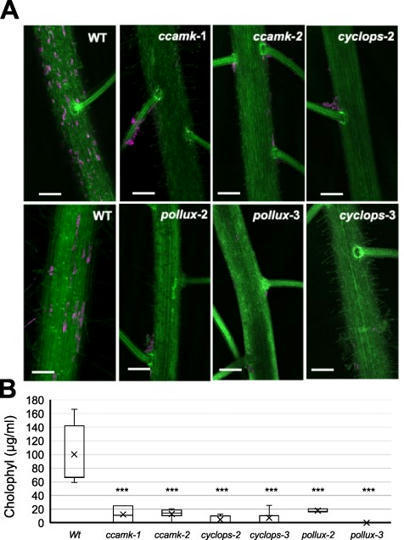
Symbiosis between cyanobacteria and plants is considered pivotal for biological nitrogen deposition in terrestrial ecosystems. Despite extensive knowledge of the ecology of plant–cyanobacterium symbioses, little is known about the molecular mechanisms involved in recognition between partners. Here, we conducted a quantitative sequential window acquisition of all theoretical fragment ion spectra mass spectrometry pipeline to analyze protein changes in Oryza sativa and Nostoc punctiforme during early events of symbiosis. We found differentially expressed proteins in both organisms linked to several biological functions, including signal transduction, adhesion, defense-related proteins and cell wall modification. In N. punctiforme we found increased expression of 62 proteins that have been previously described in other Nostoc–plant symbioses, reinforcing the robustness of our study. Our findings reveal new proteins activated in the early stages of the Nostoc–Oryza symbiosis that might be important for the recognition between the plant and the host. Oryza mutants in genes in the common symbiosis signaling pathway (CSSP) show reduced colonization efficiency, providing first insights on the involvement of the CSSP for the accommodation of N. punctiforme inside the plant cells. This information may have long-term implications for a greater understanding of the symbiotic interaction between Nostoc and land plants.
|
|
Scooped by
Jean-Michel Ané
November 22, 2022 11:50 AM
|
Plant-soil interactions can be important drivers of biological invasions. In particular, the symbiotic relationship between legumes and nitrogen-fixing soil bacteria (i.e. rhizobia) may be influential in invasion success. Legumes, including Australian acacias, have been introduced into novel ranges around the world. Our goal was to examine the acacia-rhizobia symbiosis to determine whether co-introduction of non-native mutualists plays a role in invasiveness of introduced legumes. To determine whether acacias were introduced abroad concurrently with native symbionts, we selected four species introduced to California (two invasive and two non-invasive in the region) and identified rhizobial strains associating with each species in their native and novel ranges. We amplified three genes to examine phylogenetic placement (16S rRNA) and provenance (nifD and nodC) of rhizobia associating with acacias in California and Australia. We found that all Acacia species, regardless of invasive status, are associating with rhizobia of Australian origin in their introduced ranges, indicating that concurrent acacia-rhizobia introductions have occurred for all species tested. Our results suggest that co-introduction of rhizobial symbionts may be involved in the establishment of non-native acacias in their introduced ranges, but do not contribute to the differential invasiveness of Acacia species introduced abroad.
|
|
Scooped by
Jean-Michel Ané
November 22, 2022 11:39 AM
|
Plant lines expressing genetically encoded fluorescent markers of organelles, membranes, and subcellular compartments have had a major impact on plant biology research and are particularly useful for co-localization and cell biology studies. There are many Arabidopsis transgenic lines in which membrane compartments and organelles are labeled or in which reporters enable alterations in ions, hormones, or lipids to be visualized (Desvoyes et al. 2020; Geldner et al. 2009; Jones et al. 2014; Nelson et al. 2007; Rizza et al. 2017; Simon et al. 2014). Large-scale fluorescent marker resources have also been established in maize (Wu et al. 2013) and rice (Chen et al. 2019). Medicago truncatula is used widely for studies of two major plant-microbe symbioses, the N2-fixing association with rhizobia and the endosymbiosis with arbuscular mycorrhizal fungi (Bravo et al. 2016; Canas and Beltran 2018; Chen et al. 2018; Jones et al. 2007; Young et al. 2011), for studies of legume interactions with pathogens and pests, as well as legume biology in general (Costa et al. 2021; Gavrin and Schornack 2019; Gou et al. 2018; Kamphuis et al. 2013; Saqib et al. 2011). Here, we report 18 transgenic M. truncatula lines that constitutively express fluorescent protein markers of membranes, organelles, cytoskeletal elements, and two phosphoinositides, namely, phosphatidylinositol 4,5-bisphosphate (PI(4,5)P2) and phosphatidylinositol 4-phosphate (PI4P), in cells throughout the plant. This resource will enhance research of M. truncatula–microbe interactions and M. truncatula cell biology in general.
|
|
|
Scooped by
Jean-Michel Ané
December 3, 2022 10:02 PM
|
Commonly studied in the context of legume–rhizobia symbiosis, biological nitrogen fixation (BNF) is a key component of the nitrogen cycle in nature. Despite its potential in plant breeding and many years of research, information is still lacking as to the regulation of hundreds of genes connected with plant–bacteria interaction, nodulation, and nitrogen fixation. Here, we compared root nodule transcriptomes of red clover (Trifolium pratense L.) genotypes with contrasting nitrogen fixation efficiency, and we found 491 differentially expressed genes (DEGs) between plants with high and low BNF efficiency. The annotation of genes expressed in nodules revealed more than 800 genes not yet experimentally confirmed. Among genes mediating nodule development, four nod-ule-specific cysteine-rich (NCR) peptides were confirmed in the nodule transcriptome. Gene duplication analyses revealed that genes originating from tandem and dispersed duplication are significantly over-represented among DEGs. Weighted correlation network analysis (WGCNA) organized expression profiles of the transcripts into 16 modules linked to the analyzed traits, such as nitrogen fixation efficiency or sample-specific modules. Overall, the results obtained broaden our knowledge about transcriptomic landscapes of red clover’s root nodules and shift the phenotypic description of BNF efficiency on the level of gene expression in situ.
|
|
Scooped by
Jean-Michel Ané
December 3, 2022 9:57 PM
|
Nodule cysteine-rich (NCR) peptides have a major role in the differentiation of endocytosed bacteria into nitrogen-fixing bacteroids. A recent paper by Sankari et al. indicates that NCR247 is essential for the uptake of iron, a mineral nutrient required for nitrogenase activity. Furthermore, the special ability of NCR247 to sequester haem suggests potential applications for human health.
|
|
Scooped by
Jean-Michel Ané
December 3, 2022 7:09 PM
|
Rhizobia are soil bacteria that induce nodule formation on leguminous plants. In the nodules, they reduce dinitrogen to ammonium that can be utilized by plants. Besides nitrogen fixation, rhizobia have other symbiotic functions in plants including phosphorus and iron mobilization and protection of the plants against various abiotic stresses including salinity. Worldwide, about 20% of cultivable and 33% of irrigation land is saline, and it is estimated that around 50% of the arable land will be saline by 2050. Salinity inhibits plant growth and development, results in senescence, and ultimately plant death. The purpose of this study was to investigate how rhizobia, isolated from Kenyan soils, relieve common beans from salinity stress. The yield loss of common bean plants, which were either not inoculated or inoculated with the commercial R. tropici rhizobia CIAT899 was reduced by 73% when the plants were exposed to 300 mM NaCl, while only 60% yield loss was observed after inoculation with a novel indigenous isolate from Kenyan soil, named S3. Expression profiles showed that genes involved in the transport of mineral ions (such as K+, Ca2+, Fe3+, PO43−, and NO3−) to the host plant, and for the synthesis and transport of osmotolerance molecules (soluble carbohydrates, amino acids, and nucleotides) are highly expressed in S3 bacteroids during salt stress than in the controls. Furthermore, genes for the synthesis and transport of glutathione and γ-aminobutyric acid were upregulated in salt-stressed and S3-inocculated common bean plants. We conclude that microbial osmolytes, mineral ions, and antioxidant molecules from rhizobia enhance salt tolerance in common beans.
|
|
Scooped by
Jean-Michel Ané
December 3, 2022 7:06 PM
|
Marchantia polymorpha is a common liverwort considered in recent years as a model plant for evolutionary studies on plant–microorganism interactions. Despite the lack of research, remarkable results have been reported regarding the understanding of metabolic and evolutionary processes of beneficial and/or harmful interactions, owing to a better understanding of the origin and evolution of different plant defense pathways. In this study, we have carried out work on the direct and indirect interactions (exudates and volatiles) of M. polymorpha with different species of the fungal genus Trichoderma. These interactions showed different outcomes, including resistance or even growth promotion and disease. We have analyzed the level of tissue colonization and defense-related gene expression. Furthermore, we have used the pteridophyte Dryopteris affinis and the angiosperm Arabidopsis thaliana, as subsequent steps in plant evolution, together with the plant pathogen Rhizoctonia solani as a control of plant pathogenicity. Trichoderma virens, T. brevicompactum and T. hamatum are pathogens of M. polymorpha, while exudates of T. asperellum are harmful to the plant. The analysis of the expression of several defense genes in M. polymorpha and A. thaliana showed that there is a correlation of the transcriptional activation of SA-related genes with resistance or susceptibility of M. polymorpha to Trichoderma. Moreover, exogenous SA provides resistance to the virulent Trichoderma species. This beneficial fungus may have had an evolutionary period of interaction with plants in which it behaved as a plant pathogen until plants developed a defense system to limit its colonization through a defense response mediated by SA.
|
|
Scooped by
Jean-Michel Ané
December 3, 2022 6:59 PM
|
Legumes acquire fixed nitrogen (N) from the soil and through endosymbiotic association with diazotrophic bacteria. However, establishing and maintaining N2-fixing nodules are expensive for the host plant, relative to taking up N from the soil. Therefore, plants suppress symbiosis when N is plentiful and enhance symbiosis when N is sparse. Here, we show that the nitrate transporter MtNRT2.1 is required for optimal nodule establishment in Medicago truncatula under low-nitrate conditions and for the repression of nodulation under high-nitrate conditions. The NIN-like protein (NLP) MtNLP1 is required for MtNRT2.1 expression and regulation of nitrate uptake/transport under low- and high-nitrate conditions. Under low nitrate, the gene encoding the C-Terminally Encoded Peptide (CEP) MtCEP1 was more highly expressed, and the exogenous application of MtCEP1 systemically promoted MtNRT2.1 expression in a Compact Root Architecture 2 (MtCRA2)-dependent manner. The enhancement of nodulation by MtCEP1 and nitrate uptake were both impaired in the Mtnrt2.1 mutant under low nitrate. Our study demonstrates that nitrate uptake by MtNRT2.1 differentially affects nodulation at low- and high-nitrate conditions through the actions of MtCEP1 and MtNLP1.
|
|
Scooped by
Jean-Michel Ané
December 3, 2022 6:33 PM
|
Arbuscular mycorrhizal fungi (AMF) form symbioses with many agricultural crops and can improve plant biomass and health. The performance of the AM symbiosis is context dependent, for example, usually the inoculation of the AMF Rhizophagus irregularis benefits plant biomass, but benefits can be suppressed by high soil fertility levels. Nevertheless, the importance of many other agricultural management practices on AMF, such as fungicides application, is poorly understood. Also, pesticide regulations usually neglect a comprehensive safety testing of fungicides on AMF and lawmakers require empirical support to improve such laws. The objective of this study was to evaluate the effects of spraying fungicides on tomato plants and the subsequent root colonization of plants grown in natural soil containing AMF and inoculated with R. irregularis. We detected that the inoculation of R. irregularis increased the total root colonization of the control plants that did not receive fungicides and that spraying the plants with the fungicides Signum ® and Topas ® reduced total root colonization. The effect on specific AM fungal structures was variable according to the product. Signum ® reduced the occurrence of arbuscules, while Topas ® reduced the occurrence of AM hyphae in the colonized roots. Cuprozin ® did not reduce total root colonization but reduced the occurrence of AM vesicles. Sampling time was also relevant. Effects were detected at 90 days, but not at 35 days. Our results show that fungicides safety should be evaluated for their effects on root colonization of crops in non-sterilized soils and at adequate sampling time.
|
|
Scooped by
Jean-Michel Ané
November 28, 2022 6:25 PM
|
In the present study, indole-3-acetic acid (IAA) producing plant growth promoting fungus was isolated from rice field of Purba Bardhaman district, West Bengal, India. Among the isolated 6 strains, AP2 (Aspergillus fumigatus) was selected as best-performing plant growth promoting fungal strain as it was an efficient indole-3-acetic acid producer as well as exhibits different plant growth promoting ability viz, phosphate solubilization, siderophore production, ammonia and hydrogen cyanide production etc. Media and different growth conditions (pH, temperature, concentration of sodium chloride) were optimized for augmentation of the indole-3-acetic acid production. The genus of the selected isolate AP2 was identified as Aspergillus fumigatus both by 18S rDNA sequence-based homology and MALDI-TOF analyses of ribosomal protein. Plant growth promoting ability of Aspergillus fumigatus has been confirmed by measuring different morphological and biochemical growth parameters in Trigonella foenum-graecum L. So, AP2 (Aspergillus fumigatus) can be considered as novel plant growth promoting fungal strain that can be applied as bio-inoculants on agricultural field.
|
|
Scooped by
Jean-Michel Ané
November 28, 2022 6:18 PM
|
Arbuscular mycorrhizal (AM) fungi are a group of fungi that are able to establish a symbiotic relationship with the root system of many land plants. This symbiosis improves plant fitness by increasing the uptake of crucial mineral nutrients, particularly phosphorus and nitrogen. In return, the fungi receive organic carbon from the plant host in the form of sugars and lipids. The objective of my research is to assess whether the Nitrate and Peptide Transporter Family (NPF) of transport proteins play a role in mediating AM symbiosis. Firstly, we explored the involvement of NPF genes NPF1B and NPF4.12 by examining the phenotype of Medicago truncatula mutants. Secondly, we employed a modified yeast two-hybrid system to determine the phytohormone import capabilities of these NPF transport systems. Lastly, we employed reporter gene fusions to assess the spatial and temporal expression profiles of these NPF genes. The results of our research do not support our hypothesis that these NPF genes play a role in mediating AMF symbiosis. The results of the modified yeast-two hybrid tests revealed abscisic acid (ABA) and gibberellic acid (GA3) import capabilities of the transport system encoded by the gene NPF4.12. Future study of the diverse mechanisms that underpin AM symbiosis will nonetheless be useful to the agricultural industry by reducing farmer's reliance on chemical fertilizers.
|
|
Scooped by
Jean-Michel Ané
November 28, 2022 4:36 PM
|
Advances in Plant Nitrogen Metabolism is a thoughtful, provocative, and up-to-date volume that presents important physiological, biochemical, and molecular perspectives of the nitrogen metabolism in plants and regulatory networks underlying it. The book is an attempt to team up with global leading research experts working in the field of plant nitrogen metabolism to compile an up-to-date and wide-ranging volume. The main purpose of this book is to present information on the most recent developme
|
|
Scooped by
Jean-Michel Ané
November 28, 2022 4:33 PM
|
•Sampling gaps in uncultured non-model fungi are filled using metagenomics
•Numerous putative early-diverging Ascomycota lineages resolve in a novel clade
•The clade includes lichen and insect symbionts, endophytes, and mycorrhizae
•Fungi in this clade possess small genomes with reduced metabolic arsenals
|
|
Scooped by
Jean-Michel Ané
November 22, 2022 11:54 AM
|
Medicago (Medicago truncatula) establishes a symbiosis with the rhizobia Sinorhizobium sp, resulting in the formation of nodules where the bacteria fix atmospheric nitrogen. The loss of immunity repression or early senescence activation compromises symbiont survival and leads to the formation of nonfunctional nodules (fix−). Despite many studies exploring an overlap between immunity and senescence responses outside the nodule context, the relationship between these processes in the nodule remains poorly understood. To investigate this phenomenon, we selected and characterized three Medicago mutants developing fix− nodules and showing senescence responses. Analysis of specific defense (PATHOGENESIS-RELATED PROTEIN) or senescence (CYSTEINE PROTEASE) marker expression demonstrated that senescence and immunity seem to be antagonistic in fix− nodules. The growth of senescence mutants on non-sterile (sand/perlite) substrate instead of sterile in vitro conditions decreased nodule senescence and enhanced defense, indicating that environment can affect the immunity/senescence balance. The application of wounding stress on wild-type (WT) fix+ nodules led to the death of intracellular rhizobia and associated with co-stimulation of defense and senescence markers, indicating that in fix+ nodules the relationship between the two processes switches from opposite to synergistic to control symbiont survival during response to the stress. Our data show that the immune response in stressed WT nodules is linked to the repression of DEFECTIVE IN NITROGEN FIXATION 2 (DNF2), Symbiotic CYSTEINE-RICH RECEPTOR-LIKE KINASE (SymCRK), and REGULATOR OF SYMBIOSOME DIFFERENTIATION (RSD), key genes involved in symbiotic immunity suppression. This study provides insight to understand the links between senescence and immunity in Medicago nodules.
|
|
Scooped by
Jean-Michel Ané
November 22, 2022 11:47 AM
|
Increasing nitrogen (N) deposition often tends to negatively impact the functions of belowground ectomycorrhizal networks, although the exact molecular mechanisms underlying this trait are still unclear. Here, we assess how the root-associated fungus Clitopilus hobsonii establishes an ectomycorrhiza-like association with its host tree Populus tomentosa and how this interaction is favored by organic N over mineral N. The establishment of a functional symbiosis in the presence of organic N promotes plant growth and the transfer of 15N from the fungus to above ground plant tissues. Genomic traits and in planta transcriptional signatures suggest that C. hobsonii may have a dual lifestyle with saprotrophic and mutualistic traits. For example, several genes involved in the digestion of cellulose and hemicellulose are highly expressed during the interaction, whereas the expression of multiple copies of pectin-digesting genes is tightly controlled. Conversely, the nutritional mutualism is dampened in the presence of ammonium (NH4+) or nitrate (NO3−). Increasing levels of NH4+ led to a higher expression of pectin-digesting genes and a continuous increase in hydrogen peroxide production in roots, whereas the presence of NO3− resulted in toxin production. In summary, our results suggest that C. hobsonii is a facultative ectomycorrhizal fungus. Access to various forms of N acts as an on/off switch for mutualism caused by large-scale fungal physiological remodeling. Furthermore, the abundance of pectin-degrading enzymes with distinct expression patterns during functional divergence after exposure to NH4+ or organic N is likely to be central to the transition from parasitism to mutualism.
|











I have never heard about these Zinc nanoparticles before