 Your new post is loading...

|
Scooped by
Jean-Michel Ané
March 5, 2023 2:28 PM
|
The arbuscular mycorrhizal (AM) symbiosis is an ancient and highly conserved mutualism between plant and fungal symbionts, in which a highly specialised membrane-delimited fungal arbuscule acts as the symbiotic interface for nutrient exchange and signalling. As a ubiquitous means of biomolecule transport and intercellular communication, extracellular vesicles (EVs) are likely to play a role in this intimate cross-kingdom symbiosis, yet there is a lack of research investigating the importance of EVs in AM symbiosis despite known roles in microbial interactions in both animal and plant pathosystems. Clarifying the current understanding of EVs in this symbiosis in light of recent ultrastructural observations is paramount to guiding future investigations in the field and, to this end, this review summarises recent research investigating these areas. Namely, this review discusses the available knowledge regarding biogenesis pathways and marker proteins associated with the various plant EV subclasses, EV trafficking pathways during symbiosis, and the endocytic mechanisms implicated in the uptake of these EVs.
|
|
Scooped by
Jean-Michel Ané
March 2, 2023 8:58 AM
|
Biological nitrogen (N) fixation (BNF) via diazotrophs is an important ecological process for the conversion of atmospheric N to biologically available N. Although soil diazotrophs play a dominant role in BNF and arbuscular mycorrhizal fungi (AMF) serve as helpers to favor BNF, the response of soil BNF and diazotrophic communities to different long-term fertilizations and the role of AMF in diazotrophs-driven BNF are poorly understood. Herein, a 33-year fertilization experiment in a wheat–maize intercropping system was conducted to investigate the changes in soil BNF rates, diazotrophic and AMF communities, and their interactions after long-term representative fertilization (chemical fertilizer, cow manure, wheat straw, and green manure). We found a remarkable increase in soil BNF rates after more than three decades of fertilization compared with nonfertilized soil, and the green manure treatment rendered the highest enhancement. The functionality strengthening was mainly associated with the increase in the absolute abundance of diazotrophs and AMF and the relative abundance of the key ecological cluster of Module #0 (gained from the co-occurrence network of diazotrophic and AMF species) with dominant diazotrophs such as Skermanella and Azospirillum. Furthermore, although the positive correlations between diazotrophs and AMF were reduced under long-term organic fertilization regimes, green manuring could reverse the decline within Module #0, and this had a positive relationship with the BNF rate. This study suggests that long-term fertilization could promote N fixation and select specific groups of N fixers and their helpers in certain areas. Our work provides solid evidence that N fixation and certain groups of diazotrophic and AMF taxa and their interspecies relationship will be largely favored after the fertilized strategy of green manure.
|
|
Scooped by
Jean-Michel Ané
February 28, 2023 7:52 PM
|
Cover crops (CCs) were found to improve soil health by increasing plant diversity and ground cover. They may also improve water supply for cash crops by reducing evaporation and increasing soil water storage capacity. However, their influence on plant-associated microbial communities, including symbiotic arbuscular mycorrhizal fungi (AMF), is less well understood. In a corn field trial, we studied the response of AMF to a four-species winter CC, relative to a no-CC control, as well as to two contrasting water supply levels (i.e., drought and irrigated). We measured AMF colonization of corn roots and used Illumina MiSeq sequencing to study the composition and diversity of soil AMF communities at two depths (i.e., 0–10 and 10–20 cm). In this trial, AMF colonization was high (61–97%), and soil AMF communities were represented by 249 amplicon sequence variants (ASVs) belonging to 5 genera and 33 virtual taxa. Glomus, followed by Claroideoglomus and Diversispora (class Glomeromycetes), were the dominant genera. Our results showed interacting effects between CC treatments and water supply levels for most of the measured variables. The percentage of AMF colonization, arbuscules, and vesicles tended to be lower in irrigated than drought sites, with significant differences detected only under no-CC. Similarly, soil AMF phylogenetic composition was affected by water supply only in the no-CC treatment. Changes in the abundance of individual virtual taxa also showed strong interacting effects between CCs, irrigation, and sometimes soil depth, although CC effects were clearer than irrigation effects. An exception to these interactions was soil AMF evenness, which was higher in CC than no-CC, and higher under drought than irrigation. Soil AMF richness was not affected by the applied treatments. Our results suggest that CCs can affect the structure of soil AMF communities and modulate their response to water availability levels, although soil heterogeneity could influence the final outcome.
|
|
Scooped by
Jean-Michel Ané
February 28, 2023 7:29 PM
|
Plants have to cope with a myriad of soilborne pathogens that affect crop production and food security. The complex interactions between the root system and microorganisms are determinant for the whole plant health. However, the knowledge regarding root defense responses is limited as compared to the aerial parts of the plant. Immune responses in roots appear to be tissue-specific suggesting a compartmentalization of defense mechanisms in these organs. The root cap releases cells termed root “associated cap-derived cells” (AC-DCs) or “border cells” embedded in a thick mucilage layer forming the root extracellular trap (RET) dedicated to root protection against soilborne pathogens. Pea (Pisum sativum) is the plant model used to characterize the composition of the RET and to unravel its function in root defense. The objective of this paper is to review modes of action of the RET from pea against diverse pathogens with a special focus on root rot disease caused by Aphanomyces euteiches, one of the most widely occurring and large-scale pea crop diseases. The RET, at the interface between the soil and the root, is enriched in antimicrobial compounds including defense-related proteins, secondary metabolites, and glycan-containing molecules. More especially arabinogalactan proteins (AGPs), a family of plant extracellular proteoglycans belonging to the hydroxyproline-rich glycoproteins were found to be particularly present in pea border cells and mucilage. Herein, we discuss the role of RET and AGPs in the interaction between roots and microorganisms and future potential developments for pea crop protection.
|
|
Scooped by
Jean-Michel Ané
February 27, 2023 11:31 PM
|
Arbuscular mycorrhizal (AM) symbiosis is a wide-spread, ancient mutualistic association between plants and fungi, and facilitates nutrient uptake into plants. Cell surface receptor-like kinases (RLKs) and receptor-like cytoplasmic kinases (RLCKs) play pivotal roles in transmembrane signaling, while few RLCKs are known to function in AM symbiosis. Here, we show that 27 out of 40 AM-induced kinases (AMKs) are transcriptionally upregulated by key AM transcription factors in Lotus japonicus. Nine AMKs are only conserved in AM-host lineages, among which the SPARK-RLK-encoding gene KINASE3 (KIN3) and the RLCK paralogues AMK8 and AMK24 are required for AM symbiosis. KIN3 expression is directly regulated by the AP2 transcription factor CTTC MOTIF-BINDING TRANSCRIPTION FACTOR1 (CBX1), which regulates the reciprocal exchange of nutrients in AM symbiosis, via the AW-box motif in the KIN3 promoter. Loss of function mutations in KIN3, AMK8 or AMK24 result in reduced mycorrhizal colonization in L. japonicus. AMK8 and AMK24 physically interact with KIN3. KIN3 and AMK24 are active kinases and AMK24 directly phosphorylates KIN3 in vitro. Moreover, CRISPR-Cas9-mediated mutagenesis of OsRLCK171, the sole homolog of AMK8 and AMK24 in rice (Oryza sativa), leads to diminished mycorrhization with stunted arbuscules. Overall, our results reveal a crucial role of the CBX1-driven RLK/RLCK complex in the evolutionarily conserved signaling pathway enabling arbuscule formation.
|
|
Scooped by
Jean-Michel Ané
February 25, 2023 11:37 AM
|
Bacterial flagellin protein is a potent microbe-associated molecular pattern. Immune responses are triggered by a 22-amino-acid epitope derived from flagellin, known as flg22, upon detection by the pattern recognition receptor FLAGELLIN-SENSING2 (FLS2) in multiple plant species. However, increasing evidence suggests that flg22 epitopes of several bacterial species are not universally immunogenic to plants. We investigated whether flg22 immunogenicity systematically differs between classes of the phylum Proteobacteria, using a dataset of 2,470 flg22 sequences. To predict which species encode highly immunogenic flg22 epitopes, we queried a custom motif (11[ST]xx[DN][DN]xAGxxI21) in the flg22 sequences, followed by sequence conservation analysis and protein structural modeling. These data led us to hypothesize that most flg22 epitopes of the γ- and β-Proteobacteria are highly immunogenic, whereas most flg22 epitopes of the α-, δ-, and ε-Proteobacteria are weakly to moderately immunogenic. To test this hypothesis, we generated synthetic peptides representative of the flg22 epitopes of each proteobacterial class, and we monitored their ability to elicit an immune response in Arabidopsis thaliana. The flg22 peptides of γ- and β-Proteobacteria triggered strong oxidative bursts, whereas peptides from the ε-, δ-, and α-Proteobacteria triggered moderate, weak, or no response, respectively. These data suggest flg22 immunogenicity is not highly conserved across the phylum Proteobacteria. We postulate that sequence divergence of each taxonomic class was present prior to the evolution of FLS2, and that the ligand specificity of A. thaliana FLS2 was driven by the flg22 epitopes of the γ- and β-Proteobacteria, a monophyletic group containing many common phytopathogens.
|
|
Scooped by
Jean-Michel Ané
February 22, 2023 6:23 PM
|
Many reviews report induction of defence genes similar with pathogenesis in legume-rhizobia and mycorrhizal symbioses, suggesting it could be a convergent point in plant-microorganism symbiotic systems. However, research in actinorhizal symbiosis versus pathogenesis is still in early stages and much remains to be learned to confirm this hypothesis. Here, we review studies on plant immune system in actinorhizal symbiosis, focusing on Alnus glutinosa, one of the best studied actinorhizal plants, for which genomic and transcriptomic data have recently been published. This review draws up the first overview of plant immune reactions during the Frankia-Alnus symbiosis and summarises all evidence of (i) a putative transient expression of defence genes during the early steps of symbiosis establishment in Alnus-Frankia interactions, and (ii) defence genes highly expressed in mature and functional root nodules in which the microbial partner is hosted. These genes are related to three main host plant stress response categories: oxidative stress response, Pathogenesis-Related (PR) proteins and Systemic Acquired Resistance (SAR). Their putative key role in plant–microbe interactions is discussed, with the major challenge being to understand to what extent they would be related to symbiosis, to stress response, or both.
|
|
Scooped by
Jean-Michel Ané
February 21, 2023 4:37 PM
|
Sustainable agriculture is based on improving soil microbial activities through new practices including the use of biostimulants such as arbuscular mycorrhizal fungi (AMF). However, many factors, such as plant cultivar, influences the success of mycorrhizal inoculation in field. We investigated the impact of inoculation with Rhizophagus irregularis DAOM 197198 (AGTIV®, Premier Tech) on three potato cultivars (Solanum tuberosum cv. Écrin, Fontane, Manitou ® Desmazières) in two microplots in North of France. In each trial, sampling was carried out (i) at the tuber filling stage to study potato development and nutrition, as well as bacterial and fungal diversity in the roots, and (ii) at maturity to determine tuber yield. Our results showed that inoculation (i) homogenize tuber calibre (ii) significantly increased potato yield and financial income for Manitou plants, (iii) homogenized the phosphate root-to-shoot ratio, and (iv) did not modify neither the taxonomic composition nor the relative abundance of bacteria, fungi and AMF associated with potato roots whatever the potato cultivar. Our results suggest that the positive effects of the inoculation with R. irregularis DAOM 197198 might depend on the potato cultivar, but further investigations are needed to understand the impact of different soils and agricultural systems on inoculation success.
|
|
Scooped by
Jean-Michel Ané
February 17, 2023 4:34 PM
|
Symbioses between legumes and rhizobia require establishment of the plant-derived symbiosome membrane, which surrounds the rhizobia and accommodates the symbionts by providing an interface for nutrient and signal exchange. The host cytoskeleton and endomembrane trafficking systems play central roles in the formation of a functional symbiotic interface for rhizobia endosymbiosis; however, the underlying mechanisms remain largely unknown. Here we demonstrate that the nodulation-specific kinesin-like calmodulin-binding protein (nKCBP), a plant-specific microtubule-based kinesin motor, controls central vacuole morphogenesis in symbiotic cells in Medicago truncatula. Phylogenetic analysis further indicated that nKCBP duplication occurs solely in legumes of the clade that form symbiosomes. Knockout of nKCBP results in central vacuole deficiency, defective symbiosomes and abolished nitrogen fixation. nKCBP decorates linear particles along microtubules, and crosslinks microtubules with the actin cytoskeleton, to control central vacuole formation by modulating vacuolar vesicle fusion in symbiotic cells. Together, our findings reveal that rhizobia co-opted nKCBP to achieve symbiotic interface formation by regulating cytoskeletal assembly and central vacuole morphogenesis during nodule development.
|
|
Scooped by
Jean-Michel Ané
February 16, 2023 11:01 AM
|
The availability of water and nutrients in the soil is a major limiting factor affecting crop productivity. Plants of the Leguminosae family form a symbiotic association with nitrogen-fixing Gram-negative soil bacteria, rhizobia for nitrogen fixation. This symbiotic relationship between legumes and rhizobia depends on the signal exchange between them. Plant receptor-like kinases (RLKs) containing lysin motif (LysM) and/or leucine-rich repeat (LRR) play an important role in the perception of chemical signals from rhizobia for initiation and establishment of root nodule symbiosis (RNS) that results in nitrogen fixation. This review highlights the diverse aspects of LysM-RLK and LRR receptors including their specificity, functions, interacting partners, regulation, and associated signaling in RNS. The activation of LysM-RLKs and LRR-RLKs is important for ensuring the successful interaction between legume roots and rhizobia. The intracellular regions of the receptors enable additional layers of signaling that help in the transduction of signals intracellularly. Additionally, symbiosis receptor-like kinase (SYMRK) containing the LRR motif acts as a co-receptor with Nod factors receptors (LysM-RLK). Cleavage of the malectin-like domain from the SYMRK ectodomain is a mechanism for controlling SYMRK stability. Overall, this review has discussed different aspects of legume receptors that are critical to the perception of signals from rhizobia and their subsequent role in creating the mutualistic relationship necessary for nitrogen fixation. Additionally, it has been discussed how crucial it is to extrapolate the knowledge gained from model legumes to crop legumes such as chickpea and common bean to better understand the mechanism underlying nodule formation in crop legumes. Future directions have also been proposed in this regard.
|
|
Scooped by
Jean-Michel Ané
February 16, 2023 10:58 AM
|
The coordination/trade-off among below-ground strategies for phosphorus (P) acquisition, including root morphology, carboxylate exudation and colonisation by arbuscular mycorrhizal fungi (AMF), is not well understood. This is the first study investigating the relationships between root nodulation, morphology, carboxylates, and colonisation by an indigenous community of AMF under varying P levels and source. Two chickpea genotypes with contrasting amounts of rhizosheath carboxylates were grown in pots at six P levels (from 0−160 μg g–1) as KH2PO4 (KP, highly soluble) or FePO4 (FeP, sparingly soluble), with or without AMF (+/−AMF) treatment. Under both FeP and KP, the presence of AMF inhibited shoot growth and shoot branching, decreased total root length and specific root length, increased mean root diameter and root tissue density, and reduced carboxylates. However, the role of AMF in acquiring P differed between the two P sources, with the enhanced P acquisition under FeP while not under KP. Co-inoculation of AMF and rhizobia enhanced nodulation under FeP, but not under KP. Our results suggest that the effects of AMF on shoot branching were mediated by cytokinins as the reduced shoot branching in FeP40 and KP40 under +AMF relative to −AMF coincided with a decreased concentration of cytokinins in xylem sap for both genotypes.
|
|
Scooped by
Jean-Michel Ané
February 10, 2023 11:46 AM
|
In the nodules of Inverted Repeat-Lacking Clade legumes, including M. truncatula, nitrogen-fixing rhizobia undergo terminal differentiation resulting in elongated and endoreduplicated bacteroids specialised for nitrogen fixation. This irreversible transition of rhizobia is mediated by host produced nodule-specific cysteine-rich (NCR) peptides, of which about 700 are encoded in the M. truncatula genome. Some of these NCR peptides, NCR169, NCR211 and NCR247, are essential for nitrogen-fixing symbiosis.
The analysis of bacteroid and symbiotic host cell differentiation revealed that the symbiotic phenotype of M. truncatula mutants, Mtsym19, Mtsym20 and NF-FN9363, were defective likewise in the formerly studied ncr mutants, Mtdnf4-1 and Mtdnf7-2. The incomplete differentiation of bacteroids triggered premature senescence of rhizobia in the nitrogen fixation zones of mutant nodules.
Mtsym19 and Mtsym20 mutants are defective in the same peptide NCR-new35 and the lack of NCR343 is responsible for the ineffective symbiosis of NF-FN9363.
The activity of NCR-new35 is significantly lower and limited to the transition zone of the nodule compared with other crucial NCRs. The fluorescent protein-tagged version of NCR343 and NCR-new35 localize to the symbiotic compartment. Our discovery added two additional members to the group of NCR genes essential for nitrogen–fixing symbiosis in M. truncatula.
|
|
Scooped by
Jean-Michel Ané
February 10, 2023 11:40 AM
|
Split-root techniques are valuable to investigate systemic vs. local plant responses to biotic and abiotic environmental factors, including interactions with soil microbes. Loblolly pine (Pinus taeda L.) is an economically important tree species that associates with many ectomycorrhizal fungi. However, a protocol for the establishment of split-roots experiments with loblolly pine has not been described so far. This method successfully establishes a split-root system in eight weeks following germination of loblolly pine seedlings. Rapid lateral root elongation is promoted by cutting the primary root tip and growing the seedlings in a hydroponic medium. Lateral roots can then be divided into two separated compartments and inoculated with ectomycorrhizal fungi. The method was validated by growth of split roots with or without inoculation. Root dry biomass was not significantly different between separated non-inoculated roots. Ectomycorrhizal colonization was not detected on the non-inoculated side of roots that were inoculated only on one side, demonstrating the success of the technique as a valuable method for split-root experiments in P. taeda. In addition to ectomycorrhizal fungi, researchers can use this method with loblolly pine to study systemic and local responses to a variety of other biotic or abiotic factors in the root environment.
|
|
|
Scooped by
Jean-Michel Ané
March 2, 2023 9:12 AM
|
• Fitness of rhizobia is a product of their competitive success in diverse niches.
• Competition can occur within and between species, and for different resources.
• Competition can be modulated by abiotic factors and by legume hosts.
• New techniques are revealing diverse mechanisms of competition.
• Competitive mechanisms in bulk soil and nodule senescence remain underexplored.
|
|
Scooped by
Jean-Michel Ané
March 2, 2023 8:52 AM
|
Symbioses with beneficial microbes are widespread in plants, but these relationships must balance the energy invested by the plants with the nutrients acquired. Symbiosis with arbuscular mycorrhizal (AM) fungi occurs throughout land plants but our understanding of the genes and signals that regulate colonisation levels is limited. Here, we demonstrate that in tomato two CLV3/EMBRYO-SURROUNDING REGION (CLE) peptides, SlCLE10 and SlCLE11, act to suppress AM colonisation of roots. Mutant studies and overexpression via hairy transformation indicate SlCLE11 acts locally in the root to limit AM colonisation. Indeed, SlCLE11 expression is strongly induced in AM colonised roots but SlCLE11 is not required for phosphate suppression of AM colonisation. SlCLE11 may act through as yet uncharacterised signalling pathways, as SlCLE11 does not suppress AM colonisation by acting through two previously characterised receptors with roles in regulating AM colonisation, SlFAB (CLAVATA1 orthologue) or SlCLV2. SlCLE10 appears to play a more minor or redundant role, as cle10 mutants did not influence AM, although the fact that ectopic overexpression of SlCLE10 did suppress colonisation suggests SlCLE10 may play a role in regulating AM colonisation. Our findings show that CLE peptides regulate AM colonisation in the non-legume species tomato.
|
|
Scooped by
Jean-Michel Ané
February 28, 2023 7:32 PM
|
The use of arbuscular mycorrhizal (AM) fungal inoculants as a means to promote plant growth is gaining momentum worldwide. Although there is an increasing number of commercial products available for various applications, the quality of these remains uncertain. We determined the AM fungal species composition in eleven inoculants from four producers by using DNA metabarcoding and compared them to the AM fungal species declared on the product labels. Our DNA metabarcoding of the inoculants revealed a concerning discrepancy between the declared and detected AM fungal species compositions of the products. While nine products contained at least one declared species, two did not contain any matching species and all inoculants but one contained additional species not declared on the product label. These findings highlight the need for better guidelines and industry standards to ensure consumer protection in the AM fungal inoculum market. Additionally, we call for caution when using commercial AM fungal inoculants in scientific experiments without confirmatory information about their species composition.
|
|
Scooped by
Jean-Michel Ané
February 27, 2023 11:39 PM
|
Background
The nitrate regulates soybean nodulation and nitrogen fixation systemically, mainly in inhibiting nodule growth and reducing nodule nitrogenase activity, but the reason for its inhibition is still inconclusive.
Methods
The systemic effect of nitrate on nodule structure, function, and carbon distribution in soybean (Glycine max (L.) Merr.) was studied in a dual-root growth system, with both sides inoculated with rhizobia and only one side subjected to nitrate treatment for four days. The non-nodulating side was genetically devoid of the ability to form nodules. Nutrient solutions with nitrogen concentrations of 0, 100, and 200 mg L-1 were applied as KNO3 to the non-nodulating side, while the nodulating side received a nitrogen-free nutrient solution. Carbon partitioning in roots and nodules was monitored using 13C-labelled CO2. Other nodule responses were measured via the estimation of the nitrogenase activity and the microscopic observation of nodule ultrastructure.
Results
Elevated concentrations of nitrate applied on the non-nodulating side caused a decrease in the number of bacteroids, fusion of symbiosomes, enlargement of the peribacteroid spaces, and onset of degradation of poly-β-hydroxybutyrate granules, which is a form of carbon storage in bacteroids. These microscopic observations were associated with a strong decrease in the nitrogenase activity of nodules. Furthermore, our data demonstrate that the assimilated carbon is more likely to be allocated to the non-nodulating roots, as follows from the competition for carbon between the symbiotic and non-symbiotic sides of the dual-root system.
Conclusion
We propose that there is no carbon competition between roots and nodules when they are indirectly supplied with nitrate, and that the reduction of carbon fluxes to nodules and roots on the nodulating side is the mechanism by which the plant systemically suppresses nodulation under nitrogen-replete conditions.
|
|
Scooped by
Jean-Michel Ané
February 27, 2023 11:22 PM
|
Nitrogen is a major element for plant life, yet environmental nitrogen is poorly available to plant, and thus classified as a ‘limiting element’. As a consequence, most plants, except the insectivorous florae, rely upon microbial partners to maintain the nitrogen supply. Nitrogen-fixing prokaryotes are widely distributed and account for the fixation of nearly 50–200 megatonnes of nitrogen per year. Nitrogen-fixing microorganisms are potent agents for applications in agricultural fields. Reduction of gaseous dinitrogen to bioavailable nitrogen is mainly done by the molybdenum-dependent nitrogenase in archaea and eubacteria. In plants, the process of nodulation has evolved from 100 million years ago, confering the nodulation capability to about 70% of leguminous plant species. The genes necessary for the nitrogen fixation evolved only after the divergence of bacteria and archaea. Furthermore, the nitrogen-fixing endosymbionts are supposed to have evolved many times in the higher plants, especially in angiosperms. This chapter reviews the diversity and evolution of nitrogen-fixing bacteria.
|
|
Scooped by
Jean-Michel Ané
February 23, 2023 10:02 AM
|
Drought is one of the greatest threats to agricultural production. Legumes are relatively susceptible to drought and have the unique ability to establish symbiosis with nitrogen-fixing bacteria. Deciphering how symbiotic interactions affect legume stress tolerance is a relevant question that remains unsolved, especially in the context of maintaining crop production under climate change. Our study addresses the comparative analysis of drought response and drought tolerance in symbiosis-dependent versus N-fed plants. Our results support the existence of attenuation in the damage promoted by drought in nodulated pea and vetch plants. This increase in drought tolerance correlates with changes in physiological parameters, such the hydric status of the plant, changes in biochemical parameters, such as the accumulation of osmolytes and antioxidant pigments, or the protection against lipid peroxidation. We have also found changes at the molecular level, identifying different genomic pathways through transcriptomic analysis. Although this characterization strengthens the evidence for a common strategy of coping with water deprivation in nodulated and N-fed plants, the above-mentioned changes suggest divergent and specific strategies of drought tolerance in nodulated plants as well as differences between pea and common vetch. In addition, our transcriptomic studies help unravel the molecular mechanisms through which rhizobial symbiosis contributes to drought tolerance in Vicia sativa and Pisum sativum. These results highlight the potential of using effective Rhizobium inoculants as a tool to cope with drought and enhance N-fixing ability under agriculturally relevant conditions.
|
|
Scooped by
Jean-Michel Ané
February 22, 2023 6:13 PM
|
Ustilago maydis is a pathogenic fungus in Basidiomycota causing corn smut disease. A strain of U. maydis YZZF202006 was isolated from the tumor of corn smut collected from Jingzhou city in China. The intracellular bacteria were confirmed inner hyphal of the strain YZZF202006 by PCR amplification and fluorescence in situ hybridization (FISH) and SYTO-9. An endohyphal bacterium YZUMF202001 was isolated from the protoplasts of the strain YZZF202006. It was gram-negative, short rod-shaped with smooth light yellow colony. The endohyphal bacterium was genomic evidenced as Klebsiella michiganensis on the basis of average nucleotide identity (ANI) analysis and the phylogram. And then K. michiganensis was GFP-Labeled and reintroduced into U. maydis, which confirmed the bacterium can live in hpyphal of U.maydis. The bacterium can grow on N-free culture media. Its nitrogenase activity was reached av. 646.25 ± 38.61 nmol·mL−1·h−1 C2H4 by acetylene reduction assay. A cluster of nitrogen fixation genes (nifJHDKTXENXUSVWZMFLABQ) was found from its genome. The endohyphal K. michiganensis may play an important role to help nitrogen fixation for fungi in the future.
|
|
Scooped by
Jean-Michel Ané
February 21, 2023 4:35 PM
|
The symbiosis between plants and arbuscular mycorrhizal (AM) fungi is usually beneficial to plant growth. However, the balance of resource exchange between plants and AM fungi can be modified by climatic conditions that affect plant and fungal functioning. In particular, atmospheric CO2 and temperature have risen dramatically since the Last Glacial Maximum (LGM). The negative effects of subambient CO2 and/or subambient temperature of the past relative to the present on plant growth and fungal functioning could have reduced both the capacity of plants to allocate carbon to AM fungi and inhibited the nutritional or other benefits plants obtain from the symbiosis. To investigate this hypothesis, we grew three plant species in a fully factorial experiment with and without AM fungi at ambient and subambient CO2 and temperature conditions. We expected that plant growth responses to AM fungi would be highest at ambient CO2 and temperature, lower at either subambient CO2 or subambient temperature, and lowest in the combined subambient CO2 and temperature treatment. In contrast, we found that the positive response of plant biomass to AM fungal inoculation was strongest when plants were exposed to subambient CO2 or subambient temperature relative to ambient conditions. Therefore, the subambient CO2 and/or subambient temperature conditions of the LGM may not necessarily have reduced plant responsiveness to AM fungi compared to the present climate.
|
|
Scooped by
Jean-Michel Ané
February 16, 2023 1:41 PM
|
Legumes grow specialized root nodules that are distinct from lateral roots in morphology and function, with nodules intracellularly hosting beneficial nitrogen-fixing bacteria that provide the plant with a nitrogen source. We have previously shown that a lateral root-like program underpins nodule initiation, but there must be additional developmental programs that confer nodule identity. Here, we show that two members of the LIGHT SENSITIVE SHORT HYPOCOTYL (LSH) transcription factor family, predominantly known to define organ boundaries and meristem complexity in the shoot, function as regulators of nodule organ identity. LSH1/LSH2 function upstream of and together with the known nodule regulators Nuclear Factor Y-A1 and NODULE ROOT1/2. The principal outcome of LSH1/LSH2 function is the production of cells able to accommodate nitrogen-fixing bacteria, the unique nodule feature. We conclude that the coordinate recruitment of a pre-existing primordium identity program, in parallel to a root initiation program, underpins the divergence between lateral roots and nodules.
|
|
Scooped by
Jean-Michel Ané
February 16, 2023 10:59 AM
|
Single-cell approaches are a promising way to obtain high-resolution transcriptomics data and have the potential to revolutionize the study of plant growth and development. Recent years have seen the advent of unprecedented technological advances in the field of plant biology to study the transcriptional information of individual cells by single-cell RNA sequencing (scRNA-seq). This review focuses on the modern advancements of single-cell transcriptomics in plants over the past few years. In addition, it also offers a new insight of how these emerging methods will expedite advance research in plant biotechnology in the near future. Lastly, the various technological hurdles and inherent limitations of single-cell technology that need to be conquered to develop such outstanding possible knowledge gain is critically analyzed and discussed.
|
|
Scooped by
Jean-Michel Ané
February 11, 2023 4:21 PM
|
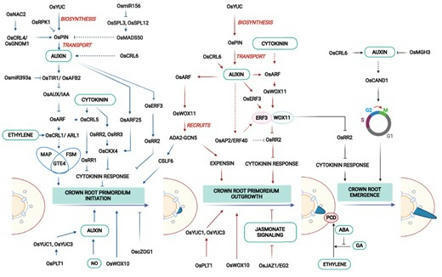
The evolution of root architecture in plants was a prerequisite for the absorption of water and minerals from the soil, and thus a major determinant of terrestrial plant colonization. Cereals have a remarkably complex root system consisting of embryonic primary roots and post-embryonic lateral roots and shoot-borne adventitious roots. Among grass species, rice adventitious roots (also called crown roots) are developed from compressed nodes at the stem base, whereas in maize, besides crown roots, several aboveground brace roots are also formed, thus adventitious root types display species-specific diversity. Despite being the backbone for the adult root system in monocots, adventitious roots are the least studied of all the plant organs. In recent times, molecular genetics, genomics and proteomics-based approaches have been utilized to dissect the mechanism of post-embryonic meristem formation and tissue patterning. Adventitious root development is a cumulative effect of the actions and interactions of crucial genetic and hormonal regulators. In this review, we provide a comprehensive view of the key regulators involved during the different stages of adventitious root development in two important crop plants, rice and maize. We have reviewed the roles of major phytohormones, microRNAs and transcription factors and their crosstalk during adventitious root development in these cereal crops.
|
|
Scooped by
Jean-Michel Ané
February 10, 2023 11:43 AM
|
Arbuscular mycorrhizal fungi (AMF) can play important roles in pollutant removal in the terrestrial system. However, the functional role of AMF in wetland systems is still unclear. This study evaluated the effects of AMF on the purification of the pharmaceuticals and personal care products (PPCPs) containing wastewater in constructed wetlands (CWs) filled with different substrate types (sand, perlite, vermiculite or biochar). Results indicated that the removal efficiencies of total organic carbon (TOC), phosphate (PO43−-P), and total nitrogen (TN) in CWs with different substrates were in the following order: biochar > vermiculite > perlite > sand. Compared with sand systems, the removal efficiencies of TOC, PO43−-P, ammonium (NH4+-N), and TN in CWs filled with adsorptive substrates (biochar, vermiculite, or perlite) were enhanced by 3.8–11.4 %, 11.6–30.6 %, 16.5–31.2 %, and 6.2–34.6 %, respectively. AM symbiosis increased TOC, TN, and PO43−-P removal in CWs but the adsorptive substrates showed more significant influences on wastewater purification than AMF symbiosis. Besides, plant (Glyceria maxima) presence also improved the performance of CWs on wastewater purification. Overall, all the findings indicated that the interaction effects of AM symbiosis and adsorptive substrates (e.g., biochar, vermiculite, or perlite) could enhance the removal performance of pollutants from wastewater in planted CWs.
|


 Scoop.it!








Very interesting topic and review from @RonelleRoth