Dans ce nouvel ouvrage de la collection « Clés pour comprendre »* des éditions Quae, les auteurs se sont attachés à ouvrir toutes les questions importantes relatives aux sols : d'où viennent-ils ? comment sont-ils produits ? comment l'Homme les utilise-t-il ? sont-ils respectés ? Parfois considéré comme un support « inerte » ou « immuable », le sol est pourtant bien vivant, il grouille et évolue, il peut même disparaître ou mourir. La question qui sert de titre au livre n'est que l'avant-dernière de cette série destinée à progresser dans la compréhension d'un « objet inconnu » : sol ou sol-sol ? de quelles vies parle-t-on ? de celle du cultivateur ? de ses plantes, de la régulation des cycles terrestres..., de la mémoire très ancienne d'activités humaines. Autant de champs et de chemins à parcourir. L'ouvrage permet de circuler sur cette partie de la Terre parfois considérée comme "donnée" à un endroit précis. Or, il n'en est rien ! Extrêmement précieuse pour celui qui y produit son alimentation, elle semble mise en danger un peu partout sur la planète. La face cachée du monde Pour cultiver, pour faire pâturer des animaux, il faut respecter le sol...si toutefois il est présent là où l'Homme a décidé de vivre. En conséquence, sa fertilité doit être préservée, restituée, maintenue par des pratiques agraires adaptées. D'un côté, de petits et grands risques le menacent, comme la pollution, l'érosion, la salinisation...ou sa disparition pure et simple sous une urbanisation dont la machine arrière est très difficile à trouver. De l'autre, on sait beaucoup moins qu'il est un élément majeur des cycles et échanges "minéraux-gaz", essentiels au climat. Les auteurs de ce livre ont souhaité vulgariser les connaissances de base sur la physique, la biologie et l’écologie des sols ; les textes sont répartis en chapitres et exposés dans les questions les plus simplement posées. Les réponses sont claires, argumentées, très illustrées, et elles intéressent tous les publics. A l'opposé des polémiques et des discours parfois caricaturaux !
The mycoplasma-related endobacteria (MRE), representing a recently discovered lineage of Mollicutes, are widely distributed across arbuscular mycorrhizal fungi (AMF, Glomeromycota). AMF colonize roots of most terrestrial plants and improve plant mineral nutrient uptake in return for plant-assimilated carbon. The role of MRE in the biology of their fungal hosts is unknown. To start characterizing this association, we assessed partitioning of MRE genetic diversity within AMF individuals and across the AMF phylogeographic range. We further used molecular evolution patterns to make inferences about MRE codivergence with AMF, their lifestyle, and antiquity of the Glomeromycota-MRE association. While we did not detect differentiation between MRE derived from different continents, high levels of diversity were apparent in MRE populations within AMF host individuals. MRE exhibited significant codiversification with AMF over ecological time and the absence of codivergence over evolutionary time. Moreover, genetic recombination was evident in MRE. These patterns indicate that, while MRE transmission is predominantly vertical, their complex intrahost populations are likely generated by horizontal transmission and recombination. Based on predictions of evolutionary theory, we interpreted these observations as a suggestion that MRE may be antagonists of AMF. Finally, we detected a marginally significant signature of codivergence of MRE with Glomeromycota and the Endogone lineage of Mucoromycotina, implying that the symbiosis between MRE and fungi may predate the divergence between these two groups of fungi.
Coconut, cocoa and arecanut are commercial plantation crops that play a vital role in the Indian economy while sustaining the livelihood of more than 10 million Indians. According to 2012 Food and Agricultural organization's report, India is the third largest producer of coconut and it dominates the production of arecanut worldwide. In this study, three Plant Growth Promoting Rhizobacteria (PGPR) from coconut (CPCRI-1), cocoa (CPCRI-2) and arecanut (CPCRI-3) characterized for the PGP activities have been sequenced. The draft genome sizes were 4.7 Mb (56% GC), 5.9 Mb (63.6% GC) and 5.1 Mb (54.8% GB) for CPCRI-1, CPCRI-2, CPCRI-3, respectively. These genomes encoded 4056 (CPCRI-1), 4637 (CPCRI-2) and 4286 (CPCRI-3) protein-coding genes. Phylogenetic analysis revealed that both CPCRI-1 and CPCRI-3 belonged to Enterobacteriaceae family, while, CPCRI-2 was a Pseudomonadaceae family member. Functional annotation of the genes predicted that all three bacteria encoded genes needed for mineral phosphate solubilization, siderophores, acetoin, butanediol, 1-aminocyclopropane-1-carboxylate (ACC) deaminase, chitinase, phenazine, 4-hydroxybenzoate, trehalose and quorum sensing molecules supportive of the plant growth promoting traits observed in the course of their isolation and characterization. Additionally, in all the three CPCRI PGPRs, we identified genes involved in synthesis of hydrogen sulfide (H2S), which recently has been proposed to aid plant growth. The PGPRs also carried genes for central carbohydrate metabolism indicating that the bacteria can efficiently utilize the root exudates and other organic materials as energy source. Genes for production of peroxidases, catalases and superoxide dismutases that confer resistance to oxidative stresses in plants were identified. Besides these, genes for heat shock tolerance, cold shock tolerance and glycine-betaine production that enable bacteria to survive abiotic stress were also identified.
Coconut, cocoa and arecanut are commercial plantation crops that play a vital role in the Indian economy while sustaining the livelihood of more than 10 million Indians. According to 2012 Food and Agricultural organization's report, India is the third largest producer of coconut and it dominates the production of arecanut worldwide. In this study, three Plant Growth Promoting Rhizobacteria (PGPR) from coconut (CPCRI-1), cocoa (CPCRI-2) and arecanut (CPCRI-3) characterized for the PGP activities have been sequenced. The draft genome sizes were 4.7 Mb (56% GC), 5.9 Mb (63.6% GC) and 5.1 Mb (54.8% GB) for CPCRI-1, CPCRI-2, CPCRI-3, respectively. These genomes encoded 4056 (CPCRI-1), 4637 (CPCRI-2) and 4286 (CPCRI-3) protein-coding genes. Phylogenetic analysis revealed that both CPCRI-1 and CPCRI-3 belonged to Enterobacteriaceae family, while, CPCRI-2 was a Pseudomonadaceae family member. Functional annotation of the genes predicted that all three bacteria encoded genes needed for mineral phosphate solubilization, siderophores, acetoin, butanediol, 1-aminocyclopropane-1-carboxylate (ACC) deaminase, chitinase, phenazine, 4-hydroxybenzoate, trehalose and quorum sensing molecules supportive of the plant growth promoting traits observed in the course of their isolation and characterization. Additionally, in all the three CPCRI PGPRs, we identified genes involved in synthesis of hydrogen sulfide (H2S), which recently has been proposed to aid plant growth. The PGPRs also carried genes for central carbohydrate metabolism indicating that the bacteria can efficiently utilize the root exudates and other organic materials as energy source. Genes for production of peroxidases, catalases and superoxide dismutases that confer resistance to oxidative stresses in plants were identified. Besides these, genes for heat shock tolerance, cold shock tolerance and glycine-betaine production that enable bacteria to survive abiotic stress were also identified.
Frankia strains are nitrogen-fixing soil actinobacteria that can form root symbioses with actinorhizal plants. Phylogenetically, symbiotic frankiae can be divided into three clusters, and this division also corresponds to host specificity groups. The strains of cluster II which form symbioses with actinorhizal Rosales and Cucurbitales, thus displaying a broad host range, show suprisingly low genetic diversity and to date can not be cultured. The genome of the first representative of this cluster, Candidatus Frankia datiscae Dg1 (Dg1), a microsymbiont of Datisca glomerata, was recently sequenced. A phylogenetic analysis of 50 different housekeeping genes of Dg1 and three published Frankia genomes showed that cluster II is basal among the symbiotic Frankia clusters. Detailed analysis showed that nodules of D. glomerata, independent of the origin of the inoculum, contain several closely related cluster II Frankia operational taxonomic units. Actinorhizal plants and legumes both belong to the nitrogen-fixing plant clade, and bacterial signaling in both groups involves the common symbiotic pathway also used by arbuscular mycorrhizal fungi. However, so far, no molecules resembling rhizobial Nod factors could be isolated from Frankia cultures. Alone among Frankia genomes available to date, the genome of Dg1 contains the canonical nod genes nodA, nodB and nodC known from rhizobia, and these genes are arranged in two operons which are expressed in D. glomerata nodules. Furthermore, Frankia Dg1 nodC was able to partially complement a Rhizobium leguminosarum A34 nodC::Tn5 mutant. Phylogenetic analysis showed that Dg1 Nod proteins are positioned at the root of both α- and β-rhizobial NodABC proteins. NodA-like acyl transferases were found across the phylum Actinobacteria, but among Proteobacteria only in nodulators. Taken together, our evidence indicates an Actinobacterial origin of rhizobial Nod factors.
The sensing of microbe-associated molecular patterns (MAMPs) triggers innate immunity in animals and plants. Lipopolysaccharide (LPS) from Gram-negative bacteria is a potent MAMP for mammals, with the lipid A moiety activating proinflammatory responses via Toll-like receptor 4 (TLR4). Here we found that the plant Arabidopsis thaliana specifically sensed LPS of Pseudomonas and Xanthomonas. We isolated LPS-insensitive mutants defective in the bulb-type lectin S-domain-1 receptor–like kinase LORE (SD1-29), which were hypersusceptible to infection with Pseudomonas syringae. Targeted chemical degradation of LPS from Pseudomonas species suggested that LORE detected mainly the lipid A moiety of LPS. LORE conferred sensitivity to LPS onto tobacco after transient expression, which demonstrated a key function in LPS sensing and indicated the possibility of engineering resistance to bacteria in crop species.
Linking community composition to ecosystem function is a challenge in complex microbial communities. We tested the hypothesis that key biological features of fungi - evolutionary history, functional guild, and abundance of functional genes – can predict the biogeochemical activity of fungal species during decay. We measured the activity of 10 different enzymes produced by 48 model fungal species on leaf litter in laboratory microcosms. Taxa included closely related species with different ecologies (i.e. species in different “functional guilds”) and species with publicly available genomes. Decomposition capabilities differed less among phylogenetic lineages of fungi than among different functional guilds. Activity of carbohydrases and acid phosphatase was significantly higher in litter colonized by saprotrophs compared to ectomycorrhizal species. By contrast, oxidoreductase activities per unit fungal biomass were statistically similar across functional guilds, with white rot fungi having highest polyphenol oxidase activity and ectomycorrhizal fungi having highest peroxidase activity. On the ecosystem level, polyphenol oxidase activity in soil correlated with the abundance of white rot fungi, while soil peroxidase activity correlated with the abundance of ectomycorrhizal fungi in soil. Copy numbers of genes coding for different enzymes explained the activity of some carbohydrases and polyphenol oxidase produced by fungi in culture, but were not significantly better predictors of activity than specific functional guild. Collectively, our data suggest that quantifying the specific functional guilds of fungi in soil, potentially through environmental sequencing approaches, allows us to predict activity of enzymes that drive soil biogeochemical cycles.
Soybean plants require high amounts of nitrogen, which are mainly obtained from biological nitrogen fixation. A field experiment was conducted by soybean (Glycine max) genotypes, growing two varieties (Shohag and BARI Soybean6) and two advanced lines (MTD10 and BGM02026) of soybean with or without Rhizobium sp. BARIRGm901 inoculation. Soybean plants of all genotypes inoculated with Rhizobium sp. BARIRGm901 produced greater nodule numbers, nodule weight, shoot and root biomass, and plant height than non-inoculated plants. Similarly, inoculated plants showed enhanced activity of nitrogenase (NA) enzyme, contributing to higher nitrogen fixation and assimilation, compared to non-inoculated soybean plants in both years. Plants inoculated with Rhizobium sp. BARIRGm901 also showed higher pod, stover, and seed yield than non-inoculated plants. Therefore, Rhizobium sp. BARIRGm901 established an effective symbiotic relationship with a range of soybean genotypes and thus increased the nodulation, growth, and yield of soybean grown in gray terrace soils in Bangladesh.
Quorum sensing (QS) systems are an important form of cellular communication in bacteria. QS systems are based on the synthesis and secretion of a chemical signal (autoinducer) that accumulates as a function of population growth until reaching a threshold concentration that permits coordinated expression of certain genes that regulate bacterial physiology and behavior. A wide variety of soil bacteria (rhizobia) capable of establishing symbiotic associations with plants produces small chemical signaling molecules to communicate among themselves for physiological adaptation to environmental changes. Most species of rhizobia associated with legume plants have QS systems that regulate their behavior in a variety of soil microhabitats, including the establishment of symbiosis with the host plant. Species of the large, complex genus Bradyrhizobium are ecologically and agriculturally important, but present knowledge is limited and fragmentary regarding their QS communication systems, types of autoinducer produced, and biological processes regulated by QS. Therefore, the objective was to review findings to date on QS mechanisms in Bradyrhizobium, and the role of these mechanisms in symbiosis development and bacterial survival strategies. Bacteria of genus Bradyrhizobium produce a variety of QS signaling molecules, some of which are not found in any other bacterial genus. Of particular interest are the synthesis of bradyoxetin by Bradyrhizobium japonicum and its role in symbiosis regulation, and the synthesis of various branched homoserine lactones (HSLs) by other Bradyrhizobium species. In peanut-nodulating strains, these HSLs are associated with the processes of biofilm formation, motility, and autoaggregation. A proposed model is presented of QS mechanisms in Bradyrhizobium strains and the physiological processes regulated. The findings reviewed here provide a basis for future studies of QS communication systems in rhizobia and of regulatory mechanisms in bacterial behavior and ecophysiology.
A significant fraction of carbon stored in the Earth's soil moves through arbuscular mycorrhiza (AM) and ectomycorrhiza (EM). The impacts of AM and EM on the soil carbon budget are poorly understood. We propose a method to quantify the mycorrhizal contribution to carbon cycling, explicitly accounting for the abundance of plant-associated and extraradical mycorrhizal mycelium. We discuss the need to acquire additional data to use our method, and present our new global database holding information on plant species-by-site intensity of root colonization by mycorrhizas. We demonstrate that the degree of mycorrhizal fungal colonization has globally consistent patterns across plant species. This suggests that the level of plant species-specific root colonization can be used as a plant trait. To exemplify our method, we assessed the differential impacts of AM : EM ratio and EM shrub encroachment on carbon stocks in sub-arctic tundra. AM and EM affect tundra carbon stocks at different magnitudes, and via partly distinct dominant pathways: via extraradical mycelium (both EM and AM) and via mycorrhizal impacts on above- and belowground biomass carbon (mostly AM). Our method provides a powerful tool for the quantitative assessment of mycorrhizal impact on local and global carbon cycling processes, paving the way towards an improved understanding of the role of mycorrhizas in the Earth's carbon cycle.
The efficacy of ALOSCA®, coated and peat seed inoculant treatments on the nodulation of lucerne sown in two soils in Canterbury, New Zealand was investigated. The commercial inoculant was Sinorhizobium meliloti strain RRI128. It was recovered from the nodules of lucerne plants grown from ALOSCA®, peat and coated seed at both sites. Coated seed had the highest nodule occupancy with 45% and 47% of nodules containing S. meliloti strain RRI128 at the Ashley Dene and Lincoln University field sites, respectively. ALOSCA® had only 9% and 16% of nodules from the Ashley Dene and Lincoln University field sites, respectively, containing S. meliloti strain RRI128. Naturalised Rhizobium strains were also recovered from the nodules of lucerne plants grown from ALOSCA®, coated and peat seed inoculant treatments. A single genotype (genotype A) of a Rhizobium sp. was recovered more frequently than the inoculated S. meliloti strain in the nodules of plants grown from peat treated seed at Lincoln University (30% vs 22%) and in the nodules of ALOSCA® treated seed at Ashley Dene (54% vs 9%). Bare seed was also nodulated by the Rhizobium sp. genotype A with 57% and 28% of nodules from plants grown from uninoculated seed at Ashley Dene and Lincoln University, respectively, containing this strain. This research shows delivery by an appropriate inoculation treatment is required to maximise occupancy by the commercial strain.
Patches where shrubs have either positive or negative effects on their understory plant community are common in arid ecosystems. The intensity and balance of these effects change along environmental severity gradients but, despite the major role of soil microbes in plant interactions, little is known about the differences among soil microbial communities under these species and their possible influence on such contrasting shrub effects. We hypothesized that microbial communities associated to benefactor and allelopathic shrubs would differ among them and that differences would increase with environmental severity. To test these hypotheses we characterized soil microbial biomass, activity and community composition under a benefactor shrub species, Retama sphaerocarpa, an allelopathic shrub species, Thymus hyemalis, and in bare soil among plants (gaps) at three sites along an environmental severity gradient. Shrubs promoted an increase in soil bacterial diversity, being bacterial communities associated to benefactor shrubs, allelopathic shrubs and gaps different in composition. Microbial enzymatic activity and biomass increased under shrubs and under more mesic conditions; nonetheless, they were highest under benefactor shrubs at the most arid site and under allelopathic shrubs at the less severe site. Compared to gaps, the presence of shrubs induced changes in microbial activity and community composition that were larger at the most severe site than at the less severe site. Along the gradient, benefactor shrubs enhanced the abundance of bacterial groups involved in organic matter decomposition and N fixation as well as plant pathogens, which could contribute to Retama's outstanding positive effects on understory plant biomass and diversity. Plant patches mitigate the effects of extreme conditions on associated plant and soil microbial communities and promote soil biodiversity and ecosystem functioning in arid ecosystems, with shrubs actively selecting for specific microbial groups in their understory.
Global N inputs and atmospheric CO2 concentrations have increased as a result of human activities, and are predicted to increase along with population growth, with potentially negative effects on biodiversity. Using taxonomic and phylogenetic measures, we examined the response of arbuscular mycorrhizal fungi (AMF) to experimental manipulations of N and CO2 at the Jasper Ridge Global Change Experiment. No significant interactions between N and CO2 were observed, but individual effects of N and CO2 were found. Elevated CO2 resulted in changes in phylogenetic similarity, and a shift to phylogenetic clustering of AMF communities. N addition resulted in higher phylogenetic diversity and evenness, with no shifts in community composition and no significant signal for phylogenetic clustering. N addition resulted in an increase in both available N and the N:P ratio in N-amended plots, which suggests that changing patterns of nutrient limitation could have lead to altered species interactions. These findings suggest that elevated levels of N and CO2 altered patterns of AMF community assembly, with potential effects on ecosystem function.
Ludwig Maximilian University of Munich researchers have sequenced the genome of a bacterial symbiont hosted by a mycorrhizal fungus. Analysis of the symbiont's genetic endowment reveals previously unknown facets of the partnership between this odd couple.
More than 80% of all land plants harbor so-called arbuscular mycorrhizal fungi in their roots. These fungi take up inorganic nutrients from the soil and make them available to the host plant. In return, the plant supplies the fungi with carbohydrates. It is now clear that this type of symbiotic partnership, which is essential for the survival of many plant species, evolved more than 400 million years ago. "But the mycorrhizal fungi themselves shelter symbionts of their own – endobacterial symbionts, about which very little is known," says Dr. Gloria Torres-Cortés, a member of Dr. Arthur Schüßler's research group, which is devoted to elucidating "arbuscular mycorrhiza and Geosiphon symbioses". Torres-Cortés has now determined the sequence of the genome of one member of the family of so-called Mollicutes-related endobacteria (MRE). The analysis affords new insights into the evolution of this group of prokaryotes that are found as symbionts in many species of mycorrhizal fungi.
The enzyme 3-hydroxy-3-methylglutaryl coenzyme A reductase (HMGR) has a key regulatory role in the mevalonate pathway for isoprenoid biosynthesis and is composed of an ER-anchoring membrane domain with low sequence similarity among eukaryotic kingdoms and a conserved cytosolic catalytic domain. Organized Smooth ER (OSER) structures are common formations of hypertrophied tightly packed ER membranes, devoted to specific biosynthetic and secretory functions, the biogenesis of which remains largely unexplored. We show that the membrane domain of plant HMGR suffices to trigger ER proliferation and OSER biogenesis. The proliferating membranes become highly enriched in HMGR protein, yet they do not accumulate sterols, indicating a morphogenetic rather than a metabolic role for HMGR. The N-terminal MDVRRRPP motif present in most plant HMGR isoforms is not required for retention in the ER, as previously proposed, but functions as ER morphogenic signal. Plant OSER structures are morphologically similar to those of animal cells, emerge from tripartite ER junctions and mainly build up beside the nuclear envelope, indicating conserved OSER biogenesis in high eukaryotes. Factors other than the OSER-inducing HMGR construct mediate the tight apposition of the proliferating membranes, implying separate ER proliferation and membrane association steps. Over-expression of the membrane domain of Arabidopsis thaliana HMGR leads to ER hypertrophy in every tested cell type and plant species, whereas the knock out of the HMG1 gene from A. thaliana causes ER aggregation at the nuclear envelope. Our results show that the membrane domain of HMGR contributes to ER morphogenesis in plant cells.
The rhizosphere is the infection court where soil-borne pathogens establish a parasitic relationship with the plant. To infect root tissue, pathogens have to compete with members of the rhizosphere microbiome for available nutrients and microsites. In disease-suppressive soils, pathogens are strongly restricted in growth by the activities of specific rhizosphere microorganisms. Here, we sequenced metagenomic DNA and RNA of the rhizosphere microbiome of sugar beet seedlings grown in a soil suppressive to the fungal pathogen Rhizoctonia solani. rRNA-based analyses showed that Oxalobacteraceae, Burkholderiaceae, Sphingobacteriaceae and Sphingomonadaceae were significantly more abundant in the rhizosphere upon fungal invasion. Metatranscriptomics revealed that stress-related genes (ppGpp metabolism and oxidative stress) were upregulated in these bacterial families. We postulate that the invading pathogenic fungus induces, directly or via the plant, stress responses in the rhizobacterial community that lead to shifts in microbiome composition and to activation of antagonistic traits that restrict pathogen infection.
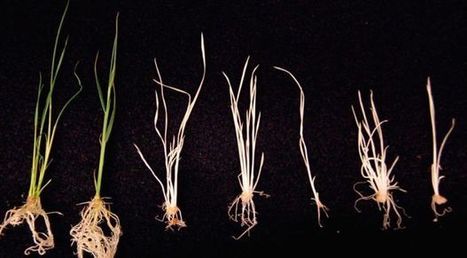
We were unsure if Pigeon Pea would fix nitrogen without Rhizobium bacteria inoculation here in Southwest Florida so I dug one of my plants up to find out.
We've all heard this paradoxical claim: If we want tangible, scientific solutions to society's urgent problems, then we need to invest in basic, curiosity-driven research that’s not motivated by its potential for practical applications. As Vannevar Bush, director of the United States government's chief science agency during World War II famously put it: "Basic research is scientific capital." By investing in basic research— research that is "performed without thought of practical ends"—we create "the fund from which the practical applications of knowledge must be drawn."
It's easy to pay lip service to this idea, but harder to put it into practice, especially when we have to choose how to spend a limited budget. Basic research can seem terribly inefficient. Its practical results are hard to predict, and they often have little to do with the original research goals. Vannevar Bush argued that the best way to support basic research is to give federal funding to academic scientists, who are not under pressure to produce immediately practical results and are “free to pursue the truth wherever it may lead." But this approach is often hard for many to accept because scientists sometimes undertake what seem like wasteful projects with no practical benefits. This leads to accusations that scientists are making poor decisions—in a recent op-ed written with Senator Rand Paul (R-Kentucky), Congressman Lamar Smith (R-Texas), chair of the House Science Committee, complained that, "The academic community forgets that federal science funding should be in the national interest."
Global and regional environmental changes often co-occur, creating complex gradients of disturbance on the landscape. Soil microbial communities are an important component of ecosystem response to environmental change, yet little is known about how microbial structure and function respond to multiple disturbances, or whether multiple environmental changes lead to unanticipated interactive effects. Our study used experimental semi-arid grassland plots in a Mediterranean-climate to determine how soil microbial communities in a seasonally variable ecosystem respond to one, two, or three simultaneous environmental changes: exotic plant invasion, plant invasion + vegetation clipping (to simulate common management practices like mowing or livestock grazing), plant invasion + nitrogen (N) fertilization, and plant invasion + clipping + N fertilization. We examined microbial community structure 5–6 years after plot establishment via sequencing of >1 million 16S rRNA genes. Abiotic soil properties (soil moisture, temperature, pH, and inorganic N) and microbial functioning (nitrification and denitrification potentials) were also measured and showed treatment-induced shifts, including altered NO−3 availability, temperature, and nitrification potential. Despite these changes, bacterial and archaeal communities showed little variation in composition and diversity across treatments. Even communities in plots exposed to three interacting environmental changes were similar to those in restored native grassland plots. Historical exposure to large seasonal and inter-annual variations in key soil properties, in addition to prior site cultivation, may select for a functionally plastic or largely dormant microbial community, resulting in a microbial community that is structurally robust to single and multiple environmental changes.
Coniferous trees can take up mineral nutrients either non-symbiotically from nutrient-rich hotspots in the forest floor or via symbiosis with ectomycorrhizal (EcM) fungi; EcM symbiosis also enables the trees to obtain nutrients from organic substances. Excellent examples of nutrient-rich forest-floor hotspots are abandoned wood ant nests, which accumulate significant amounts of inorganic substances that are readily accessible to roots as well as organic substances that are not accessible to non-mycorrhizal roots. We examined the effects of substrates from abandoned nests of the wood ant Formica polyctena and EcM symbiosis on the growth of Norway spruce (Picea abies) seedlings. The tested substrates originated from the centers and rims of wet and dry ant nests, and from the surrounding forest floor. Aseptic spruce seedlings were grown in these substrates in a growth chamber, and after 7 months, seedling biomass, the chemical and microbiological properties of the substrates, and EcM colonization and diversity were determined. Spruce seedlings grew better and had a more diverse spectra of EcM fungi in the ant nest substrates than in the forest floor substrate. Substrate nutrient content, especially phosphorus and basic cations, positively correlated with spruce biomass, EcM diversity, and fungal biomass. Contrary to conventional wisdom, high nutrient contents in ant nests apparently enhanced EcM abundance and diversity. Although abandoned wood ant nests in temperate and boreal forests are not abundant and thus are unlikely to have ecosystem level effects, they may cause significant local variations in tree growth and in the occurrence of root-symbiotic fungi.
Indole acetic acid is a phytohormone that plays a central role in plant growth and development. The present work was undertaken to shed some light on IAA metabolism in roots, nodules and non-rhizobial bacteria in nodule of Abrus precatorius L. Three IAA producing bacterial strains (A3CK, A7CK and A27CK) were isolated from the root nodule of legume Abrus precatorius L. and identified as Enterobacter spp. (Gammaproteobacteria) based on by biochemical characteristics and 16 S rDNA sequence homology. The root nodules of this plant contain higher amount of tryptophan, IAA and total phenol than the non-nodulated roots; but IAA metabolizing enzymes IAA oxidase, IAA peroxidase (E.C. 1.11.1.7) and polyphenol oxidase (E.C. 1.14.18.1) content were reversed. The Enterobacter spp. were found to produce copious amount of IAA in tryptophan supplemented YEM medium. The IAA production was enhanced with the optimization of the suitable carbon as mannitol, nitrogen as L-asparagine and vitamin as biotin sources in culture medium. The IAA production was also found to stimulate by protocatechuic acid and ferulic acid in culture medium for A3CK and A7CK strain respectively but inhibited by rest of the phenolics tested. The presence of PGPR traits including ACC deaminase (E.C. 4.1.99.4) activity might be essential for plant microbe interaction, nodule function and plant growth promotion.
Cicer canariense is a threatened endemic legume from the Canary Islands where it can be nodulated by mesorhizobial strains from the symbiovar ciceri, which is the common worldwide endosymbiont of C. arietinum linked to the genus Mesorhizobium. However, when C. canariense was cultivated in a soil from mainland Spain, where the symbiovar ciceri is present, only fast-growing rhizobial strains were unexpectedly isolated from its nodules. These strains were classified into the genus Rhizobium by analysis of the recA and atpD genes, and they were phylogenetically related to Rhizobium leguminosarum. The analysis of the nodC gene showed that the isolated strains belonged to the symbiovar trifolii that harbored a nodC allele (β allele) different to that harbored by other strains from this symbiovar. Nodulation experiments carried out with the lacZ-labelled strain RCCH01, representative of the β nodC allele, showed that it induced curling of root hairs, infected them through infection threads, and formed typical indeterminate nodules where nitrogen fixation took place. This represents a case of exceptional performance between the symbiovar trifolii and a legume from the tribe Cicereae that opens up new possibilities and provides new insights into the study of rhizobia-legume symbiosis.
Arbuscular mycorrhizal fungi (AMF) have been extensively studied in natural and agricultural ecosystems, but little is known about their diversity and community structure in highly petroleum-polluted soils. In this study we described an unexpected diversity of AMF in a sedimentation basin of a former petro-chemical plant, in which petroleum hydrocarbon (PH) wastes were dumped for many decades. We used high-throughput PCR, cloning and sequencing on 18S rDNA to assess the molecular diversity of AMF associated with Eleocharis obtusa and Panicum capillare spontaneously inhabiting extremely PH-contaminated sediments. The analyses of rhizosphere and root samples over two years showed a remarkable AMF richness comparable with that found in temperate natural ecosystems. Twenty-one taxa, encompassing the major families within Glomeromycota, were detected. The most abundant OTUs belong to genera Claroideoglomus, Diversispora, Rhizophagus and Paraglomus. Both plants had very similar overall community structures and OTU abundances, however AMF community structure differed when comparing the overall OTU distribution across the two years of sampling. This could be likely explained by variations in precipitations between 2011 and 2012. Our study provides the first view of AMF molecular diversity in soils extremely polluted by PH, and demonstrated the ability of AMF to colonize and establish in harsh environments.
To get content containing either thought or leadership enter:
To get content containing both thought and leadership enter:
To get content containing the expression thought leadership enter:
You can enter several keywords and you can refine them whenever you want. Our suggestion engine uses more signals but entering a few keywords here will rapidly give you great content to curate.


 Your new post is loading...









OK.. a good one in French.