Your new post is loading...

|
Scooped by
Jean-Michel Ané
October 6, 2015 1:04 AM
|
The use of diazotrophic bacteria can help to achieve higher yields and reduce negative environmental impacts caused by N fertilizers. The aim of this study was to evaluate the effects of seed treatment with Azospirillum bacteria and the application of different rates of mineral N on maize agronomic performance at two levels of yield management. A field experiment was set up in Lages, SC, Brazil, in the 2011/2012 and 2012/2013 growing seasons. A randomized block experimental design arranged in split-split plots was used. Two yield management levels were tested in the main plots: medium (grain yield expectation of 8,000 kg ha-1) and high (grain yield expectation of 18,000 kg ha-1). Four N rates were assessed in the split plots, rates equivalent to 0, 0.5, 1.0, and 1.5 times the rate recommended by the Southern Brazil Commission of Soil Chemistry and Fertility to achieve the yield expectation at each level of yield management. The effect of seed treatment with Azospirillum sp. was evaluated in the split-split plots. Grain yield ranged from 8,344 to 16,947 kg ha-1 at the high management level and increased quadratically with the increase in N rate, both with and without Azospirillum seed treatment. At the medium management level, grain yield ranged from 5,986 to 9,684 kg ha-1. It increased linearly with the increase in N rate when seeds were treated with Azospirillum and was not affected by mineral N in treatments without seed inoculation. The efficiency of N use decreased when Nn rates increased at both yield management levels and whether the seeds were inoculated or not. There was no significant difference in grain yield between inoculated and non-inoculated treatments, regardless of the yield management level or N rate. Therefore, seed treatment with Azospirillum sp. did not improve the agronomic performance of maize.
|
|
Scooped by
Jean-Michel Ané
October 6, 2015 1:01 AM
|
Soil degradation limits the potential for the re-establishment of native plants. Most land restoration practices typically concentrate on the recovery of soil physical properties and plant establishment, while neglecting the recovery of soil micro-biota. Mediterranean wild leguminous shrubs are ideal candidates for use in land recovery projects, as they are drought tolerant, improve soil fertility through biological nitrogen fixation and exhibit high stem net photosynthesis that increases their carbon gain. In this study we used the legumes Cytisus balansae, Cytisus multiflorus, Cytisus striatus and Genista florida in a long-term trial to recover a degraded soil in southwestern Spain. The main objective of this trial was to investigate to what extent the introduction of shrubby legumes inoculated with their own rhizobial symbionts can improve the properties and associated vegetation of a degraded soil. The results showed that the inoculation of legumes with nitrogen-fixing bacteria enhanced plant performance in all four legumes. Whereas in the absence of legumes, soil fertility and plant community did not improve significantly, amelioration was observed in plots with non-inoculated legumes, with maximum values in terms of the number of accompanying species, soil nitrogen content and organic matter recorded in soils with inoculated legumes. This article is protected by copyright. All rights reserved.
|
|
Scooped by
Jean-Michel Ané
October 6, 2015 12:59 AM
|
Background and aims
The establishment of a successful symbiosis between the nitrogen-fixing bacterium Ensifer meliloti and compatible host legumes (Medicago spp.) depends on a complex molecular signal exchange. The early stage of signaling involves the release from plant roots of the flavonoid luteolin, which in turn induces the expression of rhizobia nodulation (nod) genes required for root infection and nodule development. To date, the bacterial response to the luteolin perception has been characterized in detail as far as gene expression is concerned. Nevertheless, despite this molecular information, a global view on E. meliloti phenotypes affected by the plant signal luteolin is still lacking. Therefore, an extensive phenotypic investigation of luteolin effect on the nitrogen-fixing E. meliloti 3001 has been performed.
Methods
A thousand different growth conditions, including sensitivity to osmolites, pH stresses, antibiotics and toxic compounds, were tested by the application of the high-throughput Phenotype MicroArray (PM) technology, as well as by several dedicated assays to evaluate growth stimulation, motility, biofilm formation, N-acyl homoserine lactones and Indole-3- acetic acid (IAA) production.
Results
Results revealed that the plant signal luteolin affected a wide spectrum of E. meliloti 3001 phenotypes. E. meliloti 3001 displayed an enhanced resistance phenotype in the presence of luteolin toward a broad set of chemicals including several antibiotics, toxic ions, respiration inhibitors, membrane damagers, DNA intercalants and other potential antimicrobial agents. Moreover, the presence of luteolin significantly reduced overall AHLs production, as well as the lag phase in relation to the starting cellular density, the motility and biofilm formation under nutrient-limited growth conditions. An effect on E. meliloti indole-3-acetic acid (IAA) production was also detected in vitro as a response to luteolin.
Conclusions
Overall, these findings suggest that the plant signal luteolin triggers a broad response in E. meliloti 3001, which was shown to be dependent on nutritional conditions sensed by the bacterium, pointing out a wide role in modifying rhizobial phenotypes, possibly in relation to plant root association and then symbiotic interaction.
|
|
Scooped by
Jean-Michel Ané
October 6, 2015 12:55 AM
|
The antimicrobial activity of plant extract of Peganum harmala, a medicinal plant has been studied already. However, knowledge about bacterial diversity associated to different parts of host plant antagonistic to different human pathogenic bacteria is limited. In this study, bacteria were isolated from root, leaf and fruit of plant. Among 188 bacterial isolates isolated from different parts of the plant only 24 were found to be active against different pathogenic bacteria i.e Escherichia coli, Methicillin-resistant Staphylococcus aureus (MRSA), Enterococcus faecium, Enterococcus faecalis and Pseudomonas aeruginosa. These active bacterial isolates were identified on the basis of 16S rRNA gene analysis. Total population of bacteria isolated from plant was high in root, following leaf and fruit. Antagonistic bacteria were also more abundant in root as compared to leaf and fruit. Two isolates (EA5 and EA18) exhibited antagonistic activity against most of the targeted pathogenic bacteria mentioned above. Some isolates showed strong inhibition for one targeted pathogenic bacteria while weak or no inhibition for others. Most of the antagonistic isolates were active against MRSA, following E. faecium, P. aeruginosa, E. coli and E. faecalis. Taken together, our results show that medicinal plants are good source of antagonistic bacteria having inhibitory effect against clinical bacterial pathogens.
|
|
Scooped by
Jean-Michel Ané
October 4, 2015 12:52 AM
|
All plants are inhabited internally by diverse microbial communities comprising bacterial, archaeal, fungal, and protistic taxa. These microorganisms showing endophytic lifestyles play crucial roles in plant development, growth, fitness, and diversification. The increasing awareness of and information on endophytes provide insight into the complexity of the plant microbiome. The nature of plant-endophyte interactions ranges from mutualism to pathogenicity. This depends on a set of abiotic and biotic factors, including the genotypes of plants and microbes, environmental conditions, and the dynamic network of interactions within the plant biome. In this review, we address the concept of endophytism, considering the latest insights into evolution, plant ecosystem functioning, and multipartite interactions.
To get respect in a field, scientists need to consider not just their work, but also their interactions with others.
Via Francis Martin
Fenugreek (Trigonella foenum-graecum L.), a crop with a long history in Ethiopian agriculture, is known to form a symbiosis with nitrogen-fixing bacteria (Rhizobia). In the current study, Rhizobium bacteria nodulating fenugreek in the East and North Shewa of Ethiopia, where the plant is commonly grown, were collected and characterized. All isolated strains were fast growing on Yeast Extract Mannitol Agar (YEMA) plates. After 3 days of incubation at 30°C, the rounded colonies had mucous transparent to creamy appearance. Most isolates were able to produce acid after 72 h of incubation and only three isolates slightly absorbed Congo red. Heterotrophic competence among isolates was also observed from their utilization capabilities of various carbon and nitrogen sources. Interestingly, the isolates showed strong tolerance to different eco-physiological parameters (pH, temperature, salt concentration, and intrinsic antibiotic resistance). Plants inoculated with different isolates showed differences with respect to nodule number and dry weight and shoot dry weight. Two isolates (AAUFR-26 and AAUFR-30) from North Shewa, representing 12.5% of the isolates, were highly effective (> 80%) in forming symbiosis with fenugreek whereas, 67% were found to be effective (50-80%). More shoot dry weight were observed for whichisolates from North Shewa were inoculated, indicating that some soil-related factors such as pH might have affected the symbiotic effectiveness. Overall, the present study provides a baseline data for further investigations on nitrogen fixation capability of fenugreek associated Rhizobial strains so that efficient isolates may be used as biofertilizers in areas where indigenous Rhizobium failed to nodulate fenugreek. Get more articles at: http://www.innspub.net/volume-7-number-1-july-2015-ijaar/
Via International Network for Natural Sciences
|
|
Scooped by
Jean-Michel Ané
October 4, 2015 12:22 AM
|
A proteomic analysis of a soil-dwelling, plant growth-promoting Azotobacter vinelandii strain showed the presence of a protein encoded by the hypothetical Avin_16040 gene when the bacterial cells were attached to the Oryza sativa root surface. An Avin_16040 deletion mutant demonstrated reduced cellular adherence to the root surface, surface hydrophobicity, and biofilm formation compared to those of the wild type. By atomic force microscopy (AFM) analysis of the cell surface topography, the deletion mutant displayed a cell surface architectural pattern that was different from that of the wild type. Escherichia coli transformed with the wild-type Avin_16040 gene displayed on its cell surface organized motifs which looked like the S-layer monomers of A. vinelandii. The recombinant E. coli also demonstrated enhanced adhesion to the root surface.
|
|
Scooped by
Jean-Michel Ané
October 4, 2015 12:15 AM
|
Rhamanose catabolism in Rhizobium leguminosarum was found to be necessary for the ability of the organism to compete for nodule occupancy. Characterization of the locus necessary for the catabolism of rhamnose showed that the transport of rhamnose was dependent upon a CUT 2 ABC transporter encoded by rhaSTPQ, and that the transport of rhamnose was also dependent on the presence of RhaK, a protein known to have a sugar kinase activity. A linker scanning mutagenesis of rhaK showed that the kinase and transport activities of RhaK could be separated genetically. More specifically, two pentapeptide insertions defined by the alleles rhaK72 and rhaK73 were able to uncouple RhaK transport and kinase activities such that kinase activity was retained, but cells carrying these alleles did not have measurable rhamnose transport rates. These linker-scanning alleles were localized to the C-terminus and the N-terminus of RhaK respectively. Taken together the data led to the hypothesis that RhaK might interact either directly, or indirectly, with the ABC transporter defined by rhaSTPQ.
In this work we show that both an N- and C- terminal fragment of RhaK are capable of interacting with the N-terminal fragment of the ABC-protein RhaT using a 2-hybrid system. Moreover, if RhaK fragments carrying either the rhaK72, or rhaK73 alleles were used, this interaction was abolished. Phylogenetic and bioinformatic analysis of the RhaK fragments suggested that a conserved region in the N-terminus of RhaK may represent a putative binding domain. Alanine scanning mutagenesis of this region followed by 2-hybrid analysis revealed a substitution of any of the conserved residues greatly affected the interaction between RhaT and RhaK fragments suggesting that the sugar kinase RhaK and, the ABC protein RhaT interact directly.
Importance ABC transporters involved in the transport of carbohydrates help define the overall physiological fitness of bacteria. The two largest groups of transporters are the carbohydrate uptake transporter 1 and 2 class (CUT1 and CUT2 respectively). This work provides the first evidence that a kinase that is necessary for the catabolism of a sugar can directly interact with a domain from the ABC protein that is necessary for the its transport.
|
|
Scooped by
Jean-Michel Ané
October 3, 2015 11:36 AM
|
Relatively little is known about the phages that infect agriculturally important nitrogen-fixing rhizobial bacteria. Here we report the genome and cryo-electron microscopy structure of the Sinorhizobium meliloti-infecting T4 superfamily phage ΦM9. This phage and its close relative Rhizobium phage vB_RleM_P10VF define a new group of T4 superfamily phages. These phages are distinctly different from the recently characterized cyanophage-like S. meliloti phages of the ΦM12 group. Structurally, ΦM9 has a T=16 capsid formed from repeating units of an extended gp23-like subunit that assemble through interactions between one subunit and the adjacent E-loop insertion domain. Though genetically very distant from the cyanophages, the ΦM9 capsid closely resembles that of the T4 superfamily cyanophage Syn9. ΦM9 also has the same T=16 capsid architecture as the very distant phage SPO1 and the herpesviruses. Despite their overall lack of similarity at the genomic and structural levels, ΦM9 and S. meliloti phage ΦM12 have a small number of open reading frames in common that appear to encode structural proteins involved in interaction with the host and which may have been acquired by horizontal transfer. These proteins are predicted to encode tail baseplate proteins, tail fibers, tail fiber assembly proteins, and glycanases that cleave host exopolysaccharide.
|
|
Scooped by
Jean-Michel Ané
October 3, 2015 11:28 AM
|
With the opening of its expanded Littlehampton, UK production site, BASF is strengthening its ability to sustainably meet the growing global demand for biological solutions for agriculture and horticulture. At this site, BASF increases its production volumes of beneficial nematodes and inoculants, moving ahead with its strategy to develop solutions beyond conventional crop protection.
“We are making significant investments in innovating and delivering the best in biological and chemical solutions. This will support our customers to produce more efficiently with an even better outcome while meeting the evolving expectations of society. Now and for the long-term we are committed to being an innovative partner in this dynamic area,” said Philipp Rosendorfer, Vice President R&D Functional Crop Care.
|
|
Scooped by
Jean-Michel Ané
October 1, 2015 4:18 PM
|
The present invention relates to a method and a system for the production of arbuscular mycorrhizal fungi (AMF). More specifically, the invention described herein relates to a method and a system for the continuous in vitro culture of arbuscular mycorrhizal fungi, preferably including steps of harvesting and/or passaging. Further, the invention relates to culture conditions suitable for said continuous cultivation method and system. Another aspect of the invention is a sterile inoculum comprising AMF-colonized root material and other propagules, like AMF spores. Yet another aspect of the invention relates to the use of AMF-colonized root material for continuous production of arbuscular mycorrhizal fungi material in liquid culture medium.
|
|
Scooped by
Jean-Michel Ané
October 1, 2015 1:20 PM
|
Healthy soils are the foundation of the food system. Our soils are the basis for agriculture and the medium in which nearly all food-producing plants grow. Healthy soils produce healthy crops that in turn nourish people and animals. Indeed, soil quality is directly linked to food quality and quantity.
With a global population that is projected to exceed 9 billion by 2050, compounded by competition for land and water resources and the impact of climate change, our current and future food security hinges on our ability to increase yields and food quality using the soils that are already under production today.
Related links: http://www.fao.org/soils-2015/en/;
|
|
|
Scooped by
Jean-Michel Ané
October 6, 2015 1:04 AM
|
Aim
Phytomining is the conception of agro-metallurgical production chains based on cropping hyperaccumulator plants on contaminated or naturally rich (ultramafic) soils to produce high value metal compounds. This study aimed to evaluate the effect of enhancing multispecies hyperaccumulator covers with Plant Growth Promoting Rhizobacteria (PGPR) on Ni phytoextraction.
Method
Plant growth promoting rhizobacteria were isolated from the rhizosphere of two different plant associations (Bornmuellera tymphaea - Noccaea tymphaea (NB) and Bornmuellera tymphaea - Alyssum murale (AB)) collected from natural conditions. The screening of isolates from both plant associations for their PGPR traits revealed two PGPR strains (AB30 and NB24) affiliated to Variovorax paradoxus. Inoculation of mesocosms containing the same plant associations with these selected PGPR was performed after 5 months of culture. The biomass of the different plant parts and respective concentrations of nickel in the plants were recorded 1 month after inoculation.
Results
Root biomass of the inoculated plant associations was significantly higher than the respective non-inoculated ones. The total biomass of the inoculated plant association Bornmuellera tymphaea - Noccaea tymphaea was significantly higher than the total biomass of all others. Similarly, shoot biomass of the inoculated plant association B. tymphaea - N. tymphaea was significantly higher than that of all other covers. Results showed an increase in Ni uptake when plants were inoculated with PGPR strains, when compared with uninoculated plant associations. According to the plant cover, the inoculation increased Ni amounts in roots of 105.8 and 66.4 % respectively in ABi and NBi covers, and 39.9 and 79.6 % in the shoots.
Conclusion
The combination of the hyperaccumulator plants N. tymphaea-B.tymphaea inoculated by one of the two PGPR strains (strain NB24), isolated from the rhizosphere of this mixed cover, seemed to be an interesting option for an efficient Ni phytoextraction to be tested in the field.
|
|
Scooped by
Jean-Michel Ané
October 6, 2015 1:01 AM
|
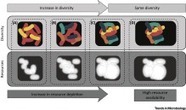
There has recently been a surge of literature examining microbial invasions into a variety of environments. These studies often include a component of biological diversity as a major factor determining an invader's fate, yet common results are rarely cross-compared. Since many studies only present a snapshot of the entire invasion process, a bird's eye view is required to piece together the entire continuum, which we find consists of introduction, establishment, spread, and impact phases. We further examine the patterns and mechanisms associated with invasion resistance and create a mechanistic synthesis governed by the species richness, species evenness, and resource availability of resident communities. We conclude by exploring the advantages of using a theoretical invasion framework across different fields.
|
|
Scooped by
Jean-Michel Ané
October 6, 2015 12:57 AM
|
The activation of both the SA and JA/ETsignalling pathways may lead to more efficient general and broad resistance to Pst DC3000 by non-pathogenic rhizobacteria. However, the mechanisms that govern this simultaneous activation are unclear. Using Arabidopsis as a model system, two transcription factors, WRKY11 and WRKY70, were identified as important regulators involved in Induced Systemic Resistance (ISR) triggered by Bacillus cereus AR156. The results revealed that AR156 treatment significantly stimulated the transcription of WRKY70, but suppressed that of WRKY11 in Arabidopsis leaves. Furthermore, they were shown to be required for AR156 enhancing the activation of cellular defence responses and the transcription level of the plant defence response gene. Overexpression of the two transcription factors in Arabidopsis also showed that they were essential for AR156 to elicit ISR. AR156-triggered ISR was completely abolished in the double mutant of the two transcription factors, but still partially retained in the single mutants, indicating that the regulation of the two transcription factors depend on two different pathways. The target genes of the two transcription factors and epistasis analysis suggested that WRKY11 regulated AR156-triggered ISR through activating the JA signalling pathway, and WRKY70 regulated the ISR through activating the SA signalling pathway. In addition, both WRKY11 and WRKY70 modulated AR156-triggered ISR in a NPR1-dependent manner. In conclusion, WRKY11 and WRKY70 played an important role in regulating the signalling transduction pathways involved in AR156-triggered ISR. This study is the first to illustrate the mechanism by which a single rhizobacterium elicits ISR by simultaneously activating both the SA and JA/ET signalling pathways.
|
|
Scooped by
Jean-Michel Ané
October 6, 2015 12:53 AM
|
utresince (Put) as one of the important polyamines (PAs) has been identified to regulate mycorrhizal development of citrus plants. The present study was to screen an efficient concentration of Put application at the range of 0.05-1 mM on the trifoliate orange (Poncirus trifoliata) seedlings colonized by Glomus mosseae, in terms of growth, root system architecture, and chlorophyll and carbohydrate contents. Compared to the non-Put treatment, all the Put treatments, especially 0.05 mM Put, significantly increased mycorrhizal colonization of tap root in addition to first, second, and third order lateral roots. The mycorrhizal seedlings treated by 0.05, 0.1, and 1 mM Put showed greater growth (stem diameter, height, leaf number, and fresh mass) and root morphological properties ( tap root length, projected and surface areas, and volume) and higher numbers of first, second, and third order lateral roots. Bio-molecules like chlorophyll a, total chlorophyll, and carotenoid contents of the seedlings were significantly increased by the Put treatments at 0.05-1 mM. All exogenous Put application at the range of 0.05-1 mM significantly decreased sucrose contents but increased glucose contents of leaves and roots. This study suggests that exogenous Put can significantly improve growth performance and root system architecture, besides changes in physiological traits of AMF seedlings. The 0.05 mM concentration of Put showed the best effects.
|
|
Scooped by
Jean-Michel Ané
October 4, 2015 12:47 AM
|
Have you ever visited a natural history museum and looked for microbe exhibits? If you have, I’d bet you didn’t find any. In my own searches, I usually see microbes represented only by some species names written on a tree of life, or by a minor section of another exhibit. When I first realized that microbial life is a small fraction of content on display, I was shocked. "The natural history of Earth is a story of microbes!" I thought. "Where are the bacteria and archaea, the protists, the fungi? You know – the ones that make up most of the global phylogenetic diversity and biomass?" To a microbiologist, this apparent oversight could be disheartening. However, I am here to say that we should be inspired to rise to the challenge. What we really have before us, is a call to action: a great opportunity to open up the microbial world for the public.
|
|
Scooped by
Jean-Michel Ané
October 4, 2015 12:34 AM
|
Background
Bartonella species cospeciate with mammals and live within erythrocytes. Even in these specific niches, it has been recently suggested by bioinformatic analysis of full genome sequences that Lateral Gene Transfer (LGT) may occur but this has never been demonstrated biologically. Here we describe the sequence of the B. rattaustraliani (AUST/NH4T) circular plasmid (pNH4) that encodes the tra cluster of the Type IV secretion system (T4SS) and we eventually provide evidence that Bartonella species may conjugate and exchange this plasmid inside amoeba.
Principal Findings
The T4SS of pNH4 is critical for intracellular viability of bacterial pathogens, exhibits bioinformatic evidence of LGT among bacteria living in phagocytic protists. For instance, 3 out of 4 T4SS encoding genes from pNH4 appear to be closely related to Rhizobiales, suggesting that gene exchange occurs between intracellular bacteria from mammals (bartonellae) and plants (Rhizobiales). We show that B. rattaustraliani and Rhizobium radiobacter both survived within the amoeba Acanthamoeba polyphaga and can conjugate together. Our findings further support the hypothesis that tra genes might also move into and out of bacterial communities by conjugation, which might be the primary means of genomic evolution for intracellular adaptation by cross-talk of interchangeable genes between Bartonella species and plant pathogens.
Conclusions
Based on this, we speculate that amoeba favor the transfer of genes as phagocytic protists, which allows for intraphagocytic survival and, as a consequence, promotes the creation of potential pathogenic organisms.
|
|
Scooped by
Jean-Michel Ané
October 4, 2015 12:32 AM
|
Roots of most terrestrial plants form symbiotic associations (mycorrhiza) with soil- borne arbuscular mycorrhizal fungi (AMF). Many studies show that mycorrhizal colonization enhances plant resistance against pathogenic fungi. However, the mechanism of mycorrhiza-induced disease resistance remains equivocal. In this study, we found that mycorrhizal inoculation with AMF Funneliformis mosseae significantly alleviated tomato (Solanum lycopersicum Mill.) early blight disease caused by Alternaria solani Sorauer. AMF pre-inoculation led to significant increases in activities of β-1,3-glucanase, chitinase, phenylalanine ammonia-lyase (PAL) and lipoxygenase (LOX) in tomato leaves upon pathogen inoculation. Mycorrhizal inoculation alone did not influence the transcripts of most genes tested. However, pathogen attack on AMF-inoculated plants provoked strong defense responses of three genes encoding pathogenesis-related proteins, PR1, PR2, and PR3, as well as defense-related genes LOX, AOC, and PAL, in tomato leaves. The induction of defense responses in AMF pre-inoculated plants was much higher and more rapid than that in un-inoculated plants in present of pathogen infection. Three tomato genotypes: a Castlemart wild-type (WT) plant, a jasmonate (JA) biosynthesis mutant (spr2), and a prosystemin-overexpressing 35S::PS plant were used to examine the role of the JA signaling pathway in AMF-primed disease defense. Pathogen infection on mycorrhizal 35S::PS plants led to higher induction of defense-related genes and enzymes relative to WT plants. However, pathogen infection did not induce these genes and enzymes in mycorrhizal spr2 mutant plants. Bioassays showed that 35S::PS plants were more resistant and spr2 plants were more susceptible to early blight compared with WT plants. Our finding indicates that mycorrhizal colonization enhances tomato resistance to early blight by priming systemic defense response, and the JA signaling pathway is essential for mycorrhiza-primed disease resistance.
|
|
Scooped by
Jean-Michel Ané
October 4, 2015 12:22 AM
|
Ectomycorrhizal fungi play a key role in mobilizing nutrients embedded in recalcitrant organic matter complexes, thereby increasing nutrient accessibility to the host plant. Recent study have shown that during assimilation of nutrients, the ectomycorrhizal fungus Paxillus involutus decomposes organic matter using an oxidative mechanism involving Fenton chemistry (Fe2+ + H2O2 + H+ → Fe3+ + •OH + H2O) similar to that of brown-rot wood-decaying fungi. In such fungi, secreted metabolites are one of the components that drive one-electron reductions of Fe3+ and O2, generating Fenton chemistry reagents. Here, we investigated whether such a mechanism is also implemented by P. involutus during organic matter decomposition. Activity-guided purification was performed to isolate the Fe3+-reducing principle secreted by P. involutus during growth on maize compost extract. The Fe3+-reducing activity correlated with the presence of one compound. Mass spectrometry and NMR identified this compound as the diarylcyclopentenone involutin. A major part of the involutin produced by P. involutus during organic matter decomposition was secreted into the medium and the metabolite was not detected when the fungus was grown on a mineral nutrient medium. We also demonstrated that in the presence of H2O2, involutin has the capacity to drive an in vitro Fenton reaction via Fe3+ reduction. Our results show that the mechanism for reducing Fe3+ and generating hydroxyl radicals via Fenton chemistry by ectomycorrhizal fungi during organic matter decomposition is similar to that expressed by the evolutionarily related brown-rot saprotrophs during wood decay.
|
|
Scooped by
Jean-Michel Ané
October 4, 2015 12:14 AM
|
In previous work, we showed that coinoculating Rhizobium leguminosarum bv. viciae 128C53 and Bacillus simplex 30N-5 onto Pisum sativum L. roots resulted in better nodulation and increased plant growth. We now expand this research to include another alpha-rhizobial species as well as a beta-rhizobium, Burkholderia tuberum STM678. We first determined whether the rhizobia were compatible with B. simplex 30N-5 by cross-streaking experiments, and then Medicago truncatula and Melilotus alba were coinoculated with B. simplex 30N-5 and Sinorhizobium (Ensifer) meliloti to determine the effects on plant growth. Similarly, B. simplex 30N-5 and Bu. tuberum STM678 were coinoculated onto Macroptilium atropurpureum. The exact mechanisms whereby coinoculation results in increased plant growth are incompletely understood, but the synthesis of phytohormones and siderophores, the improved solubilization of inorganic nutrients, and the production of antimicrobial compounds are likely possibilities. Because B. simplex 30N-5 is not widely recognized as a Plant Growth Promoting Bacterial (PGPB) species, after sequencing its genome, we searched for genes proposed to promote plant growth, and then compared these sequences with those from several well studied PGPB species. In addition to genes involved in phytohormone synthesis, we detected genes important for the production of volatiles, polyamines, and antimicrobial peptides as well as genes for such plant growth-promoting traits as phosphate solubilization and siderophore production. Experimental evidence is presented to show that some of these traits, such as polyamine synthesis, are functional in B. simplex 30N-5, whereas others, e.g., auxin production, are not.
|
|
Scooped by
Jean-Michel Ané
October 3, 2015 11:34 AM
|
The endosymbiotic association between legumes and soil bacteria called rhizobia leads to the formation of a new root-derived organ called the nodule in which differentiated bacteria convert atmospheric nitrogen into a form that can be assimilated by the host plant. Successful root infection by rhizobia and nodule organogenesis require the activation of symbiotic genes that are controlled by a set of early transcription factors (TFs). We recently identified MtNF-YA1 and MtNF-YA2 as two Medicago truncatula TFs playing a central role during key steps of the Sinorhizobium meliloti-M. truncatula symbiotic interaction. NF-YA TFs interact with NF-YB and NF-YC subunits to regulate target genes containing the CCAAT-box sequence motif. In this study, using a yeast two hybrid screen approach, we identified the NF-YB and NF-YC subunits able to specifically interact with MtNF-YA1 and A2. We further demonstrated in yeast and in planta by co-immunoprecipitation and BiFC that these three NF-YA, B and C subunits can interact and form a stable NF-Y heterotrimeric complex. Reverse genetics and ChIP-PCR approaches revealed the importance of these newly identified NF-YB and NF-YC subunits to rhizobial symbiosis and to the regulation of a direct target gene of NF-YA1&2. Finally, we also verified that a similar trimer is formed in planta by the Phaseolus vulgaris NF-Y subunits, revealing the existence of evolutionary conserved NF-Y protein complexes to control nodulation in leguminous plants. This sheds some light on the process whereby an ancient heterotrimeric transcription factor mainly controlling cell division in animals has acquired specialized functions in plants.
|
|
Scooped by
Jean-Michel Ané
October 3, 2015 11:27 AM
|
Nodulation is an essential process for biological nitrogen (N) fixation in legumes, but its regulation remains poorly understood. Here, a β-expansin gene, GmEXPB2, was found to be critical for soybean nodulation. GmEXPB2 was preferentially expressed at the early stage of nodule development. GUS staining further showed that GmEXPB2 was mainly localized to the nodule vascular trace and nodule vascular bundles, as well as nodule cortical and parenchyma cells, suggesting that GmEXPB2 might be involved in cell-wall modification and extension during nodule formation and development. Overexpression of GmEXPB2 dramatically modified soybean root architecture, increasing the size and number of cortical cells in the root meristematic and elongation zones, and expanding root hair density and size of root hair zone. Confocal microscopy with GFP-labeled rhizobium USDA110 cells showed that the infection events were significantly enhanced in the GmEXPB2 overexpressing lines (OX). Moreover, nodule primodium development was earlier in OX compared to wild type plants. Thereby, overexpression of GmEXPB2 in either transgenic soybean hairy roots or whole plants resulted in increased nodule number, nodule mass and nitrogenase activity, and thus elevated plant N and phosphorus (P) content as well as biomass. In contrast, suppression of GmEXPB2 in soybean transgenic composite plants led to smaller infected cells, and thus reduced number of big nodules, nodule mass and nitrogenase activity, thereby inhibited soybean growth. Taking together, we conclude that GmEXPB2 critically affects soybean nodulation through modifying root architecture and promoting nodule formation and development, and subsequently impacts biological N2 fixation and growth of soybean.
After performing de novo transcript assembly of >1 billion RNA-Sequencing reads obtained from 22 samples of different Norway spruce (Picea abies) tissues that were not surface sterilized, we found that assembled sequences captured a mix of plant, lichen, and fungal transcripts. The latter were likely expressed by endophytic and epiphytic symbionts, indicating that these organisms were present, alive, and metabolically active. Here, we show that these serendipitously sequenced transcripts need not be considered merely as contamination, as is common, but that they provide insight into the plant’s phyllosphere. Notably, we could classify these transcripts as originating predominantly from Dothideomycetes and Leotiomycetes species, with functional annotation of gene families indicating active growth and metabolism, with particular regards to glucose intake and processing, as well as gene regulation.
Via Francis Martin
|


 Scoop.it!