Your new post is loading...

|
Scooped by
Jean-Michel Ané
February 3, 2016 2:31 PM
|
This study focused on identifying the short-term effects of mechanical drainage on the structure and diversity of fungal and bacterial communities in soil. Mechanical drainage is a widely used agricultural practice which allows for the management of surface and sub-surface water. It is vital for improving land productivity and reclaiming marginal land. The use of mechanical drainage is known to have several impacts on the physico-chemical components of soil; however, little is known about its effect on the soil microbiome. In the present study, 454 pyrosequencing of the 18S and 16S rRNA gene regions was used to evaluate differences in fungal and bacterial communities in soil samples taken pre and two months post drainage from an extensively managed grassland in Co., Meath, Ireland.
Mechanical drainage was found to have no significant impact on soil pH or on soil carbon and nitrogen levels, however a statistically significant reduction in moisture content was recorded (c. 7%). Analysis of metagenetic data showed that Basidiomycota was the largest classifiable fungal phylum accounting for 16% of all sequences. The predominant bacterial phyla identified in all samples were Proteobacteria, Bacteroidetes and Acidobacteria with average relative abundances of 23%, 26% and 27% respectively. Overall fungal and bacterial community structure and diversity remained unchanged in response to mechanical drainage but two fungal phyla, Chytridiomycota and Blastocladiomycota, showed a significant increase in relative abundance in response to drainage. These findings contribute to our overall understanding of how mechanical drainage impacts the soil microbiome.
|
|
Scooped by
Jean-Michel Ané
February 3, 2016 2:28 PM
|
Invasive, non-native plant species can alter soil microbial communities in ways that contribute to their persistence. While most studies emphasize mycorrhizal fungi, invasive plants also may influence communities of dark septate fungi (DSF), common root endophytes that can function like mycorrhizas. We tested the hypothesis that a widespread invasive plant in the western United States, cheatgrass (Bromus tectorum), influenced the abundance and community composition of DSF by examining the roots and rhizosphere soils of cheatgrass and two native plant species in cheatgrass invaded and non-invaded areas of sagebrush steppe. We focused on cheatgrass because it is negatively affected by mycorrhizal fungi and colonized by DSF. We found that DSF root colonization and operational taxonomic (OTU) richness were significantly higher in sagebrush (Artemisia tridentata) and rice grass (Achnatherum hymenoides) from invaded areas than non-invaded areas. Cheatgrass roots had similar levels of DSF colonization and OTU richness as native plants. The community composition of DSF varied with invasion in the roots and soils of native species and among the roots of the three plant species in invaded areas. The substantial changes in DSF we observed following cheatgrass invasion argue for comparative studies of DSF function in native and non-native plant species.
|
|
Scooped by
Jean-Michel Ané
February 3, 2016 2:23 PM
|
Invasive, non-native plant species can alter soil microbial communities in ways that contribute to their persistence. While most studies emphasize mycorrhizal fungi, invasive plants also may influence communities of dark septate fungi (DSF), common root endophytes that can function like mycorrhizas. We tested the hypothesis that a widespread invasive plant in the western United States, cheatgrass (Bromus tectorum), influenced the abundance and community composition of DSF by examining the roots and rhizosphere soils of cheatgrass and two native plant species in cheatgrass invaded and non-invaded areas of sagebrush steppe. We focused on cheatgrass because it is negatively affected by mycorrhizal fungi and colonized by DSF. We found that DSF root colonization and operational taxonomic (OTU) richness were significantly higher in sagebrush (Artemisia tridentata) and rice grass (Achnatherum hymenoides) from invaded areas than non-invaded areas. Cheatgrass roots had similar levels of DSF colonization and OTU richness as native plants. The community composition of DSF varied with invasion in the roots and soils of native species and among the roots of the three plant species in invaded areas. The substantial changes in DSF we observed following cheatgrass invasion argue for comparative studies of DSF function in native and non-native plant species.
|
|
Scooped by
Jean-Michel Ané
February 3, 2016 2:22 PM
|
Root architecture traits are a target for pre-breeders. Incorporation of root architecture traits into new cultivars requires phenotyping. It is attractive to rapidly and directly phenotype root architecture in the field, avoiding laboratory studies that may not translate to the field. A combination of soil coring with a hydraulic push press and manual core-break counting can directly phenotype root architecture traits of depth and distribution in the field through to grain development, but large teams of people are required and labour costs are high with this method. We developed a portable fluorescence imaging system (BlueBox) to automate root counting in soil cores with image analysis software directly in the field. The lighting system was optimized to produce high-contrast images of roots emerging from soil cores. The correlation of the measurements with the root length density of the soil cores exceeded the correlation achieved by human operator measurements (R 2=0.68 versus 0.57, respectively). A BlueBox-equipped team processed 4.3 cores/hour/person, compared with 3.7 cores/hour/person for the manual method. The portable, automated in-field root architecture phenotyping system was 16% more labour efficient, 19% more accurate, and 12% cheaper than manual conventional coring, and presents an opportunity to directly phenotype root architecture in the field as part of pre-breeding programs. The platform has wide possibilities to capture more information about root health and other root traits in the field.
|
|
Scooped by
Jean-Michel Ané
February 3, 2016 2:16 PM
|
A wide range of rhizosphere diazotrophic bacteria are able to establish beneficial associations with plants, being able to associate to root surfaces or even endophytically colonize plant tissues. In common, both associative and endophytic types of colonization can result in beneficial outcomes to the plant leading to plant growth promotion, as well as increase in tolerance against biotic and abiotic stresses. An intriguing question in such associations is how plant cell surface perceives signals from other living organisms, thus sorting pathogens from beneficial ones, to transduce this information and activate proper responses that will finally culminate in plant adaptations to optimize their growth rates. This review focuses on the recent advances in the understanding of genetic and epigenetic controls of plant-bacteria signaling and recognition during beneficial associations with associative and endophytic diazotrophic bacteria. Finally, we propose that “soil–rhizosphere–rhizoplane–endophytes–plant” could be considered as a single coordinated unit with dynamic components that integrate the plant with the environment to generate adaptive responses in plants to improve growth. The homeostasis of the whole system should recruit different levels of regulation, and recognition between the parties in a given environment might be one of the crucial factors coordinating these adaptive plant responses.
|
|
Scooped by
Jean-Michel Ané
February 2, 2016 11:14 PM
|
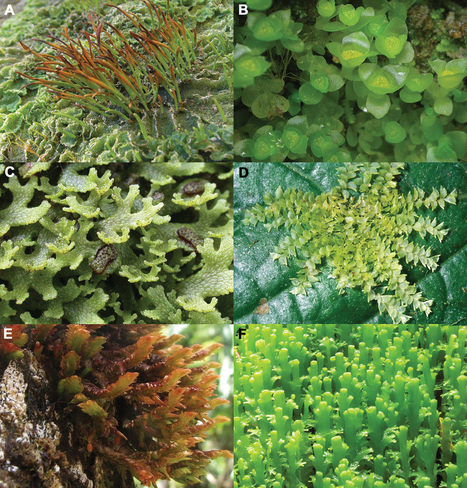
A working checklist of accepted taxa worldwide is vital in achieving the goal of developing an online flora of all known plants by 2020 as part of the Global Strategy for Plant Conservation. We here present the first-ever worldwide checklist for liverworts (Marchantiophyta) and hornworts (Anthocerotophyta) that includes 7486 species in 398 genera representing 92 families from the two phyla. The checklist has far reaching implications and applications, including providing a valuable tool for taxonomists and systematists, analyzing phytogeographic and diversity patterns, aiding in the assessment of floristic and taxonomic knowledge, and identifying geographical gaps in our understanding of the global liverwort and hornwort flora. The checklist is derived from a working data set centralizing nomenclature, taxonomy and geography on a global scale. Prior to this effort a lack of centralization has been a major impediment for the study and analysis of species richness, conservation and systematic research at both regional and global scales. The success of this checklist, initiated in 2008, has been underpinned by its community approach involving taxonomic specialists working towards a consensus on taxonomy, nomenclature and distribution.
|
|
Scooped by
Jean-Michel Ané
February 1, 2016 1:05 PM
|
Streptomyces thermoautotrophicus UBT1 has been described as a moderately thermophilic chemolithoautotroph with a novel nitrogenase enzyme that is oxygen-insensitive. We have cultured the UBT1 strain, and have isolated two new strains (H1 and P1-2) of very similar phenotypic and genetic characters. These strains show minimal growth on ammonium-free media, and fail to incorporate isotopically labeled N2 gas into biomass in multiple independent assays. The sdn genes previously published as the putative nitrogenase of S. thermoautotrophicus have little similarity to anything found in draft genome sequences, published here, for strains H1 and UBT1, but share >99% nucleotide identity with genes from Hydrogenibacillus schlegelii, a draft genome for which is also presented here. H. schlegelii similarly lacks nitrogenase genes and is a non-diazotroph. We propose reclassification of the species containing strains UBT1, H1, and P1-2 as a non-Streptomycete, non-diazotrophic, facultative chemolithoautotroph and conclude that the existence of the previously proposed oxygen-tolerant nitrogenase is extremely unlikely.
|
|
Scooped by
Jean-Michel Ané
January 31, 2016 4:38 PM
|
The selection of genotypes under high soil fertility may alter the effectiveness of mycorrhizal symbioses naturally forming between crop plants and the mycorrhizal fungi residing in cultivated fields. We tested the hypothesis that the mycorrhizal symbiosis of 5 landraces functions better than the mycorrhizal symbiosis of 27 cultivars of durum wheat that were bred after the development of the fertilizer industry. We examined the development of mycorrhiza and the response of these genotypes to mycorrhiza formation after 4 weeks of growth under high and low soil fertility levels in the greenhouse. The durum wheat genotypes were seeded in an established extraradical hyphal network of Rhizophagus irregularis and in a control soil free of mycorrhizal fungi. The percentage of root length colonized by mycorrhizal fungi was lower in landraces (21%) than in cultivars (27%; P = 0.04) and in the most recent releases (29%; P = 0.02), which were selected under high soil fertility levels. Plant growth response to mycorrhiza varied from –36% to +19%. Overall, durum wheat plant breeding in Canada has increased the mycorrhizal development in wheat grown at a low soil fertility level. However, breeding had inconsistent effects on mycorrhizal development and has led to the production of cultivars with patterns of regulation ranging from unimproved to inefficient.
|
|
Scooped by
Jean-Michel Ané
January 31, 2016 4:24 PM
|
Mutualistic symbioses shape the evolution of species and ecosystems and catalyze the emergence of biological complexity, yet how such symbioses first form is unclear. We show that an obligate mutualism between the yeast Saccharomyces cerevisiae and the alga Chlamydomonas reinhardtii—two model eukaryotes with very different life histories—can arise spontaneously in an environment requiring reciprocal carbon and nitrogen exchange. This capacity for mutualism is phylogenetically broad, extending to other Chlamydomonas and fungal species. Furthermore, we witnessed the spontaneous association of Chlamydomonas algal cells physically interacting with filamentous fungi. These observations demonstrate that under specific conditions, environmental change induces free-living species to become obligate mutualists and establishes a set of experimentally tractable, phylogenetically related, synthetic systems for studying the evolution of symbiosis.
|
|
Scooped by
Jean-Michel Ané
January 31, 2016 4:04 PM
|
Chronic exposure to airborne fungi has been associated with different respiratory symptoms and pathologies in occupational populations, such as grain workers. However, the homogeneity in the fungal species composition of these bioaerosols on a large geographical scale and the different drivers that shape these fungal communities remain unclear. In this study, the diversity of fungi in grain dust and in the aerosols released during harvesting was determined across 96 sites at a geographical scale of 560 km2 along an elevation gradient of 500 m by tag-encoded 454-pyrosequencing of the internal transcribed spacer (ITS) sequences. Associations between the structure of fungal communities in the grain dust and different abiotic (farming system, soil characteristics, geographic and climatic parameters) and biotic (wheat cultivar, previous crop culture) factors were explored. These analyses revealed a strong relationship between the airborne and grain dust fungal communities and showed the presence of allergenic and mycotoxigenic species in most samples, which highlights the potential contribution of these fungal species to work-related respiratory symptoms of grain workers. The farming system was the major driver of the alpha and beta phylogenetic diversity of fungal communities. In addition, elevation and soil CaCO3 concentrations shaped the alpha diversity whereas wheat cultivar, cropping history and the number of freezing days per year shaped the taxonomic beta diversity of these communities.
|
|
Scooped by
Jean-Michel Ané
January 31, 2016 4:02 PM
|
Desmodium and Hylodesmum (Papilionoideae Subtribe Desmodiinae) are among the most common herbaceous perennial legumes native to eastern North America. To analyze the population structure of their Bradyrhizobium sp. root-nodule bacteria, 159 isolates were sampled from ten host species across a 1000 km region. Phylogenetic analysis of four housekeeping loci (2164 bp) and two loci in the symbiosis island (SI) chromosomal region (1374 bp) indicated extensive overlap in symbiont utilization, with each common bacterial clade found on 2–7 species of these legume genera. However, host species differed considerably in the relative proportion of symbionts belonging to different Bradyrhizobium clades. High phylogenetic incongruence between trees for housekeeping loci and SI loci suggested that diversification of these Bradyrhizobium lineages involved substantial horizontal gene transfer. Plant inoculation with strains from six Bradyrhizobium clades revealed marked disparity in relative bacterial reproductive success across four Desmodium species. Estimated yield of Bradyrhizobium progeny cells per plant ranged from zero to >109, and strains with high fitness on one host sometimes reproduced poorly on other host species. Diversifying selection on bacteria, arising from differential success in habitats with different Desmodium and Hylodesmum taxa, is therefore likely to affect Bradyrhizobium diversity patterns at the landscape level.
|
|
Scooped by
Jean-Michel Ané
January 30, 2016 2:08 AM
|
A healthy soil can contain billions of bacteria, fungi and other microorganisms in one teaspoon. Depending on soil conditions, the populations of these different microorganisms rise and fall. Some microbial populations increase quickly when fresh cover crops or other plant residues are added to the soil. For example, some microbes are able to use the readily available sources of carbon from fresh plant residues like humans use carbohydrates. These microbes decrease as the carbon sources are used up, causing other microbes that break down the less available sources of carbon like cellulose and lignin to increase. The point is that there are many native microorganisms in the soil that respond quickly when conditions are favorable for their growth.
|
|
Scooped by
Jean-Michel Ané
January 30, 2016 2:07 AM
|
Including a terrestrial nitrogen (N) cycle in Earth system models has led to substantial attenuation of predicted biosphere-climate feedbacks. However, the magnitude of this attenuation remains uncertain. A particularly important, but highly uncertain process is biological nitrogen fixation (BNF), which is the largest natural input of N to land ecosystems globally. In order to quantify this uncertainty, and estimate likely effects on terrestrial biosphere dynamics, we applied six alternative formulations of BNF spanning the range of process formulations in current state-of-the-art biosphere models within a common framework, the O-CN model: a global map of static BNF rates, two empirical relationships between BNF and other ecosystem variables (net primary productivity (NPP) and evapotranspiration), two process-oriented formulations based on plant N status, and an optimality-based approach. We examined the resulting differences in model predictions under ambient and elevated atmospheric [CO2] and found that the predicted global BNF rates and their spatial distribution for contemporary conditions were broadly comparable, ranging from 95 to 134 Tg N yr−1 (median 119 Tg N yr−1), despite distinct regional patterns associated with the assumptions of each approach. Notwithstanding, model responses in BNF rates to elevated levels of atmospheric [CO2] (+200 ppm) ranged between −4 Tg N yr−1 (−3 %) and 56 Tg N yr−1 (+42 %) (median 7 Tg N yr−1 (+8 %)). As a consequence, future projections of global ecosystem carbon storage (+281 to +353 Pg C, or +13 to +16 %), as well as N2O emission (−1.6 to +0.5 Tg N yr−1, or −19 to +7 %) differed significantly across the different model formulations. Our results emphasize the importance of better understanding the nature and magnitude of BNF responses to change-induced perturbations, particularly through new empirical perturbation experiments and improved model representation.
|
|
|
Scooped by
Jean-Michel Ané
February 3, 2016 2:29 PM
|
When species-rich semi-natural grasslands undergo conversion to arable fields and back to grasslands, the effect of past intensive agricultural management may persist for decades in the form of decreased plant diversity. Arbuscular mycorrhizal fungi (AMF) are an important component of grassland ecosystems affecting the biodiversity and productivity of plant communities, but little is known about their long-term response to past agricultural management after the abandonment of fields. The aim of this study was to compare the infectivity and composition of the AMF communities of a former field, abandoned 25 years ago, and a neighboring non-disturbed grassland, and to assess whether the composition of intraradical AMF communities can be linked to the inability of some plant species to colonize the abandoned field. AMF infectivity and diversity were evaluated in soil and root samples of 12 plant species differing in their ability to colonize abandoned fields. The abandoned field hosted the same pool of AMF taxa as the undisturbed grassland but the community of AMF colonized plant roots faster from a lower number of infective propagules in the abandoned field than in the grassland. The composition of intraradical AMF communities was affected by the biotope and the plant species, but was unrelated to the ability of the plant species to colonize the abandoned field. It is therefore concluded that plants and AMF have colonized the abandoned field independently and that differences between the AMF communities of the two biotopes reflect persisting differences in soil characteristics.
|
|
Scooped by
Jean-Michel Ané
February 3, 2016 2:25 PM
|
Arbuscular mycorrhizal fungi (AMF) are critical links in plant–soil continuum and play a critical role in soil carbon cycles. Soil respiration, one of the largest carbon fluxes in global carbon cycle, is sensitive to precipitation change in semiarid ecosystems. In this study, a field experiment with fungicide application and water addition was conducted during 2010–2013 in a semiarid steppe in Inner Mongolia, China, and soil respiration was continuously measured to investigate the influences of AMF on soil respiration under different precipitation regimes. Results showed that soil respiration was promoted by water addition treatment especially during drought seasons, which induced a nonlinear response of soil respiration to precipitation change. Fungicide application suppressed AMF root colonization without impacts on soil microbes. AMF suppression treatment accelerated soil respiration with 2.7, 28.5 and 37.6 g C m−2 across three seasons, which were mainly caused by the enhanced heterotrophic component. A steeper response of soil respiration rate to precipitation was found under fungicide application treatments, suggesting a greater dampening effect of AMF on soil carbon release as water availability increased. Our study highlighted the importance of AMF on soil carbon stabilization and sequestration in semiarid steppe ecosystems especially during wet seasons.
|
|
Scooped by
Jean-Michel Ané
February 3, 2016 2:22 PM
|
Tomato cultivation is highly susceptible for soil born diseases and among them southern blight disease caused by Scelerotium rolfsii is very common. For its management use of chemical fungicides is not very successful as their spores are able to survive for many years in the soil. As an alternative eco-friendly approach to control the disease antagonistic microbes are being characterized.Among them plant growth promoting rhizobacteria Paenibacillus lentimorbus B-30488 (B-30488) with antagonistic properties, multiple PGP attributes stress tolerance and ACC deaminase enzyme activity is characterized to decipher its mode of action against S. rolfsii under in vitro and in vivo conditions. In vitro results obtained from this study clearly demonstrate that B-30488 has ability to show antagonistic properties under different abiotic stresses against S. rolfsii. Similar results were also obtained from in vivo experiments where B-30488 inoculation has efficiently controlled the disease caused by S. rolfsii and improve the plant growth. Deleterious enhanced ethylene level in S. rolfsii infected plants was also ameliorated by inoculation of ACC deaminase producing B-30488. The ACC accumulation, ACO and ACS activities were also modulated in S. rolfsii infected plants. Results from defence enzymes and other biochemical attributes were also support the role of B-30488 inoculation in ameliorating the biotic stress caused by S. rolfsii in tomato plants. These results were further validated by pathogen related gene expression analysis by real time PCR. Overall results from the present study may be concluded that ACC deaminase producing B-30488 has ability to control the southern blight disease caused by S. rolfsii and commercial bioinoculant package may be developed.
|
|
Scooped by
Jean-Michel Ané
February 3, 2016 2:18 PM
|
Nitrogen fixation of the nodule of soybean is highly sensitive to oxygen deficiency such as provoked by waterlogging of the root system. This study aimed to evaluate the effects of flooding on N metabolism in nodules of soybean. Flooding resulted in a marked decrease of asparagine (the most abundant amino acid) and a concomitant accumulation of γ-aminobutyric acid (GABA). Flooding also resulted in a strong reduction of the incorporation of 15N2 in amino acids. Nodule amino acids labelled before flooding rapidly lost 15N during flooding, except for GABA, which initially increased and declined slowly thereafter. Both nitrogenase activity and the expression of nifH and nifD genes were strongly decreased on flooding. Expression of the asparagine synthetase genes SAS1 and SAS2 was reduced, especially the former. Expression of genes encoding the enzyme glutamic acid decarboxylase (GAD1, GAD4, GAD5) was also strongly suppressed except for GAD2 which increased. Almost all changes observed during flooding were reversible after draining. Possible changes in asparagine and GABA metabolism that may explain the marked fluctuations of these amino acids during flooding are discussed. It is suggested that the accumulation of GABA has a storage role during flooding stress.
|
|
Scooped by
Jean-Michel Ané
February 3, 2016 2:13 PM
|
Background and Aims
The objective of this study was to analyse the various fungal communities that colonise functional wood tissues of old vines that did not express symptoms of grapevine trunk diseases (i.e. Esca and Eutypa dieback) in the year of sampling. Plants of the cultivar Baco Blanc a grapevine hybrid of Folle Blanche and Noah used to produce Armagnac in France were sampled.
Methods and Results
Forty-two and 58-year-old vines, planted in the same vineyard, were uprooted, cut longitudinally and their functional wood tissues sampled. Culture-dependent and single-strand conformational polymorphism methods were used to compare the fungal communities colonising these wood tissues. It was shown that the fungal communities were significantly different depending on the age of the grapevines. A total of 421 fungal strains were isolated and identified by internal transcribed spacer region sequencing.
Conclusions
Many grapevine trunk diseases fungal pathogens, particularly the causal agents of Esca (42-year-old vines) and Eutypa dieback (58-year-old vines), as well as numerous potentially plant-beneficial mycoparasites (e.g. Trichoderma spp.), were isolated from the functional wood tissues of old grapevines.
Significance of the Study
The lack of foliar symptoms among older grapevines may reflect an ‘equilibrium’ among trunk fungal pathogens, mycoparasites and saprobes in the functional wood tissues of trunks.
|
|
Scooped by
Jean-Michel Ané
February 1, 2016 5:26 PM
|
Plant growth-promoting bacteria (PGPB) represent a promising alternative to the massive use of industrial fertilizers in agriculture. Gluconacetobacter diazotrophicus is a PGPB that colonizes several plant species. Although this bacterium is able to grow at high sucrose concentrations, its response to environmental stresses is poorly understood. The present study evaluated G. diazotrophicus PAL5 response to stresses caused by sucrose, PEG 400, NaCl, KCl, Na2SO4 and K2SO4. Morphological, ultrastructural and cell growth analysis revealed that G. diazotrophicus PAL5 is more sensitive to salt than osmotic stress. Growth inhibition and strong morphological changes were caused by salinity, in consequence of Cl ion-specific toxic effect. Interestingly, low osmotic stress levels were beneficial for bacterial multiplication, which was able to tolerate high sucrose concentrations, Na2SO4 and K2SO4. Our data show that G. diazotrophicus PAL5 has differential response to osmotic and salinity stress, which may influence its use as inoculant in saline environments.
|
|
Scooped by
Jean-Michel Ané
January 31, 2016 4:42 PM
|
Over the past decade, small noncoding RNAs (sncRNA) have emerged as widespread and important regulatory molecules influencing both the structure and expression of plant genomes. One of the key factors involved in sncRNA biogenesis in plants is a group of RNase III-type nucleases known as Dicer-like (DCL) proteins. Based on functional analysis of DCL proteins identified in Arabidopsis thaliana, four types of DCLs were distinguished (DCL1-4). DCL1 mainly produces 21 nt miRNAs. The products generated by DCL2, DCL3, and DCL4 belong to various classes of siRNAs that are 22, 24 and 21 nt in length, respectively. M. truncatula is a model legume plant closely related to many economically important cultivable species. By screening the recent M. truncatula genome assembly, we were able to identify three new DCL genes in addition to the MtDCL1-3 genes that had been earlier characterized. The newly found genes include MtDCL4 and two MtDCL2 homologs. We showed that all six M. truncatula DCL genes are expressed in plant cells. The first of the identified MtDCL2 paralogs encodes a truncated version of the DCL2 protein, while the second undergoes substantial and specific upregulation in the root nodules. Additionally, we identified an alternative splicing variant of MtDCL1 mRNA, similar to the one found in Arabidopsis. Our results indicate that DCL genes are differently activated during Medicago symbiosis with nitrogen fixing bacteria and upon pathogen infection. In addition, we hypothesize that the alternative splicing variant of MtDCL1 mRNA may be involved in tissue-specific regulation of the DCL1 level.
|
|
Scooped by
Jean-Michel Ané
January 31, 2016 4:31 PM
|
Mutually beneficial associations between individuals of different species, called mutualistic symbioses, have enabled major ecological innovations and underlie some of the major transitions in evolution (1). For example, the ancestor of plants domesticated endosymbiotic photosynthetic bacteria, today's chloroplasts, for carbon fixation. This association dramatically increased the habitat of these photosynthetic bacteria from the sea to terrestrial ecosystems. However, the colonization of land by plants required an additional symbiotic association, with fungal root symbionts that facilitate nutrient uptake (2). Yet, surprisingly little is known about how mutualistic symbioses evolved and persist. On page 94 of this issue, Hom and Murray show how mutualism may arise without prior coevolution (see the photo) (3).
|
|
Scooped by
Jean-Michel Ané
January 31, 2016 4:18 PM
|
In their recent article published in Environmental Science and Pollution Research, Anna Ogar et al. (2015) have shown, thanks to a careful experimental design, that the addition of diazotrophic bacteria together with mycorrhizal fungi significantly improves plant growth and performance. Strikingly, the addition of inoculum containing only diazotrophs but not mycorrhizal fungi had contrary effect and led to the reduced shoots and roots biomass and lower photosynthesis efficiency of Medicago sativa and Hieracium pilosella, as compared to experimental plants co-inoculated with mycorrhizal fungi and nitrogen-fixing bacteria. The authors gave their credit to many features of microbes used in the study that might have resulted in such a visible change. Reasons for growth inhibition by diazotrophic bacteria not accompanied by mycorrhizae seem well justified. However, positive impact of combined addition of mycorrhizae and diazotrophs deserves, in our opinion, examining of another relevant explanation.
|
|
Scooped by
Jean-Michel Ané
January 31, 2016 4:03 PM
|
Root-knot nematodes (RKNs) are the world's most damaging plant-parasitic nematodes (PPNs), and they can infect almost all crops. At present, harmful chemical nematicides are applied to control RKNs. Using microbial nematicides has been proposed as a better management strategy than chemical control. In this study, we present a novel nematicidal bacterium named Alcaligenes faecalis ZD02. A. faecalis ZD02 was isolated from Caenorhabditis elegans cadavers and had nematostatic and nematicidal activity, as confirmed by C. elegans growth assay and life-span assay. In addition, A. faecalis ZD02 fermentation broth showed toxicity against C. elegans and Meloidogyne incognita. To identify the nematicidal virulence factor, the genome of strain ZD02 was sequenced. By comparing all of the predicted proteins of strain ZD02 to reported nematicidal virulence factors, an extracellular serine protease (Esp) protein has potential to be a nematicidal virulence factor, which was confirmed by bioassay on C. elegans and M. incognita. Using C. elegans as the target model, we found that both A. faecalis ZD02 and the virulence factor Esp can damage the intestines of C. elegans. The discovery that A. faecalis ZD02 has nematicidal activity provides a novel bacterial resource for the control of RKNs.
|
|
Scooped by
Jean-Michel Ané
January 31, 2016 4:00 PM
|
The roots of the shy plant Mimosa pudica emit a cocktail of small organic and inorganic sulfur compounds and reactive intermediates into the environment, including SO2, methanesulfinic acid, pyruvic acid, lactic acid, ethanesulfinic acid, propanesulfenic acid, 2-aminothiophenol, S-propyl propane 1-thiosulfinate, phenothiazine, and thioformaldehyde, an elusive and highly unstable compound that, to our knowledge, has never before been reported to be emitted by a plant. When soil around the roots is dislodged or when seedling roots are touched, an odor is detected. The perceived odor corresponds to the emission of higher amounts of propanesulfenic acid, 2-aminothiophenol, S-propyl propane 1-thiosulfinate, and phenothiazine. The mechanosensitivity response is selective. Whereas touching the roots with soil or human skin resulted in odor detection, agitating the roots with other materials such as glass did not induce a similar response. Light and electron microscopy studies of the roots revealed the presence of microscopic sac-like root protuberances. Elemental analysis of these projections by energy-dispersive x-ray spectroscopy revealed them to contain higher levels of K+ and Cl− compared with the surrounding tissue. Exposing the protuberances to stimuli that caused odor emission resulted in reductions in the levels of K+ and Cl− in the touched area. The mechanistic implications of the variety of sulfur compounds observed vis-à-vis the pathways for their formation are discussed.
|
|
Scooped by
Jean-Michel Ané
January 30, 2016 2:07 AM
|
Microbial populations residing in close contact with plants can be found in the rhizosphere, or in the phyllosphere as epiphytes on the surface, or endophytes inside plants. Here, we analyzed the microbiota associated with Espeletia plants, endemic to the Páramo environment of the Andes Mountains and a unique model for studying microbial populations and their adaptations to the adverse conditions of high-mountain neo-tropical ecosystems. Communities were analyzed using samples from the rhizosphere, necromass and young and mature leaves, the latter two analyzed separately as endophytes and epiphytes. The taxonomic composition performed by sequencing the V5-V6 region of the 16S rRNA gene indicated differences among populations of the leaf phyllosphere, the necromass and the rhizosphere, with predominance of some phyla but only few shared OTUs. Functional profiles predicted based on taxonomic affiliations differed from those obtained by GeoChip microarray analysis, which separated community functional capacity based on plant microenvironment. The identified metabolic pathways provided insight regarding microbial strategies for colonization and survival in these ecosystems. This study of novel plant phyllosphere microbiomes and their putative functional ecology is also the first step for future bioprospecting studies in search of enzymes, compounds or microorganisms relevant to industry or remediation efforts.
|