Low soil fertility in ultramafic soils limits the efficiency of nickel phytoextraction. Developing more efficient cropping systems for agromining can be achieved by the association of a hyperaccumulator with a legume by enhancing soil fertility. However, legume crops can result sensitive to ultramafic soil conditions, including nickel Ni availability. We assessed here whether Lens culinaris is adapted to ultramafic environments by growing on soils displaying a wide range of Ni concentrations and consequently producing functional nodules. The soil was enriched with different Ni concentrations ([Ni]) (0–90 mg Ni kg−1). Natural 15N abundance was used to assess N2 fixation (%Ndfa). Biotic parameters were investigated (nodule number, Ni, carbon and nitrogen concentrations, plant biomass…). Soil parameters were investigated (total [Ni], DTPA-extractable Ni, C and N concentrations…). Most of the physicochemical and biological parameters were significantly affected by the increased soil [Ni]. Nodule numbers per plant was lower under high [Ni] than control (soil without Ni). Nodules lost their capacities to fix N2 under high Ni addition (90 mg Ni kg−1). For many parameters, there were no significant differences between control and treatments up to 60 mg of Ni kg−1 added to the soil. Lentil is able to grow on a soil containing amounts of Ni-DTPA similar to those generally found in serpentine soils. It could be used in association with a hyperaccumulator plant as a nitrogen provider in order to optimize Ni agromining.
The influence of arbuscular mycorrhizal fungi (AMF) (Glomus spp.) on some physiological and biochemical characteristics of bioenergy grass Saccharum arundinaceum subjected to drought stress was studied. The symbiotic association of Glomus spp. was established with S. arundinaceum, a potential bioenergy grass as evident from the increase in percentage of root infection and distribution frequency of vesicles when compared with non-arbuscular mycorrhizal plants. AMF-treated plants exhibited an enhanced accumulation of osmolytes such as sugars and proline and also increased protein content under drought. AMF association significantly increased the accumulation of non-enzymatic antioxidants like phenols, ascorbate and glutathione as well as enhanced the activities of antioxidant enzymes such as SOD (superoxide dismutase), APX (ascorbate peroxidase) and GPX (guaiacol peroxidase) resulting in reduced lipid peroxidation in S. arundinaceum. AMF symbiosis also ameliorated the drought-induced reduction of total chlorophyll content and activities of photosystem I and II. The maximum quantum efficiency of PS II (F v/F m) and potential photochemical efficiency (F v/F o) were higher in AMF plants as compared to non-AMF plants under drought stress. These results indicate that AMF association alleviate drought stress in S. arundinaceum by the accumulation of osmolytes and non-enzymatic antioxidants and enhanced activities of antioxidant enzymes, and hence, the photosynthetic efficiency is improved resulting in increased biomass production. AMF association with energy grasses also improves the acclimatization of S. arundinaceum for growing in marginal lands of drought-affected soils.
Respiration of soil organic carbon is one of the largest fluxes of CO2 on earth. Understanding the processes that regulate soil respiration is critical for predicting future climate. Recent work has suggested that soil carbon respiration may be reduced by competition for nitrogen between symbiotic ectomycorrhizal fungi that associate with plant roots and free-living microbial decomposers, which is consistent with increased soil carbon storage in ectomycorrhizal ecosystems globally. However, experimental tests of the mycorrhizal competition hypothesis are lacking. Here we show that ectomycorrhizal roots and hyphae decrease soil carbon respiration rates by up to 67% under field conditions in two separate field exclusion experiments, and this likely occurs via competition for soil nitrogen, an effect larger than 2 °C soil warming. These findings support mycorrhizal competition for nitrogen as an independent driver of soil carbon balance and demonstrate the need to understand microbial community interactions to predict ecosystem feedbacks to global climate.
1.Plant-associated microbial communities are crucial for plant growth and play an important role in disease suppression. Community composition and function change upon pathogen attack, yet to date we do not know if these changes are a side effect of the infection or actively driven by the plant.
2.Here we used a split-root approach to test whether barley plants recruit bacteria carrying antifungal traits upon infestation with Fusarium graminearum. Split-root systems allow disentangling local infection effects, such as root damage, from systemic, plant-driven effects on microbiome functionality. We assessed the recruitment of fluorescent pseudomonads, a taxon correlated with disease suppression, and of two well-described antifungal genes (phlD coding for 2,4-DAPG and hcnAB coding for HCN).
3.We show an enrichment of fluorescent pseudomonads, phlD and hcnAB upon pathogen infection. This effect was only measurable in the uninfected root compartment. We link these effects to an increased chemotaxis of pseudomonads towards exudates of infected plants.
4.Synthesis. We conclude that barley plants selectively recruited bacteria carrying antifungal traits upon pathogen attack and that the pathogen application locally interfered with this process. By disentangling these two effects we set the base for enhancing strategies unravelling how pathogens and plant hosts jointly shape microbiome functionality.
Ensifer sp. PC2 is an aerobic, motile, Gram-negative, non-spore-forming rod that was isolated from a nitrogen-fixing nodule of the tree legume P. cineraria (L.) Druce (Khejri), which is a keystone species that grows in arid and semi-arid regions of the Indian Thar desert. Strain PC2 exists as a dominant saprophyte in alkaline soils of Western Rajasthan. It is fast growing, well-adapted to arid conditions and is able to form an effective symbiosis with several annual crop legumes as well as species of mimosoid trees and shrubs. Here we describe the features of Ensifer sp. PC2, together with genome sequence information and its annotation. The 8,458,965 bp high-quality permanent draft genome is arranged into 171 scaffolds of 171 contigs containing 8,344 protein-coding genes and 139 RNA-only encoding genes, and is one of the rhizobial genomes sequenced as part of the DOE Joint Genome Institute 2010 Genomic Encyclopedia for Bacteria and Archaea-Root Nodule Bacteria (GEBA-RNB) project proposal.
Mesquite is modular, extendible software for evolutionary biology, designed to help biologists organize and analyze comparative data about organisms. Its emphasis is on phylogenetic analysis, but some of its modules concern population genetics, while others do non-phylogenetic multivariate analysis. Because it is modular, the analyses available depend on the modules installed.
Sixty-four native bacterial colonies were isolated from mycorrhizal roots of Helianthemum almeriense colonized by Terfezia claveryi, mycorrhizosphere soil, and peridium of T. claveryi to evaluate their effect on mycorrhizal plant production. Based on the phylogenetic analysis of the 16S rDNA partial sequence, 45 different strains from 17 genera were gathered. The largest genera were Pseudomonas (40.8 % of the isolated strains), Bacillus (12.2 % of isolated strains), and Varivorax (8.2 % of isolated strains). All the bacteria were characterized phenotypically and by their plant growth-promoting rhizobacteria (PGPR) traits (auxin and siderophore production, phosphate solubilization, and ACC deaminase activity). Only bacterial combinations with several PGPR traits or Pseudomonas sp. strain 5, which presents three different PGPR traits, had a positive effect on plant survival and growth. Particularly relevant were the bacterial treatments involving auxin release, which significantly increased the root-shoot ratio and mycorrhizal colonization. Moreover, Pseudomonas mandelii strain 29 was able to considerably increase mycorrhizal colonization but not plant growth, and could be considered as mycorrhiza-helper bacteria. Therefore, the mycorrhizal roots, mycorrhizosphere soil, and peridium of desert truffles are environments enriched in bacteria which may be used to increase the survival and mycorrhization in the desert truffle plant production system at a semi-industrial scale.
Improving the nutritional value of commonly cultivated crops is one of the most pending problems for modern agriculture. In natural environments plants associate with a multitude of fungal microorganisms that improve plant fitness. The best described group are arbuscular mycorrhizal fungi (AMF). These fungi have been previously shown to improve the quality and yield of several common crops. In this study we tested the potential utilization of Rhizophagus irregularis in accelerating growth and increasing the content of important dietary phytochemicals in onion (Allium cepa). Our results clearly indicate that biomass production, the abundance of vitamin B1 and its analogues and organic acid concentration can be improved by inoculating the plant with AM fungi. We have shown that improved growth is accompanied with up-regulated electron transport in PSII and antioxidant enzyme activity.
The past decade has seen substantial progress in our knowledge on microorganisms (e.g. arbuscular mycorrhizal fungi—AMF) and push-pull plants (e.g. Crotalaria spectabilis) that contribute to the biocontrol of nematodes. However, the application of microorganisms together with push-pull plants has seldom been considered. Therefore, the objective of the study was to investigate the combined effect of AMF and C. spectabilis on the control of the nematode Radopholus similis in banana. Banana plants, pre-colonized or not with the AMF Rhizophagus irregularis MUCL 41833 were grown in 3 L pots in presence/absence of Crotalaria spectabilis. Above-ground parts were separated with a fixed talpa net to separate shoots and leaves of the two plants. Similarly, the pots were divided below-ground in two compartments by growing the banana roots in a pocket nylon mesh (30 μm), to avoid roots of both plants to intermingle. The banana plants were established first and were followed three weeks later by C. spectabilis. Inoculation of nematodes was done in parallel to the planting of C. spectabilis. Half of the banana plants received 1000 monoxenically produced juveniles and adults of R. similis. Eight treatments were set up with 6 replications: mycorrhizal banana plantlets with/without C. spectabilis and with/without nematodes (+M + C + N, +M + C − N, +M − C + N, +M − C − N) and non-mycorrhizal banana plantlets with/without C. spectabilis and with/without nematodes (−M + C + N, −M + C − N, −M − C + N, −M − C − N). Plant growth parameters, root colonization by the AMF and infection by the nematode were evaluated. R. similis did not impact banana root colonization by the AMF. Conversely, the fungal symbiont as well as C. spectabilis significantly decreased the total number of nematodes as well as their multiplication rate. The multiplication rate in the controls (i.e. −M − C + N) was 280.3, while it decreased to 176.5, 106.7 and 83.8 in the −M + C + N, +M − C + N and +M + C + N treatments, respectively. The root necrosis index (RNI) was significantly decreased in presence of the AMF, C. spectabilis and the combination of both. The RNI of the control (i.e. −M − C + N) was 61.7% while it was 33.7, 19.8 and 17.2 in the −M + C + N, +M − C + N and +M + C + N treatments, respectively. Banana root fresh weight was significantly increased in presence of C. spectabilis and shoot dry weight in presence of AMF, but no increase was noticed in presence of both organisms together. This study reaffirmed that AMF and C. spectabilis are effective in decreasing the pressure caused by R. smilis in banana roots. It demonstrated further, for the first time, that their combination decreased even more drastically the surface of necrotic cortical tissues caused by the nematodes, opening new avenues for their concomitant use in an integrated pest management strategy.
I never thought a break from science courses would actually make me a better scientist.
As a Biotechnology major and now graduate student, my college curriculum focused heavily on subjects like microbiology, statistics, and chemistry- all great courses that supported my research. Over the past years, I’ve noticed my research practices improve and my understanding of science broaden.
However, in the midst of my scientific progress, my collegiate experience didn’t really foster the professional communication skills my future career will surely demand. I’ve found professional communication courses are not well advertised or encouraged to those in STEM fields, so I doubt I am the only one experiencing this deficit.
Postdoctoral Researchers - Two Positions in Plant-Microbe Interactions. Two postdoctoral research positions are available in plant and microbial biology in the laboratories of Dr. Sabrina Russo (http://bit.ly/1UaMxRj ) and Dr. Karrie Weber (http://bit.ly/1WP9EF9 microbialbiogeochemistry/) at the University of Nebraska - Lincoln. These positions are part of a multi-PI NSF-funded project investigating plant-microbe rhizosphere interactions in natural and agricultural systems. We are seeking two postdoctoral fellows with complementary expertise to work collaboratively with each other, Russo and Weber, and other project investigators on field, greenhouse, and lab-based research to identify how microbial community structure and function influence plant phenotypes using stable-isotope probing, metagenomics, and proteomics. The postdoctoral fellows will also have the opportunity to develop independent projects. We are looking for creative, independent scientists wit h expertise in the following or related areas: plant or microbial ecology and physiology, community and ecosystem ecology, bioinformatics, or molecular biology or -omics approaches. Qualified candidates will have a PhD in biology, ecology, microbiology, plant physiology, biochemistry, or related disciplines, as well as a demonstrated track record of scientific publication. Interested candidates should send a single PDF document with a cover letter explaining their interests and experience and a CV listing the names and contact information of three references to both Dr. Russo (srusso2@unl.edu) and Dr. Weber (kweber@unl.edu) with the subject line, “Postdoctoral Position”. For the full ad, see: http://bit.ly/1UaMm8z Sabrina E. Russo Associate Professor School of Biological Sciences | 208 Manter Hall | 1104 T Street University of Nebraska - Lincoln | Lincoln, NE 68588-0118 USA (1) 402-472-8387 (voice) | (1) 402-472-2083 (FAX) srusso2@unl.edu | http://bit.ly/1UaMxRj
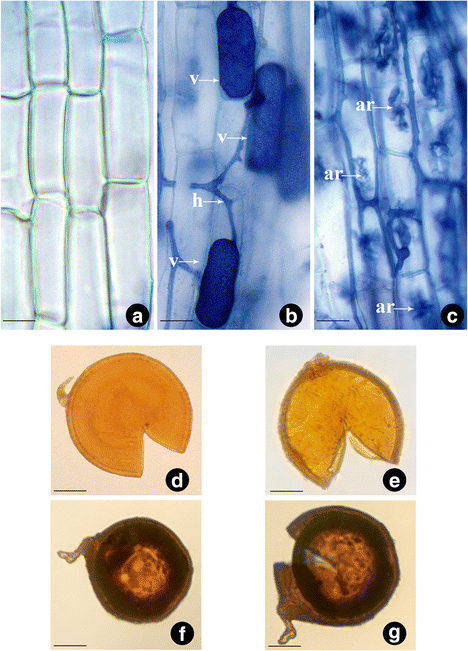
Mycorrhizae are fungal symbionts forming mutualistic relationship with plant roots. Literature about the rhizsospheric mycrorrhizal diversity of saffron and its role in growth, yield and quality of saffron is very scarce. In this study association of arbuscular mycorrhizal fungus (AMF) with the saffron plant were analyzed. Saffron plant shows the high incidence of AMF colonization. It was observed that corm despite being the modified stem shows AMF colonization. The study was further extended to know the influence of AMF on growth of the saffron plant under pot culture conditions. The corms of saffron are shown to present a higher level of metabolites, mineral nutrition in the mycorrhizal ones as compared to the non-inoculated ones. Our results show a promising potential of AM fungi in saffron production for enhancing metabolites like carbohydrates, protein and phenolics and mineral nutrition in corm and nitrogen assimilating enzymes in plant.
A potential alternative strategy to chemical control of plant diseases could be the stimulation of plant defense by arbuscular mycorrhizal fungi (AMF). In the present study, the influence of three parameters (phosphorus supply, mycorrhizal inoculation, and wheat cultivar) on AMF protective efficiency against Blumeria graminis f. sp. tritici, responsible for powdery mildew, was investigated under controlled conditions. A 5-fold reduction (P/5) in the level of phosphorus supply commonly recommended for wheat in France improved Funneliformis mosseae colonization and promoted protection against B. graminis f. sp. tritici in a more susceptible wheat cultivar. However, a further decrease in P affected plant growth, even under mycorrhizal conditions. Two commercially available AMF inocula (F. mosseae, Solrize®) and one laboratory inoculum (Rhizophagus irregularis) were tested for mycorrhizal development and protection against B. graminis f. sp. tritici of two moderately susceptible and resistant wheat cultivars at P/5. Mycorrhizal levels were the highest with F. mosseae (38 %), followed by R. irregularis (19 %) and Solrize® (SZE, 8 %). On the other hand, the highest protection level against B. graminis f. sp. tritici was obtained with F. mosseae (74 %), followed by SZE (58 %) and R. irregularis (34 %), suggesting that inoculum type rather than mycorrhizal levels determines the protection level of wheat against B. graminis f. sp. tritici. The mycorrhizal protective effect was associated with a reduction in the number of conidia with haustorium and with an accumulation of polyphenolic compounds at B. graminis f. sp. tritici infection sites. Both the moderately susceptible and the most resistant wheat cultivar were protected against B. graminis f. sp. tritici infection by F. mosseae inoculation at P/5, although the underlying mechanisms appear rather different between the two cultivars. This study emphasizes the importance of taking into account the considered parameters when considering the use of AMF as biocontrol agents.
Seven culturable bacterial isolates, obtained from the internal stem tissues of Solanum elaeagnifolium and successfully colonizing the internal stem tissues of tomato cv. Rio Grande, were screened for their in vivo antifungal activity against Fusarium oxysporum f.sp. lycopersici (FOL) and their growth-promoting potential on tomato plants. SV101 and SV104 isolates, assessed on pathogen-challenged tomato plants led to a significant decrease (77–83%) in Fusarium wilt severity and vascular browning extent (76%), as compared to the inoculated and untreated control. Isolates enhanced growth parameters on pathogen-challenged and unchallenged tomato plants. SV104 and SV101 isolates were most effective in suppressing disease and enhancing plant growth. These two isolates were identified as Bacillus sp. str. SV101 (KU043040) and B. tequilensis str. SV104 (KU976970). They displayed antifungal activity against FOL; pathogen growth was inhibited by 64% and an inhibition zone (11.50 and 19.75 mm) against FOL could be formed using whole cell suspensions. SV101 and SV104 extracellular metabolites also inhibited FOL growth by 20 and 55%, respectively, as compared to control. B. tequilensis str. SV104 was shown to produce protease, chitinase, pectinase, IAA and siderophores. Bacillus sp. str. SV101 displayed pectinase activity and was found to be an IAA-producing and phosphate-solubilizing agent. To our knowledge, this is the first study reporting on S. elaeagnifolium use as a potential source of potent biocontrol and plant growth-promoting agents.
C-TERMINALLY ENCODED PEPTIDEs (CEPs) control root system architecture non-cell-autonomously. In Medicago truncatula, MtCEP1 affects root development by increasing nodule formation and inhibiting lateral root emergence by unknown pathways. Here, we show that the MtCEP1 peptide-dependent increase in nodulation requires the symbiotic (SYM) signalling pathway and MtEIN2 (ETHYLENE INSENSITIVE2)/SKL (SICKLE), but acts independently of SUNN (SUPER NUMERIC NODULES). MtCEP1-dependent inhibition of lateral root development acts through an MtEIN2-independent mechanism. MtCEP1 increases nodulation by promoting rhizobial infections, the developmental competency of roots for nodulation, the formation of "fused" nodules, and an increase in frequency of nodule development that initiates at proto-phloem poles. These phenotypes are similar to those of the ein2/skl mutant and support that MtCEP1 modulates EIN2-dependent symbiotic responses. Accordingly, MtCEP1 counteracts the reduction in nodulation induced by increasing ethylene precursor concentrations, and an ethylene synthesis inhibitor treatment antagonises MtCEP1 root phenotypes. MtCEP1 also inhibits the development of EIN2-dependent pseudonodule formation. Finally, mutants affecting the MtCRA2 (COMPACT ROOT ARCHITECTURE 2) receptor, which is closely related to the Arabidopsis CEP Receptor 1, are unresponsive to MtCEP1 effects on lateral root and nodule formation, suggesting that CRA2 is a CEP peptide receptor mediating both organogenesis programs. In addition, an ethylene inhibitor treatment counteracts the cra2 nodulation phenotype. These results indicate that MtCEP1 and its likely receptor, CRA2, mediate nodulation and lateral root development through different pathways.
We analysed the spatial distribution patterns of plant species’ arbuscular mycorrhizal status across an intermediate geographical scale (i.e. the country of Germany) and related this distributions to environmental drivers. Three levels of arbuscular mycorrhizal status of plant species could be defined: (1) obligate arbuscular mycorrhizal species that are always colonised by mycorrhizal fungi, (2) facultative arbuscular mycorrhizal species that are colonised under some conditions but not colonised under others and (3) non-mycorrhizal species that are never found to be colonised by mycorrhizal fungi. We aimed to investigate whether plant species assemblages at the studied grid cell scale are composed of different proportions of species regarding their arbuscular mycorrhizal status, and whether the variation of these proportions can be linked to the geographical variation of ecological and environmental factors. We fitted a vector generalised additive model (VGAM) for log-ratios of proportions of plant species’ arbuscular mycorrhizal status per grid cell (2859 grid cells, each c. 130 km2). The spatially explicit plant arbuscular mycorrhizal status distribution model was based on environmental predictors related to climate, geology and land use. The spatial distribution of plant arbuscular mycorrhizal status can be explained as a function of nine environmental predictors (D2 = 0.54). Proportion of obligate arbuscular mycorrhizal plant species per grid cell increased with increasing temperature range, mean annual temperature, urban area and area of lime as geological parent material and decreased with increasing area of mixed forest and coniferous forest. Annual temperature range was by far the most important predictor. These results extend the comparative context of former studies that established relationships between mycorrhizal status and other plant characteristics at species level, including those describing species ecological requirements, to a context at the level of assemblages and species distributions. We encourage integrating plant mycorrhizal status as a functional trait in future macroecological analyses.
1.Organic matter decomposition is the main process by which carbon (C) is lost from terrestrial ecosystems, and mycorrhizal associations of plants (i.e., arbuscular mycorrhizae (AM) and ectomycorrhizae (ECM)) may have different indirect effects on this loss pathway. AM and ECM plants differ in the soil decomposers they promote and the quality of litter they produce, which may result in different patterns of organic matter decomposition, and hence, soil C loss.
2.To determine how mycorrhizal associations indirectly affect decomposer activity, we collected soils and litters from four AM and four ECM tree species from a mixed-deciduous temperate forest for a field and lab study. We first characterized in situ patterns in soil chemistry and soil microbial biomass among these eight tree species. We then conducted a microcosm experiment with mineral soils, leaf-litter and fine roots originating from these tree species, where we reciprocally crossed litters and soils, and quantified the rate of heterotrophic respiration over a 140 day lab incubation.
3.In natural forest conditions, AM tree soils contained lower total C and microbial biomass C:N relative to ECM tree soils. In our microcosm experiment, AM soils supported greater heterotrophic respiration than did ECM soils. The addition of AM litter stimulated respiration more than did ECM litter, owing to the lower C:N of AM litter. Matching the mycorrhizal identity of litter and soil resulted in a difference in total respiration, such that combinations of AM litters with AM soils lost more C than did combinations of ECM litters and ECM soils.
4.Synthesis Our findings demonstrate that AM and ECM trees have differing indirect effects on decomposer activity through the decomposers they cultivate and/or the quality of organic matter they produce in soils. Mycorrhizal differences in litter quality accentuate these effects on soil C loss and may explain patterns in soil C dynamics in terrestrial ecosystems.
Legume plants adapt to low nitrogen by developing an endosymbiosis with nitrogen-fixing soil bacteria to form a new specific organ: the nitrogen-fixing nodule. In the Medicago truncatula model legume, the MtCRE1 cytokinin receptor is essential for this symbiotic interaction. As three other putative CHASE Histidine Kinase (CHK) cytokinin receptors exist in M. truncatula, we determined their potential contribution to this symbiotic interaction. The four CHKs have extensive redundant expression patterns at early nodulation stages but diverge in differentiated nodules, even though MtCHK1/MtCRE1 has the strongest expression at all stages. Mutant and knock-down analyses revealed that other CHKs than MtCHK1/CRE1 are positively involved in nodule initiation, which explains the delayed nodulation phenotype of the chk1/cre1 mutant. In addition, cre1 nodules exhibit an increased growth whereas other chk mutants have no detectable phenotype, and the maintained nitrogen fixation capacity in cre1 requires other CHK genes. Interestingly, an AHK4/CRE1 genomic locus from the aposymbiotic Arabidopsis plant rescues nodule initiation but not the nitrogen fixation capacity. This indicates that different CHK cytokinin signaling pathways regulate not only nodule initiation but also later developmental stages, and that legume specific determinants encoded by the MtCRE1 gene are required for later nodulation stages than initiation.
A cancer study that would represent the first use of the red-hot gene-editing tool CRISPR in people passed a key safety review today. The proposed clinical trial, in which researchers would use CRISPR to engineer immune cells to fight cancer, won approval from the Recombinant DNA Advisory Committee (RAC) at the U.S. National Institutes of Health, a panel that has traditionally vetted the safety and ethics of gene therapy trials funded by the U.S. government and others.
The establishment of a CRISPR-Cas9 system for strain construction in Bacillus subtilis is essential for its progression towards industrial utility. Here we outline the development of a CRISPR-Cas9 toolkit for comprehensive genetic engineering in B. subtilis. In addition to site-specific mutation and gene insertion, our approach enables continuous genome editing and multiplexing, and is extended to CRISPRi for transcriptional modulation. Our toolkit employs chromosomal expression of Cas9 and chromosomal transcription of gRNAs using a gRNA transcription cassette and counter-selectable gRNA delivery vectors. Our design obviates the need for multicopy plasmids which can be unstable and impede cell viability. Efficiencies of up to 100% and 85% were obtained for single and double gene mutations, respectively. Also, a 2.9 kb hyaluronic acid (HA) biosynthetic operon was chromosomally inserted with an efficiency of 69%. Furthermore, repression of a heterologous reporter gene was achieved, demonstrating the versatility of the toolkit. The performance of our toolkit is comparable with systems developed for Escherichia coli and Saccharomyces cerevisiae, which rely on replicating vectors to implement CRISPR-Cas9 machinery.
Maize is one of the most important crops worldwide and is strongly dependent on arbuscular mycorrhiza (AM) fungi, organisms that form a mutualistic association with land plants. In maize, AM symbiosis enhances spike dry weight, spike length, spike circumference, and the dry weight and dimensions of the grain. Notwithstanding its ubiquitous nature, the detailed relationship between AM fungal colonization and plant development is not completely understood. To facilitate a better understanding of the effects of AM fungi on plants, the work reported here assessed the effects of a consortium of AM fungi on the kernel proteome of maize, cultivated in open-field conditions. To our knowledge, this is the first report of the modulation of a plant seed proteome following AM fungal inoculation in the field. Here, it was found that AM fungi modify the maize seed proteome by up-regulating enzymes involved in energetic metabolism, embryo development, nucleotide metabolism, seed storage and stress responses.
Groundnut is an oilseed crop and have nodules on its roots system. The nodules contain nitrogen fixing bacteria called bacterioid means bacteria +nodule
mycorrhizae is a beneficial fungi that clings to plant roots in exchange for sugars made by the plant. There are two different types of mycorrhizae ; end
The underrepresentation of women among the senior ranks of scholars has led dozens of universities to adopt family-friendly employment policies. But a recent study of economists in the United States finds that some of these gender-neutral policies have had an unintended consequence: They have advanced the careers of male economists, often at women’s expense.
Similar patterns probably hold in other disciplines, too.
Root nodule-forming rhizobia exhibit a bipartite lifestyle, replicating in soil and also within plant cells where they fix nitrogen for legume hosts. Host control models posit that legume hosts act as a predominant selective force on rhizobia, but few studies have examined rhizobial fitness in natural populations. Here, we genotyped and phenotyped Bradyrhizobium isolates across more than 800 km of the native Acmispon strigosus host range. We sequenced chromosomal genes expressed under free-living conditions and accessory symbiosis loci expressed in planta and encoded on an integrated ‘symbiosis island’ (SI). We uncovered a massive clonal expansion restricted to the Bradyrhizobium chromosome, with a single chromosomal haplotype dominating populations, ranging more than 700 km, and acquiring 42 divergent SI haplotypes, none of which were spatially widespread. For focal genotypes, we quantified utilization of 190 sole-carbon sources relevant to soil fitness. Chromosomal haplotypes that were both widespread and dominant exhibited superior growth on diverse carbon sources, whereas these patterns were not mirrored among SI haplotypes. Abundance, spatial range and catabolic superiority of chromosomal, but not symbiosis genotypes suggests that fitness in the soil environment, rather than symbiosis with hosts, might be the key driver of Bradyrhizobium dominance.
To get content containing either thought or leadership enter:
To get content containing both thought and leadership enter:
To get content containing the expression thought leadership enter:
You can enter several keywords and you can refine them whenever you want. Our suggestion engine uses more signals but entering a few keywords here will rapidly give you great content to curate.


 Your new post is loading...