Your new post is loading...

|
Scooped by
Jean-Michel Ané
July 5, 2016 10:59 AM
|
The presence of nitrogen inhibits legume nodule formation, but the mechanism of this inhibition is poorly understood. We found that 2.5 mM nitrate and above significantly inhibited nodule initiation but not root hair curling in Medicago trunatula. We analyzed protein abundance in M. truncatula roots after treatment with either 0 or 2.5 mM nitrate in the presence or absence of its symbiont Sinorhizobium meliloti after 1, 2 and 5 days following inoculation. Two-dimensional gel electrophoresis combined with mass spectrometry was used to identify 106 differentially accumulated proteins responding to nitrate addition, inoculation or time point. While flavonoid-related proteins were less abundant in the presence of nitrate, addition of Nod gene-inducing flavonoids to the Sinorhizobium culture did not rescue nodulation. Accumulation of auxin in response to rhizobia, which is also controlled by flavonoids, still occurred in the presence of nitrate, but did not localize to a nodule initiation site. Several of the changes included defense- and redox-related proteins, and visualization of reactive oxygen species indicated that their induction in root hairs following Sinorhizobium inoculation was inhibited by nitrate. In summary, the presence of nitrate appears to inhibit nodulation via multiple pathways, including changes to flavonoid metabolism, defense responses and redox changes.
|
|
Scooped by
Jean-Michel Ané
July 5, 2016 10:05 AM
|
Arbuscular mycorrhizal (AM) fungal disturbance response is thought to be moderated by life history strategies (LHS). Research suggests that disturbance-tolerant taxa may be represented by fungi in the Glomerales, those in culture collections, and by cosmopolitan taxa due to their generalist growth habit. The corollary is that these taxa should be less common in undisturbed systems. Although widely accepted, these ideas originate from research conducted in previously disturbed systems. Whether they hold up to comparisons of disturbed versus undisturbed systems remains to be seen.
We addressed this question by surveying logged and intact sites within forests dominated an AM fungal host (western redcedar; Thuja plicata). We predicted that old-growth sites would host fewer taxa from the Glomerales, fewer cultured taxa, and fewer cosmopolitan taxa compared to logged sites.
Contrary to our predictions, the logged and intact sites did not differ with respect the putative disturbance-tolerant taxa. However, taxonomic composition differed, driven primarily by variation in relative abundance rather than loss or gain of taxa. Multiple analyses of indicator taxa revealed no consistent indicators of either undisturbed or disturbed habitats.
Based on these findings, the current paradigm for a phylogenetically based LHS of AM fungi warrants re-examination.
|
|
Scooped by
Jean-Michel Ané
July 5, 2016 9:57 AM
|
We present a review of the documented fungal colonizations of presumably symbiotic nature in lycophytes and ferns (“pteridophytes”). The sampling covers ca. 11 % (1287 spp.) of the estimated global diversity of these taxa (ca. 12,000 spp.) and shows an average presence of fungal endophytes of 68 %, which is significantly lower than the average presence of mycorrhiza of 80–85 % for the remaining tracheophytes. Above-average colonization rates up to 100 % among ferns are mainly found in phylogenetically old lineages, whereas below-average mycorrhization characterizes the Polypod I clade and the Aspleniaceae of the derived leptosporangiate ferns. Arbuscular Mycorrhizal Fungi (AMF) are found in 54 % of the species, to which 6 % of unspecified records of mycorrhizae should probably be added. Dark Septate Endophytes (DSE) are found in 13 % of the species, in about half the cases (6 %) together with AMF. Ectomycorrhizae have not been confirmed for pteridophytes so far, and basidiomycetes are found very rarely in mycoheterotropic gametophytes. Fungal endophytes are unevenly distributed across the life forms and most frequent with 75 % in the terrestrial species, followed with 69 % in saxicolous and with 58 % in epiphytic species. Although AMF have a low dispersal potential and thus are considered unreliable symbiotic partners for epiphytes, they are still present in 27 % of the investigated epiphytic pteridophytes. The occurrence of mycorrhizae across the taxa of pteridophytes bears a phylogenetic signal, as the derived ferns show a notable trend towards a growing independence from AM, in epiphytes more pronouncedly so than in terrestrial taxa.
|
|
Scooped by
Jean-Michel Ané
July 4, 2016 5:57 PM
|
During an arbuscular mycorrhiza fungal spore survey on a primary coastal sand-dune system in Goa on the west coast of India, entrophosporoid spores tightly covered with a dense hyphal mantle were recovered. When intact, the spores, at first sight, seemed to be identical in morphology to those of Sacculospora baltica (originally described as Entrophospora baltica) extracted from Polish maritime sand dunes and, to date, the sole member of the recently described genus Sacculospora in the new family Sacculosporaceae, phylum Glomeromycota. Later detailed morphological studies indicated that both fungi produce two-walled spores but the structure and phenotypic features of components of the outer spore wall in the novel fungus differ considerably from those of S. baltica. Differences between the fungi were subsequently confirmed in the phylogenetic analysis of SSU–ITS–LSU nrDNA sequences. Consequently, we describe the novel species as Sacculospora felinovii sp. nov.
|
|
Scooped by
Jean-Michel Ané
July 4, 2016 5:55 PM
|
The chitinase enzyme was identified in isolated bacteria of maize rhizosphere as well as its potential for the biological control of fungi associated at seeds of the same plant. The production of chitinase enzyme was found in the genera identified as Acinetobacter, Bacterium, Burkholderia, Paenibacillus, Pseudomonas, Rhizobium, Shewanella, Sphingomonas and Stenotrophomonas. Bacterial isolates with ability to degrade fungal mycelium from maize fungi as Fusarium and Alternaria among others, were detected. Bacterial chitinase activity and the presence of the chiA gene were determined. The inoculation of chitinolytic bacteria showed a positive effect in the control of fungi in maize seeds. The results support the potential use of chitinase enzyme producing bacteria on the control of phytopathogenic fungi.
|
|
Scooped by
Jean-Michel Ané
July 4, 2016 5:49 PM
|
Despite the high specificity between Rhizobium and legumes, the presence of non-rhizobia in root nodules has been reported. The present investigation was carried out to isolate plant growth-promoting endophytic non-rhizobial bacteria from leguminous crops viz. Glycine max, Vigna radiata, Vigna unguiculata, Arachis hypogaea and Vigna mungo, and their influence on groundnut growth. Seven endophytic non-rhizobial bacteria were isolated possessing the nifH gene showing amplification of a ~380-bp fragment. Analysis by 16S rDNA gene sequence similarity characterized them as Enterobacter cloacae AS1 (accession no. KF758544), Chryseobacterium indologenes AM2 (KF758545), Enterobacter cloacae ACP3 (KF758546), Klebsiella pneumoniae AG4 (KF758547), Pseudomonas aeruginosa ABG5 (KF758548), Enterobacter ludwigii ABG6 (KF758549) and Klebsiella variicola ABG7 (KF758550). Qualitative estimation of nitrogen fixation confirmed the efficiency of isolates to fix atmospheric nitrogen in a range of 11.55 to 62.10 mg N g−1 of glucose consumed. All strains were found to produce indoleacetic acid ranging from 34.86 to 119.44 μg ml−1. The highest phosphate solubilization index was shown by K. pneumoniae AG4 (14.67). Siderophore production was observed only in P. aeruginosa ABG5, and the highest 1-aminocyclopropane-1-carboxylate deaminase activity was shown by C. indologenes AM2, E. cloacae ACP3 and P. aeruginosa ABG5. Plant growth stimulation was confirmed by seed application in groundnuts in a gnotobiotic system and in pots. The results showed that isolates had a positive effect on groundnut growth, with no negative influence. In addition, treatment with 50 % recommended dose of chemical fertilizer demonstrated a positive influence on groundnut growth, but an increase in concentration from 50 to 100 % resulted in adverse effects on populations of non-rhizobial bacteria and groundnut growth. Thus the results of this study clearly suggest that root nodules accommodate endophytic non-rhizobial bacteria, which stimulates plant growth, and that chemical fertilizers greatly affect their number and activity.
|
|
Scooped by
Jean-Michel Ané
July 4, 2016 5:44 PM
|
Communication has played a key role in organismal evolution. If sender and receiver have a shared interest in propagating reliable information, such as when they are kin relatives, then effective communication can bring large fitness benefits. However, interspecific communication (among different species) is more prone to dishonesty. Over the last decade, plants and their microbial root symbionts have become a model system for studying interspecific molecular crosstalk. However, less is known about the evolutionary stability of plant–microbe communication. What prevents partners from hijacking or manipulating information to their own benefit? Here, we focus on communication between arbuscular mycorrhizal fungi and their host plants. We ask how partners use directed signals to convey specific information, and highlight research on the problem of dishonest signaling.
|
|
Scooped by
Jean-Michel Ané
July 4, 2016 5:41 PM
|
Plants and microbes coexist or compete for survival and their cohesive interactions play a vital role in adapting to metalliferous environments, and can thus be explored to improve microbe-assisted phytoremediation. Plant root exudates are useful nutrient and energy sources for soil microorganisms, with whom they establish intricate communication systems. Some beneficial bacteria and fungi, acting as plant growth promoting microorganisms (PGPMs), may alleviate metal phytotoxicity and stimulate plant growth indirectly via the induction of defense mechanisms against phytopathogens, and/or directly through the solubilization of mineral nutrients (nitrogen, phosphate, potassium, iron, etc.), production of plant growth promoting substances (e.g., phytohormones), and secretion of specific enzymes (e.g., 1-aminocyclopropane-1-carboxylate deaminase). PGPM can also change metal bioavailability in soil through various mechanisms such as acidification, precipitation, chelation, complexation, and redox reactions. This review presents the recent advances and applications made hitherto in understanding the biochemical and molecular mechanisms of plant–microbe interactions and their role in the major processes involved in phytoremediation, such as heavy metal detoxification, mobilization, immobilization, transformation, transport, and distribution.
|
|
Scooped by
Jean-Michel Ané
July 4, 2016 5:36 PM
|
Fungi dominate the microbial biomass of temperate forest soils and are a key driver of ecosystem nutrient cycling. Chronic nitrogen (N) amendments frequently cause the accumulation of soil organic matter within soils, suggesting that elevated N disrupts decomposition by altering fungal communities. To link previously observed increases in soil organic matter with potential changes in the fungal community, we assessed the effects of soil N amendment on fungal community structure at a long-term N addition experiment at Harvard Forest (Petersham, MA, USA). A decline in the relative abundance of ectomycorrhizal fungi following long-term N addition was offset by an increase in the relative abundance of saprotrophs. Species richness and diversity of ectomycorrhizal fungi declined, while ascomycetes and saprotrophs responded positively to N enrichment. However, nitrophilic species included ectomycorrhizal as well as saprotrophic fungi, especially the ectomycorrhizal Russula vinacea, whose relative abundance increased from 10 to 37% of the entire community across N treatments. Two decades of soil N enrichment appears to have fundamentally altered the soil fungal community of this temperate forest.
|
|
Scooped by
Jean-Michel Ané
July 4, 2016 5:18 PM
|
Strigolactones (SLs) as components of root exudates induce hyphal branching of arbuscular mycorrhizal (AM) fungi which is thought to favor the establishment of the beneficial symbiosis. Little is known on how AM fungi respond to SLs. Since AM fungi are poor model systems due to their obligate biotrophism and the lack of genetic transformation protocols, we took advantage of the sensitivity of several phytopathogenic fungi to GR24, a synthetic SLs analog. With the aim to identify the molecular determinants involved in SLs response in AM fungi and assuming conserved mechanisms in the fungal kingdom, we exploited the fungal pathogens Botrytis cinerea and Cryphonectria parasitica, for which mutant collections are available. Exposure of B. cinerea and C. parasitica to GR24 embedded in solid medium led to reduction of fungal radial growth. We set up the screening of a set of well-characterized gene deletion mutants to isolate genotypes with altered responses to SLs. Two B. cinerea mutants (defective of BcTrr1, a thioredoxin reductase and BcLTF1, a GATA transcription factor) turned out to be less responsive to GR24. One feature shared by the two mutants is the overproduction of reactive oxygen species (ROS). Indeed, an oxidizing effect was observed in a B. cinerea strain expressing a redox-sensitive GFP2 in the mitochondrial intermembrane space upon exposure to GR24. ROS and mitochondria are, therefore, emerging as mediators of SLs actions.
|
|
Scooped by
Jean-Michel Ané
June 30, 2016 10:23 PM
|
Plants do not grow as axenic organisms in nature but host a diverse community of microorganisms, the plant microbiota. There is an increasing awareness that the plant microbiota plays a role in plant growth and can provide protection from invading pathogens. Apart from intense research on crop plants, Arabidopsis is emerging as a valuable model system to investigate the drivers shaping stable bacterial communities on leaves and roots and as a tool to decipher the intricate relationship among the host and its colonizing bacteria. Gnotobiotic experimental systems help establish causal relationships between plant and microbiota geno- and phenotypes, and test hypotheses on biotic and abiotic perturbations in a systematic way. We highlight major recent findings in plant microbiota research using comparative community profiling and omics analyses, and discuss these approaches in light of community establishment and beneficial traits like nutrient acquisition and plant health.
Expected final online publication date for the Annual Review of Genetics Volume 50 is November 23, 2016. Please see http://www.annualreviews.org/catalog/pubdates.aspx for revised estimates.
|
|
Scooped by
Jean-Michel Ané
June 30, 2016 4:23 PM
|
Drought stress has become an increasingly serious environmental issue that influences the growth and production of watermelon. Previous studies found that arbuscular mycorrhizal (AM) colonization improved the fruit yield and water use efficiency (WUE) of watermelon grown under water stress; however, the exact mechanisms remain unknown. In this study, the effects of Glomus versiforme symbiosis on the growth, physio-biochemical attributes, and stress-responsive gene expressions of watermelon seedlings grown under well-watered and drought conditions were investigated. The results showed that AM colonization did not significantly influence the shoot growth of watermelon seedlings under well-watered conditions but did promote root development irrespective of water treatment. Drought stress decreased the leaf relative water content and chlorophyll concentration, but to a lesser extent in the AM plants. Compared with the non-mycorrhizal seedlings, mycorrhizal plants had higher non-photochemical quenching values, which reduced the chloroplast ultrastructural damage in the mesophyll cells and thus maintained higher photosynthetic efficiency. Moreover, AM inoculation led to significant enhancements in the enzyme activities and gene expressions of superoxide dismutase, catalase, ascorbate peroxidase, glutathione reductase, and monodehydroascorbate reductase in watermelon leaves upon drought imposition. Consequently, AM plants exhibited lower accumulation of MDA, H2O2 and O−2O2− compared with non-mycorrhizal plants. Under drought stress, the soluble sugar and proline contents were significantly increased, and further enhancements were observed by pre-treating the drought-stressed plants with AM. Taken together, our findings indicate that mycorrhizal colonization enhances watermelon drought tolerance through a stronger root system, greater protection of photosynthetic apparatus, a more efficient antioxidant system and improved osmoregulation. This study contributes to advances in the knowledge of AM-induced drought tolerance.
|
|
Scooped by
Jean-Michel Ané
June 29, 2016 8:45 PM
|
More than 100 Nobel laureates have signed a letter urging Greenpeace to end its opposition to genetically modified organisms (GMOs). The letter asks Greenpeace to cease its efforts to block introduction of a genetically engineered strain of rice that supporters say could reduce Vitamin-A deficiencies causing blindness and death in children in the developing world.
"We urge Greenpeace and its supporters to re-examine the experience of farmers and consumers worldwide with crops and foods improved through biotechnology, recognize the findings of authoritative scientific bodies and regulatory agencies, and abandon their campaign against 'GMOs' in general and Golden Rice in particular," the letter states.
|
|
|
Scooped by
Jean-Michel Ané
July 5, 2016 10:08 AM
|
Microbial interaction is a key determinant of soil fertility, plant health, and crop productivity. Arbuscular mycorrhizal fungi (AMF) belonging to the phylum Glomeromycota are a ubiquitous component of most natural and agroecosystems. These fungi associate with most of the plant species and provide several benefits including better nutrition and increased tolerance to various biotic and abiotic stresses. Mycorrhizal symbiosis can affect the microbial population and their activity in the rhizosphere both qualitatively and quantitatively including mineral solubilization by microorganisms. These changes are mediated through the so-called mycorrhizosphere effect resulting from direct or indirect changes in root exudation (composition and quantity) patterns or through fungal exudates. In most instances, the interaction between AMF and nutrient-solubilizing microorganisms is synergistic resulting in stimulation of plant growth through improved nutrient acquisition and inhibition of plant pathogens. The ecological impact of AMF interactions with microorganisms involved in potassium solubilization is not well resolved compared to those involved in phosphate solubilization. Although direct studies on the interactions between AMF and potassium-solubilizing microorganisms (KSMs) on plant growth are limited, studies on plant growth-promoting microorganisms (PGPMs) and AMF do involve organisms with K-solubilizing capabilities. Evidence does exist on the influence of KSMs on mycorrhizal formation and function. Interactions between AMF and KSMs are vital in sustainable low-input crop production systems that rely on biological processes to achieve improved plant growth and yield in addition to maintaining soil fertility. This article examines the interactions between AMF and KSMs on plant growth, development, and crop productivity.
|
|
Scooped by
Jean-Michel Ané
July 5, 2016 9:59 AM
|
A meeting was held from the 24th to the 27th of August 2015 in Montpellier, France, on Frankia-actinorhizal plants relations. This meeting was the 18th of the series that began in 1978 at Harvard Forest, USA. The initial meeting was sparked by the first isolation of a microbe from a Comptonia peregrina root nodule in pure culture, which had morphological features similar to those of the Frankia symbiont in nodules and was capable of forming nodules on its host (Callaham et al. 1978). This effectively boosted research on the symbiosis. The 2015 meeting was the opportunity to have 80 scientists from 17 different countries, present 34 oral presentations and 51 posters. The object was to exchange ideas on a range of subjects, initiate projects and discuss various controversies. The Montpellier meeting was opened by Jean-Marc Chataîgner, the IRD deputy managing director who outlined the opportunities and challenges facing scientists working on actinorhizal plants. Then there was an invited presentation by Allan Downie, Emeritus fellow at the John Innes Centre, Norwich, UK, who outlined the positive and negative aspects of the actinorhizal symbiosis research in comparison with the Legumes-rhizobia symbiosis.
|
|
Scooped by
Jean-Michel Ané
July 5, 2016 9:56 AM
|
Plant microbiome and its manipulation herald a new era for plant biotechnology with the potential to benefit sustainable crop production. However, studies evaluating the diversity, structure and impact of the microbiota in economic important crops are still rare. Here we describe a comprehensive inventory of the structure and assemblage of the bacterial and fungal communities associated with sugarcane. Our analysis identified 23,811 bacterial OTUs and an unexpected 11,727 fungal OTUs inhabiting the endophytic and exophytic compartments of roots, shoots, and leaves. These communities originate primarily from native soil around plants and colonize plant organs in distinct patterns. The sample type is the primary driver of fungal community assemblage, and the organ compartment plays a major role in bacterial community assemblage. We identified core bacterial and fungal communities composed of less than 20% of the total microbial richness but accounting for over 90% of the total microbial relative abundance. The roots showed 89 core bacterial families, 19 of which accounted for 44% of the total relative abundance. Stalks are dominated by groups of yeasts that represent over 12% of total relative abundance. The core microbiome described here comprise groups whose biological role underlies important traits in plant growth and fermentative processes.
|
|
Scooped by
Jean-Michel Ané
July 4, 2016 5:55 PM
|
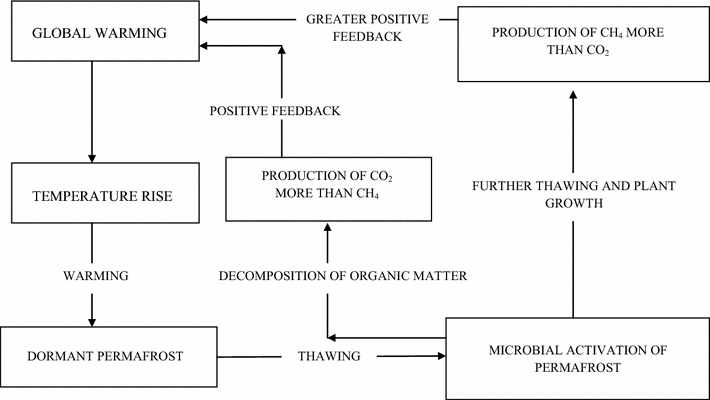
Global warming and climate change are the most prominent issues of the current environmental scenario. These problems arise due to higher concentration of greenhouse gases in the atmosphere which exert a warming effect. Although much attention has been given to anthropogenic sources and impacts of these gases, the significance and implications of microorganisms have remained neglected. The present review brings to light this overlooked aspect (role and responses of microbes in this context) in both terrestrial and aquatic ecosystems. Through existing literature, it attempts to assess the mechanisms that cause microbes to emit and absorb greenhouse gases. The consequent effects as well as feedbacks have also been studied. It was then found that microbes play a major role with respect to climate change. Thus, microbes should never be deprived of their due importance in climate change models as well as discussions on the matter. In addition, the review also identified the necessity of proper research in this aspect as there is a lack of adequate understanding on this facet of climate change.
|
|
Scooped by
Jean-Michel Ané
July 4, 2016 5:52 PM
|
Plant species can influence communities of arbuscular mycorrhizal fungi (AMF) by hosting different AMF taxon identities and/or richness. We used presence/absence data from a recent global survey of AMF communities to assess how often AMF communities differ among plant species, and to explore whether differences result from dissimilarities in AMF taxon identity or richness. We found that AMF communities clustered among plant species in 24% of sites, and that plant species were more likely to differ in AMF taxon richness (23% of sites) than the particular taxa with which they associate (5% of sites). Overall though, the variation in both AMF richness and identity was often as great within as between plant species, suggesting that plant species identity may be less important for structuring local AMF communities than other factors, such as environmental conditions, fungal interactions or even stochastic distributions of AMF. This has implications for how we should view plant-AMF interactions and community patterns.
|
|
Scooped by
Jean-Michel Ané
July 4, 2016 5:48 PM
|
Our results showed strong interspecific clustering of the bacterial rhizosphere communities of C. roborovskyi and C. jubata. Altitude explained most of the variation in the composition of bacterial rhizosphere communities of C. roborovskyi and C. jubata, followed by soil pH, water content, organic matter content, total nitrogen content, and mean annual rainfall.
|
|
Scooped by
Jean-Michel Ané
July 4, 2016 5:41 PM
|
Background
Endophytes are microbes that colonize plant internal tissues without causing disease. In particular, seed-associated endophytes may be vectors for founder microbes that establish the plant microbiome, which may subsequently contribute beneficial functions to their host plants including nutrient acquisition and promotion of plant growth. The Cucurbitaceae family of gourds (e.g., cucumbers, melons, pumpkin, squash), including its fruits and seeds, is widely consumed by humans. However, there is limited data concerning the taxonomy and functions of seed-associated endophytes across the Cucurbitaceae family. Here, bacteria from surface-sterilized seeds of 21 curcurbit varieties belonging to seven economically important species were cultured, classified using 16S rRNA gene sequencing, and subjected to eight in vitro functional tests.
Results
In total, 169 unique seed-associated bacterial strains were cultured from selected cucurbit seeds. Interestingly, nearly all strains belonged to only two phyla (Firmicutes, Proteobacteria) and only one class within each phyla (Bacilli, γ-proteobacteria, respectively). Bacillus constituted 50 % of all strains and spanned all tested cucurbit species. Paenibacillus was the next most common genus, while strains of Enterobacteriaceae and lactic acid bacteria were also cultured. Phylogenetic trees showed limited taxonomic clustering of strains by host species. Surprisingly, 33 % of strains produced the plant hormone, indole-3-acetic acid (auxin), known to stimulate the growth of fruits/gourds and nutrient-acquiring roots. The next most common nutrient acquisition traits in vitro were (in rank order): nitrogen fixation/N-scavenging, phosphate solubilisation, siderophore secretion, and production of ACC deaminase. Secretion of extracellular enzymes required for nutrient acquisition, endophyte colonization and/or community establishment were observed. Bacillus strains had the potential to contribute all tested functional traits to their hosts.
Conclusion
The seeds of economically important cucurbits tested in this study have a culturable core microbiota consisting of Bacillus species with potential to contribute diverse nutrient acquisition and growth promotion activities to their hosts. These microbes may lead to novel seed inoculants to assist sustainable food production. Given that cucurbit seeds are consumed by traditional societies as a source of tryptophan, the precursor for auxin, we discuss the possibility that human selection inadvertently facilitated auxin-mediated increases in gourd size.
|
|
Scooped by
Jean-Michel Ané
July 4, 2016 5:36 PM
|
Abiotic stress is a widespread threat to both plant and soil communities. Arbuscular mycorrhizal (AM) fungi can alleviate effects of abiotic stress by improving host plant stress tolerance, but the direct effects of abiotic stress on AM fungi are less well understood. We propose two hypotheses predicting how AM fungi will respond to abiotic stress. The stress exclusion hypothesis predicts that AM fungal abundance and diversity will decrease with persistent abiotic stress. The mycorrhizal stress adaptation hypothesis predicts that AM fungi will evolve in response to abiotic stress to maintain their fitness. We conclude that abiotic stress can have effects on AM fungi independent of the effects on the host plant. AM fungal communities will change in composition in response to abiotic stress, which may mean the loss of important individual species. This could alter feedbacks to the plant community and beyond. AM fungi will adapt to abiotic stress independent of their host plant. The adaptation of AM fungi to abiotic stress should allow the maintenance of the plant-AM fungal mutualism in the face of changing climates.
|
|
Scooped by
Jean-Michel Ané
July 4, 2016 5:33 PM
|
A hallmark trait of chickpea (Cicer arietinum L.), like other legumes, is the capability to convert atmospheric nitrogen (N2) into ammonia (NH3) in symbiotic association with Mesorhizobium ciceri. However, the complexity of molecular networks associated with the dynamics of nodule development in chickpea need to be analyzed in depth. Hence, in order to gain insights into the chickpea nodule development, the transcriptomes of nodules at early, middle and late stages of development were sequenced using the Roche 454 platform. This generated 490.84 Mb sequence data comprising 1,360,251 reads which were assembled into 83,405 unigenes. Transcripts were annotated using Gene Ontology (GO), Cluster of Orthologous Groups (COG) and Kyoto Encyclopedia of Genes and Genomes (KEGG) metabolic pathways analysis. Differential expression analysis revealed that a total of 3760 transcripts were differentially expressed in at least one of three stages, whereas 935, 117 and 2707 transcripts were found to be differentially expressed in the early, middle and late stages of nodule development respectively. MapMan analysis revealed enrichment of metabolic pathways such as transport, protein synthesis, signaling and carbohydrate metabolism during root nodulation. Transcription factors were predicted and analyzed for their differential expression during nodule development. Putative nodule specific transcripts were identified and enriched for GO categories using BiNGO which revealed many categories to be enriched during nodule development, including transcription regulators and transporters. Further, the assembled transcriptome was also used to mine for genic SSR markers. In conclusion, this study will help in enriching the transcriptomic resources implicated in understanding of root nodulation events in chickpea.
|
|
Scooped by
Jean-Michel Ané
July 1, 2016 10:51 AM
|
Plants buffer increasing atmospheric carbon dioxide (CO2) concentrations through enhanced growth, but the question whether nitrogen availability constrains the magnitude of this ecosystem service remains unresolved. Synthesizing experiments from around the world, we show that CO2 fertilization is best explained by a simple interaction between nitrogen availability and mycorrhizal association. Plant species that associate with ectomycorrhizal fungi show a strong biomass increase (30 ± 3%, P < 0.001) in response to elevated CO2 regardless of nitrogen availability, whereas low nitrogen availability limits CO2 fertilization (0 ± 5%, P = 0.946) in plants that associate with arbuscular mycorrhizal fungi. The incorporation of mycorrhizae in global carbon cycle models is feasible, and crucial if we are to accurately project ecosystem responses and feedbacks to climate change.
|
|
Scooped by
Jean-Michel Ané
June 30, 2016 10:12 PM
|
Plants are colonized by a variety of bacteria, most of which are not pathogenic. Currently, the plant responses to phyllosphere commensals or to pathogen infection in the presence of commensals are not well understood.
Here, we examined the transcriptional response of Arabidopsis thaliana leaves to colonization by common commensal bacteria in a gnotobiotic system using RNA sequencing and conducted plant mutant assays.
Arabidopsis responded differently to the model bacteria Sphingomonas melonis Fr1 (S.Fr1) and Methylobacterium extorquens PA1 (M.PA1). Whereas M.PA1 only marginally affected the expression of plant genes (< 10), S.Fr1 colonization changed the expression of almost 400 genes. For the latter, genes related to defense responses were activated and partly overlapped with those elicited by the pathogen Pseudomonas syringae DC3000 (Pst). As S.Fr1 is able to mediate plant protective activity against Pst, we tested plant immunity mutants and found that the pattern-recognition co-receptor mutant bak1/bkk1 showed attenuated S.Fr1-dependent plant protection.
The experiments demonstrate that the plant responds differently to members of its natural phyllosphere microbiota. A subset of commensals trigger expression of defense-related genes and thereby may contribute to plant health upon pathogen encounter.
|
|
Scooped by
Jean-Michel Ané
June 30, 2016 9:53 AM
|
TOM ROGERS is an almond farmer in Madera County, in California’s Central Valley. Almonds are delicious and nutritious. They are also lucrative. Californian farmers, who between them grow 80% of the world’s supply of these nuts, earn $11 billion from doing so. But almonds are thirsty. A calculation by a pair of Dutch researchers six years ago suggested that growing a single one of them consumes around a gallon of water. This is merely an American gallon of 3.8 litres, not an imperial one of 4.5 litres, but it is still a tidy amount of H2O. And water has to be paid for.
Technology, however, has come to Mr Rogers’s aid. His farm is wired up like a lab rat. Or, to be more accurate, it is wirelessed up. Moisture sensors planted throughout the nut groves keep track of what is going on in the soil. They send their results to a computer in the cloud (the network of servers that does an increasing amount of the world’s heavy-duty computing) to be crunched. The results are passed back to the farm’s irrigation system—a grid of drip tapes (hoses with holes punched in them) that are filled by pumps.
|