Your new post is loading...

|
Scooped by
Jean-Michel Ané
July 11, 2016 11:45 AM
|
Revegetation following dam removal projects may depend on recovery of arbuscular mycorrhizal (AM) and ectomycorrhizal (EM) fungal communities, which perform valuable ecosystem functions. This study assessed the availability and function of AM and EM fungi for plants colonizing dewatered reservoirs following a dam removal project on the Elwha River, Olympic Peninsula, Washington, United States. Availability was assessed via AM fungal spore density in soils and EM root tip colonization of Salix sitchensis (Sitka willow) in an observational field study. The effect of mycorrhizal fungi from 4 sources (reservoir soils, commercial inoculum, and 2 mature plant community soils) on growth and nutrient status of S. sitchensis was quantified in a greenhouse study. AM fungal spores and EM root tips were present in all field samples. In the greenhouse, plants receiving reservoir soil inoculum had only incipient mantle formation, while plants receiving inoculum from mature plant communities had fully formed EM root tips. EM formation corresponded with alleviation of phosphorus stress in plants (lower shoot nitrogen:phosphorus). Thus, revegetating plants have access to AM and EM fungi following dam removal, and EM formation may be especially important for plant P uptake in reservoir soils. However, availability of mycorrhizal fungi declines with distance from established plant communities. Furthermore, EM fungal communities in recently dewatered reservoirs may not be as effective at forming beneficial mycorrhizae as those from mature plant communities. Whole soil inoculum from mature plant communities may be important for the success of revegetating plants and recovery of mycorrhizal fungal communities.
|
|
Scooped by
Jean-Michel Ané
July 11, 2016 11:41 AM
|
In this study, soils from tea orchards with continuously cropping histories for 1, 10, and 20 years were collected for investigating rhizosphere bacterial communities using 454 pyrosequencing. The results indicated that Gammaproteobacteria, Alphaproteobacteria, Acidobacteria, and Actinobacteria were the main phyla in the tea orchard soils and accounted for more than 60% of the bacterial sequences. At the genus level, the relative abundance of beneficial bacteria such as Pseudomonas, Rhodanobacter, Bradyrhizobium, Mycobacterium, and Sphingomonas significantly decreased in the 20 year tea orchard soils. Similar patterns of bacterial community structure were observed between 1 year and 10 year tea orchards, which significantly differed from those of 20 year tea orchards. Redundancy analysis indicated that soil organic carbon and pH showed high correlations (positive or negative) with the majority of the taxa.
|
|
Scooped by
Jean-Michel Ané
July 11, 2016 11:39 AM
|
The symbiotic interaction between nitrogen-fixing rhizobia and legumes depends on lipo-chitooligosaccharidic Nod-factors (NFs). The NF hydrolase MtNFH1 of Medicago truncatula is a symbiotic enzyme that hydrolytically inactivates NFs with a C16 : 2 acyl chain produced by the microsymbiont Sinorhizobium meliloti 1021. MtNFH1 is related to class V chitinases (glycoside hydrolase family 18) but lacks chitinase activity. Here, we investigated the substrate specificity of MtNFH1-related proteins. MtCHIT5a and MtCHIT5b of M. truncatula as well as LjCHIT5 of Lotus japonicus showed chitinase activity, suggesting a role in plant defence. The enzymes failed to hydrolyse NFs from S. meliloti. NFs from Rhizobium leguminosarum with a C18 : 4 acyl moiety were neither hydrolysed by these chitinases nor by MtNFH1. Construction of chimeric proteins and further amino acid replacements in MtCHIT5b were performed to identify chitinase variants that gained the ability to hydrolyse NFs. A single serine-to-proline substitution was sufficient to convert MtCHIT5b into an NF-cleaving enzyme. MtNFH1 with the corresponding proline-to-serine substitution failed to hydrolyse NFs. These results are in agreement with a substrate-enzyme model that predicts NF cleavage when the C16 : 2 moiety is placed into a distinct fatty acid-binding cleft. Our findings support the view that MtNFH1 evolved from the ancestral MtCHIT5b by gene duplication and subsequent symbiosis-related neofunctionalization.
|
|
Scooped by
Jean-Michel Ané
July 11, 2016 11:37 AM
|
1.Understanding how soil microbial communities influence plant interactions with other organisms, and how this varies with characteristics of the interacting organisms, is important for multiple systems. Solanum spp. are a suitable model for trophic interactions in studies of agricultural and natural systems and can also provide useful corollaries in invaded systems. This study examined the influence of soil mutualist arbuscular mycorrhizal (AM) fungi on growth of different Solanum types fed on by the potato aphid, Macrosiphum euphorbiae, in relation to presence of the aphid facultative endosymbiont Hamiltonella defensa.
2.Four Solanum types comprising two wild species, S. berthaultii and S. polyadenum, and two accessions of S. tuberosum, were grown with or without AM fungi and infested with one of four clonal lines of a single M. euphorbiae genotype (two with and two without H. defensa). Two experiments were conducted to i) characterise plant responses to AM fungi and aphids and ii) assess whether soil AM fungi could influence the success of the parasitoid wasp Aphidus ervi when attacking aphids reared on each Solanum type.
3.In both experiments, similar patterns of plant biomass were observed in relation to AM fungal and aphid treatments. Solanum biomass depended on plant type and aphid infection with H. defensa. Plants exposed to aphids harbouring H. defensa had smaller root biomass, and therefore total plant biomass, compared to plants infested with H. defensa-free aphids. M. euphorbiae performance varied with aphid clonal line, Solanum type and presence of AM fungi.
4.Parasitoid success, measured as the proportion of aphids from which a wasp emerged, was highest from aphids that had fed on plants colonised by AM fungi, although this result also varied with Solanum type and aphid clonal line.
5.Synthesis: The presence of soil AM fungi, combined with within-species plant and insect variation in key traits, can have subtle - but significant - effects on plant fitness and insect success. This study highlights the importance of exploring genotypic variation in plant and pest responses to soil microbiota to identify suitable biocontrol options.
|
|
Scooped by
Jean-Michel Ané
July 11, 2016 11:03 AM
|
Legume–microbial interactions focus mainly on Rhizobium. The present study aimed to evaluate the plant growth-promoting (PGP) potential of bacterial and cyanobacterial formulations and variety-specific differences following their inoculation in two varieties of pea (Pisum sativum L.), namely Arkel and GP-17. Providencia sp. PW5–Anabaena laxa CW1 treatment was the most promising, with an 11%–76% increase in defense enzyme activity in both varieties. Interestingly, Arkel responded better in terms of nitrogenase activity, which was enhanced several-fold in the inoculated treatments, and exhibited a significant correlation (r = 0.787, 0.778, 0.755; p < 0.05) with shoot length, fresh weight and nodule number per plant, respectively. Nodule number was significantly correlated (r = 0.74, 0.81; p < 0.05) with PAL and PPO activity, respectively, and with microbial biomass carbon, alkaline phosphatase and dehydrogenase activity (r = 0.582, 0.538, 0.666; p < 0.05), respectively. Variety GP-17, however, responded better in terms of increasing the polysaccharide and glomalin content of soil. This study reveals the promise of co-inoculation of PGPRs (plant growth-promoting Rhizobacteria) as synergistic partners for improving plant growth mobilization of major nutrients in pea. However, there is a need to study root exudate patterns to identify promising microbe–variety combinations.
|
|
Scooped by
Jean-Michel Ané
July 11, 2016 11:00 AM
|
Symbiosis between legumes and rhizobia leads to the formation of N2-fixing root nodules. In soybean, several host genes, referred to as Rj genes, control nodulation. Soybean cultivars carrying the Rj4 gene restrict nodulation by specific rhizobia such as Bradyrhizobium elkanii. We previously reported that the restriction of nodulation was caused by B. elkanii possessing a functional type III secretion system (T3SS), which is known for its delivery of virulence factors by pathogenic bacteria. In the present study, we investigated the molecular basis for the T3SS-dependent nodulation restriction in Rj4 soybean. Inoculation tests revealed that soybean cultivar BARC-2 (Rj4/Rj4) restricted nodulation by B. elkanii USDA61, whereas its nearly isogenic line BARC-3 (rj4/rj4) formed nitrogen-fixing nodules with the same strain. Root-hair curling and infection threads were not observed in the roots of BARC-2 inoculated with USDA61, indicating that Rj4 blocked B. elkanii infection in the early stages. Accumulation of H2O2 and salicylic acid (SA) was observed in the roots of BARC-2 inoculated with USDA61. Transcriptome analyses revealed that inoculation of USDA61, but not its T3SS mutant in BARC-2, induced defense-related genes, including those coding for hypersensitive-induced responsive protein, which act in effector-triggered immunity (ETI) in Arabidopsis. These findings suggest that B. elkanii T3SS triggers the SA-mediated ETI-type response in Rj4 soybean, which consequently blocks symbiotic interactions. This study revealed a common molecular mechanism underlying both plant–pathogen and plant–symbiont interactions, and suggests that establishment of a root nodule symbiosis requires the evasion or suppression of plant immune responses triggered by rhizobial effectors.
|
|
Scooped by
Jean-Michel Ané
July 8, 2016 1:03 PM
|
Phylemon 2.0 is the second release of the suite of web-tools for molecular evolution, phylogenetics, phylogenomics and hypotheses testing. It is conceived as a response to the increasing demand of molecular sequence analyses for experts and non-experts users.
Phylemon 2.0 has several features that differentiates from similar web resources:
it offers an integrated environment enabling evolutionary analyses, format conversions, files storage and edition of results,
it suggests the next possible analysis guiding the user through the web server, and
users can define and save phylogenetic pipelines to be used with multiple genes (phylogenomics).
Phylemon 2.0 integrates a suite of 30 tools covering sequence alignment, trimming, tree reconstruction, visualization, manipulation of trees, and evolutionary hypotheses testing.
Phylemon has been extensively re-engineered and now it includes the use of Web 2.0 technology features, a new user interface with persistent sessions.
Phylemon 2.0 is available at http://phylemon.bioinfo.cipf.es
|
|
Scooped by
Jean-Michel Ané
July 8, 2016 12:52 PM
|
The soil microbiome plays an important role for the establishment of weeds and invasive plants. They associate with microorganisms supporting their growth and health. Weed management strategies, like tillage and herbicide treatments, to control weeds generally alter soil structure going alongside with changes also the microbial community. Once a weed population establishes in the field, the plants built up a close relationship with the available microorganisms. Seeds or vegetative organs overwinter in soil and select early in the season their own microbiome before crop plants start to vegetate. Weed and crop plants compete for light, nutrition and water, but may differently interact with soil microorganisms. The development of new sequencing technologies for analyzing soil microbiomes has opened the possibility for in depth analysis of the interaction between “undesired” plants and crop plants under different management systems. These findings will help us to understand the function of microorganisms involved in crop productivity and plant health, weed establishment and weed prevention. Exploitation of the knowledge offers the possibility to search for new biocontrol methods against weeds based on soil and plant-associated microorganisms. This review discusses the recent advances in understanding the functions of microbial communities for weed/invasive plant establishment and shows new ways to use plant-associated microorganism to control weeds and invasive plants in different land management systems.
|
|
Scooped by
Jean-Michel Ané
July 7, 2016 11:56 AM
|
Tandem affinity purification coupled to mass spectrometry (TAP-MS) is one of the most powerful techniques to isolate protein complexes and elucidate protein interaction networks. Here, we describe the development of a TAP-MS strategy for the model legume Medicago truncatula, which is widely studied for its ability to produce valuable natural products and to engage in endosymbiotic interactions. As biological material, transgenic hairy roots, generated through Agrobacterium rhizogenes-mediated transformation of M. truncatula seedlings, were used. As proof of concept, proteins involved in the cell cycle, transcript processing and jasmonate signalling were chosen as bait proteins, resulting in a list of putative interactors, many of which confirm the interologue concept of protein interactions, and which can contribute to biological information about the functioning of these bait proteins in planta. Subsequently, binary protein-protein interactions among baits and preys and among preys were confirmed by a systematic yeast two-hybrid screen. Together, by establishing a M. truncatula TAP-MS platform, we extended the molecular toolbox of this model species.
|
|
Scooped by
Jean-Michel Ané
July 7, 2016 11:53 AM
|
Volatile compounds, such as short chain alcohols, acetoin, and 2,3-butanediol, produced by certain strains of root-associated bacteria (rhizobacteria) elicit induced systemic resistance in plants. The effects of bacterial volatile compounds (BVCs) on plant and fungal growth have been extensively studied; however, the impact of bacterial BVCs on bacterial growth remains poorly understood. In this study the effects of a well-characterized bacterial volatile, 2,3-butanediol, produced by the rhizobacterium Bacillus subtilis, were examined in the rhizosphere. The nature of 2,3-butanediol on bacterial cells was assessed, and the effect of the molecule on root colonization was also determined. Pepper roots were inoculated with three B. subtilis strains: the wild type, a 2,3-butanediol overexpressor, and a 2,3-butanediol null mutant. The B. subtilis null strain was the first to be eliminated in the rhizosphere, followed by the wild-type strain. The overexpressor mutant was maintained at roots for the duration of the experiment. Rhizosphere colonization by a saprophytic fungus declined from 14 days post-inoculation in roots treated with the B. subtilis overexpressor strain. Next, exudates from roots exposed to 2,3-butanediol were assessed for their impact on fungal and bacterial growth in vitro. Exudates from plant roots pre-treated with the 2,3-butanediol overexpressor were used to challenge various microorganisms. Growth was inhibited in a saprophytic fungus (Trichoderma sp.), the 2,3-butanediol null B. subtilis strain, and a soil-borne pathogen, Ralstonia solanacearum. Direct application of 2,3-butanediol to pepper roots, followed by exposure to R. solanacearum, induced expression of Pathogenesis-Related (PR) genes such as CaPR2, CaSAR8.2, and CaPAL. These results indicate that 2,3-butanediol triggers the secretion of root exudates that modulate soil fungi and rhizosphere bacteria. These data broaden our knowledge regarding bacterial volatiles in the rhizosphere and their roles in bacterial fitness and as important inducers of plant defenses.
|
|
Scooped by
Jean-Michel Ané
July 7, 2016 11:47 AM
|
Nod factors (NFs) are lipochitooligosaccharidic signal molecules produced by rhizobia, which play a key role in the rhizobium-legume symbiotic interaction. In this study, we analyzed the gene expression reprogramming induced by purified NF (4 and 24 h of treatment) in the root epidermis of the model legume Medicago truncatula. Tissue-specific transcriptome analysis was achieved by laser-capture microdissection coupled to high-depth RNA sequencing. The expression of 17,191 genes was detected in the epidermis, among which 1,070 were found to be regulated by NF addition, including previously characterized NF-induced marker genes. Many genes exhibited strong levels of transcriptional activation, sometimes only transiently at 4 h, indicating highly dynamic regulation. Expression reprogramming affected a variety of cellular processes, including perception, signaling, regulation of gene expression, as well as cell wall, cytoskeleton, transport, metabolism, and defense, with numerous NF-induced genes never identified before. Strikingly, early epidermal activation of cytokinin (CK) pathways was indicated, based on the induction of CK metabolic and signaling genes, including the CRE1 receptor essential to promote nodulation. These transcriptional activations were independently validated using promoter:β-glucuronidase fusions with the MtCRE1 CK receptor gene and a CK response reporter (TWO COMPONENT SIGNALING SENSOR NEW). A CK pretreatment reduced the NF induction of the EARLY NODULIN11 (ENOD11) symbiotic marker, while a CK-degrading enzyme (CYTOKININ OXIDASE/DEHYDROGENASE3) ectopically expressed in the root epidermis led to increased NF induction of ENOD11 and nodulation. Therefore, CK may play both positive and negative roles in M. truncatula nodulation.
|
|
Scooped by
Jean-Michel Ané
July 7, 2016 11:45 AM
|
The systemic response of plants to pathogen infection (systemic acquired resistance [SAR]), or wounding has been extensively studied with a network of numerous compounds and signals implicated (for review, see Dempsey and Klessig, 2012; Shah and Zeier, 2013). In recent years a new type of systemic response, termed systemic acquired acclimation (SAA), has emerged as an important acclimation response of plants to abiotic stresses (e.g. Karpiński et al., 1999; Szechyńska-Hebda et al., 2010; Suzuki et al., 2013). This response is characterized by a rapid spread of the systemic signal(s) that can reach the systemic tissue within minutes from the application of abiotic stress to a local tissue. A number of different signaling mechanisms were implicated in this response, including the reactive oxygen species (ROS) wave (Miller et al., 2009), the calcium (Ca2+) wave (Choi et al., 2014), and electric signals (Szechyńska-Hebda et al., 2010). In this review we will focus on recent findings regarding each of these signals, as well as their integration, and attempt to propose a model for the propagation of rapid systemic signals during SAA and SAR.
|
|
Scooped by
Jean-Michel Ané
July 5, 2016 12:58 PM
|
Drought and salinity are major environmental stresses resulting in secondary stresses such as osmotic and oxidative stress (common to both stresses) as well as ionic stress (during salinity) causing alterations in physiological, biochemical and molecular processes in plants resulting in substantial loss to crop productivity. The major physiological parameters studied in plants during stressed conditions are malondialdehyde (MDA) content and relative electrical conductivity in leaves, relative water content (RWC), stomatal conductance (gs), Chl content and Chl-fluorescence. Plants inoculated with plant growth promoting rhizobacteria (PGPR) induce morphological and biochemical modifications resulting in enhanced tolerance to abiotic stresses defined as induced systemic tolerance (IST). Molecular approaches such as RNA differential display (RNA-DD), reverse transcriptase PCR (RT-PCR) microarray analysis, real time PCR, differential display PCR (DD-PCR) and illumina sequencing revealed PGPR inoculation caused upregulation of drought stress related genes such as ERD15 (Early Response to Dehydration 15) and ABA-responsive gene, RAB18 in Arabidopsis genes, APX1 (ascorbate peroxidise), SAMS1 (S-adenosyl-methionine synthetase), and HSP17.8 (heat shock protein) in leaves of wheat, Cadhn (dehydrin-like protein), VA (Vacuolar ATPase), sHSP (Plant small heat shock proteins) and CaPR-10 (Pathogenesis-related proteins) in pepper, dehydration responsive element binding protein (DREB2A), catalase (CAT1) and dehydrin (DHN) in mung, salt stress responsive genes such as RAB18 (LEA), RD29A, RD29B regulons of ABRE (ABA-responsive elements) and DRE (dehydration responsive element) in Arabidopsis.
|
|
|
Scooped by
Jean-Michel Ané
July 11, 2016 11:43 AM
|
There is renewed interest in white lupine (Lupinus albus L.), which is appreciated for its high protein content, full range of essential amino acids and as N source to rainfed cropping systems. Unfortunately, information on its N2 fixation ability is limited. This study aimed to: (i) quantify the N2 fixation ability of white lupine crop at the plot field scale in three different environments of Sardinia (Italy) under Mediterranean climate; (ii) determine the allocation of the plant-fixed N into different organs; and (iii) establish the relationship between fixed N and DM within plant organs. In a 2-year experiment, N2 fixation was estimated using the 15N isotopic dilution method. The productive performances and ability of white lupine to fix N2 widely differed in the three environments; peak values exceeded 300 kg ha−1 of fixed N. There were significant differences in the quantity of fixed N found in each plant organ at physiological maturity with 5, 20, 19 and 57 % of fixed N partitioned to roots, shoots, pod valves and grain, respectively. After grain harvesting, the net N balance ranged from negative values to 160 kg N ha−1. The relationship between fixed N and DM yield indicated 60, 34, 8 and 6 kg of fixed N per t of grain, pod valves, shoots and root, respectively, showing that fixed N preferentially accumulated in seeds at physiological maturity. Due to its high potential for N2 fixation and N benefit, white lupine represents a valuable crop option under rainfed Mediterranean conditions.
|
|
Scooped by
Jean-Michel Ané
July 11, 2016 11:41 AM
|
Previous studies showed that Burkholderia pyrrocinia JK-SH007 is a potential biocontrol agent of poplar canker disease. In this report, B. pyrrocinia JK-SH007 was genetically modified by introducing the Bacillus subtilis Chi113 gene to enhance its antifungal activity. The green fluorescence of B. pyrrocinia JK-SH007E1 can be detected because of its transformation with plasmid pHKT2-Chi113 containing a gfp reporter gene. Real-time quantitative PCR (qPCR) showed that the B. subtilis Chi113 gene was highly expressed in B. pyrrocinia JK-SH007E1 at mRNA level. The chitinase activity and the antifungal activity of B. pyrrocinia JK-SH007E1 were significantly increased, and the clear halo was visible on the colloidal chitin agar plate. In addition, the constructed recombinant plasmid pHKT2-Chi113 was stably maintained for at least 100 generations in the absence of antibiotic selection in B. pyrrocinia JK-SH007E1. In western blot analysis, the Chi113-GFP fusion protein was detected in B. pyrrocinia JK-SH007E1 using the GFP polyclonal antibody. In conclusion, the B. subtilis Chi113 gene was successfully transformed into B. pyrrocinia JK-SH007 and was expressed both at mRNA level and protein level. Moreover, the antifungal activity of B. pyrrocinia JK-SH007 was improved through this genetic modification.
|
|
Scooped by
Jean-Michel Ané
July 11, 2016 11:37 AM
|
Calopogonium mucunoides Desv. is able to form nodules, root organs in which biological nitrogen fixation takes place, after a symbiotic interaction with soil bacteria known as rhizobia. Such distinct advantage of some legume species faces different environmental abiotic factors such as acid and alkaline pH conditions of soil. Nodulation and symbiotic nitrogen fixation response in different pH ranges were determined under greenhouse conditions. Plants were cultivated in vermiculite and treated with nutritive solution adjusted to pH 4.0, 5.5, and 7.0, and after three months, the following variables were measured: nodule number, nitrogen fixation, tissue protein, amino acids, total ureides, allantoin, and allantoate. The number of nodules and nitrogen fixation were enhanced under acidic conditions, but nitrogenase activity was drastically decreased at pH 7.0. Acidic conditions decreased the amount of protein, amino acids, total ureides, allantoate, and allantoin in leaves and nodules, but at pH 5.5, only protein content was decreased. Symbiosis with C. mucunoides and biological nitrogen fixation were kept under acidic conditions, but it was negatively affected under conditions that are near to neutral. It is reasonable to conclude that the association between C. mucunoides and nitrogen-fixing bacteria from “Cerrado” evolved in this context, which is supported by the difficulties faced to keep interaction under pH near neutrality.
|
|
Scooped by
Jean-Michel Ané
July 11, 2016 11:36 AM
|
Soil is a limited resource often contaminated with heavy metals. Recently, several soil remediation processes have been developed, including an EDTA (ethylenediaminetetraacetic acid) chelating agent extraction that results in high removal efficiency of the contaminants. There is a limited knowledge on how this procedure affects soil microorganisms, including plant root endosymbiotic arbuscular mycorrhizal fungi. In this paper we present data on the mycorrhizal potential of soil after the remediation procedure, as well with the molecular characterization of arbuscular mycorrhizal fungal diversity before and after soil remediation, and before and after soil inoculation with commercial and indigenous (local) fungal inocula using an examination of 18S rRNA clone libraries. After the remediation treatment soils had very low mycorrhizal potential. Functional mycorrhizal symbiosis with plants was established either by commercial or local (grassland roots and rhizosphere soil) inoculum addition to the soil and remediated soil was successfully revitalized after the treatment. The use of the local inoculum resulted in a higher arbuscular mycorrhizal fungal diversity in the roots of plants growing in the remediated soil compared to the ones revitalized with the commercial inoculum.
|
|
Scooped by
Jean-Michel Ané
July 11, 2016 11:02 AM
|
The soil-dwelling α-proteobacterium Sinorhizobium meliloti serves as model for studies of symbiotic nitrogen fixation, a highly important process in sustainable agriculture. Here, we report advancements of the genetic toolbox accelerating genome editing in S. meliloti. The hsdMSR operon encodes a type-I restriction-modification (R-M) system. Transformation of S. meliloti is counteracted by the restriction endonuclease HsdR degrading DNA which lacks the appropriate methylation pattern. We provide a stable S. meliloti hsdR deletion mutant showing enhanced transformation with Escherichia coli-derived plasmid DNA and demonstrate that using an E. coli plasmid donor, expressing S. meliloti methyl transferase genes, is an alternative strategy of increasing the transformation efficiency of S. meliloti. Furthermore, we devise a novel cloning-free genome editing (CFGE) method for S. meliloti, Agrobacterium tumefaciens and Xanthomonas campestris, and demonstrate the applicability of this method for intricate applications of the Cre/lox recombination system in S. meliloti. An enhanced Cre/lox system, allowing for serial deletions of large genomic regions, was established. An assay of lox spacer mutants identified a set of lox sites mediating specific recombination. The availability of several non-promiscuous Cre recognition sites enables simultaneous specific Cre/lox recombination events. CFGE combined with Cre/lox recombination is put forward as powerful approach for targeted genome editing, involving serial steps of manipulation to expedite the genetic accessibility of S. meliloti as chassis.
|
|
Rescooped by
Jean-Michel Ané
from Rice Blast
July 9, 2016 1:45 PM
|
Welcome to Portland, the City of Roses, and the XVII International Congress on Molecular Plant-Microbe Interactions! We have put together a diverse and forward-looking program that highlights some of the most exciting upcoming research areas, such as the microbiome, tritrophic interactions, RNA-mediated interactions, and systems biology, as well as perennial favorites such as resistance mechanisms, mutualism, and microbial virulence functions. There is also a rich selection of special sessions on Sunday to serve as appetizers, including new training sessions on bioinformatics. Attendees and experts from nearly 50 countries around the world are here to discuss the future of molecular plant-microbe interactions. Seventy young scientist travel awardees will be networking with speakers and tweeting about their favorite talks.
Via Elsa Ballini
|
|
Scooped by
Jean-Michel Ané
July 8, 2016 12:54 PM
|
Multiple sequence alignments are central to many areas of bioinformatics. It has been shown that the removal of poorly aligned regions from an alignment increases the quality of subsequent analyses. Such an alignment trimming phase is complicated in large-scale phylogenetic analyses that deal with thousands of alignments. Here, we present trimAl, a tool for automated alignment trimming, which is especially suited for large-scale phylogenetic analyses. trimAl can consider several parameters, alone or in multiple combinations, for selecting the most reliable positions in the alignment. These include the proportion of sequences with a gap, the level of amino acid similarity and, if several alignments for the same set of sequences are provided, the level of consistency across different alignments. Moreover, trimAl can automatically select the parameters to be used in each specific alignment so that the signal-to-noise ratio is optimized.
|
|
Scooped by
Jean-Michel Ané
July 8, 2016 12:45 PM
|
This is a fast and precise CFU (colony-forming units) counting tool for microbiology applications. A must-have app in biological labs !
|
|
Scooped by
Jean-Michel Ané
July 7, 2016 11:54 AM
|
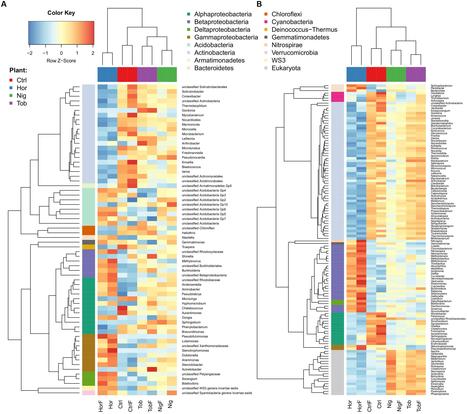
Plant-microbe interactions are of particular importance in polluted soils. This study sought to determine how selected plants (horseradish, black nightshade and tobacco) and NPK mineral fertilization shape the structure of soil microbial communities in legacy contaminated soil and the resultant impact of treatment on the soil microbial community functional potential. To explore these objectives, we combined shotgun metagenomics and 16S rRNA gene amplicon high throughput sequencing with data analysis approaches developed for RNA-seq. We observed that the presence of any of the selected plants rather than fertilization shaped the microbial community structure, and the microbial populations of the root zone of each plant significantly differed from one another and/or from the bulk soil, whereas the effect of the fertilizer proved to be insignificant. When we compared microbial diversity in root zones versus bulk soil, we observed an increase in the relative abundance of Alphaproteobacteria, Betaproteobacteria, Gammaproteobacteria or Bacteroidetes, taxa which are commonly considered copiotrophic. Our results thus align with the theory that fast-growing, copiotrophic, microorganisms which are adapted to ephemeral carbon inputs are enriched in the vegetated soil. Microbial functional potential indicated that some genetic determinants associated with signal transduction mechanisms, defense mechanisms or amino acid transport and metabolism differed significantly among treatments. Genetic determinants of these categories tend to be overrepresented in copiotrophic organisms. The results of our study further elucidate plant-microbe relationships in a contaminated environment with possible implications for the phyto/rhizoremediation of contaminated areas.
|
|
Scooped by
Jean-Michel Ané
July 7, 2016 11:52 AM
|
Community analyses of arbuscular mycorrhizal fungi (AMF) using ribosomal small subunit (SSU) or internal transcribed spacer (ITS) DNA sequences often suffer from low resolution or coverage. We developed a novel sequencing based approach for a highly resolving and specific profiling of AMF communities. We took advantage of previously established AMF-specific PCR primers that amplify a c. 1.5-kb long fragment covering parts of SSU, ITS and parts of the large ribosomal subunit (LSU), and we sequenced the resulting amplicons with single molecule real-time (SMRT) sequencing. The method was applicable to soil and root samples, detected all major AMF families and successfully discriminated closely related AMF species, which would not be discernible using SSU sequences. In inoculation tests we could trace the introduced AMF inoculum at the molecular level. One of the introduced strains almost replaced the local strain(s), revealing that AMF inoculation can have a profound impact on the native community. The methodology presented offers researchers a powerful new tool for AMF community analysis because it unifies improved specificity and enhanced resolution, whereas the drawback of medium sequencing throughput appears of lesser importance for low-diversity groups such as AMF.
|
|
Scooped by
Jean-Michel Ané
July 7, 2016 11:46 AM
|
Plus de 100 prix Nobel ont publiquement dénoncé les campagnes de Greenpeace contre les organismes génétiquement modifiés (OGM). Ils défendent en particulier le riz doré, qui pourrait permettre de sauver des centaines de milliers de personnes.
Cette fois, ils ont tapé du poing sur la table. Les campagnes de Greenpeace contre les Organismes génétiquement modifiés (OGM) vont trop loin. Particulièrement celles contre le riz doré. Et ce n'est rien moins que 110 prix Nobel qui l'affirment. Les lauréats, principalement en chimie, physique et médecine -mais aussi en économie, littérature et paix- ont décidé de dénoncer les agissements de l'ONG environnementale dans une lettre ouverte.
Et si une telle "alliance de cerveaux" est déjà un événement exceptionnel, leur colère à peine voilée et la violence de leurs accusations l'est encore davantage. "Nous appelons Greenpeace à cesser sa campagne contre les OGM et le riz doré (...) Combien de pauvres gens dans le monde doivent mourir avant que nous considérions cela comme un crime contre l'humanité?", écrivent-ils. Mais qu'est-ce que le riz doré exactement? Et pourquoi des scientifiques de haut vol sortent-ils ainsi de leurs gongs? De quel crime l'ONG s'est-elle rendu coupable?
|
|
Scooped by
Jean-Michel Ané
July 5, 2016 4:55 PM
|
The DNA replication and transcription machineries share a common DNA template and thus can collide with each other co-directionally or head-on1, 2. Replication–transcription collisions can cause replication fork arrest, premature transcription termination, DNA breaks, and recombination intermediates threatening genome integrity1, 2, 3, 4, 5, 6, 7, 8, 9, 10. Collisions may also trigger mutations, which are major contributors to genetic disease and evolution5, 7, 11. However, the nature and mechanisms of collision-induced mutagenesis remain poorly understood. Here we reveal the genetic consequences of replication–transcription collisions in actively dividing bacteria to be two classes of mutations: duplications/deletions and base substitutions in promoters. Both signatures are highly deleterious but are distinct from the previously well-characterized base substitutions in the coding sequence. Duplications/deletions are probably caused by replication stalling events that are triggered by collisions; their distribution patterns are consistent with where the fork first encounters a transcription complex upon entering a transcription unit. Promoter substitutions result mostly from head-on collisions and frequently occur at a nucleotide that is conserved in promoters recognized by the major σ factor in bacteria. This substitution is generated via adenine deamination on the template strand in the promoter open complex, as a consequence of head-on replication perturbing transcription initiation. We conclude that replication–transcription collisions induce distinct mutation signatures by antagonizing replication and transcription, not only in coding sequences but also in gene regulatory elements.
|