Your new post is loading...

|
Scooped by
Jean-Michel Ané
April 9, 2017 12:15 PM
|
Nutrient transfer is a key feature of the arbuscular mycorrhizal (AM) symbiosis. Valuable mineral nutrients are transferred from the AM fungus to the plant, increasing its fitness and productivity, and, in exchange, the AM fungus receives carbohydrates as an energy source from the plant. Here, we analyzed the transcriptome of the Populus trichocarpa–Rhizophagus irregularis symbiosis using RNA-sequencing of non-mycorrhizal or mycorrhizal fine roots, with a focus on the effect of nitrogen (N) starvation. In R. irregularis, we identified 1,015 differentially expressed genes, whereby N starvation led to a general induction of gene expression. Genes of the functional classes of cell growth, membrane biogenesis and cell structural components were highly abundant. Interestingly, N starvation also led to a general induction of fungal transporters, indicating increased nutrient demand upon N starvation. In non-mycorrhizal P. trichocarpa roots, 1,341 genes were differentially expressed under N starvation. Among the 953 down-regulated genes in N starvation, most were involved in metabolic processes including amino acids, carbohydrate and inorganic ion transport, while the 342 up-regulated genes included many defense-related genes. Mycorrhization led to the up-regulation of 549 genes mainly involved in secondary metabolite biosynthesis and transport; only 24 genes were down-regulated. Mycorrhization specifically induced expression of three ammonium transporters and one phosphate transporter, independently of the N conditions, corroborating the hypothesis that these transporters are important for symbiotic nutrient exchange. In conclusion, our data establish a framework of gene expression in the two symbiotic partners under high-N and low-N conditions.
|
|
Scooped by
Jean-Michel Ané
April 5, 2017 2:44 PM
|
Interactions between bacteria and roots are critical to the terrestrial ecosystem. The zone of soil immediately surrounding roots is known as the rhizosphere and the surface of the root the rhizoplane (1, 2). This region is of paramount importance to the growth and productivity of plants because it is the main area where they interact with an enormously complex microbial community, the microbiome. Soil may contain up to 104 bacterial species and 109 bacteria per g as well as a diverse archaeal and eukaryotic population (3, 4). Although the diversity of bacteria in the rhizosphere is less than in soil, it is much more active because it is under strong plant selection and has access to root exudation. Plants may release up to 20% of their photosynthate via their roots, which is critical in shaping and possibly farming the root microbiome. This microbiome consists of symbionts, commensals, and pathogens that will interact with roots, the soil, and one another to form a root holobiont that determines much of biological and agricultural productivity.
|
|
Scooped by
Jean-Michel Ané
April 4, 2017 2:02 PM
|
Globally, forests represent highly productive ecosystems that act as carbon sinks where soil organic matter is formed from residuals after biomass decomposition as well as from rhizodeposited carbon. Forests exhibit a high level of spatial heterogeneity and the importance of trees, the dominant primary producers, for their structure and functioning. Fungi, bacteria and archaea inhabit various forest habitats: foliage, the wood of living trees, the bark surface, ground vegetation, roots and the rhizosphere, litter, soil, deadwood, rock surfaces, invertebrates, wetlands or the atmosphere, each of which has its own specific features, such as nutrient availability or temporal dynamicy and specific drivers that affect microbial abundance, the level of dominance of bacteria or fungi as well as the composition of their communities. However, several microorganisms, and in particular fungi, inhabit or even connect multiple habitats, and most ecosystem processes affect multiple habitats. Forests are dynamic on a broad temporal scale with processes ranging from short-term events over seasonal ecosystem dynamics to long-term stand development after disturbances such as fires or insect outbreaks. The understanding of these processes can be only achieved by the exploration of the complex ‘ecosystem microbiome’ and its functioning using focused, integrative microbiological and ecological research performed across multiple habitats.
|
|
Scooped by
Jean-Michel Ané
April 4, 2017 1:56 PM
|
The phyllosphere supports a tremendous diversity of microbes and other organisms. However, little is known about the colonization and survival of pathogenic and beneficial bacteria alone or together in the phyllosphere across the whole plant life-cycle under herbivory, which hinders our ability to understand the role of phyllosphere bacteria on plant performance. We addressed these questions in experiments using four genetically and biogeographically diverse accessions of Arabidopsis thaliana, three ecologically important bacterial strains (Pseudomonas syringae DC3000, Xanthomonas campestris, both pathogens, and Bacillus cereus, plant beneficial) under common garden conditions that included fungus gnats (Bradysia spp.). Plants supported greater abundance of B. cereus over either pathogenic strain in the phyllosphere under such greenhouse conditions. However, the Arabidopsis accessions performed much better (i.e., early flowering, biomass, siliques, and seeds per plant) in the presence of pathogenic bacteria rather than in the presence of the plant beneficial B. cereus. As a group, the plants inoculated with any of the three bacteria (Pst DC3000, Xanthomonas, or Bacillus) all had a higher fitness than uninoculated controls under these conditions. These results suggest that the plants grown under the pressure of different natural enemies, such as pathogens and an herbivore together perform relatively better, probably because natural enemies induce host defense against each other. However, in general, a positive impact of Bacillus on plant performance under herbivory may be due to its plant-beneficial properties. In contrast, bacterial species in the mixture (all three together) performed poorer than as monocultures in their total abundance and host plant growth promotion, possibly due to negative interspecific interactions among the bacteria. However, bacterial species richness linearly promoted seed production in the host plants under these conditions, suggesting that natural enemies diversity may be beneficial from the host perspective. Collectively, these results highlight the importance of bacterial community composition on plant performance and bacterial abundance in the phyllosphere.
|
|
Scooped by
Jean-Michel Ané
April 4, 2017 1:46 PM
|
Microbiota are now widely recognized as being central players in the health of all organisms and ecosystems, and subsequently have been the subject of intense study. However, analyzing and converting microbiome data into meaningful biological insights remain very challenging. In this review, we highlight recent advances in network theory and their applicability to microbiome research. We discuss emerging graph theoretical concepts and approaches used in other research disciplines and demonstrate how they are well suited for enhancing our understanding of the higher-order interactions that occur within microbiomes. Network-based analytical approaches have the potential to help disentangle complex polymicrobial and microbe–host interactions, and thereby further the applicability of microbiome research to personalized medicine, public health, environmental and industrial applications, and agriculture.
|
|
Scooped by
Jean-Michel Ané
April 4, 2017 12:29 PM
|
The native range of the broadleaf evergreen Camellia japonica L. includes natural non-model ecosystems that have been largely overlooked in the investigation of the diversity of arbuscular mycorrhizal fungi (AMF). Despite a recent overview of the AMF assemblages associated in the naturalized range of C. japonica, no such survey has ever been carried out within the native range of this plant species. For this reason, we examined through 454 sequencing the diversity and structure of AMF assemblages in camellia roots and surrounding soil from four locations within the Shimane prefecture (Japan), a region that harbors native C. japonica trees. The specific objectives were as follows: (i) to evaluate the differences between the root-colonizing and the soil-dwelling AMF community through different measurements of diversity and (ii) to evaluate if and how deeply the small-scale environmental changes affect the structure of AMF assemblages.
We found that a large number of AMF (∼90%) could not be assigned to previously known phylotypes, suggesting the occurrence of several undescribed taxa. Diversity was generally higher in roots than in soil samples and the level of dominance was low. Almost 70% of soil-dwelling AMF were retrieved inside the roots and also community structure was very similar between the two niches. Most AMF clades/genera were infrequent and only Rhizophagus/Sclerocystis and Glomus sensu lato were very abundant in both root and soil samples. Above all, soil Fe and Mg content, soil C/N ratio, and the distance from the nearest source of saline water were consistently correlated with AMF community shifts at the local scale.
|
|
Scooped by
Jean-Michel Ané
April 4, 2017 12:27 PM
|
Background
Previous studies exploring sequence variation in the model legume, Medicago truncatula, relied on mapping short reads to a single reference. However, read-mapping approaches are inadequate to examine large, diverse gene families or to probe variation in repeat-rich or highly divergent genome regions. De novo sequencing and assembly of M. truncatula genomes enables near-comprehensive discovery of structural variants (SVs), analysis of rapidly evolving gene families, and ultimately, construction of a pan-genome.
Results
Genome-wide synteny based on 15 de novo M. truncatula assemblies effectively detected different types of SVs indicating that as much as 22% of the genome is involved in large structural changes, altogether affecting 28% of gene models. A total of 63 million base pairs (Mbp) of novel sequence was discovered, expanding the reference genome space for Medicago by 16%. Pan-genome analysis revealed that 42% (180 Mbp) of genomic sequences is missing in one or more accession, while examination of de novo annotated genes identified 67% (50,700) of all ortholog groups as dispensable – estimates comparable to recent studies in rice, maize and soybean. Rapidly evolving gene families typically associated with biotic interactions and stress response were found to be enriched in the accession-specific gene pool. The nucleotide-binding site leucine-rich repeat (NBS-LRR) family, in particular, harbors the highest level of nucleotide diversity, large effect single nucleotide change, protein diversity, and presence/absence variation. However, the leucine-rich repeat (LRR) and heat shock gene families are disproportionately affected by large effect single nucleotide changes and even higher levels of copy number variation.
Conclusions
Analysis of multiple M. truncatula genomes illustrates the value of de novo assemblies to discover and describe structural variation, something that is often under-estimated when using read-mapping approaches. Comparisons among the de novo assemblies also indicate that different large gene families differ in the architecture of their structural variation.
|
|
Scooped by
Jean-Michel Ané
April 4, 2017 12:23 PM
|
Feeding a growing world population amidst climate change requires optimizing the reliability, resource use, and environmental impacts of food production. One way to assist in achieving these goals is to integrate beneficial plant microbiomes—i.e., those enhancing plant growth, nutrient use efficiency, abiotic stress tolerance, and disease resistance—into agricultural production. This integration will require a large-scale effort among academic researchers, industry researchers, and farmers to understand and manage plant-microbiome interactions in the context of modern agricultural systems. Here, we identify priorities for research in this area: (1) develop model host–microbiome systems for crop plants and non-crop plants with associated microbial culture collections and reference genomes, (2) define core microbiomes and metagenomes in these model systems, (3) elucidate the rules of synthetic, functionally programmable microbiome assembly, (4) determine functional mechanisms of plant-microbiome interactions, and (5) characterize and refine plant genotype-by-environment-by-microbiome-by-management interactions. Meeting these goals should accelerate our ability to design and implement effective agricultural microbiome manipulations and management strategies, which, in turn, will pay dividends for both the consumers and producers of the world food supply.
|
|
Scooped by
Jean-Michel Ané
April 4, 2017 12:21 PM
|
Arbuscular mycorrhiza fungi (AMF) contribute to the secondary metabolism and production of active ingredients in aromatic and medicinal plants. This symbiotic association is particularly affected by the availability of phosphorus (P) in the soil. This study was conducted on Salvia officinalis L. using two inocula, commercial Symbivit and Septoglomus viscosum (syn. Glomus viscosum), alone or supplemented with two doses of actual P (0.03, 0.06 g kg−1). The effects of these fungi and their combinations with P were determined in relation to the growth of sage plants (Regula variety), to the concentration of P in leaf tissues, and to the quantity and quality of essential oils (EOs). S. viscosum treated plants showed better growth with or without P-supply compared to non-mycorrhizal plants. The plants inoculated with S. viscosum presented the highest dry weight regardless of addition of P. Both AM fungi increased the leaf P content as more P was applied to the soil, whereas the EO content did not change with any of the treatments. Although the EO yield slightly increased with the Symbivit treatment, the chemical composition of the oil was drastically altered by S. viscosum in which the manool was the main component (28.13%), while α-thujone decreased (13.09%). These results suggest that AM symbiosis is a good candidate for promoting plant growth and essential oil composition and for improving P uptake in low fertility soils. Thus, mycorrhiza can be considered as a sustainable strategy based on natural resources in order to influence the manool and α-thujone content in sage EO composition. These compositions are very important to develop new classes of biocides and contribute to reducing risks to both human health and the environment.
|
|
Scooped by
Jean-Michel Ané
April 4, 2017 12:14 PM
|
The leguminous inoculation with nodule-inducing bacteria that perform biological nitrogen fixation is a good example of an “eco-friendly agricultural practice”. Bradyrhizobium strains BR 3267 and BR 3262 are recommended for cowpea (Vigna unguiculata) inoculation in Brazil and showed remarkable responses; nevertheless neither strain was characterized at species level, which is our goal in the present work using a polyphasic approach. The strains presented the typical phenotype of Bradyrhizobium with a slow growth and a white colony on yeast extract-mannitol medium. Strain BR 3267 was more versatile in its use of carbon sources compared to BR 3262. The fatty acid composition of BR 3267 was similar to the type strain of Bradyrhizobium yuanmingense; while BR 3262 was similar to Bradyrhizobium elkanii and Bradyrhizobium pachyrhizi. Phylogenetic analyses based on 16S rRNA and three housekeeping genes placed both strains within the genus Bradyrhizobium: strain BR 3267 was closest to B. yuanmingense and BR 3262 to B. pachyrhizi. Genome average nucleotide identity (ANI) and DNA–DNA reassociation confirmed the genomic identification of B. yuanmingense BR 3267 and B. pachyrhizi BR 3262. The nodC and nifH gene analyses showed that strains BR 3267 and BR 3262 hold divergent symbiotic genes. In summary, the results indicate that cowpea can establish effective symbiosis with divergent bradyrhizobia isolated from Brazilian soils.
|
|
Scooped by
Jean-Michel Ané
April 4, 2017 12:09 PM
|
In the most studied rhizobium-legume interactions, the host plant supplies the symbiont with homocitrate, an essential co-factor of the nitrogenase enzyme complex, via the expression of a nodule-specific homocitrate synthase FEN1. Photosynthetic bradyrhizobia interacting with Nod factor (NF) dependent and NF-independent Aeschynomene legumes are able to synthesize homocitrate themselves as they contain a nifV gene encoding a homocitrate synthase. Here, we show that in the model strain ORS285, nifV is required for free-living and symbiotic dinitrogen fixation with NF-independent Aeschynomene species. In contrast, in symbiosis with NF-dependent Aeschynomene species, the nifV requirement for efficient nitrogen fixation was found to be host plant dependent. Interestingly, orthologs of FEN1 were found in both NF-dependent and NF-independent Aeschynomene species. However, a high nodule specific induction of FEN1 expression was only observed in A. afraspera, a host plant in which nifV is not required for symbiotic dinitrogen fixation. These data indicate that efficient symbiotic nitrogen fixation in many of the tested Aeschynomene species requires rhizobial homocitrate synthesis. Considering that more than 10% of the fully sequenced rhizobium strains do contain a nifV gene, the Aeschynomene/photosynthetic Bradyrhizobium interaction is likely not the only rhizobium/legume symbiosis where rhizobial nifV expression is required.
|
|
Scooped by
Jean-Michel Ané
April 4, 2017 12:01 PM
|
Arbuscular mycorrhizal fungi (AMF) are plant growth promoters that ameliorate plant-water relations and the nutrient uptake of wheat. In this work, two cultivars of Triticum spp., a bread and a durum wheat, grown under drought stress and inoculated or not by AMF, are evaluated through a shotgun proteomic approach. The AMF association had beneficial effects as compared to non-mycorrhizal roots, in both bread and durum wheat. The beneficial symbiosis was confirmed by measuring morphological and physiological traits. In our work, we identified 50 statistically differential proteins in the bread wheat cultivar and 66 differential proteins in the durum wheat cultivar. The findings highlighted a modulation of proteins related to sugar metabolism, cell wall rearrangement, cytoskeletal organization and sulphur-containing proteins, as well as proteins related to plant stress responses. Among differentially expressed proteins both cultivars evidenced a decrease in sucrose:fructan 6-fructosyltransferas. In durum wheat oxylipin signalling pathway was involved with two proteins: increased 12-oxo-phytodienoic acid reductase and decreased jasmonate-induced protein, both related to the biosynthesis of jasmonic acid. Interactome analysis highlighted the possible involvement of ubiquitin although not evidenced among differentially expressed proteins. The AMF association helps wheat roots reducing the osmotic stress and maintaining cellular integrity.
|
|
Scooped by
Jean-Michel Ané
April 4, 2017 11:56 AM
|
Maize roots can be colonized by free-living atmospheric nitrogen (N2)-fixing bacteria (diazotrophs). However, the agronomic potential of non-symbiotic N2-fixation in such an economically important species as maize, has still not been fully exploited. A preliminary approach to improve our understanding of the mechanisms controlling the establishment of such N2-fixing associations has been developed, using two maize inbred lines exhibiting different physiological characteristics. The bacterial-plant interaction has been characterized by means of a metabolomic approach. Two established model strains of Nif+ diazotrophic bacteria, Herbaspirillum seropedicae and Azospirillum brasilense and their Nif- couterparts defficient in nitrogenase activity, were used to evaluate the impact of the bacterial inoculation and of N2 fixation on the root and leaf metabolic profiles. The two N2-fixing bacteria have been used to inoculate two genetically distant maize lines (FV252 and FV2), already characterized for their contrasting physiological properties. Using a well-controlled gnotobiotic experimental system that allows inoculation of maize plants with the two diazotrophs in a N-free medium, we demonstrated that both maize lines were efficiently colonized by the two bacterial species. We also showed that in the early stages of plant development, both bacterial strains were able to reduce acetylene, suggesting that they contain functional nitrogenase activity and are able to efficiently fix atmospheric N2 (Fix+). The metabolomic approach allowed the identification of metabolites in the two maize lines that were representative of the N2 fixing plant-bacterial interaction, these included mannitol and to a lesser extend trehalose and isocitrate. Whilst other metabolites such as asparagine, although only exhibiting a small increase in maize roots following bacterial infection, were specific for the two Fix+ bacterial strains, in comparison to their Fix- counterparts. Moreover, a number of metabolites exhibited a maize-genotype specific pattern of accumulation, suggesting that the highly diverse maize genetic resources could be further exploited in terms of beneficial plant-bacterial interactions for optimizing maize growth, with reduced N fertilization inputs.
|
|
|
Scooped by
Jean-Michel Ané
April 7, 2017 1:23 PM
|
摘 要:丛枝菌根真菌(arbuscular mycorrhizal fungi,AMF)广泛存在于农业生态系统中,是土壤中重要的微生物成员之一,能与宿主形成共生体,对植物具有多种有益效应。AM真菌共生体可改善土壤理化性状,改善根围微生物区系,促进植物水分和养分吸收利用,提高植物抗氧化保护酶(SOD,POD,CAT,PPO,PAL)活性和抗氧化剂(谷胱甘肽和抗坏血酸)含量,增加渗透调节物质的含量,减少超氧自由基的产生,诱导信号物质和次生代谢物质产生,诱导植物防卫基因表达,从而促进植物对非生物逆境的抗性,降低逆境胁迫对植物造成的伤害。通过总结近年来国内外有关AM真菌提高宿主植物对干旱、盐、温度、重金属等非生物逆境抗性的研究进展,阐述了AM真菌提高植物抗逆性的作用机制,同时讨论了AM真菌在植物抗生物逆境领域的前景。
|
|
Scooped by
Jean-Michel Ané
April 4, 2017 2:05 PM
|
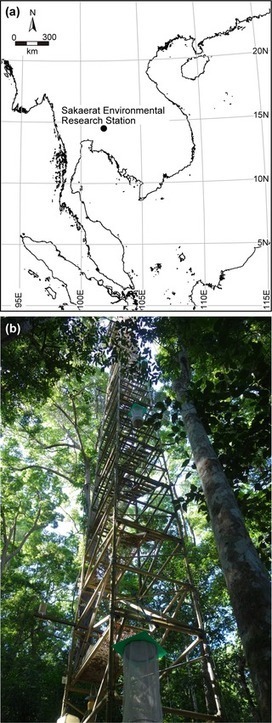
Phyllosphere fungi harbor a tremendous species diversity and play important ecological roles. However, little is known about their distribution patterns within forest ecosystems. We examined how species diversity and community composition of phyllosphere fungi change along a vertical structure in a tropical forest in Thailand. Fungal communities in 144 leaf samples from 19 vertical layers (1.28–34.4 m above ground) of 73 plant individuals (27 species) were investigated by metabarcoding analysis using Ion Torrent sequencing. In total, 1,524 fungal operational taxonomic units (OTUs) were detected among 890,710 reads obtained from the 144 leaf samples. Taxonomically diverse fungi belonging to as many as 24 orders of Ascomycota and 21 orders of Basidiomycota were detected, most of which inhabited limited parts of the lowest layers closest to the forest floor. Species diversity of phyllosphere fungi was the highest in the lowest layers closest to the forest floor, decreased with increasing height, and lowest in the canopy; 742 and 55 fungal OTUs were detected at the lowest and highest layer, respectively. On the layers close to the forest floor, phyllosphere fungal communities were mainly composed of low frequency OTUs and largely differentiated among plant individuals. Conversely, in the canopy, fungal communities consisted of similar OTUs across plant individuals, and as many as 86.1%–92.7% of the OTUs found in the canopy (≥22 m above ground) were also distributed in the lower layers. Overall, our study showed the variability of phyllosphere fungal communities along the vertical gradient of plant vegetation and environmental conditions, suggesting the significance of biotic and abiotic variation for the species diversity of phyllosphere fungi.
|
|
Scooped by
Jean-Michel Ané
April 4, 2017 1:58 PM
|
Soil microbial communities are enormously diverse, with at least millions of species and trillions of genes unknown to science or poorly described. Soil microbial communities are key components of agriculture, for example, in provisioning nitrogen and protecting crops from pathogens, providing overall ecosystem services in excess of $1000bn per year. It is important to know how humans are affecting this hidden diversity. Much is known about the negative consequences of agricultural intensification on higher organisms, but almost nothing is known about how alterations to landscapes affect microbial diversity, distributions and processes. We review what is known about spatial flows of microbes and their response to land-use change, and outline nine hypotheses to advance research of microbiomes across landscapes. We hypothesize that intensified agriculture selects for certain taxa and genes, which then ‘spill over’ into adjacent unmodified areas and generate a halo of genetic differentiation around agricultural fields. Consequently, the spatial configuration and management intensity of different habitats combines with the dispersal ability of individual taxa to determine the extent of spillover, which can impact the functioning of adjacent unmodified habitats. When landscapes are heterogeneous and dispersal rates are high, this will select for large genomes that allow exploitation of multiple habitats, a process that may be accelerated through horizontal gene transfer. Continued expansion of agriculture will increase genotypic similarity, making microbial community functioning increasingly variable in human-dominated landscapes, potentially also impacting the consistent provisioning of ecosystem services. While the resulting economic costs have not been calculated, it is clear that dispersal dynamics of microbes should be taken into consideration to ensure that ecosystem functioning and services are maintained in agri-ecosystem mosaics.
|
|
Scooped by
Jean-Michel Ané
April 4, 2017 1:54 PM
|
Plants in terrestrial and aquatic environments contain a diverse microbiome. Yet, the chloroplast and mitochondria organelles of the plant eukaryotic cell originate from free-living cyanobacteria and Rickettsiales. This represents a challenge for sequencing the plant microbiome with universal primers, as ~99% of 16S rRNA sequences may consist of chloroplast and mitochondrial sequences. Peptide nucleic acid clamps offer a potential solution by blocking amplification of host-associated sequences. We assessed the efficacy of chloroplast and mitochondria-blocking clamps against a range of microbial taxa from soil, freshwater and marine environments. While we found that the mitochondrial blocking clamps appear to be a robust method for assessing animal-associated microbiota, Proteobacterial 16S rRNA binds to the chloroplast-blocking clamp, resulting in a strong sequencing bias against this group. We attribute this bias to a conserved 14-bp sequence in the Proteobacteria that matches the 17-bp chloroplast-blocking clamp sequence. By scanning the Greengenes database, we provide a reference list of nearly 1500 taxa that contain this 14-bp sequence, including 48 families such as the Rhodobacteraceae, Phyllobacteriaceae, Rhizobiaceae, Kiloniellaceae and Caulobacteraceae. To determine where these taxa are found in nature, we mapped this taxa reference list against the Earth Microbiome Project database. These taxa are abundant in a variety of environments, particularly aquatic and semiaquatic freshwater and marine habitats. To facilitate informed decisions on effective use of organelle-blocking clamps, we provide a searchable database of microbial taxa in the Greengenes and Silva databases matching various n-mer oligonucleotides of each PNA sequence.
|
|
Scooped by
Jean-Michel Ané
April 4, 2017 12:31 PM
|
Bioinoculants serve as a promising, eco-friendly alternative to conventional chemical fertilizers and pesticides. While their direct positive effect on plant growth is well known, non-target effects of these agricultural amendments have so far not been extensively studied. The present study is an attempt to assess (a) the survival of Bacillus megaterium, Pseudomonas fluorescens and Azotobacter chroococcum in the rhizosphere of Cajanus cajan (pigeon pea), (b) the target effects of unconventional combinations of these bioinoculants on the crop, and (c) the non-target effects (on the resident soil microflora) of the bacterial supplements, when applied individually and in combination. Rifampicin-resistant strains were employed to follow the persistence of the bioinoculants in the rhizosphere. They could be detected until approximately two months after sowing. The effect of the bioinoculants in the field was assessed on various plant growth parameters. Triple inoculation competed well with chemical fertilizer with respect to plant growth parameters. Grain yield (kg ha−1) was 1.5- and 1.7-fold higher with mixed consortium and chemical fertilizer, respectively, than that of the untreated control. A cultivation-dependent approach was employed to assess important microbial groups in the plant rhizosphere. In a comparison of the treatments with bulk soil, a clear effect on the rhizosphere was apparent. Apart from the inoculation effect, pronounced changes in the microbial diversity were observed during plant development. At the vegetative stage, the mixed consortium showed increases of 1.08-, 1.22- and 4.2-fold in the abundance of nitrogen fixers, Pseudomonas and Actinomycetes, respectively, as compared to the untreated control. Additionally, the bioinoculants were found to be compatible with other groups of plant growth promoting rhizobacteria.
|
|
Scooped by
Jean-Michel Ané
April 4, 2017 12:29 PM
|
Climate change may alter mycorrhizal communities, which impact ecosystem characteristics such as carbon sequestration processes. These impacts occur at a greater magnitude in Arctic ecosystems, where the climate is warming faster than in lower latitudes. Cassiope tetragona (L.) D. Don is an Arctic plant species in the Ericaceae family with a circumpolar range. C. tetragona has been reported to form ericoid mycorrhizal (ErM) as well as ectomycorrhizal (ECM) symbioses. In this study, the fungal taxa present within roots of C. tetragona plants collected from Svalbard were investigated using DNA metabarcoding. In light of ongoing climate change in the Arctic, the effects of artificial warming by open-top chambers (OTCs) on the fungal root community of C. tetragona were evaluated. We detected only a weak effect of warming by OTCs on the root-associated fungal communities that was masked by the spatial variation between sampling sites. The root fungal community of C. tetragona was dominated by fungal groups in the Basidiomycota traditionally classified as either saprotrophic or ECM symbionts, including the orders Sebacinales and Agaricales and the genera Clavaria, Cortinarius, and Mycena. Only a minor proportion of the operational taxonomic units (OTUs) could be annotated as ErM-forming fungi. This indicates that C. tetragona may be forming mycorrhizal symbioses with typically ECM-forming fungi, although no characteristic ECM root tips were observed. Previous studies have indicated that some saprophytic fungi may also be involved in biotrophic associations, but whether the saprotrophic fungi in the roots of C. tetragona are involved in biotrophic associations remains unclear. The need for more experimental and microscopy-based studies to reveal the nature of the fungal associations in C. tetragona roots is emphasized.
|
|
Scooped by
Jean-Michel Ané
April 4, 2017 12:26 PM
|
A core interest in studies of mutualistic interactions is the ‘effectiveness’ of mutualists in providing benefits to their partners. In plant-animal mutualisms it is widely accepted that the total effect of a mutualist on its partner is estimated as (1) a ‘quantity’ component multiplied by (2) a ‘quality’ component, although the meanings of ‘effectiveness,’ ‘quantity,’ and ‘quality’ and which terms are applied to these metrics vary greatly across studies. In addition, a similar quantity × quality = total effect approach has not been applied to other types of mutualisms, although it could be informative. Lastly, when a total effect approach has been applied, it has invariably been from a phytocentric perspective, focussing on the effects of animal mutualists on their plant partner. This lack of a common framework of ‘effectiveness’ of mutualistic interactions limits generalisation and the development of a broader understanding of the ecology and evolution of mutualisms. In this paper, we propose a general framework and demonstrate its utility by applying it to both partners in five different types of mutualisms: pollination, seed dispersal, plant protection, rhizobial, and mycorrhizal mutualisms. We then briefly discuss the flexibility of the framework, potential limitations, and relationship to other approaches.
|
|
Scooped by
Jean-Michel Ané
April 4, 2017 12:21 PM
|
Crop inoculation with arbuscular mycorrhizal fungi (AMF) is a promising option to increase plant yield. However, in most cases, the inoculated strains could not be traced in the field and their contribution to root colonization separated from native AMF. Therefore, there is no clear indication that growth promotion is strictly related to the inoculated isolates. Here, Rhizophagus irregularis MUCL 41833 was inoculated on three potato cultivars (Bintje, Nicola, Charlotte) under field conditions in Belgium. Inoculum was encapsulated into alginate beads and mycorrhizal infective potential (MIP) estimated with a dose-response relationship under greenhouse conditions before field experiment. Mitochondrial Large SubUnit (mtLSU) of inoculated R. irregularis MUCL 41833 was characterized to design haplotype- (inoculated R. irregularis haplotype) and species-specific (native or inoculated R. irregularis) markers. The magnitude of detection of the markers, determined by Real-Time quantitative PCR, was linked to the stage of colonization of potato cv. Bintje grown under greenhouse conditions. Under field conditions, the inoculant R. irregularis MUCL 41833 was detected at a very low level (between 10−5 and 10−7 ng/ ng total DNA) in a marginal number of plants, in contrast to native R. irregularis strains that were detected at higher levels (between 10−4 and 10−6 ng/ ng total DNA) in all plants of the three cultivars. This suggested that the inoculated strain was almost absent in the plants due either to the environmental conditions, competition with indigenous AMF or inadequate placement of inoculum. This was corroborated by the absence of growth promotion and differences in root colonization between inoculated versus non-inoculated potato plants. This study validated the mtLSU markers to detect/trace and quantify AMF inoculants as native strains in plants grown under field conditions and further supported that potato cultivars in the same field conditions differed in root colonization.
|
|
Scooped by
Jean-Michel Ané
April 4, 2017 12:14 PM
|
Breeding for high symbiotic nitrogen (N) fixation (SNF) in common bean (Phaseolus vulgaris L.) is expected to contribute to reduced application of chemical fertilizers in cropping systems involving common bean. The magnitude of variation and the genetic and phenotypic correlation among seed yield, SNF, estimated as the percentage of nitrogen derived from atmosphere, and related traits were studied in a population of 140 F4-derived F5 recombinant inbred lines, developed from a cross between low- and high-SNF bean genotypes ‘Sanilac’ and ‘Mist’, respectively. The experiment was conducted in a total of five location-years in Ontario, Canada, from 2011 to 2013. These location-years were grouped into stress- and optimum moisture test sites, based on the total precipitation during the growing season. In each test site two nitrogen supply management strategies, SNF-dependent and N fertilizer-dependent, were simulated separately in the field by inoculating the seed with a commercial Rhizobium leguminosarum bv. phaseoli and by application of N fertilizers at 100 kg ha−1, respectively. The genetic variation was significant for seed yield, SNF and related traits. The heritability of the traits ranged from 14 to 71% and 4 to 25% in optimum moisture and in stress environments, respectively. No significant correlation between SNF and seed yield indicated that selection for high SNF does not necessarily lead to greater seed yield and that selection for both traits should be performed simultaneously.
|
|
Scooped by
Jean-Michel Ané
April 4, 2017 12:10 PM
|
A sustainable alternative to improve yield and the nutritive value of forage is the use of plant growth-promoting bacteria (PGPB) that release nutrients, synthesize plant hormones and protect against phytopathogens (among other mechanisms). Azospirillum genus is considered an important PGPB, due to the beneficial effects observed when inoculated in several plants. The aim of this study was to evaluate the diversity of new Azospirillum isolates and select bacteria according to the plant growth promotion ability in three forage species from the Brazilian Pantanal floodplain: Axonopus purpusii, Hymenachne amplexicaulis and Mesosetum chaseae. The identification of bacterial isolates was performed using specific primers for Azospirillum in PCR reactions and partial sequencing of the 16S rRNA and nifH genes. The isolates were evaluated in vitro considering biological nitrogen fixation (BNF) and indole-3-acetic acid (IAA) production. Based on the results of BNF and IAA, selected isolates and two reference strains were tested by inoculation. At 31 days after planting the plant height, shoot dry matter, shoot protein content and root volume were evaluated. All isolates were able to fix nitrogen and produce IAA, with values ranging from 25.86 to 51.26 mg N mL−1 and 107–1038 µmol L−1, respectively. The inoculation of H. amplexicaulis and A. purpusii increased root volume and shoot dry matter. There were positive effects of Azospirillum inoculation on Mesosetum chaseae regarding plant height, shoot dry matter and root volume. Isolates MAY1, MAY3 and MAY12 were considered promising for subsequent inoculation studies in field conditions.
|
|
Scooped by
Jean-Michel Ané
April 4, 2017 12:02 PM
|
Understanding the effects of different agricultural practices on the mycorrhizal symbiosis is important for agricultural production and the sustainable use of soil. We investigated the composition and diversity of arbuscular mycorrhizal fungi (AMF) in soils from fields under different agricultural practices (conventional and organic cereal fields, leys and permanent pastures) in southern Sweden. The diversity of AMF was found to be greatest in permanent pastures, corroborating evidence that agricultural practices such as tillage impair AMF diversity. Neither geographical location nor soil type nor any of the major soil characteristics we measured impacted AMF diversity or community composition. AMF community composition was significantly affected by the different agricultural practices, particularly conventional management, which reduced AMF diversity. Of the cereal fields sampled, those under organic management held the greatest AMF diversity, and in a glasshouse experiment this greater diversity was positively related to barley phosphorus uptake and grain biomass production. Our results demonstrate the impact of different agricultural practices on AMF communities. In particular, we demonstrate the ability of organic farming to sustain greater AMF diversity relative to conventional farming, and the potential importance of this increased diversity for sustainable cereal production.
|
|
Scooped by
Jean-Michel Ané
April 4, 2017 12:00 PM
|
A unique case of microbial symbiont capable of dormancy within its living host cells has been reported in actinorhizal symbioses. Some Frankia strains, named Sp+, are able to sporulate inside plant cells, contrarily to Sp− strains. The presence of metabolically slowed-down bacterial structures in host cells alters our understanding of symbiosis based on reciprocal benefits between both partners, and its impact on the symbiotic processes remains unknown. The present work reports a metabolomic study of Sp+ and Sp− nodules (from Alnus glutinosa), in order to highlight variabilities associated with in-planta sporulation. A total of 21 amino acids, 44 sugars and organic acids, and 213 secondary metabolites were detected using UV and mass spectrometric–based profiling. Little change was observed in primary metabolites, suggesting that in-planta sporulation would not strongly affect the primary functionalities of the symbiosis. One secondary metabolite (M27) was detected only in Sp+ nodules. It was identified as gentisic acid 5-O-β-d-xylopyranoside, previously reported as involved in plant defenses against microbial pathogens. This metabolite significantly increased Frankia in-vitro sporulation, unlike another metabolite significantly more abundant in Sp− nodules [M168 = (5R)-1,7-bis-(3,4-dihydroxyphenyl)-heptane-5-O-β-d-glucopyranoside]. All these results suggest that the plant could play an important role in the Frankia ability to sporulate in planta and allow us to discuss a possible sanction emitted by the host against less cooperative Sp+ symbionts.
|


 Scoop.it!