Rhizobia are soil bacteria able to form symbioses with legumes and fix atmospheric nitrogen, converting it into a form that can be assimilated by the plant. The biological nitrogen fixation is a possible strategy to reduce the environmental pollution caused by the use of chemical N-fertilizers in agricultural fields. Successful colonization of the host root by free-living rhizobia requires that these bacteria are able to deal with adverse conditions in the soil, in addition to stresses that may occur in their endosymbiotic life inside the root nodules. Stress response genes, such as otsAB, groEL, clpB, rpoH play an important role in tolerance of free-living rhizobia to different environmental conditions and some of these genes have been shown to be involved in the symbiosis. This review will focus on stress response genes that have been reported to improve the symbiotic performance of rhizobia with their host plants. For example, chickpea plants inoculated with a Mesorhizobium strain modified with extra copies of the groEL gene showed a symbiotic effectiveness approximately 1.5 fold higher than plants inoculated with the wild-type strain. Despite these promising results, more studies are required to obtain highly efficient and tolerant rhizobia strains, suitable for different edaphoclimatic conditions, to be used as field inoculants.
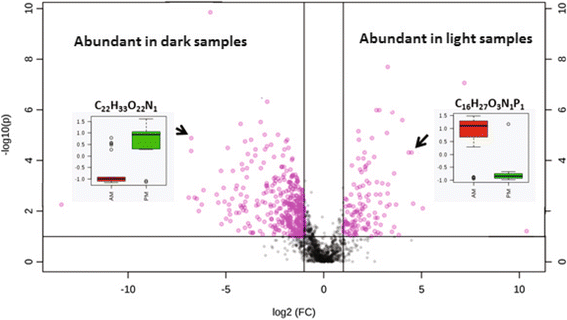
The circadian clock regulates plant metabolic functions and is an important component in plant health and productivity. Rhizosphere bacteria play critical roles in plant growth, health, and development and are shaped primarily by soil communities. Using Illumina next-generation sequencing and high-resolution mass spectrometry, we characterized bacterial communities of wild-type (Col-0) Arabidopsis thaliana and an acyclic line (OX34) ectopically expressing the circadian clock-associated cca1 transcription factor, relative to a soil control, to determine how cycling dynamics affected the microbial community. Microbial communities associated with Brachypodium distachyon (BD21) were also evaluated. Significantly different bacterial community structures (P = 0.031) were observed in the rhizosphere of wild-type plants between light and dark cycle samples. Furthermore, 13% of the community showed cycling, with abundances of several families, including Burkholderiaceae, Rhodospirillaceae, Planctomycetaceae, and Gaiellaceae, exhibiting fluctuation in abundances relative to the light cycle. However, limited-to-no cycling was observed in the acyclic CCAox34 line or in soil controls. Significant cycling was also observed, to a lesser extent, in Brachypodium. Functional gene inference revealed that genes involved in carbohydrate metabolism were likely more abundant in near-dawn, dark samples. Additionally, the composition of organic matter in the rhizosphere showed a significant variation between dark and light cycles. The results of this study suggest that the rhizosphere bacterial community is regulated, to some extent, by the circadian clock and is likely influenced by, and exerts influences, on plant metabolism and productivity. The timing of bacterial cycling in relation to that of Arabidopsis further suggests that diurnal dynamics influence plant-microbe carbon metabolism and exchange. Equally important, our results suggest that previous studies done without relevance to time of day may need to be reevaluated with regard to the impact of diurnal cycles on the rhizosphere microbial community.
Legume roots form two types of post-embryonic organs, lateral roots and symbiotic nodules. Nodule formation is the result of the interaction of legumes with rhizobia, and requires the mitotic activation and differentiation of root cells, as well as an independent, but coordinated, program that allows infection by rhizobia. MicroRNA390 (miR390) is an evolutionarily conserved miRNA that targets the non-coding Trans Acting Short Interference RNA3 (TAS3). Cleavage of TAS3 by ARGONAUTE7 results in the production of tasiRNAs, which target mRNAs encoding the AUXIN RESPONSE FACTOR 2 (ARF2), ARF3 and ARF4. Here, we show that activation of the miR390/TAS3 regulatory module by overexpression of miR390 in Medicago truncatula promotes lateral root growth, but prevents nodule organogenesis, rhizobial infection and the induction of two key nodulation genes, the Nodulation signaling Pathway 1 (NSP1) and NSP2. Accordingly, inactivation of the miR390/TAS3 module, either by expression of a miR390 target mimicry construct or mutations in ARGONAUTE7, enhances nodulation and rhizobial infection, alters the spatial distribution of the nodules and increases the percentage of nodules with multiple meristems. Our results revealed a key role of the miR390/TAS3 pathway in legumes as a modulator of lateral root organs, playing opposite roles in lateral root and nodule development.
Motivation: Venn and Euler diagrams are a popular yet inadequate solution for quantitative visualization of set intersections. A scalable alternative to Venn and Euler diagrams for visualizing intersecting sets and their properties is needed. Results: We developed UpSetR, an open source R package that employs a scalable matrix-based visualization to show intersections of sets, their size, and other properties. Availability: UpSetR is available at https://github.com/hms-dbmi/UpSetR/ and released under the MIT License. A Shiny app is available at https://gehlenborglab.shinyapps.io/upsetr/
Paleoecologists have speculated that post-glacial migration of tree species could have been facilitated by mycorrhizal symbionts surviving glaciation as resistant propagules belowground. The general premise of this idea, which we call the ‘paleosymbiosis hypothesis’, is that host plants can access and be colonised by fungal root symbionts that have been inactive for millennia. Here, we explore the plausibility of this hypothesis by synthesising relevant findings from a diverse literature. For example, the paleoecology literature provided evidence of modern roots penetrating paleosols containing ancient (>6000 years) fungal propagules, though these were of unknown condition. With respect to propagule longevity, the available evidence is of mixed quality, but includes convincing examples consistent with the paleosymbiosis hypothesis (i.e. >1000 years viable propagules). We describe symbiont traits and environmental conditions that should favour the development and preservation of an ancient propagule bank, and discuss the implications for our understanding of soil symbiont diversity and ecosystem functioning. We conclude that the paleosymbiosis hypothesis is plausible in locations where propagule deposition and preservation conditions are favourable (e.g. permafrost regions). We encourage future belowground research to consider and explore the potential temporal origins of root symbioses.
Studies with model plants such as Arabidopsis thaliana have revealed that phytohormones are central regulators of plant defense. The intricate network of phytohormone signaling pathways enables plants to activate appropriate and effective defense responses against pathogens as well as to balance defense and growth. The timing of the evolution of most phytohormone signaling pathways seems to coincide with the colonization of land, a likely requirement for plant adaptations to the more variable terrestrial environments, which included the presence of pathogens. In this review, we explore the evolution of defense hormone signaling networks by combining the model plant-based knowledge about molecular components mediating phytohormone signaling and cross talk with available genome information of other plant species.Wehighlight conserved hubs in hormone cross talk and discuss evolutionary advantages of defense hormone cross talk. Finally, we examine possibilities of engineering hormone cross talk for improvement of plant fitness and crop production.
After a century of incremental research, technological advances, coupled with a need for sustainable crop yield increases, have reinvigorated the study of beneficial plant–microbe interactions with attention focused on how microbiomes alter plant phenotypes. We review recent advances in plant microbiome research, and describe potential applications for increasing crop productivity. The phylogenetic diversity of plant microbiomes is increasingly well characterized, and their functional diversity is becoming more accessible. Large culture collections are available for controlled experimentation, with more to come. Genetic resources are being brought to bear on questions of microbiome function. We expect that microbial amendments of varying complexities will expose rules governing beneficial plant–microbe interactions contributing to plant growth promotion and disease resistance, enabling more sustainable agriculture.
To detect potential pathogens, plants perceive the fungal polysaccharide chitin through receptor complexes containing lysin motif receptor-like kinases (LysM-RLKs). To investigate the ligand-induced spatial dynamics of chitin receptor components, we studied the subcellular behaviour of two Arabidopsis thaliana LysM-RLKs involved in chitin signalling, CHITIN ELICITOR RECEPTOR KINASE1 (CERK1) and LYSIN MOTIF-CONTAINING RECEPTOR-LIKE KINASE5. We performed standard and quantitative confocal laser scanning microscopy on stably transformed A. thaliana plants expressing fluorescently tagged CERK1 and LYK5 from their native promoters. Microscopy approaches were complemented by biochemical analyses in plants and in vitro. Both CERK1 and LYK5 localized to the plasma membrane and showed constitutive endomembrane trafficking. After chitin treatment, however, CERK1 remained at the plasma membrane while LYK5 relocalized into mobile intracellular vesicles. Detailed analyses revealed that chitin perception transiently induced the internalization of LYK5 into late endocytic compartments. Plants that lacked CERK1 or expressed an enzymatically inactive CERK1 variant did not exhibit chitin-induced endocytosis of LYK5. CERK1 could phosphorylate LYK5 in vitro and chitin treatment induced CERK1-dependent phosphorylation of LYK5 in planta. Our results suggest that chitin-induced phosphorylation by CERK1 triggers LYK5 internalization. Thus, our work identifies phosphorylation as a key regulatory step in endocytosis of plant RLKs and also provides evidence for receptor complex dissociation after ligand perception.
Most fungi are known to synthesize siderophores under iron limitation. However, arbuscular mycorrhizal fungi (AM fungi) have so far not been reported to produce siderophores, although their metabolism is iron-dependent. In an approach to isolate siderophores from AM fungi, we have grown plants of Tagetes patula nana in the presence of spores from AM fungi of the genus Glomus (G. etunicatum, G. mossae & unidentified Glomus sp.) symbiotically under iron limitation and sterile conditions. A siderophore was isolated from infected roots after 2-3 weeks of growth in pots containing low-iron sand with Hoagland solution. HPLC analysis of the root cell lysate revealed a peak at a retention time of 6.7 min which showed iron-binding properties in a chrome azurol S test. The compound was isolated by preparative HPLC and the structure was determined by high resolution electrospray FTICR-MS and GC/MS analysis of the hydrolysis products. From an observed absolute mass to charge ratio (m/z) of 401.11925 [M+H]+ with a relative mass error of ∆ = 0.47 ppm an elemental composition of C16H21N2O10 [M+H]+ was derived, suggesting a molecular weight of 400 Da for glomuferrin. Corresponnding ion masses of m/z 423.10 and m/z 439.06 were asigned to the Na-adduct and K-adduct respectively. A mass of 455.03836 confirmed an Fe- complex with an elemental composition of C16H19N2O10Fe (∆ = 0.15 ppm). GC/MS analysis of the HCl lysate (6 N HCL, 12 h) revealed 1,4 butanediamine. Thus the proposed structure of the isolated siderophore from Glomus species consisted of 1,4 butanediamine amidically linked to two dehydrated citrate residues, similar to the previously identified bis-amidorhizoferrin. Thus, the isolated siderophore (glomuferrin) is a member of the rhizoferrin family previously isolated from fungi of the Mucorales (Zygomycetes).
Suppression of host innate immunity appears to be required for the establishment of symbiosis between rhizobia and host plants. In this study, we established a system that included a host plant, a bacterial pathogen and a symbiotic rhizobium to study the role of innate immunity during symbiotic interactions. A pathogenic bacterium, Pseudomonas syringae pv. tomato strain DC3000 (Pst DC3000), was shown to cause chlorosis in Medicago truncatula A17. Sinorhizobium meliloti strain Sm2011 (Sm2011) and Pst DC3000 strain alone induced similar defense responses in M. truncatula. However, when co-inoculated, Sm2011 specifically suppressed the defense responses induced by Pst DC3000, such as MAPK activation and ROS production. Inoculation with Sm2011 suppressed the transcription of defense-related genes triggered by Pst DC3000 infection, including the receptor of bacterial flagellin (FLS2), pathogenesis-related protein 10 (PR10), and the transcription factor WRKY33. Interestingly, inoculation with Pst DC3000 specifically inhibited the expression of the symbiosis marker genes nodule inception and nodulation pectate lyase and reduced the numbers of infection threads and nodules on M. truncatula A17 roots, indicating that Pst DC3000 inhibits the establishment of symbiosis in M. truncatula. In addition, defense-related genes, such as MAPK3/6, RbohC, and WRKY33, exhibited a transient increase in their expression in the early stage of symbiosis with Sm2011, but the expression dropped down to normal levels at later symbiotic stages. Our results suggest that plant innate immunity plays an antagonistic role in symbiosis by directly reducing the numbers of infection threads and nodules.
Most plants entertain mutualistic interactions known as arbuscular mycorrhiza (AM) with soil fungi (Glomeromycota) which provide them with mineral nutrients in exchange for reduced carbon from the plant. Mycorrhizal roots represent strong carbon sinks in which hexoses are transferred from the plant host to the fungus. However, most of the carbon in AM fungi is stored in the form of lipids. The absence of the type I fatty acid synthase (FAS-I) complex from the AM fungal model species Rhizophagus irregularis suggests that lipids may also have a role in nutrition of the fungal partner.
Reciprocal nutrient exchange between the majority of land plants and arbucular mycorrhizal (AM) fungi is the cornerstone of a stable symbiosis. To date, a dogma in the comprehension of AM fungal nourishment has been delivery of host organic carbon in the form of sugars. More recently a role for lipids as alternative carbon source or as a signalling molecule during AM symbiosis was proposed. Here we review the symbiotic requirement for carbohydrates and lipids across developmental stages of the AM symbiosis. We present a role for carbohydrate metabolism and signalling to maintain intraradical fungal growth, as opposed to lipid uptake at the arbuscule as an indispensible requirement for completion of the AM fungal life cycle.
Arbuscules are tree-shaped fungal structures inside plant root cells that facilitate the exchange of nutrients delivered by the fungus with carbon sources from the host. To maintain symbiotic efficiency, plant cells can trigger degeneration of underperforming arbuscules. A recent study reveals the first transcription factor, which induces genes encoding hydrolytic enzymes, to mediate arbuscule degeneration.
Avant de découvrir cet univers incroyable, je vais vous présenter une troupe, New Science, qui propose des comédies musicales improvisées, à partir d’un thème scientifique.
Plants engineer the rhizosphere to their advantage by secreting various nutrients and secondary metabolites. Coupling transcriptomic and metabolomic analyses of the pea (Pisum sativum) rhizosphere, a suite of bioreporters has been developed in Rhizobium leguminosarum bv viciae strain 3841, and these detect metabolites secreted by roots in space and time. Fourteen bacterial lux fusion bioreporters, specific for sugars, polyols, amino acids, organic acids, or flavonoids, have been validated in vitro and in vivo. Using different bacterial mutants (nodC and nifH), the process of colonization and symbiosis has been analyzed, revealing compounds important in the different steps of the rhizobium-legume association. Dicarboxylates and sucrose are the main carbon sources within the nodules; in ineffective (nifH) nodules, particularly low levels of sucrose were observed, suggesting that plant sanctions affect carbon supply to nodules. In contrast, high myo-inositol levels were observed prior to nodule formation and also in nifH senescent nodules. Amino acid biosensors showed different patterns: a γ-aminobutyrate biosensor was active only inside nodules, whereas the phenylalanine bioreporter showed a high signal also in the rhizosphere. The bioreporters were further validated in vetch (Vicia hirsuta), producing similar results. In addition, vetch exhibited a local increase of nod gene-inducing flavonoids at sites where nodules developed subsequently. These bioreporters will be particularly helpful in understanding the dynamics of root exudation and the role of different molecules secreted into the rhizosphere.
Genome-Wide Association Studies (GWAS) in microbial organisms have the potential to vastly improve the way we understand, manage, and treat infectious diseases. Yet, GWAS methods established thus far remain insufficiently able to capitalise on the growing wealth of bacterial and viral genetic sequence data. Facing clonal population structure and homologous recombination, existing GWAS methods struggle to achieve both the precision necessary to reject spurious findings and the power required to detect associations in microbes. In this paper, we introduce a novel phylogenetic approach that has been tailor-made for microbial GWAS, which is applicable to organisms ranging from purely clonal to frequently recombining, and to both binary and continuous phenotypes. Our approach is robust to the confounding effects of both population structure and recombination, while maintaining high statistical power to detect associations. Thorough testing via application to simulated data provides strong support for the power and specificity of our approach and demonstrates the advantages offered over alternative cluster-based and dimension-reduction methods. Two applications to Neisseria meningitidis illustrate the versatility and potential of our method, confirming previously-identified penicillin resistance loci and resulting in the identification of both well-characterised and novel drivers of invasive disease. Our method is implemented as an open-source R package called treeWAS which is freely available at https://github.com/caitiecollins/treeWAS.
Bread wheat (Triticum aestivum) is a major staple food and therefore of prime importance for feeding the Earth's growing population. Mycorrhiza is known to improve plant growth, but although extensive knowledge concerning the interaction between mycorrhizal fungi and plants is available, genotypic differences concerning the ability of wheat to form mycorrhizal symbiosis and quantitative trait loci (QTLs) involved in mycorrhization are largely unknown. Therefore, a diverse set of 94 bread wheat genotypes was evaluated with regard to root colonization by arbuscular mycorrhizal fungi. In order to identify genomic regions involved in mycorrhization, these genotypes were analyzed using the wheat 90k iSelect chip, resulting in 17 823 polymorphic mapped markers, which were used in a genome-wide association study. Significant genotypic differences (P < 0.0001) were detected in the ability to form symbiosis and 30 significant markers associated with root colonization, representing six QTL regions, were detected on chromosomes 3A, 4A and 7A, and candidate genes located in these QTL regions were proposed. The results reported here provide key insights into the genetics of root colonization by mycorrhizal fungi in wheat.
B vitamins play essential roles in central metabolism. These organic water-soluble molecules act as, or as part of, coenzymes within the cell. Unlike land plants, many eukaryotic algae are auxotrophic for certain B vitamins. Recent progress in algal genetic resources and environmental chemistry have promoted a renewal of interest in the role of vitamins in governing phytoplankton dynamics, and illuminated amazing versatility in phytoplankton vitamin metabolism. Accumulating evidence demonstrates metabolic complexity in the production and bioavailability of different vitamin forms, coupled with specialized acquisition strategies to salvage and remodel vitamin precursors. Here, I describe recent advances and discuss how they redefine our view of the way in which vitamins are cycled in aquatic ecosystems and their importance in structuring phytoplankton communities.
The innate immune system of plants recognizes microbial pathogens and terminates their growth. However, recent findings suggest that at least one layer of this system is also engaged in cooperative plant-microbe interactions and influences host colonization by beneficial microbial communities. This immune layer involves sensing of microbe-associated molecular patterns (MAMPs) by pattern recognition receptors (PRRs) that initiate quantitative immune responses to control host-microbial load, whereas diversification of MAMPs and PRRs emerges as a mechanism that locally sculpts microbial assemblages in plant populations. This suggests a more complex microbial management role of the innate immune system for controlled accommodation of beneficial microbes and in pathogen elimination. The finding that similar molecular strategies are deployed by symbionts and pathogens to dampen immune responses is consistent with this hypothesis but implies different selective pressures on the immune system due to contrasting outcomes on plant fitness. The reciprocal interplay between microbiota and the immune system likely plays a critical role in shaping beneficial plant-microbiota combinations and maintaining microbial homeostasis.
Phosphate (Pi) deficiency is known to be a major limitation for symbiotic nitrogen fixation (SNF), and hence legume crop productivity globally. However, very little information is available on the adaptive mechanisms, particularly in the important legume crop chickpea (Cicer arietinum L.), which enable nodules to respond to low-Pi availability. Thus, to elucidate these mechanisms in chickpea nodules at molecular level, we used an RNA sequencing approach to investigate transcriptomes of the nodules in Mesorhizobium mediterraneum SWRI9-(MmSWRI9)-chickpea and M. ciceri CP-31-(McCP-31)-chickpea associations under Pi-sufficient and -deficient conditions, of which the McCP-31-chickpea association has a better SNF capacity than the MmSWRI9-chickpea association during Pi starvation. Our investigation revealed that more genes showed altered expression patterns in MmSWRI9-induced nodules than in McCP-31-induced nodules (540 vs. 225) under Pi deficiency, suggesting that the Pi-starvation-more-sensitive MmSWRI9-induced nodules required expression change in a larger number of genes to cope with low-Pi stress than the Pi-starvation-less-sensitive McCP-31-induced nodules. The functional classification of differentially expressed genes (DEGs) was examined to gain an understanding of how chickpea nodules respond to Pi starvation, caused by soil Pi deficiency. As a result, more DEGs involved in nodulation, detoxification, nutrient/ion transport, transcriptional factors, key metabolic pathways, Pi remobilization and signalling were found in Pi-starved MmSWRI9-induced nodules than in Pi-starved McCP-31-induced nodules. Our findings have enabled the identification of molecular processes that play important roles in the acclimation of nodules to Pi deficiency, ultimately leading to the development of Pi-efficient chickpea symbiotic associations suitable for Pi-deficient soils.
• Beneficial microbes modulate host-signaling pathways using effectors. • Rhizobia use the similar effectors as pathogenic bacteria to suppress host defenses. • Rhizobial effectors can hijack leguminous nodulation signaling.
Beneficial microbes such as rhizobia possess effector proteins that are secreted into the host cytoplasm where they modulate host-signaling pathways. Among these effectors, type 3 secreted effectors (T3Es) of rhizobia play roles in promoting nitrogen-fixing nodule symbiosis, suppressing host defenses and directly activating symbiosis-related processes. Rhizobia use the same strategy as pathogenic bacteria to suppress host defenses such as targeting the MAPK cascade. In addition, rhizobial T3E can promote root nodule symbiosis by directly activating Nod factor signaling, which bypasses Nod factor perception. The various strategies employed by beneficial microbes to promote infection and maintain viability in the host are therefore crucial for plant endosymbiosis.
We know it sounds crazy, but hear us out: trees actually are speaking to each other. Trees use a vast underground network to send each other nutrients, an
Nous savons aujourd’hui que les microbes ne doivent plus seulement être associés aux maladies ou à la décomposition. Au contraire, ils jouent un rôle en tous points essentiel : tous les organismes vivants, végétaux ou animaux, dépendent intimement de microbes qui contribuent à leur nutrition, leur développement, leur immunité ou même leur comportement. Toujours pris dans un réseau d’interactions microbiennes, ces organismes ne sont donc… jamais seuls. Au fil d’un récit foisonnant d’exemples et plein d’esprit, Marc-André Selosse nous conte cette véritable révolution scientifique. Détaillant d’abord de nombreuses symbioses qui associent microbes et plantes, il explore les propriétés nouvelles qui en émergent et modifient le fonctionnement de chaque partenaire. Il décrypte ensuite les extraordinaires adaptations symbiotiques des animaux, qu’ils soient terrestres ou sous-marins. Il décrit nos propres compagnons microbiens – le microbiote humain – et leurs contributions, omniprésentes et parfois inattendues. Enfin, il démontre le rôle des symbioses microbiennes au niveau des écosystèmes, de l’évolution de la vie, et des pratiques culturelles et alimentaires qui ont forgé les civilisations. Destiné à tous les publics, cet ouvrage constitue une mine d’informations pour les naturalistes, les enseignants, les médecins et pharmaciens, les agriculteurs, les amis des animaux et, plus généralement, tous les curieux du vivant. À l’issue de ce périple dans le monde microbien, le lecteur, émerveillé, ne pourra plus porter le même regard sur notre monde.
Professeur du Muséum national d’Histoire naturelle, Marc-André Selosse enseigne dans plusieurs universités en France et à l’étranger. Ses recherches portent sur les associations à bénéfices mutuels (symbioses) impliquant des champignons, et ses enseignements, sur les microbes, l’écologie et l’évolution. Il est éditeur de revues scientifiques internationales et d’Espèces, une revue de vulgarisation dédiée aux sciences naturelles. Il est aussi très actif dans ce domaine par des conférences, vidéos, documentaires et articles.
Nitrogen is a limiting factor for plant growth. Most crops obtain their nitrogen through the use of nitrogen-based fertilizers, which is costly, and also causes environmental pollution. Legumes, however, have the unique ability to fix atmospheric nitrogen through symbioses with nitrogen-fixing bacteria. Although legumes can be nodulated by indigenous soil bacteria, nitrogen fixation efficiency differs significantly depending on host and bacterial genotypes. Understanding the genetic mechanisms that underlie this specificity will allow for optimizing symbiotic partnerships with improved symbiotic performance. We report that specific nodule-specific cysteine-rich (NCR) peptides negatively regulate symbiotic persistence in a strain-specific manner in Medicago truncatula. This finding offers a strategy to improve nitrogen fixation efficiency through selection or manipulation of NCR alleles that favor specific bacterial strains.
Research on biodiversity and ecosystem functioning has demonstrated links between plant diversity and ecosystem functions such as productivity1, 2. At other trophic levels, the plant microbiome has been shown to influence host plant fitness and function3, 4, and host-associated microbes have been proposed to influence ecosystem function through their role in defining the extended phenotype of host organisms5, 6 However, the importance of the plant microbiome for ecosystem function has not been quantified in the context of the known importance of plant diversity and traits. Here, using a tree biodiversity–ecosystem functioning experiment, we provide strong support for the hypothesis that leaf bacterial diversity is positively linked to ecosystem productivity, even after accounting for the role of plant diversity. Our results also show that host species identity, functional identity and functional diversity are the main determinants of leaf bacterial community structure and diversity. Our study provides evidence of a positive correlation between plant-associated microbial diversity and terrestrial ecosystem productivity, and a new mechanism by which models of biodiversity–ecosystem functioning relationships can be improved
To get content containing either thought or leadership enter:
To get content containing both thought and leadership enter:
To get content containing the expression thought leadership enter:
You can enter several keywords and you can refine them whenever you want. Our suggestion engine uses more signals but entering a few keywords here will rapidly give you great content to curate.


 Your new post is loading...