Your new post is loading...

|
Scooped by
Jean-Michel Ané
March 11, 2020 10:24 AM
|
The introduction of biological plant protection and organic fertilisers is an environmentally friendly alternative to chemical pesticides and mineral fertilisers. “Plant-growth-promoting” rhizobacteria (PGPR) are used for the production of effective organic formulae. Members of the Bacillus type with the ability to form permanent endospores are of great importance since they have a natural high degree of stability. Spores are permanent forms of the bacterial cell, which can withstand extreme environmental influences such as heat and aridity, and can be stored for years without a loss of activity.
|
|
Scooped by
Jean-Michel Ané
March 11, 2020 10:20 AM
|
Legumes establish symbiotic relationships with soil bacteria (rhizobia), housed in nodules on plant roots. The plant supplies carbon substrates and other nutrients to the bacteria in exchange for fixed nitrogen. The exchange occurs across a plant-derived symbiosome membrane (SM), which encloses rhizobia to form a symbiosome. Iron supplied by the plant is crucial for the rhizobial enzyme nitrogenase that catalyses N2 fixation, but the SM iron transporter has not been identified.
We use complementation of yeast and plant mutants, real-time PCR, hairy root transformation, microscopy and proteomics to demonstrate the role of soybean GmVTL1 and 2.
Both are members of the vacuolar iron transporter family and homologous to Lotus japonicus SEN1 (LjSEN1), previously shown to be essential for N2 fixation. GmVTL1 expression is enhanced in nodule infected cells and both proteins are localised to the SM.
GmVTL1 and 2 transport iron in yeast and GmVTL1 restores N2 fixation when expressed in the Ljsen1 mutant.
Three GmVTL1 amino acid substitutions that reduce iron transport in yeast also block N2 fixation in Ljsen1 plants.
We conclude GmVTL1 is responsible for transport of iron across the SM to bacteroids and plays a crucial role in the N2-fixing symbiosis.
|
|
Scooped by
Jean-Michel Ané
March 11, 2020 10:06 AM
|
Domestication has transformed hundreds of wild plant species into productive cultivars for human utility. However, cultivation practices and intense artificial selection for yield may entail a hidden cost: the disruption of interactions between plants and beneficial microbiota. Here, we synthesize theory predicting that evolutionary trade-offs, genetic costs, and relaxed selection disrupt plant–microbial symbiosis under domestication, and review the wealth of new data interrogating these predictions in crops. We describe the agronomic practices, ecological scenarios, and genomic attributes that can result in the disruption of symbiosis, and highlight new work probing its molecular basis. To improve agricultural output and sustainability, research should develop breeding methods to optimize symbiotic outcomes in crop species.
|
|
Scooped by
Jean-Michel Ané
March 9, 2020 11:23 PM
|
Little is known about the establishment of symbioses. A new study finds that two independent protist–algae symbioses utilize convergent patterns of nutrient exchange, suggesting that certain complementary host and symbiont traits can increase the likelihood of establishing beneficial symbiotic interactions.
|
|
Scooped by
Jean-Michel Ané
March 9, 2020 11:18 PM
|
Silver nanoparticles (AgNPs) are considered to be emerging contaminant for plant-soil systems. AM arbuscular mycorrhizal (AM) fungi can alleviate the negative effects of a variety of pollutants on their hosts, but its potential roles in influencing the toxicity of AgNPs and the underlying mechanisms are still an open question. This study investigated the responses of maize (Zea mays L.) inoculated with or without AM fungi and soil microorganisms to different concentrations of AgNPs (0, 0.025, 0.25, and 2.5 mg kg−1). The inoculation of AM fungi helps to alleviate the AgNP-induced phytotoxicity. Compared to the non-AM fungal inoculated treatments, AM fungal inoculation significantly increased the mycorrhizal colonization, biomass and phosphorus (P) acquisitions of maize, with an upregulation of P transporter gene expression under AgNP treatments. AM fungal inoculation decreased Ag content in plant shoots and roots, downregulated expression levels of genes involved in Ag transport and gene encoding a metallothionein involved in metal homeostasis. The beneficial role of AM fungi extended to soil microbes. Compared to the non-AM fungal inoculated treatments, AM fungal inoculation decreased the toxicity of AgNPs to soil microbial activities and bacterial abundance. AM fungal inoculation increased the bacterial diversity and induced changes in the soil bacterial community composition. Altogether, the present study revealed that AM fungal symbiosis can play beneficial roles in mediating the negative effects exposed by AgNPs on plants probably through changing the expressions of potential Ag transporters and cooperating with soil bacterial community.
|
|
Scooped by
Jean-Michel Ané
March 9, 2020 11:15 PM
|
Nitrogenase harbors three distinct metal prosthetic groups that are required for its activity. The simplest one is a [4Fe-4S] cluster located at the Fe protein nitrogenase component. The MoFe protein component carries an [8Fe-7S] group called P-cluster and a [7Fe-9S-C-Mo-R-homocitrate] group called FeMo-co. Formation of nitrogenase metalloclusters requires the participation of the structural nitrogenase components and many accessory proteins, and occurs both in situ, for the P-cluster, and in external assembly sites for FeMo-co. The biosynthesis of FeMo-co is performed stepwise and involves molecular scaffolds, metallochaperones, radical chemistry, and novel and unique biosynthetic intermediates. This review provides a critical overview of discoveries on nitrogenase cofactor structure, function, and activity over the last four decades.
|
|
Scooped by
Jean-Michel Ané
March 8, 2020 10:01 PM
|
Arbuscular mycorrhizal (AM) fungi and plant growth-promoting rhizobacteria (PGPR) are beneficial microorganisms that may associate with grapevine roots, improving stress tolerance, growth, and nutrition. AM fungi and PGPR enhance the production of plant secondary metabolites, including volatile organic compounds (VOCs) that play a key role in the interaction of plants with the environment and are involved in defence mechanisms. The aim of this study was to analyse the effects of an AM fungus and a rhizobacterium on plant growth and VOCs in Vitis vinifera cv. Cabernet Sauvignon roots to gain insight into the potential role of plant-rhizosphere microorganisms in vine growth and defence. Grapevines were inoculated or not with the AM fungus Funneliformis mosseae IN101 and/or the plant growth-promoting rhizobacterium Ensifer meliloti TSA41. Both microbial strains enhanced plant growth. Fifty-eight VOCs extracted from ground roots were identified using headspace solid-phase microextraction coupled to gas chromatography/mass spectrometry. VOCs were induced by F. mosseae IN101, increasing up to 87% compared with control plants. Monoterpenes were strongly enhanced by F. mosseae IN101, increasing up to 113% compared with control plants. Interestingly, monoterpene alcohols related to plant defence, such as myrtenol, p-cymen-7-ol, and p-mentha-1.8-dien-7-ol were increased. By contrast, E. meliloti TSA41 did not significantly affect VOCs. The knowledge of the effects of AM fungi and PGPR on grapevine VOCs may contribute to an integrated and sustainable management of vineyards.
|
|
Scooped by
Jean-Michel Ané
March 8, 2020 9:47 PM
|
Loss of barley Mildew Resistance Locus O (MLO) is known to confer durable and robust resistance to powdery mildew (Blumeria graminis), a biotrophic fungal leaf pathogen. Based on the increased expression of MLO in mycorrhizal roots and its presence in a clade of the MLO family that is specific to mycorrhizal‐host species, we investigated the potential role of MLO in arbuscular mycorrhizal interactions.
Using mutants from barley (Hordeum vulgare), wheat (Triticum aestivum), and Medicago truncatula, we demonstrate a role for MLO in colonization by the arbuscular mycorrhizal fungus Rhizophagus irregularis.
Early mycorrhizal colonization was reduced in mlo mutants of barley, wheat, and M. truncatula, and this was accompanied by a pronounced decrease in the expression of many of the key genes required for intracellular accommodation of arbuscular mycorrhizal fungi.
These findings show that clade IV MLOs are involved in the establishment of symbiotic associations with beneficial fungi, a role that has been appropriated by powdery mildew.
|
|
Scooped by
Jean-Michel Ané
March 8, 2020 9:32 PM
|
Rhizosphere microorganisms play important roles in plant health and nutrition, and interactions among plants and microorganisms are important for establishment of root microbiomes. As yet, plant-microbe and microbe-microbe interactions in the rhizosphere remain largely mysterious. In this study, rhizosphere fungal community structure was first studied in a field experiment with two soybean cultivars contrasting in nodulation grown in two rhizobium inoculation treatments. Following this, recombinant inbred lines (RILs) contrasting in markers across three QTLs for biological nitrogen fixation (BNF) were evaluated for effects of genotype and rhizobium inoculation to the rhizosphere fungal community as assessed using ITS1 amplicon sequencing. The soybean plants tested herein not only hosted rhizosphere fungal communities that were distinct from bulk soils, but also specifically recruited and enriched Cladosporium from bulk soils. The resulting rhizosphere fungal communities varied among soybean genotypes, as well as, between rhizobium inoculation treatments. Besides, Cladosporium were mostly enriched in the rhizospheres of soybean genotypes carrying two or three favorable BNF QTLs, suggesting a close association between soybean traits associated with nodulation and those affecting the rhizosphere fungal community. This inference was bolstered by the observation that introduction of exogenous rhizobia significantly altered rhizosphere fungal communities to the point that these communities could be distinguished based on the combination of soybean genotype and whether exogenous rhizobia was applied. Interestingly, grouping of host plants by BNF QTLs also distinguished fungal community responses to rhizobium inoculation. Taken together, these results reveal that complex cross-kingdom interactions exist among host plants, symbiotic N2 fixing bacteria and fungal communities in the soybean rhizosphere.
|
|
Scooped by
Jean-Michel Ané
March 8, 2020 9:22 PM
|
The need to improve crop yield and quality, decrease the level of mineral fertilizers and pesticides/herbicides supply, and increase plants’ immunity are important topics of agriculture in the 21st century. In this respect, arbuscular mycorrhizal fungi (AMF) may be considered as a crucial tool in the development of a modern environmentally friendly agriculture. The efficiency of AMF application is connected to genetic peculiarities of plant and AMF species, soil characteristics and environmental factors, including biotic and abiotic stresses, temperature, and precipitation. Among vegetable crops, Allium species are particularly reactive to soil mycorrhiza, due to their less expanded root apparatus surface compared to most other species. Moreover, Allium crops are economically important and able to synthesize powerful anti-carcinogen compounds, such as selenomethyl selenocysteine and gamma-glutamyl selenomethyl selenocysteine, which highlights the importance of the present detailed discussion about the AMF use prospects to enhance Allium plant growth and development. This review reports the available information describing the AMF effects on the seasonal, inter-, and intra-species variations of yield, biochemical characteristics, and mineral composition of Allium species, with a special focus on the selenium accumulation both in ordinary conditions and under selenium supply. View Full-Text
|
|
Scooped by
Jean-Michel Ané
March 8, 2020 9:03 PM
|
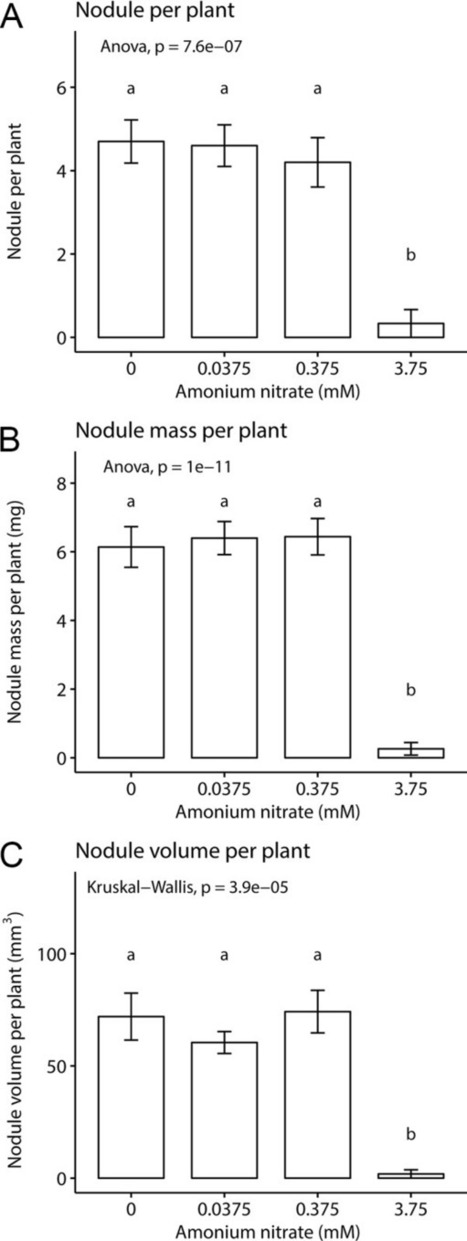
Organisms rely on symbiotic associations for metabolism, protection, and energy. However, these intimate partnerships can be vulnerable to exploitation. What prevents microbial mutualists from parasitizing their hosts? In legumes, there is evidence that hosts have evolved sophisticated mechanisms to manage their symbiotic rhizobia, but the generality and evolutionary origins of these control mechanisms are under debate. Here, we focused on the symbiosis between Parasponia hosts and N2-fixing rhizobium bacteria. Parasponia is the only non-legume lineage to have evolved a rhizobial symbiosis and thus provides an evolutionary replicate to test how rhizobial exploitation is controlled. A key question is whether Parasponia hosts can prevent colonization of rhizobia under high nitrogen conditions, when the contribution of the symbiont becomes nonessential. We grew Parasponia andersonii inoculated with Bradyrhizobium elkanii under four ammonium nitrate concentrations in a controlled growth chamber. We measured shoot and root dry weight, nodule number, nodule fresh weight, nodule volume. To quantify viable rhizobial populations in planta, we crushed nodules and determined colony forming units (CFU), as a rhizobia fitness proxy. We show that, like legumes and actinorhizal plants, P. andersonii is able to control nodule symbiosis in response to exogenous nitrogen. While the relative host growth benefits of inoculation decreased with nitrogen fertilization, our highest ammonium nitrate concentration (3.75 mM) was sufficient to prevent nodule formation on inoculated roots. Rhizobial populations were highest in nitrogen free medium. While we do not yet know the mechanism, our results suggest that control mechanisms over rhizobia are not exclusive to the legume clade.
|
|
Scooped by
Jean-Michel Ané
March 5, 2020 12:37 PM
|
In Rhizobium-legume symbiosis, the bacteria are converted into nitrogen-fixing bacteroids. In many legume species, differentiation of the endosymbiotic bacteria is irreversible, culminating in definitive loss of their cell division ability. This terminal differentiation is mediated by plant peptides produced in the symbiotic cells. In Medicago truncatula more than ∼700 nodule-specific cysteine-rich (NCR) peptides are involved in this process. We have shown previously that NCR247 and NCR335 have strong antimicrobial activity on various pathogenic bacteria and identified interaction of NCR247 with many bacterial proteins, including FtsZ and several ribosomal proteins, which prevent bacterial cell division and protein synthesis. In this study we designed and synthetized various derivatives of NCR247, including shorter fragments and various chimeric derivatives. The antimicrobial activity of these peptides was tested on the ESKAPE bacteria; Enterococcus faecalis, Staphylococcus aureus, Klebsiella pneumoniae, Acinetobacter baumannii, Pseudomonas aeruginosa, and Escherichia coli as a member of Enterobacteriaceae and in addition Listeria monocytogenes and Salmonella enterica. The 12 amino acid long C-terminal half of NCR247, NCR247C partially retained the antimicrobial activity and preserved the multitarget interactions with partners of NCR247. Nevertheless NCR247C became ineffective on S. aureus, P. aeruginosa, and L. monocytogenes. The chimeric derivatives obtained by fusion of NCR247C with other peptide fragments and particularly with a truncated mastoparan sequence significantly increased bactericidal activity and altered the antimicrobial spectrum. The minimal bactericidal concentration of the most potent derivatives was 1.6 μM, which is remarkably lower than that of most classical antibiotics. The killing activity of the NCR247-based chimeric peptides was practically instant. Importantly, these peptides had no hemolytic activity or cytotoxicity on human cells. The properties of these NCR derivatives make them promising antimicrobials for clinical use.
|
|
Scooped by
Jean-Michel Ané
March 5, 2020 12:28 PM
|
Fully mycoheterotrophic plants are thought to obtain carbon exclusively from their root‐associated fungal partners. The general enrichment of these plants in the heavy isotopes 13C and 15N suggests that fungi are the main nutrient source for these plants. Yet, the majority of studies have targeted mycoheterotrophic plants associated with ectomycorrhizal, orchid mycorrhizal and saprotrophic fungi, while mycoheterotrophic plants living on arbuscular mycorrhizal fungi remain understudied.
Here, we sampled 13 species of arbuscular mycorrhizal fully mycoheterotrophic plants from five families and co‐occurring autotrophic reference plants growing in forests of tropical South America, tropical South East Asia, and temperate Australasia. We measured stable isotope natural abundances (δ13C, δ15N, δ2H and δ18O), determined total nitrogen concentrations, and used high‐throughput DNA sequencing to characterize the arbuscular mycorrhizal fungal communities associated with the sampled mycoheterotrophic plants.
We observed a general enrichment in 13C and 15N isotopes across mycoheterotrophic plant families and geographic regions. We confirm cases where no 15N enrichment is present, but we show that in general arbuscular mycoheterotrophic plants are enriched in 15N. Moreover, we demonstrate for the first time that these plants are significantly enriched in 2H but not in 18O in relation to their autotrophic references. The fungal communities targeted by the mycoheterotrophs mainly consist of Glomeraceae and show strong association with the isotopic signatures and geographic origin of the plants.
Synthesis: Our finding enlarges the limited knowledge on the multi‐element stable isotopic signatures of mycoheterotrophic plants living on arbuscular mycorrhizal fungi. We show that these plants are enriched in 13C and 2H as expected due to their mycoheterotrophic nutrition, and that in general they are also enriched in 15N, despite some exceptions. Variation in stable isotope signatures is likely influenced by plant taxonomy, geography, and fungal community composition.
|
|
|
Scooped by
Jean-Michel Ané
March 11, 2020 10:24 AM
|
Background
Cupriavidus strain STM 6070 was isolated from nickel-rich soil collected near Koniambo massif, New Caledonia, using the invasive legume trap host Mimosa pudica. STM 6070 is a heavy metal-tolerant strain that is highly effective at fixing nitrogen with M. pudica. Here we have provided an updated taxonomy for STM 6070 and described salient features of the annotated genome, focusing on heavy metal resistance (HMR) loci and heavy metal efflux (HME) systems.
Results
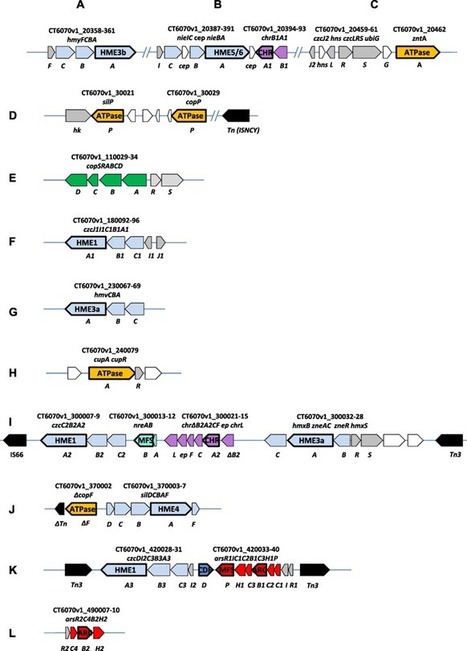
The 6,771,773 bp high-quality-draft genome consists of 107 scaffolds containing 6118 protein-coding genes. ANI values show that STM 6070 is a new species of Cupriavidus. The STM 6070 symbiotic region was syntenic with that of the M. pudica-nodulating Cupriavidus taiwanensis LMG 19424T. In contrast to the nickel and zinc sensitivity of C. taiwanensis strains, STM 6070 grew at high Ni2+ and Zn2+ concentrations. The STM 6070 genome contains 55 genes, located in 12 clusters, that encode HMR structural proteins belonging to the RND, MFS, CHR, ARC3, CDF and P-ATPase protein superfamilies. These HMR molecular determinants are putatively involved in arsenic (ars), chromium (chr), cobalt-zinc-cadmium (czc), copper (cop, cup), nickel (nie and nre), and silver and/or copper (sil) resistance. Seven of these HMR clusters were common to symbiotic and non-symbiotic Cupriavidus species, while four clusters were specific to STM 6070, with three of these being associated with insertion sequences. Within the specific STM 6070 HMR clusters, three novel HME-RND systems (nieIC cep nieBA, czcC2B2A2, and hmxB zneAC zneR hmxS) were identified, which constitute new candidate genes for nickel and zinc resistance.
Conclusions
STM 6070 belongs to a new Cupriavidus species, for which we have proposed the name Cupriavidus neocaledonicus sp. nov.. STM6070 harbours a pSym with a high degree of gene conservation to the pSyms of M. pudica-nodulating C. taiwanensis strains, probably as a result of recent horizontal transfer. The presence of specific HMR clusters, associated with transposase genes, suggests that the selection pressure of the New Caledonian ultramafic soils has driven the specific adaptation of STM 6070 to heavy-metal-rich soils via horizontal gene transfer.
|
|
Scooped by
Jean-Michel Ané
March 11, 2020 10:16 AM
|
Plants, including Cannabis (Cannabis sativa subsp. sativa) host distinct beneficial microbial communities on and inside their tissues, designated the plant microbiota from the moment that they are planted into the soil as seed. They contribute to plant growth promotion, facilitating mineral nutrient uptake, inducing defense resistance against pathogens, higher yield and modulating plant secondary metabolites. Understanding the microbial partnerships with Cannabis has the potential to affect agricultural practices by improving plant fitness and the production yield of cannabinoids. Much less is known about this beneficial Cannabis-microbe partnership, and the complex relationship between the endogenous microbes associated with various tissues of the plant, particularly, the role that cannabis may play in supporting or enhancing them. This review will focus on Cannabis microbiota studies and the effect of endophytes on the elicitation of secondary metabolites production in Cannabis plants. The aim of this review is to shed light on the importance of Cannabis microbiome and how cannabinoid compounds concentration can be stimulated through symbiotic and or mutualistic relationships with endophytes.
|
|
Scooped by
Jean-Michel Ané
March 11, 2020 10:03 AM
|
"If we're going to fix these problems, we need to figure out which traits have been lost and which useful traits have been maintained in the wild relative," Sachs said. "Then breed the wild and domesticated together to recover those traits."
|
|
Scooped by
Jean-Michel Ané
March 9, 2020 11:19 PM
|
This study investigates the possible involvement of maize aquaporins which are regulated by arbuscular mycorrhizae (AM) in the transport in planta of ammonium and/or urea under well-watered and drought stress conditions. The study also aims to better understand the implication of the AM symbiosis in the uptake of urea and ammonium and its effect on plant physiology and performance under drought stress conditions. AM and non-AM maize plants were cultivated under three levels of urea or ammonium fertilization (0, 3 µM or 10 mM) and subjected or not to drought stress. Plant aquaporins and physiological responses to these treatments were analyzed. AM increased plant biomass in absence of N fertilization or under low urea/ ammonium fertilization, but no effect of the AM symbiosis was observed under high N supply. This effect was associated with reduced oxidative damage to lipids and increased N accumulation in plant tissues. High N fertilization with either ammonium or urea enhanced net photosynthesis (AN) and stomatal conductance (gs) in plants maintained under well-watered conditions, but 14 days after drought stress imposition these parameters declined in AM plants fertilized with high N doses. The aquaporin ZmTIP1;1 was up-regulated by both urea and ammonium and could be transporting these two N forms in planta. The differential regulation of ZmTIP4;1 and ZmPIP2;4 with urea fertilization and of ZmPIP2;4 with NH4+ supply suggests that these two aquaporins may also play a role in N mobilization in planta. At the same time, these aquaporins were also differentially regulated by the AM symbiosis, suggesting a possible role in the AM-mediated plant N homeostasis that deserves future studies. View Full-Text
|
|
Scooped by
Jean-Michel Ané
March 9, 2020 11:15 PM
|
In this study, the diversity and the phylogenetic relationships of bacteria isolated from root nodules of Chamaecytisus ruthenicus growing in Poland were investigated using ERIC-PCR fingerprinting and by multilocus sequence analysis (MLSA). Two major clusters comprising 13 and 3 isolates were detected which 16S rRNA gene sequencing identified as Bradyrhizobium and Phyllobacterium. The results of phylogenetic analysis of individual and concatenated atpD, gyrB and recA gene sequences showed that the studied strains may represent novel species in the genera Bradyrhizobium and Phyllobacterium. In the phylogenetic tree based on the atpD-gyrB-recA concatemers, Bradyrhizobium isolates were split into two groups closely related to Bradyrhizobium algeriense STM89T and Bradyrhizobium valentinum LmjM3T. The genus Phyllobacterium isolates formed a separate cluster close to Phyllobacterium ifriqiyense LMG27887T in the atpD-gyrB-recA phylogram. Analysis of symbiotic gene sequences (nodC, nodZ, nifD, and nifH) showed that the Bradyrhizobium isolates were most closely related to Bradyrhizobium algeriense STM89T, Bradyrhizobium valentinum LmjM3T and Bradyrhizobium retamae Ro19T belonging to symbiovar retamae. This is the first report on the occurrence of members of symbiovar retamae from outside the Mediterranean region. No symbiosis related genes were amplified from Phyllobacterium strains, which were also unable to induce nodules on C. ruthenicus roots. Based on these findings Phyllobacterium isolates can be regarded as endophytic bacteria inhabitating root nodules of C. ruthenicus.
|
|
Scooped by
Jean-Michel Ané
March 8, 2020 10:06 PM
|
Several recent reports have highlighted some of the mechanisms involved in the enhanced tolerance to abiotic stresses induced by root-associated microorganisms, although additional efforts are still required to exploit and optimize these strategies. Particularly, arbuscular mycorrhizal fungi (AMF) play an important role as “bio-fertilizing microorganisms”, establishing mutualistic symbioses with the roots of most crops. In this work, different microbial inocula (a single AMF species, a combination of three different AMF species, a combination of two plant growth-promoting bacteria (PGPB) strains and a more complex commercial inoculum) have been used to inoculate tomato plants (cv San Marzano nano), in order to verify their effects on the tolerance to a water deficit condition in pots, through the evaluation of biochemical stress markers and hormonal profiles (ABA and IAA). Results showed differences among tomato responses to water limitation depending on microbial inocula, confirming the importance to characterize the optimal plant/microorganism genotype combination(s) to maximize plant performance and tolerance. These findings open new perspectives for a better exploitation of these microorganisms.
|
|
Scooped by
Jean-Michel Ané
March 8, 2020 10:00 PM
|
Mycorrhizal fungi, of all types, hold huge significance for our planet and society. By forming mutualistic symbioses with the vast majority of land plants, mycorrhizas play an essential role in the formation and maintenance of global ecosystems. They also have great potential for exploitation to facilitate a variety of sustainability programs in agriculture, conservation, and restoration, particularly relevant in the context of global climate change and depletion of natural resources. As such, in addition to the fruiting bodies of many mycorrhiza‐forming fungal species being delicious, mycorrhizal symbioses are of critical and increasingly appreciated importance to human society. This editorial provides an overview of the relevance and potential roles of mycorrhizal fungi toward achieving global goals in sustainability, conservation and their significance within society, and highlights key directions for future research.
|
|
Scooped by
Jean-Michel Ané
March 8, 2020 9:38 PM
|
Standardized type IIS DNA assembly methods are becoming essential for biological engineering and research. These methods are becoming widespread and more accessible due to the proposition of a ‘common syntax’ that enables higher interoperability between DNA libraries. Currently, Golden Gate (GG)-based assembly systems, originally implemented in host-specific vectors, are being made compatible with multiple organisms. We have recently developed the GG-based Loop assembly system for plants, which uses a small library and an intuitive strategy for hierarchical fabrication of large DNA constructs (>30 kb). Here, we describe ‘universal Loop’ (uLoop) assembly, a system based on Loop assembly for use in potentially any organism of choice. This design permits the use of a compact number of plasmids (two sets of four odd and even vectors), which are utilized repeatedly in alternating steps. The elements required for transformation/maintenance in target organisms are also assembled as standardized parts, enabling customization of host-specific plasmids. Decoupling of the Loop assembly logic from the host-specific propagation elements enables universal DNA assembly that retains high efficiency regardless of the final host. As a proof-of-concept, we show the engineering of multigene expression vectors in diatoms, yeast, plants and bacteria. These resources are available through the OpenMTA for unrestricted sharing and open access.
|
|
Scooped by
Jean-Michel Ané
March 8, 2020 9:25 PM
|
The influence of wheat (modern wheat, both bread and pasta, their wild ancestors and synthetic hybrids) on the microbiota of their roots and surrounding soil is characterized. We isolated lines of bread wheat by hybridizing diploid (Aegilops tauschii) with tetraploid Triticum durum and crossed it with a modern cultivar of Triticum aestivum. The newly created, synthetic hybrid wheat, which recapitulate the breeding history of wheat through artificial selection, is found to support a microbiome enriched in beneficial Glomeromycetes fungi, but also in, potentially detrimental, Nematoda. We hypothesize that during wheat domestication this plant-microbe interaction diminished, suggesting an evolutionary tradeoff; sacrificing advantageous nutrient acquisition through fungal interactions to minimize interaction with pathogenic fungi. Increased plant selection for Glomeromycetes and Nematoda is correlated with the D genome derived from A. tauschii. Despite differences in their soil microbiota communities, overall wheat plants consistently show a low ratio of eukaryotes to prokaryotes. We propose that this is a mechanism for protection against soil-borne fungal disease and appears to be deeply rooted in the wheat genome. We suggest that the influence of plants on the composition of their associated microbiota is an integral factor, hitherto overlooked, but intrinsic to selection during wheat domestication.
|
|
Scooped by
Jean-Michel Ané
March 8, 2020 9:17 PM
|
Effective legume‐rhizobia symbiosis depends on efficient nutrient exchange. Rhizobia need to synthesize iron‐containing proteins for symbiotic nitrogen fixation (SNF) in nodules, which depends on host plant‐mediated iron uptake into the symbiosome.
We functionally investigated a pair of vacuolar iron transporter like (VTL) genes, GmVTL1a/b in soybean (Glycine Max), and evaluated their contributions to SNF, including investigations of gene expression patterns, subcellular localization and mutant phenotypes.
While both GmVTL1a/b genes were specifically expressed in the fixation zone of the nodule, GmVTL1a was the lone member to be localized at the tonoplast of tobacco protoplasts, and shown to facilitate ferrous iron transport in yeast. GmVTL1a targets the symbiosome in infected cells as verified by in situ immunostaining. Two vtl1 knockout mutants had lower Fe concentrations in nodule cell sap and peribacteroid units than in wild‐type plants, suggesting that GmVTL1 knockout inhibited Fe import into symbiosomes. Furthermore, GmVTL1 knockout minimally affected soybean growth under non‐symbiotic conditions, but dramatically impaired nodule development and SNF activity under N‐limited and rhizobia‐inoculation conditions, which eventually led to growth retardation.
Taken together, these results demonstrate that GmVTL1a is indispensable for SNF in nodules as a transporter of ferrous Fe from the infected root cell cytosol to the symbiosome.
|
|
Scooped by
Jean-Michel Ané
March 5, 2020 12:38 PM
|
Recent developments in the legume rhizobium symbiotic interaction particularly those related to the emergence of novel strains of bacteria that nodulate and fix nitrogen in legumes is gaining momentum. These novel strains of bacteria were mostly isolated from the root nodules of indigenous and invasive legumes belonging to the sub families Papilionoideae and Mimosoideae in South Africa, South America and South East China. These rhizobia are phylogenetically and taxonomically different from the traditional ‘alpha rhizobia’ and are termed ‘β-rhizobia’ as they belong to the β-sub class of Proteobacteria. There are also new reports of novel species of root nodulating bacteria from the α-Proteobacteria, not known for several decades since the discovery of rhizobia. However, in this review focus is given to the emerging β-rhizobia isolated from the indigenous Papilionoid legumes in the Cape Floristic regions in South Africa and the indigenous and invasive Mimosoid legumes in South America and South East Asia respectively. The nodulation of the indigenous South African Papilionoid legumes including that of Aspalathus linearis (rooibos) is discussed in a bit detail. Previous reports indicated that A. linearis is very specific in its rhizobium requirement and was reported to be nodulated by the slow growing Bradyrhizobium spp. This review however summarizes that the bacteria associated with the root nodules of A. linearis belong to members of both the alpha (α) Proteobacteria that include Mesorhizobium, Rhizobium and Bradyrhizobium spp. and the beta (β) Proteobacteria represented by the genus Burkholderia (now reclassified as Paraburkholderia). In addition, the occurrence of Paraburkholderia as the newly emerging root nodule symbionts of various other legumes has been discussed. In doing so, the review highlights that nodulation is no longer restricted to the traditional ‘rhizobia’ group following the emergence of the new beta rhizobia as potential nodulators of various indigenous legumes. It thus provides some insights on the status of the legume–rhizobium host specificity concept and the loss of this specificity in several symbiotic associations that puts the long held dogma of host specificity of the legume rhizobium symbiosis in a dilemma.
|
|
Scooped by
Jean-Michel Ané
March 5, 2020 12:32 PM
|
Abstract: Nitrogen is one of the essential plant nutrients and a major factor limiting crop productivity. To meet the requirements of sustainable agriculture, there is a need to maximize biological nitrogen fixation in different crop species. Legumes are able to establish root nodule symbiosis (RNS) with nitrogen-fixing soil bacteria which are collectively called rhizobia. This mutualistic association is highly specific, and each rhizobia species/strain interacts with only a specific group of legumes, and vice versa. Nodulation involves multiple phases of interactions ranging from initial bacterial attachment and infection establishment to late nodule development, characterized by a complex molecular signalling between plants and rhizobia. Characteristically, legumes like groundnut display a bacterial invasion strategy popularly known as “crack-entry’’ mechanism, which is reported approximately in 25% of all legumes. This article accommodates critical discussions on the bacterial infection mode, dynamics of nodulation, components of symbiotic signalling pathway, and also the effects of abiotic stresses and phytohormone homeostasis related to the root nodule symbiosis of groundnut and Bradyrhizobium. These parameters can help to understand how groundnut RNS is programmed to recognize and establish symbiotic relationships with rhizobia, adjusting gene expression in response to various regulations. This review further attempts to emphasize the current understanding of advancements regarding RNS research in the groundnut and speculates on prospective improvement possibilities in addition to ways for expanding it to other crops towards achieving sustainable agriculture and overcoming environmental challenges.
|


 Scoop.it!