Your new post is loading...

|
Scooped by
Jean-Michel Ané
March 6, 2021 6:58 PM
|
The multimember CEP (C-terminally Encoded Peptide) gene family is a complex group that is involved in various physiological activities in plants. Previous studies demonstrated that MtCEP1 and MtCEP7 regulate lateral root formation or nodulation, but these studies were based only on gain of function or artificial microRNA (amiRNA)/ RNA interference (RNAi) approaches, never knock-out mutants. Moreover, an efficient multigene editing toolkit is not currently available for Medicago truncatula. Our RT-qPCR data showed that MtCEP1, 2, 4, 5, 6, 7, 8, 9, 12 and 13 were upregulated under nitrogen-starvation conditions and that MtCEP1, 2, 7, 9 and 12 were induced by rhizobial inoculation. Treatment with synthetic MtCEP peptides of MtCEP1, 2, 4, 5, 6, 8, and 12 repressed lateral root emergence and promoted nodulation in the R108 wild type but not in the cra2 mutant. We optimized the CRISPR/Cas9 genome editing system for M. truncatula, and thus, created single mutants of MtCEP1, 2, 4, 6 and 12 and the double mutants Mtcep1/2C and Mtcep5/8C; however, these mutants did not exhibit significant differences from R108. Furthermore, a triple mutant Mtcep1/2/12C and a quintuple mutant Mtcep1/2/5/8/12C were generated and exhibited more lateral roots and fewer nodules than R108. Overall, MtCEP1, 2, and 12 were confirmed to be redundantly important for the regulation of lateral root number and nodulation. Moreover, the CRISPR/Cas9-based multigene editing protocol provides an additional tool for research on the model legume M. truncatula, which is highly efficient at multigene mutant generation.
|
|
Scooped by
Jean-Michel Ané
March 6, 2021 6:54 PM
|
A field experiment was conducted during two consecutive growing seasons (2017 and 2018) to evaluate the effects of inoculations with arbuscular mycorrhizal fungi (AMF) (Funneliformis mosseae, Rhizophagus intraradices and Claroideoglomus etunicatum) and phosphorus (P) fertilization (40 kg P2O5 ha−1) on the growth, yield and P use efficiency (PUE) of two soybean (Glycine max L.) cultivars under low soil P (6 mg kg−1) condition. AMF inoculation promotes the growth of soybean to some level compared to the P fertilized plot; however, inoculation (~960 spores per 100 g of soil) of R. intraradices or F. mosseae increased the number of nodules, nodule dry weight, shoot dry weight, root dry weight, number of pods, 100-seed weight and seed yield in both TGx 1440–1E and TGx 1448–2E soybean cultivars compared to C. etunicatum and the control. The P uptake in the shoot and grain in both cultivars increased with AMF inoculations in the order R. intraradices > F. mosseae > C. etunicatum. The studies showed that the highest yield response (44.2– 45.4%) and (44.9– 46.5%) over the control was revealed by the inoculation with R. intraradices and F. mosseae inoculants, respectively, in both soybean cultivars. TGx 1448–2E variety was more tolerant to low soil P availability and had higher root nodulation, seed yield and PUE than TGx 1448–2E variety. The results confirm functional variation among the three AMF isolates tested, which is crucial in establishing potential formulation of AMF inoculants to enhance soybean productivity in P-deficient soils.
|
|
Scooped by
Jean-Michel Ané
March 6, 2021 6:51 PM
|
Weeds are the cause of substantial yield loss and extinction of some native species resulting from competition with the associated species for water, sunlight, nutrients and space. Due to the widespread occurrence of arbuscular mycorrhizal fungi (AMF) and their important role in communities and ecosystems, the interaction between weed species and AMF might have an important role in ecosystem functioning. The present review characterizes AMF-weeds interactions, targeting natural and crop ecosystems. In agroecosystems, AMF have the potential to contribute to weed control (i) directly by suppressing growth of many weeds belonging to families that are non-mycorrhizal, or (ii) indirectly by enhancing competitive ability of crop species to the detriment of both mycorrhizal and non mycorrhizal weeds. Some advantages conferred by AMF-weed interaction to associated species make evidence of the importance to identify weed species that can play an important role in ecosystem performance. In unmanaged ecosystems, AMF could play a crucial role in invasive plants control through enhancing the competitive ability of local species to the detriment of invasive ones. Additional methodologies are required to manage highly mycorrhizal invasive species.
|
|
Scooped by
Jean-Michel Ané
March 6, 2021 6:45 PM
|
Biological nitrogen fixation (BNF) refers to a microbial mediated process based upon an enzymatic “Nitrogenase” conversion of atmospheric nitrogen (N2) into ammonium readily absorbable by roots. N2-fixing microorganisms collectively termed as “diazotrophs” are able to fix biologically N2 in association with plant roots. Specifically, the symbiotic rhizobacteria induce structural and physiological modifications of bacterial cells and plant roots into specialized structures called nodules. Other N2-fixing bacteria are free-living fixers that are highly diverse and globally widespread in cropland. They represent key natural source of nitrogen (N) in natural and agricultural ecosystems lacking symbiotic N fixation (SNF). In this review, the importance of Azotobacter species was highlighted as both important free-living N2-fixing bacteria and potential bacterial biofertilizer with proven efficacy for plant nutrition and biological soil fertility. In addition, we described Azotobacter beneficial plant promoting traits (e.g., nutrient use efficiency, protection against phytopathogens, phytohormone biosynthesis, etc.). We shed light also on the agronomic features of Azotobacter that are likely an effective component of integrated plant nutrition strategy, which contributes positively to sustainable agricultural production. We pointed out Azotobacter based-biofertilizers, which possess unique characteristics such as cyst formation conferring resistance to environmental stresses. Such beneficial traits can be explored profoundly for the utmost aim to research and develop specific formulations based on inoculant Azotobacter cysts. Furthermore, Azotobacter species still need to be wisely exploited in order to address specific agricultural challenges (e.g., nutrient deficiencies, biotic and abiotic constraints) taking into consideration several variables including their biological functions, synergies and multi-trophic interactions, and biogeography and abundance distribution.
|
|
Scooped by
Jean-Michel Ané
March 6, 2021 6:32 PM
|
Microbial communities associated with the plant phyllosphere and endosphere can have both beneficial as well as detrimental effects on their hosts. There is an ongoing debate to which extend the phyllosphere and endosphere microbiome assembly is controlled by the host plant how pronounced cultivar effects are. We investigated the bacterial and fungal communities from the phyllosphere and endosphere of 10 different rice cultivars grown under identical environmental conditions in the frame of a targeted approach to identify drivers of community assembly. The results indicated that the endophytic bacterial communities were clearly separated into two groups. The α-diversity and microbial network complexity within Group I were significantly lower than in Group II. Moreover, the genera Nocardioides, Microvirga, and Gaiella were significantly more abundant in Group II and only present in the interaction networks of this group. These three genera were significantly correlated with α- and β-diversity of the endophytic bacterial community and thus identified as major drivers of the endosphere community. We have identified keystone taxa that shape endophytic bacterial communities of different rice cultivars. Our overall findings provide new insights into plant-microbe interactions, and may contribute to targeted improvements of rice varieties in the future.
|
|
Scooped by
Jean-Michel Ané
March 6, 2021 6:27 PM
|
Plant secondary metabolites (PSMs) play many roles including defense against pathogens, pests, and herbivores; response to environmental stresses, and mediating organismal interactions. Similarly, plant microbiomes participate in many of the above-mentioned processes directly or indirectly by regulating plant metabolism. Studies have shown that plants can influence their microbiome by secreting various metabolites and, in turn, the microbiome may also impact the metabolome of the host plant. However, not much is known about the communications between the interacting partners to impact their phenotypic changes. In this article, we review the patterns and potential underlying mechanisms of interactions between PSMs and plant microbiomes. We describe the recent developments in analytical approaches and methods in this field. The applications of these new methods and approaches have increased our understanding of the relationships between PSMs and plant microbiomes. Though the current studies have primarily focused on model organisms, the methods and results obtained so far should help future studies of agriculturally important plants and facilitate the development of methods to manipulate PSMs–microbiome interactions with predictive outcomes for sustainable crop productions.
|
|
Scooped by
Jean-Michel Ané
March 6, 2021 6:20 PM
|
A recent study published by Mateus et al. [1] claimed that 18 “mating-related” genes are differentially expressed in the model arbuscular mycorrhizal fungus (AMF) Rhizophagus irregularis when genetically distinct fungal strains co-colonize a host plant. To clarify the level of evidence for this interesting conclusion, we first aimed to validate the functional annotation of these 18 R. irregularis genes using orthology predictions. These analyses revealed that, although sequence relationship exists, only 2 of the claimed 18 R. irregularis mating genes are potential orthologues to validated fungal mating genes. We also investigated the RNA-seq data from Mateus et al. [1] using classical RNA-seq methods and statistics. This analysis found that the over-expression during strain co-existence was not significant at the typical cut-off of the R. irregularis strains DAOM197198 and B1 in plants. Overall, we do not find convincing evidence that the genes involved have functions in mating, or that they are reproducibly up or down regulated during co-existence in plants.
|
|
Scooped by
Jean-Michel Ané
March 6, 2021 5:24 PM
|
Biotic and abiotic stresses are severely limiting plant production and productivity. Of notable importance is salt stress that not only limits plant growth and survival, but affects the soil fertility and threatens agricultural ecosystems sustainability. The problem is exacerbated in fragile arid and semi-arid areas where high evaporation, low precipitation and the use of salty water for irrigation is accelerating soil salinization. Legumes, considered very nutritious foods for people and providing essential nutrients for ecosystems are a fundamental element of sustainable agriculture. They can restore soil health by their ability to fix nitrogen in a symbiotic interaction with the rhizobia of the soil. However, salt stress is severely limiting productivity and nitrogen fixation ability in legumes. Plant growth-promoting rhizobacteria (PGPR) and mainly actinobacteria promote plant growth by producing phytohormones, siderophores, antibiotics and antifungal compounds, solubilizing phosphate and providing antagonism to phytopathogenic microorganisms. In addition, actinobacteria have beneficial effects on nodulation and growth of legumes. In this study, actinobacteria isolated from different niches and having PGP activities were used in co-inoculation experiments with rhizobia in Medicago sativa plants rhizosphere submitted to salt stress. The results indicate that drought- and salinity-tolerant Actinobacteria with multiple PGP traits can potentially increase alfalfa growth under saline conditions, in the presence or absence of symbiotic rhizobial bacteria. Actinobacteria discovered in this study can, therefore, be suitable biofertilizers in the formulation of agricultural products improving plant development, health and productivity in saline soils, a necessary alternative for modern agriculture and sustainable development.
|
|
Scooped by
Jean-Michel Ané
March 6, 2021 5:21 PM
|
●Arbuscular mycorrhizal fungi (AMF) are keystone symbionts of agricultural soils but agricultural intensification has negatively impacted AMF communities. Increasing crop diversity could ameliorate some of these impacts by positively affecting arbuscular mycorrhizal fungi. However, the underlying relationship between plant diversity and AMF community composition has not been fully resolved.
●We examined how greater crop diversity affected AMF across farms in an intensive agricultural landscape, defined by high nutrient input, low crop diversity, and high tillage frequency. We assessed AMF communities across 31 field sites that were either monocultures or polycultures (growing >20 different crop types) in three ways: (1) richness, (2) diversity, and (3) composition. We also determined root colonization across these sites.
●We found polycultures drive the available AMF community into richer and more diverse communities while soil properties structure AMF community composition. AMF root colonization did not vary by farm management (monocultures versus polycultures), but did vary by crop host.
●We demonstrate that crop diversity enriches AMF communities, counteracting the negative effects of agricultural intensification on AMF, providing the potential to increase agroecosystem functioning and sustainability.
|
|
Scooped by
Jean-Michel Ané
March 6, 2021 11:50 AM
|
Plant growth-promoting rhizobacteria that produce 1-aminocyclopropane-1-carboxylic acid (ACC) deaminase can promote plant growth and enhance abiotic stress tolerance. In this study, Burkholderia pyrrocinia strain P10, with an ACC deaminase activity of 33.01-µmol/h/mg protein, was isolated from the tea rhizosphere and identified based on morphological, biochemical, and molecular characteristics. In addition to its ACC deaminase activity at pH 5.0–9.0 and in response to 5% NaCl and 20% polyethylene glycol, strain P10 can also solubilize phosphorus compounds, produce indole-3-acetic acid, and secrete siderophores. Pot experiments revealed that strain P10 can significantly enhance peanut seedling growth under saline conditions (100- and 170-mmol/L NaCl). Specifically, it increased the fresh weight and root length of plants by 90.12% and 79.22%, respectively, compared with high-salt stress. These results provide new insights into the biological characteristics of Burkholderia pyrrocinia, which may be useful as a bio-fertilizer.
|
|
Scooped by
Jean-Michel Ané
March 6, 2021 11:25 AM
|
Soil fungi establish mutualistic interactions with the roots of most vascular land plants. Arbuscular mycorrhizal (AM) fungi are among the most extensively characterised mycobionts to date. Current approaches to quantifying the extent of root colonisation and the relative abundance of intraradical hyphal structures in mutant roots rely on staining and human scoring involving simple, yet repetitive tasks prone to variations between experimenters. We developed the software AMFinder which allows for automatic computer vision-based identification and quantification of AM fungal colonisation and intraradical hyphal structures on ink-stained root images using convolutional neural networks. AMFinder delivered high-confidence predictions on image datasets of colonised roots of Medicago truncatula, Lotus japonicus, Oryza sativa and Nicotiana benthamiana obtained via flatbed scanning or digital microscopy enabling reproducible and transparent data analysis. A streamlined protocol for sample preparation and imaging allowed us to quantify dynamic increases in colonisation in whole root systems over time. AMFinder adapts to a wide array of experimental conditions. It enables accurate, reproducible analyses of plant root systems and will support better documentation of AM fungal colonisation analyses. AMFinder can be accessed here: https://github.com/SchornacklabSLCU/amfinder.git
|
|
Scooped by
Jean-Michel Ané
March 1, 2021 8:54 AM
|
Arbuscular mycorrhizal (AM) fungi constitute promising biofertilizers for the deployment of a sustainable agriculture. However, the evaluation of mycorrhizal benefits in the field is poorly documented, notably in fruit tree orchards, and concerns exclusively growth performance and nutrition. Here, we evaluated the persistence of beneficial effects of AM fungal inoculation on two jujube (Ziziphus mauritiana Lam.) cultivars (Tasset and Gola) inoculated in nursery conditions and subsequently transferred in the field until fruit production. The growth-promoting effects on jujube observed in nursery was still maintained 18 months after planting, with significant higher rates of survival and an increase of fruit production for inoculated jujube cultivars. Nevertheless, AM-mediated responses were dependent on cultivar. No major disturbance of native AM fungal community was associated with AM fungal inoculation but a stimulation of AM fungal colonization is probable. The use of mycorrhizal inoculation with the R. irregularis IR27 strain hold promise for the development of efficient jujube orchards under semi-arid conditions.
|
|
Scooped by
Jean-Michel Ané
February 27, 2021 7:21 PM
|
Bacillus velezensis is considered as model species belonging to the so-called B. subtilis complex that typically evolved to dwell in the soil rhizosphere niche and establish intimate association with plant roots. This bacterium provides protection to its natural host against diseases and represents one of the most promising biocontrol agents. However, the molecular basis of the cross-talk that this bacterium establishes with its natural host has been poorly investigated. We show here that these plant-associated bacteria have evolved some polymer-sensing system to perceive their host and that in response, they increase the production of the surfactin-type lipopeptide. Furthermore, we demonstrate that surfactin synthesis is favoured upon growth on root exudates and that this lipopeptide is a key component used by the bacterium to optimize biofilm formation, motility and early root colonization. In this specific nutritional context, the bacterium also modulates qualitatively the pattern of surfactin homologues co-produced in planta and mainly forms variants that are the most active at triggering plant immunity. Surfactin represents a shared good as it reinforces the defensive capacity of the host.
|
|
|
Scooped by
Jean-Michel Ané
March 6, 2021 6:58 PM
|
Aquaporins (AQPs) involved in water and small molecule transport respond to environmental stress, while it is not clear how arbuscular mycorrhizal fungi (AMF) regulate AQP expression. Here, we investigated the change in leaf water potential and expression level of four tonoplast intrinsic proteins (TIPs), six plasma membrane intrinsic proteins (PIPs), and four nodin-26 like intrinsic proteins (NIPs) genes in trifoliate orange (Poncirus trifoliata) inoculated with Funneliformis mosseae under well-watered (WW), salt stress (SS), and waterlogging stress (WS). Root AMF colonization and soil hyphal length collectively were reduced by SS and WS. Under WW, inoculation with AMF gave diverse responses of AQPs: six AQPs up-regulated, three AQPs down-regulated, and five AQPs did not change. Such up-regulation of more AQPs under mycorrhization and WW partly accelerated water absorption, thereby, maintaining higher leaf water potential. However, under SS, all the fourteen AQPs were dramatically induced by AMF inoculation, which improved water permeability of membranes and stimulated water transport of the host. Under WS, AMF colonization almost did not induce or even down-regulated these AQPs expressions with three exceptions (PtTIP2;2, PtPIP1;1, and PtNIP1;2), thus, no change in leaf water potential. As a result, mycorrhizal plants under flooding may have an escape mechanism to reduce water absorption. It is concluded that AMF had different strategies in response to environmental stresses (e.g. SS and WS) by regulating leaf AQP expression in the host (e.g. trifoliate orange).
|
|
Scooped by
Jean-Michel Ané
March 6, 2021 6:52 PM
|
Arbuscular mycorrhizal (AM) fungi constitute promising biofertilizers for the deployment of a sustainable agriculture. However, the evaluation of mycorrhizal benefits in the field is poorly documented, notably in fruit tree orchards, and concerns exclusively growth performance and nutrition. Here, we evaluated the persistence of beneficial effects of AM fungal inoculation on two jujube (Ziziphus mauritiana Lam.) cultivars (Tasset and Gola) inoculated in nursery conditions and subsequently transferred in the field until fruit production. The growth-promoting effects on jujube observed in nursery was still maintained 18 months after planting, with significant higher rates of survival and an increase of fruit production for inoculated jujube cultivars. Nevertheless, AM-mediated responses were dependent on cultivar. No major disturbance of native AM fungal community was associated with AM fungal inoculation but a stimulation of AM fungal colonization is probable. The use of mycorrhizal inoculation with the R. irregularis IR27 strain hold promise for the development of efficient jujube orchards under semi-arid conditions.
|
|
Scooped by
Jean-Michel Ané
March 6, 2021 6:51 PM
|
While many molecular studies have documented arbuscular mycorrhizal fungi (AMF) communities in temperate ecosystems, very few studies exist in which molecular techniques have been used to study tropical AMF communities. Understanding the composition of AMF communities in tropical areas gains special relevance as crop productivity in typically low fertility tropical soils can be improved with the use of AMF. We used a hierarchical sampling approach in which we sampled soil from cocoa (Theobroma cacao L.) plantations nested in localities, and in which localities were nested within each of three regions of Côte d’Ivoire. This sampling strategy, combined with 18S rRNA gene sequencing and a dedicated de novo OTU-picking model, allowed us to study AMF community composition and how it is influenced at different geographical scales and across environmental gradients. Several factors, including pH, influenced overall AMF alpha diversity and differential abundance of specific taxa and families of the Glomeromycotina. Assemblages and diversity metrics at the local scale did not reliably predict those at regional scales. The amount of variation explained by soil, climate, and geography variables left a large proportion of the variance to be explained by other processes, likely happening at smaller scales than the ones considered in this study. Gaining a better understanding of processes involved in shaping tropical AMF community composition and AMF establishment are much needed and could allow for the development of sustainable, productive tropical agroecosystems.
|
|
Scooped by
Jean-Michel Ané
March 6, 2021 6:41 PM
|
Accumulation and transfer of long‐lived radionuclides and toxic metals in terrestrial environments is of major concern because of potential mobilisation into food chains. In this study, we aimed to compare the role of four different arbuscular mycorrhizal fungal (AMF) cultures on the transfer of non‐essential elements into Plantago lanceolata from a naturally contaminated soil source.
Soil from an abandoned uranium (238U) mine was collected as a natural source of 238U, thorium (232Th), arsenic (As) and lead (Pb). P. lanceolata was inoculated with four AMF cultures (Rhizophagus irregularis DAOM181602, Acaulospora longula BEG8, Scutellospora calospora BEG245 and Funneliformis mosseae BEG12) to compare the uptake and transfer from root to shoot. Inductively coupled plasma (ICP) mass spectroscopy and ICP‐absorption emission spectroscopy analyses provided quantification of total elemental concentrations in soil and plant tissues.
Two of the AMF cultures, A. longula and F. mosseae, had contrasting roles in toxic element partitioning in plant tissue of P. lanceolata. F. mosseae increased the accumulation of 238U, 232Th, Pb, As and Cu in shoots whereas A. longula induced increased partitioning of 232Th, Ca, Fe and Zn in roots. The inoculation treatments and the differential accumulation of these elements had no significant effect on plant biomass.
The use of different AMF cultures in enhancing phytoremediation of contaminated environments requires a wider understanding of the contribution of different AMF cultures to non‐essential element acquisition as well as to plant nutrition.
|
|
Scooped by
Jean-Michel Ané
March 6, 2021 6:27 PM
|
The results showed that all of the growth characteristics significantly decreased under salinity and application of mycorrhiza cause to adjustment harmful effects of salinity and tolerance of plant to salinity. The highest nodule number (12.89), stem diameter (7.49 mm), height (65.75 cm) and lateral branches number (23.33) were obtained at the treatment without salinity with using mycorrhizal fungus Rhizophagus intradices. Salinity increased the amount of phosphorus, calcium, sodium, chlorine and nitrogen in the leaf and decreased the amount of potassium, manganese, zinc and leaf iron. The highest amount of phosphorus of leaf (8.5 mg / g of leaf dry weight) was observed in the highest salinity stress and application of Funnetiformis mosseae, the highest sodium content (12.33 mg/g leaf dry weight) and chlorine (63.09 mg Kg dry weight of leaves) was observed in 120 mM salinity without mycorrhizal. However, the highest amount of potassium (6.23 mg /g leaf dry weight) was observed in the treatment without salinity and without mycorrhizal application, the highest amount of manganese (143.91 mg/kg dry weight) in 40 mM salinity and application of Funnetiformis mosseae and the highest amount of zinc (7.12 mg/kg dry leaf) were recorded in salt free treatment and application of Funnetiformis mosseae. Salinity stress reduces cell growth through restrictions on the absorption of nutrients, plant nutrient deficiency and toxicity of food elements. In addition, salt stress reduces the production of carbohydrates and thus reduces the growth of various plant components. The higher the salt concentration, the more significant the growth is. Mycorrhizal plants have better growth compared to non-microscopic plants in soil salinity conditions. Mycorrhiza fungus stimulates plant growth by increasing the absorption of nutrients such as phosphorus, nitrogen, and some elements of low consumption, increasing water absorption and production of plant hormones and increasing plant resistance under stress conditions.
|
|
Scooped by
Jean-Michel Ané
March 6, 2021 6:22 PM
|
Bacteria in root nodules of legumes play important roles in promoting plant growth. In this study, we investigated root nodule-associated bacteria isolated from leguminous plants along an elevation gradient on the northern slope of the Kunlun Mountains, China, using a cultivation approach. In total, 300 isolates were obtained from seven legume species within six ecological zones. Isolates were identified based on 16S rRNA gene phylogenetic analysis and potential rhizobia were further identified using a recA gene phylogeny. Among the isolates, Bacillales (particularly Bacillus) were the dominant isolates from all host legumes and all elevations (63.5%), followed by Rhizobiales (13%) and Pseudomonadales (11.7%). Less than 3% of the isolates belonged to Burkholderiales, Paenibacillales, Enterobacteriales, Actinomycetales, Sphingomonadales, Xanthomonadales, Chitinophagales, Brevibacillales, Staphylococcales, or Mycobacteriales. A few elevation-specific patterns emerged within the Bacillales and Pseudomonadales. For example, isolates related to the psychrotroph Bacillus psychrosaccharolyticus were only isolated from the highest elevation sites (>3,500 m) whereas those related to the mesophile Bacillus endophyticus were only isolated from lowest elevation sites (1,350 m), suggestive of a role of soil temperature in their distribution. Similarly, isolates related to Pseudomonas brassicacearum were the dominant Pseudomonadales isolates, but they were only isolated from middle and low elevations (<3,200 m). A total of 39 isolates belonged to the Rhizobiales, 36 of which were confirmed to the genus level using the recA gene. In all, Rhizobiales isolates were obtained from five different host legumes spanning the entire elevation gradient. Those from the low-elevation Qira Desert-Oasis Transition Zone (1,350–1,960 m) suggested some patterns of host preference. For example, most isolates from Albizia julibrissin formed a monophyletic group related to Rhizobium lemnae and most from Alhagi sparsifolia were closely related to Ensifer kummerowiae. In general, this study shows that most bacteria associated with root nodules of legumes are widely distributed in distinct ecological zones within a single geographic region but suggests that both climate and host interactions may influence their distributions.
|
|
Scooped by
Jean-Michel Ané
March 6, 2021 6:18 PM
|
Extraradical hyphae (ERH) of arbuscular mycorrhizal fungi (AMF) extend from plant roots into the soil environment and interact with soil microbial communities. Evidence of positive and negative interactions between AMF and soil bacteria point to functionally important ERH-associated communities. To characterize communities associated with ERH and test controls on their establishment and composition, we utilized an in-growth core system containing a live soil–sand mixture that allowed manual extraction of ERH for 16S rRNA gene amplicon profiling. Across experiments and soils, consistent enrichment of members of the Betaproteobacteriales, Myxococcales, Fibrobacterales, Cytophagales, Chloroflexales, and Cellvibrionales was observed on ERH samples, while variation among samples from different soils was observed primarily at lower taxonomic ranks. The ERH-associated community was conserved between two fungal species assayed, Glomus versiforme and Rhizophagus irregularis, though R. irregularis exerted a stronger selection and showed greater enrichment for taxa in the Alphaproteobacteria and Gammaproteobacteria. A distinct community established within 14 days of hyphal access to the soil, while temporal patterns of establishment and turnover varied between taxonomic groups. Identification of a conserved ERH-associated community is consistent with the concept of an AMF microbiome and can aid the characterization of facilitative and antagonistic interactions influencing the plant-fungal symbiosis.
|
|
Scooped by
Jean-Michel Ané
March 6, 2021 5:21 PM
|
A host‐plant and its associated microbiota depend on one another. However, the assembly process and the functioning of host‐associated microbiota are poorly understood.
Herein, rice was used as model plant to investigate the assemblage of bacterial microbiota, including those in the seed, root endosphere and rhizosphere. We also assessed the degree to which endosphere and rhizosphere communities were influenced by vertical transmission through seed and identified the core microbes that potentially associate with plant phenotypic properties.
Plant microhabitat, rather than subspecies type, was the major driver shaping plant‐associated bacterial microbiota. Deterministic processes were primarily responsible for community assembly in all microhabitats. The influence of vertical transmission from seed to root‐associated bacterial communities appeared to be quite weak (endosphere) or even absent (rhizosphere). A core microbial community composed of 15 generalist species persisted across different microhabitats and represented key connectors in networks. Host‐plant functional traits were linked to the relative abundance of these generalist core microbes and could be predicted from them using machine learning algorithms.
Overall, bacterial microbiota is assembled by host‐plant interactions in deterministic‐based manner. This study enhances our understanding of driving mechanism and associations of microbiota in various plant microhabitats and provides new perspectives to improve plant performance.
|
|
Scooped by
Jean-Michel Ané
March 6, 2021 5:21 PM
|
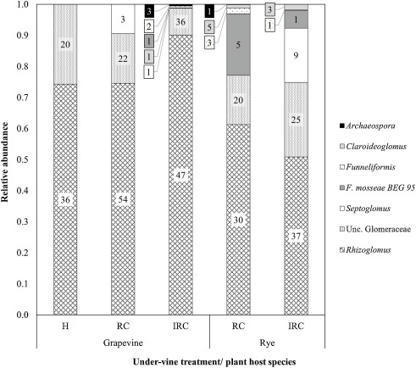
•Grapevine mycorrhizal field inoculation through donor plants is an effective method.
•Inoculation promoted the establishment of new mycorrhizal taxa in vine roots.
•Inoculated cover crops enhanced vine’s photosynthetic efficiency after a heat wave.
•Inoculation helped vines to partially compensate water competition with cover crops.
|
|
Scooped by
Jean-Michel Ané
March 6, 2021 11:44 AM
|
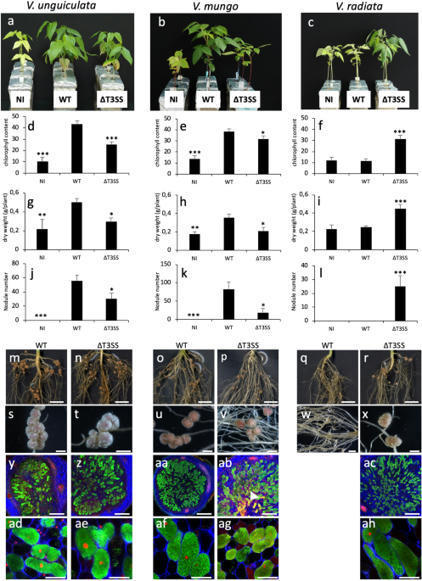
The Bradyrhizobium vignae strain ORS3257 is an elite strain recommended for cowpea inoculation in Senegal. This strain was recently shown to establish symbioses on some Aeschynomene species using a cocktail of Type III effectors (T3Es) secreted by the T3SS machinery. In this study, using a collection of mutants in different T3Es genes, we sought to identify the effectors that modulate the symbiotic properties of ORS3257 in three Vigna species (V. unguiculata, V. radiata and V. mungo). While the T3SS had a positive impact on the symbiotic efficiency of the strain in V. unguiculata and V. mungo, it blocked symbiosis with V. radiata. The combination of effectors promoting nodulation in V. unguiculata and V. mungo differed, in both cases, NopT and NopAB were involved, suggesting they are key determinants for nodulation, and to a lesser extent, NopM1 and NopP1, which are additionally required for optimal symbiosis with V. mungo. In contrast, only one effector, NopP2, was identified as the cause of the incompatibility between ORS3257 and V. radiata. The identification of key effectors which promote symbiotic efficiency or render the interaction incompatible is important for the development of inoculation strategies to improve the growth of Vigna species cultivated in Africa and Asia.
|
|
Scooped by
Jean-Michel Ané
March 1, 2021 8:55 AM
|
The inselbergs of the Central Highlands of Madagascar are one of many ‘micro-hotspots’ of biodiversity on the island, particularly for Orchidaceae. In this region are several genera that have a large number of endemic species that are in serious decline or edging towards extinction. Studies relating to diversity of orchids and their fungal partners (both mycorrhizal and non-mycorrhizal root associates) deserve more attention, as climate change and human induced decline in resilience of species in the wild is at an all-time high. Identification of mycorrhizal fungi (MF) via conventional seed baited-protocorms has limitations for large scale studies and its application for time-bound conservation projects. The paper describes the value of understanding fungal diversity in the roots of orchids at different stages of maturity. The first part of the study was a preliminary investigation mainly to identify culturable Rhizoctonia endophytes, and the second part looked at all life forms of available taxa together with associated soil characteristics. We isolated and identified 19 putative MF from 18 of the 50 taxa spread over an area of 250 sq. km, covering three life forms, growth phases of the orchid taxa, and habitat types. In the rest of the taxa, we were unable to detect any putative MF, but had varying numbers of non-mycorrhizal endophytes. We also found that diversity of putative MF was higher in plants from soils with the lowest P levels recorded. Putative mycorrhizal OTUs were predominantly from the Tulasnella lineage, followed by Ceratobasidium and Serendipita. Within a small subset of samples, a difference in colonised endophytes depending on the collection season was observed. In vitro germination studies using 10 OTUs of mycorrhizal fungi in 14 orchid species showed mostly generalist associations. When orchid seed and fungal sources were studied irrespective of habitat, life form, and distance from each other (orchid seed and fungal source), compatibility for symbiotic seed germination was observed in most cases. Issues with the identification of compatible MF and symbiotic system of seed germination are discussed
|
|
Scooped by
Jean-Michel Ané
February 27, 2021 7:21 PM
|
The endophytic fungi have attracted much attention to investigating their ability to degrade cellulose and promote plant growth as double functional roles. The objective of this study was to investigate the cellulase activity and the ability of dark septate endophytic fungus (DSE) Phialocephala fortinii to promote non-mycorrhizal plants. This study consisted of carboxy-methylcellulose degradation activity of DSE isolates, cellulase activity, and the effect of cellulolytic DSE to promote non-mycorrhizal plants growth assays. The results showed P. fortinii III.Pi.I8 had the largest cellulolytic index than P. fortinii CKG.II.10.1 and P. eryngii for 7 days of incubation time. The cellulase activity pattern of all P. fortinii isolates was rather similar to P. eryngii for the incubation time of 7 to 35 days. Phialocephala fortinii III.Pi.I8, CKG.II.10.1, and CKG.I.11 increased the growth of Brassica oleracea var. capitata by 7.63, 92.5, and 47.7%, and Spinacia oleracea by 58.5, 283, and 303%, respectively, over to the control plant. Heavy colonization of P. fortinii occurred both in B. oleracea var. capitata and S. oleracea roots. This study proved that although P. fortinii has cellulase activity but did not cause disease symptoms in non-mycorrhizal plants so that it can potentially be multifunctional as cellulose decomposer and plant growth promoter.
|


 Scoop.it!