Your new post is loading...

|
Scooped by
Jean-Michel Ané
April 18, 2021 10:40 PM
|
Cowpea can effectively form tripartite symbiotic associations with nitrogen-fixing bacteria (NFB) and arbuscular mycorrhizal fungi (AMF) although the selection of compatible AMF species and rhizobial strains which are promoting cowpea growth remains a challenge. The aims of the current study were 1) to evaluate the response of cowpea plants to a symbiotic NFB and a multi-AMF inoculum and 2) to explore any interaction between the symbiotic NFB and the different AMF isolates. In a pot gnotobiotic trial, cowpea plants grown under limited N supply, were inoculated with or without a symbiotic nitrogen-fixing bacterium, Sinorhizobium meliloti, and combinations of three different AMF species namely Dominikia disticha, Claroideoglomus etunicatum and Rhizophagus irregularis. Experimental evaluation was determined through the measurement of above ground biomass, nutrient content and AMF root colonization. The presence of AMF species on cowpea roots was also determined with cloning and sequencing. Inoculation with both AMF and S. meliloti led to increased cowpea biomass production compared to inoculation with AMF only, but the presence of a positive effect depended on the specific AMF partners used. Inoculation with AMF alone had a highly positive impact on the growth and P uptake of cowpea, but the NFB inoculation was needed to address N deficiency in planta. The presence of both symbionts generally led to increased AMF colonization of the cowpea roots, however, plant colonization depended on the AMF species, and became even negative, when all three AMF inocula were used together. The AMF composition in plant roots was also altered in the presence of the S. meliloti. Plant nitrogen content of cowpea plants significantly increased under the presence of both symbionts compared to AMF alone, while phosphorus content was hardly affected by dual inoculations. The results show positive synergistic effects of the different AMF species and S.meliloti. Inoculation with all AMF isolates and S. meliloti led to high above ground biomass production and accumulation of N. The presence of S. meliloti increased P content in plants not inoculated with AMF. Finally, the efficiency of synergism depends on the specific AMF partners used and it is not related to their colonization levels.
|
|
Scooped by
Jean-Michel Ané
April 18, 2021 10:37 PM
|
Beneficial microbes are used as the best alternative against the synthetic fertilizers and pesticides. The beneficial microbes not only help with plant growth, nutrition uptake, nitrogen fixation, but also help in acquiring the ions, not freely available to plants to uptake; these microbes also guard the plants by secreting toxic chemicals by inducing defense systems against pathogens. These microbes can provide best choice to look forward to sustainable agriculture and sustainable ecosystem. The addition of soil inoculants in the form of microorganisms or bio stimulants promise more environmentally friendly approaches for augmenting crop yields. The crop becomes less reliant on chemical fungicides and herbicides as many strains of microorganism have abilities of controlling pests. In this chapter, the interaction of beneficial plant bacteria, bio stimulants, effects on native microbial communities, and bacteria influencing economically important crops are discussed.
|
|
Scooped by
Jean-Michel Ané
April 15, 2021 5:05 PM
|
Microbes operate their metabolic activities at a unicellular level. However, it has been revealed that a few metabolic activities only prove beneficial to microbes if operated at high cell densities. These cell density-dependent activities termed quorum sensing (QS) operate through specific chemical signals. In Gram-negative bacteria, the most widely reported QS signals are acylhomoserine lactones. In contrast, a novel QS-like system has been elucidated, regulating communication between microbes and plants through strigolactones. These systems regulate bioprocesses, which affect the health of plants, animals, and human beings. This mini-review presents recent developments in the QS and QS-like signal molecules in promoting plant health.
|
|
Scooped by
Jean-Michel Ané
April 15, 2021 5:04 PM
|
Global climate change with elevated atmospheric CO2 concentrations and warming may potentially influence microbial function and nitrogen (N) cycling in various ecosystems. Despite the significance of diazotrophic mediation in soil N cycling within agricultural ecosystems, little is known about the impacts of climate change on diazotrophic abundance and community composition. An open-air field experiment growing wheat was conducted under four treatments: ambient condition (CK), CO2 enrichment up to 500 ppm (CE), warming of canopy air by 2 °C over ambient (WA), and the combined CO2 enrichment and canopy warming (CW). Quantitative real-time PCR and high-throughput pyrosequencing were used to analyze diazotrophic abundance and community composition in the bulk and rhizosphere soils. Results showed that both N2-fixation activity and nifH gene abundance were higher in the rhizosphere than those in bulk soil. N2-fixation activity and nifH gene abundance were significantly increased under elevated CO2 treatments, while no significant change was observed under warming treatment. Elevated CO2 levels altered the diazotrophic community composition and increased the alpha diversity. A redundancy analysis indicated that soil organic carbon, total nitrogen and available potassium were the most important factors in shaping diazotrophic communities in the wheat rhizosphere and bulk soil. These findings suggest that N2-fixation and diazotrophic community in wheat soil are more impacted by elevated CO2 compared with warming. Therefore, understanding how simultaneous elevated CO2 and temperature levels influences the microbial ecology of soil diazotrophs, can provide novel insights into the sustainability of agricultural production under future climate scenarios.
|
|
Scooped by
Jean-Michel Ané
April 15, 2021 4:52 PM
|
Calcareous, alkaline and kaolinite soils, despite external P fertilization, are low in plant extractable P because of their P fixing nature. Use of Arbuscular mycorrhizal fungi (AMF) and phosphate solubilizing bacteria (PSB) are eco-friendly technologies for enhancing plant P nutrition and total crop production. However, use of potentially viable amongst numerous strains is of significant importance. In this study, we isolated and characterized AMF and PSB strains from berseem, wheat and pasture rhizosphere at ten agricultural soils and evaluated their P nutrition potential on maize crop grown in pots. Two PSB strains (URF-B-4 and NP-B-4) were identified for their highest population density (3.2 × 10⁸ g−1 CFU) and P solubility index (3.02) whilst a total of four AMF strains (Glomus Hoi, Glomus claroideum, Glomus mossai, and Glomus intrardices) were isolated from berseem rhizosphere. The isolated strains were used both in the presence and absence of vermicompost (VC) in order to evaluate their potential in low and high carbon soils. Results revealed that selected strains of AMF and PSB in vermicompost (VC) pots (AMF+PSB+VC) significantly increased the plant height and roots dry biomass (by 41 and 55%, respectively). Soil OM, AB-DTPA extractable P, soil total N, plant P concentrations and N and P uptake were also significantly (P < 0.05) higher with AMF+PSB+VC followed by PSB+VC over rest of the treatments. The AMF+PSB resulted in significantly higher plant N concentration while the AMF root colonization and spores density and PSB population density were maximum for AMF+PSB+VC followed by AMF+PSB. Results concluded that for improved plant growth, nutrients availability/uptake, microbial status, and fertility of the alkaline and calcareous soils, only the efficient AMF and PSB strains (URF-B-4 and NP-B-4) application along with vermicompost would pay back significantly in addition to routine inorganic P fertilizer application.
|
|
Scooped by
Jean-Michel Ané
April 15, 2021 4:51 PM
|
It is widely claimed that common mycorrhizal networks (CMN) play significant roles in facilitated transfer of nutrients between plants. This experiment investigated the role of a common mycorrhizal network with a C3 legume and a C4 grass under drought-stressed conditions, and assessed whether there was an interaction between water and plant species on rhizosphere bacterial DNA community profile. Shoot biomass of Trifolium subterraneum increased by almost 150% when grown in close proximity to Panicum clandestinum when the only possible connection between their roots was via a common mycorrhizal network. Inter-species competition between T. subterraneum and P. clandestinum was observed in low-nutrient soil. The soil bacterial communities in rhizospheres of both T. subterraneum and P. clandestinum were similar. Drought-stress increased the relative abundance of Firmicutes and Actinobacteria and decreased the relative abundance of Proteobacteria, especially when plants were likely connected by a CMN. Drought-stress decreased the abundance of N-cycling genes under P. clandestinum but not under T. subterraneum. The competitiveness of T. subterraneum when grown adjacent to P. clandestinum corresponded with enhanced P acquisition and depletion of soil P under P. clandestinum for both water treatments at different times. Thus, T. subterraneum may have been more competitive due to enhanced direct P acquisition from soil under P. clandestinum rather than by direct P transfer from P. clandestinum to T. subterraneum via a common mycorrhizal network.
|
|
Scooped by
Jean-Michel Ané
April 15, 2021 4:46 PM
|
• Plant‐soil feedbacks regulate plant productivity and diversity, but potential mechanisms underpinning such feedbacks, such as the allocation of recent plant assimilate, remain largely untested especially for plants forming tripartite symbioses.
• We tested how soils from under alder (Alnus glutinosa) and beneath other species of the same and different families affected alder growth and nutrition, and colonisation of roots by nitrogen‐fixing Frankia bacteria and ectomycorrhizal fungi. We also measured how the soil environment affected carbon capture and allocation by pulse‐labelling seedlings with 13CO2. We then tested for linkages between foliar nutrient stoichiometry and carbon capture and allocation and soil origin using statistical modelling approaches.
• Performance of alder and nitrogen nutrition were best on home and birch (Betula pendula) soils (both Betulaceae), while performance on Douglas fir (Pseudotsuga menziesii) (Pinaceae) soil was poor. Plants growing in P. menziesii soil were virtually devoid of Frankia and ectomycorrhizas, and the natural abundance 15N signatures of leaves were more enriched indicating distinct nitrogen acquisition pathways. Seedlings in these soils also had smaller 13C fixation and root allocation rates, leading to smaller 13C respiration rates by microbes.
• Statistical models showed that the best predictors of foliar N concentration were 13C allocation rates to fine roots and net CO2 exchange from the mesocosms. The best predictors for foliar phosphorus concentration were net CO2 exchange from the mesocosms and soil origin; seedlings in home soils tended to have greater foliar phosphorus compared to birch soils while seedlings from Douglas fir soils were no different from the other treatments. Foliar phosphorus concentration was not correlated with plant available or total soil phosphorus for any of the soils. Home soils also resulted in distinct ectomycorrhizal communities on seedlings roots, which could be responsible for greater foliar phosphorus concentration.
• Our findings show how the association of alder with nitrogen‐fixing Frankia relieved nitrogen limitation in the seedling triggering a performance feedback loop. We propose that relief of nitrogen limitation likely increases plant phosphorus demand, which may promote the formation of ectomycorrhizas in nutrient‐deficient soils. The formation of tripartite symbioses therefore generate positive plant‐soil feedbacks, which enables plants to acquire mineral nutrients otherwise inaccessible in trade for carbon.
|
|
Scooped by
Jean-Michel Ané
April 10, 2021 10:36 PM
|
Increasing legume consumption should be prioritized to address the challenge of providing healthy, sustainable, and affordable diets to the world’s growing population, according to new research from the Johns Hopkins Center for a Livable Future (CLF) based within the department of Environmental Health and Engineering at the Johns Hopkins Bloomberg School of Public Health.
|
|
Scooped by
Jean-Michel Ané
April 10, 2021 10:30 PM
|
Leguminous plants produce nodules for nitrogen fixation; however, nodule production incurs an energy cost. Therefore, as an adaptive strategy, leguminous plants halt root nodule development when sufficient amounts of nitrogen nutrients, such as nitrate, are present in the environment. Although legume NODULE INCEPTION (NIN)-LIKE PROTEIN (NLP) transcription factors have recently been identified, understanding how nodulation is controlled by nitrate, a fundamental question for nitrate-mediated transcriptional regulation of symbiotic genes, remains elusive. Here, we show that two Lotus japonicus NLPs, NITRATE UNRESPONSIVE SYMBIOSIS 1 (NRSYM1)/LjNLP4 and NRSYM2/LjNLP1, have overlapping functions in the nitrate-induced control of nodulation and act as master regulators for nitrate-dependent gene expression. We further identify candidate target genes of LjNLP4 by combining transcriptome analysis with a DNA affinity purification (DAP)-seq approach. We then demonstrate that LjNLP4 and LjNIN, a key nodulation-specific regulator and paralogue of LjNLP4, have different DNA-binding specificities. Moreover, LjNLP4-LjNIN dimerization underlies LjNLP4-mediated bifunctional transcriptional regulation. These data provide a basic principle for how nitrate controls nodulation through positive and negative regulation of symbiotic genes.
|
|
Scooped by
Jean-Michel Ané
April 10, 2021 7:07 PM
|
Background
The harmful effect of chemical fertilizer application on human health and the environment as a modern method of meeting the food demand of the increasing world population demands an urgent alternative that is environmentally friendly, which will pose no harm to human health and the environment. Arbuscular mycorrhizal fungi (AMF) are beneficial soil microorganisms that provide various ecological functions in increasing soil fertility and enhancing plant growth. This present study aimed to propagate, characterize, and examine the effect of viable arbuscular mycorrhizal fungal spores on maize (Zea mays L) hosts using molecular methods. The propagation of the AMF in the host plant using sterile soil and vermiculite was conducted in the greenhouse.
Result
The effect of the AMF inoculation revealed a significant difference (P> 0.05) in maize growth, root colonization, and AMF spore count when compared with the control. In all the parameters measured in this study, all the AMF spores propagated in this study had a positive effect on the maize plant over the control with the highest value mostly recorded in Rhizophagus irregularis AOB1. The molecular characterization of the spore using a specific universal primer for Glomeromycota established the success of the propagation process, which enhance the classification of the AMF species into Rhizophagus irregularis OAB1, Glomus mosseae OAB2, Paraglomus occultum OAB3
Conclusion
In conclusion, this finding will be a starting point in producing arbuscular mycorrhizal inoculum as a biofertilizer to enhance plant growth promotion.
|
|
Scooped by
Jean-Michel Ané
April 10, 2021 7:03 PM
|
Tree roots and their associated microbes can significantly influence soil organic matter (SOM) decomposition, i.e., the rhizosphere priming effect. This effect is expected to be greater in trees associated with arbuscular mycorrhizal (AM) fungi, which produce higher extracellular enzymes especially surrounding hyphae, than in trees associated with ectomycorrhizal (ECM) fungi. Here, we selected five tree species associated with AM (Juglans mandshurica Maxim. and Cunninghamia lanceolata (Lamb.) Hook.) or ECM (Picea koraiensis Nakai, Quercus mongolica Fischer ex Turcz. and Larix kaempferi (Lamb.) Carriere). We grew tree seedlings inside of cores lined with different mesh sizes to investigate how roots, hyphae and exudates influence soil carbon (C) and nitrogen (N) mineralization via the rhizosphere priming effect, using a13C natural abundance approach and a15N pool dilution method, concurrently. We found that tree seedlings significantly accelerated soil C decomposition by on average 78%, i.e., positive priming, compared to unplanted control pots. AM-associated trees induced 2.1 times greater soil C decomposition than ECM-associated trees across all mesh sizes. In contrast, gross N mineralization did not differ between tree-mycorrhizal associations. Compared to ECM counterparts, AM-associated trees had higher C- and lower N-degrading enzyme activities. Consequently, AM-associated trees induced a significantly higher C:N ratio of SOM decomposition than their ECM counterparts, which could be associated with the differences in soil enzyme activities for C and N degradation. Further, for both AM- and ECM-associated trees, we found no significant influences of mesh size on soil C decomposition, suggesting that the rhizosphere priming effect of mycorrhizal symbiosis was predominantly driven by root exudates. We conclude that SOM decomposition caused by AM-associated trees may have a higher C:N ratio than that by ECM-associated trees mainly due to differences in microbial enzyme investment. Our findings imply that tree-mycorrhizal associations are capable of modulating soil biogeochemical cycling via the rhizosphere priming effect.
|
|
Scooped by
Jean-Michel Ané
April 9, 2021 6:46 PM
|
Soil salinization has adverse effects on plant growth due to direct ion toxicity or secondary damage, such as mineral nutrition imbalance and the water stress caused by low osmotic potential. The rhizosphere processes of plants are likely to play an important role in the biological improvement of saline soil. However, the understanding of this remains limited. This brief review summarizes the progress made recently in the effects of root‐associated microbes especially from halophytic species on the growth stimulation of plants under salinity. For example, halophytes attract and absorb beneficial rhizosphere growth‐promoting bacteria by producing rhizosphere exudates such as organic acids and enzymes, which is conducive to plant growth under salt stress. The plant growth‐promoting exogenous rhizobacteria (PGPR), attached to the roots of halophytes, can promote the growth of plants mainly through the improved absorption of nutrients by the host plants or through producing plant growth regulators. In addition, the colonization of endophytes can regulate plant ion balance and produce secondary metabolites such as growth‐promoting hormone and extracellular enzymes, activating antioxidant systems, and inducing plant system resistance against pathogenic microorganisms, thus promoting the growth of plants under salt stress. The inoculation of arbuscular mycorrhizal fungi (AMF) under salt stress can facilitate plants to change the ion balance or obtain water from the soil, and that the formation of other hyphae may promote the transfer of water and nutrients to plants. Therefore, understanding the effects of root‐associated microbes on the growth stimulation of plants under salinity is of great significance to improving their salt tolerance, so as to improve saline‐alkali land for the construction of a more effective biological improvement model.
|
|
Scooped by
Jean-Michel Ané
April 9, 2021 6:37 PM
|
Soudzilovskaia was nominated by her colleagues from the German Centre for Integrative Biodiversity Research (iDiv). ‘Together, we currently initiated an exciting research programme to study beneficial interactions between plants and soil fungi, called mycorrhiza. We focus on the impact of these interactions on soil carbon and nutrient cycles.’ Soudzilovskaia wants to use the personal award of €45,000 to give this research an extra boost.
|
|
|
Scooped by
Jean-Michel Ané
April 18, 2021 10:38 PM
|
Arbuscular mycorrhizae (AM) are the most frequent symbioses of land plants. By reisolating a long-lost fungus from nature, a new study cracks the genomics of an enigmatic fungal–cyanobacterial partnership and reestablishes a valuable model for understanding the AM symbiosis.
|
|
Scooped by
Jean-Michel Ané
April 15, 2021 5:37 PM
|
Rhizobia - nitrogen-fixing, root-nodulating bacteria - play a critical role in both plant ecosystems and sustainable agriculture. Rhizobia form intracellular infections within legumes roots where they produce plant accessible nitrogen from atmospheric nitrogen and thus reduce the reliance on industrial inputs. The rhizobia-legume symbiosis is often treated as a pairwise relationship between single genotypes, both in research and in the production of rhizobial inoculants. However in nature individual plants are infected by a high diversity of rhizobia symbionts. How this diversity affects productivity within the symbiosis is unclear. Here, we use a powerful statistical approach to assess the impact of diversity within the Rhizobium leguminosarum - clover symbiosis using a biodiversity-ecosystem function framework. Statistically, we found no significant impact of rhizobium diversity. However this relationship was weakly positive - rather than negative - indicating that there is no significant cost to increasing inoculant diversity. Productivity was influenced by the identity of the strains within an inoculant; strains with the highest individual performance showed a significant positive contribution within mixed inoculants. Overall, inoculant effectiveness was best predicted by the individual performance of the best inoculant member, and only weakly predicted by the worst performing member. Collectively, our data suggest that the Rhizobium leguminosarum - clover symbiosis displays a weak diversity-function relationship, but that inoculant performance can be improved through the inclusion of high performing strains. Given the wide environmental dependence of rhizobial inoculant quality, multi-strain inoculants could be highly successful as they increase the likelihood of including a strain well adapted to local conditions across different environments.
|
|
Scooped by
Jean-Michel Ané
April 15, 2021 5:04 PM
|
Bacterial endophytes interact closely with plant tissues and constitute an essential part of the plant microbiome. These interactions can promote plant growth and elicit specific defense responses against abiotic stresses and pathogen attacks. In this paper, we review the role of endophytic bacteria in modulating defenses of the host rendering the entire plant more resistant to pathogens and pests. The endophyte-induced resistance will probably introduce a new factor when consid-ering plant-pathogen interactions. The impact of the bacterial endosymbionts on the host leading to the priming state is also discussed since it confers a specific adaptation of the plant to the biotic threat.
|
|
Scooped by
Jean-Michel Ané
April 15, 2021 4:57 PM
|
Beneficial interactions between plant roots and rhizosphere microorganisms are pivotal for plant fitness. Nevertheless, the molecular mechanisms controlling the feedback between root architecture and microbial community structure remain elusive in maize. Here, we demonstrate that transcriptomic gradients along the longitudinal root axis associate with specific shifts in rhizosphere microbial diversity. Moreover, we have established that root-derived flavones predominantly promote the enrichment of bacteria of the taxa Oxalobacteraceae in the rhizosphere, which in turn promote maize growth and nitrogen acquisition. Genetic experiments demonstrate that LRT1-mediated lateral root development coordinates the interactions of the root system with flavone-dependent Oxalobacteraceae under nitrogen deprivation. In summary, these experiments reveal the genetic basis of the reciprocal interactions between root architecture and the composition and diversity of specific microbial taxa in the rhizosphere resulting in improved plant performance. These findings may open new avenues towards the breeding of high-yielding and nutrient-efficient crops by exploiting their interaction with beneficial soil microorganisms.
|
|
Scooped by
Jean-Michel Ané
April 15, 2021 4:51 PM
|
A growing body of evidence suggests that Nod Factors molecules are the critical structural components in nitrogen fixation. These molecules have been implicated in plant–microbe signaling. Many enzymes involved in Nod factors biosynthesis; however, the enzymes that decorate (modify) nod factor main structure play a vital role. Here, the computational analysis of GDP-mannose 4,6-dehydratase (NoeL) proteins with great impact in modification of nod factor structure in four genomes of agriculturally important rhizobia (Bradyrhizobium, Mesorhizobium, Rhizobium, Sinorhizobium) presented. The NoeL number of amino acids was in the range of 147 (M5AMF5) to 372 (A0A023XWX0, Q89TZ1). The molecular weights were around 41 KDa. The results showed that the strain-specific purification strategy should apply as the pI of the sequences varied significantly (in the range of 5.59 to 9.12). The enzyme sequences and eight 3-dimensional structures predicted with homology modeling and machine learning representing the phylogenetic tree revealed the stability of enzymes in different conditions (Instability and Aliphatic index); however, this stability is also strain-specific. Disulphide bonds were observed in some species; however, the pattern was not detected in all members of the same species. Alpha helix was the dominant secondary structure predicted in all cytoplasmic NoeL. All models were homo-tetramer with acceptable sequence identity, GMEAN and coverage (60, − 1.80, 88, respectively). Additionally, Ramachandran maps showed that more than 94% of residues are in favored regions. We also highlight several key characterizations of NoeL from four rhizobia genomes annotation. These findings provide novel insights into the complexity and diversity of NoeL enzymes among important rhizobia and suggest considering a broader framework of biofilm for future research.
|
|
Scooped by
Jean-Michel Ané
April 15, 2021 4:47 PM
|
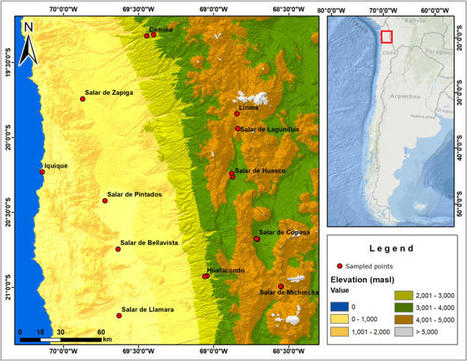
Arbuscular mycorrhizal (AM) fungi affect ecosystem processes improving plant tolerance in (hyper)arid/saline environments. However, there are no previous studies on the presence of AM fungi in the Atacama Desert (Northern Chile), the driest desert in the world. Here, we studied the root and rhizosphere in 111 samples of representative plants from three elevation gradients: (i) hyperarid desert (700–2000 m a.s.l.), (ii) pre-Puna (2000–3100 m a.s.l.) and (iii) Puna (3100–4500 m a.s.l.) elevation belts. Soil pH, electrical conductivity (EC), organic matter, cations and the AM colonization and fungal structures were determined. All plants showed colonization and fungal structures. Root colonization ranged from 3.5 to 87%, hyphae showed densities from 0.13 to 204 m g−1, and spore densities between 20 and 45,500 per 100 g of soil. The highest fungal structure abundances were found in Prosopis tamarugo, Baccharis scandens, Werneria pinnatifida, Deyeuxia curvula and Festuca deserticola rhizospheres. In general, EC and cations showed strong relationship with fungal structure abundance. Here, we reported for the first time the widespread presence of AM symbiosis in all the elevation belts of the Atacama Desert, constituting a first step to understand the ecological role that AM fungi play under extreme aridity and salinity conditions.
|
|
Scooped by
Jean-Michel Ané
April 15, 2021 4:44 PM
|
•Species ratios in mycorrhizal fungal communities influence mycorrhiza functioning.
•A spontaneously established mycorrhizal community induced the highest plant benefits.
•Manipulation of the fungal species abundances mostly decreased plant benefits.
•Fungal species traits explain the differences in the functioning of the communities.
|
|
Scooped by
Jean-Michel Ané
April 10, 2021 10:35 PM
|
|
|
Scooped by
Jean-Michel Ané
April 10, 2021 7:11 PM
|
Ensuring food security in an environmentally sustainable way is a global challenge. To achieve this agriculture productivity requires increasing by 70% under increasingly harsh climatic conditions without further damaging the environmental quality (e.g. reduced use of agrochemicals). Most governmental and inter-governmental agencies have highlighted the need for alternative approaches that harness natural resource to address this. Use of beneficial phytomicrobiome, (i.e. microbes intimately associated with plant tissues) is considered as one of the viable solutions to meet the twin challenges of food security and environmental sustainability. A diverse number of important microbes are found in various parts of the plant, i.e. root, shoot, leaf, seed, and flower, which play significant roles in plant health, development and productivity, and could contribute directly to improving the quality and quantity of food production. The phytomicrobiome can also increase productivity via increased resource use efficiency and resilience to biotic and abiotic stresses. In this article, we explore the role of phytomicrobiome in plant health and how functional properties of microbiome can be harnessed to increase agricultural productivity in environmental-friendly approaches. However, significant technical and translation challenges remain such as inconsistency in efficacy of microbial products in field conditions and a lack of tools to manipulate microbiome in situ. We propose pathways that require a system-based approach to realize the potential to phytomicrobiome in contributing towards food security. We suggest if these technical and translation constraints could be systematically addressed, phytomicrobiome can significantly contribute towards the sustainable increase in agriculture productivity and food security.
|
|
Scooped by
Jean-Michel Ané
April 10, 2021 7:05 PM
|
Background
To decipher the root and microbial interaction, secondary metabolite accumulation in roots and the microbial community’s succession model during the plant’s growth period demands an in-depth investigation. However, till now, no comprehensive study is available on the succession of endophytic fungi and arbuscular mycorrhizal fungi (AMF) with roots of medicinal licorice plants and the effects of endophytic fungi and AMF on the secondary metabolite accumulation in licorice plant’s root.
Results
In the current study, interaction between root and microbes in 1–3 years old medicinal licorice plant’s root and rhizospheric soil was investigated. Secondary metabolites content in licorice root was determined using high-performance liquid chromatography (HPLC). The composition and diversity of endophytic and AMF in the root and soil were deciphered using high-throughput sequencing technology. During the plant’s growth period, as compared to AMF, time and species significantly affected the diversity and richness of endophytic fungi, such as Ascomycota, Basidiomycota, Fusarium, Cladosporium, Sarocladium. The growth period also influenced the AMF diversity, evident by the significant increase in the relative abundance of Glomus and the significant decrease in the relative abundance of Diversispora. It indicated a different succession pattern between the endophytic fungal and AMF communities. Meanwhile, distance-based redundancy analysis and Mantel tests revealed root’s water content and secondary metabolites (glycyrrhizic acid, liquiritin, and total flavonoids), which conferred endophytic fungi and AMF diversity. Additionally, plant growth significantly altered soil’s physicochemical properties, which influenced the distribution of endophytic fungal and AMF communities.
Conclusions
This study indicated a different succession pattern between the endophytic fungal and AMF communities. During the plant’s growth period, the contents of three secondary metabolites in roots increased per year, which contributed to the overall differences in composition and distribution of endophytic fungal and AMF communities. The endophytic fungal communities were more sensitive to secondary metabolites than AMF communities. The current study provides novel insights into the interaction between rhizospheric microbes and root exudates.
|
|
Scooped by
Jean-Michel Ané
April 10, 2021 6:59 PM
|
Although most plants can benefit from mutualistic associations with arbuscular mycorrhizal (AM) fungi, nonhost plant species such as the model Arabidopsis thaliana have acquired incompatibility. The transcriptional response of Arabidopsis to colonization by host-supported AM fungi switches from initial AM recognition to defense activation and plant growth antagonism. However, detailed functional information on incompatibility in nonhost–AM fungus interactions is largely missing. We studied interactions between host-sustained AM fungal networks of Rhizophagus irregularis and 18 Arabidopsis genotypes affected in nonhost penetration resistance, coumarin production and secretion, and defense (salicylic acid, jasmonic acid, and ethylene) and growth hormones (auxin, brassinosteroid, cytokinin, and gibberellin). We demonstrated that root-secreted coumarins can mitigate incompatibility by stimulating fungal metabolism and promoting initial steps of AM colonization. Moreover, we provide evidence that major molecular defenses in Arabidopsis do not operate as primary mechanisms of AM incompatibility nor of growth antagonism. Our study reveals that, although incompatible, nonhost plants can harbor hidden tools that promote initial steps of AM colonization. Moreover, it uncovered the coumarin scopoletin as a novel signal in the pre-penetration dialogue, with possible implications for the chemical communication in plant–mycorrhizal fungi associations.
|
|
Scooped by
Jean-Michel Ané
April 9, 2021 6:43 PM
|
Symbiosis between cyanobacteria and plants is considered pivotal for biological nitrogen deposition in terrestrial ecosystems. Despite the large knowledge in the ecology of plant-cyanobacteria symbioses, little is known about the molecular mechanisms involved in the crosstalk between partners. A SWATH-mass spectrometry has been used to analyse, at the same time, the differential proteome of Oryza sativa and Nostoc punctiforme during the first events of the symbiosis. N. punctiforme activates the expression of thousands of proteins involved in signal transduction and cell wall remodelling, as well as 11 Nod-like proteins that might be involved in the synthesis of cyanobacterial-specific Nod factors. In O. sativa the differential protein expression was connected to a plethora of biological functions including signal transduction, defense-related proteins, biosynthesis of flavonoids and cell wall modification. N. punctiforme symbiotic inspection of O. sativa mutants in the SYM pathway reveals the involvement of this ancestral symbiotic pathway in the symbiosis between the cyanobacterium and the plant.
|