Your new post is loading...

|
Scooped by
Jean-Michel Ané
Today, 1:08 PM
|
Lateral roots (LR) and the root nodules (RN) of legumes are structurally related and the decision processes leading to RN formation involve signal exchange with the shoot. In order to disentangle these processes, we established a quantitative assay for LR formation in hairy root liquid cultures (HRLC) for the legume Lotus japonicus. In HRLC, ectopic expression of SymRK, or deregulated, auto-active versions of CCaMK and Cyclops stimulated LR formation in a NIN-dependent manner, but spontaneous RN were never observed. It appears that the previously described spontaneous RN formation induced by these versions requires the presence of the shoot. Interestingly, CCaMKT265D increased LR number in a cyclops mutant, revealing the presence of additional CCaMK targets mediating LR formation. Constitutive and ectopic expression of NIN under the ubiquitin promoter resulted in a significant increase in LR number. We compared the responsiveness of two Rosaceae that have either retained NIN (Dryas drummondii) or lost it (Fragaria vesca) to stimulation with the constitutively active variant CCaMK1−314. Intriguingly, CCaMK1−314 was able to increase LR formation in Dryas but not in Fragaria, pointing to consequences of the evolutionary loss of NIN on root architecture. Taken together our data provide evidence for NIN as a molecular link between symbiosis-signaling and LR formation. Non-inoculated nsp1 and nsp2 mutant plants as well as HRLC of these mutants exhibited increased LR densities that were no further increased by expression of CCaMK1-314. We propose a model in which LR density is balanced by the activation of NIN expression by SymRK and CCaMK and the LR suppressing activity of NSP1 and NSP2.
|
|
Scooped by
Jean-Michel Ané
December 22, 9:42 AM
|
Legume Nod Factor Receptors (NFRs) are LysM-Receptor-Like Kinases (LysM-RLKs) that initiate host nodulation signaling upon perception of Nod Factors produced by rhizobia. Structural and functional characterization of NFRs from the model legumes Medicago truncatula and Lotus japonicus have unravelled crucial domains/motifs that are indispensable for nodulation signaling. Due to a partial homology of NFRs with that of LysM-RLKs in cereals, the identified domains/motifs have helped in the engineering of these receptors in non-nodulating crop plants like barley.
|
|
Scooped by
Jean-Michel Ané
December 21, 5:22 PM
|
Phosphorus (P) is a primary mineral nutrient essential for the growth and productivity of many crop plants. Although abundant in nature, its bioavailability is limited due to the prevalence of insoluble forms. An alternative for meeting agricultural P demand is the application of P-solubilizing microorganisms (PSMs), which mobilize it. Although progress has been made in the study of PSMs, knowledge gaps still exist regarding their role in sustainable agriculture. Therefore, this review examines the barriers to P acquisition in low-solubility soils and highlights recent advances in understanding the mechanisms of P solubilization mediated by plant-associated bacteria and fungi. The molecular strategies involved in the uptake and transport of P from soil in plants are also analyzed. Bacteria from genera such as Bacillus, Pseudomonas, and Streptomyces, as well as fungi including arbuscular mycorrhizal fungi, Aspergillus spp., and Penicillium spp., employ various approaches to solubilize P, leading to improved plant nutrition. These mechanisms, which include the production of organic acids, cation chelation, proton exudation, and phosphatase activity, can be inferred from experimental approaches or genome mining strategies. The role of PSMs as plant growth promoters and enhancers of plant nutrition across diverse environmental conditions are also discussed. Finally, we propose the integration of PSM consortia as multifunctional bioinoculants to promote sustainable agricultural practices.
|
|
Scooped by
Jean-Michel Ané
December 21, 5:20 PM
|
The advent of endosymbiosis underlies evolutionary innovation and ecosystem function. However, whether free-living partners tend to benefit or exploit each other during incipient endosymbiosis remains a dilemma. Rhizobia bacteria are plant endosymbionts capable of initiating root nodules and fixing nitrogen due to genes carried on mobile genetic elements (MGEs) such as the symbiosis island (SI). We conjugated marked SIs into the genomes of nonnodulating strains, which was sufficient to generate de novo root nodule-forming endosymbionts. Most novel endosymbionts originated as commensals that incurred no detectable costs to host plants, in contrast to predictions of exploitation. In fact, a third of endosymbionts originated as nitrogen fixing mutualists. Consistent with phylogenetic limits to transfer of MGE function, novel endosymbionts derived from more closely related SI donor and recipient strains showed greater nitrogen fixation. However, we did not detect phylogenetic limits to SI transmission, which could reflect selfish selection for generalized horizontal transfer of this MGE. In fact, the SI was able to displace other genomic elements residing at its characteristic tRNA gene insertion site. We thus provide genetic, genomic, and functional evidence of how MGEs can potentiate and constrain major evolutionary transitions to expand bacterial niches, with cascading effects on host organisms.
|
|
Scooped by
Jean-Michel Ané
December 19, 4:26 PM
|
The genetic basis for the adaptive advantages of polyploids over their diploid relatives remains poorly understood. To address this knowledge gap, we generate a haplotype-resolved autotetraploid alfalfa (Medicago sativa subsp. sativa) genome and construct a super-pangenome from 13 genomes across seven Medicago taxa. We discover substantial gene content variation in alfalfa, with only 20.1% of genes present on all four haplotypes. Within this group, 53.3% are core genes conserved across the Medicago genus, which we term ‘tetra-copy core genes’. We find these genes are significantly enriched in climate-adaptation-associated genes (1.60-fold) and stress-responsive differentially expressed genes (1.61-fold). Paradoxically, they also carry a high genetic burden, with 80.1% of deleterious variants located in coding regions. Indeed, overexpressing a representative tetra-copy core gene, the glycine decarboxylase (MsGDC), improves both biomass and nitrogen use efficiency, despite its high genetic burden. Our study reveals the trade-off between adaptation and evolutionary constraints mediated by tetra-copy core genes, facilitating polyploid genetics and alfalfa breeding.
|
|
Scooped by
Jean-Michel Ané
December 15, 1:18 PM
|
The demands for food are rising worldwide due to the planet’s finite resources and changing environment. The population of Earth is growing drastically every day, which may be in charge of ensuring global food security, which will ultimately have an impact on farming methods and human habitation. All living things require nitrogen, although it is the most restrictive in ecosystems. Despite the significant contribution of synthetic fertilizers, the amount of nitrogen needed for food production increases yearly, and the misuse of agrochemicals threatens the sustainability of agriculture and the health of the soil. Biological nitrogen fixation (BNF) is one solution to this issue. BNF accounts for about 60% of Earth’s fixed nitrogen. As a result, it is becoming more and more important to optimize BNF in agriculture to satisfy the expanding global demand for food production. BNF offers numerous practical advantages to agroecosystems. It is an essential method for enhancing soil N availability to enhance crop growth and refilling the reservoirs of soil organic N. A thorough understanding of the BNF mechanism would enable the transfer of this capacity to other non-fixing microbes or highly valuable non-leguminous plants. This chapter includes the history and contributions from both global and regional sources, gives the current understanding of BNF, the process of the global nitrogen fixation cycle, advantages of BNF, effectiveness in agriculture, commercialization of nitrogen as biofertilizers, limitations, and their prospects. It also addresses potential ways to increase BNF for potential benefit and draws attention to the opportunities and challenges on the adoption of BNFs.
|
|
Scooped by
Jean-Michel Ané
December 15, 9:50 AM
|
Desiccation-tolerant seeds provide an intriguing system for studying microbial dormancy, which includes reversible inactivation and reactivation in response to stress. Focusing on bacterial responses to desiccation and rehydration, we offer a holistic interpretation of dormancy and quiescence within the seed holobiont, highlighting both parallels and distinctions between microbes and their plant host. Based on pilot evidence, we propose that microbial dormancy supports persistence throughout the life cycle of desiccation-tolerant seeds. Transcriptomic analyses of seed-transmitted bacteria have identified genes implicated in inactivation and the viable-but-nonculturable state. Our analysis of Xanthomonas citri pv. fuscans illustrates this during seed maturation. However, the signals triggering microbial reactivation and the potential reciprocal interactions between seed dormancy and quiescence, and microbial dormancy, remain unknown. Elucidating this interplay within the seed holobiont could enhance plant growth and health either by promoting seed germination through microbial inoculation or by enabling early detection of seed-transmitted phytopathogens.
|
|
Scooped by
Jean-Michel Ané
December 12, 2:25 PM
|
Introduction: Microbial interactions in the rhizosphere are fundamental to soil health, plant growth, and ecosystem stability. Among these interactions, metabolic cross-feeding, the exchange of metabolites between microorganisms, plays a critical role in shaping microbial community structure and function. This study investigates the metabolic interplay between two PGPR (Priestia megaterium and Bacillus licheniformis), focusing on how metabolite exchange influences bacterial growth and metabolic reprogramming.
Methods: An integrative metabolomics approach was employed to examine metabolic exchanges between P. megaterium and B. licheniformis. Cultures were grown individually and in co-culture, followed by extraction of extracellular metabolites at distinct growth phases. Metabolomic profiling was conducted using ultra-performance liquid chromatography-mass spectrometry (UPLC-MS). Data preprocessing and feature extraction were followed by molecular networking and multivariate statistical analysis to identify discriminant metabolites. Pathway enrichment and functional annotation were performed using KEGG and MetaboAnalyst to pinpoint key metabolic pathways altered during cross-feeding interactions.
Results and discussion: Metabolomic analysis revealed distinct metabolic shifts driven by reciprocal metabolite exchange between P. megaterium and B. licheniformis. Metabolites secreted by B. licheniformis exhibited a growth-inhibitory effect on P. megaterium, while those from P. megaterium stimulated the growth of B. licheniformis. Multivariate data analysis demonstrated significant variation in the production of amino acids, fatty acids, and cyclic lipopeptides across growth phases. Pathway enrichment identified the phenylalanine, tyrosine, and tryptophan biosynthesis (PTTB) pathway as a central metabolic hub mediating these interactions. The regulation of aromatic amino acid metabolism appeared critical in determining whether interactions were cooperative or competitive. The observed metabolic reprogramming reflects adaptive strategies employed by PGPR to thrive under nutrient-limited conditions, balancing cooperation and competition through selective metabolite secretion. These findings offer systems-level insight into the mechanistic basis of cross-feeding and highlight the potential of integrating metabolomics to guide microbial consortia design for agricultural applications. Understanding these metabolic determinants supports the development of tailored biofertilizer formulations that enhance soil fertility and plant resilience.
Conclusion: This study demonstrates that metabolite cross-feeding induces distinct metabolic reprogramming between Priestia megaterium and Bacillus licheniformis, underpinning adaptive interactions in nutrient-limited environments. These findings provide a mechanistic basis for microbial consortia design and biofertilizer optimization. Future multi-omics and systems-level investigations should elucidate the genetic and regulatory determinants of these metabolic exchanges, advancing sustainable biotechnological innovations aligned with SDGs 9, 12, and 13.
|
|
Scooped by
Jean-Michel Ané
December 11, 4:50 PM
|
Legume plants have the capacity to incorporate atmospheric nitrogen by establishing an endosymbiotic interaction with soil bacteria resulting in the formation of nitrogen-fixing nodules. Bacteria are internalized through a tightly regulated process that requires membrane remodelling and vesicle trafficking, which are controlled by small GTPases. Members of the ARF family of GTPases mediate vesicle budding in a wide range of biological processes; however, the modulation of ARF members, their subcellular localization and the formation of complexes with other proteins during the root nodule symbiosis has not been investigated. Here, to identify proteins that physically interact with MtARFA1, a yeast two hybrid screening was performed using a cDNA library of Medicago truncatula roots inoculated with Sinorhizobium meliloti. One of the identified MtARF1 interactors is a protein that possesses a BTB/POZ domain. BTB/POZ domains are present in substrate-specific adaptors that form complexes with the Ubiquitin ligase E3 Cullin3 (CUL3), thus the interactor was designated as M. truncatula CUL3 substrate-adaptor protein 1 (MtCSP1). Physical interaction between MtARF1 and MtCSP1 was verified in planta by co-immunopurification assays and bimolecular fluorescence complementation, revealing that the interaction takes place in vesicles of the late endosome. The MtCSP1 promoter is active in lateral roots and in the meristem of indeterminate nodules. Phenotypic analysis of transgenic roots with altered mRNA levels of MtCSP1 evidenced the requirement of this gene for the progression of rhizobial infection and nodule organogenesis. This work establishes a link between small GTPases and protein degradation by the ubiquitin system in the context of the nitrogen-fixing symbiosis.
|
|
Scooped by
Jean-Michel Ané
December 10, 5:52 PM
|
•Rhizobacteria have shown great promise in enabling sustainable crop agriculture.
•Low rhizosphere competence of rhizobacteria have hindered their widespread adoption.
•Root exudate engineering can theoretically improve rhizosphere competence.
•Root exudates can be enriched for beneficial metabolites, but there are pitfalls.
•Temporal regulation of metabolite release may be a useful approach to rhizosphere engineering.
|
|
Scooped by
Jean-Michel Ané
December 10, 5:41 PM
|
We evaluated the effects of arbuscular mycorrhizal fungi (AMF) inoculation on growth, root system architecture, and photosynthetic performance of Coffea arabica seedlings. In a greenhouse experiment using unsterilized soil, seedlings were grown either with (+ M) or without (–M) the addition of AMF inoculum. +M plants exhibited higher net CO2 assimilation rates and maximum carboxylation capacity of RuBisCO despite reduced stomatal conductance (and transpiration rates), resulting in improved water-use efficiency. These physiological adjustments were associated with greater photochemical utilization of incident light. In addition, +M plants showed increased foliar phosphorus concentration and shifts in leaf metabolic profiles, characterized by higher starch and total free amino acids, reduced hexose sugars, and unchanged sucrose and protein concentrations. Compared with –M plants, +M seedlings displayed pronounced modifications in root system architecture, including greater total root length, surface area, and volume, with a higher proportion of fine roots, while biomass partitioning remained unchanged. Collectively, these morphological and physiological responses resulted in superior vegetative growth in + M plants. AMF inoculation thus represents a promising approach to produce more vigorous and stress-resilient coffee seedlings, potentially facilitating field establishment and reducing production costs.
|
|
Scooped by
Jean-Michel Ané
December 7, 9:45 AM
|
Background
The trans-kingdom movement of microRNAs (miRNAs) is a key regulatory mechanism in plant biotic interactions, influencing and modulating both pathogenic virulence and symbiotic relationships. This study employed bioinformatic analysis to predict the role of rice (Oryza sativa L.) miRNAs in regulating gene expression during interactions with the pathogenic fungi Rhizoctonia solani (R. solani) and Magnaporthe oryzae (M. oryzae), as well as the symbiotic fungus Rhizophagus irregularis (R. irregularis).
Results
Previously reported and up-regulated rice miRNAs were identified from the literature during inoculation, and their target genes were predicted in the fungal transcriptomes. The KEGG pathway and GO enrichment analyses revealed that rice miRNAs could target genes crucial for pathogen metabolism (e.g., carbohydrate, amino acid, lipid, and xenobiotic), genetic information processing, and essential cellular processes (e.g., signal transduction, transport, catabolism, and cell growth and death), potentially impairing fungal virulence and survival. The osa-miR171 family is predicted to regulate R. irregularis genes involved in protein serine/threonine kinase activity, antiporter activity, cell division, TAP complex binding, and O-acetylhomoserine sulfhydrylase activity during symbiosis. Additionally, the osa-miR171 family targets key rice genes such as phosphate transporter, NSP2, and SCR, involved in nutrient transport, common symbiosis signaling, and root development, respectively, which are likely important for forming and regulating a symbiotic relationship. The qRT‒PCR results confirmed the up-regulation of osa-miR171h (symbiosis-related) and osa-miR167d-5p (pathogen-responsive) in rice roots inoculated with R. irregularis.
Conclusions
These findings highlight the significant role of trans-kingdom RNA regulation in plant–microbe interactions, contributing to understanding the molecular regulation, distinctions, and similarities between pathogenic and symbiotic relationships in plants. This initial study performs the first comparative trans-kingdom sRNA analysis in rice, successfully predicting and distinguishing the molecular mechanisms that drive virulence versus mutualism. This work also lays the groundwork for developing novel strategies to enhance plant disease resistance, foster beneficial symbiotic interactions, and ultimately boost agricultural yields.
|
|
Scooped by
Jean-Michel Ané
December 5, 11:14 AM
|
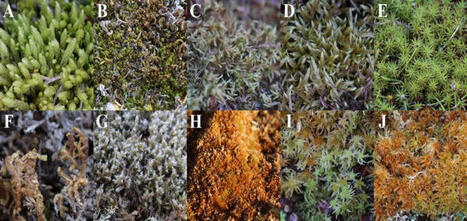
In northern biomes, growth is nitrogen (N) limited, but bryophytes are abundant. These bryophytes often host N2-fixing microorganisms (diazotrophs) that play a crucial role in the N cycle of these ecosystems. Despite their importance, how the bryophyte-associated N2-fixation varies across species and seasons (summer, autumn, winter, and spring) remains poorly understood. We measured N2-fixation rates for 10 bryophyte species in situ throughout the entire year in the Arctic with additional incubations to verify the method. We measured positive N2-fixation during most of the year, except for the coldest period (February). The species growing in the wettest conditions (Sphagnum spp.) had the highest N2-fixation rates in summer, while bryophytes in drier conditions peaked in N2-fixation rates in spring and autumn. The seasonal variation in N2-fixation activity was pronounced, but similar patterns were found among different species. This study reveals that bryophyte-associated N2-fixation in northern ecosystems is larger than previously assumed, as it occurs over a more extended part of the year than previously inferred. Furthermore, the importance of bryophyte-associated diazotrophs cannot be quantified without considering both the diversity of bryophytes and their variation in N2-fixing seasonal activity patterns. Both future changes in climatic conditions and biodiversity of bryophytes can thus have large implications for the N cycle in arctic regions.
|
|
|
Scooped by
Jean-Michel Ané
December 22, 9:58 AM
|
Biofertilizers have become a viable substitute for chemical fertilizers. Biofertilizers contain the effective strains of potential organisms majorly included of bacterial and fungal strains providing desirable benefits to crop plants and soil. They are being prepared in different formulations suitable for diverse applications. Variations in production process, raw materials and storage conditions can lead to inconsistencies in microbial composition and nutrient levels, impacting their function in the fields. However, the shelf life and quality maintenance of biofertilizers are critical to their effectiveness and viability and present considerable hurdles throughout production, storage and application. Biofertilizers are easily affected by various factors resulting in eventual loss of viability. Variations in temperature, moisture content and exposure to UV radiation are a few examples of factors that might negatively impact microbial viability and activity. Furthermore, contamination by undesirable microorganism during production and storage can reduce the effectiveness of bio-fertilizers. To address these problems, innovative approaches such as different formulation techniques were developed. Addition of stabilizing agents to the formulation will add value to the products, since it gives protection to the cell, thus the efficacy and shelf life are maintained. Varied types of formulations have different issues with the maintenance of quality and shelf life. Widely used formulations and the problems and constrains with different formulations on application, in addition to shelf life and also the possible suggestions are discussed in this review.
|
|
Scooped by
Jean-Michel Ané
December 21, 5:23 PM
|
Arbuscular mycorrhizal symbiosis plays a pivotal role in nutrient acquisition and stress tolerance, making its regulation crucial for sustainable crop productivity. This review synthesizes current advances in understanding the molecular and physiological factors governing AM symbiosis, with emphasis on transcriptional, hormonal, and nutrient-mediated regulation. From pre-symbiotic signaling to root colonization and arbuscule development, AM formation is orchestrated by a complex network of molecular interactions. Transcription factors, including those with GRAS domains (e.g., NSP1, NSP2, RAM1, and DELLA), and other regulators such as MYB, SPX, WRKY, and CYCLOPS/IPD3, serve as central modulators of symbiosis-related gene expression. Phytohormones, including strigolactones, salicylic acid, and abscisic acid, generally promote symbiosis, whereas gibberellins and ethylene act as inhibitors; cytokinin exerts context-dependent effects. Nutrient status also modulates AM formation—low phosphorus and nitrogen promote, while high nutrient availability suppresses colonization. Collectively, these insights reveal the integrative regulatory networks driving AM symbiosis and offer new avenues to optimize symbiotic efficiency for enhanced plant growth and agricultural sustainability.
|
|
Scooped by
Jean-Michel Ané
December 21, 5:21 PM
|
Climate change, a major threat to global food security, has been accelerated by increasing atmospheric CO2 levels over the last two centuries. Numerous studies indicate that high atmospheric CO2 (eCO2) enhances carbon (C) sequestration in plant biomass, potentially aiding in its mitigation. Plant root characteristics are critical regulators of underground C inputs, soil nutrient acquisition, and water uptake. Roots directly interface with soil, while shoots perceive atmospheric CO2 via β-carbonic anhydrase, triggering systemic signals, such as hormone pathways, that influence root functions, including strigolactone secretion and mycorrhizal colonization. Recent research has begun to elucidate how eCO2 influences root morphology, root system expansion, and overall root functionality, including increased root:shoot ratios, respiration rates, rhizodeposition, and fungal colonization. This review aims to synthesize the current understanding of eCO2 effects on plant roots, with a particular focus on arbuscular mycorrhizal (AM) symbiosis. We highlight novel findings regarding the interactions between eCO2 and plant hormones, which play a crucial role in the systemic regulation of AM symbiosis. Finally, we outline potential future research directions that could enhance crop resilience to climate change, emphasizing the importance of integrating root biology and mycorrhizal interactions in sustainable agricultural practices.
|
|
Scooped by
Jean-Michel Ané
December 19, 4:29 PM
|
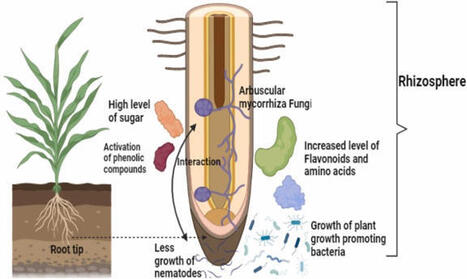
Arbuscular mycorrhizal fungi (AMF) play a crucial role in promoting plant health. They assist plants in absorbing nutrients and enhance their resistance to diseases and environmental stressors. In contrast, plant-parasitic nematodes (PPNs) pose a significant threat to global crop production. Both AMF and PPNs inhabit the soil surrounding plant roots, yet their interactions are not fully understood. They may compete directly or influence plants in indirect ways. This review examines the relationship between AMF and PPNs, emphasizing their interactions and suggesting that AMF could serve as a natural method to control PPN populations. Unlike previous studies that have focused on these organisms separately, this review integrates insights on the impact of AMF and nematode interactions on plants through nutrient availability, spatial competition, and rhizosphere dynamics. Additionally, it explores the mechanisms of systemic resistance that AMF may provide against nematodes, creating a comprehensive framework for future research and sustainable agriculture.
|
|
Scooped by
Jean-Michel Ané
December 17, 4:48 PM
|
Central to the legume–rhizobium symbiosis is the formation of organelle-like symbiosomes where nitrogen-fixing bacteroids are enclosed by a host-derived symbiosome membrane. This creates the symbiosome space, which topologically resembles an apoplastic compartment within the cell. While the apoplast of plant cells is largely occupied by the cell wall, symbiosomes are devoid of cell wall polymers. Here, we describe a mechanism that functions to protect and maintain effective nitrogen fixation through the action of cell-wall-degrading enzymes that prevent accumulation of un-esterified pectin within symbiosomes. We identify two symbiotically-induced polygalacturonase (PG) genes in Medicago truncatula, SyPG1 and SyPG2, that are secreted into the symbiosome space. Silencing the expression of SyPG1/2 or editing SyPG1/2 via CRISPR-Cas9 both lead to nodule senescence and trigger excessive accumulation of un-esterified pectin in symbiosome containing cells. Additionally, we show that un-esterified pectins inhibit rhizobial growth both in vivo and in vitro. Together, our results provide evidence for a host-controlled cell wall clearance mechanism that is essential for symbiosome maintenance.
|
|
Scooped by
Jean-Michel Ané
December 15, 1:13 PM
|
Legume–rhizobium symbiosis relies on the precise integration of receptor-mediated signaling with dynamic membrane trafficking to initiate infection threads (ITs) and accommodate bacterial infection via root hairs. Here, we identify the soybean Qa-SNARE GmSYNTAXIN111a (GmSYP111a), a close paralog of the cytokinesis-specific protein KNOLLE, as a critical regulator in symbiotic infection. A kinase client (KiC) assay revealed that GmSYP111a is a direct phosphorylation substrate of the receptor kinase GmSymRKβ (also known as DMI2 or NORK in other legumes), which modifies Ser-8 at its N-terminus. BiFC, co-immunoprecipitation, and in vitro kinase assays confirmed that GmSymRKβ phosphorylates GmSYP111a without disrupting their basal association, but phosphorylation alters the subcellular distribution of the complex. In soybean root hairs, GmSYP111a and GmSymRKβ co-localize to the plasma membrane, and Nod factor perception induces clathrin-mediated endocytosis accompanied by GmSYP111a re-localization into intracellular vesicles. A non-phosphorylatable mutant (GmSYP111aS8A) showed markedly reduced internalization and a corresponding decrease in infection events, resulting in impaired IT formation and a phenotype resembling GmSymRKβ-RNAi roots. In contrast, a phosphomimetic variant (GmSYP111aS8D) displayed partial vesicular recruitment upon infection. Functional analyses further demonstrated that GmSYP111a, but not its paralog SYP111b, is indispensable for nodule initiation in soybean, with this role conserved in Lotus japonicus. Collectively, our results show that GmSymRKβ-mediated phosphorylation of GmSYP111a functions as a molecular switch that links symbiotic signaling to clathrin-dependent endocytosis. This mechanism coordinates localized membrane remodeling at infection sites, parallels the role of KNOLLE in cytokinesis, and highlights how duplication and neo-functionalization of GmSYP111a contributed to the evolution of legume-specific symbiotic pathways.
|
|
Scooped by
Jean-Michel Ané
December 12, 2:35 PM
|
Arbuscular mycorrhizal (AM) fungi enhance plant nutrient acquisition from soil; however, their ability to exploit organic nutrient forms in the absence of associated microbes capable of mineralization remains unclear. To test if the AM fungi carry their beneficial bacterial partners into nutrient-rich zones, we conducted three controlled experiments manipulating the microbial inputs, diversity and composition in plant–AM fungus–soil systems, ranging from open pots to semi-sterile mesocosms. We manipulated soil microbial diversity by imposing a microbial diversity gradient (complex communities fractionated by size, resulting in fractions passing through 1 µm to 1000 µm sieves) and cultivated Andropogon gerardii in previously sterilized substrate together with a bacterial-free Rhizophagus irregularis. In each experiment, 15N‐labeled chitin or mineral nitrogen (N) compartments were installed in the root‐free zone of each mesocosm. With decreasing microbial inputs into the root-free zone, the N uptake from chitin to plants, facilitated by the AM fungal hyphae, decreased. Upon complete absence of microbes in the root-free zone, AM hyphal foraging preferences assessed by quantitative PCR indicated that exploration of the mineral N compartments was more effective than that of the chitin compartments. AM fungal hyphae were ineffective in priming mineralization of organic N even if provided with complex soil microbiomes at a distance from the compartment. In summary, chitin-enriched compartments become attractive for the AM fungi only when previously mineralized by competent microbes. Such microbes, however, were not effectively transported to spatially restricted organic resources in soil via AM hyphal highways in our experiments.
|
|
Scooped by
Jean-Michel Ané
December 12, 2:23 PM
|
Symbiotic mycorrhizal fungi are crucial drivers of ecosystem functioning through their associations with plants. Ecosystems dominated by different types of mycorrhizal fungi, such as ectomycorrhizal fungi (EM) and arbuscular mycorrhizal (AM) fungi, often exhibit variation in plant productivity. However, the mechanisms underlying these differences and their dependence on environmental context remain unclear. Furthermore, the lack of robust, fine-scale evidence linking plant productivity to measurable indicators of mycorrhizal colonization or dominance, together with limited information on environmental variables, constrains accurate global-scale modeling of mycorrhizal effects on ecosystem functioning. In this study, we synthesize existing knowledge on the competitive and complementary interactions between the two dominant mycorrhizal types. Building on this synthesis, we propose a new conceptual framework to describe the context-dependent and often idiosyncratic nature of these interactions. We then present case studies and a meta-analysis spanning local to global scales, examining how vegetation biomass is related to mycorrhizal colonization or dominance under different environmental conditions. Our findings indicate that mycorrhizal types and environmental variables interactively shape ecosystem productivity in a dynamic and resilient manner. This work offers a new foundation for spatially explicit, locally informed assessments of how mycorrhizal influence vegetation productivity across contrasting environmental constraints.
|
|
Scooped by
Jean-Michel Ané
December 11, 2:53 PM
|
Plant–microbe symbioses such as the legume–rhizobium mutualism are vital in the web of ecological relationships within both natural and managed ecosystems, influencing primary productivity, crop yield, and ecosystem services. The outcome of these interactions for plant hosts varies quantitatively and can range from highly beneficial to even detrimental depending on natural genetic variation in microbial symbionts. Here, we take a systems genetics approach, harnessing the genetic diversity present in wild rhizobial populations to predict genes and molecular pathways crucial in determining partner quality, i.e., the benefits of symbiosis for legume hosts. We combine traits, dual-RNAseq of both partners from active nodules, pangenomics/pantranscriptomics, and Weighted Gene Co-expression Network Analysis (WGCNA) for a panel of 20 Sinorhizobium meliloti strains that vary in symbiotic partner quality. We find that genetic variation in the nodule transcriptome predicts host plant biomass, and WGCNA reveals networks of genes in plants and rhizobia that are coexpressed and associated with high-quality symbiosis. Presence–absence variation of gene clusters on the symbiosis plasmid (pSymA), validated in planta, is associated with high or low-quality symbiosis and is found within important coexpression modules. Functionally our results point to management of oxidative stress, amino acid and carbohydrate transport, and NCR peptide signaling mechanisms in driving symbiotic outcomes. Our integrative approach highlights the complex genetic architecture of microbial partner quality and raises hypotheses about the genetic mechanisms and evolutionary dynamics of symbiosis.
|
|
Scooped by
Jean-Michel Ané
December 10, 5:43 PM
|
Legumes engage in nitrogen-fixing symbiosis with rhizobia, wherein it is well established that host legumes supply dicarboxylates as a carbon source to rhizobia, while rhizobia reciprocate by providing ammonium to the host plants. Apart from the classical model, accumulating evidence suggests that amino acid exchange is also essential to legume-rhizobium symbiosis. However, it remains unclear whether amino acid transporters are present on the symbiosome membrane (SM) to mediate amino acid exchange in symbiotic nitrogen fixation (SNF). In this study, we identified three amino acid transporters in Medicago truncatula—MtCAT1a, MtCAT1b, and MtCAT1c—belonging to a clade of the plant Cationic Amino acid Transporter (CAT) family known for transporting a wide range of amino acids. Notably, MtCAT1b and MtCAT1c are predominantly expressed in infected cells of nodules and are localized to the SM. Genetic analyses further demonstrate that both MtCAT1b and MtCAT1c are required for amino acid exchange on the SM, with additional evidence indicating that metabolism of bacteroids is disturbed in the mutant. Transport assays reveal that both MtCAT1b and MtCAT1c exhibit broad substrate specificity. Collectively, our findings identify MtCAT1b and MtCAT1c as key mediators of cross-kingdom amino acid exchange, essential for maintaining efficient SNF in root nodules.
|
|
Scooped by
Jean-Michel Ané
December 10, 9:34 AM
|
Food prices are increasing almost everywhere. Disruptions and declines in food production owing to climate extremes are part of the reason1,2. But our analysis of global spending on the innovations that underpin food production and the processes that get it to people’s tables shows major shifts in investment in agricultural science. These could help to explain why demand for food is getting out of balance with supply — and why things are likely to get worse.
|
|
Scooped by
Jean-Michel Ané
December 7, 9:41 AM
|
Improving crop nitrogen (N) uptake is essential for a more sustainable agriculture. Deploying resource-efficient root phenotypes, beneficial soil microbiomes and their interplay is a promising approach. To test the hypothesis that adaptive root phenotypes under N limitation associate to specific microbial taxa, we characterized 11 architectural and 13 anatomical root phenotypes, and associated rhizosphere prokaryotic and fungal communities across 16 field-grown maize (Zea mays L.) inbred lines under optimal and low N availability. While maize genotypes were not significant to the rhizosphere microbial diversity, the number of crown roots significantly affected fungal β-diversity under N limitation. Moreover, the relative abundance of 98 rhizosphere microbial taxa significantly correlated with individual root architectural or anatomical phenotypes in a N- and plant yield-specific way. Interestingly, a greater number of correlations was found under optimal than under low N availability. Our results suggest the importance of investigating the root phenotypes as predictors of rhizosphere microbial communities in maize inbred lines. Moreover, maize root architecture and anatomy may associate with microbes more frequently under optimal than under suboptimal N conditions. The relative contribution of root phenotypes and specific microbial taxa to plant performance under N limitation deserves more attention in future research.
|